
Edinburgh
141 entries published in this place.
1683 CE
#13076
Hortus medicus Edinburgensis, or, A catalogue of the plants in the Physical Garden at Edinburgh: Containing their most proper Latin and English names; with an English alphabetical index.
Digital facsimile from Biodiversity Heritage Library at this link.
1751 CE
#1381
An essay on the vital and other involuntary motions of animals.
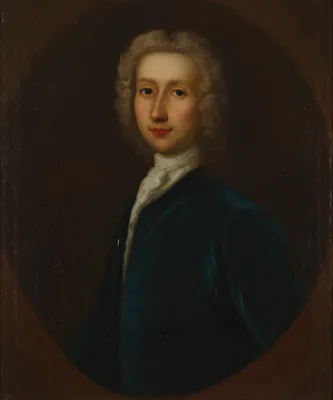
Whytt, famous Edinburgh neurophysiologist, was the first to prove that the response of the pupils to light is a reflex action (“Whytt’s reflex”). He described this reflex at length and mentioned that…
1753 CE
#3713
A treatise of the scurvy.
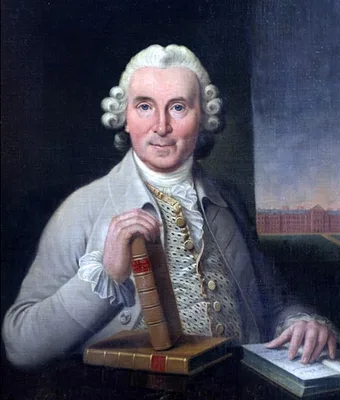
Lind, founder of naval hygiene in England, wrote a classic treatise on scurvy, in which he described many important experiments he made on the disease. These experiments have been called “the first deliberately …
1754 CE
#919
Dissertatio medica inauguralis de humore acido a cibis orto, et magnesia alba.
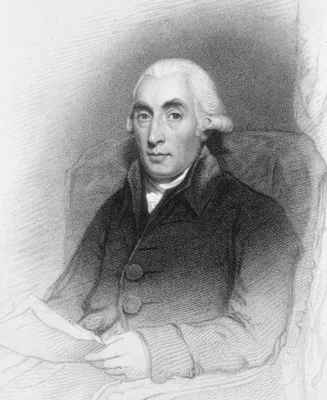
Isolation of carbon dioxide. English translation, Minneapolis, 1973.
1759 CE
#1484.2
A treatise on the eye. The manner and phenomena of vision. 2 vols.
Porterfield was Professor of the Institutes and Practice of Medicine at Edinburgh from 1724-26. His book included many original observations. It was the first important British work on the anatomy and physiology of th…
1765 CE
#5051
An enquiry into the nature, cause, and cure of the croup.
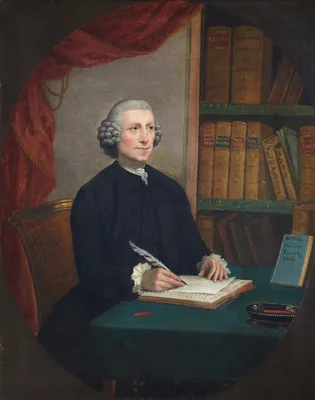
First clear and complete clinical description of diphtheria.
1765 CE
#4841
Observations on the nature, causes, and cure of those disorders which have been commonly called nervous hypochondriac, or hysteric, to which are prefixed some remarks on the sympathy of the nerves.
“First important English work on neurology after Willis” (Garrison).
1767 CE
#5196
De gonorrhoea virulenta.
Balfour is said to have been the first to re-affirm the duality of gonorrhoea and syphilis.
1768 CE
#4634
Observations on the dropsy in the brain.
The first account of the clinical course of tuberculous meningitis in children. This work is notable for its fullness of detail and its accuracy. Whytt divided the disease into three stages, according to the character…
1768 CE
#11733
The works of Robert Whytt, M.D. Late physician to his Majesty.... Published by his son.
Digital facsimile from the Internet Archive at this link.
1769 CE
#9148
Domestic medicine or, the family physician: Being an attempt to render the medical art more generally useful, by shewing people what Is in their own power both with respect to the prevention and cure of diseases: Chiefly calculated to recommend a proper attention to regimen and simple medicines.
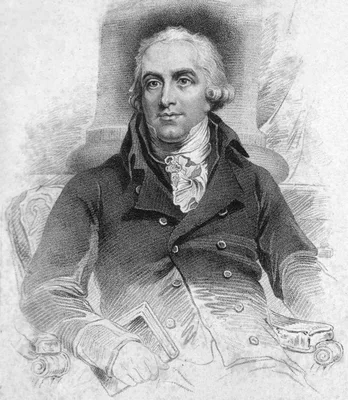
This pioneering medical self-help book was an instant success, selling 80,000 copies in Buchan's lifetime— a huge number for that time, and was translated into all the major European languages. Digital facsimile…
1769 CE
#2204
Synopsis nosologiae methodicae.
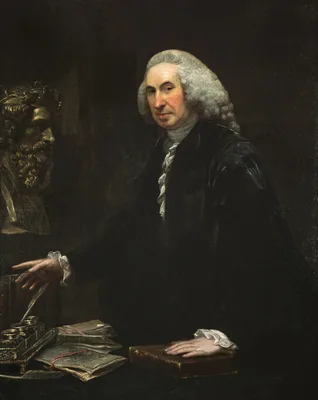
This work made Cullen’s reputation. In it he divided diseases into fevers, neurosis, cachexias and local disorders. Cullen was the foremost British clinical teacher of his time, one of the first to give clinical…
1770 CE
#12733
Lectures on the materia medica: Containing the natural history of drugs, their virtues and doses: Also directions for the study of the materia medica; and an appendix on the method of prescribing. Published from the manuscript of the late Dr. Charles Alston...by John Hope. 2 vols.
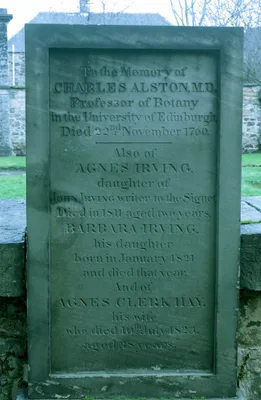
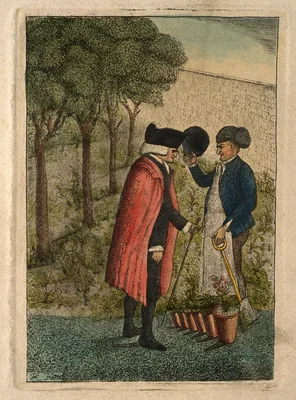
Digital facsimile from the Internet Archive at this link.
1772 CE
#921
De aëre fixo dicto, aut mephitico.
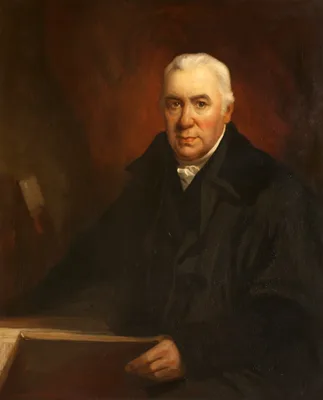
Discovery of nitrogen.
1777 CE
#980
Dissertatio physiologica inauguralis de alimentorum concoctione.
First isolation of human gastric juice. Stevens was also the first successfully to perform an in vitro digestion, proving the presence in the gastric juice of the active principle necessary for the assimilation of foo…
1778 CE
#5578
A treatise on the theory and management of ulcers.
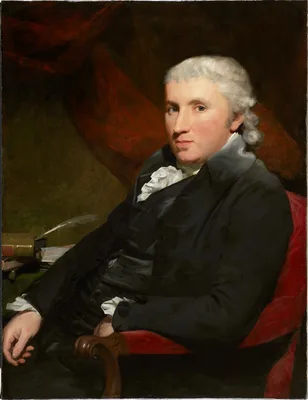
Important classification of ulcers.
1783 CE
#1385
Observations on the structure and functions of the nervous system.
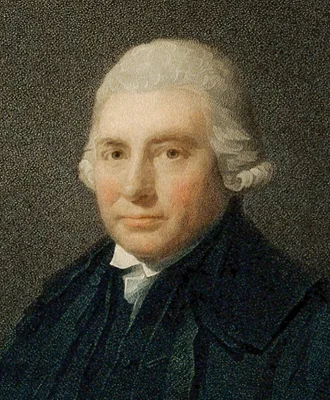
Monro discovered the communication between the lateral ventricles of the human brain with each other and with the third ventricle, the “foramen of Monro”. Alexander secundus was the greatest of the three M…
1783 CE–1788 CE
#5579
A system of surgery. 6 vols.
Bell studied under the Monros at Edinburgh. He was surgeon to the Royal Infirmary, Edinburgh, for 29 years. He improved the methods of amputation, introducing the “triple incision of Bell”. Above is his be…
1784 CE
#4920.1
First lines on the practice of physic. 4th ed. Vol. 3.
Cullen introduced the term “neuroses” (pp. 121-23).
1786 CE
#3716
Observations on the scurvy.
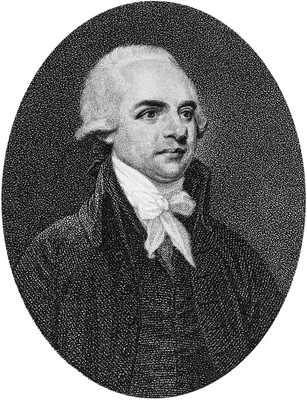
1787 CE
#5198
First lines of theory and practice in venereal diseases.
First complete description of lymphatic chancre – “Nisbet’s chancre”.
1788 CE
#399.2
A description of all the bursae mucosae of the human body.
The first serious study of this subject and the most original anatomical work by the greatest of the Monro dynasty. See No. 1385.
1789 CE
#1838
A treatise of the materia medica. 2 vols.
An expansion of Cullen’s “Lectures on materia medica”, 1773.
1792 CE
#13055
Catalogus librorum in bibliotheca Societatis medicae Edinburgenae, secundum auctorum nomina dispositus.
Digital facsimile from wellcomecollection.org at this link. Later editions, 1799, 1804, 1812.
1792 CE
#13816
The animal kingdom, or zoological system, of the celebrated Sir Charles Linnæus. containing a complete systematic description, arrangement, and nomenclature, of all the known species and varieties of the mammalia, or animals which give suck to their young; Class I Mammalia. Being a translation of that part of the Systema naturae, as lately published, with great improvements, by Professor Gmelin of Goettingen. Together with numerous additions from more recent zoological writers, and illustrated with copperplates.

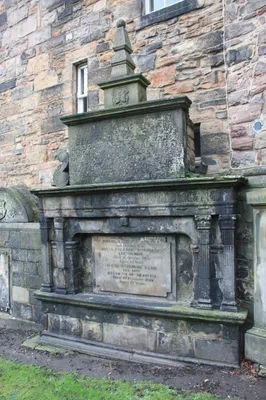
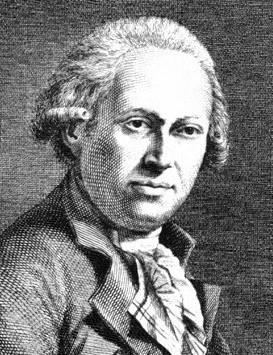
English translation of parts 1 and 2 of the 13th edition of Linnaeus's Systema naturae (1788-1793) edited by Johann Friedrich Gmelin. Digital facsimile from Biodiversity Heritage Library at this link.
1793 CE
#2378
A treatise on gonorrhoea virulenta, and lues venerea. 2 vols.
Bell was the first to differentiate between gonorrhoea and syphilis.
1794 CE
#4307
A practical essay on a certain disease of the bones termed necrosis.
One of the first attempts at a complete and detailed description of necrosis. Russell was the first Professor of Clinical Surgery at Edinburgh.
1794 CE
#9833
Engravings, explaining the anatomy of the bones, muscles and joints.
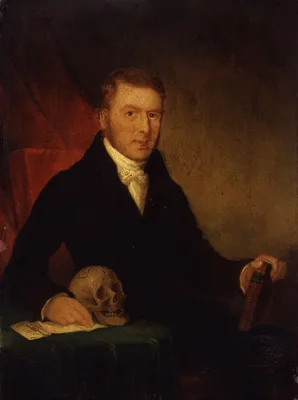
Bell’s atlas of the bones, muscles and joints was issued as a separate work a year after his text, The Anatomy of the Bones, Muscles, and Joints. Bell’s illustrations are some of the most striking in the e…
1797 CE
#10481
An essay on burns: Principally upon those which happen to workmen in mines from the explosions of inflammable air (or hydrogen gas)....
Digital facsimile of the 1817 edition reprinting the 1797 work and the continuation (1800): A second essay on burns : in which an attempt is made to refute the opinions of Mr. Earle, and Sir W. Farquhar, lately advanc…
1797 CE–1804 CE
#401.3
The anatomy of the human body. 4 vols.
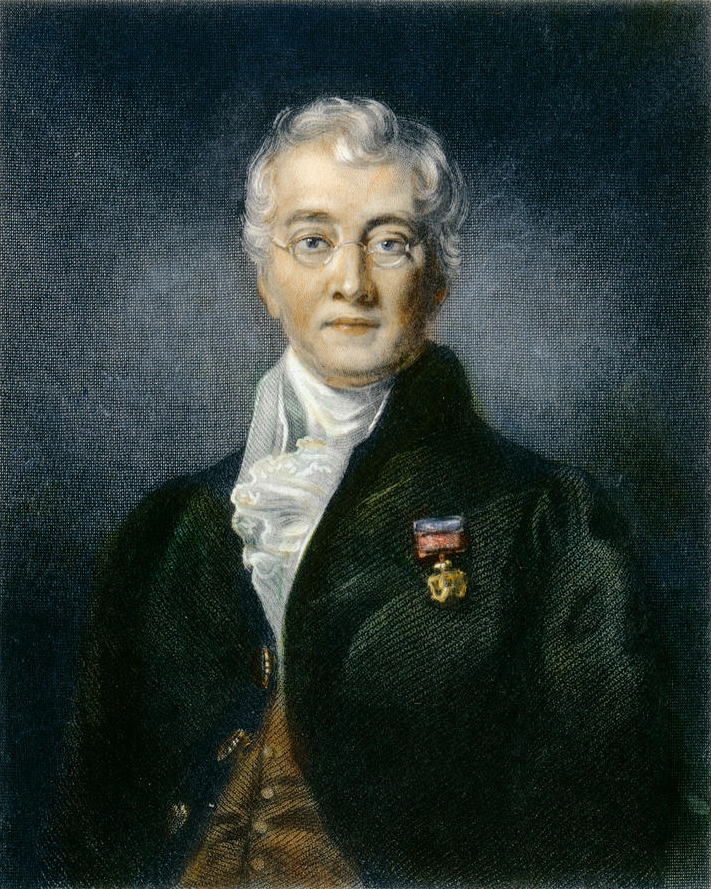
“The first great textbook contributed by the British school to modern anatomy” (Russell, No. 461).
1798 CE–1803 CE
#402
A system of dissections. 2 vols.
Published in 7 fascicules and appendix while Bell was still a student, this was Bell’s first independent venture as an author. The anatomical work of Charles Bell and his brother John was among the most signific…
1801 CE–1808 CE
#2926
The principles of surgery. 3 vols.
John Bell, the Scottish anatomist and brother of Charles Bell, is regarded as a founder of surgical anatomy. He was first to ligate the gluteal artery (Vol. I, pp, 421-26), and tied the common carotid and internal ili…
1802 CE
#9581
An entire, new, and original work; being a complete treatise upon spinae pedum; containing several important discoveries. Illustrated with copperplates exhibiting the different species of spinae.
The first original British work on podiatry, with several illustrations, one hand-colored. Disappointed at being refused a medical degree, Lion, a German Jewish émigré, wrote this book, taking the unusua…
1807 CE
#8814
An account of the diseases of India, as they appeared in the English fleet, and in the naval hospital at Madras, in 1782 and 1783; with observations on ulcers, and the hospital sores of that country, &c. & c. To which is prefixed a view of the diseases of an expedition and passage of a fleet and armament to India, in 1781.
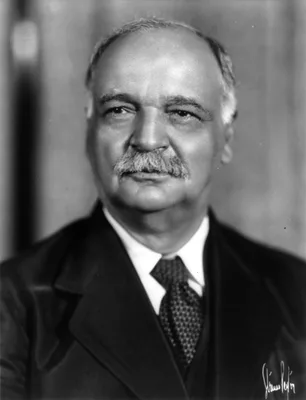
Digital facsimile from Google Books at this link.
1807 CE
#1602.1
The code of health and longevity; or, a concise view of the principles calculated for the preservation of health, and the attainment of long life. 4 vols.
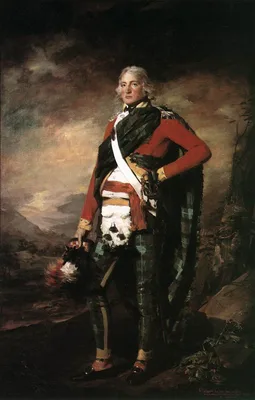
One of the most comprehensive works on gerontology ever written, with a bibliography of 1800 references, supplemented by abstracts, translated excerpts from ancient authors, national data, etc.
1808 CE
#4635
An essay on hydrocephalus acutus, or dropsy in the brain.
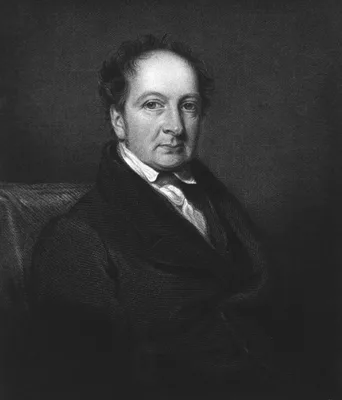
Acute hydrocephalus first described.
1808 CE–1818 CE
#5840
Essays on the morbid anatomy of the human eye. 2 vols.
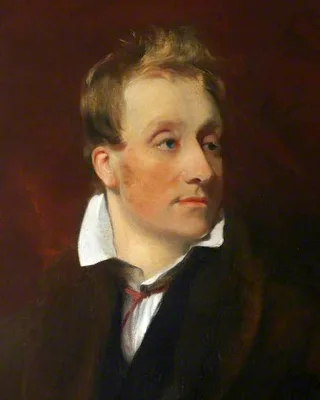
Wardrop was the first to classify the various inflammations of the eye according to the structures attacked. He was also the first to use the term “keratitis”.
1809 CE
#1603
A treatise on medical police, and on diet, regimen, &c. In which the permanent and regularly recurring causes of disease in general, and those of Edinburgh and London in particular, are described; with a general plan of medical police to obviate them, and a particular one adapted to the local circumstances of these cities. 2 vols.
First notable work on the subject in English. Digital facsimile from Google Books at this link.
1809 CE
#2738
Observations on some of the most frequent and important diseases of the heart.
Burns described endocarditis and reported three cases of mitral stenosis. He recognized the thrill present in the latter condition and seems to have understood the mechanism of a cardiac murmur. He also described unil…
1809 CE
#3252
The pathology of the membranes of the larynx and bronchia.
Cheyne’s important book deals mainly with the lesions of croup.
1810 CE
#1765
Letters on professional character and manners.
"A man of compassion, Bell made many enemies because he was outspoken about the unnecessary pain and suffering inflicted by incompetent surgeons practicing in Scotland. In 1800 he became involved in an unfortunate con…
1811 CE
#3055
Observations on the surgical anatomy of the head and neck.
Burns was the first to suggest (p. 31) ligature of the innominate artery. His book describes “Burns’s space”, the fascial space at the suprasternal notch. The first recorded case of chloroma (myeloid…
1811 CE
#13755
Travels in the island of Iceland, during the summer of the year MDCCCX.
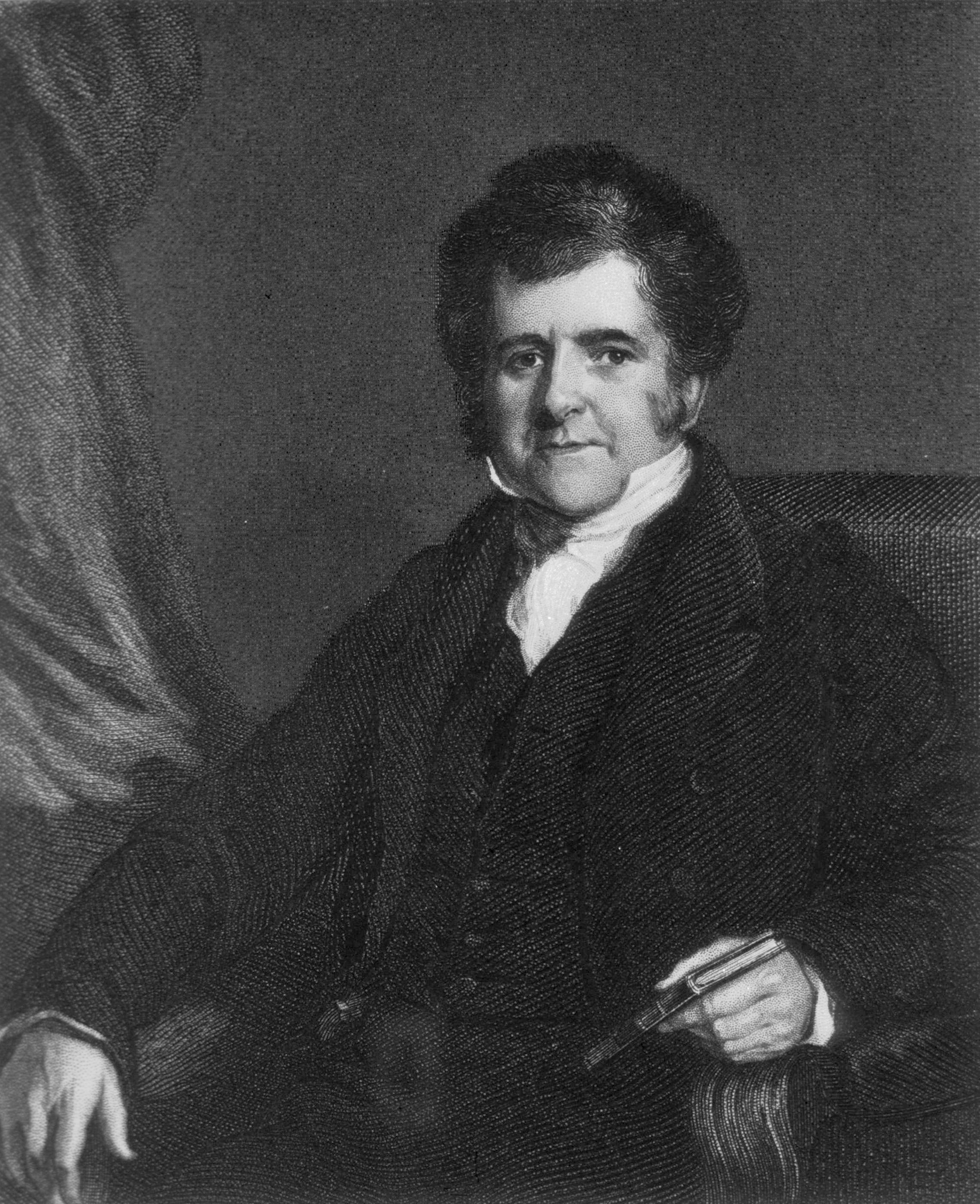
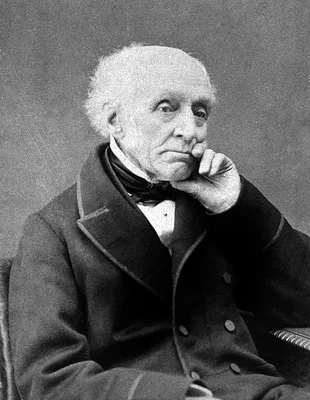
Only Mackenzie is credited with authorship on the title page. Holland and Bright accompanied Mackenzie on this voyage and exploration. On p. xi of the Preface Mackenzie indicates that he benefitted from Hooker's notes…
1816 CE
#4826
Notes on the swelling of the tops of the hands and feet, and on a spasmodic affection of the thumbs and toes, which very commonly attends it.
In his early account of chronic tetany, Kellie referred to carpo-pedal spasm and spasms of the glottis as part of the syndrome.
1818 CE
#2162
Observations on some important points in the practice of military surgery.
“A valuable surgical record of the Napoleonic period” (Garrison).
1818 CE
#5182.1
Practical observations on fever, dysentery and liver complaints as they occur amongst European troops in India. With introductory remarks on the disadvantages of selecting boys for Indian military service.
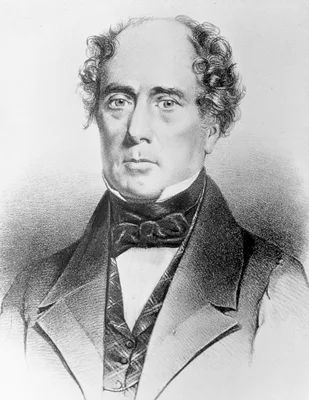
Ballingall distinguished between amoebic and bacillary dysentery. Digital facsimile from the Internet Archive at this link.
1818 CE
#7319
Travels from Vienna through Lower Hungary; with remarks on the state of Vienna during the congress in the year 1814.
Digital facsimile from Google Books at this link.
1820 CE
#5740
Dissertatio chirurgo-medica inauguralis de velosynthesi.
Stephenson, a medical student from Montreal, was the first to be operated upon by Roux (No. 5739.1) for the repair of cleft of the soft palate. He described the operation in his graduation thesis. Stephenson later fou…
1822 CE–1826 CE
#13508
A system of anatomical plates of the human body. By John Lizars. Text in 8vo in 12 pts., plus folio atlas with engraved title and 101 plates engraved by William Home Lizars.
Lizars's System of anatomical plates was by far his most successful work, going through many editions. The text of the work was originally issued in 12 parts in octavo format, which were then bound together in book fo…
1824 CE
#8410
Bibliotheca Britannica, or, A general index to British and foreign literature. 4 vols.
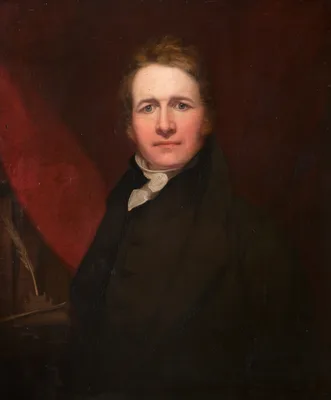
This bio-bibliographical encyclopedia of English and foreign literature includes many articles on physicians from the ancient world up to Watt's time, and is an extraordinary achievement for one man. Typically the fir…