
Facets
Browse across eight MeSH (opens in new tab) facets — era, geography, science, specialty, technology, history, culture, and reference. Select one tag per group; counts update across the others.
Clear filtersFacet filters
Geography
Specialties & Disease
- Anatomy & Pathology 765
- Cardiology & Blood 914
- Neurology & Psychiatry 1,256
- Obstetrics & Reproductive 550
- Infectious Disease (General) 147
- Surgery & Anesthesia 1,551
- Public Health 1,129
- Immunology & Dermatology 1,404
- General Clinical Medicine 480
- Military Medicine 436
- Psychology 202
- Alternative & Fringe Medicine 383
- Pediatrics 247
- Ophthalmology & Vision 412
- ENT & Hearing 293
- Urology & Nephrology 309
- Gastroenterology & Hepatology 316
- Pulmonary & Respiratory 233
- Rheumatology, Rehab & Pain 188
- Internal, Emergency & Geriatric 123
- Veterinary Medicine 165
- Epidemiology & Demography 397
- Physiology & Embryology 923
- Dentistry 259
- Plagues & Epidemics 1,279
- Microbiology & Virology 1,080
Social & Historical Studies
Institutions & Culture
Reference & Scholarly Works
Drugs & Technology
765 entries match Anatomy & Pathology [G02.149 / C23]
1970 CE
#14216
Hammond's wall atlas of human anatomy.
With pages measuring 731 x 536 mm., this is the largest anatomical atlas ever published with plastic overlays. The covers include metal grommets so that the book could be hung on the wall. The work was undated, but is…
1820 CE
#9696
Hamse-i Şanizade. Miratü'l Ebdan fi Teşrih-i Azaü'l-İnsan [About anatomy]; Usulü't Tabia [Book of physiology]; Miyaru'l-Etibba [Practice of medicine].
This illustrated compendium of anatomy, physiology, and internal medicine was first medical work in Turkish printed by letterpress in the Ottoman Empire. It was also one of the first medical works in Turkish to draw t…
1895 CE–1903 CE
#430
Handatlas der Anatomie des Menschen. 3 vols.
16th edition in English, 1967.
1896 CE–1934 CE
#433
Handbuch der Anatomie des Menschen. 32 parts.
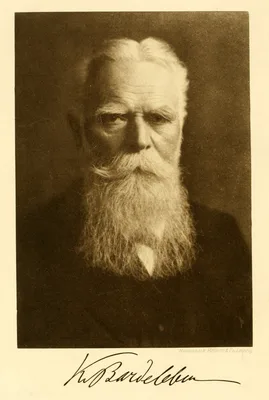
An important collective work.
1852 CE
#546
Handbuch der Gewebelehre des Menschen.
Isolation of smooth muscle.
1860 CE–1864 CE
#1778
Handbuch der historisch-geographischen Pathologie. 2 vols.
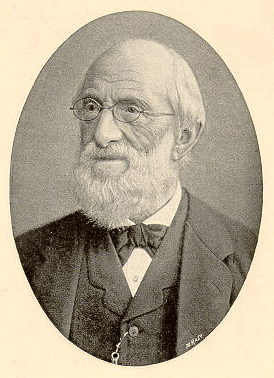
This is perhaps the greatest historical classic on the subject. Vol.1 appeared in 2 parts, with the first part issued in 1859 and the second part issued in 1860.
1869 CE–1872 CE
#550
Handbuch der Lehre von den Geweben des Menschen und der Thiere. Edited by Salomon Stricker. 2 vols.
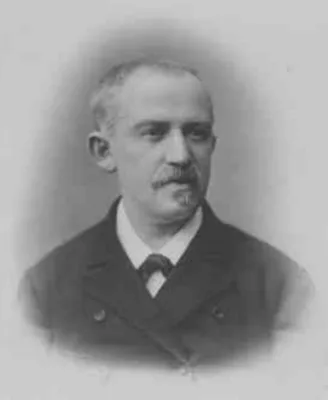
Digital facsimile from the Internet Archive at this link. Translated into English by Henry Power as Manual of human and comparative histology. Edited by S. Stricker. 3 vols. London: New Sydenham Society, 1870-73. Digi…
1815 CE–1820 CE
#407
Handbuch der menschlichen Anatomie. 4 vols.
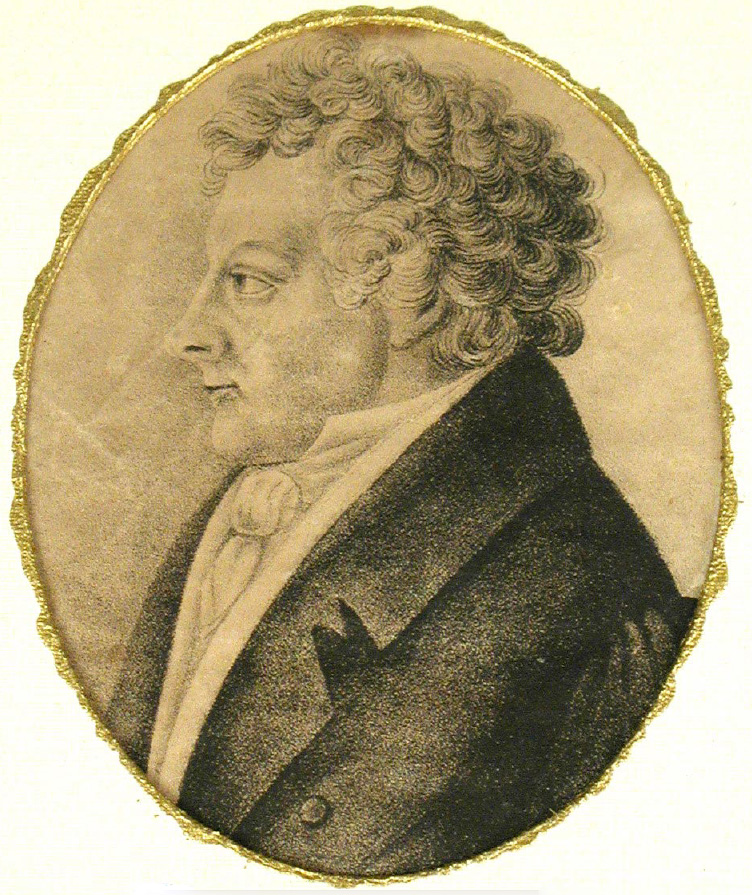
1927 CE–1943 CE
#563
Handbuch der mikroskopischen Anatomie des Menschen. 7 vols. [in 17.]
1903 CE–1909 CE
#2517
Handbuch der pathogenen Mikroorganismen. 6 vols.
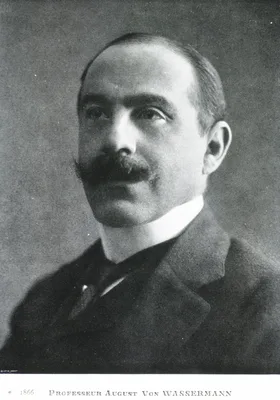
Third edition, 10 vols. [in 19], 1929-31.
1812 CE–1816 CE
#534.56
Handbuch der pathologischen Anatomie. 2 vols.
Meckel classified malformations systematically, on the basis of altered developmental mechanisms, basing his work on embryology. See No. 2284.
1842 CE–1846 CE
#2293
Handbuch der pathologischen Anatomie. 3 vols.
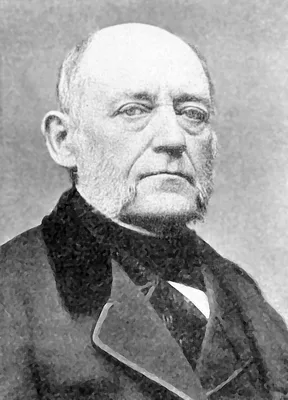
Rokitansky ranks with Morgagni as among the greatest of all writers on gross pathology. He is said to have performed over 30,000 autopsies himself. His Handbuch was for many years pre-eminent among its contemporaries.…
1926 CE–1978 CE
#2311
Handbuch der speziellen pathologischen Anatomie und Histologie. Edited by Friedrich Henke, Otto Lubarsch and Robert Rössle. 13 vols. in 43.
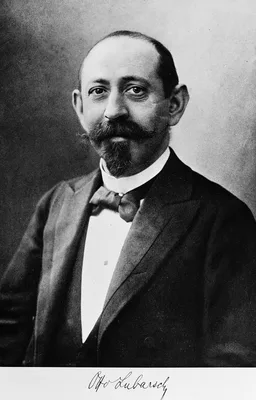
1: Blut, Knochenmark, Lymphknoten, Milz. 1/1: Blut, Lymphknoten von Max Askanazy. 1926. 1/2: Milz, Knochenmark von Max Askanazy. 1927. 3A: Lymphknoten: Diagnostik in Schnitt und Ausstrich: Cytologie und Lymphadenitis …
1855 CE–1871 CE
#417
Handbuch der systematischen Anatomie des Menschen. 3 vols.
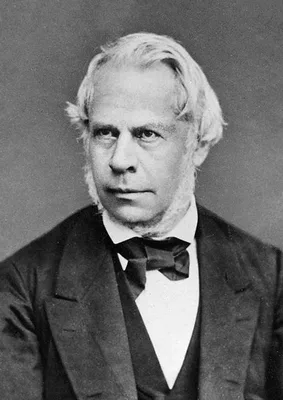
Considered by many authorities to be the greatest of the 19th-century systems of anatomy. Many structures are named after Henle, including the looped portion of the uriniferous tubules of the kidney, the layer of cell…
1847 CE
#414
Handbuch der topographischen Anatomie. 2 vols.
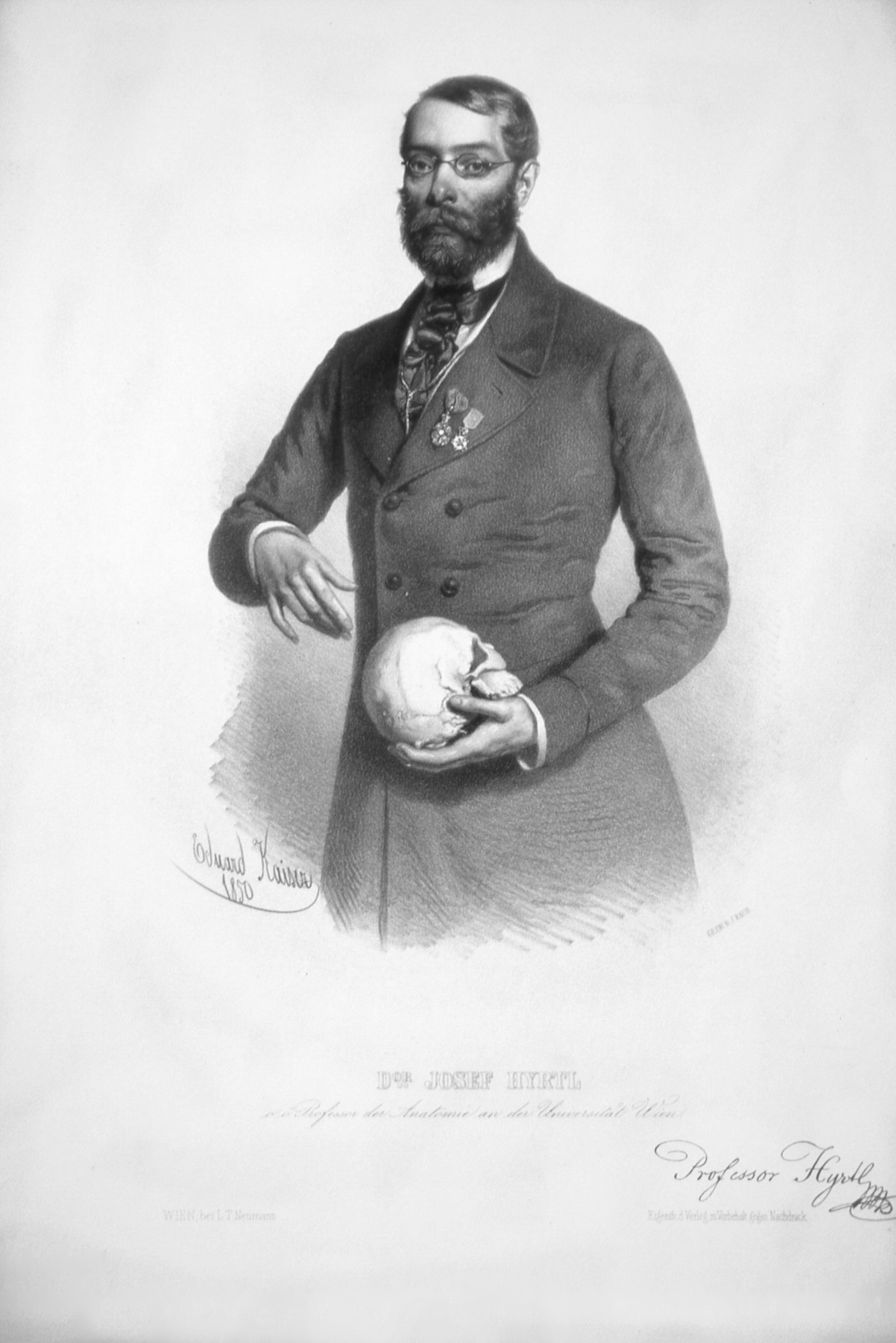
Hyrtl, professor of anatomy at Vienna, published the first text on topographical anatomy in German. He was for 30 years the most popular lecturer on the subject in Europe, and ranks as one of the greatest of medical s…
1805 CE
#312
Handbuch der vergleichenden Anatomie.
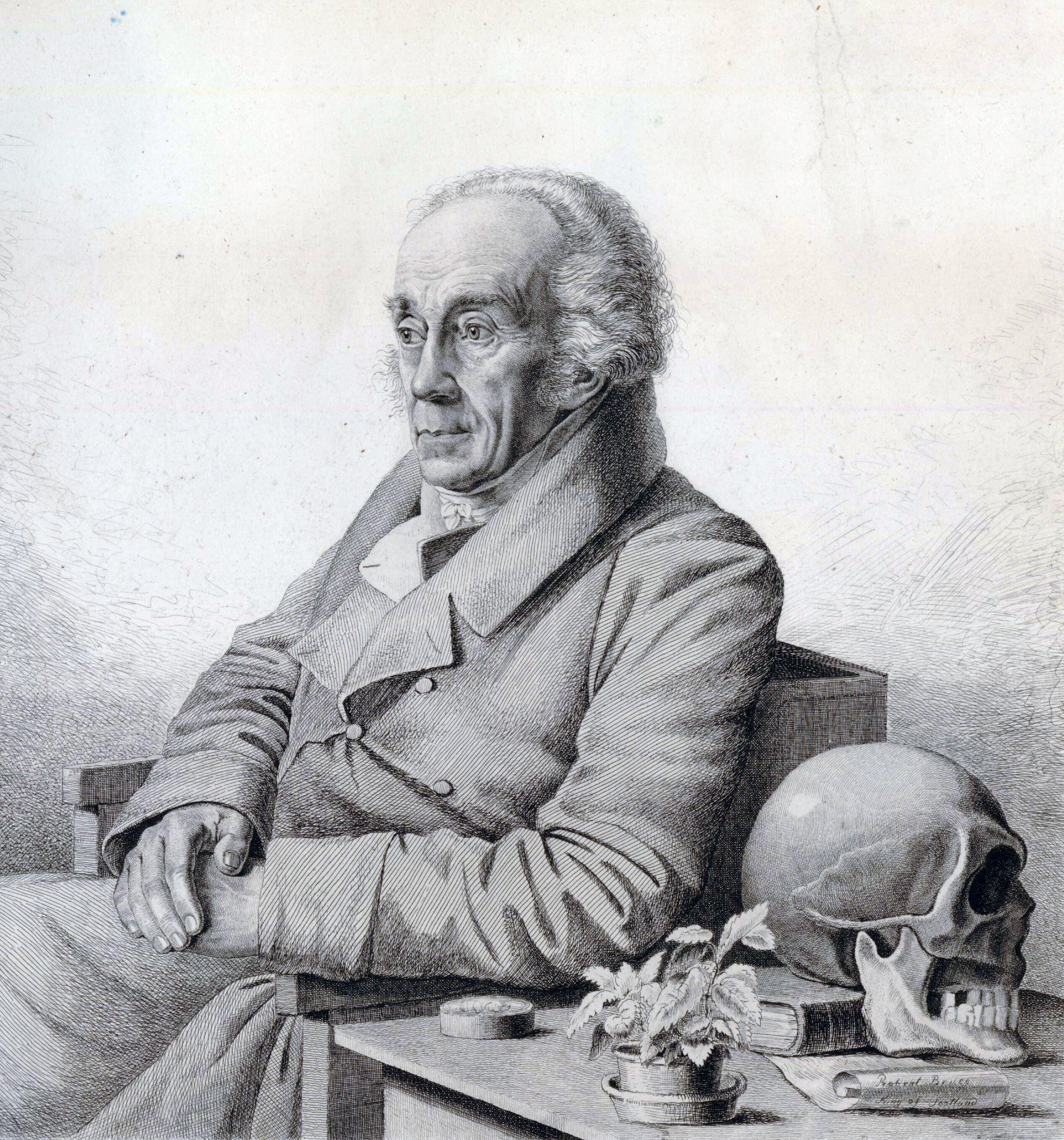
Blumenbach, physiologist and anthropologist, was Professor of Medicine at Göttingen. He was the first to show the value of comparative anatomy in the study of anthropology; his classic text went through many edit…
2009 CE
#10001
Health and medicine in ancient Egypt. Magic and science (British Archaeological Reports [BAR] International Series 1967).
Detailed study of documentation (papyri, ostraca and mummies) followed by a list of pathologies by types and some considerations on medicines and their materia medica.
1975 CE
#11691
Heart and coronary arteries: An anatomical atlas for clinical diagnosis, radiological investigation, and surgical treatment.
With 1,098 images this is "probablly the highest quality atlas of the heart ever produced" (W. Bruce Fye). This atlas received recognition throughout the world, including a Gold Medal at the International Book Festiva…
1989 CE
#18.1
Herophilus: The art of medicine in early Alexandria. Edition, translation and essays by H. von Staden.
The first comprehensive presentation of the ancient evidence for the achievements of Herophilus and his school, including edited versions of all original Greek and Latin texts plus English translations, with in-depth …
1599 CE
#13240
Hippostologie, c’est a dire, discours des os du cheval.
The first work on equine anatomy published in France. Héroard wrote the work in 1579 and the manuscript was preserved in the library of Château de Chantilly, but it was not published until 1599, one year …
1898 CE
#446
Histoire d’anatomie plastique: Les maitres, les livres et les écorchés.
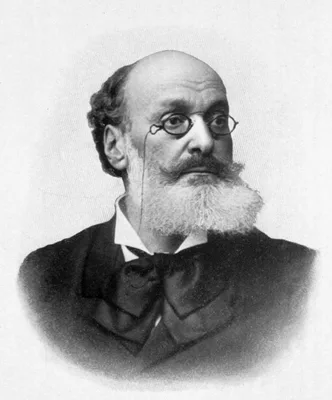
Digital facsimile from the Internet Archive at this link.
1770 CE–1773 CE
#437.1
Histoire de l’anatomie et de la chirurgie. 6 vols.
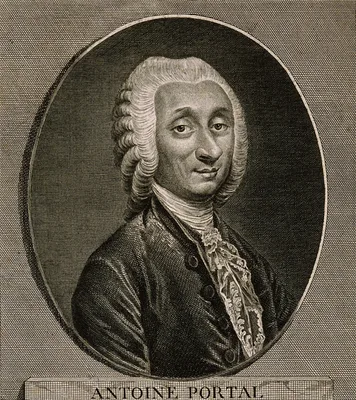
A biobibliographical survey to 1755, including dentistry.
1838 CE
#7672
Histoire des embaumements et de la préparation des pièces d'anatomie normale, d'anatomie pathologique et de l'histoire naturelle suivie de procédés nouveau.
Gannal discovered the efficacy of solutions of aluminum acetate and chloride for preserving anatomical preparations. His method of embalming involved injection of solutions of aluminum salts into the arteries. Transla…
1978 CE
#7317
Histologic diagnosis of inflammatory skin diseases: A method by pattern analysis.
1904 CE
#4803
Histologische und histopathologische Arbeiten über die Grosshirnrinde. Vol. 1.
Pages 315-494 contain Nissl’s classic account of the histopathology of general paresis.
1971 CE
#7405
Histology of the human eye.
Hogan and Alvarado's work was the first book on histology of the eye to include electron microscopy. It also reproduced spectacular three-dimensional representations of ocular ultrastructures by Joan Esperson Weddell.
1949 CE
#7316
Histopathology of the skin.
1556 CE
#378.02
Historia de la composicion del cuerpo humano…
Historia de la composicion del cuerpo humano Spanish physician Juan Valverde de Amusco was issued in Rome at the press of Antonio Salamanca. This was the first great original medical book in Spanish and the most origi…
1734 CE
#7552
Historia musculorum hominis.
Very detailed descriptions of all the muscles of the human body, with illustrations drawn and engraved by Jan Wandelaar depicting the muscles of the hand, life-size with all the muscles, tendons, ligaments, and bones.…
1971 CE
#1588.8
Historical aspects of cerebral anatomy.
A highly detailed, very technical, but well-documented study.
2006 CE
#7629
Human anatomy: A visual history from the Renaissance to the digital age.
A popular history, with excellent illustrations; probably the first history of anatomy to include a chapter (by Ackerman, project director for the National Library of Medicine's Digital Human Project) on "Anatomy in t…
1991 CE
#7718
Human cross-sectional anatomy: Atlas of body sections and CT images.

1966 CE
#2312.5
Human palaeopathology. Edited by S. Jarcho.
Includes material on the history of paleopathology in the United States.
1929 CE
#2312.4
Human paleopathology, with some original observations on symmetrical osteoporosis of the skull.
1898 CE–1901 CE
#364
I manoscritti de Leonardo da Vinci della Reale Biblioteca di Windsor. Pubblicata da Teodoro Sabachnikoff. Transcritti e annotati da Giovanni Piumati. 2 vols.
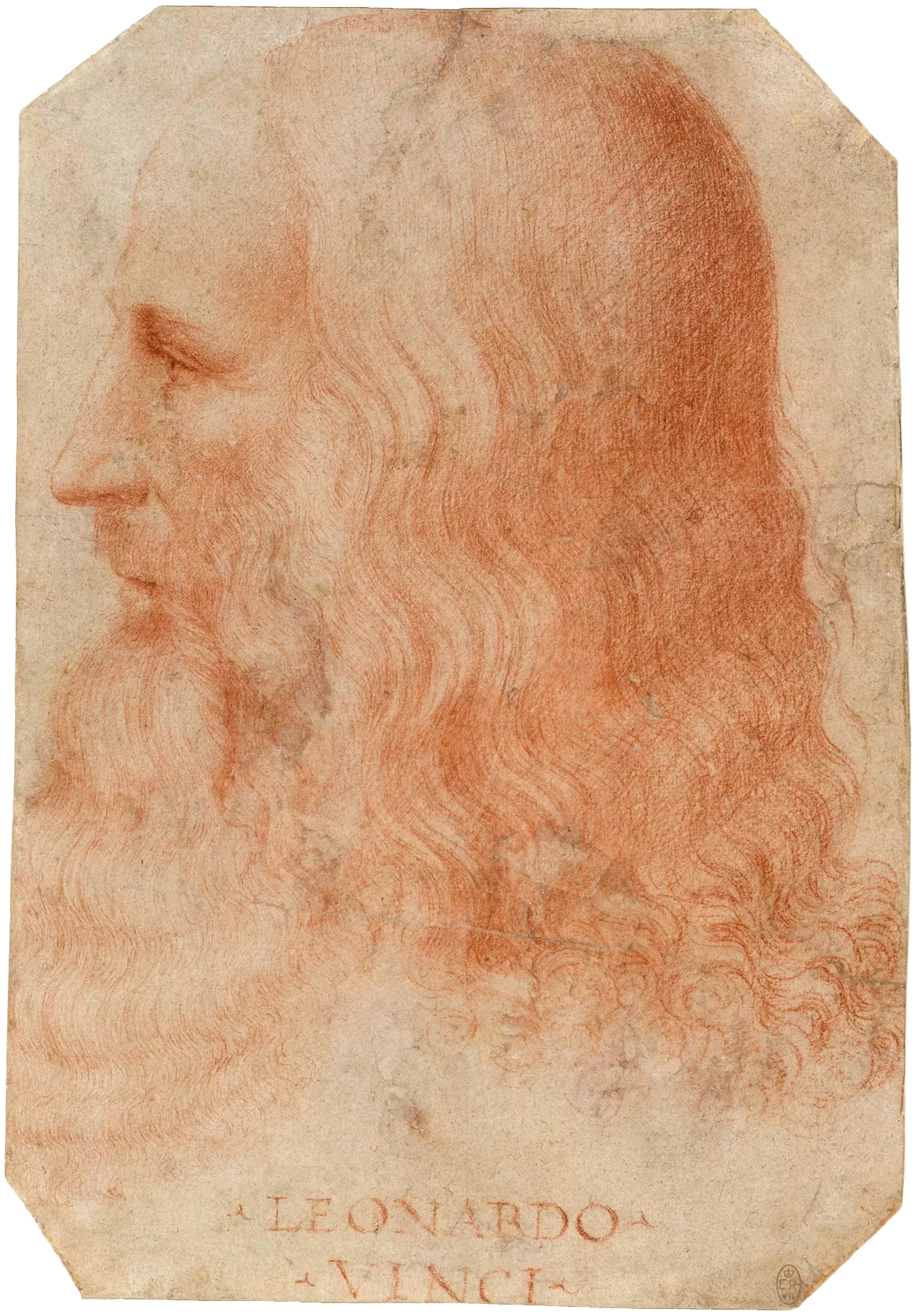
Includes folios A & B of his anatomical MSS. Text in French and Italian.
1743 CE–1756 CE
#397
Icones anatomicae. 8 pts.
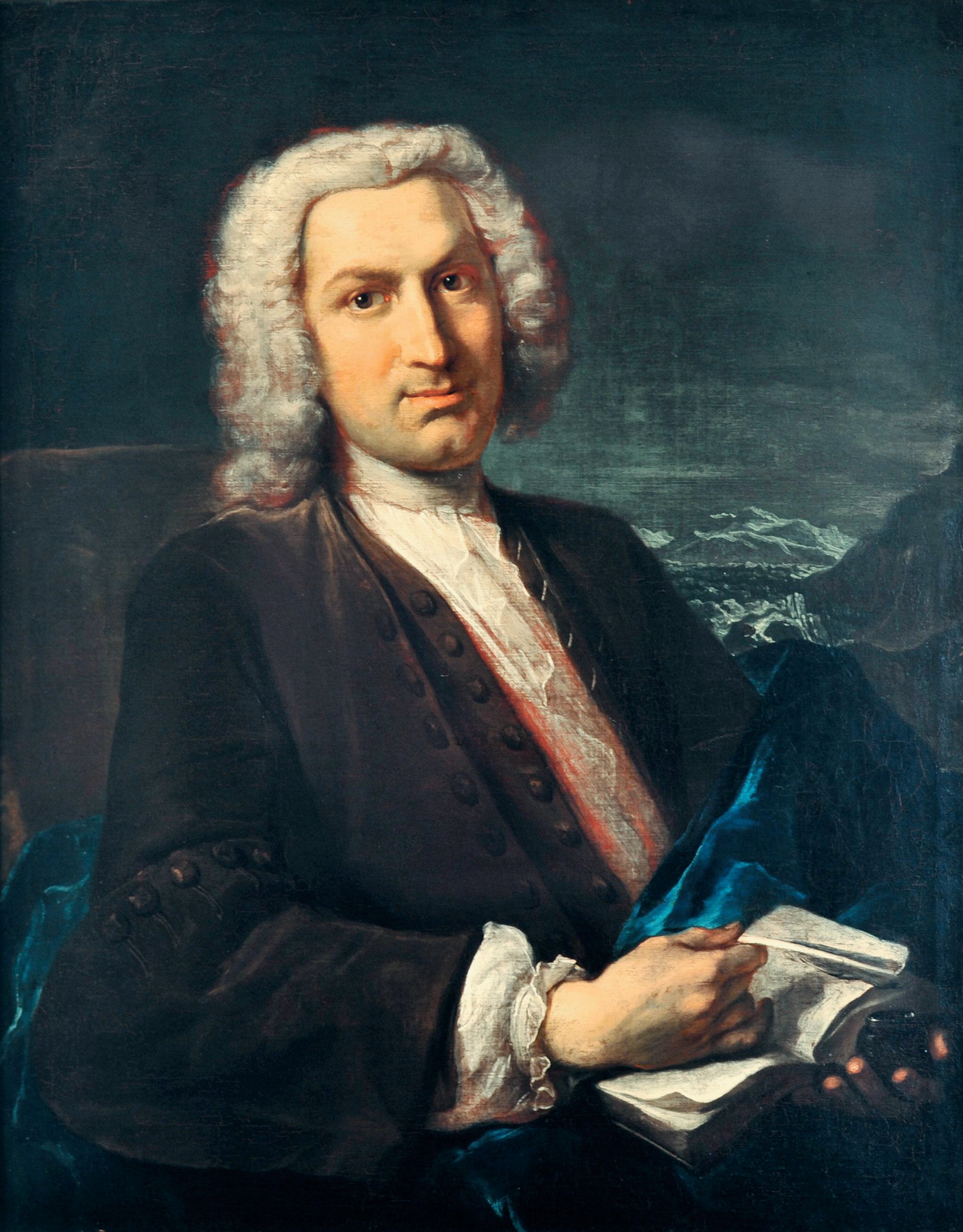
Accurate and beautiful engravings of the diaphragm, uterus, ovaries, vagina, arteries, with explanatory observations. About fifty years after they were originally published the most visually spectacular versions of Ha…
1821 CE
#9700
Icones cerebri simiarum et quorundam mammalium rariorum.
"Although a few more reports were published furing the next hundred years [after Tyson] it was Tiedemann alone who gave a more detailed account, on monkeys, in his... Icones Simiarum.... In monkeys he found the brain …
1985 CE
#7713
Identification of pathological conditions in human skeletal remains.
Second edition by Ortner as sole author (2003).
2009 CE
#13207
Il Museo di storia naturale dell'Università degli studi di Firenze. Volume 1, Le collezioni della Specola : zoologia e cere anatomiche.
1608 CE
#8002
Il vero modo et ordine per dissegnar tutte le parti et membra del corpo humano.
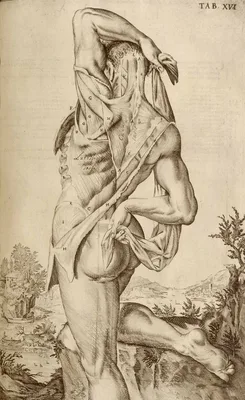
An entirely etched book of 40 leaves, drawn and etched by Fialetti, this was probably the first printed manual on drawing the human body, as distinct from earlier manuals on anatomy for artists. For further informatio…
1910 CE
#10364
Illustrated guide to the museum of the Royal College of Surgeons.
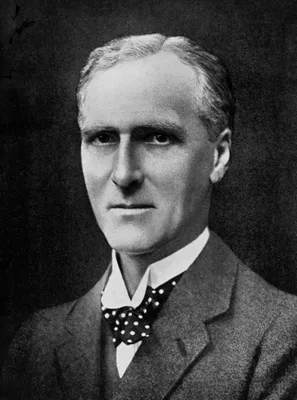
Vistor's guide to the museum, including the collections formed by John Hunter, when it was intact, before the destruction it suffered in World War II. Digital facsimile from the Internet Archive at this link.
1834 CE
#3222
Illustrations of pulmonary consumption.
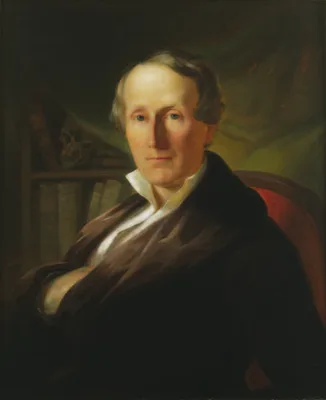
Morton published an important collection of illustrations delineating pulmonary tuberculosis which epitomized the knowledge of his time. It was also the first book on the subject published in the United States. Digita…
1829 CE
#5769
Illustrations of the diseases of the breast.
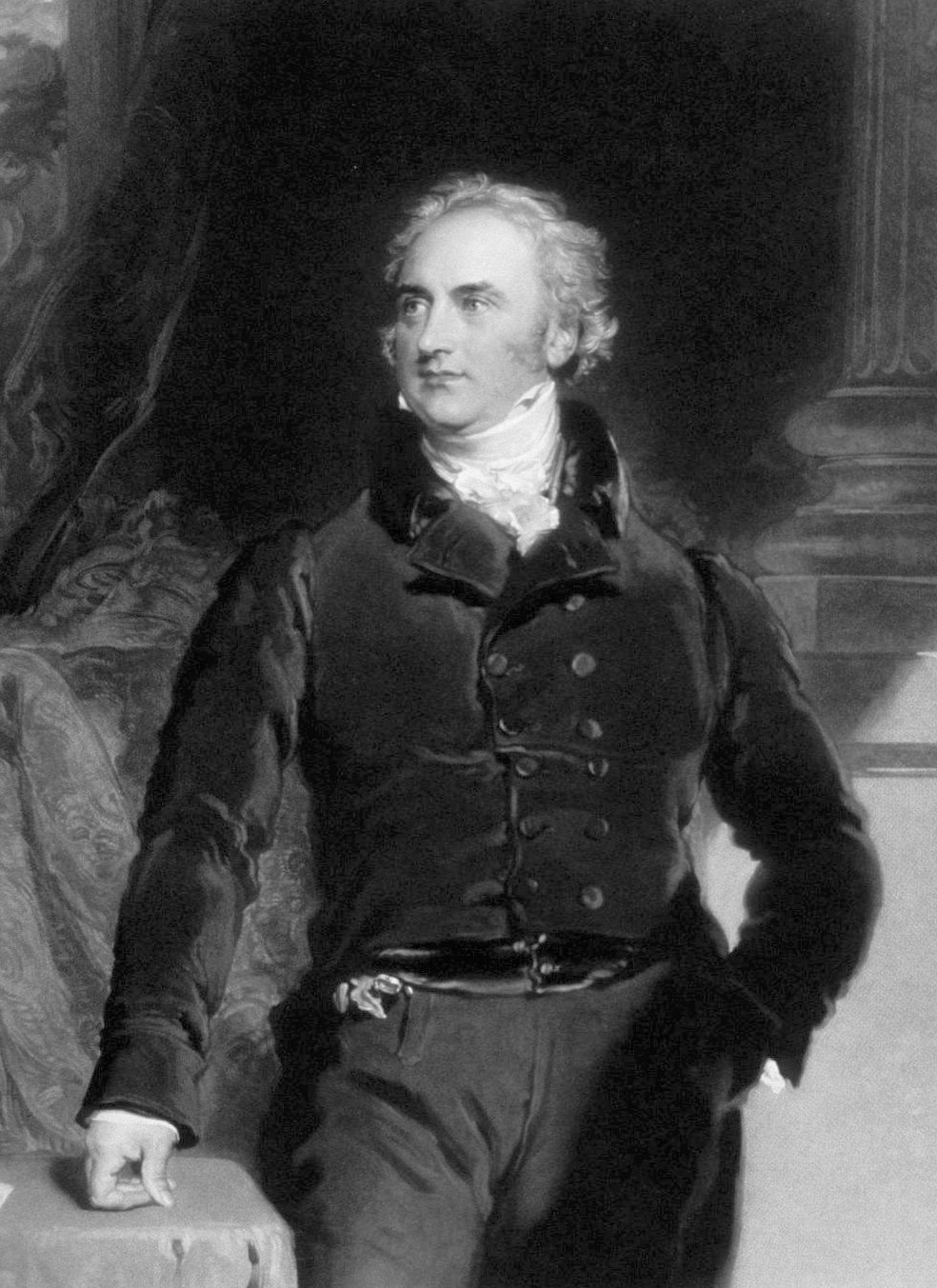
Includes one of the earliest descriptions of hyperplastic cystic disease of the breast, which Cooper referred to as “hydatid disease”.
1838 CE
#2291
Illustrations of the elementary forms of disease.
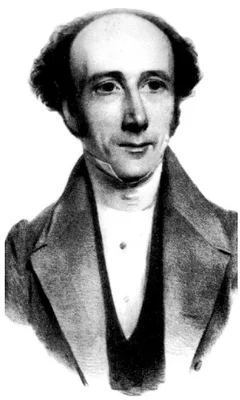
Carswell was Professor of Morbid Anatomy at University College, London, and one of the leading English pathologists of his day. A fine artist, he personally painted 2,000 water-colours of pathological specimens. His g…
1603 CE
#1541
In Galeni librum de ossibus.
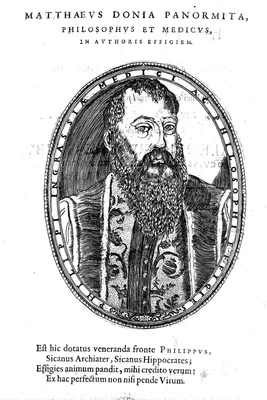
Ingrassia is by some accredited with the discovery of the stapes; he also observed the sound-conducting capacity of the teeth.
2020 CE
#13668
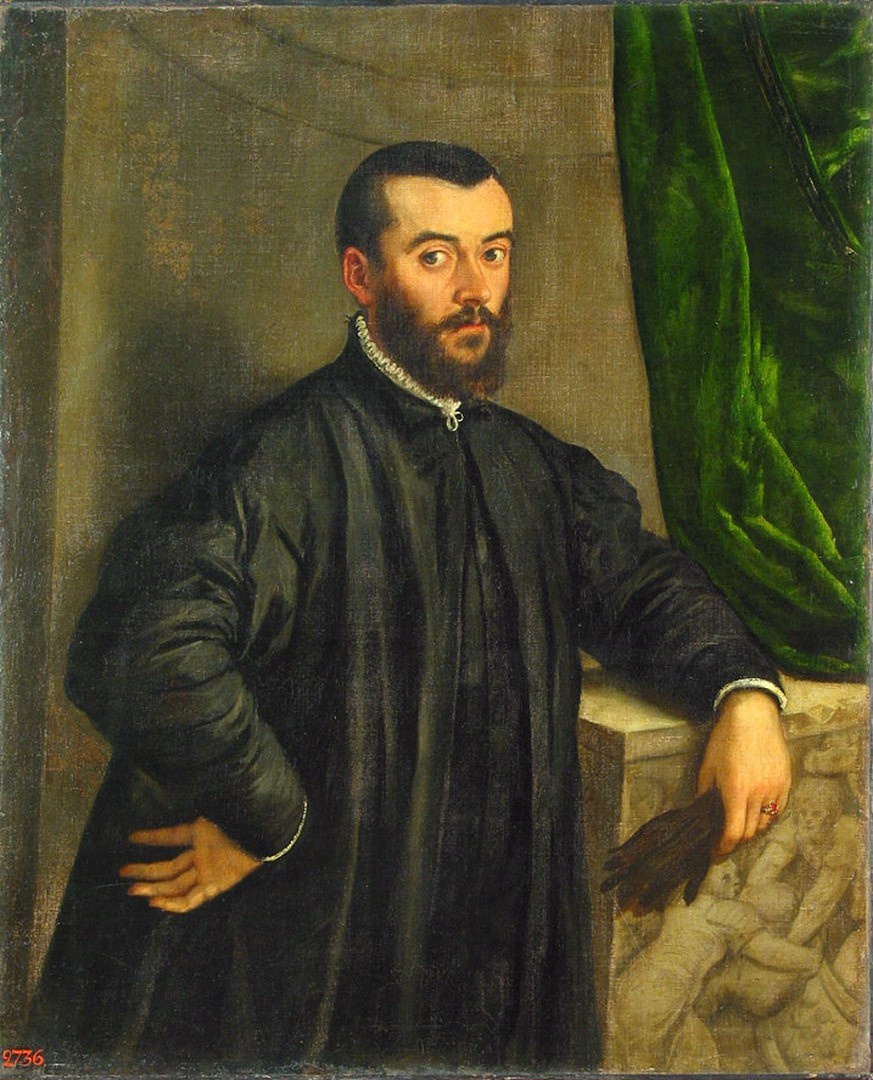
In the shadow of Vesalius: An exciting series of new insights into life and work of Andreas Vesalius and his friends. Edited by Robrecht Van Hee.
1536 CE
#7204
Institutiones anatomicae secundum Galeni sententiam.
A handbook presenting the principles of Galenic anatomy in a form that was easily accessible to medical students. It epitomized the revolution in the teaching of anatomy, and the new emphasis on dissection, that occur…
1738 CE
#8356
Introductio in historiam litterarium anatomes nova aeque ac antiqua, bseu, Conspectus plerorumque, si non omnium, tam veterum quam recentiorum scriptorum, qui a primis artis medicae originibus usque ad praesentia nostra tempora anatomiam operibus suis illustrarunt: Una cum indice nominum rerumque locupletissimo.
1522 CE
#368
Isagoge breves perlucide ac uberime in anatomiam humani corporis a communi medicorum academia usitatam.
One year after publishing his Commentary on Mondino, Giacomo Berengario da Carpi issued an abbreviated version or Isagoge, with most of the same woodcuts. This was the book by which Berengario's contributions to anato…
1937 CE
#2312
Isolation and properties of the factor responsible for increased capillary permeability.
Leukotaxine isolated.