
Facets
Browse across eight MeSH (opens in new tab) facets — era, geography, science, specialty, technology, history, culture, and reference. Select one tag per group; counts update across the others.
Clear filtersFacet filters
Geography
Specialties & Disease
- Anatomy & Pathology 765
- Cardiology & Blood 914
- Neurology & Psychiatry 1,256
- Obstetrics & Reproductive 550
- Infectious Disease (General) 147
- Surgery & Anesthesia 1,551
- Public Health 1,129
- Immunology & Dermatology 1,404
- General Clinical Medicine 480
- Military Medicine 436
- Psychology 202
- Alternative & Fringe Medicine 383
- Pediatrics 247
- Ophthalmology & Vision 412
- ENT & Hearing 293
- Urology & Nephrology 309
- Gastroenterology & Hepatology 316
- Pulmonary & Respiratory 233
- Rheumatology, Rehab & Pain 188
- Internal, Emergency & Geriatric 123
- Veterinary Medicine 165
- Epidemiology & Demography 397
- Physiology & Embryology 923
- Dentistry 259
- Plagues & Epidemics 1,279
- Microbiology & Virology 1,080
Social & Historical Studies
Institutions & Culture
Reference & Scholarly Works
1,080 entries match Microbiology & Virology [C01.748]
2018 CE
#12636
Encephalitis lethargica: The mind and brain virus.
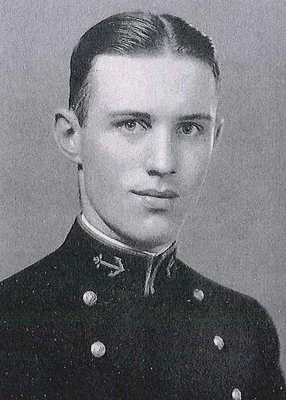
Both an historical and a scientific study.
1933 CE
#4656
Encephalitis: studies on experimental transmission.
Isolation of the St. Louis encephalitis virus. With C. Armstrong and H. A. McCordock.
1799 CE
#9070
Ensaios sobre algumas enfermidades d'Angola....
Azeredo noted that the tropical fevers found in Brazil and Angola were very similar. He claimed to have achieved excellent results with his “new method” of treatment, which included the use of quinine, nux…
1864 CE
#5344.4
Entozoa.
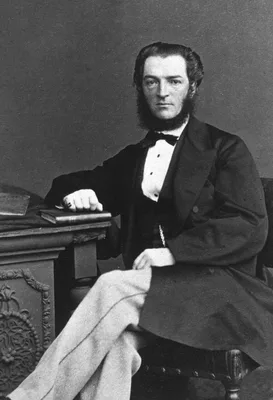
Cobbold suggested (p. 36) that a mollusc was the intermediate host in bilharziasis.
1864 CE–1869 CE
#2452
Entozoa. 2 pts.
Cobbold was the most distinguished helminthologist of his time. He named Filaria bancrofti, Bilharzia haematobia, and several other parasites. He was a friend of Manson, several of whose papers he communicated to the …
1846 CE
#5338
Entozoon in the superficial part of the extensor muscles of the thigh of the hog. Abstract
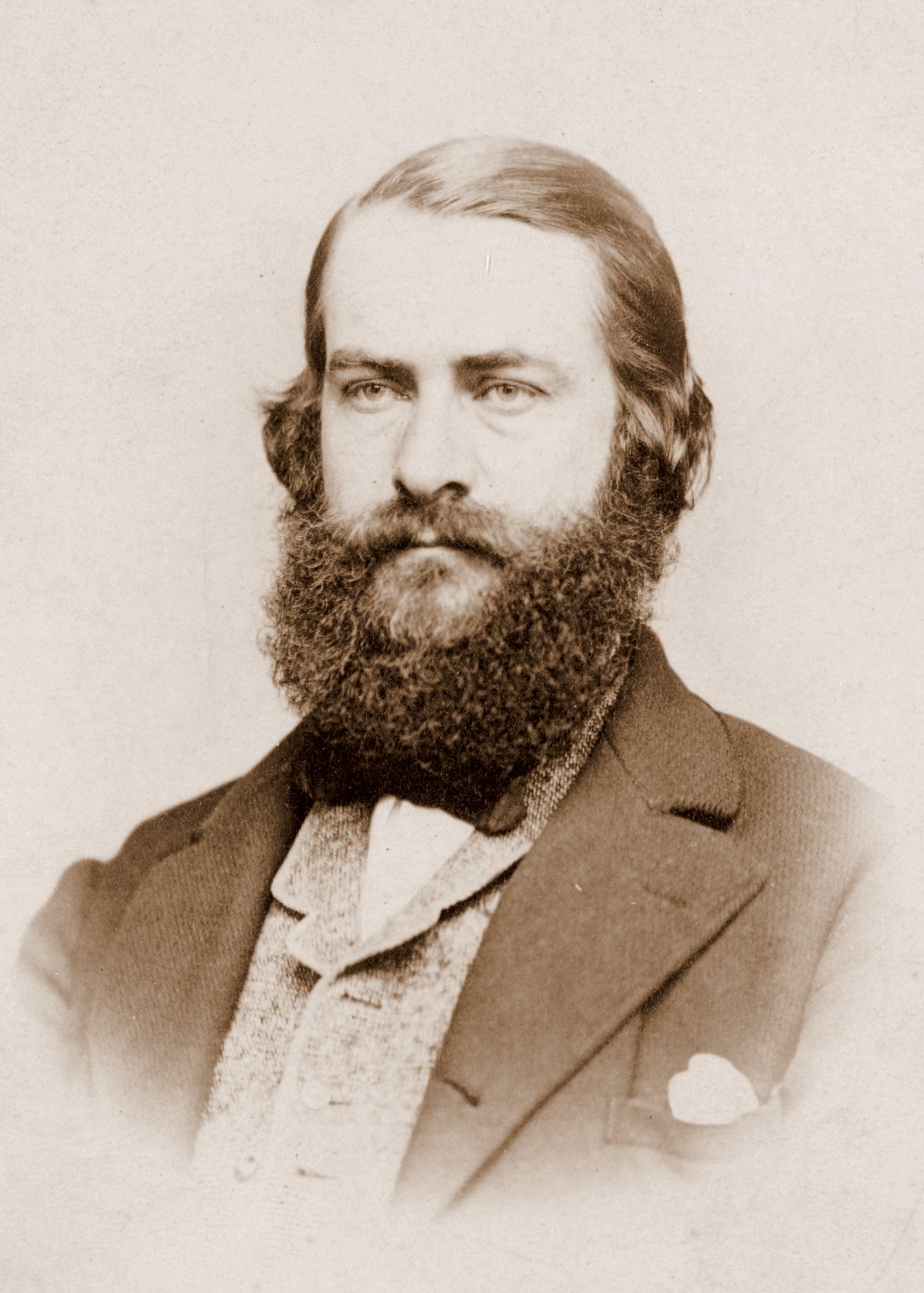
First description of trichinosis in the pig.
1819 CE
#12115
Entozoorum synopsis cui accedunt mantissa duplex et indices locupletissimi.
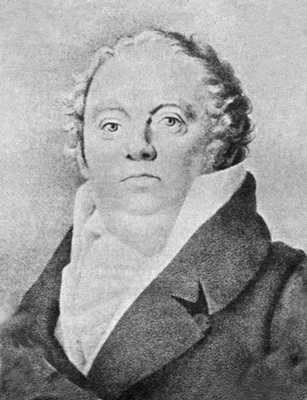
In this work Rudolphi detailed the life cycle of nematode parasites of mankind, such as the parasitic roundworm Ascaris lumbricoides. Digital facsimile from Biodiversity Heritage Library at this link.
1808 CE–1810 CE
#2449
Entozoorum, sive verminum intestinalium, historia naturalis. 2 vols.
A system of helminthology. Rudolphi gave the name “echinococcus” to the common vesicular hydatid, describing three species. Digital facsimile from Biodiversity Heritage Library at this link .
1931 CE
#5541
Enzootic hepatitis or Rift Valley fever. An undescribed virus disease of sheep, cattle and man from East Africa.

First description.
1675 CE
#13272
Ephemeri Vita. Of afbeeldingh van 's menschen leven, Vertoont in de Wonderbaarlijcke en nooyt gehoorde Historie van het vliegent ende een-dagh-levent Haft of Oever-aas. Een dierken, ten aansien van sijn naam, over al in Neerlandt bekent.
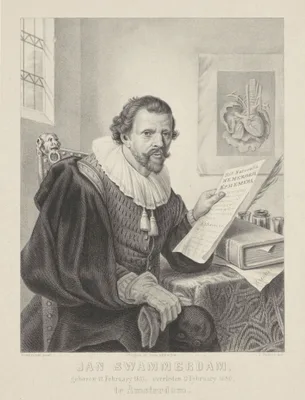
In his final publication Swammerdam studied the anatomy, development and behavior of the mayfly. Translated into English as Emphemeri vita: Or the natural history and anatomy of the ephemeron, a fly that lives but fiv…
1943 CE
#5990
Epidemic keratoconjunctivitis. I. Isolation and identification of a filterable virus.

1926 CE
#5328
Erythema arthriticum epidemicum; preliminary report.
“Haverhill fever” first reported. The writers isolated an organism, later found to be identical with Streptothrix muris ratti and Streptobacillus moniliformis. With L. E. Sutton and O. Willner.
1924 CE
#2343
Essai d’immunisation contre l’infection tuberculeuse.
B.C.G. (Bacille Calmette–Guérin) vaccine was first produced in 1906 and subcultured for 13 years. It was first used as a prophylactic against tuberculosis in children in 1921. It remains in use. See also …
1769 CE
#5304
Essay on the natural history of Guiana, in South America. Containing a description of many curious productions in the animal and vegetable systems of that country. Together with an account of the religion, manners, and customs of several tribes of its Indian inhabitants. Interspersed with a variety of literary and medical observations. In several letters....
Bancroft was an English physician who lived for many years in South America. He noted the transmission of yaws by flies (p. 385 of his book). Digital facsimile from the Internet Archive at this link.
1881 CE
#2495
Essays on the floating-matter of the air in relation to putrefaction and infection.
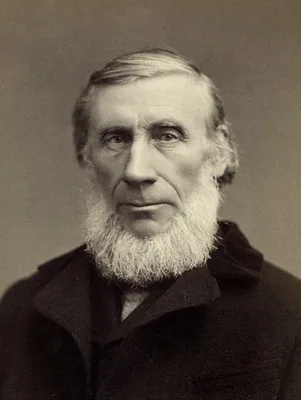
Tyndall interested himself in atmospheric germs and dust. His experiments on sterilization by heat led him to the discovery in 1877 of fractional sterilization (Tyndallization). His work on the subject is included in …
1877 CE
#5168
Étude sur la maladie charbonneuse.
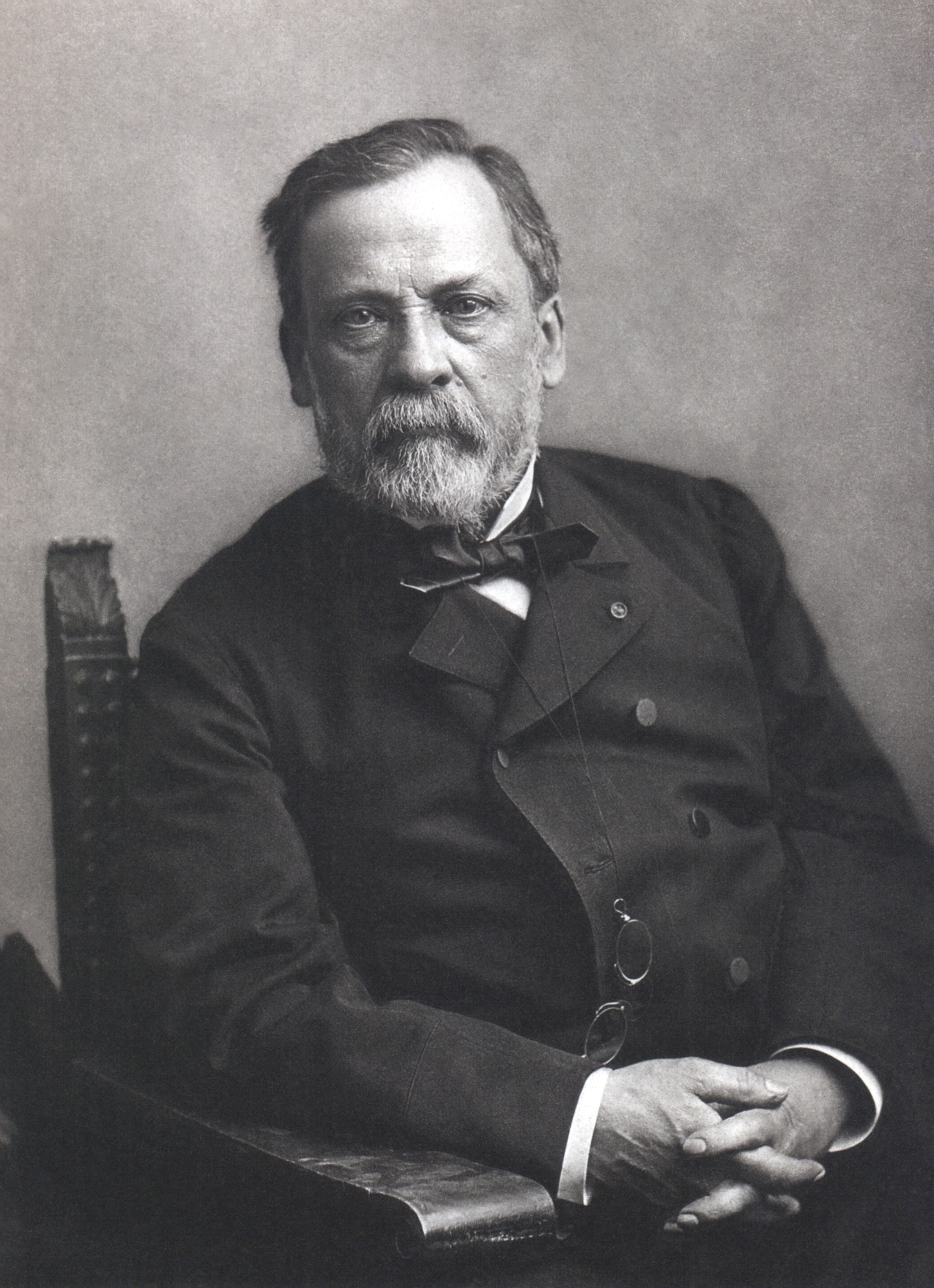
Pasteur confirmed Koch’s results regarding anthrax; with Joubert he carried the bacillus through 100 generations and succeeded in producing anthrax from the last, thus disposing of the idea of a separate virus.
1894 CE
#4117
Étude sur le parasite du “pied de Madura”.
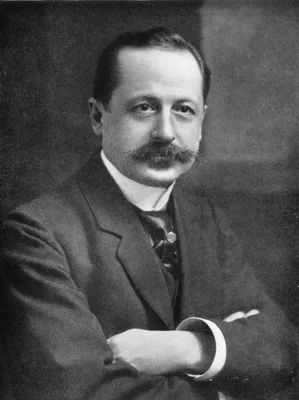
Isolation of Streptothrix (Actinomyces) madurae.
1891 CE
#5272
Étude sur les parasites du sang chez les paludiques.
Nepveu, whilst in Algeria, was the first to see trypanosomes in human blood.
1890 CE
#5240.1
Études sur l’infection malarique. Sur la variété parasitaire des corps en croissant de Laveran et sur les fièvres palustres qui en dérivent.
Canalis demonstrated and clearly differentiated Plasmodium falciparum from the species vivax and malariae.
1876 CE
#2485
Études sur la bière, ses maladies, causes qui les provoquent, procédé pour la rendre inaltérable; avec une théorie nouvelle de la fermentation.
Pasteur resumed his studies on fermentation in 1876, and in this book took into account the developments in this field since his previous publications on the subject. He described a new and perfected method of prepari…
1870 CE
#2481
Études sur la maladie des vers à soie. 2 vols.
This work saved the French silk industry, which had been crippled by the disease pébrine. After three years of research on the problem, Pasteur was able to show that the disease known as pébrine was caus…
1879 CE
#5481.2
Études sur la rage.
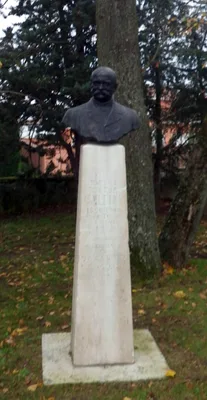
Galtier demonstrated the transmissibility of rabies from dog to rabbit to rabbit in a series, a matter of considerable interest to Pasteur.
1868 CE
#2480
Études sur le vinaigre.
Pasteur proved that a microorganism was essential to acetification and developed a patented method which greatly increased the efficiency of production.
1986 CE
#9331
Evidence for human infection with an HTLV III/LAV-like virus in Central Africa, 1959.

Order of authorship in the original paper: Nahmias, Weiss, Yao...Kanki, Essex. The authors presented evidence for the first or earliest infection with HIV in a human. This paper reported on a patient from Kinshasa, Za…
1983 CE
#14212
Evidence for plasmid mediated toxin production in Bacillus anthracis.

The authors illustrated and proved that “heating V770-NPI-R containing anthrax strains, to exactly 42.5 degrees centigrade, as Pasteur and colleagues reported in GM 14211, essentially ‘cured’ these s…
1996 CE
#12835
Evidence for the conformation of the pathologic isoform of the prion protein enciphering and propagating prion diversity.

The authors showed that the " 'normal prion protein' in the brains of living mice can be converted into different forms depending on the type of abnormal human prion that initiated the conversion. The result is differ…
1863 CE
#2477
Examen du rôle attribué au gaz oxygène atmosphérique dans la destruction des matières et végétales après la mort.
1677 CE
#1100
Exercitatio anatomico-medica de glandulis intestinorum, earumque usu et affectionibus.
Independently of Bartholin and Rudbeck, George Joyliffe (1621-58) observed the lymphatics. He communicated his discovery to Glisson early in 1652 and the latter included an account in the above work (Cap. xxxi). See N…
1674 CE
#5336.1
Exercitatio de vena Medinensi, ad mentem Ebn Sinae [Ibn Sina] sive de dracunaculis veterum. Specimen exhibens novae versionis ex Arabico, cum commentario uberiori. Cui accedit altera, de vermiculis capillaribus infantium.
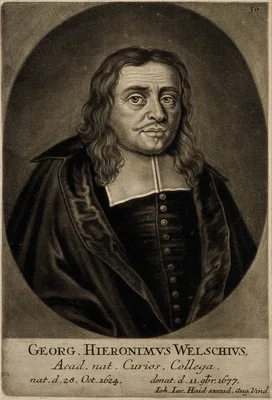
An exhaustive survey of dracontiasis, or guinea worm disease, based on the Arabic writings of Avicenna. Digital facsimile from Google Books at this link.
1938 CE
#5258
Exo-erythrocytic schizogony in Plasmodium gallinaceum Brumpt, 1935.
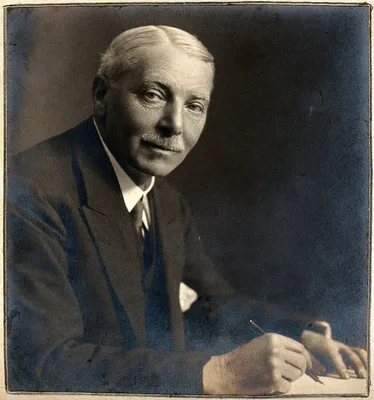
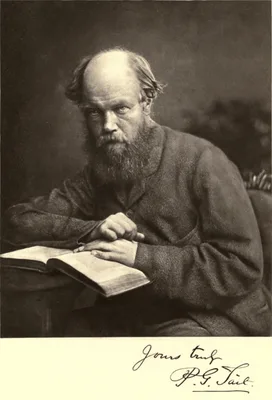
The term “exo-erythrocytic stage” introduced to describe the unpigmented schizonts found in tissue cells. The parasite Plasmodium gallincaceum described by Alexandre Joseph Emile Brumpt causes malaria in p…
1860 CE
#2474
Expériences relatives aux générations dites spontanées.
1996 CE
#11933
Experimenal transmission of Bartonella henselae by the cat flea.
Order of authorship in the original publication: Chomel, Kasten, Floyd-Hawkins.... Chomel and colleagues studied 47 cattery cats from a private home for 12 months. They found that such cats typically are bacteremic. S…
1912 CE
#4670.4
Experimental and pathological investigation. In: Investigations on epidemic infantile paralysis, report from the State Medical Institute of Sweden to the XVth International Congress on Hygiene and Demography.
Kling, A. Pettersson, and W. Wernstedt recovered the poliomyelitis virus from the intestinal wall and contents, disproving the contention of Flexner that it was exclusively neurotropic.
1947 CE
#5351.3
Experimental chemotherapy of filariasis. III. Effect of 1-diethylcarbamyl-4-methyl-piperazine hydrochloride against naturally acquired filarial infections in cotton rats and dogs.
Proof of antifilarial action of diethylcarbarmazine citrate (hetrazan). With S. Kushner, H. W. Stewart, E. White, W. S. Wallace, and Y. Subbarow.
1950 CE
#13473
Experimental congenital toxoplasmosis. 1. The vagina as a portral of entry of toxoplasma in the mouse. Experimental congenital toxomplasmosis II. Transmission of toxomplasmosis to the placenta and fetus following vaginal infection the the pregnant mouse. Experimental congenital toxoplasmosis III. Toxomplasmosis in the offspring of mice infected by the vaginal route. Incidence and manifestations of the disease.
"In 1950 and 1951, Drs. Cowen and Wolf published a series of 5 papers, super-titled, “Experimental Congenital Toxoplasmosis,” in which they demonstrated the intrauterine infection of placenta, fetus, and o…
1913 CE
#5191
Experimental entamoebic dysentery.
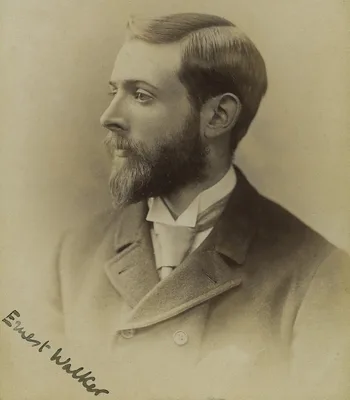
Walker and Sellards made important additions to our knowledge of amoebiasis, including the determination of the incubation period and the demonstration that E. tetragena and E. minuta are identical with E. histolytica.
1907 CE
#5473
Experimental investigations regarding the aetiology of dengue fever, with a general consideration regarding the disease.
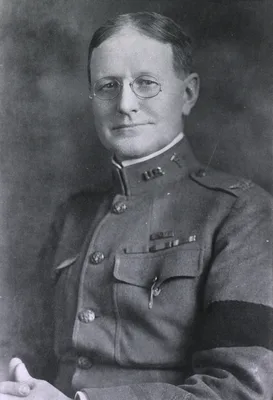
Proof that the causal organism of dengue is a filterable virus. Published also in J. infect. Dis., 1907, 4, 440-75.
1934 CE
#4688
Experimental lymphocytic choriomeningitis of monkeys and mice produced by a virus encountered in studies of the 1933 St. Louis encephalitis epidemic.
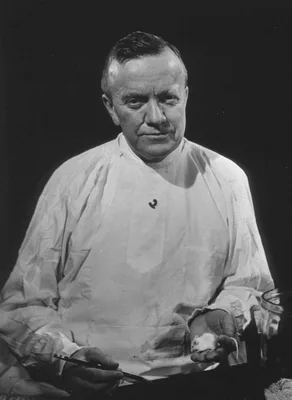
Isolation of the virus of benign lymphocytic choriomeningits.
1927 CE
#5973
Experimental production of a trachoma-like condition in monkeys by means of a micro-organism isolated from American Indian trachoma.
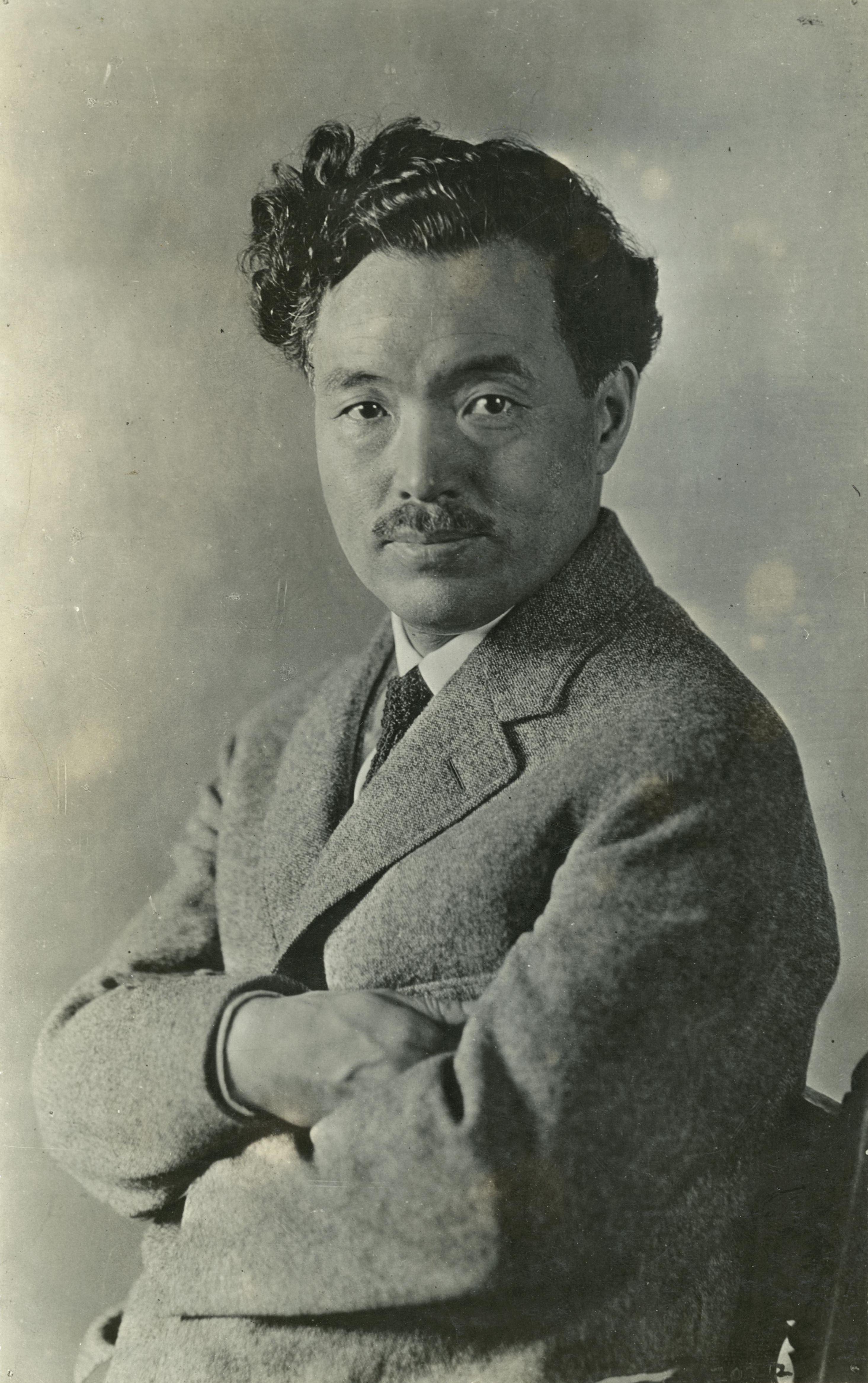
Isolation of Bact. granulosis, believed by Noguchi to be the causal organism in trachoma. See also his monograph in J. exp. Med., 1928, 48, Suppl. 2.
1900 CE
#5252.2
Experimental proof of the mosquito-malaria theory.
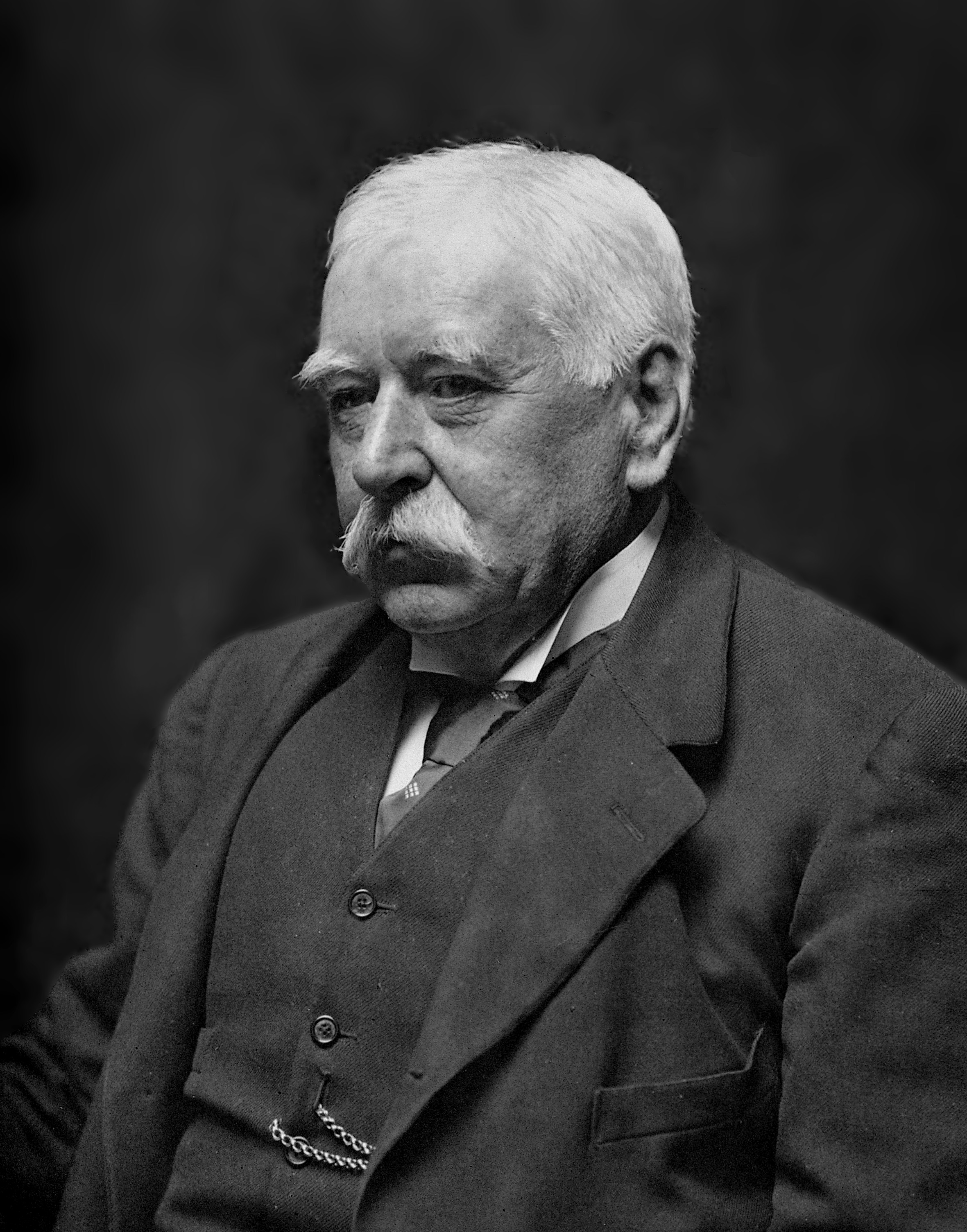
In a classic demonstration Manson allowed infected mosquitoes from Rome to bite a volunteer (his son) in London, who developed malaria 15 days later with tertian parasites in the blood, and who was cured by quinine.
1958 CE
#4011.1
Experimental ringworm in guinea pigs: oral treatment with griseofulvin.
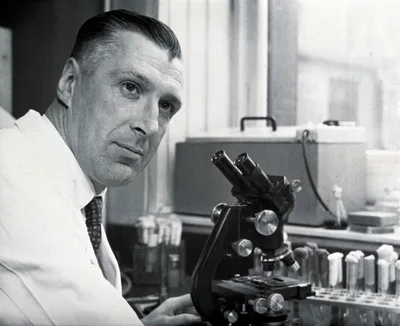
Use of griseofulvin in the treatment of ringworm.
1937 CE
#5398
Experimental studies on the virus of “Q” fever.
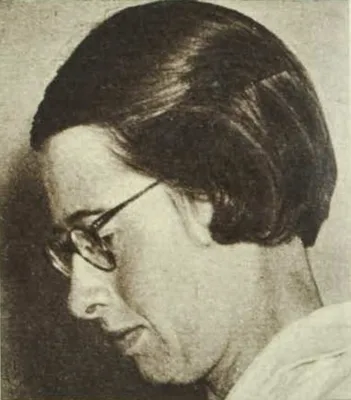
Discovery of Rickettsia burneti, causal agent in Q fever.
1928 CE
#5462
Experimental transmission of yellow-fever to laboratory animals.
Experimental infection of the monkey, Macacus rhesus, with the yellow fever virus. Stokes succumbed to yellow fever while investigating the disease. With J. H. Bauer and N. P. Hudson.
1910 CE
#5308
Experimental yaws in the monkey and rabbit.
A monkey was first infected and from it the infection was transmitted to a rabbit.
1888 CE
#2542
Experimente über die bacterienfeindlichen Einflüsse des thierischen Körpers.
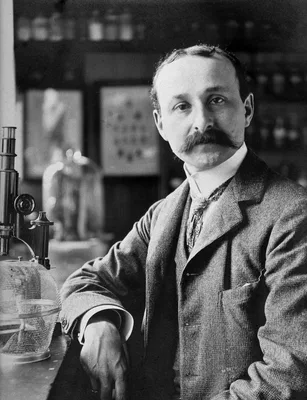
Working with the defibrinated blood of certain animals, Nuttall was the first to describe the bactericidal action of blood. Abridged English translation in Bibel, Milestones in immunology (1988).
1925 CE
#4652
Experimentelle Übertragung von Herpes zoster auf den Menschen und die Beziehungen von Herpes zoster zu Varicellen.
First demonstration of the infectivity of herpes.
1928 CE
#5396.1
Experiments relating to the pathology and the etiology of Mexican typhus (tabardillo).
Mooser differentiated murine from epidemic typhus. The causative organism was later named Rickettsia mooseri.
1911 CE
#5189
Experiments undertaken to test the efficacy of the ipecac treatment of dysentery.
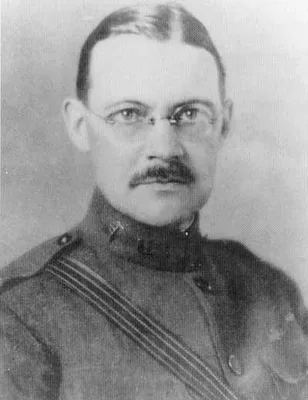
Vedder demonstrated the amoebicidal action of emetine; his work led to the general adoption of emetine in the treatment of amoebic dysentery.
1971 CE
#12010
Expression of animal virus genomes.

The Baltimore classification of virus groups places viruses into one of seven groups depending on a combination of their nucleic acid (DNA or RNA), strandedness (single-stranded or double-stranded), sense, and method …
1920 CE
#2572.1
Exsudats leucocytaires et autolyse microbienne transmissible.
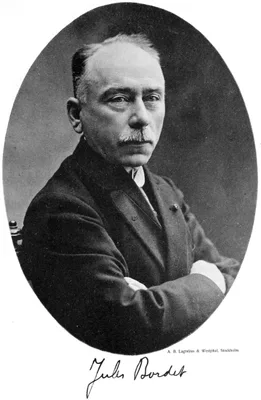
Lysogeny