
Facets
Browse across eight MeSH (opens in new tab) facets — era, geography, science, specialty, technology, history, culture, and reference. Select one tag per group; counts update across the others.
Clear filtersFacet filters
Geography
Specialties & Disease
- Anatomy & Pathology 765
- Cardiology & Blood 914
- Neurology & Psychiatry 1,256
- Obstetrics & Reproductive 550
- Infectious Disease (General) 147
- Surgery & Anesthesia 1,551
- Public Health 1,129
- Immunology & Dermatology 1,404
- General Clinical Medicine 480
- Military Medicine 436
- Psychology 202
- Alternative & Fringe Medicine 383
- Pediatrics 247
- Ophthalmology & Vision 412
- ENT & Hearing 293
- Urology & Nephrology 309
- Gastroenterology & Hepatology 316
- Pulmonary & Respiratory 233
- Rheumatology, Rehab & Pain 188
- Internal, Emergency & Geriatric 123
- Veterinary Medicine 165
- Epidemiology & Demography 397
- Physiology & Embryology 923
- Dentistry 259
- Plagues & Epidemics 1,279
- Microbiology & Virology 1,080
Social & Historical Studies
Institutions & Culture
Reference & Scholarly Works
Drugs & Technology
765 entries match Anatomy & Pathology [G02.149 / C23]
1554 CE
#463
Ein schön lustig Trostbüchle von den Empfengknussen und Geburten der Menschen…
An improved version of Rösslin’s Swangern frawen. This contains the first true anatomical pictures in an obstetrics book. Rueff described smooth-edged forceps for delivery of a live baby, preceding Chamberl…
1932 CE
#2257
Elektrische Verletzungen. Klinik und Histopathologie.
Jellinek specialized in the study of injuries and deaths caused by electricity, and their prevention.
1667 CE
#577
Elementorum myologiae specimen.
In this work Stensen, in collaboration with the mathematician Vincenzio Viviani (1622-1703), a pupil of Galileo, developed a geometrical description of muscular contraction, and attempted to show theoretically that mu…
1828 CE
#410
Elements of descriptive and practical anatomy.
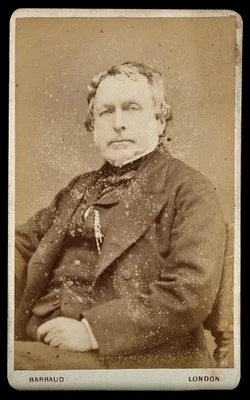
Among the most important of the English textbooks on anatomy. An eleventh edition was published in 1908-29.
1839 CE
#2292
Elements of pathological anatomy. 2 vols.
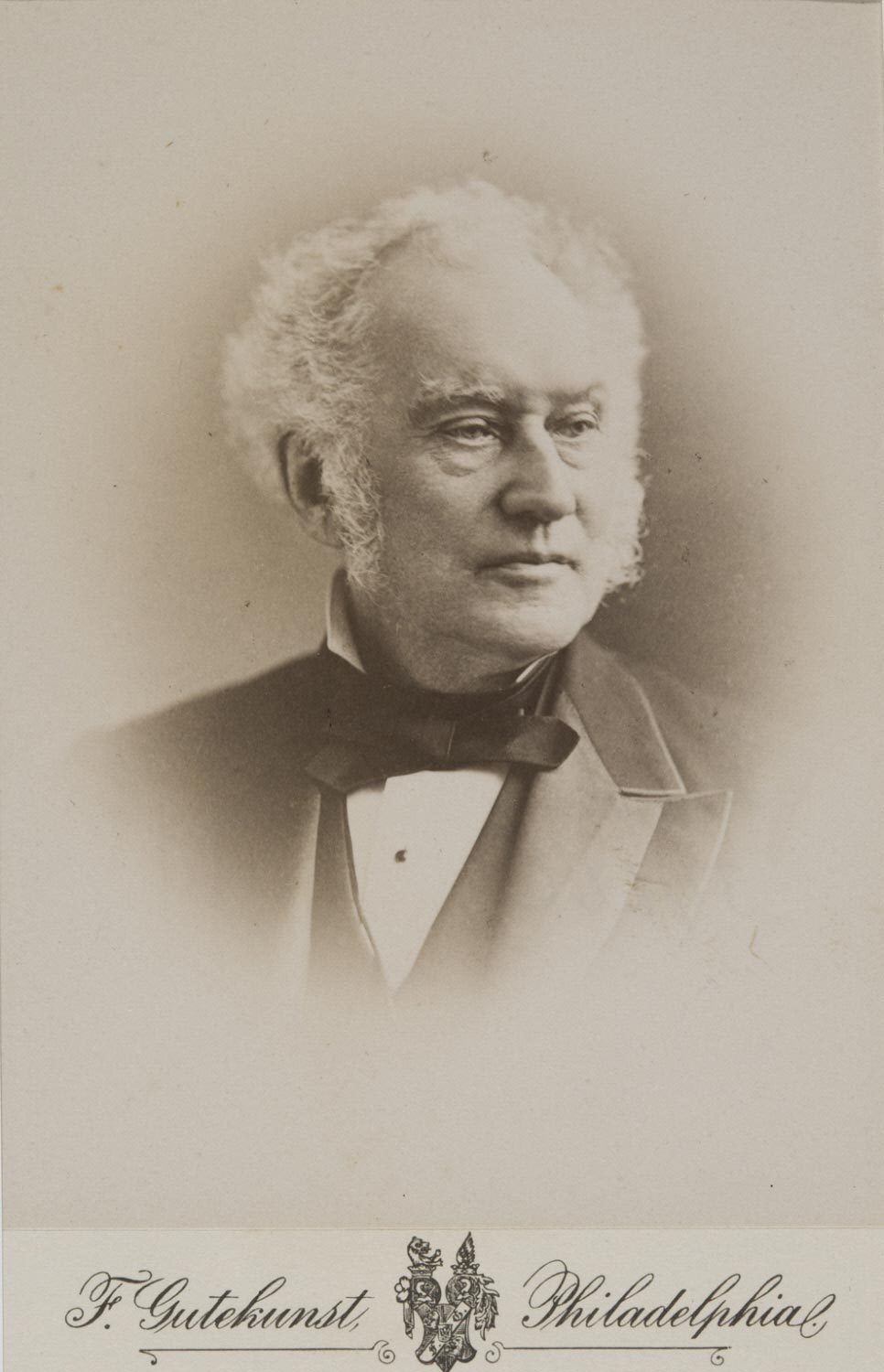
In his day Gross was the most famous surgeon in the U.S.A. He was for a time Professor of General Anatomy, Physiology, and Pathological Anatomy at Cincinnati Medical College and while there published his Elements, the…
2008 CE
#8308
Embodiments of will: Anatomical and physiological theories of voluntary animal motion from Greek antiquity to the Latin Middle Ages, 400 B.C - A.D.1300.
2006 CE
#7423
Encyclopaedia anatomica: Museo la Specola Florence.
Spectacular collection of color photographs of wax models in the Museo la Specola, Florence. Text in English, French and German.
1794 CE
#9833
Engravings, explaining the anatomy of the bones, muscles and joints.
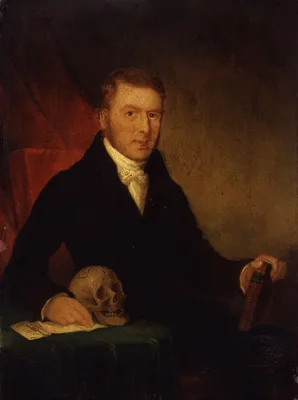
Bell’s atlas of the bones, muscles and joints was issued as a separate work a year after his text, The Anatomy of the Bones, Muscles, and Joints. Bell’s illustrations are some of the most striking in the e…
1925 CE
#2316
Entwicklung und Bibliographie der pathologisch-anatomischen Abbildung.
Traces the development of pathological anatomical illustration, and includes a chronological bibliography of all important publications known to Goldschmid containing illustrations of pathological conditions, and an i…
1675 CE
#13272
Ephemeri Vita. Of afbeeldingh van 's menschen leven, Vertoont in de Wonderbaarlijcke en nooyt gehoorde Historie van het vliegent ende een-dagh-levent Haft of Oever-aas. Een dierken, ten aansien van sijn naam, over al in Neerlandt bekent.
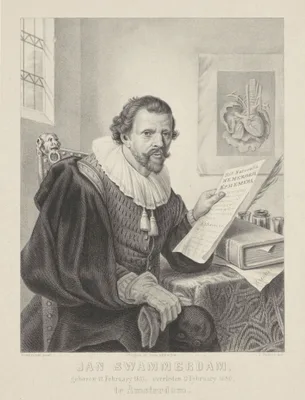
In his final publication Swammerdam studied the anatomy, development and behavior of the mayfly. Translated into English as Emphemeri vita: Or the natural history and anatomy of the ephemeron, a fly that lives but fiv…
1546 CE
#1810.1
Epistola, rationem modumque propinandi radicis Chynae decocti…
In this work on the discovery and therapeutic use of the china root (Smilax china) in the treatment of syphilis, Vesalius described the first attempt to formulate methods of identification of an exotic drug. He also o…
1671 CE
#294.1
Esperienze intorno a diverse cose naturali…

Includes the first scientific study of an electric fish. While the torpedo’s peculiar properties had provoked scientific speculation since at least the time of Aristotle, Redi was the first to perform an actual …
1745 CE
#398
Essai d’anatomie en tableaux imprimés, qui represent au naturel tous les muscles de la face, du col, de la tête, de la langue & du larinx. d'après les parties disséquées & préparées par Monsieur Duverney....comprenant hit grandes planches.
Remarkable for its striking mezzotints printed in color. Digital facsimile from the Internet Archive at this link.
1742 CE
#396
Essais anatomiques.
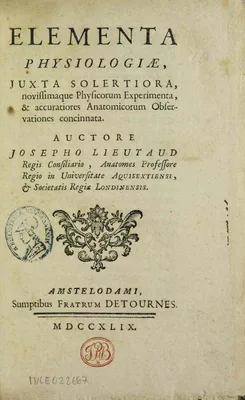
Lieutaud rectified many anatomical errors, described carefully the structure and relations of the heart and its cavities, and added to the contemporary knowledge concerning the bladder. The trigonum vesicae is named &…
1861 CE
#7608
Essays and observations on natural history, anatomy, physiology, psychology, and geology by John Hunter, F.R.S. Being his posthumous papers on those subjects, arranged and revised, with notes; to which are added the introductory lectures on the Hunterian collection of fossil remains delivered in the theatre of the Royal College of Surgeons of England, March 8th, 10th and 12th, 1855 by Richard Owen .... 2 vols.
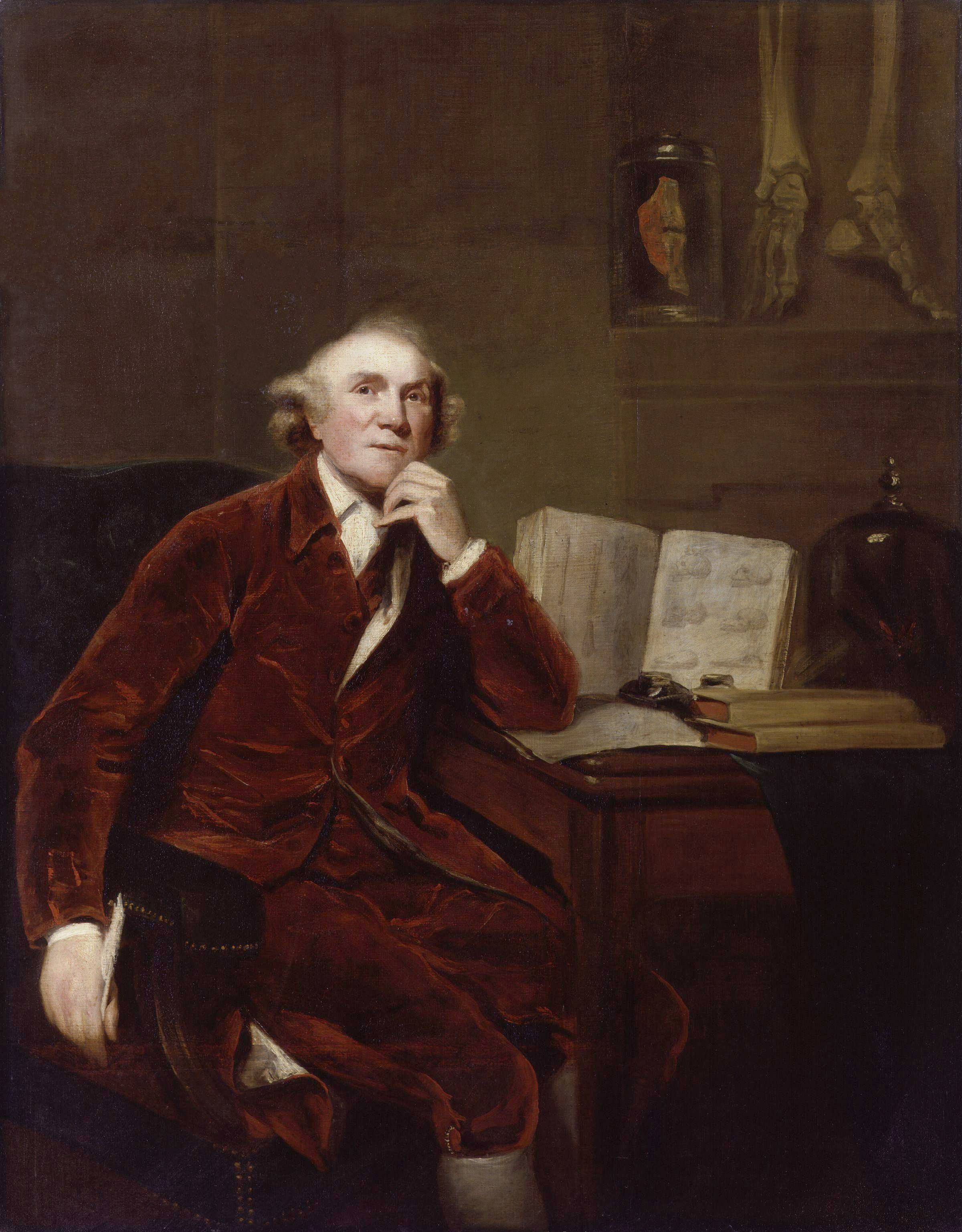
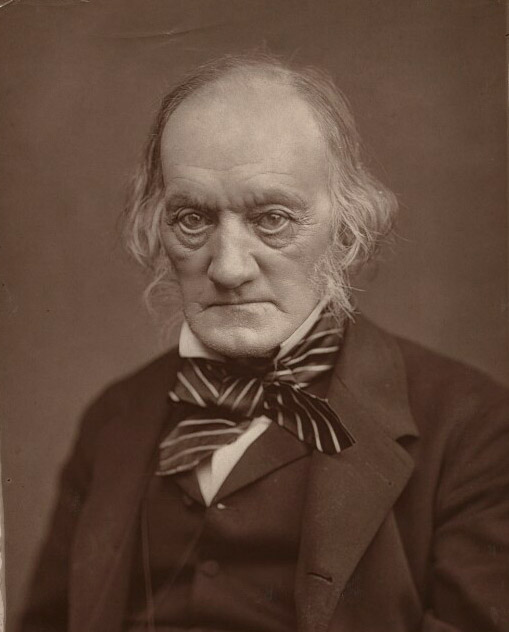
Digital facsimiles from the Hathi Trust at this link.
1806 CE
#6604.92
Essays on the anatomy of expression in painting.
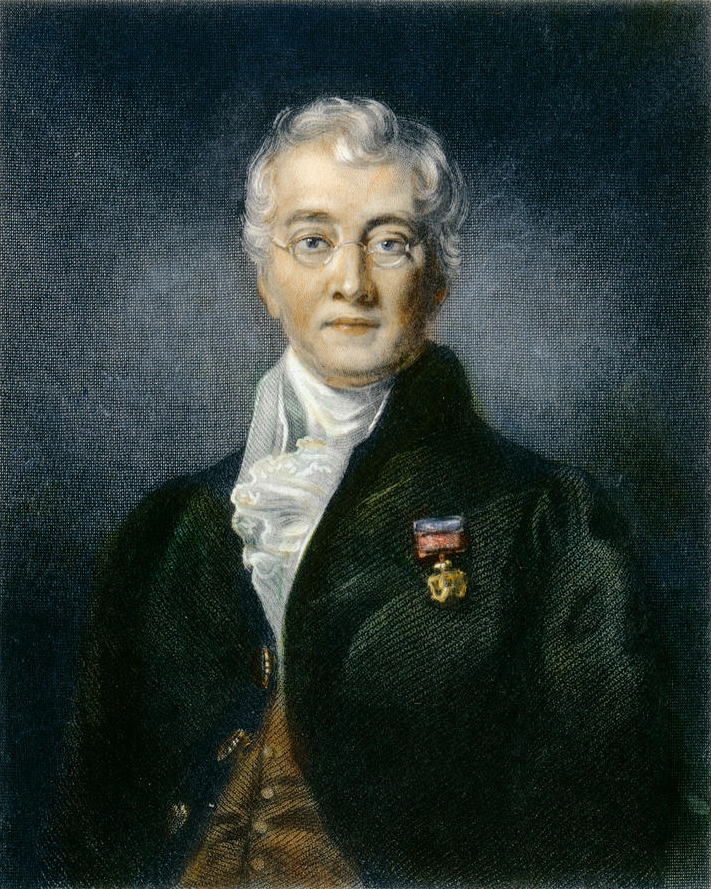
Bell’s artistic and literary skills combined with his knowledge of anatomy and physiology to make this work a tour de force of art history and the anatomical and physiological basis of facial expression.
1913 CE–1914 CE
#560.1
Estudios sobre la degeneración y regeneración de sistema nervioso.
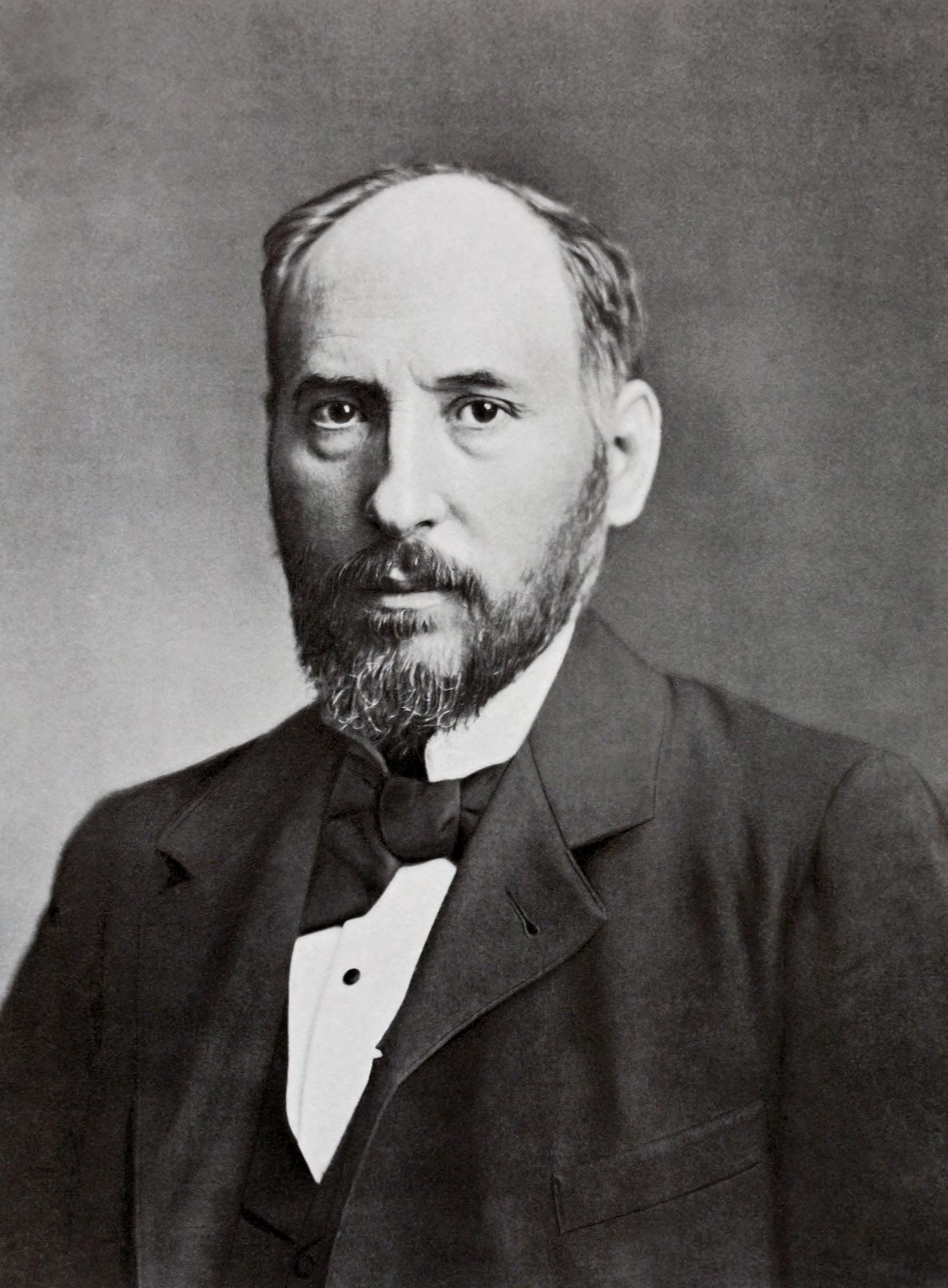
The most complete work on the subject so far written. Ramón y Cajal, great neuroanatomist and histologist, was for many years in charge of the institute bearing his name at Madrid. He gained the Nobel Prize in …
1878 CE
#7706
Etude historique et clinique sur la trépanation du crâne; la trépanation guidée par les localisations cérébrales.
Lucas-Chamionnière asserted that the operation was performed by ancient surgeons for both magical and therepeutic reasons, and noted that ancient surgeons prevented lethal hemorrhage from the sagittal sinus by …
1841 CE
#12685
Études sur André Vésale: Précédées d'une notice historique sur sa vie et ses écrits.
Digital facsimile from Google Books at this link.
1863 CE
#165
Evidence as to man’s place in nature.
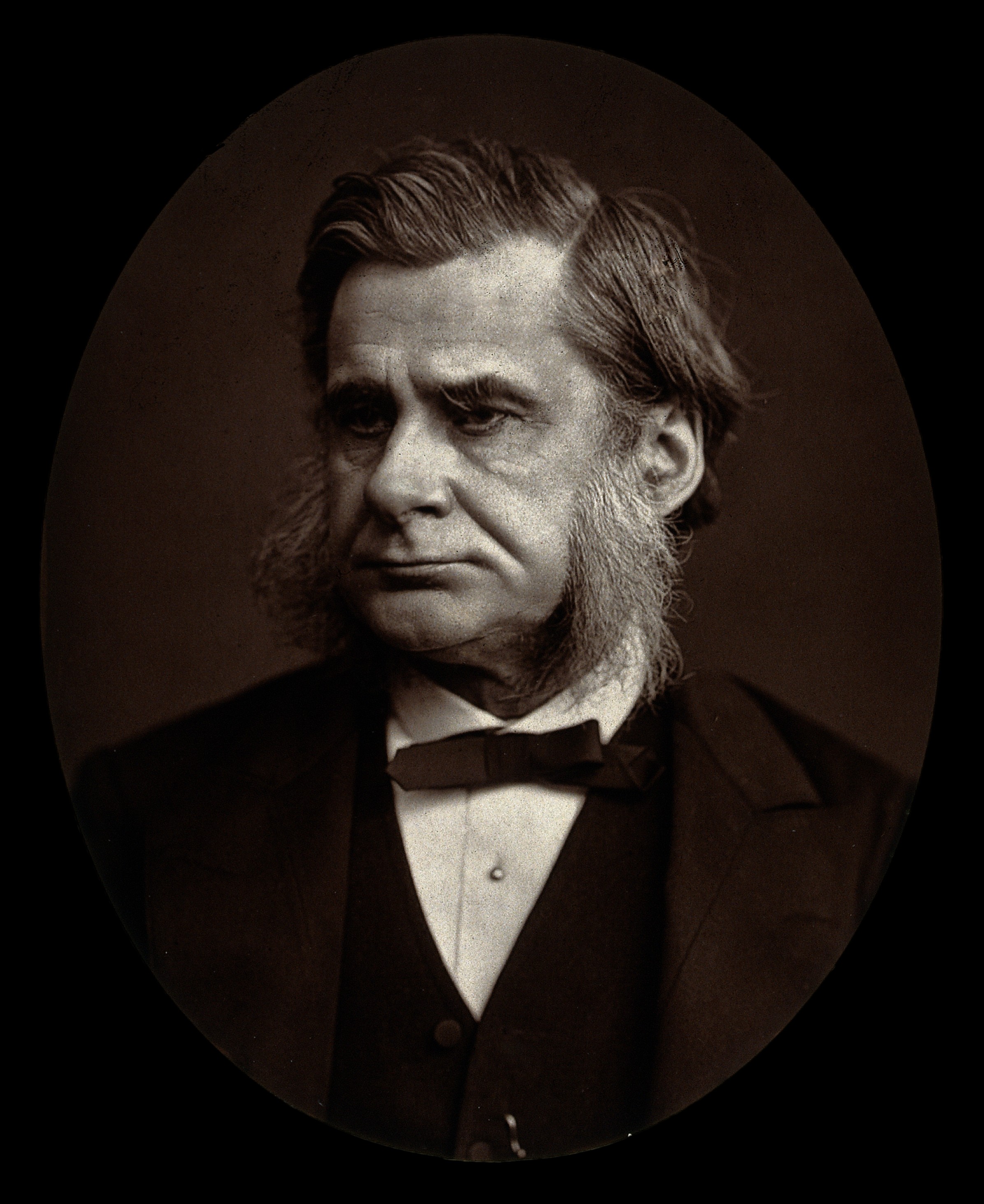
Huxley showed that in the visible characters man differs less from the higher apes than do the latter from lower members of the same order of primates. He also provided the first thorough and detailed comparative desc…
1677 CE
#1100
Exercitatio anatomico-medica de glandulis intestinorum, earumque usu et affectionibus.
Independently of Bartholin and Rudbeck, George Joyliffe (1621-58) observed the lymphatics. He communicated his discovery to Glisson early in 1652 and the latter included an account in the above work (Cap. xxxi). See N…
1651 CE
#1095
Experimenta nova anatomica, quibus incognitum chyli receptaculum, et ab eo per thoracem in ramos usque subclavis vasa lactea deteguntur.
Pecquet discovered the thoracic duct in dogs and its relation to the lacteals. Using a dog that was digesting, he described the thoracic duct, its entry into the subclavian veins, and the receptaculum chyli or chyle r…
1843 CE
#2294
Experimental and practical researches on the structure and function of blood corpuscles; on inflammation; and on the origin and nature of tubercles in the lungs.
Addison gave an important account of the process of inflammation. See L.J. Rather, Addison and the white corpuscles: An aspect of nineteenth-century biology. London, Wellcome Institute, 1972. See also No. 3059.
1774 CE
#1102
Experimental inquiries: Part the second. Containing a description of the lymphatic system in the human subject and in other animals. Together with observations on the lymph, and the changes which it undergoes in some diseases.
Hewson gave the first complete account of the anatomical peculiarities of the lymphatics. He divided the lymphatics into two groups – superficial and deep. He described the leucocytes as derived from the lymphat…
1876 CE
#14060
Explorations of the aboriginal remains of Tennessee.
The first major discussion of human skeletal pathology in American archeological samples. Jones introduced histopathological techniques in analysis of paleopathological material. Digital facsimile from Google Books at…
1732 CE
#1314
Exposition anatomique de la structure du corps humain.
![WINSLOW, Jacques-Bénigne [Jacob Benignus Winsløw] (1669 – 1760)](/media/portraits/708)
The foramen between the greater and lesser sacs of the peritoneum (described on pages 352-65), is named after Winslow. His Exposition is distinguished as being the first book on descriptive anatomy to discard physiolo…
1572 CE–1573 CE
#1539
Externarum et internarum principalium humani corporis partium tabulae.
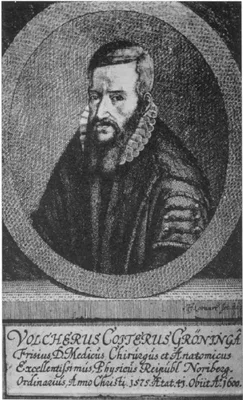
Coiter made several important contributions to the study of human anatomy, and was the first to elevate comparative anatomy to the rank of an independent branch of biology. His Externarum et internarum principalium hu…
1493 CE–1494 CE
#363.1
Fascicolo di medicina. Tr: Sebastianus Manilius. Add: Petrus de Tussignano: Consilium pro peste evitanda. Mundinus: Anatomia (Ed: Petrus Andreas Morsianus).
This Italian translation contains an entirely new and more extensive series of woodcuts and additional text. The dramatically improved and more realistic illustrations, which were reproduced in the numerous later edit…
1491 CE
#363
Fasciculus medicinae. Add: Petrus de Tussignano: Consilium pro peste evitanda.
A collection of short medical treatises which circulated widely in manuscript, some as early as the 13th century, and was perhaps attributed by the printers to its former owner, Johannes von Kirchheim, a professor of …
1642 CE
#7879
Figura ductus cuiusdam cum multiplicibus suis ramulis noviter in pancreate in diversis corporibus humanis observati.
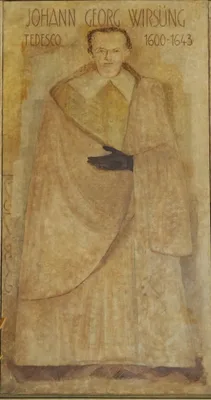
Wirsung, assistant to the celebrated German anatomist Johann Vesling, discovered the excretory duct of the pancreas named for him in 1642. To announce his discovery, Wirsung chose the extremely unusual method of publi…
2001 CE
#7654
Five hundred years of medicine in art: An illustrated catalogue of prints and drawings from the Clements C. Fry collection in the Harvey Cushing / John Hay Whitney Medical Library.
2022 CE
#13917
Flesh and bones: The art of anatomy. By Monique Kornell. With contributions by Thisbe Gensler, Naoko Takahatake, Erin Travers.
Chapters by Monique Kornell are: 1. The Illustration of Anatomy, 2. The Living Dead: Animated Anatomy, 3. Arts and Anatomy Books, 4. Anatomy and the Antique, 5. "As Large as Nature": Life Size Anatomical Illustration,…
2011 CE
#7005
Fragonard Museum. The écorchés. The anatomical masterworks of Honoré Fragonard by Christophe Degueurce. With an essay by Laure Cadot. Translated from the French by Philip Adds.
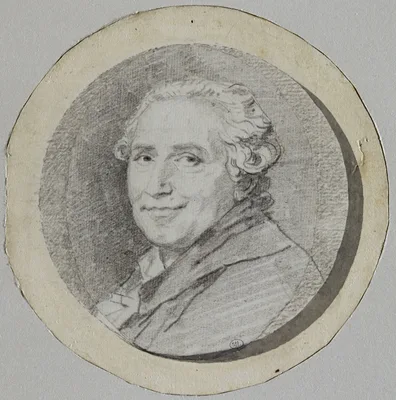
The painter and printmaker Fragonard preserved the results of his dissections via means never divulged, but which may have been based on those of Jean-Joseph Sue. His pieces were often prepared for theatrical effect r…
1881 CE
#7645
Frozen sections of a child by Thomas Dwight. Fifteen drawings from nature by H. P. Quincy.
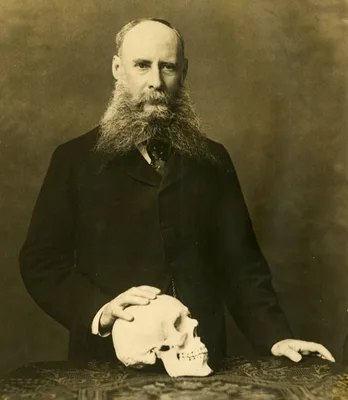
The first atlas of cross-sectional anatomy published in the United States. Digital facsimile from the Internet Archive at this link
1968 CE
#9097
Galen on the usefulness of the parts of the body. De usu partium. Translated from the Greek with an introduction and commentary by Margaret Tallmadge May. 2 vols.
1513 CE
#2269
Galen: De affectorum locorum notitia libri vi.
First separate dated Latin translation of De locis affectis, made by Wilhelm Copp of Basel. In this work devoted to pathology, Galen made many valuable deductions on inflammation and on tumors. He was familiar with ch…
1529 CE
#9349
Galeni Pergameni libri anatomici, quorum indicem versa patina indicabit. Edited by Giacomo Berengario da Carpi.
![GALEN, [Κλαύδιος Γαληνός; Galen of Pergamon] (129 – 216)](/media/portraits/21)
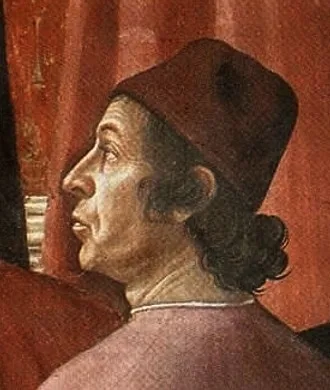
First printed edition in Latin of Galen's De anatomicis administrationis, as translated from the Greek by Demetrios Chalkokondyles under the title De anatomicis aggressionibus. Other works in this collection edited by…
1992 CE
#11214
Georges Cuvier: An annotated bibliography of his published works
1871 CE–1878 CE
#11715
Gesammelte Beiträge zur Pathologie und Physiologie. 3 vols.
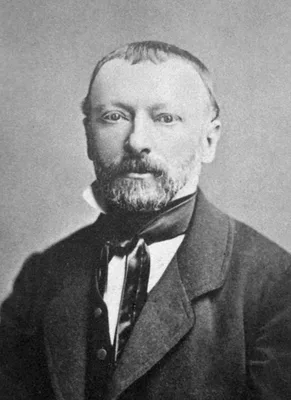
Digital facsimile from Google Books at this link.
1879 CE
#7703
Gesammelte Schriften. 2 vols.
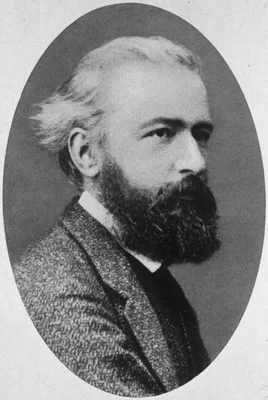
In "Beschreibung und mikroskopische Untersuchungen von Mumien", published in I, 114-156, Czermak used histology to identify arterioschlerosis in an Egyptian mummy. Digital facsimile of this specific paper from ECHO at…
1903 CE
#448
Geschichte der Anatomie.
1908 CE
#6293
Geschichte der gynäkologische-anatomischen Abbildungen.
From the ancient world through the 18th century. Digital facsimile from Google Books at this link.
2001 CE–2013 CE
#8477
Geschichte der Histopathologie. 2 vols.
Traces development of microscopy in disease research and diagnostics, as applied in surgical, gynecological, and dermatologic pathology in the 19th and 20th centuries.
1903 CE
#2313
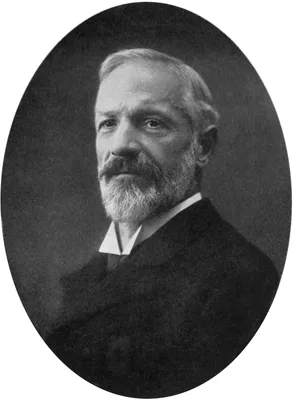
Geschichte der pathologischen Anatomie des Menschen. In: Puschmann, T.: Handbuch der Geschichte der Medizin, 2, 473-559
1852 CE
#440
Geschichte und Bibliographie der anatomischen Abbildung.
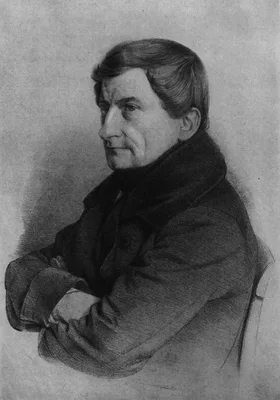
In this classic work Choulant traced the evolution of anatomical illustration from the early schematic plates up to his own time, including a valuable bibliography. Reprinted, Wiesbaden, 1974. An English translation b…
1984 CE
#11692
Giambattista Morgagni, Clinical consultations, the edition of Enrico Benassi (1935) translated and revised by Saul Jarcho.
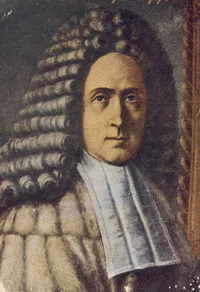
Italian text and English translation of 100 clinical consultation lettes written by Morgagni, discussing patients that in most cases he had not seen, a practice that was considered acceptable at the time. Morgagni gav…
1834 CE
#14017
Graphic illustrations of abortion and the diseases of menstruation. Consisting of twelve plates from drawings engraved on stone, and coloured by Mr. J. Perry, and two copperplates from the Philosophical transactions, coloured by the same artist. The whole representing forty-five specimens of aborted ova and adventitious productions of the uterus, with preliminary observations, explanations of the figures, and remarks anatomical and physiological.
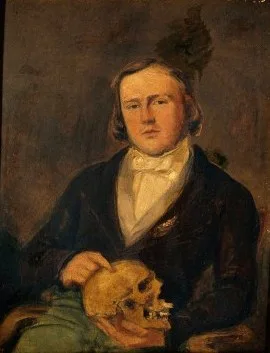
Concerns miscarriage and aberrant gestation rather than removal or expulsion of embryo or fetus. Digital facsimile from wellcomecollection.org at this link.
1870 CE
#337
Grundzüge der vergleichenden Anatomie der Wirbelthiere.
Gegenbaur’s best work. He stressed the value of comparative anatomy as the basis of the study of descent, considering that knowledge of the relations of corresponding parts in different animals was more importan…
1538 CE
#9091
Guenter von Andernach: Institutionum anatomicarum secundum Galeni sententiam ad candidatos medicinae libri quatuor per Joannem Guinterium Andernacum medicum ab Andrea Vesalio Bruxellensi auctiores & emendatiores redditi.
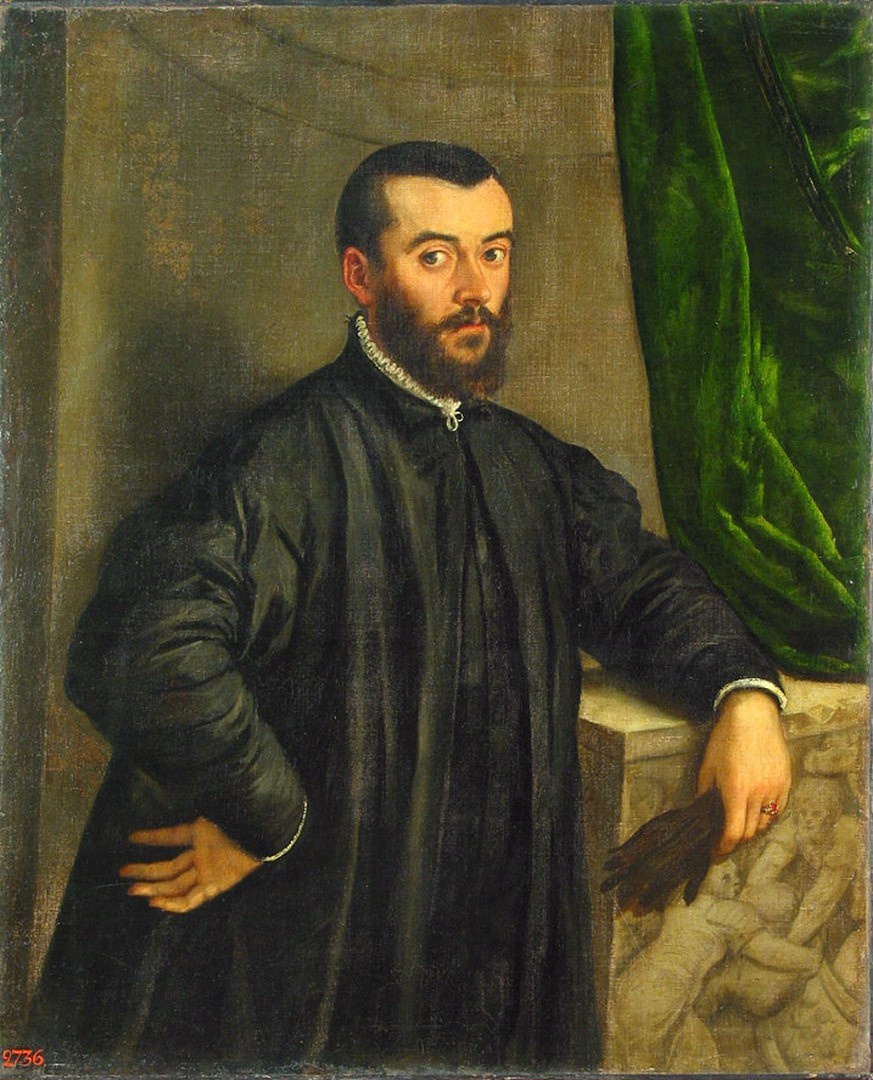
Shortly after the publication of Tabulae anatomicae sex, Vesalius completed this revision of Institutiones anatomicae, a Galenic anatomical text by his teacher Johann Guinter first published in 1536. Vesalius justifie…
2007 CE
#14074
Gustaf Retzius: A Biography by Thomas Lindblad. With special contributions by Gunnar Grant, Björn Afzelius, Olle Johansson & Markku Virtanen, Helge Rask-Andersen, Torstein Sjøvold. Editor: Ove Hagelin.
A finely written and superbly illustrated and produced study of Retzius's life and published works, issued in the style of Retzius's magnificent publications.