
Facets
Browse across eight MeSH (opens in new tab) facets — era, geography, science, specialty, technology, history, culture, and reference. Select one tag per group; counts update across the others.
Clear filtersFacet filters
Geography
Specialties & Disease
- Anatomy & Pathology 134
- Cardiology & Blood 11
- Neurology & Psychiatry 36
- Obstetrics & Reproductive 26
- Infectious Disease (General) 5
- Surgery & Anesthesia 14
- Public Health 129
- Immunology & Dermatology 38
- General Clinical Medicine 28
- Military Medicine 11
- Psychology 16
- Alternative & Fringe Medicine 17
- Pediatrics 5
- Ophthalmology & Vision 2
- ENT & Hearing 3
- Urology & Nephrology 4
- Gastroenterology & Hepatology 4
- Pulmonary & Respiratory 3
- Rheumatology, Rehab & Pain 0
- Internal, Emergency & Geriatric 7
- Veterinary Medicine 11
- Epidemiology & Demography 12
- Physiology & Embryology 94
- Dentistry 10
- Plagues & Epidemics 44
- Microbiology & Virology 92
Social & Historical Studies
Institutions & Culture
Reference & Scholarly Works
1,480 entries match Zoology & Animal Sciences [K01.900.500.750]
2006 CE
#9926
Consumption and literature: The making of the romantic disease.
1876 CE
#497
Contributions à l’histoire de la vésicule germinative et du premier noyau embryonnaire.
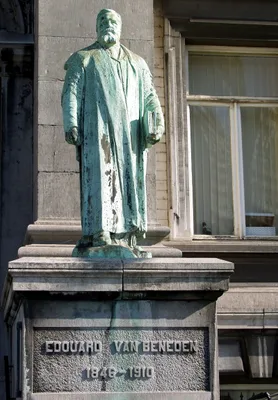
Independently of Flemming, van Beneden discovered the centrosome.
1862 CE
#220.1
Contributions to an insect fauna of the Amazon valley: Lepidoptera: Heliconidae.
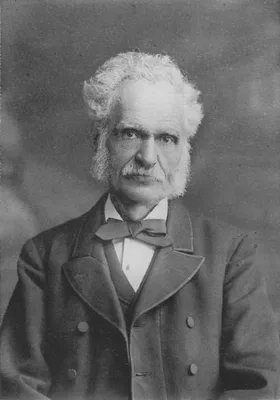
Bates spent eleven years in the Amazon and there collected 8,000 species of insects new to science. In the above paper he clearly stated and solved the problem of “mimicry”, known today as “Batesian …
1857 CE–1877 CE
#333
Contributions to the natural history of the United States. 5 vols.
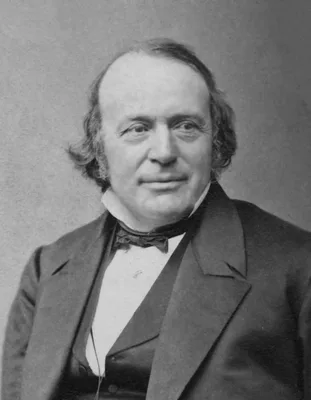
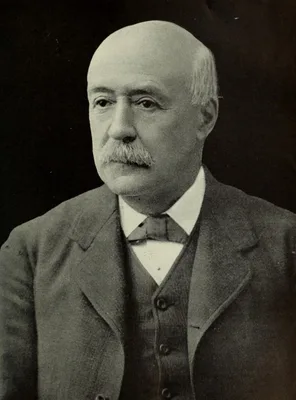
Vols. 1-4 by Louis Agassiz were published from 1857-1862; Vol. 5, North American starfishes by Alexander Agassiz, appeared in 1877. Louis Agassiz was, for his time, the leading comparative anatomist in America and a v…
1908 CE
#523
Contributions to the study of the early development and imbedding of the human ovum. An early ovum imbedded in the decidua.
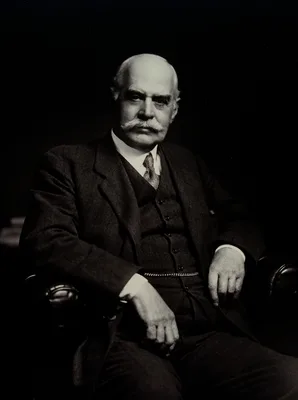
The “Bryce-Teacher ovum”, age estimated at 13-14 days.
1870 CE
#228
Contributions to the theory of natural selection.
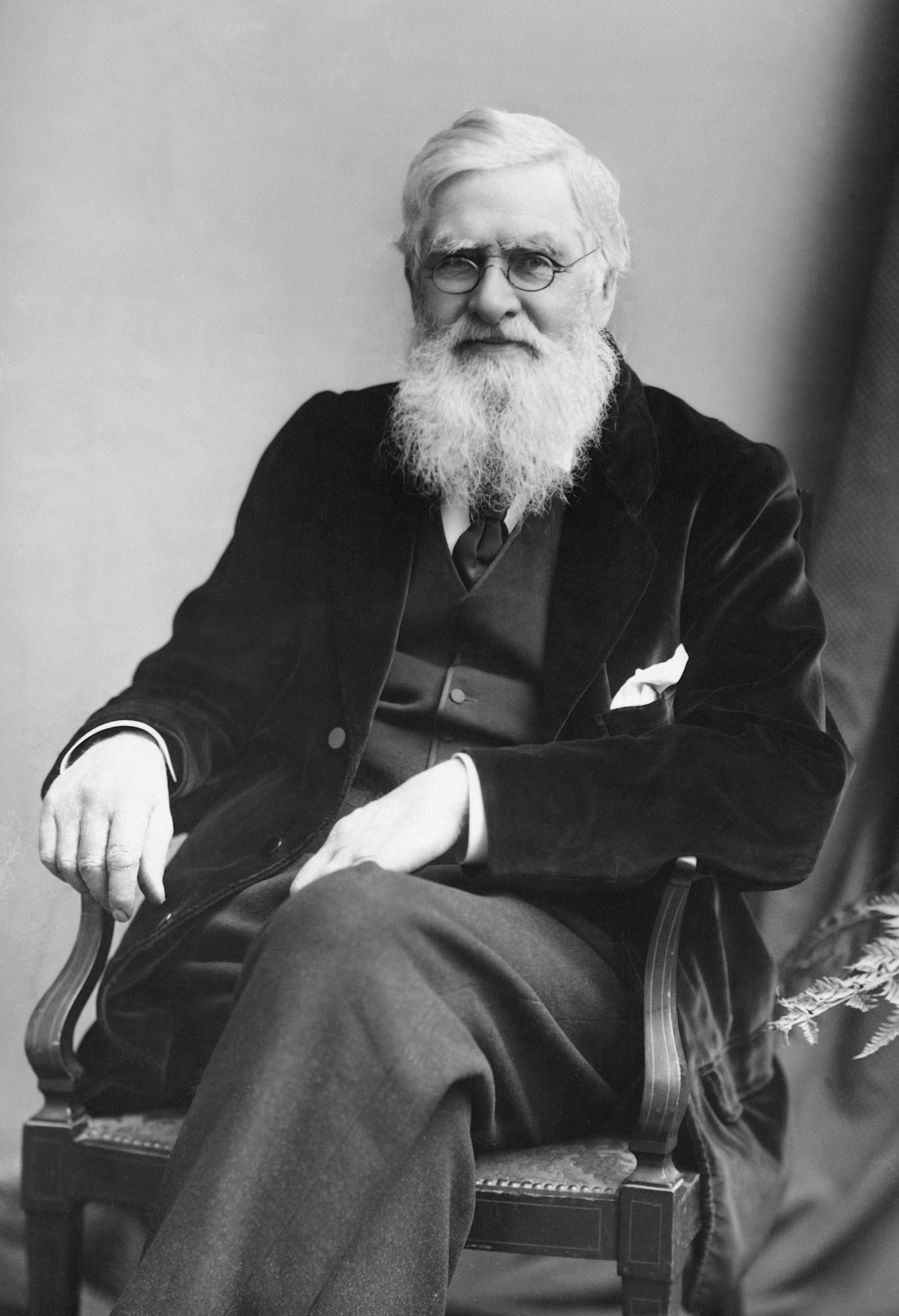
Reprints, with important revisions and additions, nine important papers concerning natural selection, which had previously appeared in journals, and publishes for the first time a major paper on The limits of natural …
1912 CE
#11812
Coral and atolls. A history and description of the Keeling-Cocos Islands, with an account of their fauna and flora, and a discussion of the method of development and transformation of coral structures in general.
Wood Jones was one of the first to study coral reefs as living organisms interacting with their environment. Prior to Wood Jones's book most of the work on corals was done from the systematics viewpoint using specimen…
1872 CE
#11803
Corals and coral islands.
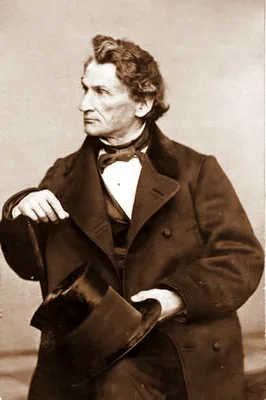
Digital facsimile from Biodiversity Heritage Library at this link.
1980 CE
#366.1
Corpus of the anatomical studies in the collection…at Windsor Castle. Edited by K.D. Keele and C. Pedretti. 3 vols.
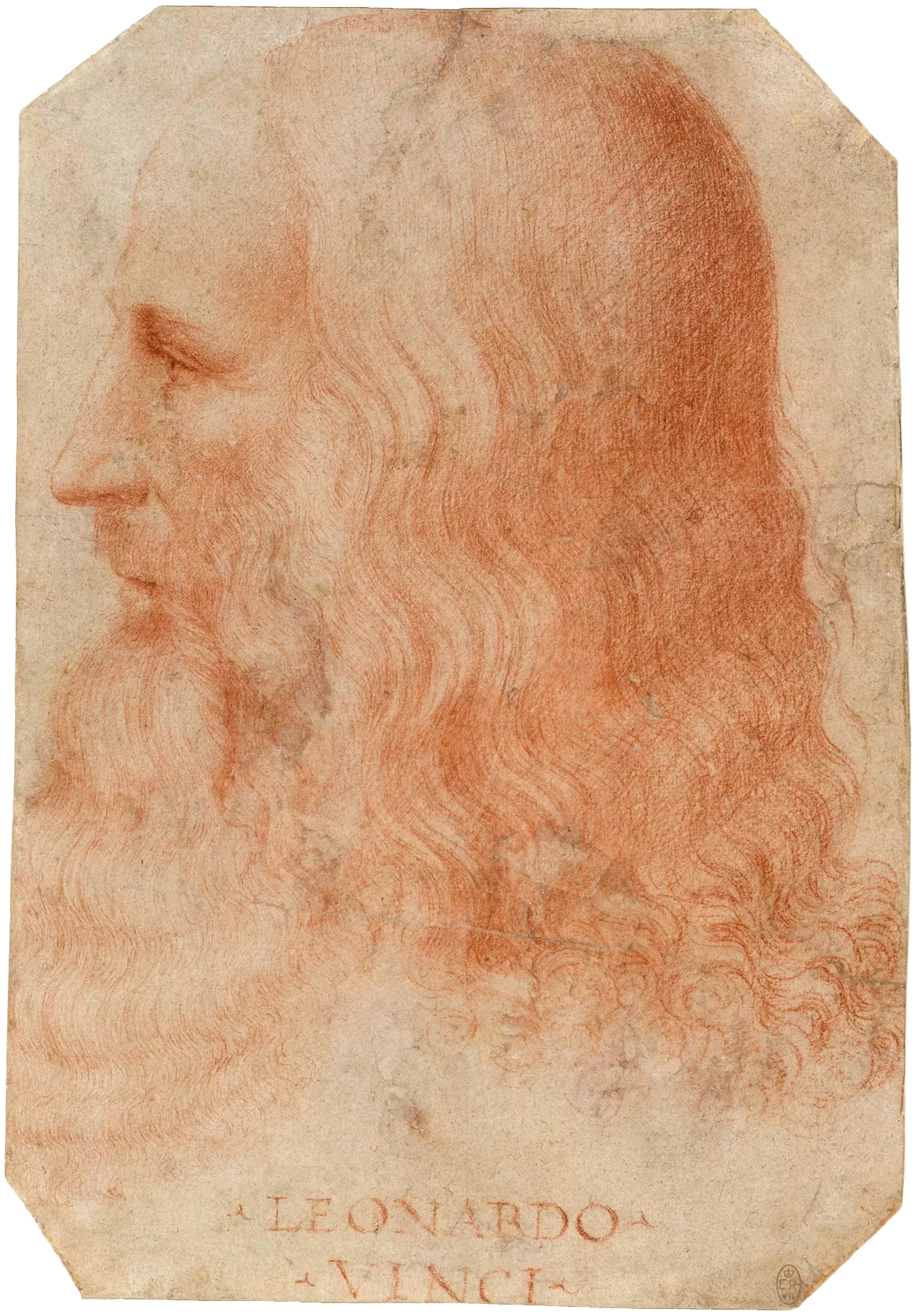
Splendid edition reproducing all of the drawings in color, and with the original chronology and integrity of the drawings restored. Text provides transliteration of Leonardo’s notes in the original Italian plus …
1943 CE
#12123
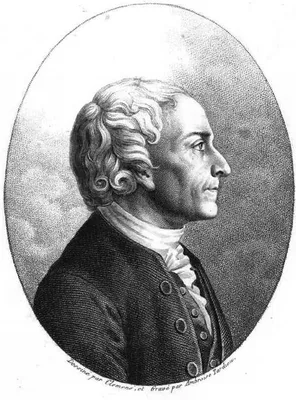
Correspondence inédite entre Réaumur et Abraham Trembley, comprenant 113 lettres, recueillies et annotées par Maurice Trembley. Introduction par Emile Guyenot.
1974 CE
#7777
Creative malady: Illness in the lives and minds of Charles Darwin, Florenece Nightengale, Mary Baker Eddy, Sigmund Freud, Marcel Proust, Elizabeth Barrett Browning.
2000 CE
#9061
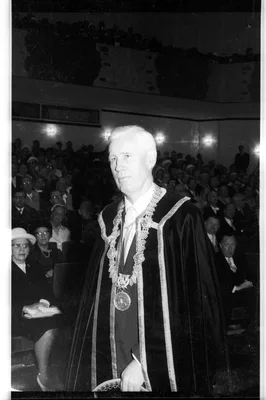
Creativity and disease: How illness affects literature, art and music. 4th edition.
2007 CE
#11843
CRISPR provides acquired resistance against viruses in prokaryotes.
Horvath and his team provided key details of the extremely complex mechanisms involved in CRISPR's function as an immune system for bacteria against bacteriophages. Analogous to Pasteur's heroic role in saving the Fre…
2021 CE
#13478
CRISPR-Cas9 gene editing for sickle cell disease and ß-thalassemia.

First application of CRISPR gene editing in the successful cure of diseases. Order of authorship in the original publication: Frangoul, Altshuler, Cappellini. (Thanks to Juan Weiss for this reference and its interpret…
2015 CE
#11864
CRISPR/Cas9-mediated gene editing in human tripronuclear zygotes.
This paper was rejected by both Nature and Science partly for "ethical objections." When published it immediately triggered worldwide controversy among scientists and the public. This was the first application of the …
1984 CE
#14184
Cryo-electron microscopy of viruses.
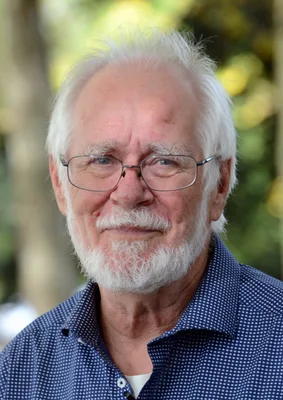
Dubochet and colleagues introduced "Dubochet's vitrification method" to vitrify water by cooling it so rapidly that it solidified to form a glass instead of crystals. Using this method, the authors published the first…
2020 CE
#13483
Cryo-EM structure of the 2019-nCoV spike in the prefusion conformation.


Posted online on February 17, 2020. 2019-nCoV was an interim name for the Novel Coronavirus. These studies, which included the 3D structure of the RBD (receptor binding domain) within the S protein, provided informati…
1996 CE
#13565
Crystal structure of Aequorea victoria green fluorescent protein.
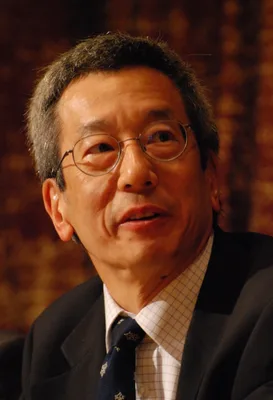
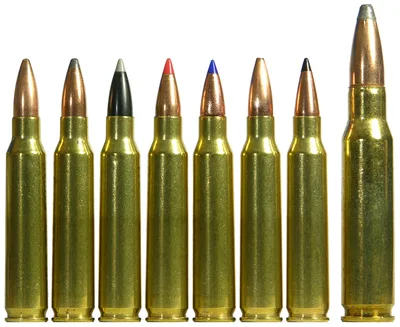
Tsien and colleagues published the crystal structure of the 238 A.A. long green fluorescent protein (GFP). With this data, the authors could determine what had to be modified within the protein in such a way that the …
2011 CE
#14134
Crystal structure of the β2 adrenergic receptor–Gs protein complex.
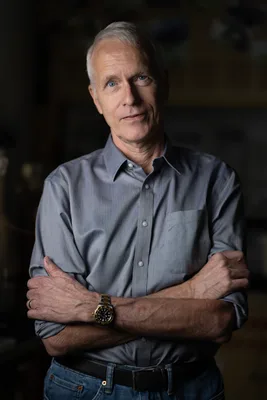
Kobilka and colleagues published the crystal structure of a beta-2 receptor forming a complex with the G protein coupled receptor. This was the first time that a complete complex of an active receptor and it's Gs prot…
1930 CE
#1038.1
Crystalline pepsin.
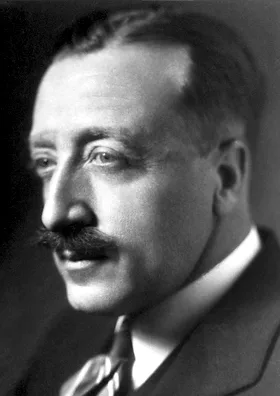
Crystallization of pepsin and its identity as a protein. In 1946 Northrop shared half of the Nobel Prize in Chemistry with Wendell Meredith Stanley "for their preparation of enzymes and virus proteins in a pure form."…
1911 CE
#560
Cultivation of tissues in vitro and its technique.
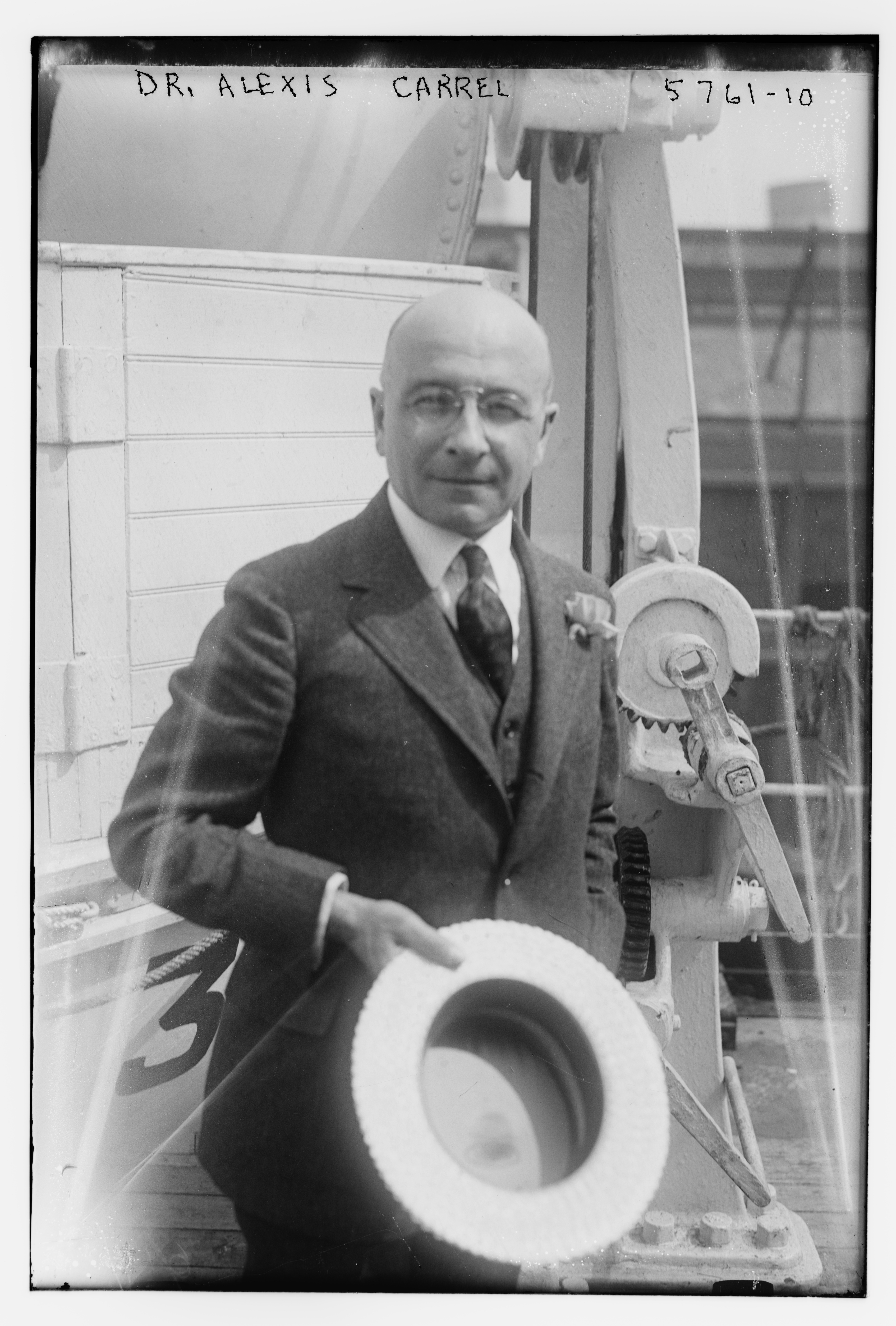
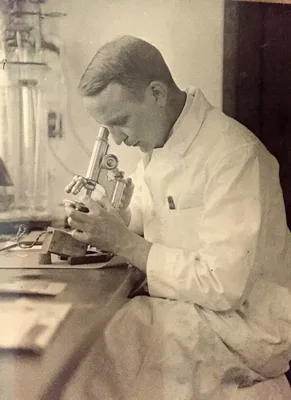
Carrel demonstrated the potential immortality of mammalian tissue. He was able to keep the excised viscera of an animal alive and functioning physiologically in vitro. For his later work see the same journal, 1911, 14…
2007 CE
#7881
Culturing life: How cells became technologies.
A history of tissue culture.
1998 CE
#14264
CYCLE Is a Second bHLH-PAS Clock Protein Essential for Circadian Rhythmicity and Transcription of Drosophila period and timeless.

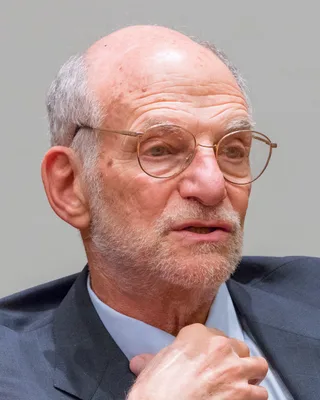
In 1998 Rosbach, Hall and colleagues discovered the cycle gene, clock gene, and cryptochrome photoreceptor in Drosophila through the use of forward genetics, by first identifying the phenotype of a mutant and then det…
1983 CE
#14254
Cyclin: A protein specified by maternal mRNA in sea urchin eggs that is destroyed at each cleavage division.
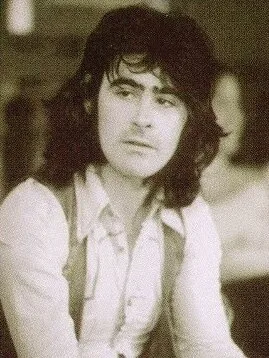
"It was at Woods Hole around July 1982, using Arbacia sea urchin eggs as his model organism, that he discovered cyclin proteins.[12] Cyclins play a key role in regulating the cell-division cycle.[16] Hunt was observin…
1929 CE
#968
Cytochrome and respiratory enzymes.
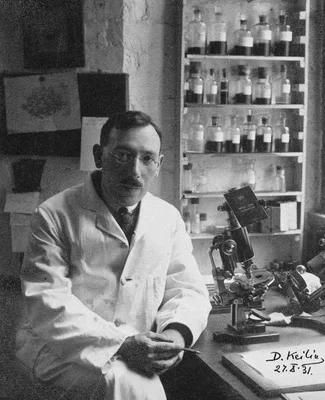
Keilin discovered cytochrome and laid the foundations of the modern concept of cellular respiration. See No. 1588.3.
1963 CE
#12427
Cytological demonstration of the clonal nature of spleen colonies derived from transplanted mouse marrow cells.
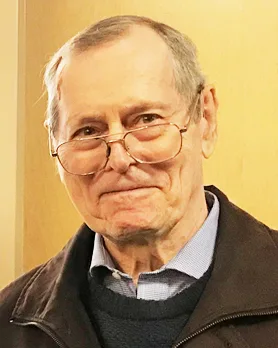
McCulloch and Till discovered the blood-forming stem cell, the hematopoietic stem cell (HSC), through their pioneering work in mice. McCulloch and Till began a series of experiments in which bone marrow cells were inj…
1726 CE
#12958
Danubius pannonico-mysicus, observationibus geographicis, astronomicis, hydrographicis, historicis, physicis perlustratus et in sex tomos digestus. 6 vols.
An extensive illustrated work, with 283 copperplate engravings, on the natural history of the Danube river, the longest river in central Europe, which runs from southern Germany into Austria, through Slovakia, Hungary…
1901 CE–1903 CE
#725.1
Darstellung und Analyse einiger Nucleinsäuren. I.-VI. Mittheilung.
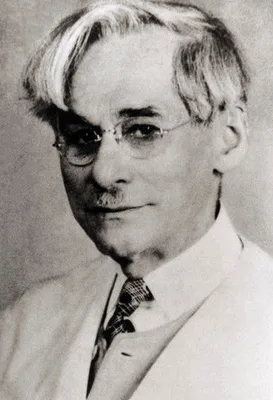
Chemical distinction between DNA and RNA. Levene elucidated the fundamentals of nucleic acid chemistry. His work led to the tetranucleotide hypothesis.
2002 CE
#8706
Darwin Online. The complete works of Charles Darwin, edited by John van Wyhe.
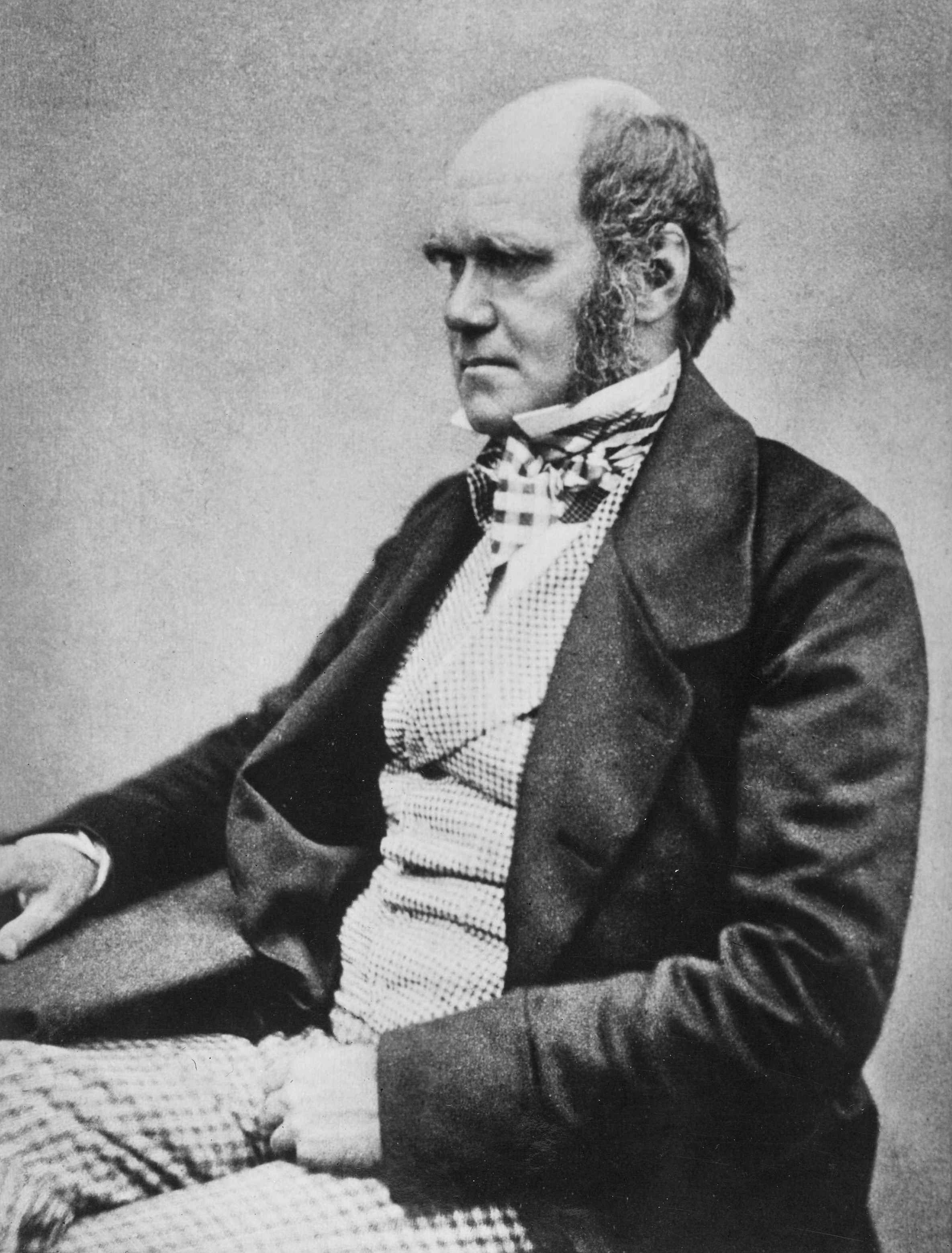
http://darwin-online.org.uk/AboutUs.html Darwin's Complete Publications Books Origin of Species, Voyage of the Beagle, Descent of Man... Articles Volcanic, Darwin-Wallace paper... Published Letters Life and letters, D…
1973 CE
#6610.9
Das Antonius-Feuer in Kunst und Medizin.
Superbly designed and illustrated with color plates. Sitzungsberichte der Heidelberger Akademie der Wissenschaften, Mathematisch-naturwissenschaftliche Klasse, Supplement zum Jahrgang 1973.
1969 CE
#6610.8
Das Bild des Kranken. Die Darstellung äusserer Veränderungen Durch innere Leiden und ihrer Heilmassnahmen von der Renaissance bis in unsere Zeit.
1938 CE
#6915
Das Gleichgewicht zwischen Hämoglobin and Sauerstoff.
Haurowitz discovered that crystalline deoxyhemoglobin changes in shape and color on reaction with oxygen, suggesting that it is a molecular lung.
1917 CE
#9988
Das homerische Tiersystem und seine Bedeutung für die zoologische Systematik des Aristoteles.
Digital facsimile from the Biodiversity Heritage Library at this link.
1922 CE–1931 CE
#7649
Das Leben des Menschen. Eine volkstümliche Anatomie, Biologie, Physiologie und Entwicklungsgeschichte des Menschen. 5 vols.
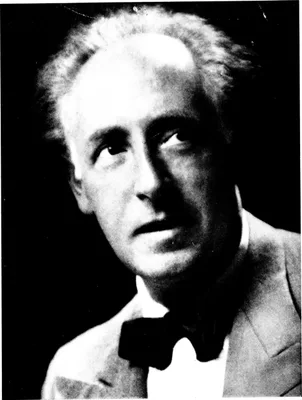
By developing a new infographics style of illustration in which physiological processes and other technical medical and biological concepts were often depicted as, or compared to machines, Kahn made medical and biolog…
1915 CE
#13031
Das Martyrium der heiligen Apollonia und seine Darstellung in der bildenden Kunst.
Illustrates with 100 plates various early depictions of the martyrdom of St. Apollonia, patron saint of dentistry. Saint Apollonia was one of a group of virgin martyrs who suffered in Alexandria, Egypt during a local …
1863 CE
#118
Das Protoplasma der Rhizopoden und der Pflanzenzellen.
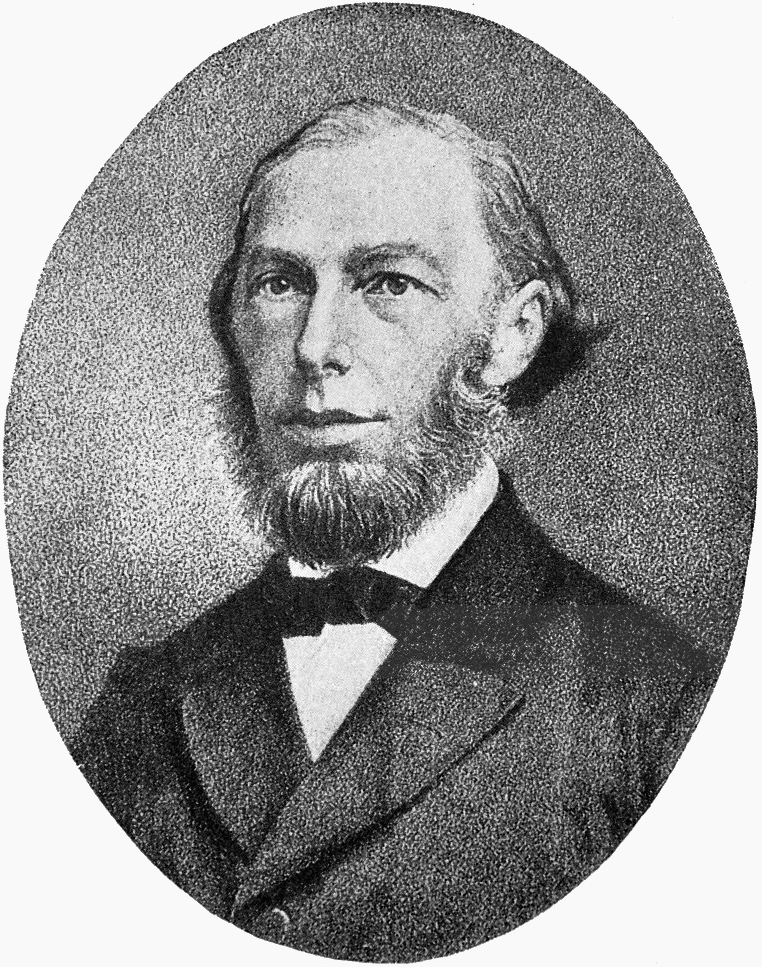
Schultze showed that protoplasm is practically identical in all living cells.
1924 CE
#562
Das reticulo-endotheliale System.
In an earlier paper on this subject (Münch, med. Wschr., 1922, 69, 1352-56) Aschoff introduced the term “reticulo-endothelial system”; as early as 1914 he grouped certain phagocytic cells into his sys…
1907 CE
#8152
Das Werden der Welten. Mit Unterstützung des Verfassers aus dem schwedischen übersetzt von L. Bamberger.
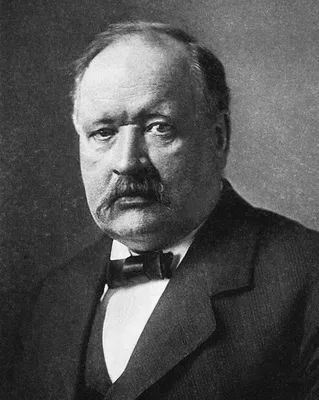
In this work Arrhenius predicted the possibility of man-made global warming. His prediction that significant global warming would take ~3000 years to develop is now recognized as a substantial underestimate due in par…
2016 CE
#9594
Data Refuge.
https://www.datarefuge.org/ "Data Refuge is a public and collaborative project designed to address concerns about federal climate and environmental data that is in danger of being lost[1]. In particular, the initiativ…
1819 CE
#317
De animalibus quibusdam e classe vermium Linneana in circumnavigator terra auspicante Comite N. Romanzoff duce Ottone de Kotzebue annis 1815, 1816, 1817, 1818. Fasciculus primus. De Salpa.
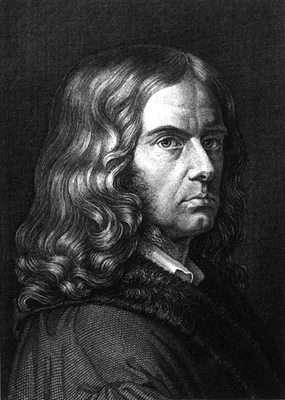
Chamisso was naturalist on the Kotzebue voyage of 1815-1818. This monograph on certain Vermes included the first description of several of the tunicates and the earliest use of the expression “alternation of gen…
1478 CE
#276
De animalibus. Edited by Fernandus Cordubensis (Fernando de Córdoba).
Albertus was a Dominican monk and the most eminent naturalist of the 13th century; his work on animals contained a good deal of personal observation. He was the first to comment on virtually all of the writings of Ari…
1476 CE
#274
De animalibus. Translated by Theodorus Gaza. Edited by Ludovicus Podocarthus.
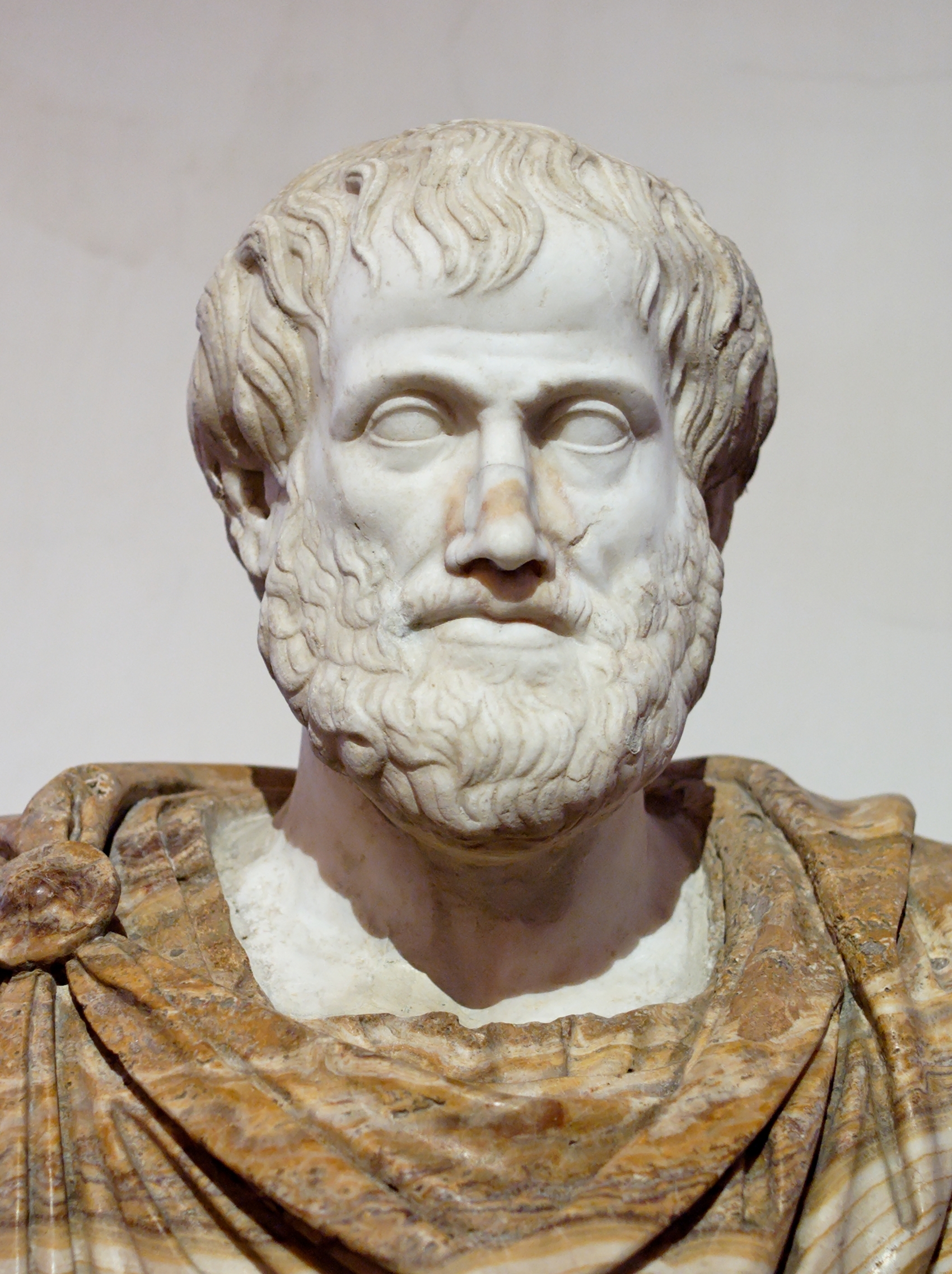
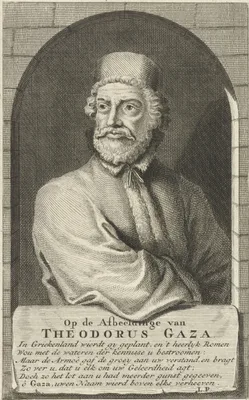
Includes Aristotle's De historia animalium, De partibus animalium, and De generatione animalium. Aristotle was the first scientist to gather empirical evidence about the biological world through observation. By his ca…
1553 CE
#279
De aquatilibus, libri duo cum [epsilon] [iota] conibus ad viuam ipsorum effigiem, quoad eius fieri potuit, expressis.
![BELON, Pierre [Pierre Belon du Mans; Petrus Bellonius Cenomanus] (1517 – 1564)](/media/portraits/9632)
Considerably expanded from Belon's work of 1551. Digital facsimile from the Internet Archive at this link.
1925 CE
#6610
De arts in de caricatuur.
German edition, Berlin, 1927.
1570 CE
#9203
De canibus Britannicis liber unus. De rariorum animalium et stirpium historia, liber unus. De libris propriis, liber unus.
Caius, a pioneer naturalist as well as a physician, corresponded with Conrad Gessner, with whom he had made friends while returning from Padua. Caius wrote this study of British dogs to send to Gessner as a contributi…
1552 CE
#281
De differentiis animalium.
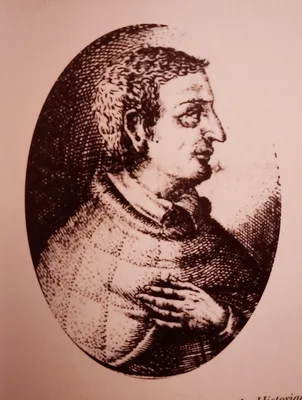
Basing his work on Aristotle, Wotton rejected the fantastic additions which had accrued to the writings of the latter during the Middle Ages. His book was beautifully printed but not illustrated. Digital facsimile fro…
1545 CE
#378
De dissectione partium corporis humani.
De dissectione partium corporis humani libri tres by French physician, writer, and translator, Charles Estienne, of the Estienne printing dynasty, is one of the most interesting woodcut books of the French Renaissance…
1839 CE
#541
De formatione granulosa in nervis aliisque partibus organismi animalis.
In 1839 Purkynĕ was the first to use the term protoplasma, by which he described the embryonic ground substance. This fact is recorded in the inaugural dissertation of one of his students, J. Rosenthal.
1686 CE
#7088
De historia piscium libri quatuor.
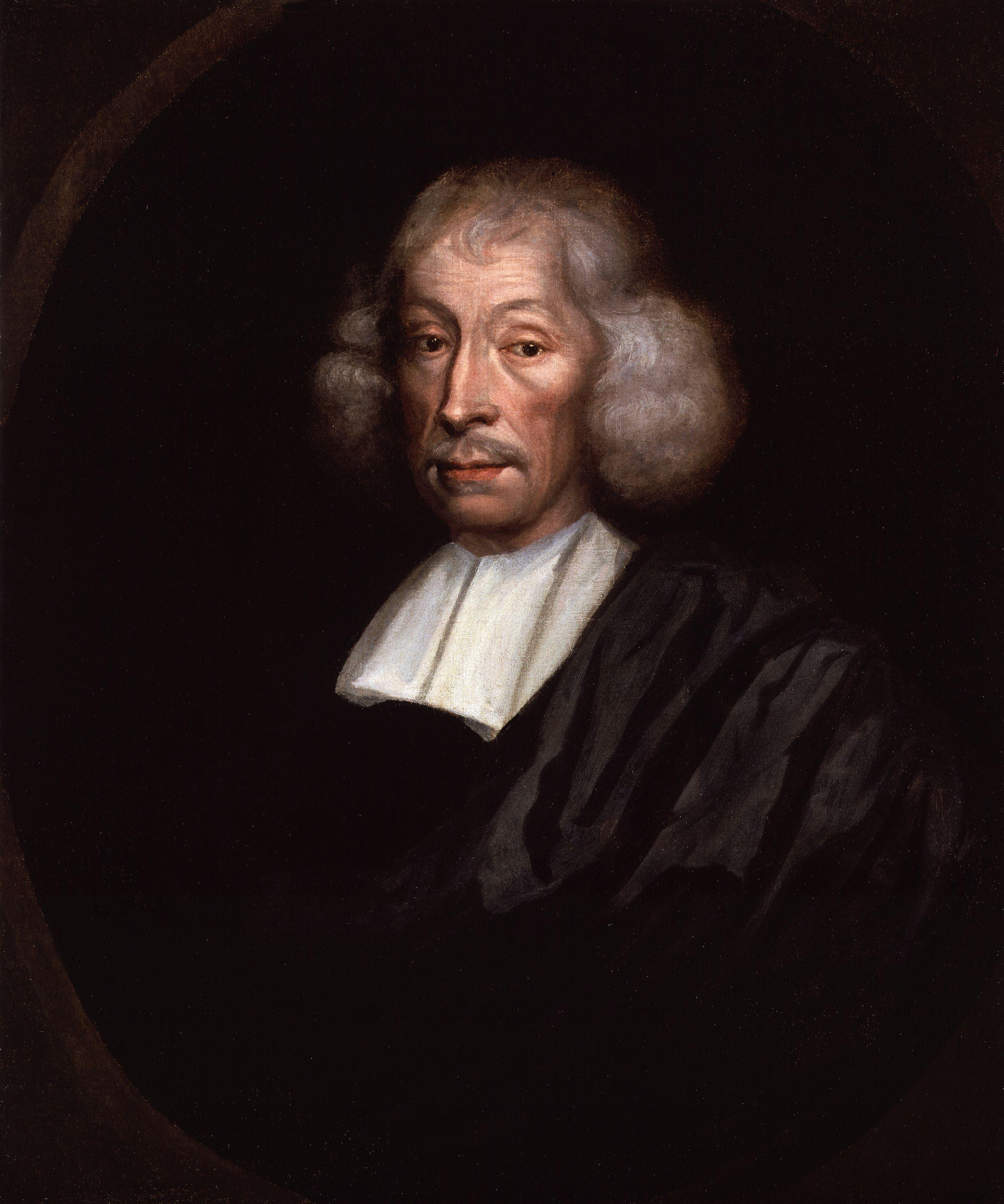
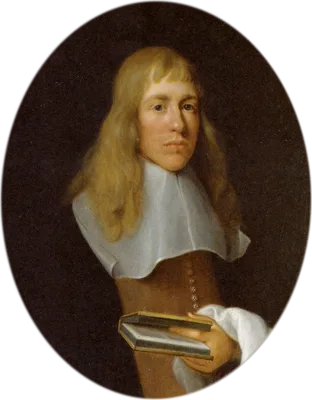
A large folio volume with 187 engraved plates considered the first modern encyclopedia on fish, this was largely the work of John Ray, prepared and expanded from Willougby's notes, more than a decade after his death. …
1543 CE
#375
De humani corporis fabrica libri septem.
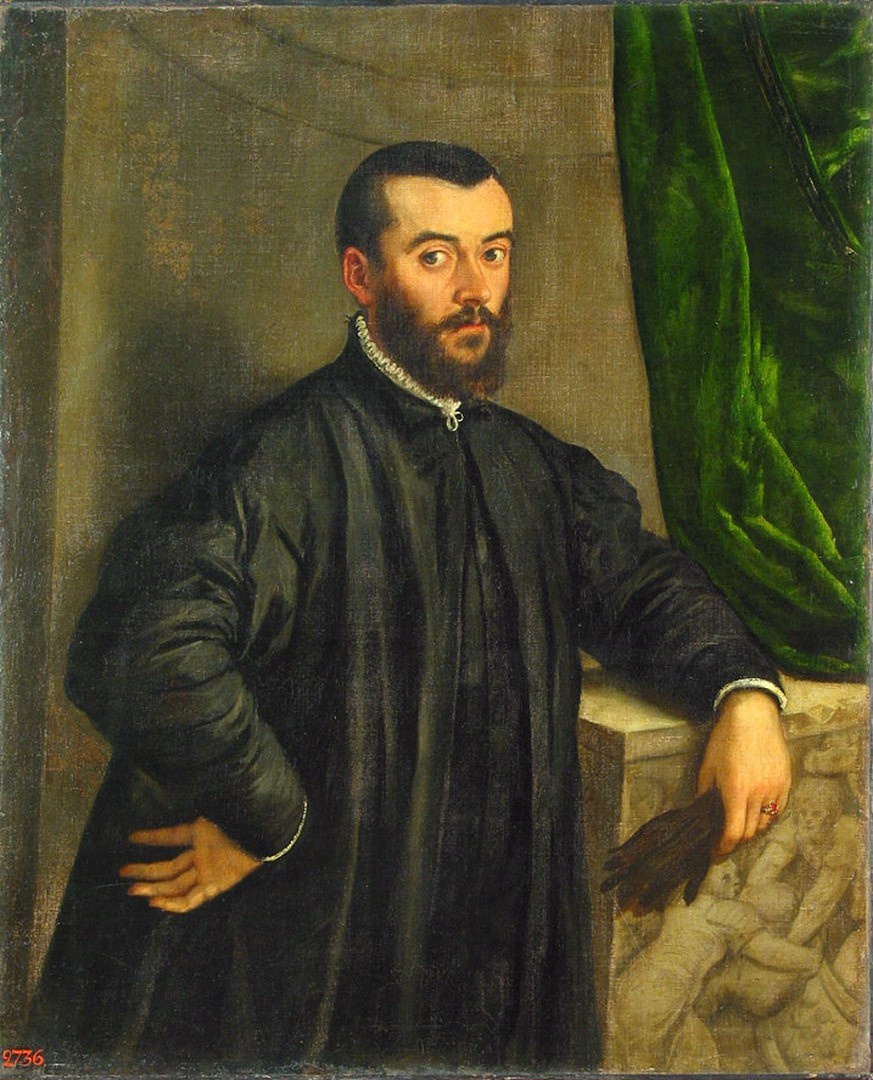
Published when the author was only 29 years old, the Fabrica revolutionized not only the science of anatomy but how it was taught. Throughout this encylopedic work on the structure and workings of the human body, Vesa…