
Facets
Browse across eight MeSH (opens in new tab) facets — era, geography, science, specialty, technology, history, culture, and reference. Select one tag per group; counts update across the others.
Clear filtersFacet filters
Geography
Specialties & Disease
- Anatomy & Pathology 765
- Cardiology & Blood 914
- Neurology & Psychiatry 1,256
- Obstetrics & Reproductive 550
- Infectious Disease (General) 147
- Surgery & Anesthesia 1,551
- Public Health 1,129
- Immunology & Dermatology 1,404
- General Clinical Medicine 480
- Military Medicine 436
- Psychology 202
- Alternative & Fringe Medicine 383
- Pediatrics 247
- Ophthalmology & Vision 412
- ENT & Hearing 293
- Urology & Nephrology 309
- Gastroenterology & Hepatology 316
- Pulmonary & Respiratory 233
- Rheumatology, Rehab & Pain 188
- Internal, Emergency & Geriatric 123
- Veterinary Medicine 165
- Epidemiology & Demography 397
- Physiology & Embryology 923
- Dentistry 259
- Plagues & Epidemics 1,279
- Microbiology & Virology 1,080
Social & Historical Studies
Institutions & Culture
Reference & Scholarly Works
412 entries match Ophthalmology & Vision [C11]
1552 CE
#7807
Meletius, De natura structuraque hominis opus. Polemonis Atheniensis, Naturae signorum interpretationis. Hippocratis, De hominis structura. Diocles, De tuenda valetudine epistola. Melampus, De nevis corporis tractatus. Omnia haec non prius edita. Nicolao Petreio Corcyraeo interprete.
![HIPPOCRATES, [Ἱπποκράτης; Hippocrates of Kos] (-460 – -370)](/media/portraits/50)
This collection of Late Antique and Byzantine medicine edited by Nicolas Petreius begins with a Byzantine treatise on anatomy, probably written in the eighth century by Meletius, a Christian monk and physician from Ph…
1936 CE
#5815
Memorandum book of a tenth-century oculist for the use of modern ophthalmologists. A translation of the Tadhkirat.
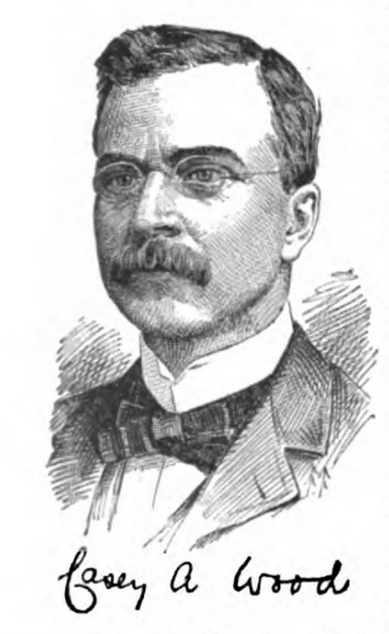
The Tadhkirat al-Kahhalin was one of the oldest and best of the medieval Arabic works on ophthalmology. It carefully described 130 diseases of the eye and became the standard work on the subject in the Middle East. Ge…
1993 CE
#7022
Men of vision: Lives of notable figures in ophthalmology.

2020 CE
#12537
Mesopotamian eye disease texts: The Nineveh treatise.
"This volume is the first complete edition and commentary on Mesopotamian medicine from Nineveh dealing with diseases of the eye. This ancient work, languishing in British Museum archives since the 19th century, is pr…
1865 CE
#1511.1
Method att objectivera effecten av ljusintryck pa retina.
Discovery of the electroretinogram, the beginning of the use of electrophysiological methods for studying visual systems.
1882 CE
#5922
Neue Instrumente.
Introduction of the keratoscope.
1896 CE
#5942
Note sur un diplobacille pathogène pour la conjunctiva humaine.
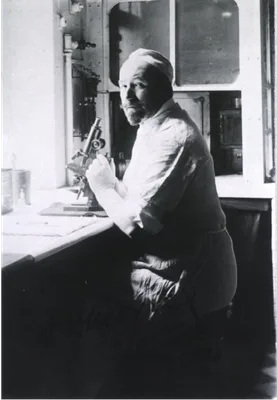
Morax and Axenfeld (No. 5941) independently isolated a diplobacillus which causes a chronic conjunctivitis – the Morax – Axenfeld haemophilus.
1906 CE
#5950
Notes on a peculiar pupil phenomenon in cases of partial iridoplegia.
Markus was among the first to describe the condition known as “Adie’s syndrome” (No. 4611).
1817 CE
#13247
Notice historique sur l'Institution Royale des Jeunes Aveugles.
The first book printed in heavily embossed type for the blind. In 1819 Sebastien Guillé issued a second edition of this work identifying himself as the author.
1854 CE–1855 CE
#5871
Notiz über die Behandlung der Mydriasis
1722 CE
#5827
Nouveau traité des maladies des yeux.
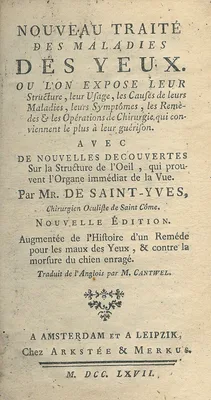
Records the removal of a cataract “en masse” from a living subject. English edition, 1741. Digital facsimile of the 1722 edition from Biu Santé at this link.
1907 CE
#5953
Nouveau traitement du glaucome chronique; iridectomie et sclérectomie combinée.
Sclerectomy for the treatment of glaucoma.
1927 CE
#5972
Nouveaux cas de guérison opératoire de décollements rétiniens.
Gonin’s operation of ignipuncture for treatment of detachment of the retina.
1668 CE
#1481.1
Nouvelle découverte touchant la veüe.
Discovery of the blind spot in the retina, the existence of which Mariotte deduced from his experiments investigating the fate of light rays striking the base of the optic nerve. Facsimile reprint in J. Brons, The bli…
1682 CE
#1481.3
Nova visionis theoria.
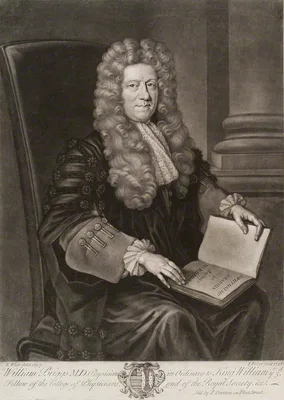
Briggs’ treatise on the physiology of vision influenced Sir Isaac Newton, who reprinted it in book form with his own introduction, London, 1685.
1932 CE
#5983
Nuestro método original de extracciόn total de la catarata senil: la electrodiafaquia. Primeros ensayos.
Intracapsular extraction of cataract by diathermy with the electro-diaphake. Preliminary report in Klin. Mbl. Augenheilk., 1932, 88, 778-83.
1845 CE
#7330
Nuove ricerche microscopiche sulla tessiture intima della retina nell’ uomo, nei vertebrati, nei cefalapodi, e negli insetti precedute da alcune riflessioni sugli elementi morfologici globulari del sisteme nervoso.
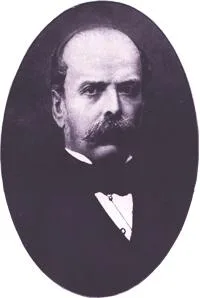
Pacini was the first to provide an accurate description of all the layers of the retina. Digital facsimile of the separate (offprint) edition from the Internet Archive at this link.
1904 CE
#5948
Nuovo metodo conservatore di cura radicale delle suppurazioni croniche del sacco lacrimale (dacriocistorinostomia).
Toti’s account of dacryocystorhinostomy, a procedure he himself introduced.
1548 CE
#3667.1
Nützlicher bericht wie man die Augen und das Gesicht wo das selbig magelhafft blöde dunckel oder befinstert. Scherpfen gesundt erhalten stercken und bekrefftigen soll…Mit weitterer unterrichtung. Wie man den Mundt die Zän und Biller…
This popular guide to health includes the first monograph on dentistry for the layman, encouraging the practice of oral hygiene and simple dental care. The first part of the book deals with the eyes, the second with t…
1713 CE
#5826
Observation singulière sur la fistule lacrimale, dans la quelle l’on verrà, que la matière des fistules lacrimales s’evacuë très souvent par les points lacrimaux; en même tems l’on apprendrà la methode de les guérir radicalement, etc.
Lacrimal duct catheterized for the first time. See No. 5823. Digital facsimile from Google Books at this link.
1806 CE
#1490
Observations anatomiques sur quelques parties de l’oeil et des paupières. IN: Mémoires et observations sur l’anatomie, la pathologie, et la chirurgerie, pp. 193-207.
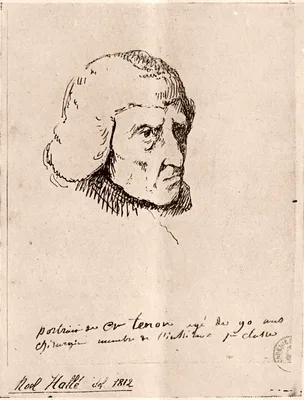
Although Tenon did not discover the fibrous capsule and the interfascial space of the orbit, they are named after him.
1852 CE
#5867
Observations on artificial pupil, with a description of a new method of operating in certain cases.
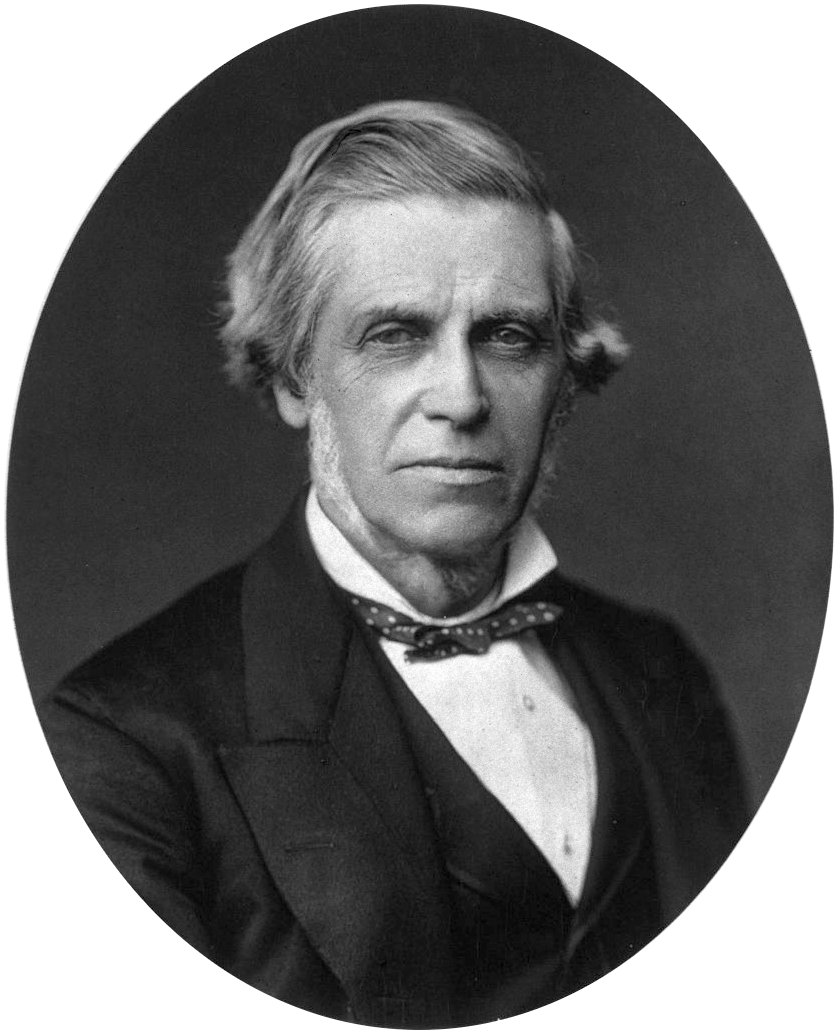
Bowman devised an operation for the formation of an artificial pupil.
1909 CE
#10720
Observations on choked disc, with especial reference to decompressive cranial operations.
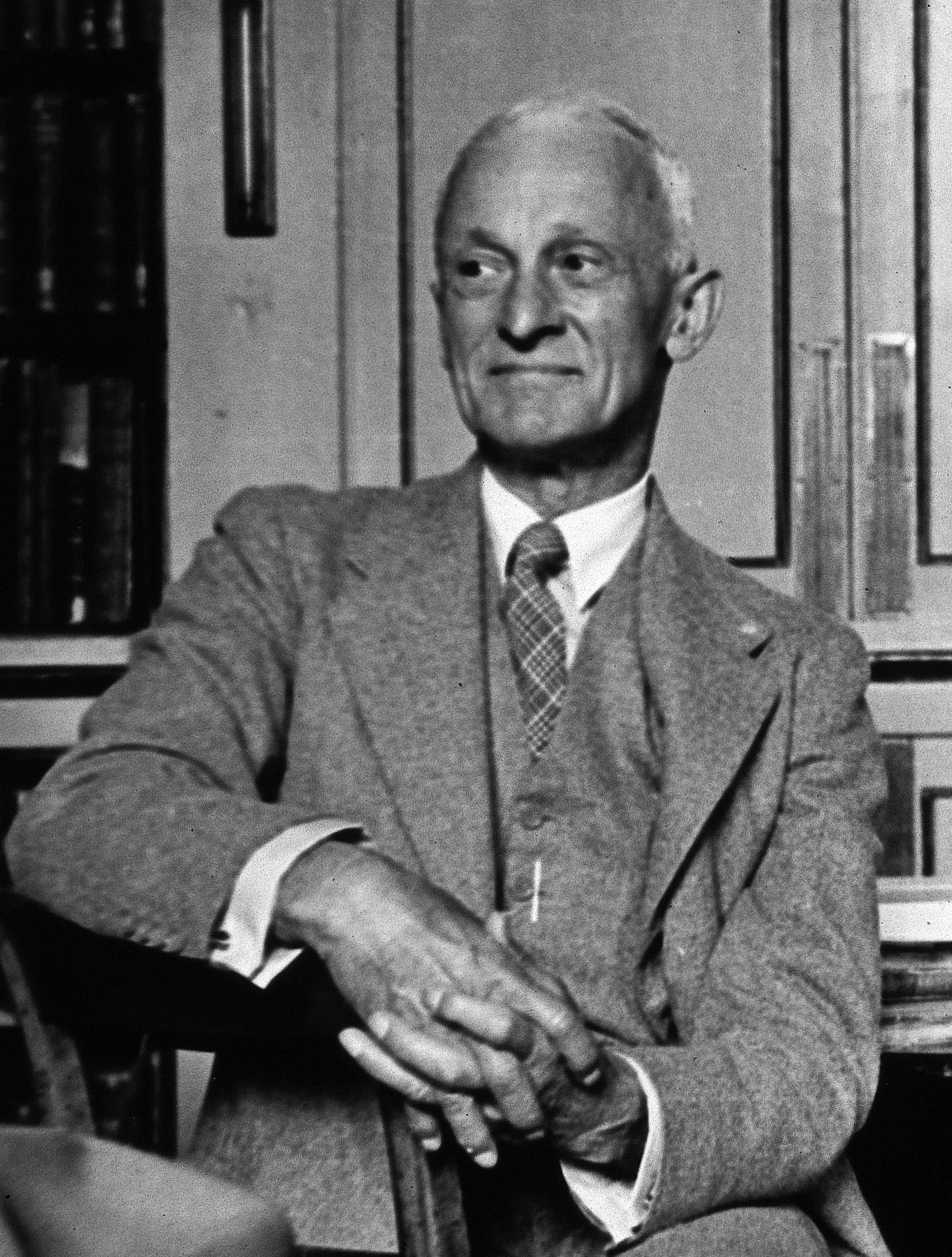
The diagnostic value for neurosurgery of changes in the optic nerve caused by increased intracranial pressure.
1863 CE–1865 CE
#4537
Observations on defects of sight in brain disease.
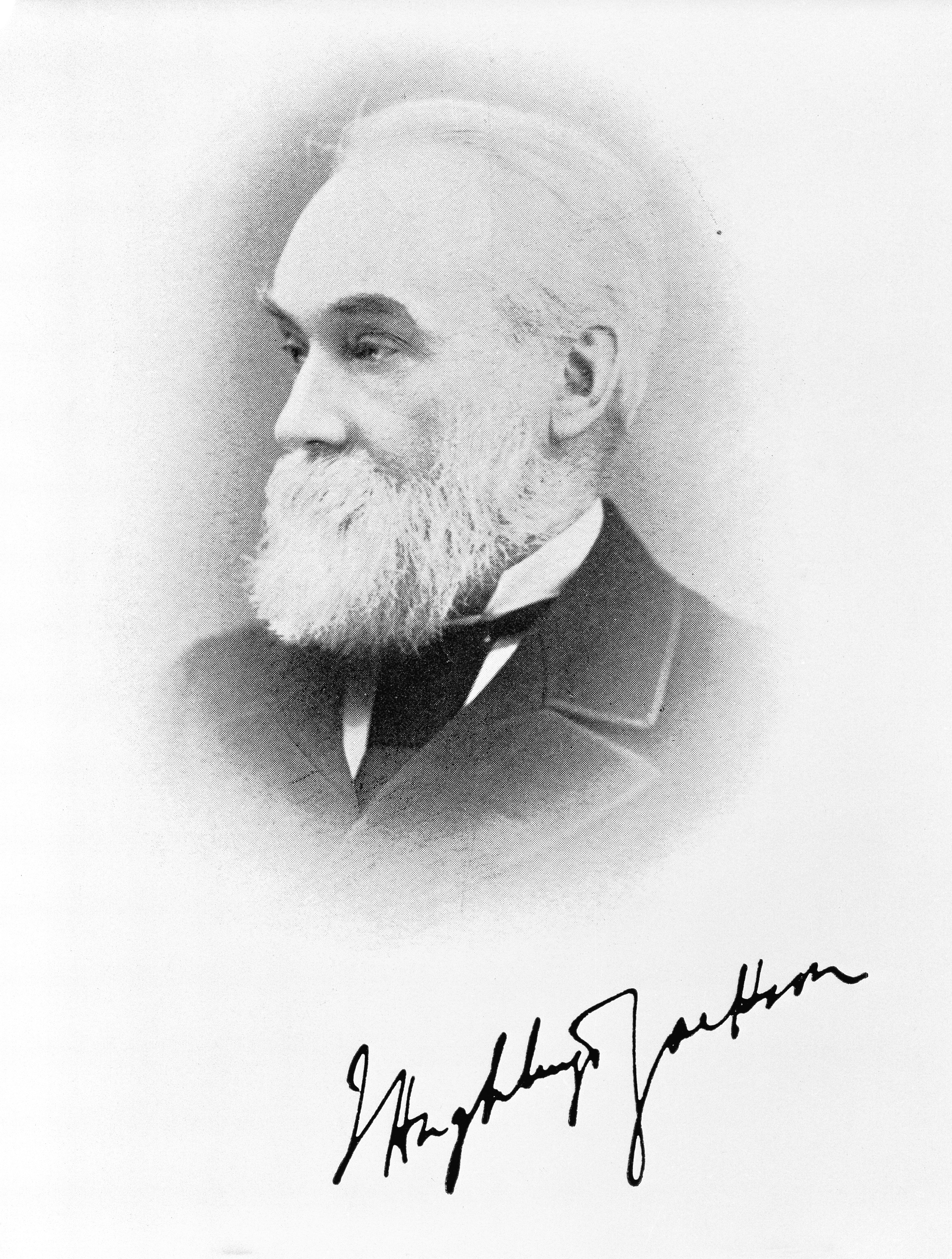
In this work Jackson showed the importance of the ophthalmoscope in the investigation of diseases of the nervous system. Reprinted in Med. Classics, 1939, 3, 918-26.
1793 CE
#1486
Observations on vision.
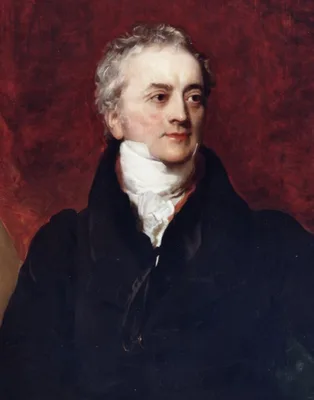
Thomas Young is regarded as one of the most versatile of all scientists. In the above work he showed that the act of accommodation is due to a change of curvature of the crystalline lens, whereby light rays of various…
1606 CE–1641 CE
#5570
Observationum et curationum chirurgicarum centuriae. 6 vols.
Fabricius’s most important work; it was the best collection of case-records available for many years. Among other things, Fabricius used a magnet to extract an iron splinter from the eye – an idea suggeste…
1619 CE
#1480
Oculus, hoc est: fundamentum opticum.
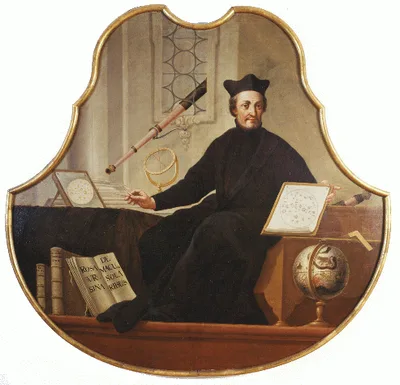
Scheiner, a Jesuit astronomer, was a pioneer in physiological optics. He demonstrated how images fall on the human retina, noting the change in curvature of the lens during accommodation, and devised the pin-hole test…
1768 CE
#5831
Of the night-blindness or nyctalopia.
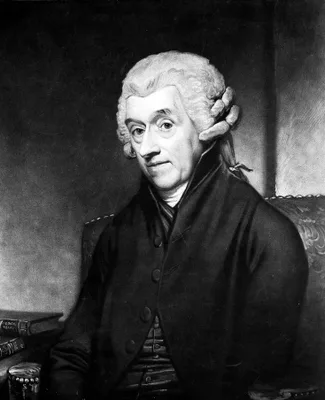
A classic description of nyctalopia. Report of a single case.
1874 CE
#5911
Om den medfödda, färgblindhetens diagnostic och teori.
Holmgren introduced the wool-skein test for the diagnosis of color-blindness.
1876 CE–1877 CE
#5916
Om färgblindheten i dess förhallande till jernvägstrafiken och sjöväsendet.
A serious railway accident in Sweden in 1875 was believed by Holmgren to be due to color-blindness, and resulted in the above important paper dealing with the condition and its relation to railway and maritime traffic…
1870 CE–1871 CE
#1514
Om retinaströmmen.
First demonstration of retinal action currents.
1846 CE
#5861
On a luminous appearance of the human eye, and its application to the detection of disease of the retina and posterior part of the eye.
While a student at the London Hospital, Cumming, by shading the eye of a fellow student from the light, was able to look directly into it and obtain both the retinal reflex and the white light from the entrance of the…
1832 CE
#1496
On a new membrane in the eye.
“Fielding’s membrane”, the tapetum of the retina.
1827 CE
#5847
On a peculiar defect in the eye, and a mode of correcting it.
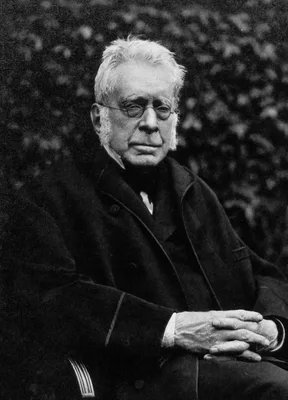
Airy, Britain's Astronomer Royal from 1835 to 1881, was the first to devise a sphereocylindrical lens for correcting astigmatism, a condition from which he himself suffered in his left eye. Airy's method is still used…
1869 CE
#4540
On an interesting series of eye symptoms in a case of spinal disease, with remarks on the action of belladonna on the iris.
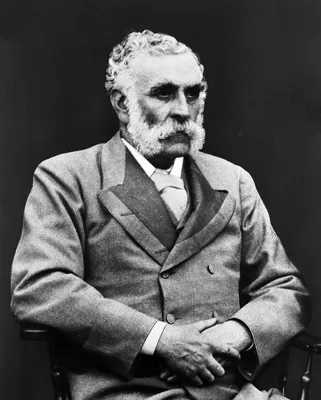
“Argyll Robertson pupil” first described. See also his later paper in the same journal, 1869, 15, 487-93. Reprinted in Med. Classics, 1937, 1, 851-76.
1879 CE
#5917
On astigmatism as a cause for persistent headache and other nervous symptoms.
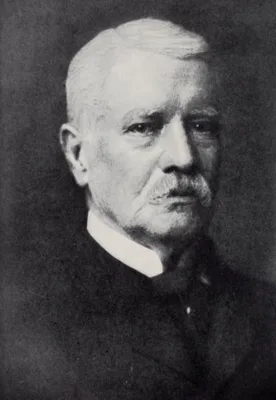
Thomson was a pioneer in the study of refraction. He was much interested in color-blindness and modified Holmgren’s wool-skein test. Himself affected with hypermetropia, he made important investigations on this …
1884 CE
#8655
On cocaine and its use in ophthalmic and general surgery.
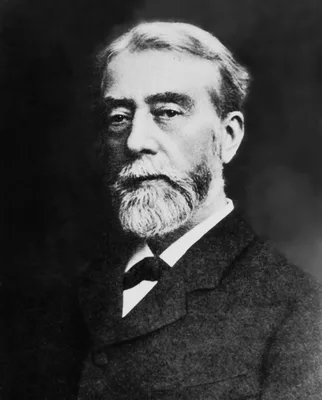
Knapp translated Koller's paper (No. 5678) into English and with the English translation published a large amount of supplementary material by American surgeons who had recently experimented with cocaine as a local an…
1841 CE
#5854
On the anatomy and pathology of certain structures in the orbit not previously described.
Ferrall’s operation for enucleation of the eyeball (p. 354).
1864 CE
#5893
On the anomalies of accommodation and refraction of the eye… Translated from the author’s manuscript by W.D. Moore.
Donders’s greatest work, the basis for all succeeding studies of the subject, and a classic of physiological optics. It contains Donders’s explanation of astigmatism, his definition of aphakia and hypermet…
1840 CE–1844 CE
#1499
On the conversion of relief by inverted vision.
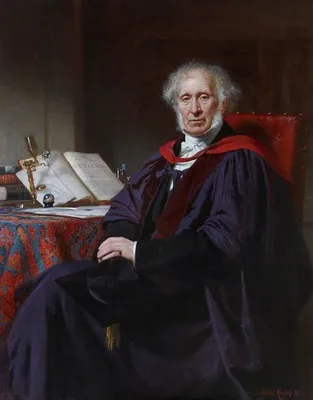
1840 CE–1844 CE
#1500
On the knowledge of distance given by binocular vision.
1801 CE
#1487
On the mechanism of the eye.
Includes the first description of astigmatism, with measurements and optical constants.
1875 CE
#5344.10
On the presence of a Filaria in “craw-craw”.
In 1874, while examining skin snips from craw-craw patients in Ghana, during his service on the H. M. S. Decoy, the Irish surgeon O’Neill discovered the subcutaneous microfilaria. This was the earliest known vis…
1860 CE
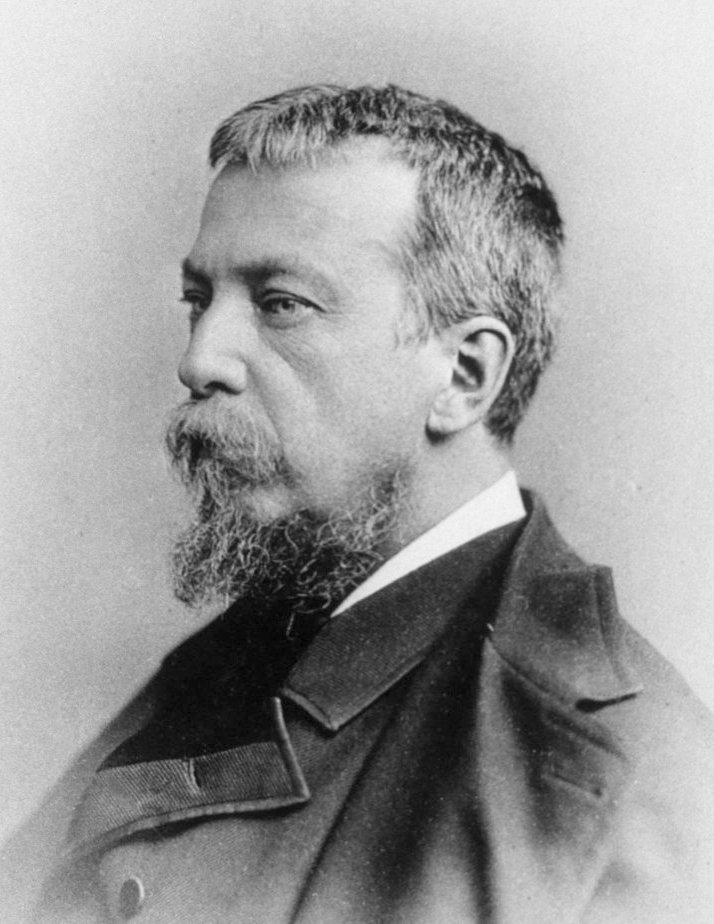
#5888
On the production of cataract in frogs by the administration of sugar.
1885 CE
#5928
On the surgical, physiological, and aesthetic advantages of the artificial vitreous body.
“Mules’s operation”, evisceration of the eyeball with insertion of artificial vitreous.
1802 CE
#1488
On the theory of light and colours.
Young, the “Father of physiological optics”, established the wave theory of light, explaining the phenomena of interference and dispersion.
1857 CE–1859 CE
#5879
On the treatment of lacrymal obstructions.
1845 CE
#1504
On the vision of objects on and in the eye.
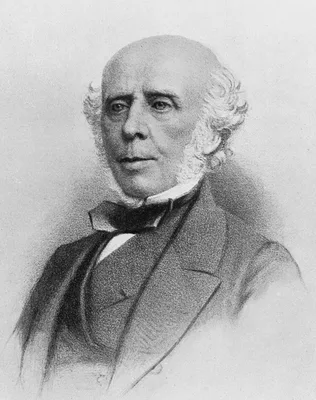
An introduction to the then little-known subject of catoptrics.
1934 CE
#12575
Onchocerciasis: With special reference to the Central American form of the disease. Parts I, II, III, and IV
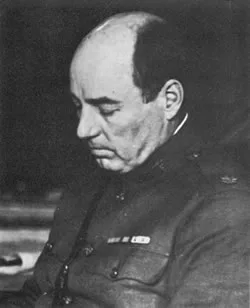
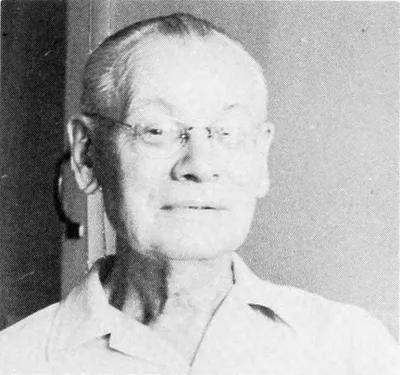
In depth study of onchcerciasis in Guatemala, where "the disease was of real importance to human beings" at the time. Each of the 4 authors contributed a separate part of the report.
2001 CE
#13576
One hundred important ophthalmology books of the 20th century.
http://webeye.ophth.uiowa.edu/dept/20thcenturybooks/100Books.htm#TOC "One hundred 20th century ophthalmic books arranged chronologically within each subspecialty area. The subspecialty areas themselves are arranged ro…