
Facets
Browse across eight MeSH (opens in new tab) facets — era, geography, science, specialty, technology, history, culture, and reference. Select one tag per group; counts update across the others.
Clear filtersFacet filters
Geography
Specialties & Disease
- Anatomy & Pathology 765
- Cardiology & Blood 914
- Neurology & Psychiatry 1,256
- Obstetrics & Reproductive 550
- Infectious Disease (General) 147
- Surgery & Anesthesia 1,551
- Public Health 1,129
- Immunology & Dermatology 1,404
- General Clinical Medicine 480
- Military Medicine 436
- Psychology 202
- Alternative & Fringe Medicine 383
- Pediatrics 247
- Ophthalmology & Vision 412
- ENT & Hearing 293
- Urology & Nephrology 309
- Gastroenterology & Hepatology 316
- Pulmonary & Respiratory 233
- Rheumatology, Rehab & Pain 188
- Internal, Emergency & Geriatric 123
- Veterinary Medicine 165
- Epidemiology & Demography 397
- Physiology & Embryology 923
- Dentistry 259
- Plagues & Epidemics 1,279
- Microbiology & Virology 1,080
Social & Historical Studies
Institutions & Culture
Reference & Scholarly Works
Drugs & Technology
147 entries match Infectious Disease (General) [C01]
2015 CE
#11442
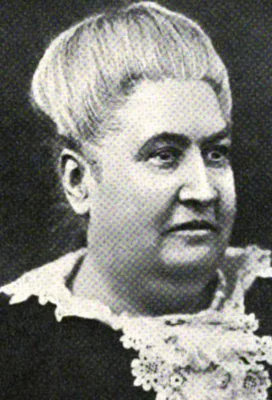
Salmonella infections, networks of knowledge, and public health in Britain, 1880-1975.
1973 CE
#5352.6
Schistosomiasis: the evolution of a medical literature. Selected abstracts and citations, 1852-1952.
Includes 384 core references and bibliography (without abstracts) covering 1963-72.
1967 CE
#5352.5
Schistosomiasis. A bibliography of the world’s literature from 1852 to 1962. 2 vols.
1991 CE
#8627
Science and empire: East Coast Fever in Rhodesia and the Transvaal.
East Coast fever (theileriosis) is an animal disease in Africa caused by the protozoan parasite Theileria parva.
1658 CE
#2528.1
Scrutinium physico-medicum contagiosae luis, quae pestis dicitur.
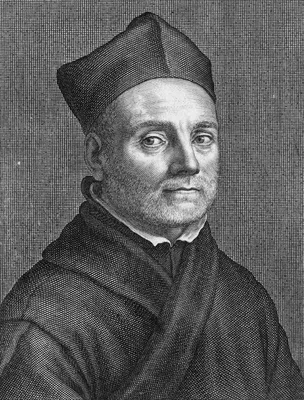
Kircher, a Jesuit scholar and polymath, not specifically trained in medicine, was probably the first to employ the microscope in investigating the cause of disease. He mentioned that the blood of plague patients was f…
1968 CE
#2581.7
Selected papers on the pathogenic rickettsiae. Edited by Nicholas Hahon.
"The selected papers ... range from the sixteenth century to the modern era. A number of the papers are classics in the field and several of the selections appear in English translation for the first time. The editor …
2012 CE
#10876
Severe respiratory illness associated with a novel coronavirus - Saudi Arabia and Qatar, 2012.
Reports on the first two patients affected by a "new" coronavirus. The first patient, hospitalized in June 2012, died, and the other was in both pulmonary and renal failure. In this paper the CDC referenced a website …
2013 CE
#9374
Ship of death: A voyage that changed the Atlantic world.
A multi-disciplinary account from the perspectives of the history of the slave trade, the anti-slavery movement and medical history, of the voyage of the Hankey, a small British ship that circled the Atlantic in 1792-…
2004 CE
#9025
Stories in the time of cholera: Racial profiling during a medical nightmare.
'In 1992-93, some five hundred people died from cholera in the Orinoco Delta of eastern Venezuela. In some communities, a third of the adults died in a single night, as anthropologist Charles Briggs and Clara Mantini-…
1901 CE
#2553
Sur l’existence de substances sensibilisatrices dans la plupart des sérums antimicrobiens.
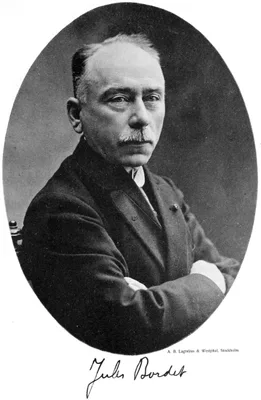
The Bordet–Gengou complement-fixation reaction is the basis of many tests for infection, notably the Wassermann test for syphilis, and reactions for gonococcus infection, glanders, hydatid disease. English trans…
1880 CE
#2537
Sur les maladies virulentes, et en particulier sur la maladie appelée vulgairement choléra des poules.
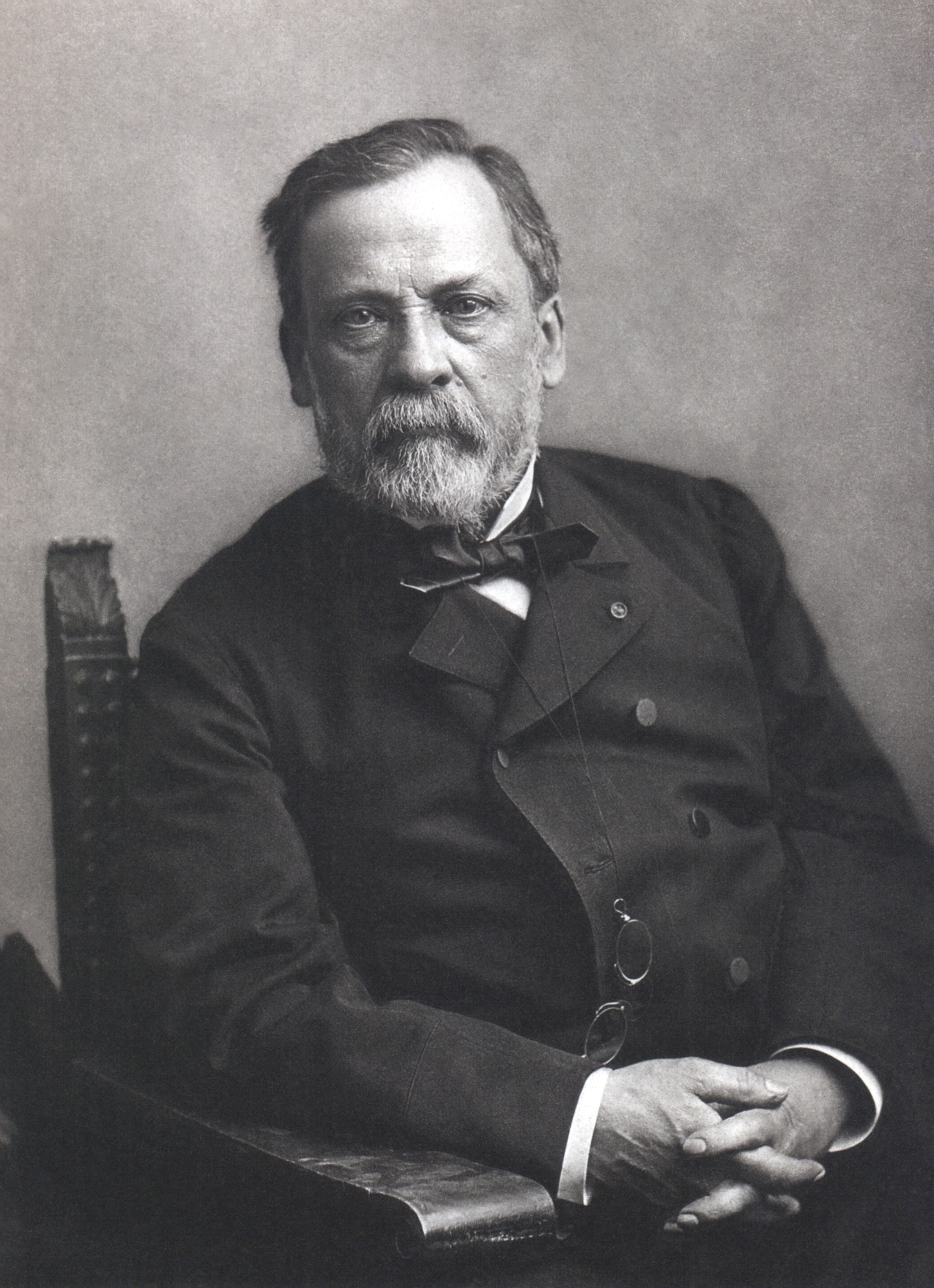
This paper marked the beginning of Pasteur’s work on the attenuation of the infective organism. Noting that fowls inoculated with an attenuated form of the chicken cholera bacterium acquired immunity, he develop…
1780 CE
#5488
Tableau historique et raisonné des épidémies catharrales vulgairement dites la grippe; depuis 1510 jusques et y compris celle de 1780.
1886 CE
#5930
The bacillus of acute conjunctival catarrh or “pink eye”.
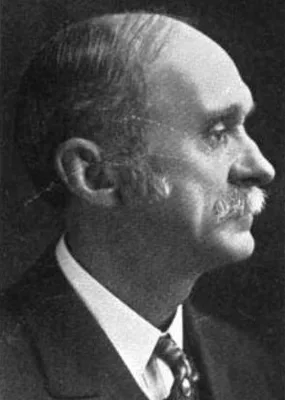
In 1883 Koch discovered the bacilli of two different forms of infectious conjunctivitis (Egyptian ophthalmia); in 1886. Weeks discovered the same organism to be the cause of “pink-eye”. The organism has be…
1931 CE
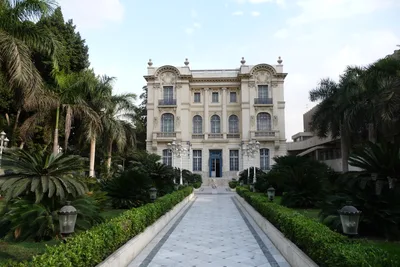
#5352
The bibliography of schistosomiasis (bilharziasis).
1993 CE
#6963
The Cambridge world history of human disease. Edited by Kenneth F. Kiple [and 12 co-editors].
An encyclopedic world history of disease, incorporating a geographic approach.
1962 CE
#7927
The cholera years: The United States in 1832, 1849, and 1866.
Edition with new Afterword published in 1987.
1992 CE
#9264
The colonial disease: A social history of sleeping sickness in colonial Zaire, 1900-1940.
1943 CE
#1666
The conquest of epidemic diseases. A chapter in the history of ideas.
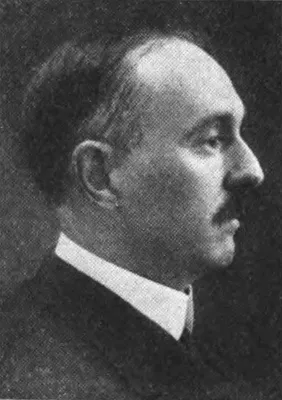
Reprinted 1980.
1842 CE–1843 CE
#6274
The contagiousness of puerperal fever.
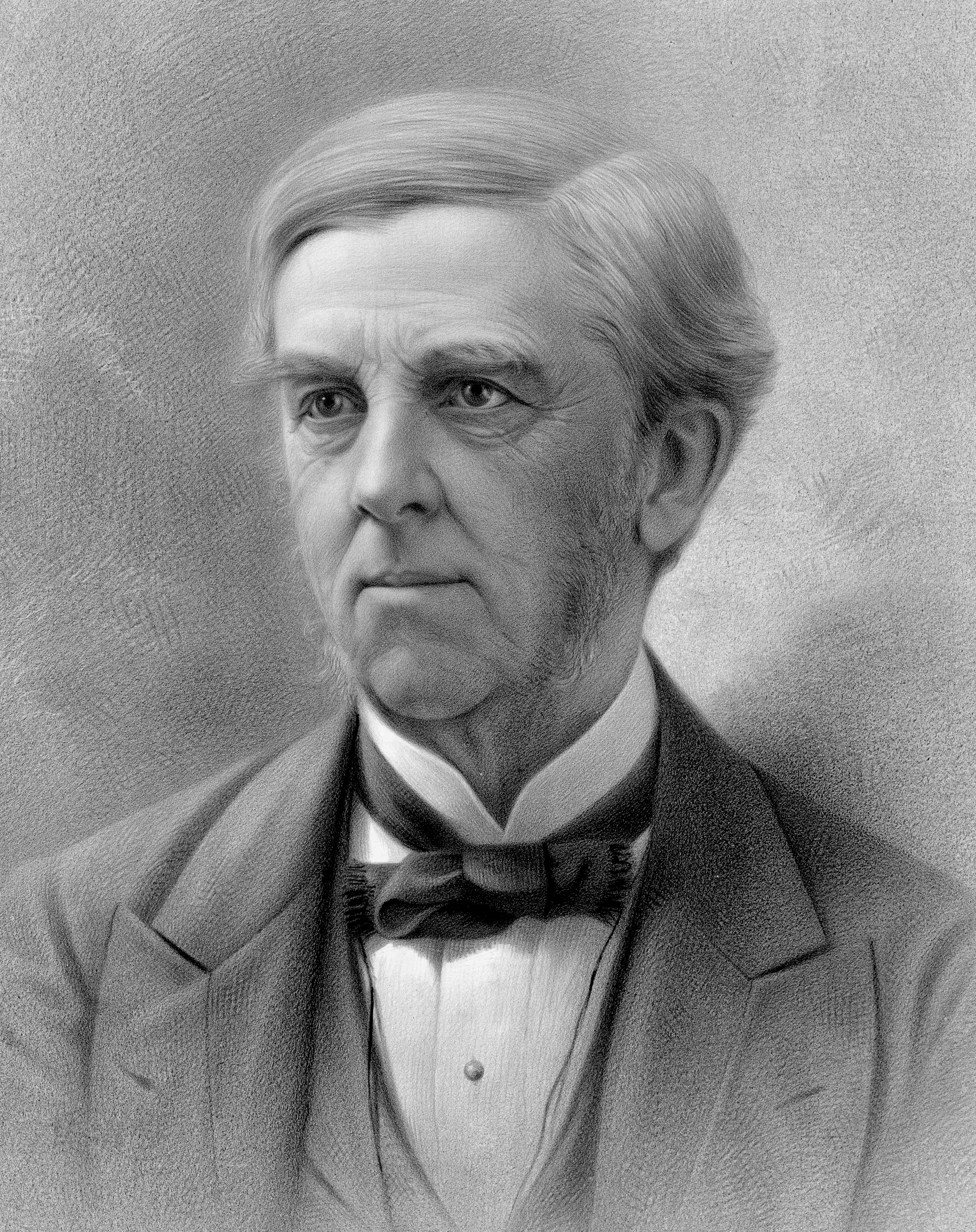
Oliver Wendell Holmes was the first to establish the contagious nature of puerperal fever. His essay on the subject took a strong line against the opinions then prevailing, stirring up violent opposition among the obs…
2004 CE
#14297
The detection of Monkeypox in humans in the Western Hemisphere.

The first report on detection of Mpox (Monkeypox) in humans in the Western Hemisphere, elaborating and expanding on cases reported in 2003 in Wisconsin and Milwaukee. These patients had been bitten by prairie dogs. At…
1998 CE
#13807
The eradication of infectious diseases. Report of the Dahlem Workshop....Berlin, March 16-22, 1997. Edited by W. R. Dowdle and D. R. Hopkins.

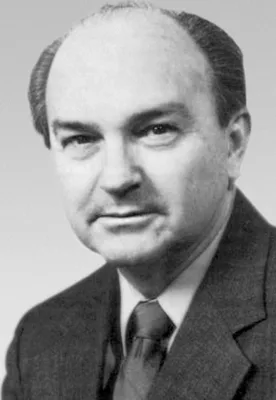
This Dahlem Workshop occurred on the 20th anniversary of the eradication of smallpox.
1963 CE
#5546.7
The evolution and eradication of infectious diseases.
2003 CE
#10863
The genome sequence of the SARS-associated coronavirus.

Dated May 30, 2003 and published immediately after No. 10862 in the same issue of Science, this reported the work of Marco Marra and his team in Canada. Order of authorship in the published paper was Marra, Jones, Ast…
2016 CE
#13089
The germ of an idea: Contagionism, religion, and society in Britain, 1660-1730.
"Contagionism is an old idea, but gained new life in Restoration Britain. The Germ of an Idea considers British contagionism in its religious, social, political and professional context from the Great Plague of London…
2004 CE
#9974
The great influenza: The epic story of the greatest plague in history.

1937 CE
#8751
The history of the acute exanthemata.
Smallpox, chicken pox, scarlet fever, measles and German measles. Rolleston was the brother of Sir Humphrey Davy Rolleston.
2015 CE
#11923
The influenza pandemic in Japan, 1918-1920: The first world war between humankind and a virus. Translation by Lynne E. Riggs and Takechi Manbu.

1762 CE
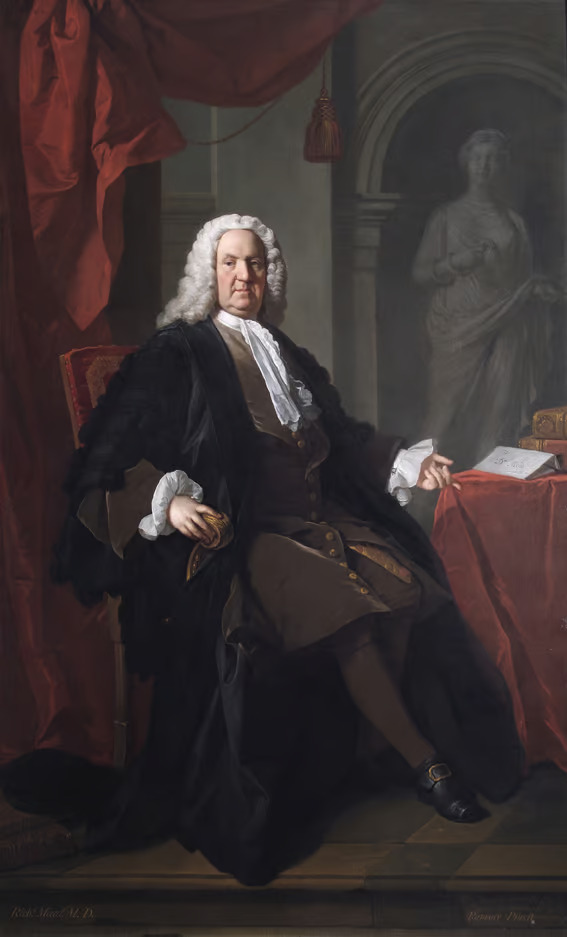
#11523
The medical works of Richard Mead.
1822 CE
#11738
The miscellaneous tracts of the late William Withering. To which is prefixed a memoir of his life, character and writings. 2 vols.
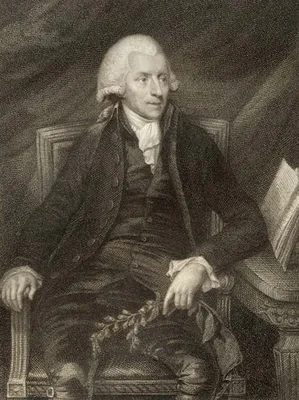
Withering's collected works, with the exception of his A botanical arrangement of all the the vegetables naturally growing in the Great Britain. Includes the second edition of his monograph on the foxglove. Digital fa…
1995 CE
#11019
The private science of Louis Pasteur.
"His biography of Pasteur was viewed as an outstanding work of scholarship which penetrated the secrecy that had surrounded much of the legendary scientist's laboratory work. Geison used Pasteur's laboratory notebooks…
2003 CE
#9885
The rise of causal concepts of disease: Case histories.
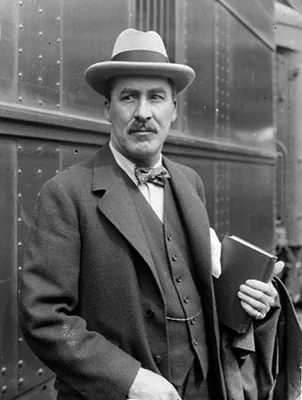
"The philosopher K Codell Carter's authoritative study of the transition from an assumption that diseases have multiple causes to the modern belief in universal, necessary causes is such a book. For decades, historian…
1923 CE–1924 CE
#2573.2
The soluble specific substance of pneumococcus.
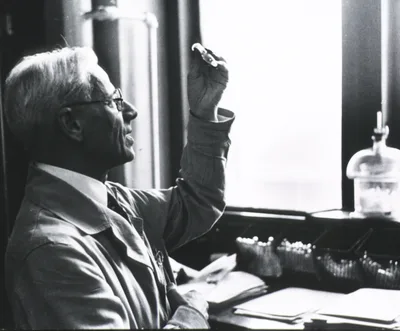
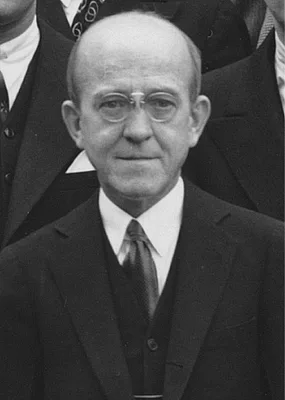
Heidelberger, Avery, and their colleagues made a chemical study of the antigenic constituents of the pneumococcus, separating the polysaccharide antigens.
2009 CE
#13711
The tainted gift: The disease method of frontier expansion.
1981 CE
#11909
Theories of fever from antiquity to the enlightenment. Edited by W. F. Bynum and Vivian Nutton. Medical History, Supplement No. 1.

1844 CE
#63
Thomae Sydenham, M. D., Opera omnia. Edidit Gulielmus Alexander Greenhill.
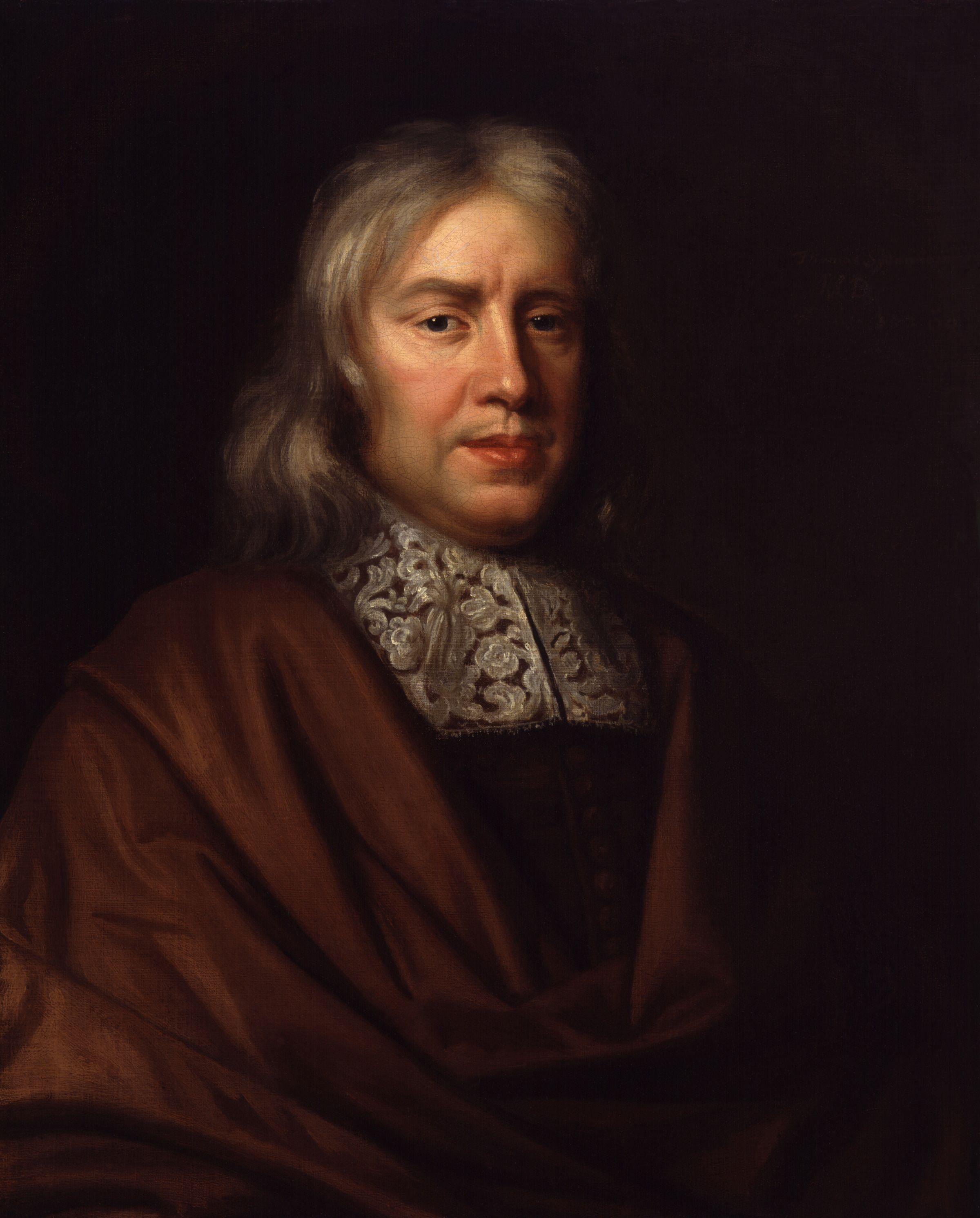
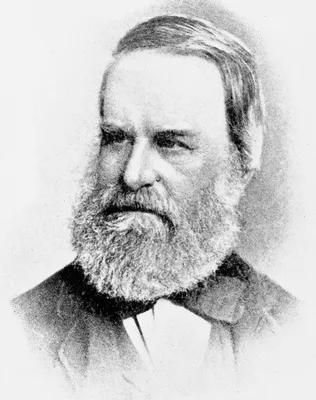
Sydenham has been called the “Father of English Medicine”. His reputation rests on his first-hand accounts of such conditions as the malarial fevers of his times, gout, scarlatina, measles, etc. A better e…
1991 CE
#11712
Thomas Sydenham's observationes medicae (London, 1676) and his Medical observations (Manuscript 572 of the Royal College of Physicians of London), with new transcripts of related Locke MSS in the Bodleian Library. Edited by G. G. Meynell.
Limited to 200 copies.
1884 CE
#2538
Über eine Sprosspilzkrankheit der Daphnien. Beitrag zur Lehre über den Kampf der Phagocyten gegen Krankheitserreger.
Metchnikoff originated the theory of phagocytosis. He described phagocytes in leucocytes and showed their function as scavengers. Abridged English translation in Bibel, Milestones in immunology (1988).
1886 CE
#2503.1
Ueber die Mosaikkrankheit des Tabaks.
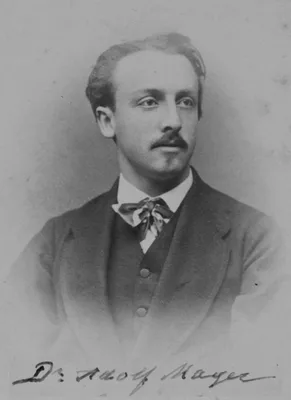
Mayer was first to describe and name tobacco mosaic disease and to demonstrate its infectious nature, that it could be transferred between plants, similar to bacterial infections. Translation in Phytopathological Clas…
1878 CE
#2536
Untersuchungen über die Aetiologie der Wundinfectionskrankheiten.
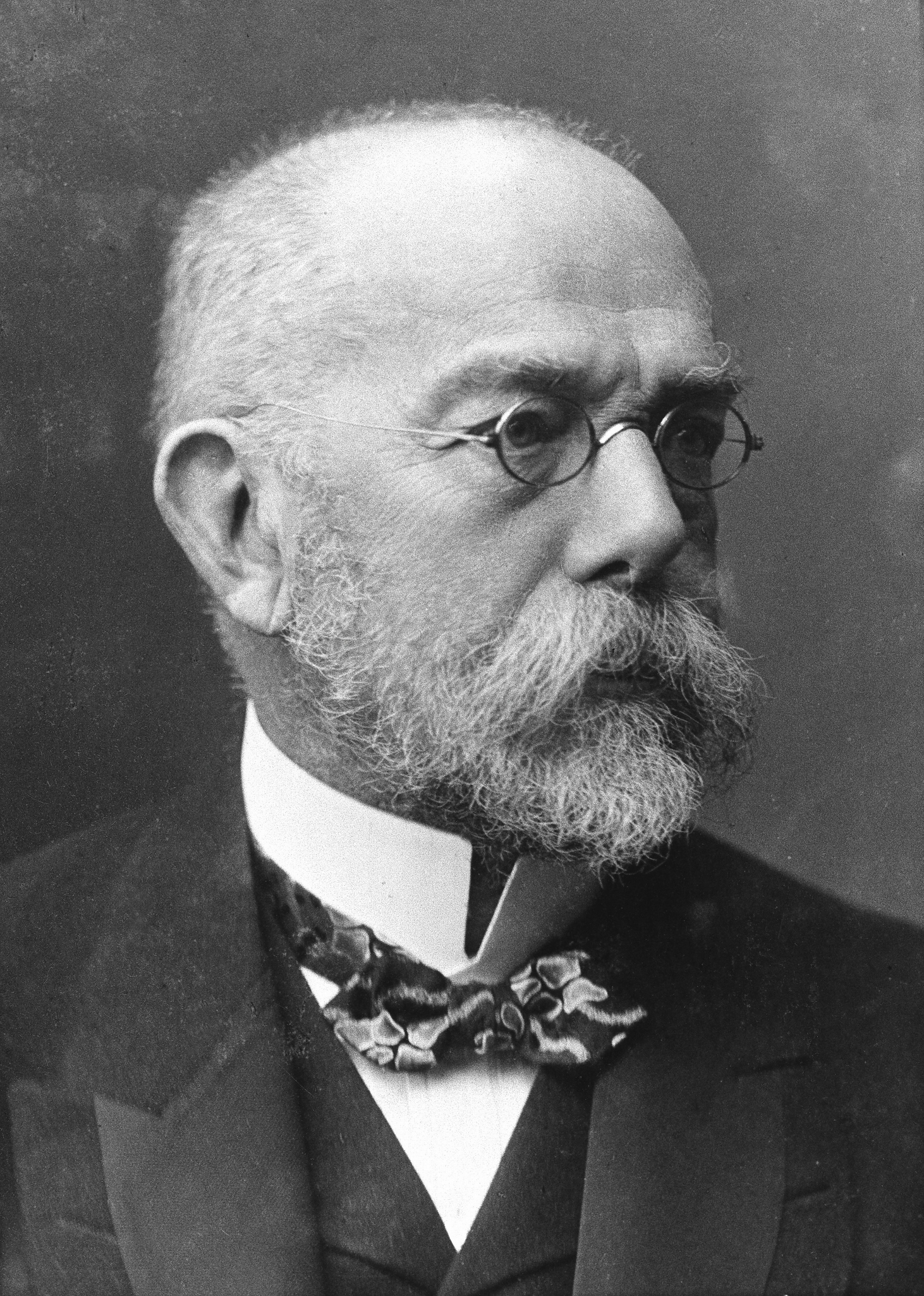
Koch’s epochal work on the etiology of traumatic infectious disease established his reputation. He inoculated animals with material from various sources and produced six types of infection, each due to microorga…
2011 CE
#12440
Using a pan-viral microarray assay (Virochip) to screen clinical samples for viral pathogens.


Direct link to the Journal of Visualized Experiments, JOVE.com: https://www.jove.com/video/2536/using-pan-viral-microarray-assay-virochip-to-screen-clinical-samples Using a Pan-Viral Microarray Assay (Virochip) to Scr…
1840 CE
#2533
Von den Miasmen und Contagien. In his Pathologische Untersuchungen, pp. 1-82.
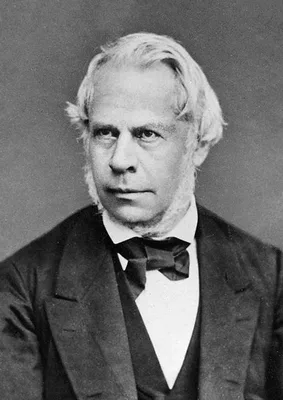
Bassi’s work on the muscardine disease of silkworms (see No. 2532), with its prophecy of the discovery of microbes as the causal agents of other diseases, inspired Henle to write this famous essay on miasms and …
1855 CE
#5454.2
Yellow fever, considered in its historical, pathological, etiological, and therapeutical relations: including a sketch of the disease as it has occurred in Philadelphia from 1699 to 1854, with an examination of the connections between it and the fevers known under the same name in other parts of temperate, as well as in tropical, regions. 2 vols.
The most important 19th century American monograph on yellow fever. La Roche’s work sketched the disease in its appearances from 1699 to 1854 at Philadelphia, which saw some of the worst yellow fever epidemics, …
1911 CE
#9373
Yellow fever: A compilation of various publications. Results of the work of Maj. Walter Reed, Medical Corps, United States Army, and the Yellow Fever Commission. Presented by Mr. Owen.
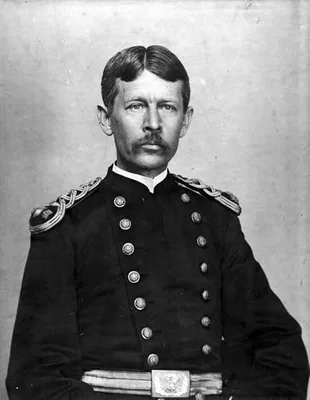
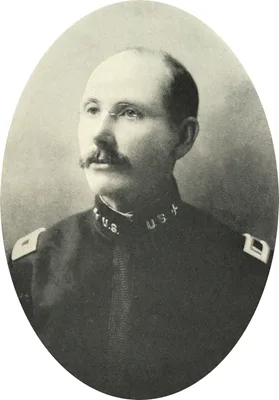
A convenient compilation of the work of Reed and his associates, including the work of James Carroll published after the death of Walter Reed. Digital facsimile from the Internet Archive at this link.
1931 CE
#5468
Yellow fever: an epidemiological and historical study of its place of origin. Edited by Laura Armistead Carter and Wade Hampton Frost.
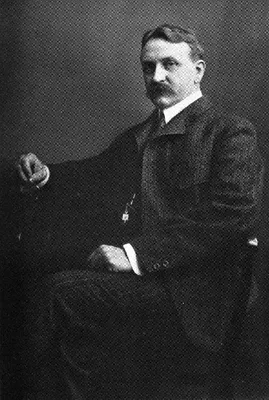
Digital facsimile from the Internet Archive at this link.
2005 CE
#9386
Yellow Jack: How yellow fever ravaged American and Walter Reed discovered its deadly secrets.


1967 CE
#7865
Zur Ätiologie einer unbekannten, von Affen ausgegangenen menschlichen Infektionskrankheit.
Isolation, identification and structure of the Marburg virus. WITH H. L. Shu, W. Sienczka, D. Peters, and G. Müller.
1871 CE–1878 CE
#2224
Zur Fieberlehre. In his: Gesammelte Beiträge zur Pathologie und Physiologie, 2 (1871) pt. 1, 624-56, 679-83; 3 (1878) 503-05, 582-87.
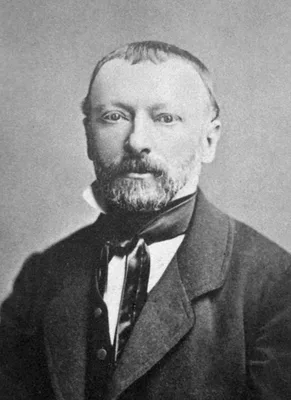
Digital facsimile of Vol. 2, pt. 1 from the Internet Archive at this link, of Vol. 3 at this link.