
Facets
Browse across eight MeSH (opens in new tab) facets — era, geography, science, specialty, technology, history, culture, and reference. Select one tag per group; counts update across the others. What’s new in facet browse how facets relate to subjects and MeSH.
Clear filtersFacet filters
Geography
Specialties & Disease
- Anatomy & Pathology 765
- Cardiology & Blood 914
- Neurology & Psychiatry 1,256
- Obstetrics & Reproductive 550
- Infectious Disease (General) 147
- Surgery & Anesthesia 1,551
- Public Health 1,129
- Immunology & Dermatology 1,404
- General Clinical Medicine 480
- Military Medicine 436
- Psychology 202
- Alternative & Fringe Medicine 383
- Pediatrics 247
- Ophthalmology & Vision 412
- ENT & Hearing 293
- Urology & Nephrology 309
- Gastroenterology & Hepatology 316
- Pulmonary & Respiratory 233
- Rheumatology, Rehab & Pain 188
- Internal, Emergency & Geriatric 123
- Veterinary Medicine 165
- Epidemiology & Demography 397
- Physiology & Embryology 923
- Dentistry 259
- Plagues & Epidemics 1,279
- Microbiology & Virology 1,080
Social & Historical Studies
Institutions & Culture
Reference & Scholarly Works
1,551 entries match Surgery & Anesthesia [E04 / G02.403.810]
1930 CE
#4850
The Edwin Smith surgical papyrus. Published in facsimile and hieroglyphic transliteration with translation and commentary by James Henry Breasted. 2 vols.
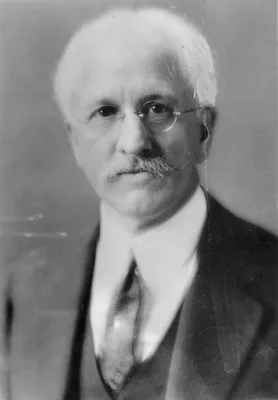
At Luxor, Egypt, in 1862 the American collector and dealer in papyri Edwin Smith purchased the papyrus which bears his name. It is preserved at the New York Academy of Medicine. The original text was written about 300…
1905 CE
#4879
The establishment of cerebral hernia as a decompressive measure for inaccessible brain tumors.
1906 CE
#5805
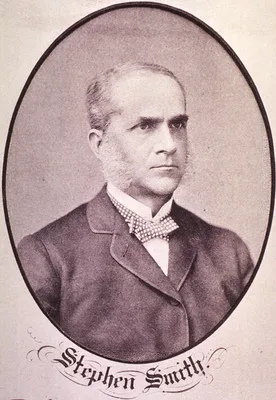
The evolution of American surgery. IN: American practice of surgery, Edited by J.D. Bryant and A.H. Buck, 2, 1-67.
1992 CE
#12216
The evolution of cardiac surgery.
1939 CE
#6304
The evolution of obstetric analgesia.
1925 CE
#4480
The evolution of orthopaedic surgery.
2006 CE
#6905
The evolution of surgical instruments: An illustrated history from ancient times to the twentieth century.
1943 CE
#2578.4
The fate of skin homografts in man.
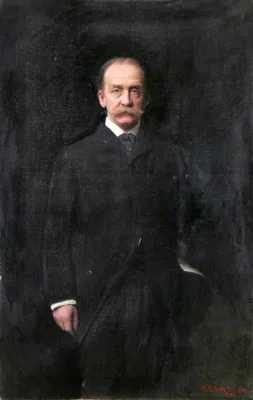
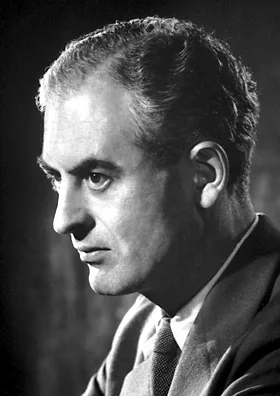
Gibson and Medawar placed the laws of transplantation on a firm scientific basis. A later paper by Medawar (J. Anat. [Lond.], 1944, 78, 176- 99) demonstrated that the mechanism of rejection of transplanted tissues is …
1885 CE
#12075
The field and limitation of the operative surgery of the human brain.
The first American monograph on surgery on the human brain, also published in 1885 the Transactions of the American Surgical Association. Roberts was "one of the few American surgeons to advocate an aggressive explora…
1904 CE
#6117
The formation of an artificial vagina by intestinal transplantation.
Baldwin’s operation.
1975 CE
#5766.4
The free vascularized bone graft. A clinical extension of microvascular techniques.
First clinically successful free bone graft with microvascular anastomosis in which a fibular segment was transferred to the contralateral leg to reconstruct a large tibial defect. With G.D.H. Miller and F. J.Ham.
1998 CE
#9774
The genesis of surgical anesthesia.
Treats the history of surgical anesthesia from the earliest time through the work of John Snow (1813-1858).
1937 CE
#2576.5
The genetic and antigenic basis of tumour transplantation.
Gorer made the initial discoveries which formed the basis of transplantation genetics. He studied mouse blood groups and described an antigen in erythrocytes (antigen II). His studies established the laws of transplan…
1924 CE
#2573.1
The genetics of tissue transplantation in mammals.
Little established that the homograft reaction was due to genetic differences between donor and recipient.
1849 CE
#14
The genuine works of Hippocrates. Translated from the Greek with a preliminary discourse and annotations by Francis Adams. 2 vols.
![HIPPOCRATES, [Ἱπποκράτης; Hippocrates of Kos] (-460 – -370)](/media/portraits/50)
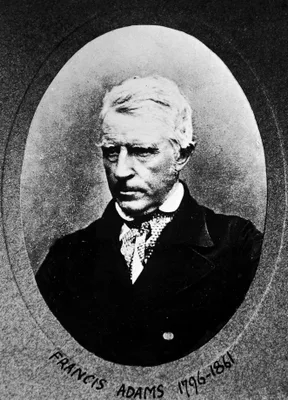
Francis Adams, surgeon of Banchory, Scotland, prepared this partial translation to acquaint his contemporaries with “the opinions of an author, whom I verily believe to be the highest exemplar of professional ex…
1968 CE
#2578.38
The H-2 locus of the mouse: observations and speculations concerning its comparative genetics and its polymorphism.
Antigen II, discovered by Gorer (No. 2576.5), was studied by Snell and became known as the product of the H-2 locus, the fundamental locus in the history of mammalian transplant biology.
1975 CE
#5813.10
The healing hand: Man and wound in the ancient world.
Emphasizing surgery, this is an exceptionally imaginative and exquisitely designed and illustrated history of medicine in ancient Egypt, Greece, Rome, and China.
1905 CE
#8390
The Hearst Medical Papyrus: Hieratic text in 17 facsimile plates in collotype with introduction and vocabulary by George A. Reisner. University of California Publications. Egyptian Archaeology, Volume 1.
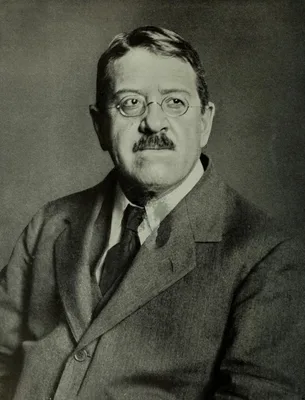
The papyrus has been dated to the 18th Dynasty of Egypt, around the time of pharaoh Tuthmosis III. The text is believed to have been composed earlier, during the Middle Kingdom, around 2000 BCE. The papyrus is so unus…
1905 CE
#5803
The historical relations of medicine and surgery to the end of the sixteenth century.
1952 CE
#5018
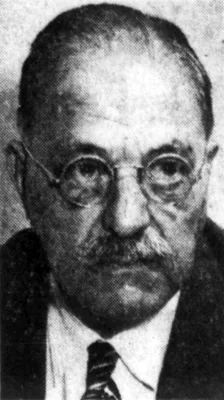
The history and development of neurological surgery.
1895 CE
#5799
The history and literature of surgery. IN: System of surgery, edited by Frederic S. Dennis, assisted by John S. Billings. 1, 17-144.
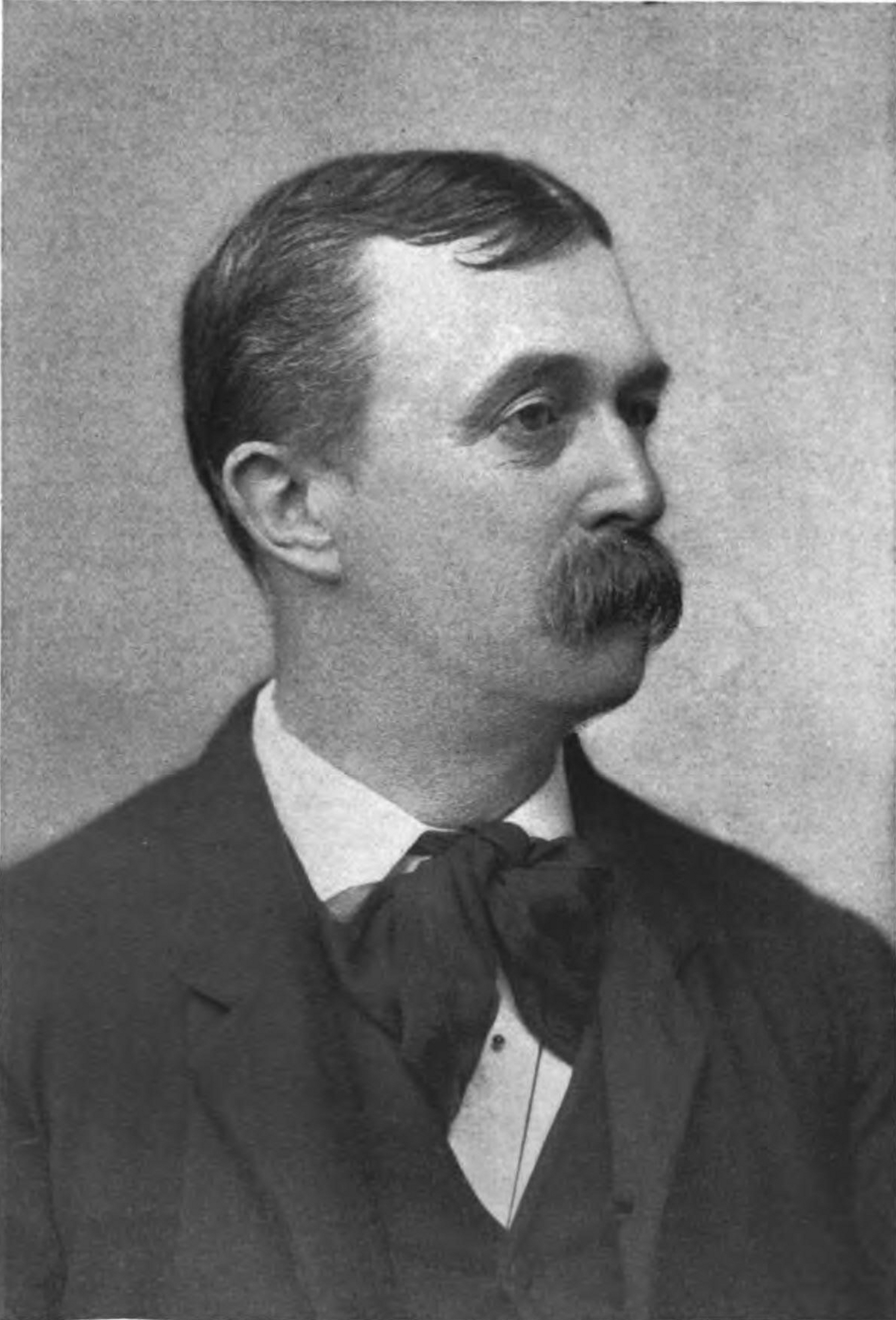
Digital facsimile from the Internet Archive at this link.
1989 CE
#5733.41
The history of anesthesia
Proceedings of the 1987 Second International Symposium on the History of Anaesthesia at the Royal College of Surgeons of England. Over 100 contributors. International Congress and Symposium Series 134.
1965 CE
#9582
The history of chiropodial literature.
1929 CE
#11003
The history of hemostasis.
Reprinted with additions and corrections from Annals of Medical History, N. S. Vol. I, No. 2, March, 1929.
1990 CE
#8690
The history of orthopaedics: An account of the study and practice of orthopaedics from the earliest times to the modern era.
1988 CE–1992 CE
#5813.14
The history of surgery in the United States 1775-1900. Vol. 1: Textbooks, monographs and treatises. Vol. 2: Periodicals and pamphlets.
The most comprehensive annotated bibliographies of American surgical literature to 1900. Includes separate bibliographies for general surgery, ophthalmology, oto-rhino-laryngology, orthopedic surgery, gynaecology, uro…
1945 CE
#5732
The history of surgical anesthesia.
Reprinted with corrections and additions, 1963. Reprint, 1978.
1956 CE
#5729.2
The human cardiovascular response to fluothane.
Clinical introduction of halothane (“fluothane”).
1884 CE
#4179
The hydrochlorate of cocaine in genito-urinary procedures.
Local anesthesia first employed in urology.
1924 CE
#4893
The influence of the sympathetic nervous system in the genesis of the rigidity of striated muscle in a spastic paralysis.
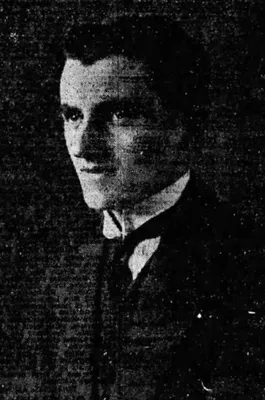
Hunter believed in the sympathetic innervation of skeletal muscle and on this assumption devised the technique of sympathetic ramisection carried out by Royle (No. 4894). Biography by M.J. Blunt, Sydney, 1985.
1930 CE
#5712.1
The intravenous use of the barbituric acid hypnotics in surgery.
Intravenous use of pentobarbitone sodium.
1963 CE
#8835
The journal of James Yonge, Plymouth surgeon (1647-1721). Edited by F. N. L. Poynter.
A complete account of Yonge's life from the age of ten until the age of 61. "It is considered to be the most important diary of the 17th century after those of Samuel Pepys and John Evelyn.[1] In it Yonge mentioned fa…
1913 CE
#5629
The kinetic theory of shock and its prevention through anoci-association (shockless operation).
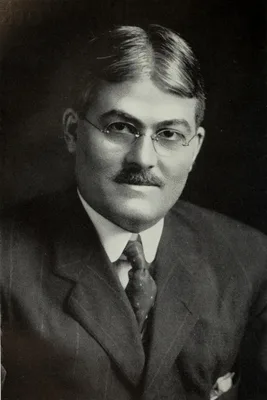
Crile advanced the anoci-association concept in which local and general anesthesia are combined in a sequence to eliminate pre-operative fear and tension.
1845 CE
#4324
The knee-joint anchylosed at a right angle – restored nearly to a straight position after the excision of a wedge-shaped portion of bone, consisting of the patella, condyles and articular surface of the tibia.
Buck’s operation, “one of the more spectacular surgical feats by an American surgeon in the first half of the nineteenth century” (Rutkow). The paper is reprinted in Med. Classics, 1939, 3, 791-99.
2007 CE
#9425
The legacy of Harvey Cushing: Profiles of patient care. Edited by Aaron A. Cohen-Gadol and Dennis D. Spencer.
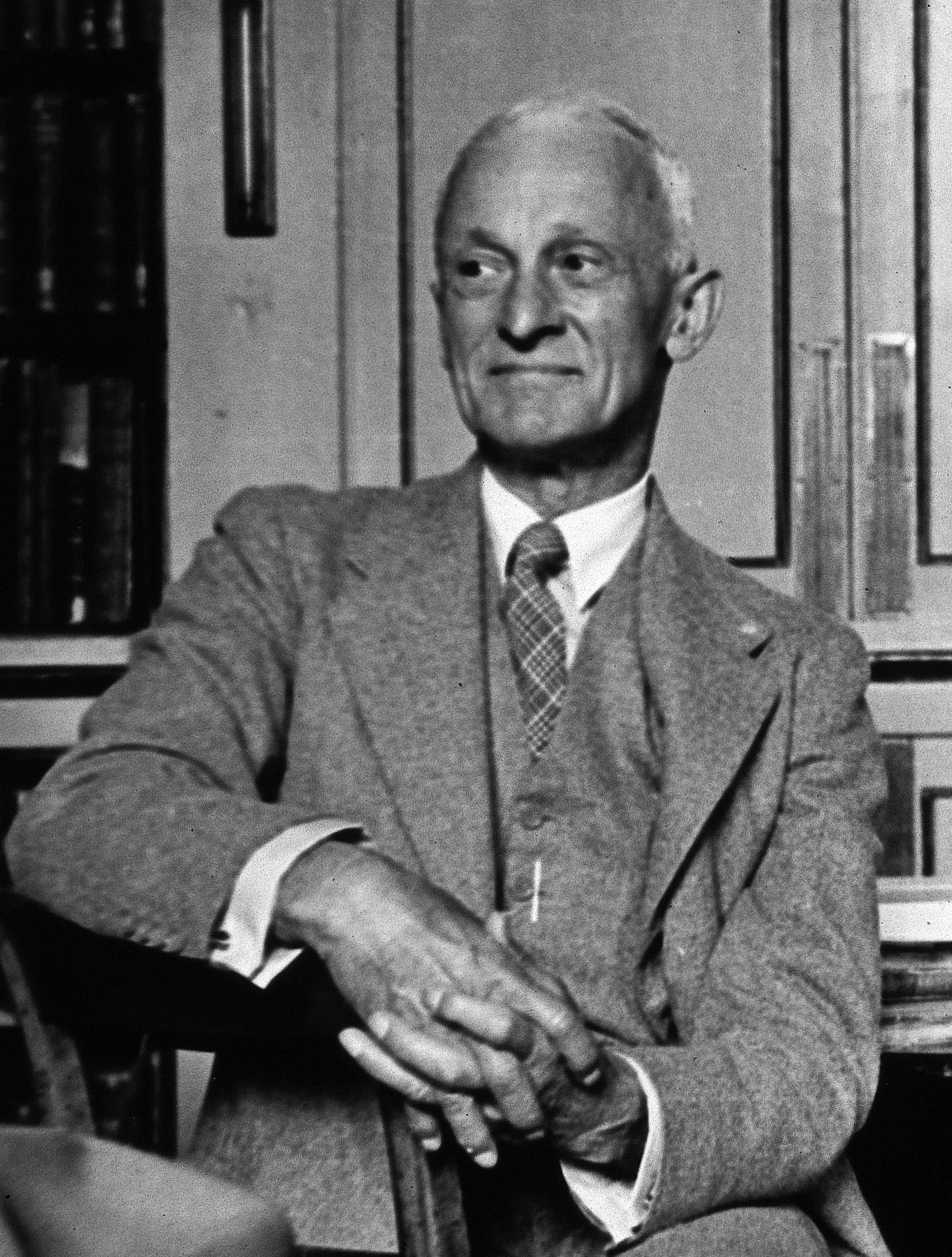
"... features 800 of Cushing's surgical drawings and photographs of patients and tumor specimens. Preserved untouched for sixty years in the Yale University Library, the images provide the earliest catalog of neurolog…
1909 CE
#4882
The Linacre lecture on the function of the so-called motor area of the brain.
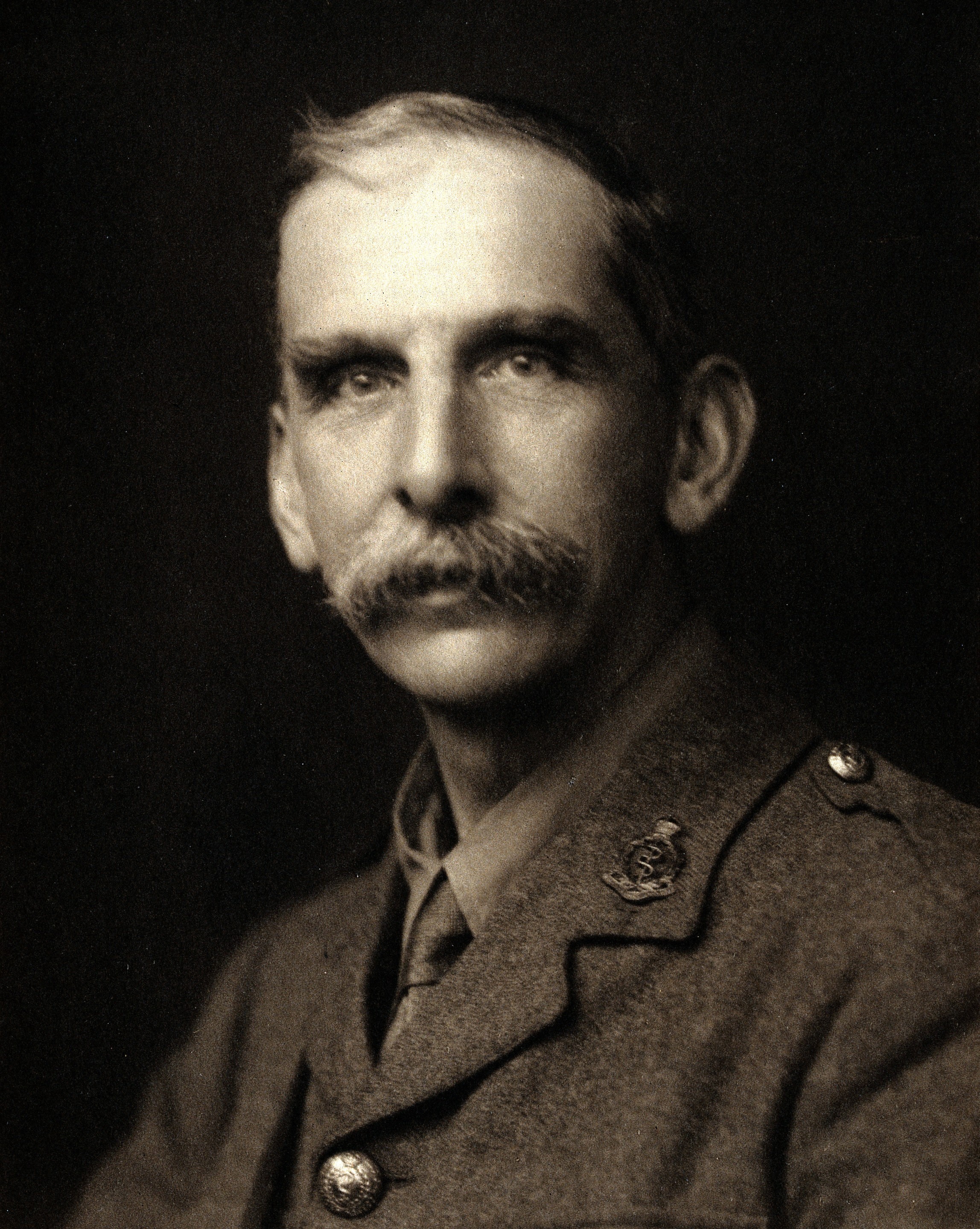
Horsley demonstrated that removal of the precentral area in man abolished athetosis.
1939 CE
#5645
The local implantation of sulfanilamide in compound fractures.
Sulphonamide dressing of wounds. With L. W. Johnsrud and M. C. Nelson.
1936 CE
#4907
The location of cerebral tumours by electro-encephalography.
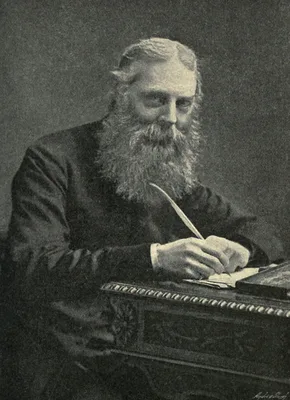
1911 CE
#4383
The lumbo-sacral articulation. An explanation of many cases of “lumbago”, “sciatica” and paraplegia.
Goldthwait suggested that lumbago and sciatica might be due to intervertebral disc injury.
1955 CE
#14312
The maser - new type of microwave amplifier, frequency standard, and spectrometer.
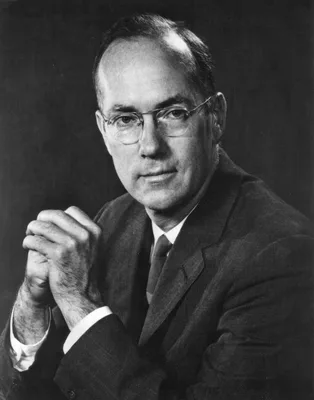

In 1964 Townes shared the Nobel Prize in Physics with Nicolay Gennadiyevich Basov and Alexandr Mihailovich Prokhorov "for fundamental work in the field of quantum electronics, which has led to the construction of osci…
1899 CE
#2680.01
The mechanics of surgery.
An encyclopedic work that described illustrated and analysed the entire range of instrumentation employed in medical and surgical practice at the end of the 19th century. Reprinted with introduction by James M. Edmons…
1869 CE
#4424
The mechanism of dislocation and fracture of the hip. With the reduction of the dislocations by the flexion method.
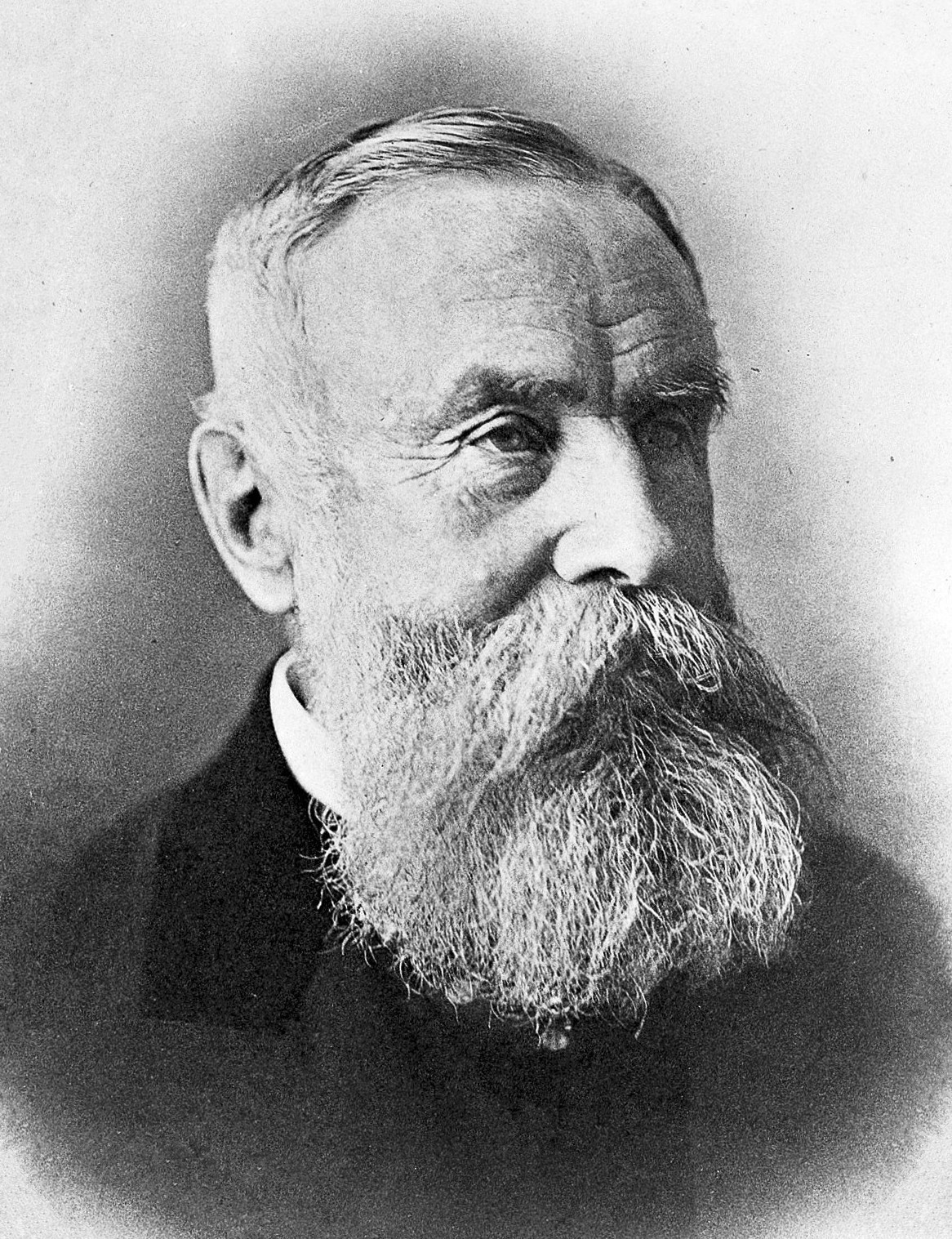
Bigelow was the first to describe in detail the mechanism of the iliofemoral (Bigelow’s) ligament, and to show its importance in the reduction of dislocation by the flexion method.
1877 CE
#9532
The mortality of surgical operations in the upper lake states, compared with that of other regions.
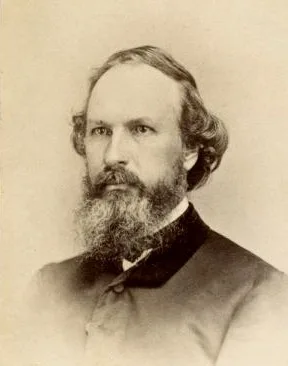
Digital facsimile from the Hathi Trust at this link.
1874 CE
#7848
The nature of gunshot wounds of the abdomen, and their treatment: Based on a review of the case of the late James Fisk, Jr., in its medico-legal aspects.
Peugnet argued that over-medication, and not the pistol shot, caused Fisk's death. Peugnet, a surgeon who had served in the American Civil War, died at the early age of 43, having been struck by a locomotive while abs…
1994 CE
#8140
The NeuroStation--a highly accurate, minimally invasive solution to frameless stereotactic neurosurgery.
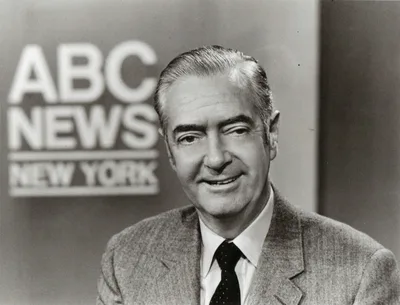
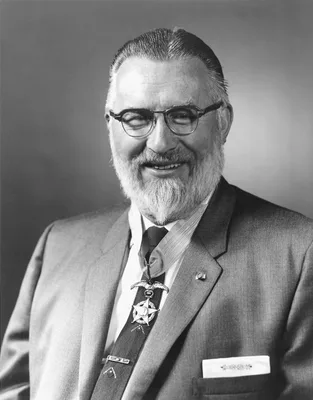

The beginning of image-guided surgery. Abstract: "The NeuroStation is an image-guided neurosurgery workstation designed to deliver frameless stereotaxy within an ergonomic, integrated surgical environment. Generally, …
c. 900 CE
#6817
The Nicetas codex.
The earliest surviving illustrated surgical codex was written and illuminated in Constantinople for the Byzantine physician Niketas (Nicetas) about 900 CE. It contains 30 full-page images illustrating the commentary o…
1525 CE
#368.01
The noble experyence of the vertuous handywarke of surgeri.
This translation of Brunschwig’s surgery (No. 5559) includes the first anatomical text printed in English, a 13-page section with 4 woodcuts. Facsimile, Amsterdam, 1973.
1933 CE
#5768
The operative story of cleft palate.
1909 CE
#3531
The operative treatment of chronic constipation.
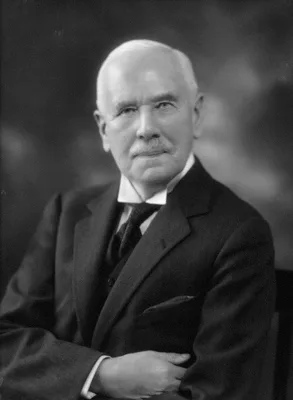
Lane’s operation for chronic intestinal stasis (“Lane’s kink”) consisted in short-circuiting the intestine.
1895 CE
#4365
The operative treatment of congenital dislocation of the hip-joint.
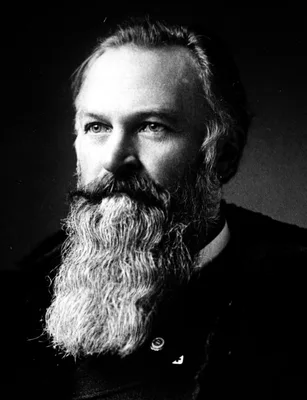
Lorenz suggested a bloodless method for closed reduction of congenital dislocation of the hip-joint – the “Hoffa–Lorenz” method.