
Facets
Browse across eight MeSH (opens in new tab) facets — era, geography, science, specialty, technology, history, culture, and reference. Select one tag per group; counts update across the others.
Clear filtersFacet filters
Geography
Specialties & Disease
- Anatomy & Pathology 134
- Cardiology & Blood 11
- Neurology & Psychiatry 36
- Obstetrics & Reproductive 26
- Infectious Disease (General) 5
- Surgery & Anesthesia 14
- Public Health 129
- Immunology & Dermatology 38
- General Clinical Medicine 28
- Military Medicine 11
- Psychology 16
- Alternative & Fringe Medicine 17
- Pediatrics 5
- Ophthalmology & Vision 2
- ENT & Hearing 3
- Urology & Nephrology 4
- Gastroenterology & Hepatology 4
- Pulmonary & Respiratory 3
- Rheumatology, Rehab & Pain 0
- Internal, Emergency & Geriatric 7
- Veterinary Medicine 11
- Epidemiology & Demography 12
- Physiology & Embryology 94
- Dentistry 10
- Plagues & Epidemics 44
- Microbiology & Virology 92
Social & Historical Studies
Institutions & Culture
Reference & Scholarly Works
1,480 entries match Zoology & Animal Sciences [K01.900.500.750]
1768 CE
#9517
Specimen medicum: Exhibens synopsin reptilium emendatam cum experimentis circa venena et antidota reptilium austriacorum.
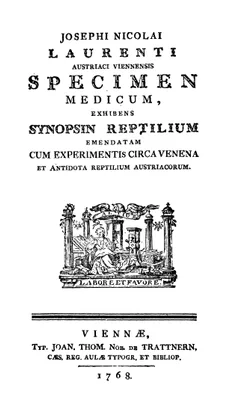
"Laurenti is considered the auctor of the class Reptilia (reptiles) through his authorship of Specimen Medicum, Exhibens Synopsin Reptilium Emendatam cum Experimentis circa Venena (1768) on the poisonous function of r…
1777 CE
#145.53
Specimen zoologiae geographicae, quadrupedem domicilia et migrationes sistens dedit, tabulamque mundi zoographicam adjunxit.
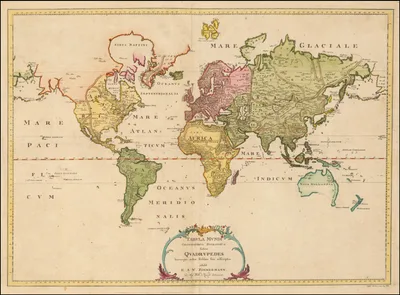
The first textbook of zoogeography, containing the first world map showing the distribution of mammals. French translation of part 1 only by Jakob Mauvillon: Zoologie géographique. Premier article, L'homme (Cas…
2000 CE
#8680
Spectacular bodies: The art and science of the human body from Leonardo to now.
1858 CE
#12065
Speech of Charles Dickens, Esq., on behalf of The Hospital for Sick Children, 49, Great Ormond Street. Patron, - Her Majesty the Queen. The objects of the institution are - I. The medical and surgical treatment of poor children. II. The attainment and diffusion of knowledge regarding the diseases of children. 3. The training of nurses for children.
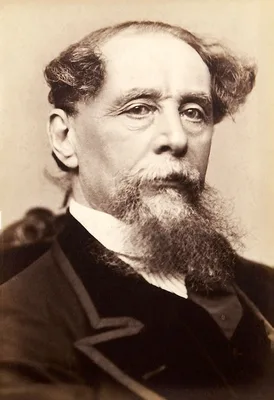
Speech of Charles Dickens as Chairman at the Dinner on Behalf of the Hospital for Sick Children, February 9th, 1858. This 10-page pamphlet was first published in 1858 and reprinted in 1864, in 1865, and in 1874 to rai…
1843 CE
#484.1
Spermatozoa observed within the mammiferous ovum.
Barry was the first to observe the spermatozoon within the ovum.
1877 CE
#4344.1
Spinal disease and spinal curvature, their treatment by suspension and the use of the plaster of Paris bandage.
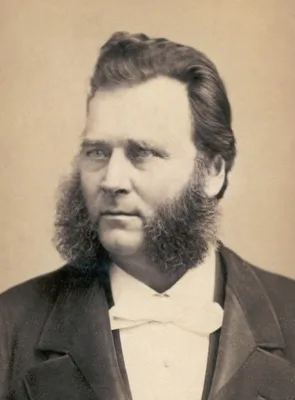
Sayre’s monograph on his methods of treating tuberculosis of the spine and scoliosis is the first American surgical textbook to contain actual mounted photographs, some of which are remarkable for their artistic…
1977 CE
#11044
Spliced segments at the 5' terminus of adenovirus 2 late mRNA.

Discovery of introns simultaneously with Roberts, Chow, Broker (No. 11043). Sharp's electron microscopist, Berget, visualized the introns in the electron microscope. James D. Watson took note of the profound significa…
1960 CE
#13962
Strand separation and specific recombination in deoxyribonucleic acids: Biological studies: Physical chemical studies.
While working in the laboratory of Paul Doty at Harvard University, Marmur discovered that the denaturation of DNA was reversible (DNA hybridization) and depended on salt- and GC-content. Marmur and Doty accurately de…
1974 CE
#8157
Stratospheric sink for chlorofluoromethanes: chlorine atom-catalysed destruction of ozone.
Rowland and his post-doctoral student, Molina, suggested that long-lived organic halogen compounds, such as chlorofluorocarbons (CFCs), could reach the stratosphere where they would be dissociated by UV light, releasi…
1994 CE
#14314
Structure at 2.8 Â resolution of F1-ATPase from bovine heart mitochondria.
Walker used X-ray crystallography to determine the structure of ATP synthase (ATPase or adenosine triphosphatase). In 1997 Walker shared the Nobel Prize in Chemistry with Paul Boyer and Jens C. Skou “for their e…
1965 CE
#257.2
Structure of a ribonucleic acid.
The complete sequence of an alanine transfer RNA determined – the first nucleic acid structure to be determined. With seven co-authors. In 1968 Holley shared the Nobel Prize in Physiology or Medicine with Har Go…
1960 CE
#14283
Structure of haemoglobin: A three-dimensional Fourier synthesis at 5.5-A. resolution, obtained by X-ray analysis.
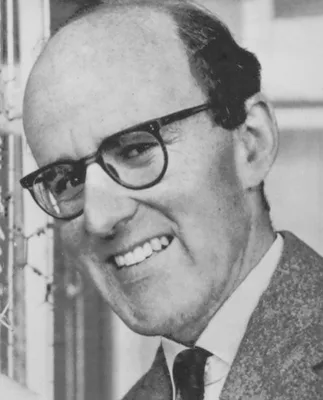
Solution of the structure of hemoglobin, a protein with 10,000 atoms. This was the culmination of 30 years of research by Perutz. Order of authorship in the original paper: Perutz, Rossmann, Culis, Muirhead, Will, Nor…
1960 CE
#6912
Structure of myoglobin: A three-dimensional Fourier synthesis at 2 Å resolution.
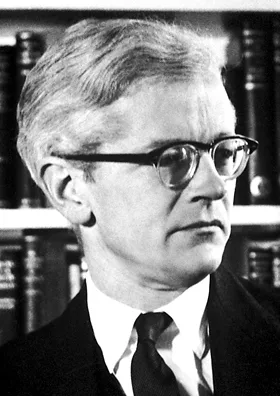
Kendrew's second paper reporting the first solution of the three-dimensional molecular structure of a protein, for which he shared the 1962 Nobel Prize in chemistry with Max Perutz, who solved the structure of the rel…
2000 CE
#13952
Structure of the 30S ribosomal subunit.
Ramakrishnan and colleagues determined the complete molecular structure of the 30S subunit of the ribosome and its complexes with several antibiotics. " The Abstract: "Genetic information encoded in messenger RNA is t…
1985 CE
#11060
Structure of the protein subunit in the photosynthetic reaction centre of Rhodopseudomonas viridis at 3 Å resolution.
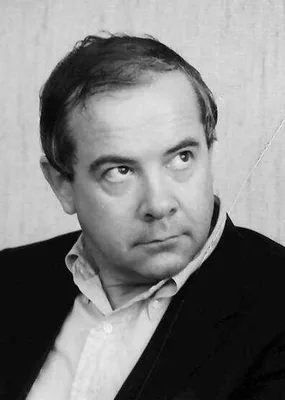

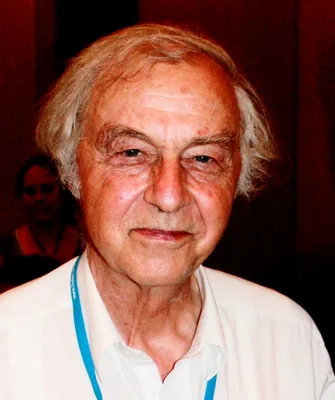
Discovery of the three-dimensional structure of a protein complex found in certain photosynthetic bacteria, called the photosynthetic reaction center. This was the first elucidation of the 3D crystal structure of any …
1955 CE
#14001
Structure of tobacco mosaic virus.
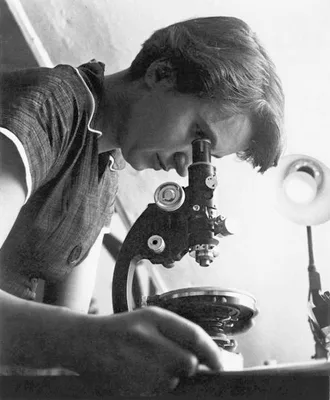
The first discovery of the geometry of a protein structure. Franklin, whose X-ray photographs of DNA were crucial to Watson and Crick's discovery of the molecule's double helix structure in 1953, began researching the…
1958 CE
#752.6
Studies on polynucleotides. I. A new and general method for the chemical synthesis of the C5'-C3' intemucleotide linkage. Synthesis of deoxyribo-dinucleotides.
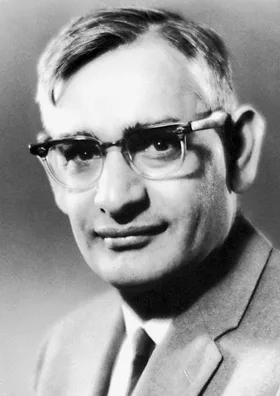
In 1968 Khorana shared the Nobel Prize in Physiology or Medicine with R. W. Holley and M. W. Nirenberg "for their interpretation of the genetic code and its function in protein synthesis." H. G. Khorana, T. M. Jacob, …
1924 CE
#10943
Studies on Rickettsia-like micro-organisms in insects.
Hertig and Wolbach first described the parasitic microbe Wolbachia in the common house mosquito in 1924. In 1936 Hertig formally described the species as Wolbachia pipientis. Since then the genus Wolbachia has become …
1944 CE
#255.3
Studies on the chemical nature of the substance inducing transformation of pneumococcal types. Induction of transformation by a deoxyribonucleic acid fraction isolated from pneumococcus type III.
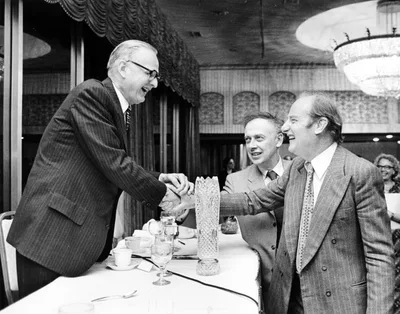
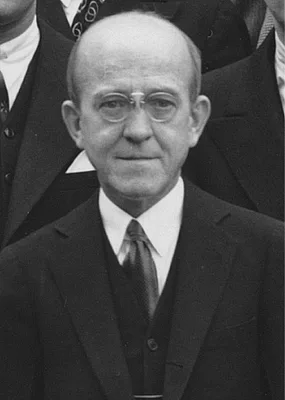
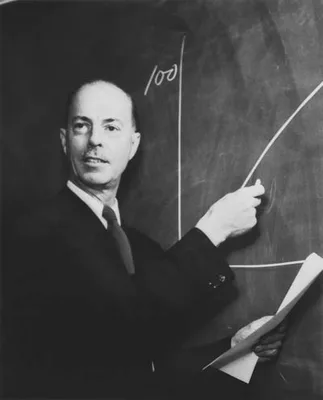
Demonstration that deoxyribonucleic acid (DNA) is the basic material responsible for genetic transformation. Digital facsimile from PubMedCentral at this link. Followed by: McCarty & Avery, "Studies on the chemical na…
1998 CE–2014 CE
#9834
Suda On Line: Byzantine lexicography.
http://www.stoa.org/sol/ "In 1998 the Stoa Consortium for Electronic Publication in the Humanities organized by Ross Scaife sponsored the online collaborative annotated first English translation of the massive Byzanti…
1525 CE
#1800
Sumario de la natural historia de las Indias.
First known description of the medicinal plants of Central America. Oviedo first described chigoe (“jiggers”?) in this book. "The book is divided into 86 chapters, focused mostly on American flora and faun…
1543 CE
#376
Suorum de humani corporis fabrica librorum epitome.
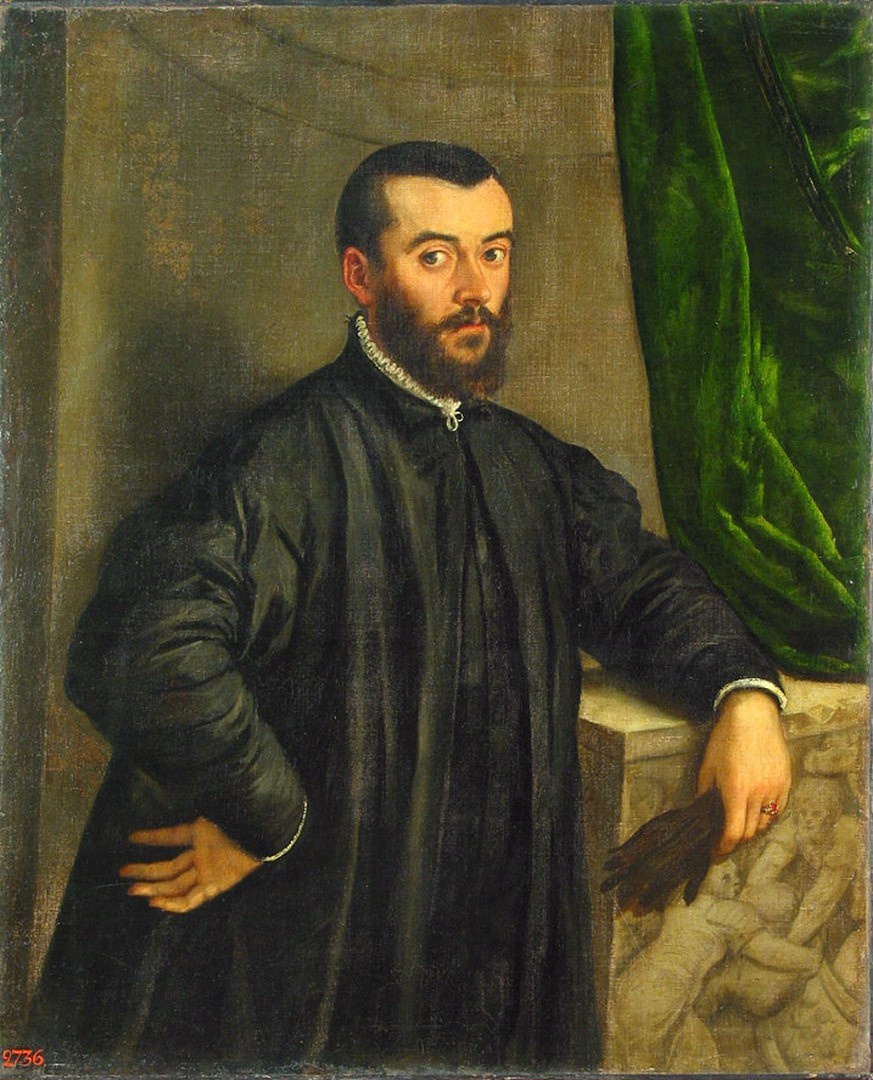
Shortly after publishing his encyclopedic De humani corporis fabrica libri septem, Vesalius issued De humani corporis fabrica epitome, also from the press of Johannes Oporinus of Basel. This thin set of 14 unnumbered …
2005 CE
#13622
Suppression of RNA recognition by toll-like receptors: The impact of nucleoside modification and the evolutionary origin of RNA.
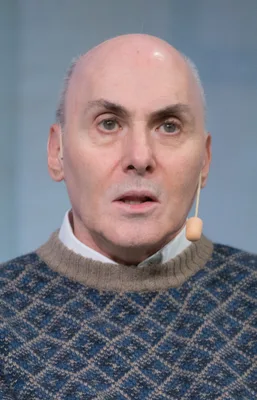
Karikó and Weissman discovered the nucleoside modifications that suppress the immungenicity of RNA, leading to their patents for the application of non-immunogenic, nucleoside-modified RNA (modRNA). This techno…
1958 CE
#6894
Sur l’expression et le rôle des allèles “inductible” et “constitutif” dans la synthèse de la β-galactosidase chez des zygotes d’ “Escherichia coli.
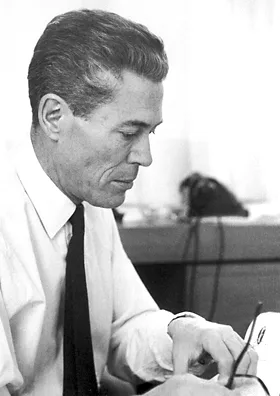
The “PaJaMo” experiment of PArdee, JAcob, and MOnod “broke the impasse in Crick and Brenner’s comprehension of how information in the sequence of bases in DNA came to be expressed as a sequence…
1712 CE
#301
Sur les diverses reproductions qui se font dans les écrevisses, les omars, les crabes....
Réaumur showed that crustaceans replace their lost limbs, a fact until then disputed.
1890 CE
#12303
Sur les organisms de la nitrification.
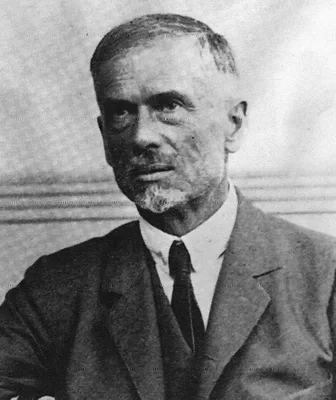
In his research on nitrifying bacteria Winogradsky discovered the first known form of chemoautotrophy in which organisms obtain energy by oxidation of electron donors in their environments without the intervention of …
1851 CE
#13302
Surgical anatomy.
"The drawings of Maclise for Quain's Anatomy of the arteries and for his own Surgical anatomy are indeed done, as Quain wrote, with spirit and effect. These figures of anatomical dissection seem lifelike; in many plat…
1978 CE
#7098
Survivals of Greek zoological illuminations in Byzantine manuscripts.
1664 CE
#145.51
Sylva, or a discourse of forest-trees, and the preservation of timber in His Majesty’s dominions.
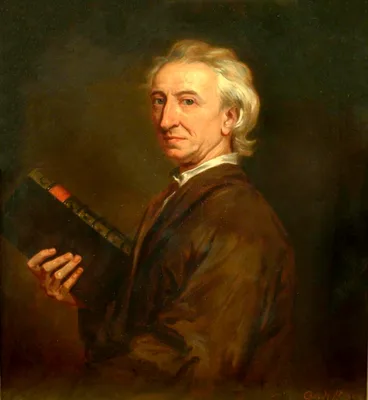
A protest against the careless destruction of England’s forests to fuel the furnaces of the glass and iron industries. The work was influential in establishing a much-needed program of reforestation that had a l…
1693 CE
#299
Synopsis methodica animalium quadrupedum et serpentini generis.
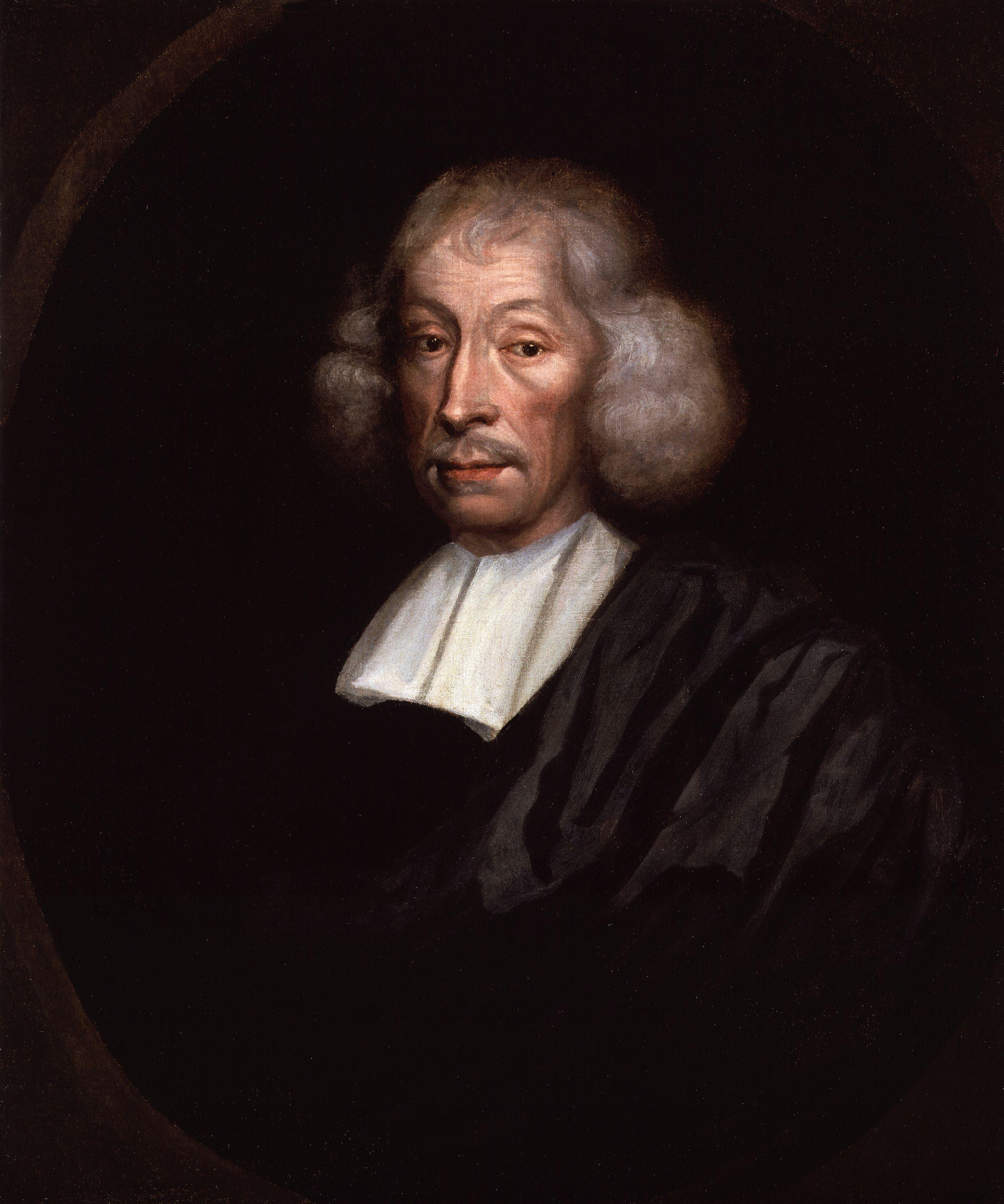
This work contains the first really systematic classification of animals. Much of its general arrangement of animals survives in modern systems of classification.
1964 CE
#257
Synthetic deoxyribopolynucleotides as templates for ribonucleic acid polymerase: The formation and characterization of a ribopolynucleotide with a repeating trinucleotide sequence.
Order of authorship in the original publication: Nishimura, Jacob, Khorana. Digital facsimile from PubMedCentral at this link.
1530 CE
#2364
Syphilis sive morbus gallicus.
The most famous of all medical poems. It epitomized contemporary knowledge of syphilis, gave to it its present name, and recognized a venereal cause. Fracastorius refers to mercury as a remedy. First complete English …
1822 CE
#13314
System of surgical anatomy. Part first [all published]: On the structure of the groin, pelvis, and perineum. As connected with inguinal and femoral hernia; Tyeing the iliac arteries; and the operation of lithotomy. Illustrated by nine copper-plate engravings
Anderson trained at the Royal College of Surgeons in Edinburgh, emigrated to America in 1820 and, after delivering a series of anatomical lectures in New York under the patronage of Valentine Mott, became affiliated w…
1735 CE
#99
Systema naturae per regna tria naturae, secundum classes, ordines, genera, species, cum characteribus, differentiis, synonymis, locis.

In Systema naturae Linnaeus developed the first logical and modern classifications of plants, animals and minerals. Its most valuable feature, the binomial nomenclature (genus and species), was probably devised in the…
1758 CE–1759 CE
#11880
Systema naturae per regna tria naturae, secundum classes, ordines, genera, species, cum characteribus, differentiis, synonymis, locis. Editio decima, reformata. 2 vols.
In the 10th edition of his Systema naturae, Linnaeus introduced binomial nomenclature for animals. He had previously introduced binomial nomenclature for plants in his Species Plantarum (1753). In this edition Linnaeu…
1801 CE
#215.5
Système des animaux sans vertèbres.
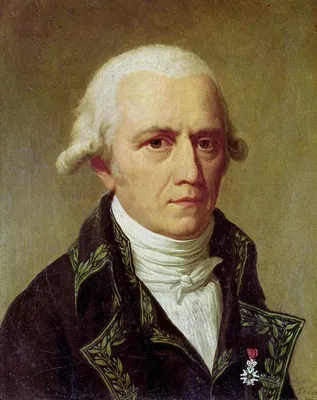
The “Discours d’ouverture” contains Lamarck’s first published statement of the theory of the inheritance of acquired characteristics. See No. 316.
1797 CE
#401
Tabula sceleti feminini juncta descriptione.
Soemmerring was noted for his accuracy in anatomical illustration, and the above work is a fine example of his artistic sense. For it he selected the skeleton of a well-built girl of 20 years. Great care was taken in …
1627 CE
#381
Tabulae anatomicae lxxiix.
First publication of the very beautiful copperplates engraved by Francesco Valesio after Odoardo Fialetti, a pupil of Titian. Casseri commissioned these plates covering the whole field of human anatomy for his unfinis…
1538 CE
#372
Tabulae anatomicae sex.
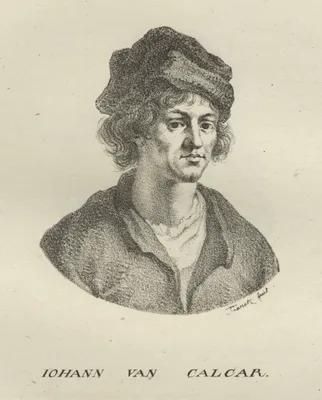
Vesalius’ first anatomical publication, consisting of six oversized anatomical charts, resembling fugitive sheets. The three skeletal woodcuts are signed by the artist, Jan Stephan van Calcar, who also acted as …
1741 CE
#395.2
Tabulae anatomicae.
![PIETRO DA CORTONA, [Pietro BERRETINI] (1596 – 1669)](/media/portraits/743)
27 anatomical copperplates after drawings by the most influential painter of the Italian Baroque movement, who also excelled as an architect. The editor, Cajetano Petrioli, supplied the text and small numbered anatomi…
1737 CE–1747 CE
#399
Tabulae sceleti et musculorum corporis humani.
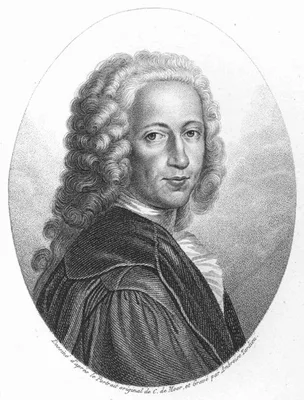
The splendid series of 40 large copperplates of the bones and muscles in this work were drawn and engraved by Jan Wandelaar (1690-1759). They established a newstandard in anatomical illustration, and remain unsurpasse…
1999 CE
#7032
Taking positions. On the erotic in Renaissance culture.
Of particular relevance to the history of medical literature is Chapter 8: "Mythology, Sexuality, and Science in Charles Estienne's Manual of Anatomy" (pp. 161-188). This refers to Estienne's De dissectione partium co…
1944 CE
#255.2
Tempo and mode in evolution.
Simpson's seminal contribution to the modern evolutionary synthesis integrated the facts of paleontology with those of genetics and natural selection. "Simpson argued that the microevolution of population genetics was…
1780 CE
#11798
Testacea musei Caesarei Vindobonensis, que jussu Mariae Theresiae Ausgustae.
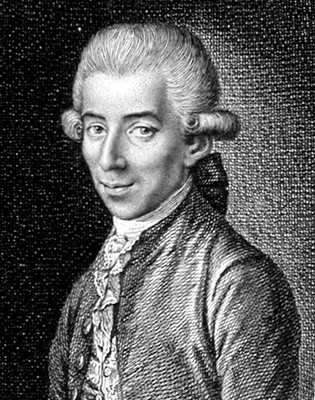
Born was commissioned in 1776, by Maria-Therese, Empress of the Holy Roman Empire, to inventory and arrange the imperal collection that formed the foundation of the imperial museum, now the Naturhistorische Museum in …
1998 CE
#8302
Text and tradition: Studies in ancient medicine and its transmission: Presented to Jutta Kollesch. Edited by Klaus-Dietrich Fischer, Diethard Nickel, and Paul Potter.
1975 CE
#7054
Textbook of Black-related diseases. Edited by Richard A. Williams.
The first textbook on diseases of African Americans written by African American physicians. The book set the tone for recognizing the importance of race and ethnicity in the evalutation, diagnosis, and treatment of pa…
2007 CE
#12159
Textual contraception: Birth control and modern American fiction.
1632 CE
#287
Thaumatographia naturalis, in decem classes distincta, in quibus admiranda 1 Coeli. 2 Elementorum. 3 Meteororum. 4 Fossilium. 5 Plantarum. 6 Avium. 7 Quadrupedum. 8 Exanguium. 9 Piscium. 10 Hominis.
A unillustrated pocket guide, issued in duodecimo format on "admiranda" or wonders of nature organized in ten categories (heaven, earth, and topics relating to meteors, fossils or minerals, plants, birds, quadrupeds, …
1902 CE
#518
The accessory chromosome; sex determination.
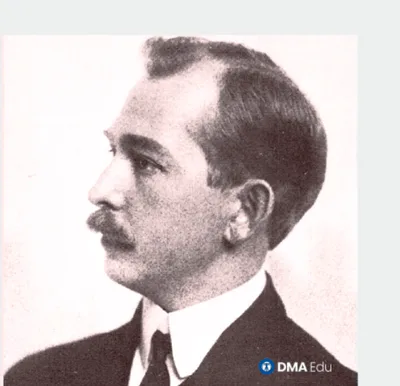
McClung showed that the accessory chromosomes are the determinants of sex.
1889 CE
#14344
The action of natural selection in producing old age, decay, and death. In Essays upon heredity and kindred biological problems by August Weismann; authorized translation edited by Edward B. Poulton, Selmar Schönland and Arthur E. Shipley, Chapter 1, "The duration of life," page 23.
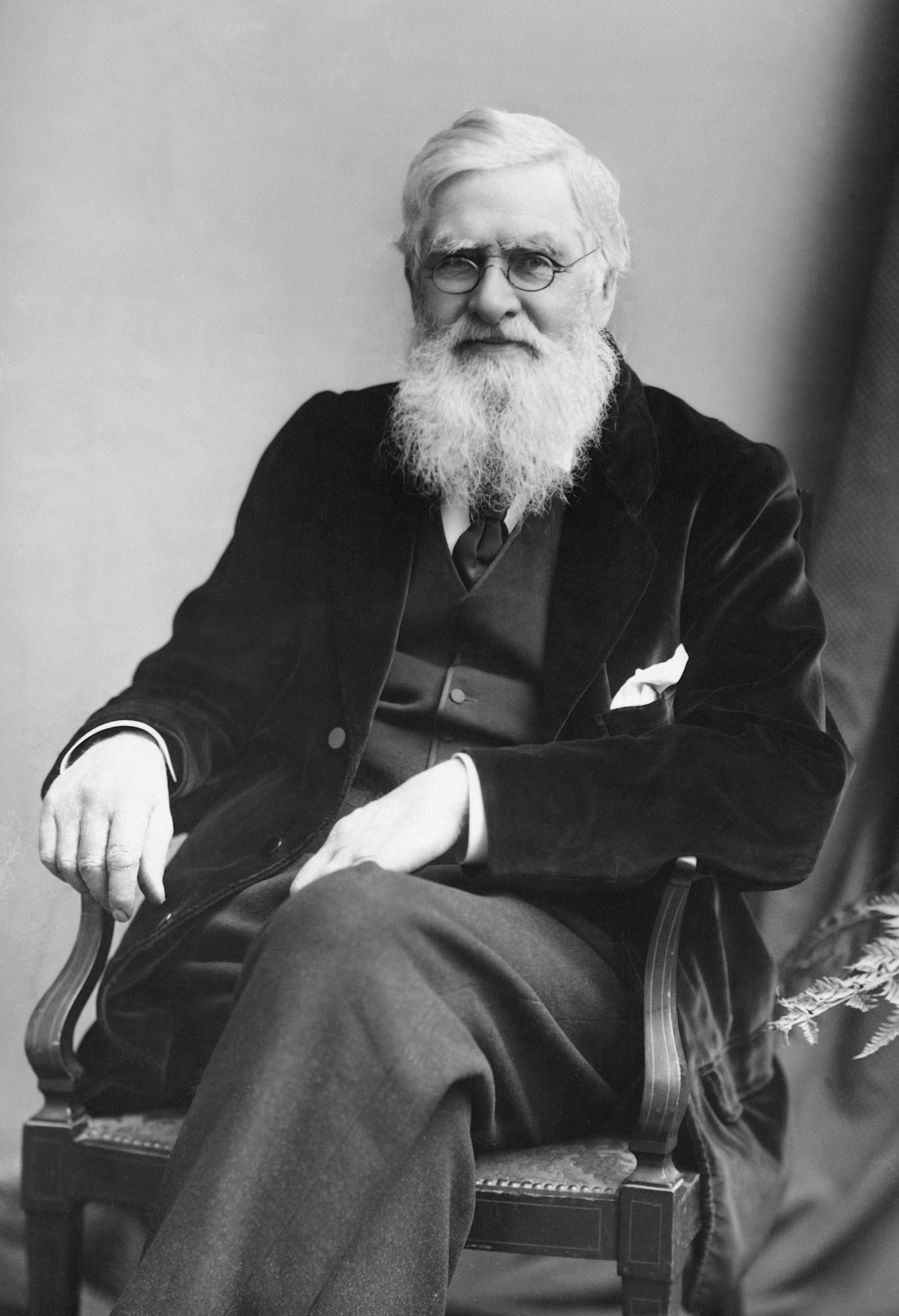
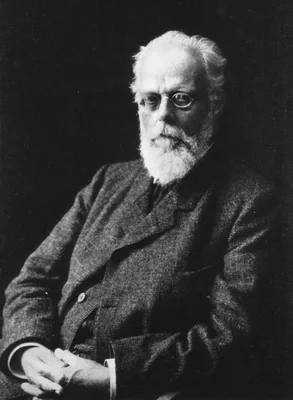
Wallace proposed the first evolutionary theory of aging. He stated that if too many people lived for a long time they would compete for resources needed for other members of the species that were of reproduction age. …