
Facets
Browse across eight MeSH (opens in new tab) facets — era, geography, science, specialty, technology, history, culture, and reference. Select one tag per group; counts update across the others.
Clear filtersFacet filters
Geography
Specialties & Disease
- Anatomy & Pathology 765
- Cardiology & Blood 914
- Neurology & Psychiatry 1,256
- Obstetrics & Reproductive 550
- Infectious Disease (General) 147
- Surgery & Anesthesia 1,551
- Public Health 1,129
- Immunology & Dermatology 1,404
- General Clinical Medicine 480
- Military Medicine 436
- Psychology 202
- Alternative & Fringe Medicine 383
- Pediatrics 247
- Ophthalmology & Vision 412
- ENT & Hearing 293
- Urology & Nephrology 309
- Gastroenterology & Hepatology 316
- Pulmonary & Respiratory 233
- Rheumatology, Rehab & Pain 188
- Internal, Emergency & Geriatric 123
- Veterinary Medicine 165
- Epidemiology & Demography 397
- Physiology & Embryology 923
- Dentistry 259
- Plagues & Epidemics 1,279
- Microbiology & Virology 1,080
Social & Historical Studies
Institutions & Culture
Reference & Scholarly Works
1,080 entries match Microbiology & Virology [C01.748]
1965 CE
#5351.5
A new, active metabolite of ‘Miracil D’.
Lucanthone. With five co-authors.
1990 CE
#11930
A newly recognized fastidious gram-negative pathogen as a cause of fever and bacteremia.
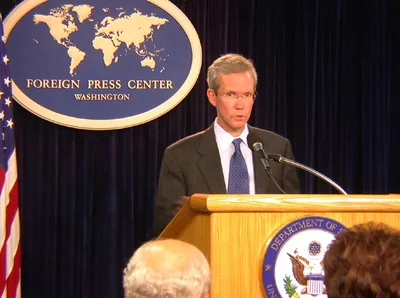
Order of authorship in the original publication: Slater, Welch, Hensel.... Hensel, a medical technologist working in the clinical microbiology laboratory, University Hospitals, Oklahoma City, used innovative culture m…
1952 CE
#12032
A nonhereditary, host-induced variation of bacterial viruses.
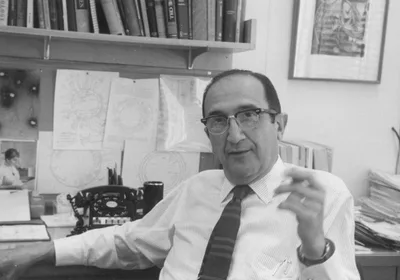
Order of authorship in the original publication: Luria, Human. Luria and Human discovered the restriction modification system found in bacteria and other prokaryotic organisms. This system provides a defense against f…
1915 CE
#5385
A note on a relapsing febrile illness of unknown origin.
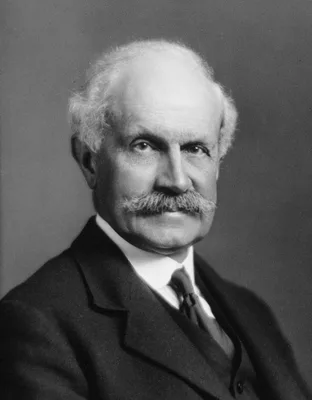
First reported case of “trench fever”.
1900 CE
#5456
A note on the interval between infecting and secondary cases of yellow fever from the records of yellow fever at Orwood and Taylor, Mississippi, in 1898.
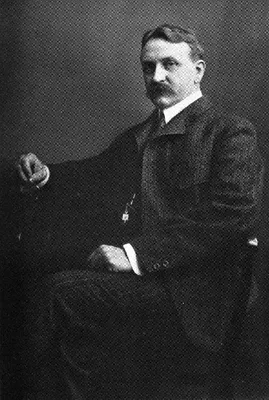
Carter's determination of the incubation period yellow fever influenced the direction of Reed’s researches, and was instrumental in the discovery of the mode of transmission of the yellow fever virus.
2003 CE
#10861
A novel coronavirus associated with severe acute respiratory syndrome.
Ksiazek and over 40 co-authors around the world published the lead article in the May 15, 2003 issue of the New England Journal of Medicine that was nearly entirely devoted to SARS. Order of authorship in the publishe…
2013 CE
#11045
A novel prion disease associated with diarrhea and autonomic neuropathy.
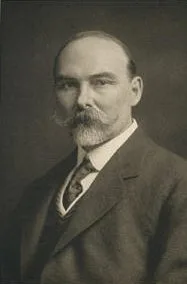

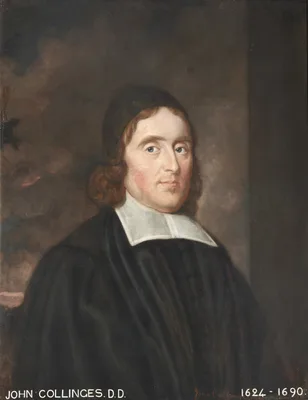
Order of authorship in the original paper: Mead, Gandhi, Beck, Collinge. Collinge was the main author. Digital facsimile from nejm.org at this link. (Thanks to Juan Weiss for this entry and its interpretation.)
1983 CE
#12663
A papillomavirus DNA from a cervical carcinoma and its prevalence in cancer biopsy samples from different geographic regions,

Zur Hausen and colleageus identified HPV 16 DNA in cervical cancer tumors by Southern blot hybridization. Digital facsimile from PubMedCentral at this link.
1824 CE
#5022
A practical essay on typhous fever.
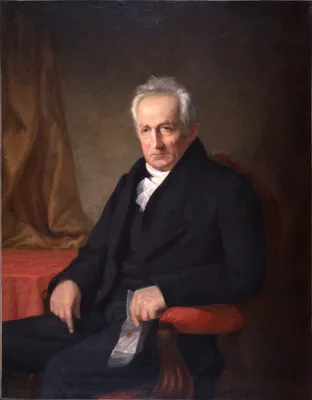
Nathan Smith left a classic account of typhoid; this was reprinted in Med. Classics, 1937, 1, 781-819 He clearly recognized the contagious nature of the disease.
1905 CE
#10780
A preliminary note on the susceptibility of goats to Malta fever.
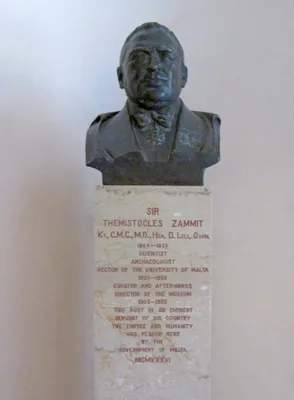
Zammit discovered that contaminated goat milk was the vector for transmission to humans of the Malta fever bacterium, Brucellosis melitensis. At the time goat milk was a primary source of milk in Malta and other parts…
1920 CE
#2645.1
A preliminary report on the experimental production of sarcoma of the liver of rats.
Proof that cancer can be caused by a parasite, Cysticercus fasciolaris, the larval stage of Taenia crassicolis. With M. R. Curtis and G. L. Rohdenberg. See also Proc. N.Y. path. Soc., 1920, 20, 149-75.
1935 CE
#2576.3
A protective action of neurotropic against viscerotropic yellow fever virus in Macacus rhesus.
One of the first examples of an animal virus interference phenomenon was demonstrated by Hoskins.
1906 CE
#5532
A protozoon general infection producing pseudotubercles in the lungs and focal necroses in the liver, spleen and lymphnodes.
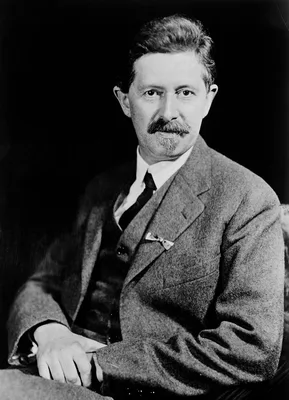
Histoplasmosis (Histoplasma capsulatum), “Darling’s disease”.
2019 CE
#11374
A randomized, controlled trial of Ebola virus disease therapeutics.


Order of authorship in the original publication: Mulangu, Dodd, Davey.... One synthetic drug (Remdesivir, an antiviral) and 3 biologicals were used in this trial. The 3 biologicals were: REGN-EB3, a triple monoclonal …
1900 CE
#5349
A recent observation on Filaria nocturna in Culex. probable mode of infection of man.
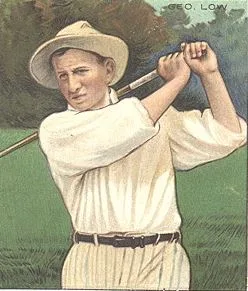
Demonstration of the complete chain of filarial infection from man-to-mosquito-to-man.
1933 CE
#2524.2
A serological differentiation of human and other groups of hemolytic streptococci.
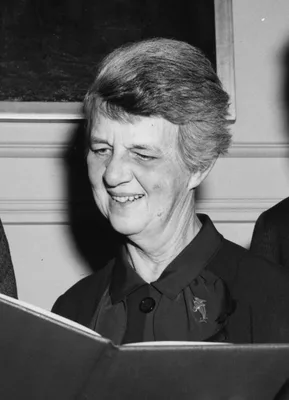
Lancefield determined the principal pathogenic strains of hemolytic streptococci and subdivided them into types. All important strains pathogenic to humans fall into Lancefield’s Group A.
1924 CE
#5082
A skin test for susceptibility to scarlet fever.
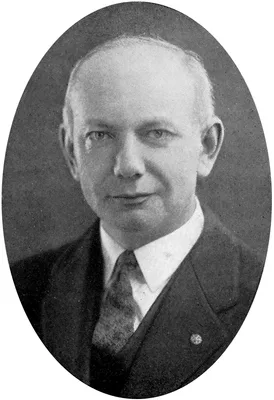
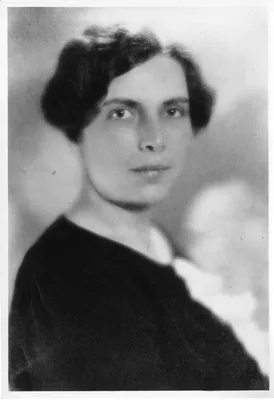
The “Dick test” for the determination of individual susceptibility to scarlet fever.
1907 CE
#12432
A sporozoan found in the peptic glands of the common mouse.
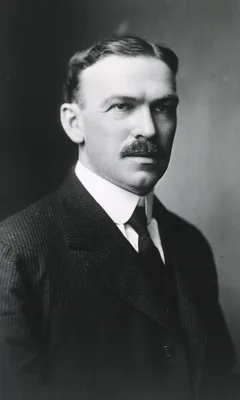
Tyzzer first identified cryptosporidium in mice and named it Cryptosporidium muris, spec. nov. (Thanks to Juan Weiss for this reference and its interpretation.)
1932 CE
#12586
A study of monkey-malaria, and its experimental transmission to man.
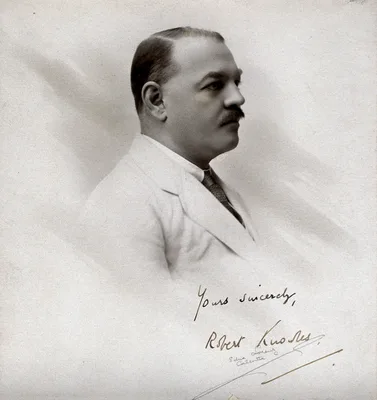
Das Gupta and his supervisor Robert Knowles first described Plasmodium knowlesi as a distinct species, and as a potential cause of human malaria in 1932 when they described the morphology of the parasite in macaque bl…
1906 CE
#5531.1
A study of some tropical ulcerations of skin with particular reference to their etiology.
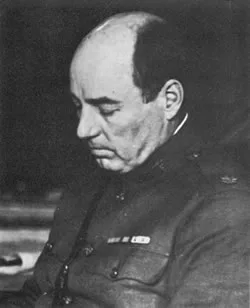
Strong described organisms consistent with Histoplasma capsulatum before Darling, although his work was overshadowed by the latter.
1910 CE
#2637
A transmissible avian neoplasm (sarcoma of the common fowl).
Original description of the chicken sarcoma (Rous sarcoma). Rous demonstrated that sarcomatous tumors in hens could be transmitted to normal hens by the injection of cell-free filtrates (virus) of the original tumor. …
1932 CE
#2656
A transmissible tumor-like condition in rabbits.
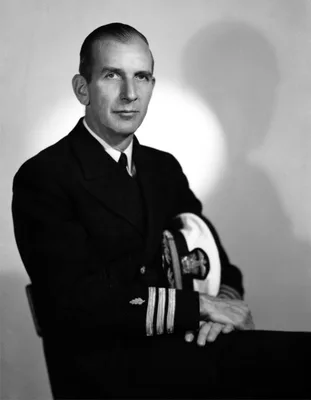
Shope papilloma virus (SPV), a benign infectious tumor due to a virus. This was the first mammalian tumor virus discovered. Full text from PubMedCentral at this link. See also Shope, "Infectious Papillomatosis of Rabb…
1923 CE
#12109
A treatise on influenza, with special reference to the pandemic of 1918.
Sen, company doctor on the Hurmutty Tea Estate in Assam, estimated that the pandemic killed about 15,000,000 people in India.
1784 CE
#2734.4
A treatise on the diseases of children.
Underwood laid the foundation of modern pediatrics. His work was superior to anything that had previously appeared and remained the most important book on the subject for sixty years, passing through many editions. Th…
1816 CE
#11799
A treatise on the medicinal leech; including its medical and natural history, with a description of its anatomical structure; also, remarks upon the diseases, preservation, and management of leeches.
Digital facsimile from the Hathi Trust at this link.
1814 CE
#216.1
A treatise on the supposed hereditary properties of diseases, containing remarks on the unfounded terrors and ill-judged cautions consequent on such erroneous opinions; with notes, illustrative of the subject, particularly in madness and scrofula.
Adams was a pioneer in medical genetics. He distinguished between familial and hereditary diseases, saw that an increase in hereditary disease frequency in isolated areas could be caused by inbreeding, and suggested t…
1934 CE
#5541.2
A unique infection in man caused by a new yeast-like organism, a pathogenic member of the genus Sepedomum.
Cultivation of Histoplasma capsulatum before DeMonbreun (No. 5542); preliminary announcement in Science, 1933, 77, Suppl. 2002, p. 8. DeMonbreun and Hansmann & Schenken independently and almost simultaneously demonstr…
1940 CE
#5499
A virus from cases of influenza-like upper-respiratory infection.
Recovery of influenza B virus.
1936 CE
#4659
A virus isolated in 1935 epidemic of summer encephalitis in Japan.
T. Taniguchi, M. Hosokawa, and S. Kuga established a virus etiology for Japanese B encephalitis.
1933 CE
#5494
A virus obtained from influenza patients.
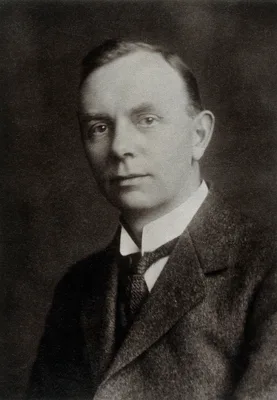
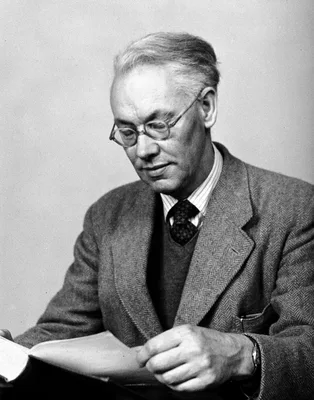
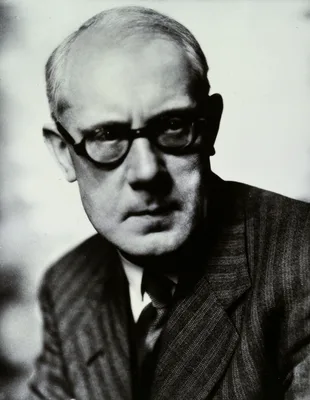
Smith, Andrewes, and Laidlaw first isolated the influenza A virus in humans. They successfully infected ferrets with filtered throat-washings from influenzal patients by intranasal instillation.
1778 CE
#2465
Abhandlung fiber die Saamen- und Infusionsthierchen, und über die Erzeugung: nebst mikroskopischen Beobachtungen des Saamens der Thiere, und verschiedener Infusionen.
Gleichen was probably the first to attempt to stain bacteria; he used carmine and indigo.
1902 CE
#5531
Actinobacilosis.

Discovery of the actinobacillus.
1934 CE
#4658
Acute ascending myelitis following a monkey bite, with the isolation of a virus capable of reproducing the disease.
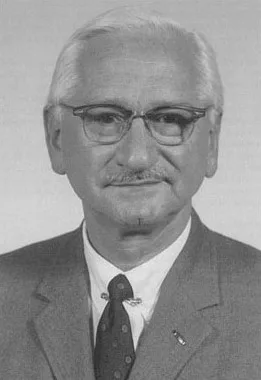
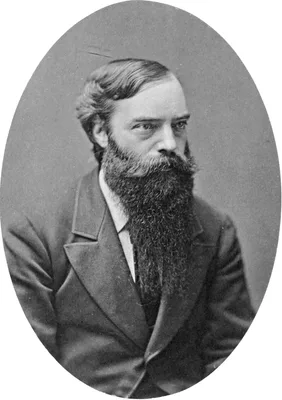
Herpesvirus simiae (B virus) infection; isolation of the virus.
1976 CE
#12434
Acute enterocolitis in a human being infected with the protozoan Cryptosporidium.
First report of infection by Cryptosporidium in a human being. "Abstract "A 3-year-old child with severe acute self-limited enterocolitis was found on rectal biopsy to be infected with the protozoal parasite Cryptospo…
1879 CE
#11248
Additional notes on filaria sanguinis hominis and filiaria disease.
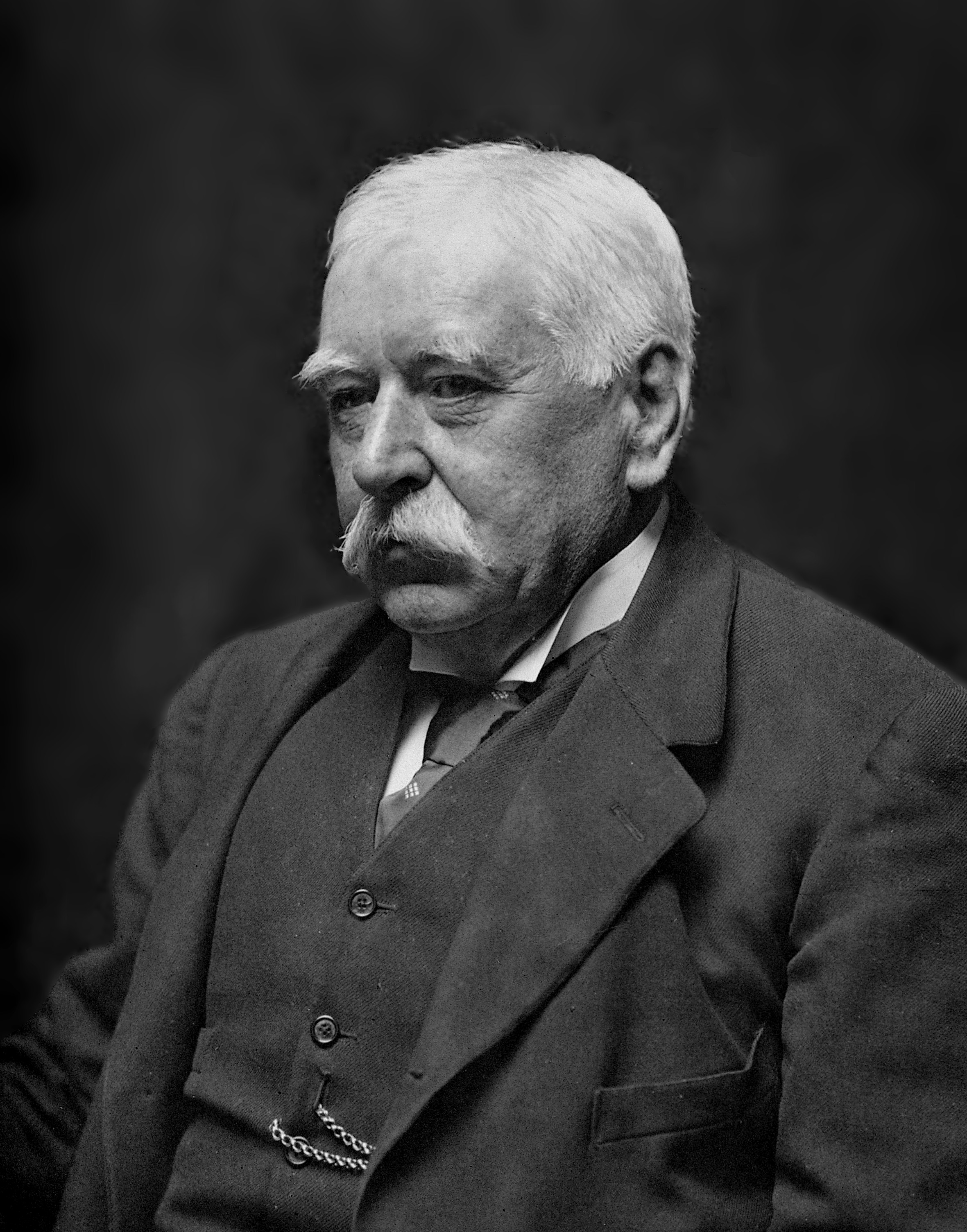
On p. 36 of this paper Manson first described nocturnal periodicity in Filaria Bancrofti, an adaptation to the nocturnal biting habits of their mosquito vector. (Thanks to Juan Weiss for this reference and its interpr…
1986 CE
#11106
Administration of 3'-Azido-3'-Deoxythmymidine, an inhibitor of HTLV-III/LAV replication, to patients with AIDS or AIDS-related complex.

Order of authorship in the original publication: Yarchoan, Weinhold, Lyerly. The first antiviral AIDS drug, later named "Retrovir"/ Zidovudine/AZT. (Thanks to Juan Weiss for this reference and its interpretation.)
1931 CE
#5396.3
Aetiologie der Tsutsugamushi-Kiankheit: Rickettsia tsutsugamushi.
Ogata isolated the causal agent of tsutsugamushi disease, Orientia Tsutsugamushi, in 1927.
1955 CE
#13140
Airborne contagion and air hygiene: An ecological study of droplet infections.
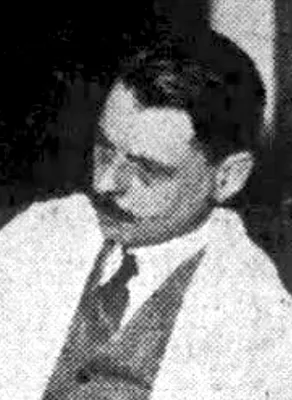
"In 1954, Wells began a long-term experiment to demonstrate that tuberculosis could be transmitted through air. At the VA Hospital in Baltimore, collaborating with Riley, John Barnwell, and Cretyl C. Mills, he built a…
1878 CE–1879 CE
#8966
Alexander von Tralles. Original-Text und Übersetzung nebst einer einleitenden Abhandlung. Ein Beitrag zur Geschichte der Medicin. 2 vols.
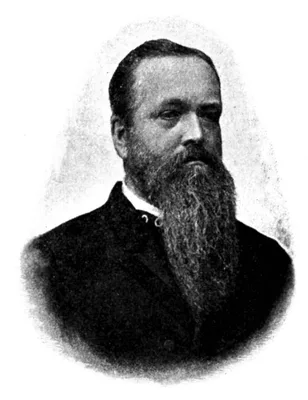
Digital facsimile from the Internet Archive at this link.
1890 CE–1891 CE
#5187
Amoebic dysentery.
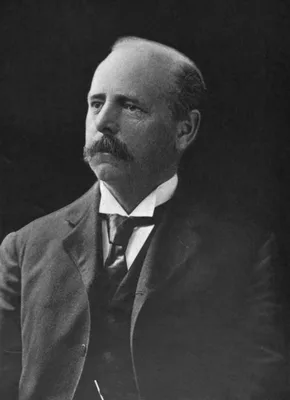
These workers introduced the term “amoebic dysentery” in their important investigation of the condition.
1684 CE
#2464.1
An abstract of a letter…Sep. 17, 1683. Containing some microscopical observations, about animals in the scurf of the teeth.
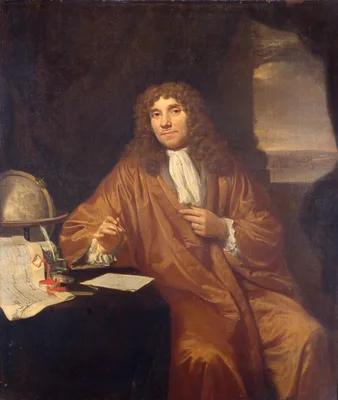
Records discovery of bacteria in the mouth, with the first illustrations of the basic types – what were much later called cocci (round or oval), bacilli (rod-shaped) and spiriillum (spiral) forms. Although Leeuw…
1912 CE
#5159
An account of the discovery of a hitherto undescribed infective disease occurring among the population of Rangoon.
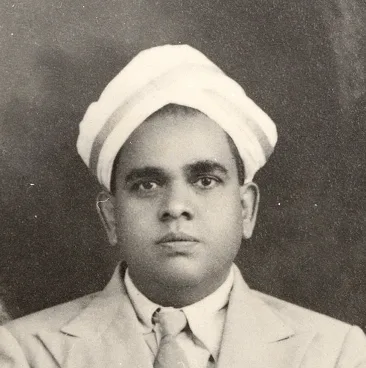
First description of melioidosis. Together with C.S. Krishnaswami, Whitmore identified Burkholderia pseudomallei, the causative agent of melioidosis (also known as "Whitmore's disease") in opium addicts in Rangoon in …
1807 CE
#5839
An account of the ophthalmia which has appeared in England since the return of the British Army from Egypt.
Vetch described trachoma.
1938 CE
#3211
An acute infection of the respiratory tract with atypical pneumonia: A disease entity probably caused by a filterable virus.
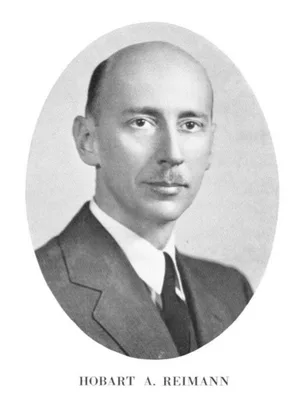
Atypical pneumonia.
1977 CE
#11043
An amazing sequence arrangement at the 5' ends of adenovirus 2 messenger RNA.

Discovery of introns. In 1993 Roberts shared the Nobel Prize in Physiology or Medicine with Phillip A. Sharp "for their discoveries of split genes." It was frequently suggested that Chow deserved a share of that prize…
1798 CE
#11796
An entire new treatise on leeches, wherein the nature, properties, and use of that most singular and valuable reptile, is most clearly set forth.
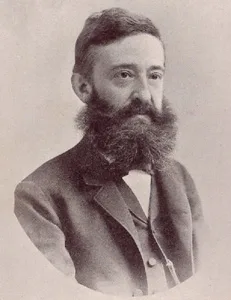
Digital facsimiel from WellcomeLibrary.org at this link.
1750 CE
#2201
An essay on fevers.
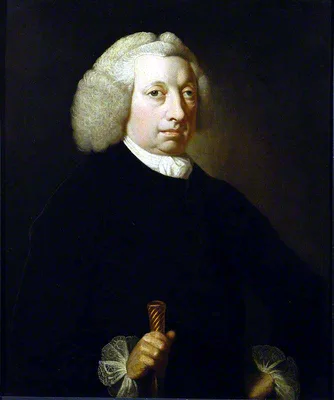
Huxham’s best work. He was well known in the west of England and wrote important monographs on diphtheria and on Devonshire colic. Huxham seemed to appreciate that a difference existed between typhus and typhoid…
1795 CE
#5336.3
An essay on the malignant pestilential fever introduced into the West Indian Islands from Boullam, on the coast of Guinea, as it appeared in 1793 and 1794.
Chisholm, "Surgeon to his Majesty's Ordnance in Grenada," was apparently the first to observe the mode of transmission of the Guinea worm, Dracunculus medinensis. Chishom was also one of the first to recognize that th…
1886 CE
#2504
An introduction to practical bacteriology based upon the methods of Koch.
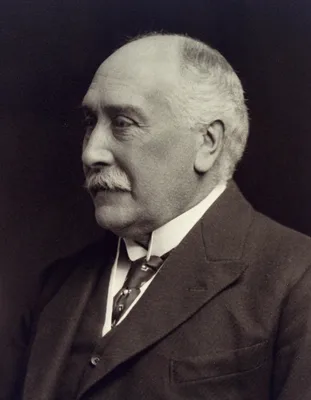
Crookshank studied under Koch, and later became Professor of Bacteriology at King’s College, London.
1978 CE
#2581.9