
A study of monkey-malaria, and its experimental transmission to man.
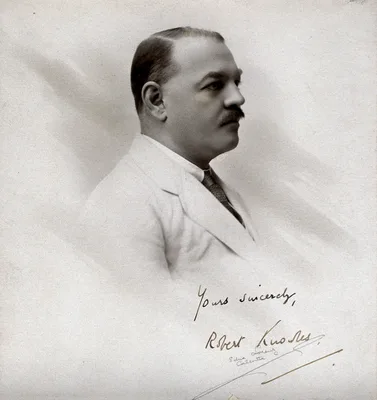
Publication Details
Indian med. Gaz., 67, 301-320. 1932 CE.
Das Gupta and his supervisor Robert Knowles first described Plasmodium knowlesi as a distinct species, and as a potential cause of human malaria in 1932 when they described the morphology of the parasite in macaque blood, and demonstrated that it could infect three human patients (in each case it was used to induce fever with the hope of treating another infection).Also in 1932, John Sinton and H. W. Mulligan further described the morphology of the parasite in blood cells, determined it to be a distinct species, and named it Plasmodium knowlesi in honor of Robert Knowles. [3]
In the mid-20th century, P. knowlesi became a popular tool for studying Plasmodium biology, and was used for basic research, vaccine research, and drug development. It is still used as a laboratory model for malaria, as it readily infects the model primate the rhesus macaque, and can be grown in cell culture in human or macaque blood....
Digital facsimile from PubMedCentral at this link.
Browse Tags
Thematic Classifications
| Catalog Metadata | Reference Information |
|---|---|
| Entry Number | #12586 |
| Permanent Link | https://staging.historyofmedicine.com/entry/14825 |
| Author Bio Link | Wikipedia ↗ |
| External URL | a-study-of-monkeymalaria-and-its-experimental-transmission-to-man |