
Facets
Browse across eight MeSH (opens in new tab) facets — era, geography, science, specialty, technology, history, culture, and reference. Select one tag per group; counts update across the others.
Clear filtersFacet filters
Geography
Specialties & Disease
- Anatomy & Pathology 765
- Cardiology & Blood 914
- Neurology & Psychiatry 1,256
- Obstetrics & Reproductive 550
- Infectious Disease (General) 147
- Surgery & Anesthesia 1,551
- Public Health 1,129
- Immunology & Dermatology 1,404
- General Clinical Medicine 480
- Military Medicine 436
- Psychology 202
- Alternative & Fringe Medicine 383
- Pediatrics 247
- Ophthalmology & Vision 412
- ENT & Hearing 293
- Urology & Nephrology 309
- Gastroenterology & Hepatology 316
- Pulmonary & Respiratory 233
- Rheumatology, Rehab & Pain 188
- Internal, Emergency & Geriatric 123
- Veterinary Medicine 165
- Epidemiology & Demography 397
- Physiology & Embryology 923
- Dentistry 259
- Plagues & Epidemics 1,279
- Microbiology & Virology 1,080
Social & Historical Studies
Institutions & Culture
Reference & Scholarly Works
1,279 entries match Plagues & Epidemics [C01.252]
2020 CE
#12119
A new coronavirus associated with human respiratory disease in China.


Order of authorship in the original publication: Wu, Zhao...Holmes, Zang. This was the first paper written in China, and published in a Western language, on the first COVID-19 patient admitted to any Wuhan hospital on…
1919 CE
#5044
A new generation of paratyphoid.
Hirszfeld gave an important description of Salmonella paratyphi C. (“Hirszfeld’s bacillus”).
1974 CE
#12717
A new infantile acute febrile mucocutaneous lymph node syndrome (MLNS) prevailing in Japan.

The first report on Kawasaki Disease in English. By 1973, 6,000 cases of Kawasaki disease were reported in Japan. (Thanks to Juan Weiss for this reference and its interpretation.)
1922 CE
#5255.2
A new malaria parasite of man.
Plasmodium ovale described.
2012 CE
#10915
A new phlebovirus associated with severe febrile illness in Missouri.
Order of authorship in the original paper: McMullan, Folk, Kelly. Discovery of a new Phlebovirus, which the authors name the "Heartland virus" and with high probability that Amblyoma is the tick vector. Digital facsim…
2019 CE
#10916
A new segmented virus associated with human febrile illness in China.


Order of authorship in the original paper: Wang, Ze-Dong; Wang, Bo; Wei, Feng. Discovery of a new tick-borne virus that the authors name the "Alongshan virus" (ALSV) in the family Flaviridae. Digital facsimile from ne…
1941 CE
#2417
A new serologically active phospholipid from beef heart.
Cardiolipin antigen for serological diagnosis of syphilis. For isolation and purification see J. biol. Chem., 1942, 143, 247-56.
1961 CE
#2353.3
A new synthetic compound with antituberculous activity in mice; ethambutol (dextro-2, 2’-(ethylenediimino)-di-l-butanol).
Ethambutol for the treatment of tuberculosis. With C. O. Baughn, R. G. Wilkinson and R. G. Shepherd.
1720 CE
#3217
A new theory of consumptions : more especially of a phthisis, or consumption of the lungs.
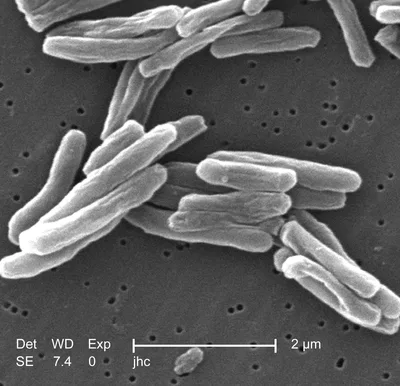
Marten believed that an infectious micro-organism was the cause of tuberculosis, thus forecasting the existence of the tubercle bacillus 162 years before its actual discovery. Though Leeuwenhoek reported seeing bacter…
1937 CE
#2348
A new tuberculin patch test.
1984 CE
#11059
A new type of retrovirus isolated from patients presenting with lymphadenopathy and acquired immune deficiency syndrome: Structural and antigenic relatedness with equine infectious anemia virus.

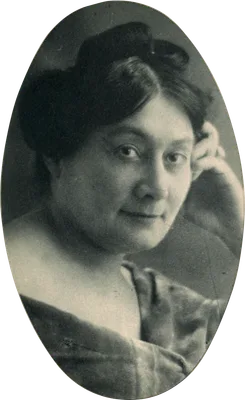
Order of authorship in the original publication: Montagnier, Dauguet,... Barré-Sinoussi. In this paper Montagnier and colleagues showed that, contrary to the views of Gallo and his group, LAV (Lymphadenopathy A…
1940 CE
#5498
A new type of virus from epidemic influenza.
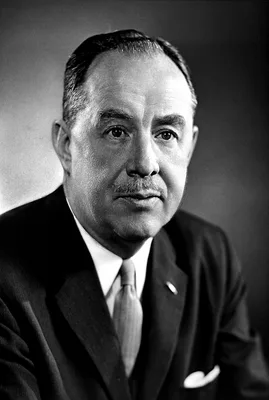
Recovery of influenza B virus.
1900 CE
#5456
A note on the interval between infecting and secondary cases of yellow fever from the records of yellow fever at Orwood and Taylor, Mississippi, in 1898.
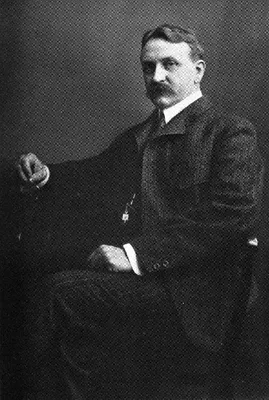
Carter's determination of the incubation period yellow fever influenced the direction of Reed’s researches, and was instrumental in the discovery of the mode of transmission of the yellow fever virus.
1779 CE
#9501
A physical journal kept on board H. M. Ship Rainbow during three voyages to the coast of Africa and the West Indies, in the years 1772, 1773, and 1774: To which is prefixed, a particular account of the remitting fever which happened on board of His Majesty's Sloop Weasel, on that coast, in 1769.
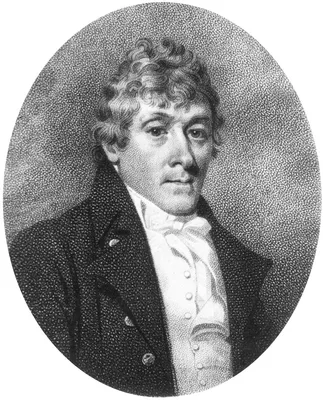
2000 CE
#10033
A Plague of paradoxes: Aids, culture, and demography in Northern Tanzania.
1911 CE
#5173
A plague-like disease of rodents.
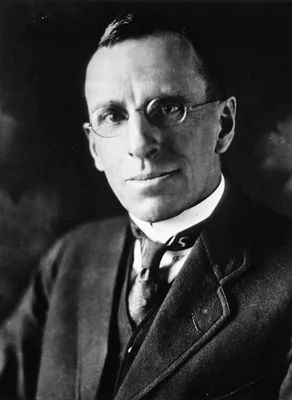
Tularemia first recorded (in rodents).
1924 CE
#2440.1
A plea for the early recognition of leprosy, with notes on diagnosis and methods.

The scraped-incision slit-skin method for bacterial examination in leprosy.
2020 CE
#12074
A pneumonia outbreak associated with a new coronavirus of probable bat origin.

This article was published in Nature on 3 February 2020. Prior to that a version with a different title and numerous other co-authors was published in bioRxiv on 23 January 2020, as "Discovery of a novel coronavirus a…
1816 CE
#11143
A practical account of the Mediterranean fever, as it appeared in the ships and hospitals of His Majesty's fleet on that station: With cases and dissections. To which are added facts and observations, illustrative of the causes, symptoms and treatment comprehending the history of the fever in the fleet, during the years 1810, 1811, 1813, and of the Gibraltar and Carthagena fevers.
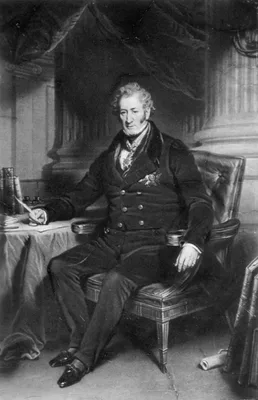
"Burnett in 1816 described an epidemic of a short term fever occurring among the Naval Forces engaged in the Siege of Malta in 1799, and this fever was almost certainly phlebotomus" (Coulter, The Royal Naval Medical S…
1831 CE
#10790
A practical medico-historical account of the western coast of Africa: Embracing a topographical description of its shores, rivers, and settlements, with their seasons and comparative healthiness: Together with the causes, symptoms, and treatment, of the fevers of western Africa, and a similar account respecting the other diseases which prevail there.

Digital facsimile from the Internet Archive at this link.
1906 CE
#2401
A propos de l’impregnation au nitrate d’argent des spirochètes sur coupes.
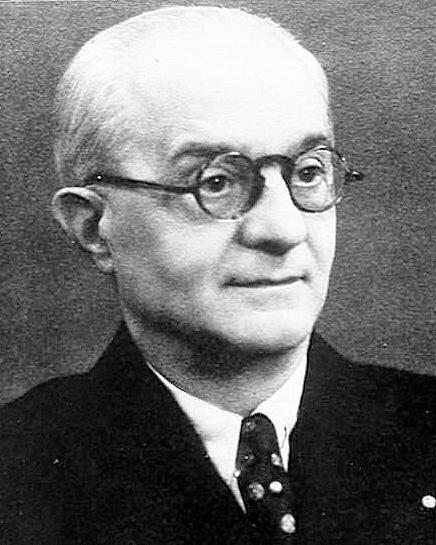
Levaditi’s method of staining T. pallidum.
1800 CE–1802 CE
#5424
A prospect of exterminating the small-pox, being the history of the variolae vaccinae, or kine-pox, commonly called the cow-pox; as it has appeared in England: With an account of a series of inoculations performed for the kine-pox in Massachusetts. [Part II:] A prospect of exterminating the small pox part II, being a continuation of a narrative of facts concerning the progress of the new inoculation in America; together with practical observations on the local appearance, symptoms, and mode of treating the variola vaccina, or kine pock; including some letters to the author, from distinguished characters, on the subject of this benign remedy, now passing with a rapid step through all ranks of society in Europe and America.
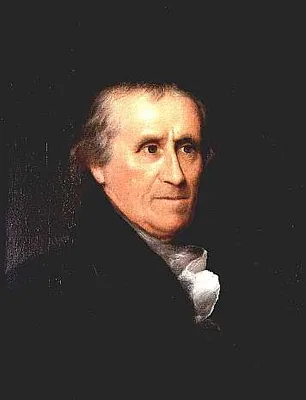
Waterhouse introduced Jennerian vaccination into the U.S.A. He vaccinated his own child as his first case. See J. B. Blake, Benjamin Waterhouse and the introduction of vaccination. A reappraisal. Philadelphia, 1957. D…
1958 CE–1959 CE
#2660.12
A sarcoma involving the jaws in African children.
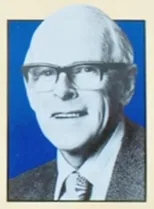
Burkitt’s lymphoma (African lymphoma), first described in detail by Sir Albert Cook, a medical missionary, but not published by him.
1924 CE
#5083
A scarlet fever antitoxin.
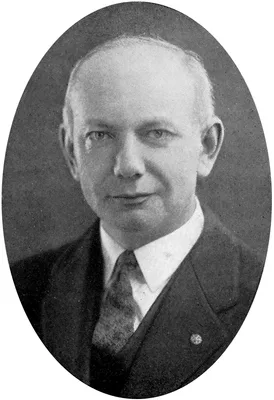
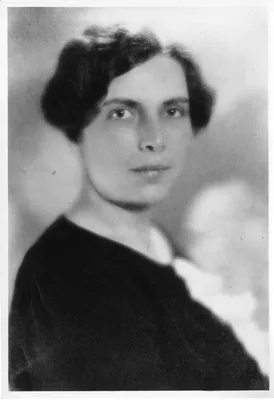
Following their successful attempts to establish individual susceptibility to scarlet fever, these workers prepared an antitoxin for immunization.
2020 CE
#12596
A sensory appendage protein protects malaria vectors from pyrethroids.
Researching how the malarial mosquito A. gambiae developed resistance to common pyrethroid insecticides, the authors discovered how natural selection had enabled this insect population to develop resistance. They anal…
1793 CE
#5451
A short account of the malignant fever, lately prevalent in Philadelphia: With a statement of the proceedings that took place on the subject in different parts of the United States.
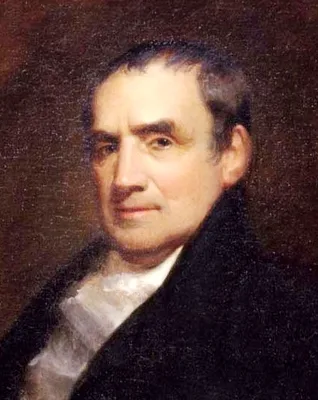
Carey was a Philadelphia publisher and economist rather than a physician. In this little book, which passed through four editions in a few months, Carey left a graphic description of the great yellow fever epidemic of…
1579 CE
#2373
A short and profitable treatise touching the cure of the morbus gallicus by unctions.
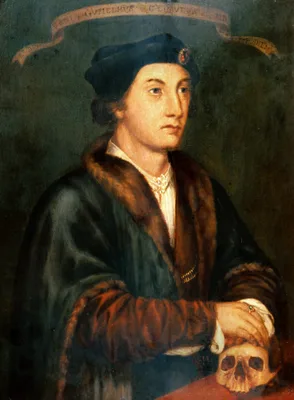
William Clowes, the greatest of the Elizabethan surgeons, published the first original English treatise on syphilis. It was his first work; it demonstrates the prevalence of the disease at that time (Clowes says that …
1720 CE
#5123
A short discourse concerning pestilential contagion, and the methods to be used to prevent it.
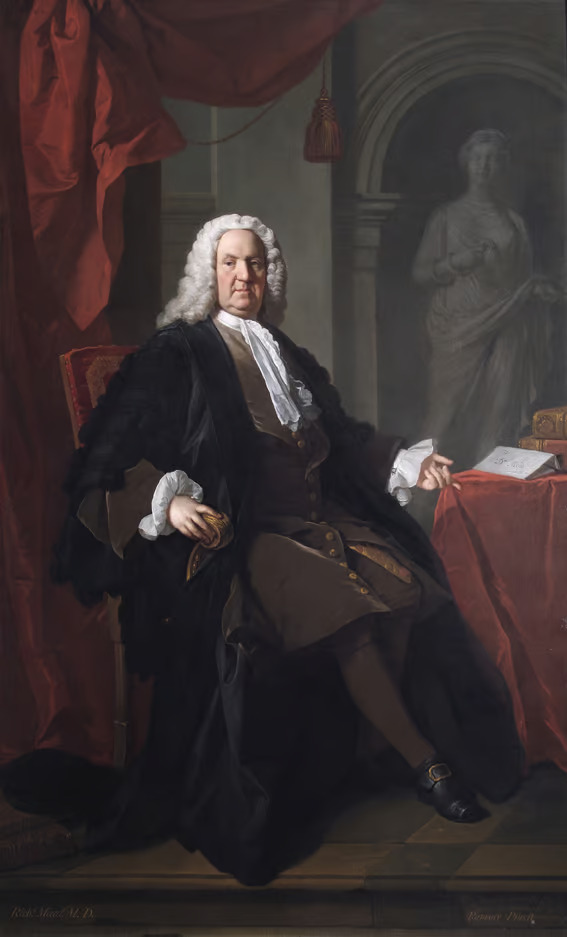
In 1719 Mead was asked for advice concerning an outbreak of plague in Marseilles, and replied with the above tract of 59 pages, which has been called the first epidemiological report produced by a physician at the com…
1936 CE
#2356
A short history of tuberculosis.
1922 CE
#2412
A simple quantative precipitation reaction for syphilis.
Kahn test.
1933 CE
#5221
A sixth venereal disease. Climatic bubo, lymphogranuloma inguinale, esthioméne, chronic ulcer and elephantiasis of the genito-ano-rectal region, inflammatory stricture of the rectum.
In this exhaustive review of the literature, Stannus considered all the conditions he discussed to be different manifestations of infection by the same organisms – the agent causing lymphogranuloma venereum. Inc…
1924 CE
#5082
A skin test for susceptibility to scarlet fever.
The “Dick test” for the determination of individual susceptibility to scarlet fever.
1819 CE
#10456
A statement of the occurrences during a malignant yellow fever in the city of New-York, in the summer and autumnal months of 1819; and of the check given to its progress, by the measures adopted by the Board of Health. With a list of cases and names of sick persons, and a map of their places of residence within the infected and proscribed limits: With a view of ascertaining, by comparative arguments, whether the distemper was engendered by domestic causes, or communicated by human contagion from foreign ports.
Pascalis mapped this yellow fever outbreak using a method similar to Valentine Seaman, but with a more extensive and detailed list of cases. A condensation of his 60-page pamphlet with a reissue of his map appeared in…
1939 CE
#5087.2
A study in active immunization against pertussis.
Pertussis vaccine.
1932 CE
#12586
A study of monkey-malaria, and its experimental transmission to man.
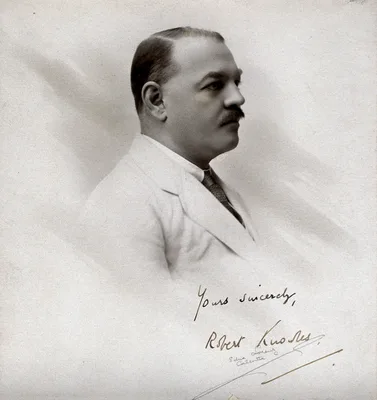
Das Gupta and his supervisor Robert Knowles first described Plasmodium knowlesi as a distinct species, and as a potential cause of human malaria in 1932 when they described the morphology of the parasite in macaque bl…
1850 CE–1854 CE
#1777
A systematic treatise, historical, etiological, and practical, on the principal diseases of the interior valley of North America as they appear in the Causcasian, African, Indian, and Esquimaux varieties of Its population. 2 vols.
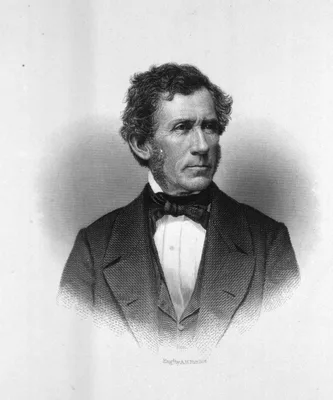
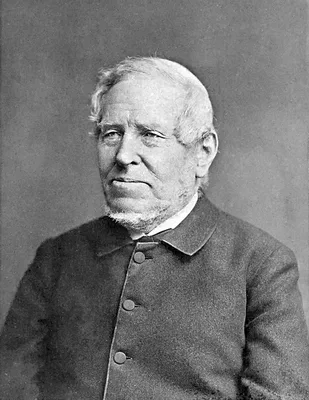
This classical contribution to the social / medical history of North America includes the most important work on the natural history of malaria published up to that time. Digital facsimile of vol. 1 from the Internet …
1791 CE
#9522
A treatise of the plague: Containing an historical journal, and medical account, of the plague, at Aleppo, in the years 1760, 1761, and 1762.
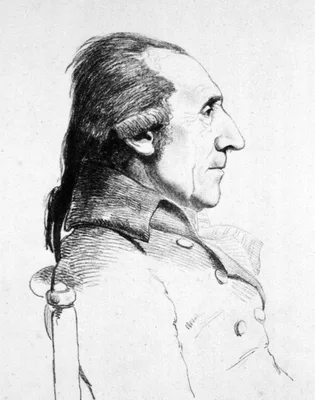
Digital facsimile from the Internet Archive at this link.
1811 CE
#4676
A treatise on a malignant epidemic, commonly called spotted fever.
First book on cerebrospinal meningitis; in it North recommended the use of the clinical thermometer, not in general use until the time of Wunderlich. For more information on this book, see the article by F. L. Pleadwe…
1832 CE
#7688
A treatise on epidemic cholera; including an historical account of its origin and progress, to the present period. Compiled from the most authentic sources.
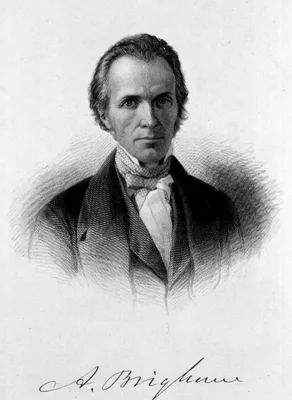
This compendium contains one of the first world charts of a disease, tracing the spread of cholera from two main sources, India (1817) and China (1820), across Asia and the Middle East via trade routes, to France and …
1793 CE
#2378
A treatise on gonorrhoea virulenta, and lues venerea. 2 vols.
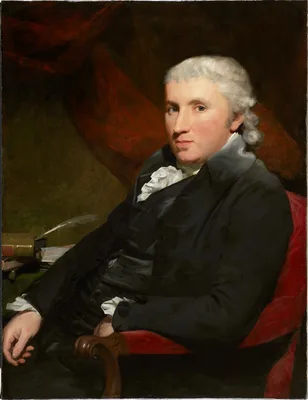
Bell was the first to differentiate between gonorrhoea and syphilis.
1926 CE
#5130
A treatise on pneumonic plague.
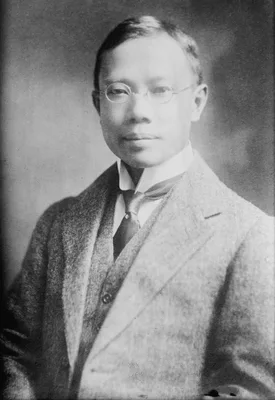
Publication of the League of Nations, III. Health III, 13.
1837 CE
#2213
A treatise on the diagnosis and treatment of diseases of the chest.
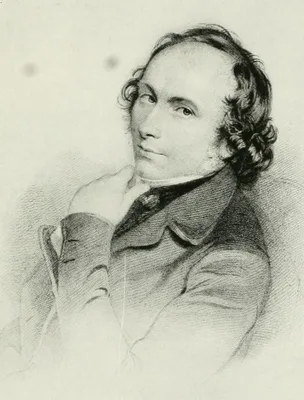
Stokes, most prominent of the Irish school of medicine, established his reputation by his book on diseases of the chest. Important among its contents are his discovery of a stage of pneumonia prior to that described b…
1832 CE
#10463
A treatise on the epidemic cholera, as it has prevailed in India; together with the reports of the medical officers, made to the medical boards of the presidencies of Bengal, Madras, and Bombay, for the purpose of ascertaining a successful mode of treating that destructive disease; And a critical examination of all the works that have hitherto appeared on the subject.
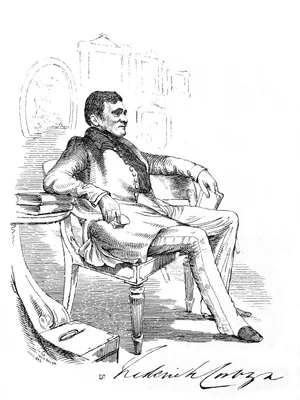
Corbyn mapped the history of cholera in India within British regimental stations. He included the date of each reported outbreak in a table of British regimental locations to describe the temporal progression of the d…
1791 CE
#10111
A treatise on the fevers of Jamaica, with some observations on the intermitting fever of America, and an appendix containing some hints on the means of preserving the health of soldiers in hot climates.
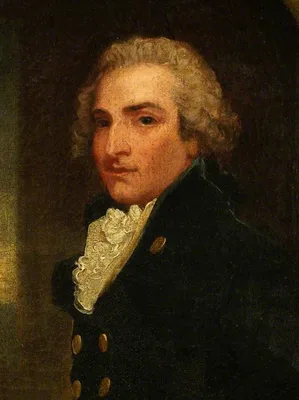
Digital facsimile from the Internet Archive at this link.
1784 CE
#13467
A treatise on the glandular disease of Barbadoes: Proving it to be seated in the lymphatic system.
Digital facsimile from Google Books at this link.
1773 CE
#14117
A treatise on the kinkcough. With an appendix. Containing an account of hemlock, and its preparation.
Probably the first book on whooping cough, proceeding Watt's book by 40 years. Butter proposed hemlock as a treatment for whooping cough. Digital facsimile from Google Books at this link. (Thanks to Webb Dordick for t…
1848 CE
#5441
A treatise on the smallpox and measles. Translated from the Arabic by William Alexander Greenhill.
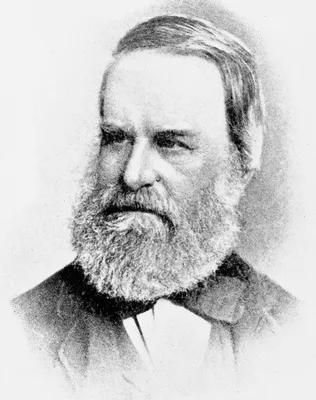
Rhazes differentiated measles from smallpox. Reprinted in Med. Classics, 1939, 4, 22-84. For original publication see No. 5404. The first English translation appeared in No. 5417. Digital facsimile from the Internet A…
1833 CE
#5215
A treatise on the venereal disease and its varieties.
On p. 371 commences the first description of lymphogranuloma venereum, which Wallace called “indolent primary syphilitic bubo”.
1786 CE
#2377
A treatise on the venereal disease.
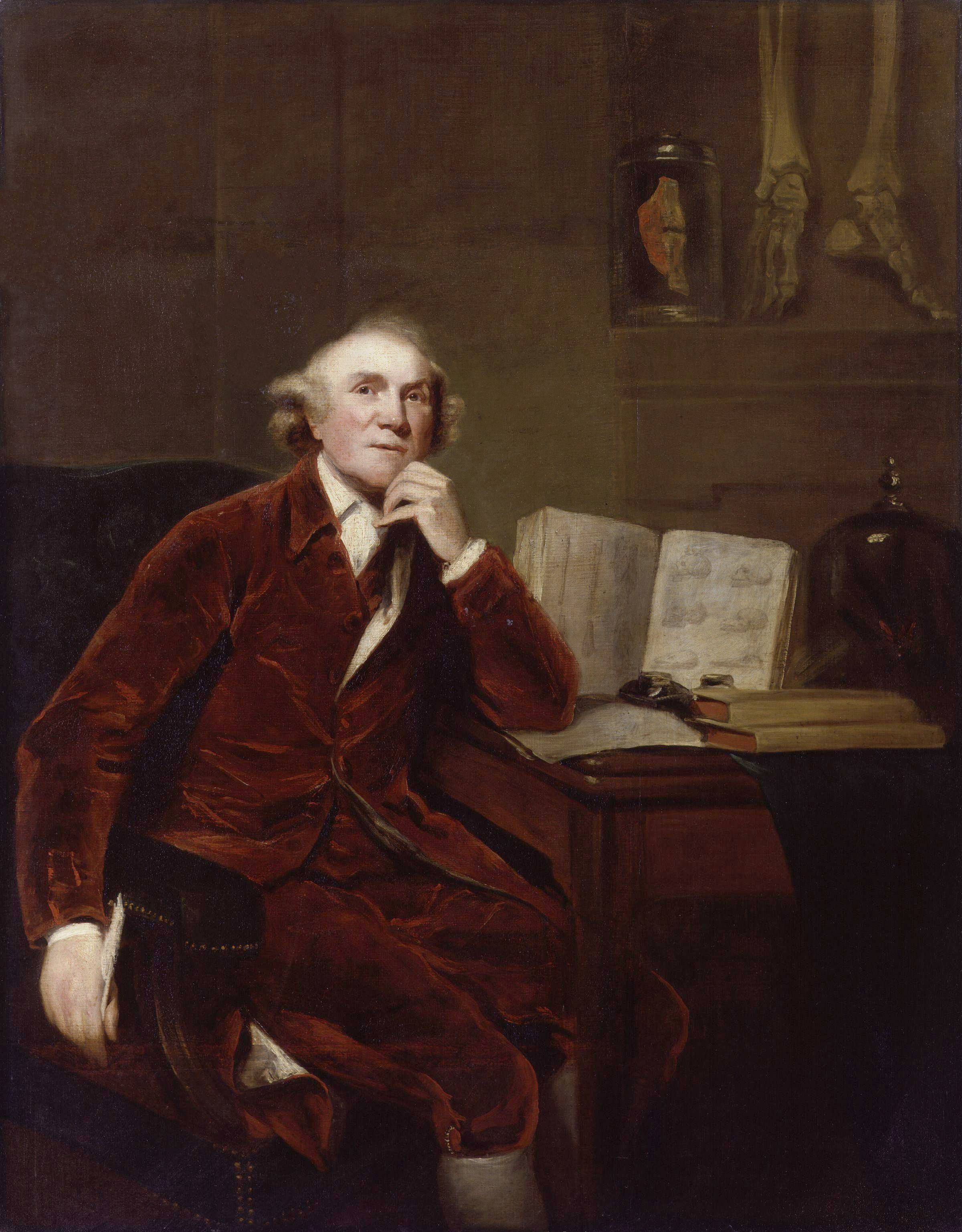
In Hunter's day venereal diseases were thought to be due to a single poison. To test this theory Hunter experimented with matter taken from a gonorrhoeal patient who, unknown to Hunter, also had syphilis. Hunter maint…
1940 CE
#5499
A virus from cases of influenza-like upper-respiratory infection.
Recovery of influenza B virus.