Facets
Browse across eight MeSH (opens in new tab) facets — era, geography, science, specialty, technology, history, culture, and reference. Select one tag per group; counts update across the others.
Clear filtersFacet filters
Geography
Specialties & Disease
- Anatomy & Pathology 765
- Cardiology & Blood 914
- Neurology & Psychiatry 1,256
- Obstetrics & Reproductive 550
- Infectious Disease (General) 147
- Surgery & Anesthesia 1,551
- Public Health 1,129
- Immunology & Dermatology 1,404
- General Clinical Medicine 480
- Military Medicine 436
- Psychology 202
- Alternative & Fringe Medicine 383
- Pediatrics 247
- Ophthalmology & Vision 412
- ENT & Hearing 293
- Urology & Nephrology 309
- Gastroenterology & Hepatology 316
- Pulmonary & Respiratory 233
- Rheumatology, Rehab & Pain 188
- Internal, Emergency & Geriatric 123
- Veterinary Medicine 165
- Epidemiology & Demography 397
- Physiology & Embryology 923
- Dentistry 259
- Plagues & Epidemics 1,279
- Microbiology & Virology 1,080
Social & Historical Studies
Institutions & Culture
Reference & Scholarly Works
1,080 entries match Microbiology & Virology [C01.748]
1926 CE
#5433
Studies on variola, vaccinia, and avian molluscum.
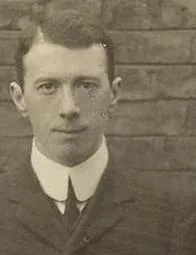
Ledingham’s diagnostic test.
1906 CE
#5319
Study of a spirochete obtained from a case of relapsing fever in man, with notes on morphology, animal reactions, and attempts at cultivation.
Spirochaete causing the American variety of relapsing fever first isolated. With A. W. Pappenheimer and T. Flournoy.
2019 CE
#11460
Stunted microbiota and opportunistic pathogen colonization in caearian-section birth.
Order of authorship in the original publication: Shao, Forster, Tsaliki....The authors used whole genome sequencing to characterize the microbiota of caesarian babies, demonstrating that caesarian babies were not colo…
1939 CE
#4671.2
Successful transfer of the Lansing strain of poliomyelitis virus from the cotton rat to the white mouse.
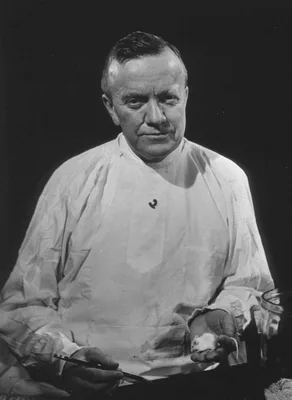
Armstrong adapted the Lansing strain of poliomyelitis to the cotton rat and then to the mouse, greatly facilitating experimental work on the disease.
1889 CE
#5240
Sul ciclo evolutivo dei parassiti malarica nella febbre terzana.
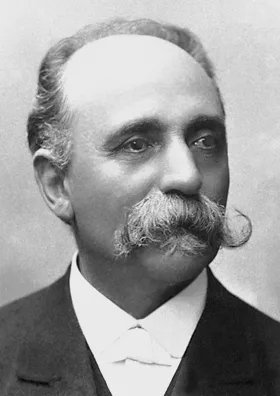
Golgi showed that the parasite of quartan differs from that of tertian malarial fever. English translation in Kean (No. 2268.1).
1941 CE
#5096
Sulfanilylguanidine in the treatment of acute bacillary dysentery in children.
E. K. Marshall, A. C. Bratton, L. B. Edwards, and E. L. Walker were the first to use sulphaguanidine in the treatment of bacillary dysentery.
1886 CE
#5239
Sull infezione malarica.
Description of the development of the parasite of quartan malaria. Golgi differentiated the tertian and quartan parasites by the periods of their respective developments.
1895 CE
#5170
Sulla preparazione del siero anti-carbonchioso.
Specific anti-anthrax serum. German translation in Zbl. Bakt., 1895, 1 Abt., 18, 744-45.
2004 CE
#7648
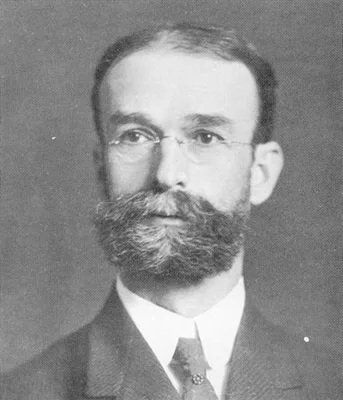
Suppressing the diseases of animals and man: Theobald Smith, microbiologist
1880 CE
#5169
Sur l’étiologie du charbon.
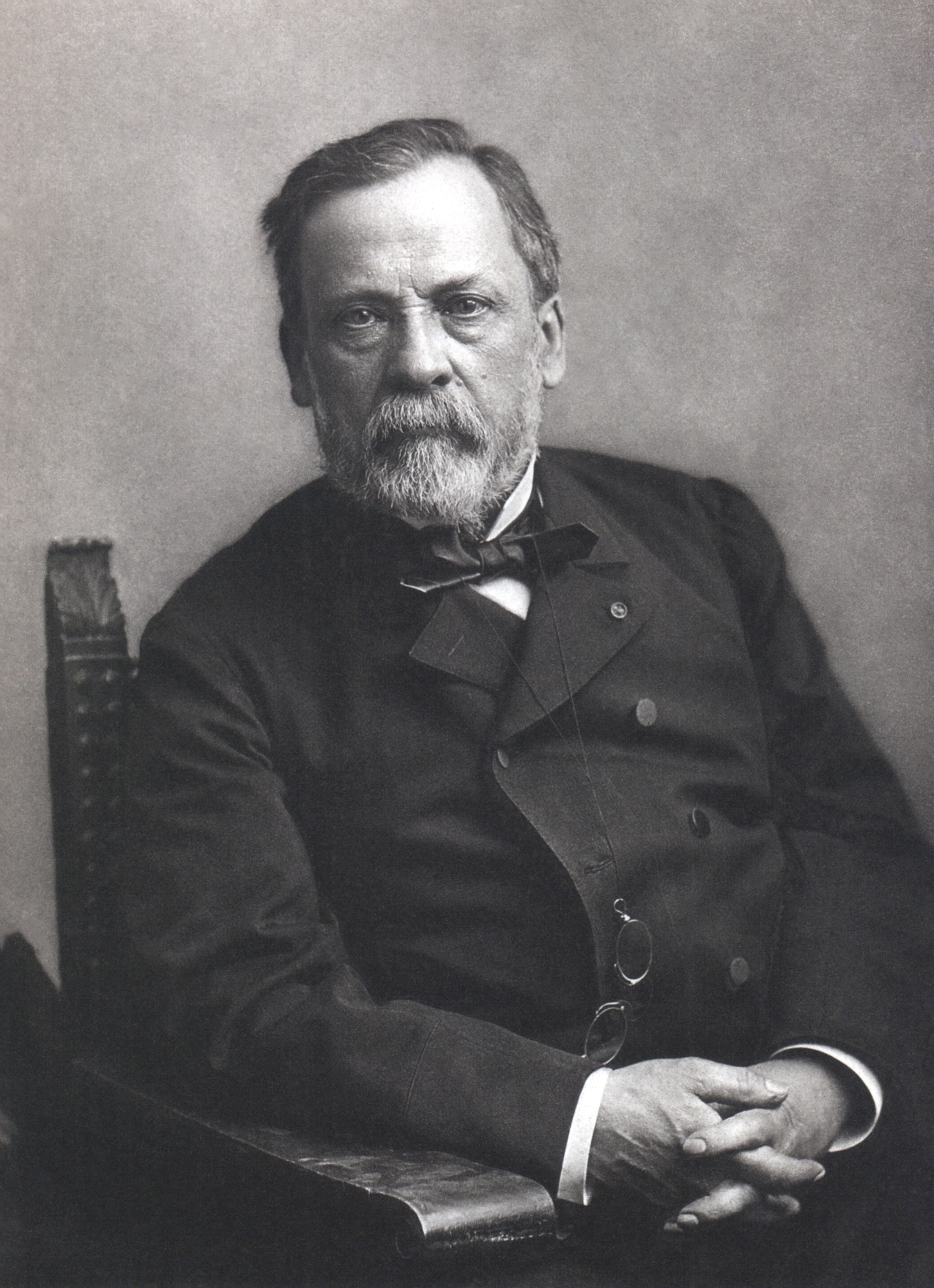
First use of attenuated bacteria for therapeutic purposes. See also the same journal, 1881, 92, 1378-83.
1896 CE
#3309
Sur l’étiologie et sur les lésions anatomo-pathologiques de la pourriture d’hôpital.
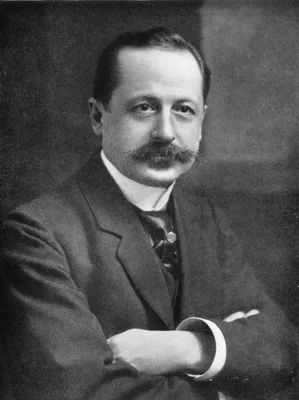
Vincent described a fusiform bacillus and a spirillum which, in association, were responsible for hospital gangrene. Later, in Arch. int. Laryng., 1898, 11, 44-48, he showed these two organisms to be present in &ldquo…
1947 CE
#5351.4
Sur la chimiothérapie de l’onchocercose. (Note préliminaire).

First effective chemotherapy (suramin) for onchocerciasis. With C. Heurard, E. Peel, and M. Wanson.
1876 CE
#5344.11
Sur la maladie dite diarrhée de Cochinchine.
Normond found Strongyloides stercoralis, the causal parasite in strongyloidiasis. English translation in Kean (No. 2268.1).
1881 CE
#5481.4
Sur la rage.
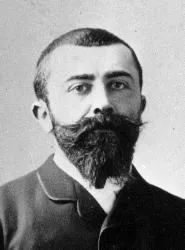
This paper marks the beginning of Pasteur’s studies on rabies. English translation in R. Suzor, Hydrophobia: An account of M. Pasteur’s system…London, 1887.
1927 CE
#2346
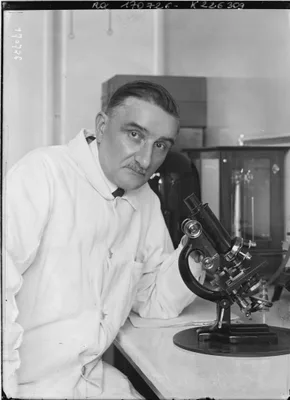
Sur la vaccination préventive des enfants nouveau-nés contre la tuberculose par le B.C.G.
1882 CE
#2497
Sur les colorations bleue et verte des linges à pansements.
Isolation of Pseudomonas aeruginosa (Ps. pyocyanea).
1888 CE
#5090.1
Sur les microbes de la dysentérie épidémique.
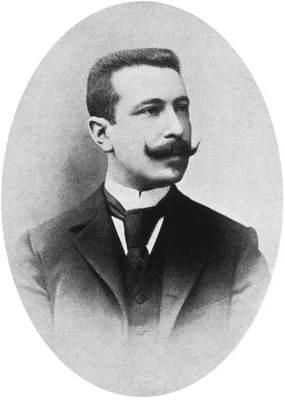
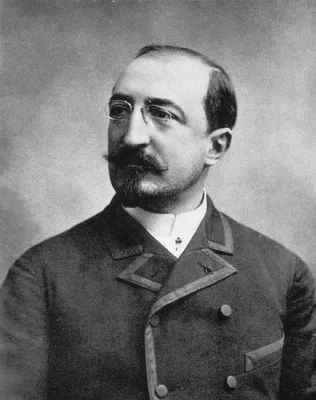
The dysentery bacillus was isolated by Chantemesse and Widal, although they failed to establish its etiological relationship to the disease.
1890 CE
#12303
Sur les organisms de la nitrification.
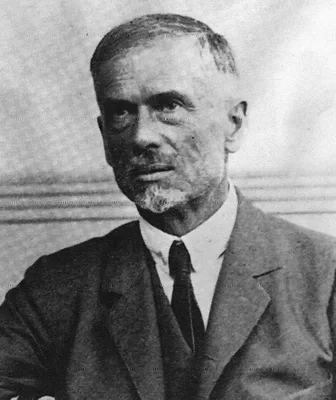
In his research on nitrifying bacteria Winogradsky discovered the first known form of chemoautotrophy in which organisms obtain energy by oxidation of electron donors in their environments without the intervention of …
1884 CE
#2498.1
Sur un filtre donnant de l’eau physiologiquement pure.
Chamberland filter, an unglazed porcelain bar with pores smaller than bacteria, enabled the earliest distinction between viruses and bacteria and led in 1898 to the re-introduction of the Latin word "virus" with the i…
1889 CE
#5157
Sur un moyen de diagnostic rapide de la morve.
Straus reaction for the diagnosis of glanders.
1925 CE
#11479
Sur un remarquable example d'antogonisme entre deux souches de colibacille.
Discovery of bacteriocins. Gratia called his discovery a colicine because bacteriocins killed E. coli.
1770 CE
#5336.2
Sur un ver trouvé sous la conjunctive, à Maribou, isle Saint-Domingue.
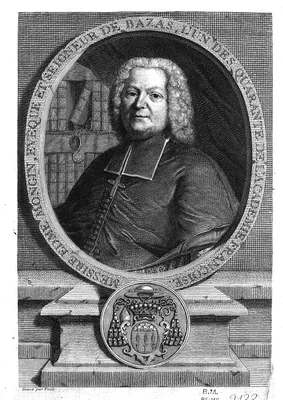
First description of the worm Loa loa. Mongin was a French surgeon working in the West Indies. English translation in Kean (No. 2268.1).
1842 CE
#4034
Sur une espèce de mentagre contagieuse résultant du développement d’un nouveau cryptogame dans la racine des poils de la barbe de l’homme.
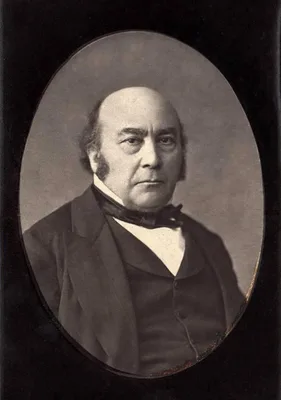
First accurate description of Trichophyton mentagrophytes, the fungus responsible for sycosis barbae. English translation of this and Gruby’s other five papers read to l’Académie des Sciences in Zak…
1883 CE
#2498
Sur une forme de tuberculose sans bacilles.
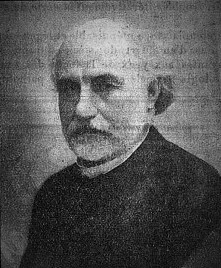

Isolation of Pasteurella pseudotuberculosis.
1908 CE
#5534
Sur une infection à corps de Leishman (ou organismes voisins) du gondi.
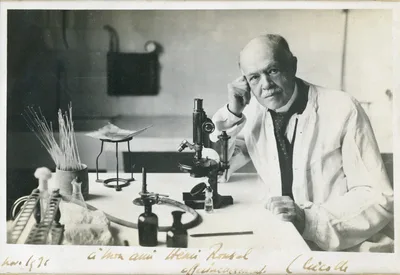
Toxoplasma described. English translation in Kean (No. 2268.1).
1917 CE
#2572
Sur une microbe invisible antagoniste des bacilles dysentérique.
d'Herrelle discovered a microbe-eating virus that he called "bacteriophage." He made his discovery independently of the work of Frederick Twort, which was published two years earlier. (See No. 2571).
1937 CE
#5329
Sur une nouvelle fièvre par morsure de rat.
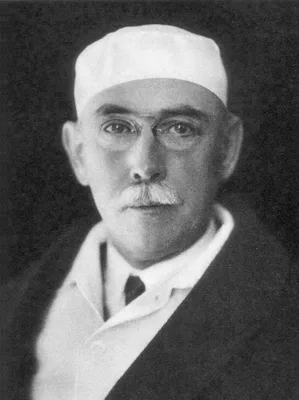
A. Lemierre, J. Reilly, A. Laporte, and M. Morin isolated Streptobacillus moniliformis from a case of rat-bite fever.
1904 CE
#4004
Surla radiothérapie des teignes.
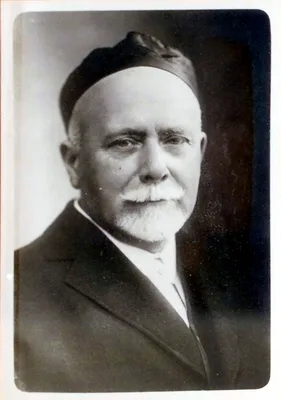
Sabouraud’s method of radiological treatment of ringworm.
1931 CE
#5493
Swine influenza. III. Filtration experiments and etiology.
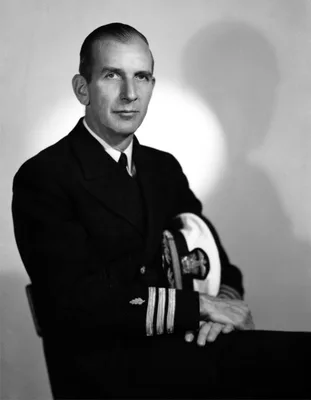
Isolation in pigs of influenzavirus A or influenza A virus. Full text available from PubMedCentral at this link.
1993 CE
#11932
Syndrome of Rochalimea henselae adenitis suggesting cat scratch disease.
Order of authorship in the original publication: Dolan, Wong, Regnery....The authors demonstrated that Rochalimea henselae (now Bartonella henselae) is the infectious agent causing cat scratch fever. (Thanks to Juan W…
2004 CE
#12836
Synthetic mammalian prions.

The authors modified Koch's Postulates within the context of prion disease. To do so the followed these steps: 1) They created recombinant mouse prion proteins in an E. coli and polymerized them. 2) They proved that t…
1821 CE–1832 CE
#10167
Systema mycologicum: Sistens fungorum ordines, genera et species, huc usque cognitas, quas ad normam methodi naturalis determinavit. 3 vols.
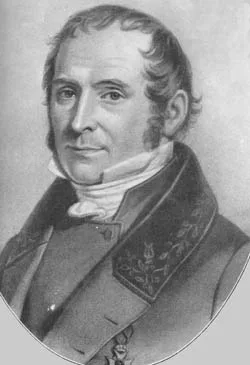
Fries's work represents the beginning of mycological nomenclature. Digital facsimile from Biodiversity Heritage Library at this link.
2018 CE
#11461
Temporal development of the gut microbiome in early childhood from the TEDDY study.
Order of authorship in the original publication: Stewart, Ajami, O'Brien....This study confirmed that "breastfeeding was associated with higher levels of Bididofacterium species" (a very desirable organism), and that …
2016 CE
#10941
The 3.8Å resolution cryo-EM structure of Zika Virus.
Order of authorship in the original paper: Sirohi, Rossmann, Kuhn. Using cryogenic-electron microscopy (cryo-EM), the authors presented the molecular structure of the Zika virus at 3.8Å resolution. Digital facsi…
1941 CE
#2578
The absorption of influenza virus by red cells and a new in vitro method of measuring antibodies for influenza virus.
Independently of Hirst, McClelland and Hare discovered virus hemagglutination.
1904 CE
#5349.1
The aetiology of a parasitic disease (in Japanese)
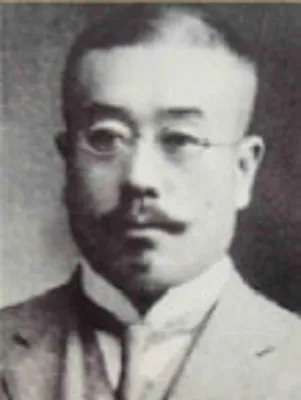
First description of Schistosoma japonicum. Translation in Kean (No. 2368.1), p. 518.
1925 CE
#2647
The aetiology of malignant new growths.
Gye advanced the theory that an ultramicroscopic virus combined with an intrinsic chemical factor were concerned in the production of the Rous sarcoma.
1990 CE
#11929
The agent of bacillary angiomatosis - An approach to the identification of uncultured pathogens.


To identify an uncultured and unidentified pathogen that was often visualized in tissue sections of lesions of bacillary angiomatosis with Warthin-Starry staining, the authors utilized two different techniques that we…
1941 CE
#2577
The agglutination of red cells by allantoic fluid of chick embryos infected with influenza virus.
Discovery of virus hemagglutination. Between 1941 and 1942 Hirst developed the hemagglutination assay for quantifying the relative concentration of viruses, bacteria or antibodies.
1919 CE
#11486
The amoebae living in man; a zoological monograph.
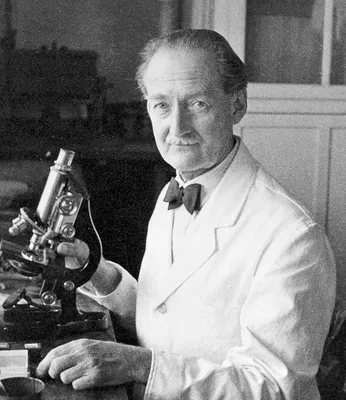
"I have attempted in this monograph to give an accurate and concise account of all the amoebae which live in human beings." Digital facsimile from Biodiversity Heritage Library at this link.
1939 CE
#2525
The anaerobic bacteria and their activities in nature and disease. A subject bibliography. 2 vols.
Supplements were published: 1938-1975, 8 vols., 1941-82.
1905 CE–1911 CE
#5365
The anatomy and life history of Agchylostoma duodenale Dub. A. monograph. 2 pts.
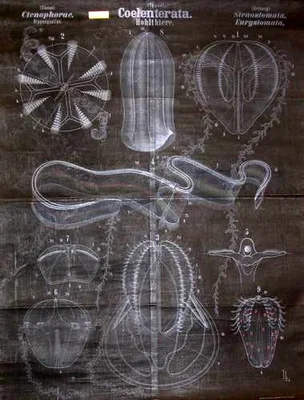
Vols. 3 and 4 of Records of the School of Medicine, Cairo. In 1898 Looss discovered that hookworm larvae can penetrate the skin. His monograph epitomized all knowledge of the condition to 1911.
2020 CE
#11868
The arms race between bacteria and their phage foes.

Order of authorship in the original publication: Hampton, Watson, Fineran. Summarizes, and documents with 173 references, the extensive research on the multitude of methods that bacteriophages use to disable the CRISP…
1985 CE
#11377
The association between idiopathic hemolytic uremic syndrome and infection by Verotoxin-producing Escherichia coli.
Order of authorship in the original publication: Karmali, Petric, Lim. The authors discovered that a hemolytic uremic syndrome, associated with E. coli 0157-H7 (first described in No. 11376), and which could not be cu…
1917 CE
#4648
The Australian epidemics of an acute polio-encephalomyelitis (X disease).
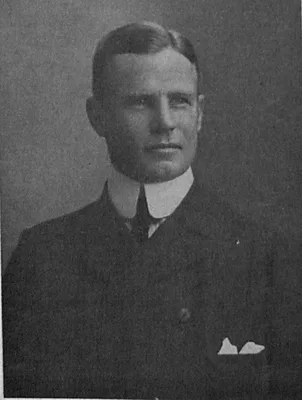
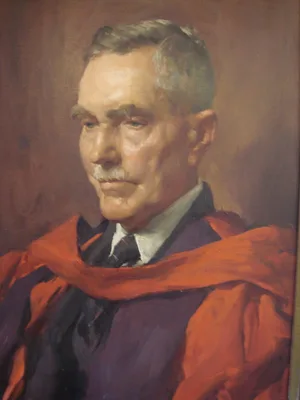
Campbell was Australia's first neurologist. This paper described Murray Valley encephalitis (Australian X disease). Cleland and Campbell isolated a virus from the cerebral tissue of three patients.
1886 CE
#5930
The bacillus of acute conjunctival catarrh or “pink eye”.
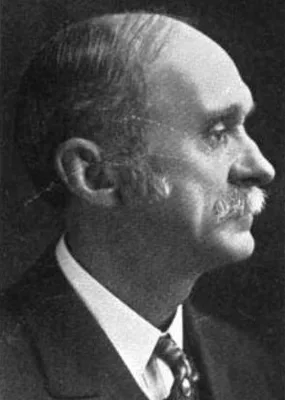
In 1883 Koch discovered the bacilli of two different forms of infectious conjunctivitis (Egyptian ophthalmia); in 1886. Weeks discovered the same organism to be the cause of “pink-eye”. The organism has be…
1886 CE
#2505
The bacterium of swine-plague.
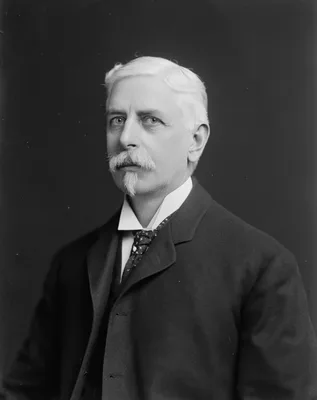
Discovery of Salmonella choleraesuis. The Salmonellae tribe was named after Salmon, even though the discovery was made by Smith. See Bibel, Milestones in immunology (1988) 31-32.
1931 CE
#5352
The bibliography of schistosomiasis (bilharziasis).
1916 CE
#5326
The cause of rat-bite fever.
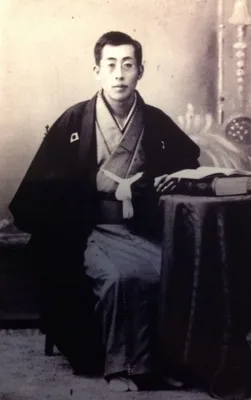
K. Futaki, I. Takaki, T. Taniguchi, and S. Osumi found a spirillum (Sp. morsus muris) in the lymphatic glands and blood stream in cases of rat-bite fever (sodoku).
1939 CE–2015 CE
#12964