
Facets
Browse across eight MeSH (opens in new tab) facets — era, geography, science, specialty, technology, history, culture, and reference. Select one tag per group; counts update across the others.
Clear filtersFacet filters
Geography
Specialties & Disease
- Anatomy & Pathology 765
- Cardiology & Blood 914
- Neurology & Psychiatry 1,256
- Obstetrics & Reproductive 550
- Infectious Disease (General) 147
- Surgery & Anesthesia 1,551
- Public Health 1,129
- Immunology & Dermatology 1,404
- General Clinical Medicine 480
- Military Medicine 436
- Psychology 202
- Alternative & Fringe Medicine 383
- Pediatrics 247
- Ophthalmology & Vision 412
- ENT & Hearing 293
- Urology & Nephrology 309
- Gastroenterology & Hepatology 316
- Pulmonary & Respiratory 233
- Rheumatology, Rehab & Pain 188
- Internal, Emergency & Geriatric 123
- Veterinary Medicine 165
- Epidemiology & Demography 397
- Physiology & Embryology 923
- Dentistry 259
- Plagues & Epidemics 1,279
- Microbiology & Virology 1,080
Social & Historical Studies
Institutions & Culture
Reference & Scholarly Works
1,404 entries match Immunology & Dermatology [C19 / C20 / C17]
1823 CE
#3881
Observations sur les maladies de l’appendice sus-sphenoïdal (glande pituitaire) du cerveau.
Includes description of pituitary obesity.
1614 CE
#3789
Observationum in hominis affectibus plerisque, corpori & animo, functionum laesione, dolore, aliave molestia & vitio incommodantibus, libri tres.
First known report of a case of death from hypertrophy of the thymus, in an infant, is reported on p. 172; it is reproduced on p. 239 of J. Ruhräh’s Pediatrics of the past, New York, 1925. Platter first des…
1685 CE
#5373
Observationum medicarum Castrensium Hungaricarum.
Pp. 49-51: Cober, a German physician, reported the relationship between typhus and pediculosis.
1948 CE
#2135.1
Occupational marks and other physical signs. A guide to personal identification.
Calluses, other dermatological and physical signs of professions and occupations illustrated and described, with an annotated bibliography that includes some historical references.
1938 CE
#3800
Oestrogenic activity of alkylated stilboestrols.
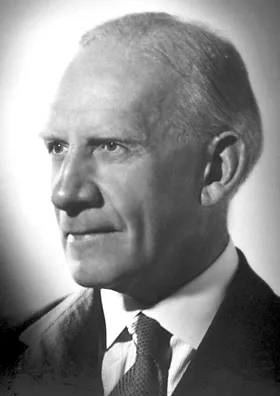
Introduction of dienoestrol. With L. Gol[d]berg, W. Lawson.
1938 CE
#3801
Oestrogenic activity of anol; a highly active phenol isolated from the byproducts.

Isolation of hexoestrol. With E. C. Dodds and W. Lawson.
1818 CE
#10069
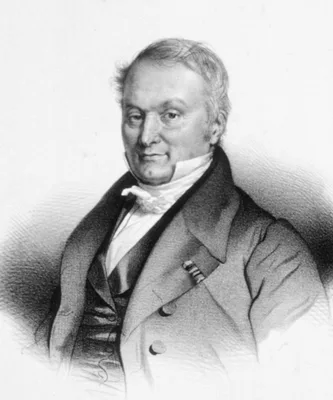
Oeuvres complètes de Bordeu, précédés d'une notice sur sa vie et sur ses ouvrages, par M. le Chevalier Richerand. 2 vols.
1922 CE–1939 CE
#83
Œuvres de Pasteur, réunies par Pasteur Vallery-Radot. 7 vols.
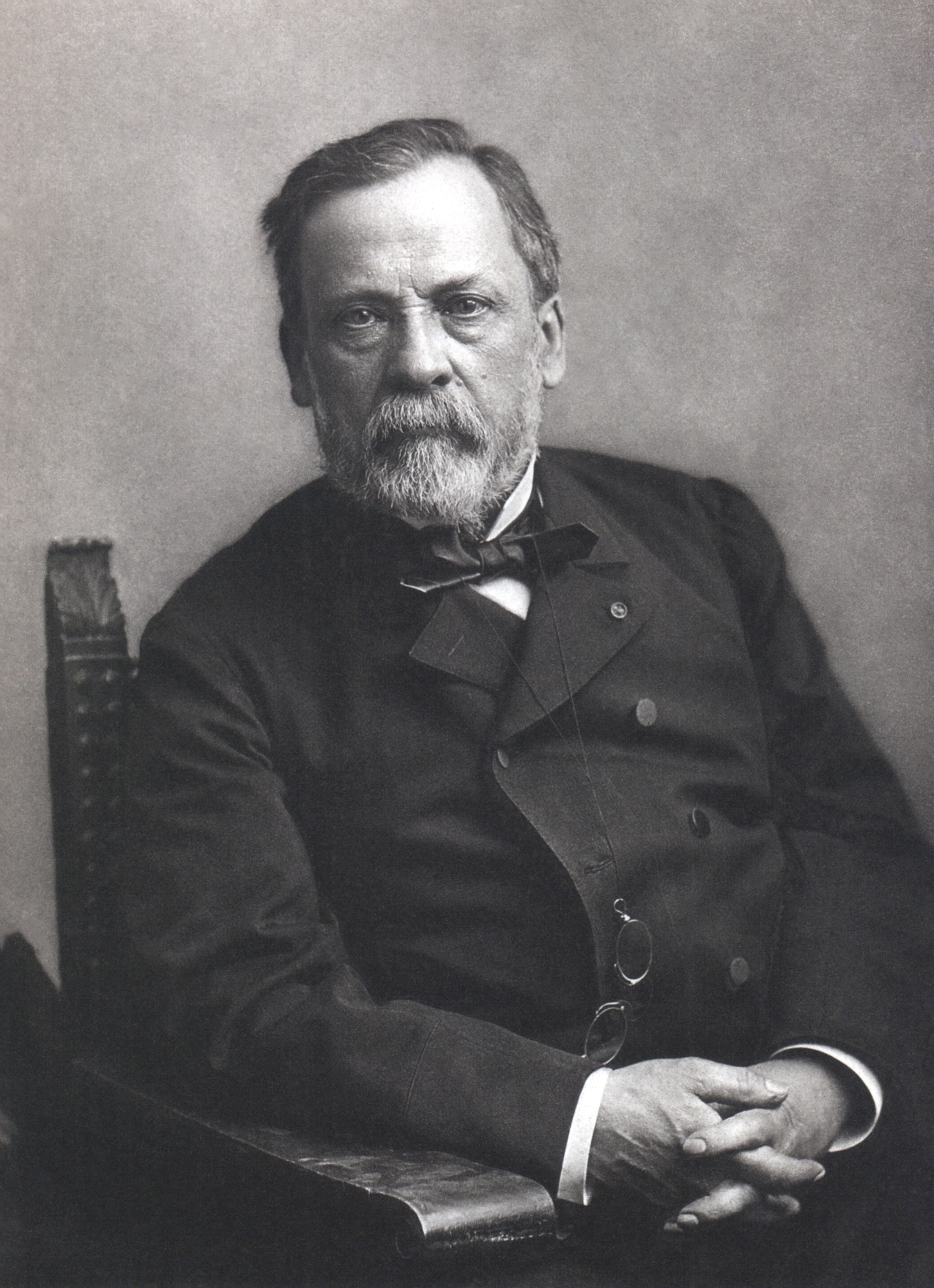
One of the founders of bacteriology, Pasteur's work on fermentation, the doctrine of spontaneous generation (which he exploded), virus diseases and preventive vaccinations, was fundamental. Digital facsimile of the co…
1828 CE
#2583
Of the catarrhus aestivus, or summer catarrh.
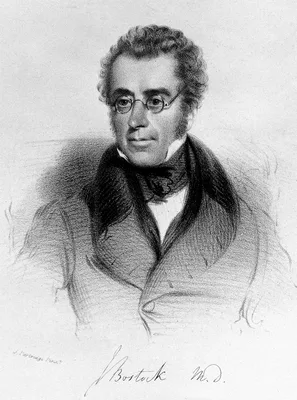
On the history and aetiology of hay fever.
1881 CE
#3474
Offenes Schreiben an Herrn Dr. L. Wittelshöfer.
First successful resection of the pylorus for cancer, the Billroth I operation.
1842 CE
#4033
Om den spedalske sygdom. Elephantiasis graecorum.
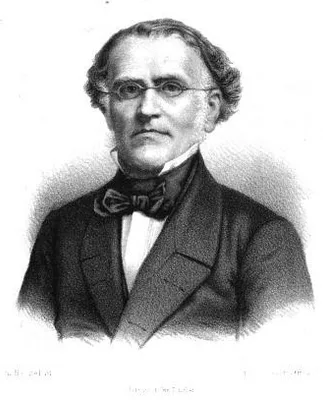
Boeck, eminent Norwegian dermatologist and syphilologist, was the first to describe Norwegian itch, scabies crustosa (“Boeck’s scabies”).
1880 CE
#1127
Om en ny körtel hos menniskan och atskilliga däggdjur.
Remak, Owen, and Virchow had previously noted the presence of what may have been parathyroids; the first systematic account of them was given by Sandström. An English translation of this paper appeared in Bull. I…
1852 CE
#2615
Om epithelioma, en særegen Svulst, som man hidtil i Almindelighed har anseet for Kræft.
Hannover coined the word “epithelioma.” He did not recognize its malignant character but maintained that metastases were produced by cancer cells arriving by way of the blood stream. Translated into German…
1892 CE
#3502
Om extra-abdominal Behandlung af cancer intestinalis (rectum derfra undtaget) med en Fremstilling af de for denne Sygdom foretagne Operationer og deres Resultater.
Bloch was first to employ the two-stage (Mikulicz) operation for cancer of the colon. See also No. 3527.
1904 CE–1905 CE
#2631
Om Röntgenbehandling af maligna svulster.
SeeNo. 2624.
1904 CE
#2630
Om Röntgenbehandling af sarkom.
1847 CE
#2434
Om spedalskhed. Udgivet efter Foranstaltning af den Kongelige Norske Regjerings Department for det Indre. 1 vol. and atlas.
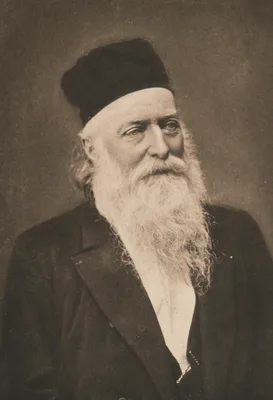
First modern description of leprosy (“Danielssen-Boeck disease’’). Danielssen, physician to the leprosy hospital at Bergen, was the founder of scientific leprology. The extremely rare Atlas consists …
1851 CE
#4041
On a certain affection of the skin, vitiligoidea: α Plana, β tuberosa.
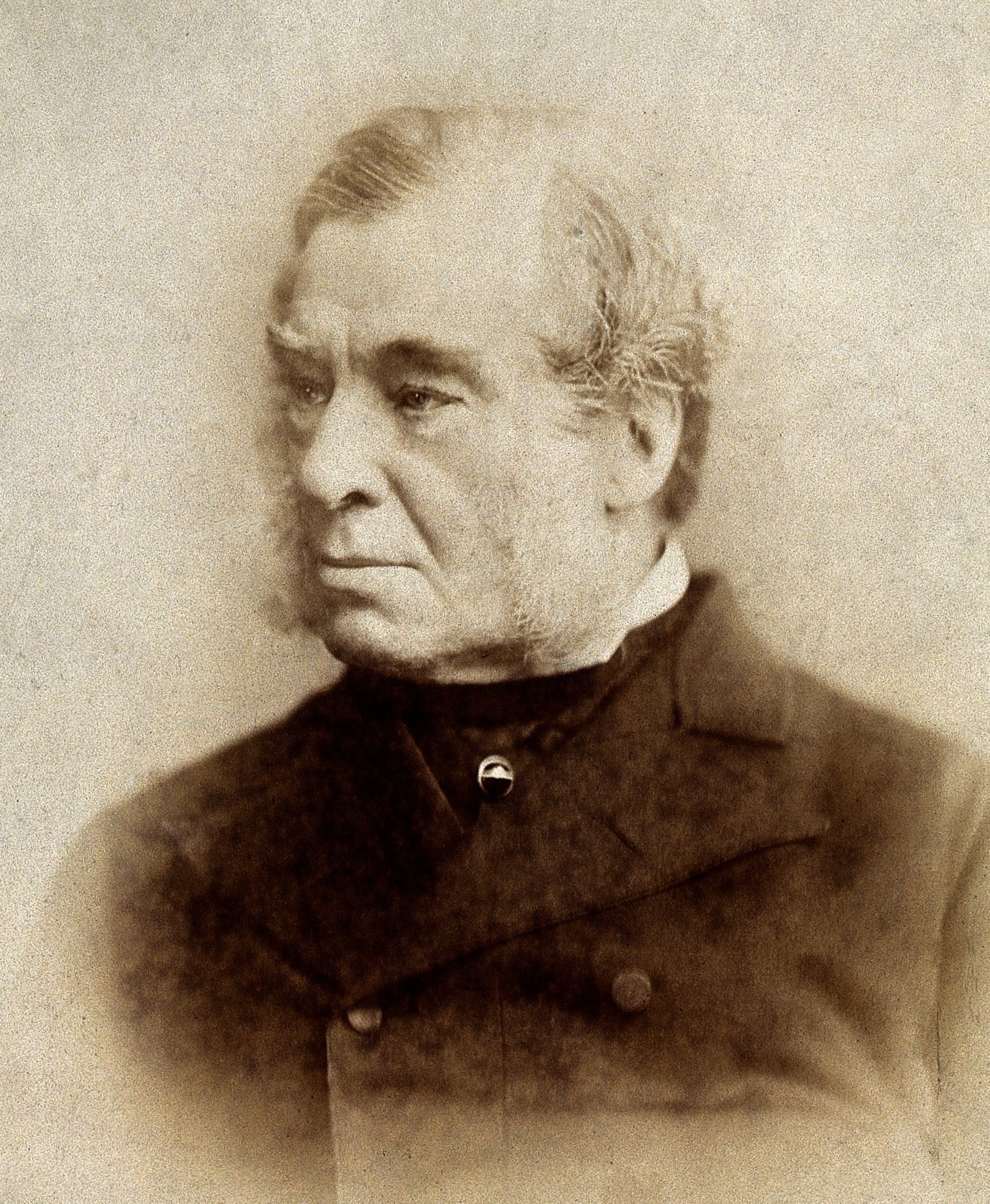
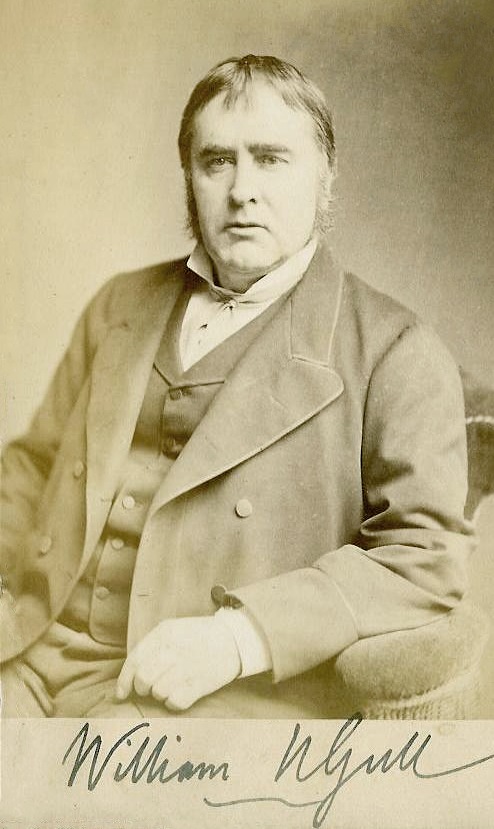
In their classic account of xanthoma multiplex, Addison and Gull believed they were describing a new disease, but Rayer had been the first to mention it. (See No. 3989; see also the later paper by Gull, Guy’s Ho…
1897 CE
#3792
On a condition of mixed premature and immature development.
Hastings Gilford gave progeria its name; it was first fully reported by him in Practitioner, 1904, 73, 188-217. Digital facsimile of the 1897 paper from PubMedCentral at this link.
1873 CE–1874 CE
#3823
On a cretinoid state supervening in adult life in women.
Gull was among the first to point out the cause of myxedema, of which the above paper gives a classic description. Gull was associated with Guy’s Hospital, London, for most of his life.
1869 CE
#4058
On a diseased condition of the hairs of the axilla, probably of parasitic origin.
Tinea nodosa (trichorrhexis nodosa, “Paxton’s disease”) first described.
1901 CE
#2711
On a family form of recurring epistaxis, associated with multiple telangiectases of the skin and mucous membranes.
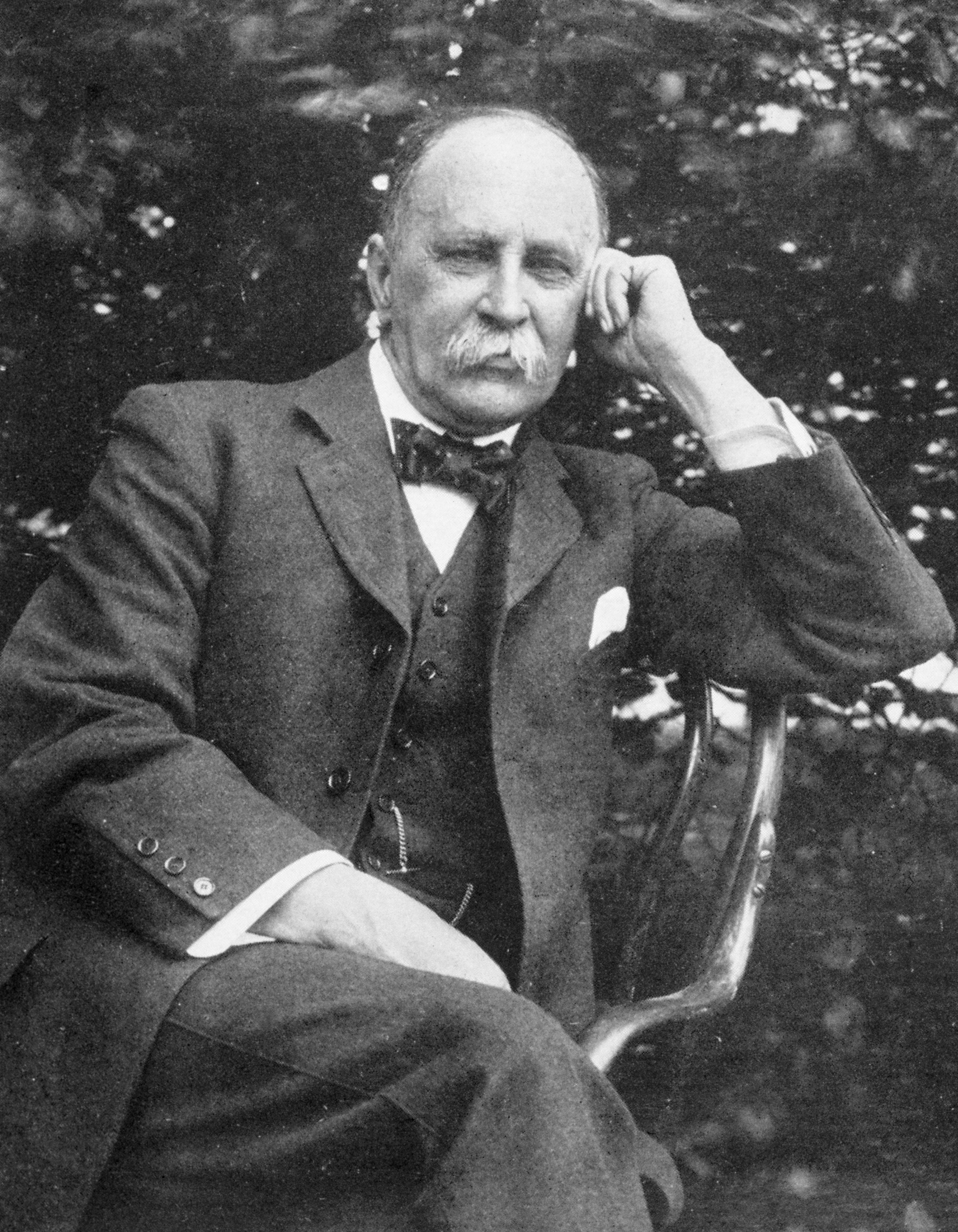
“Rendu–Osler–Weber disease.” Multiple hereditary telangiectasis was first described by Legg (No. 2707) in 1876 and later by Rendu (No. 2710) and Weber (No. 2714). Reprinted in Medical Classics,…
1845 CE
#412
On a hitherto undescribed structure in the human hair sheath.
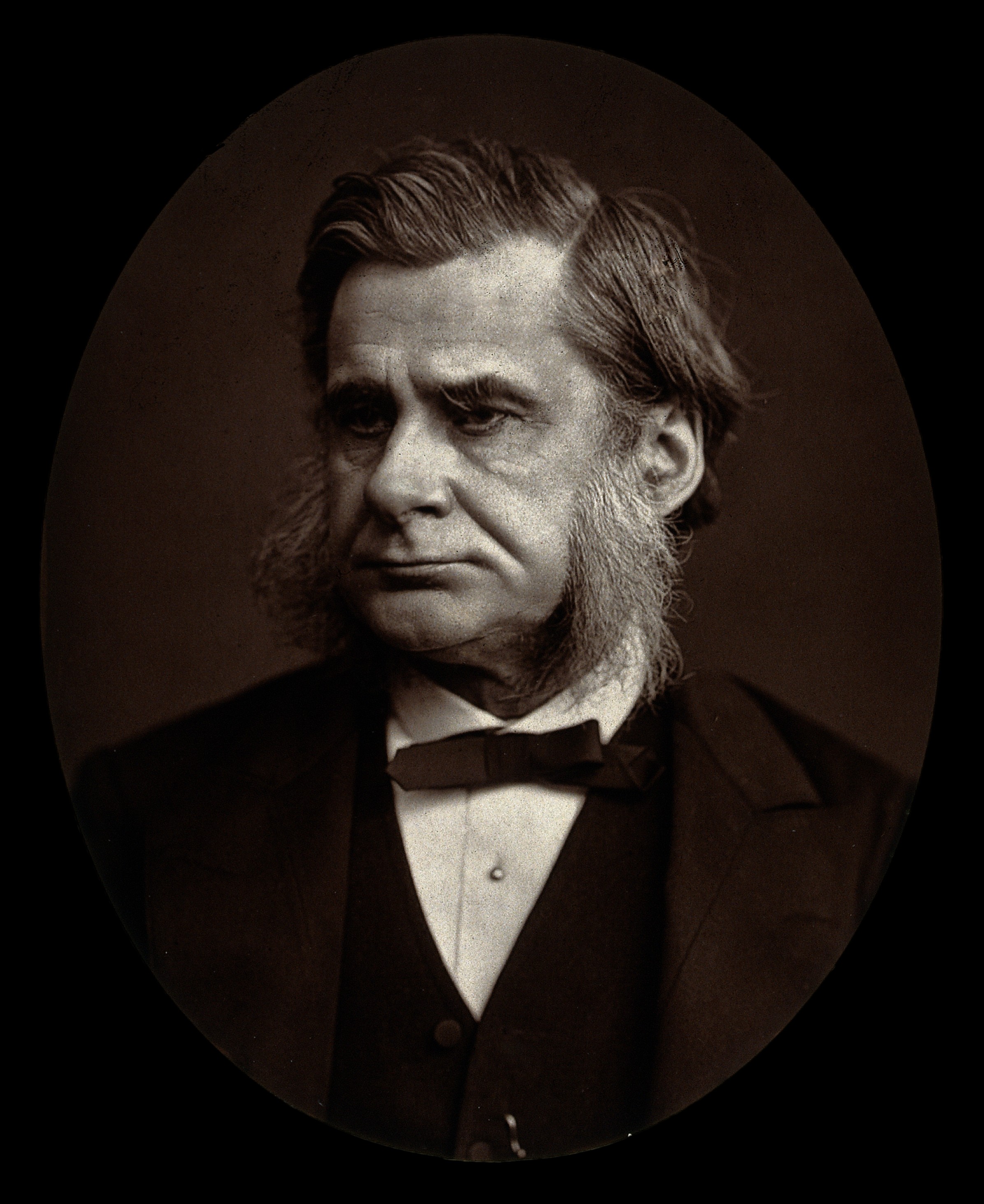
“Huxley’s layer” and “membrane” of the root sheath of hair follicles.
1861 CE
#4047
On a new and striking form of fungus disease, principally affecting the foot, and prevailing endemically in many parts of India.
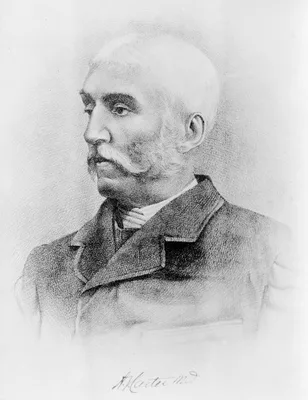
First modern description of mycetoma of the foot – “Madura foot”, “Carter’s mycetoma”. It was mentioned by E. Kaempfer in his Amoenitates exoticae, Lemgo, 1712, p. 561. Colebrook at…
1884 CE–1886 CE
#2539
On a new method of producing immunity from contagious diseases.
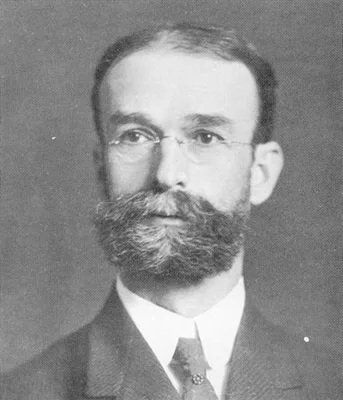
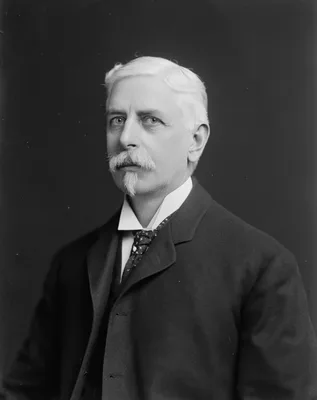
Smith found that dead virus can induce immunity against the living virulent virus. Although Smith made the discovery on his own, his supervisor, D.E. Salmon, usurped credit. See Bibel, Milestones in immunology (1988) …
1875 CE–1876 CE
#4069
On a rare case of idiopathic localized or partial atrophy of the skin.
First description of the condition called by Herxheimer and Hartmann in 1902 “acrodermatitis chronica atrophicans”, and known eponymically as “Taylor’s disease”.
1807 CE–1808 CE
#4020
On an eruptive disease of children.
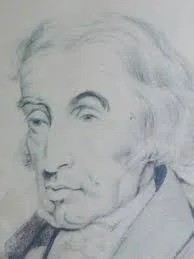
First description of ecthyma terebrans, “pemphigus gangrenosa”.
1860 CE
#2586
On asthma: its pathology and treatment.
The best work on asthma to appear during the 19th century. Salter, who had suffered from asthma from childhood, may be considered the first modern student of the condition. He called special attention to asthma from a…
1911 CE
#3319.1
On certain clinically obscure malignant tumours of the naso-pharyngeal wall.
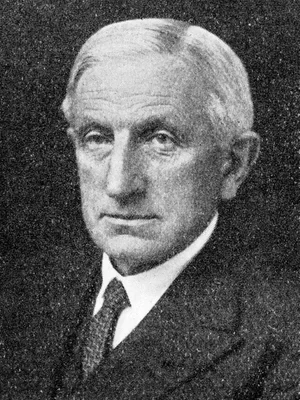
“Trotter’s syndrome”; deafness, palatal paralysis, and facial neuralgia, usually due to a nasopharyngeal carcinoma.
1796 CE–1808 CE
#3985
On cutaneous diseases. Vol. 1 [All published].
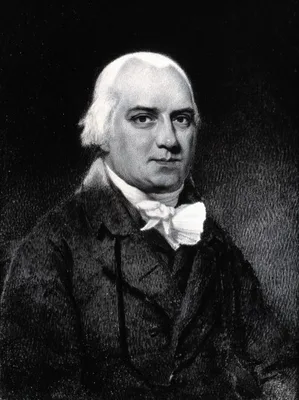
Modern dermatology may be said to start with Willan. His classification of skin diseases gained him the Fothergillian Medal of the Medical Society of London in 1790. He established a standard nomenclature which is sti…
1870 CE
#4061
On dermatitis exfoliativa.
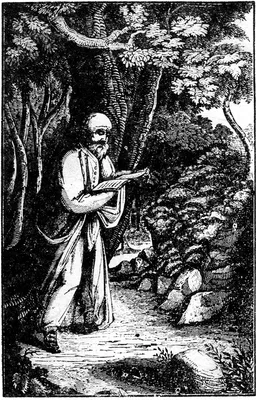
Although Hippocrates mentioned this condition, Erasmus Wilson first named it and described it as we know it today. It has been called “Wilson’s disease”; an eponym discarded since its use to describe…
1874 CE
#5772
On disease of the mammary areola preceding cancer of the mammary gland.
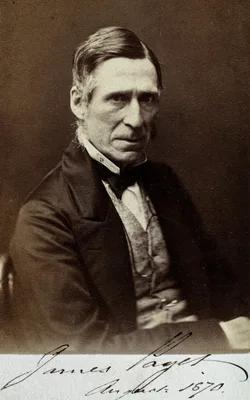
First description of “Paget’s disease of the nipple” –eczema of the nipple with cancer. The paper is reprinted in Med. Classics, 1936, 1, 75-78. Paget was Sergeant Surgeon to Queen Victoria, an…
1873 CE
#4065
On dysidrosis (an undescribed eruption).
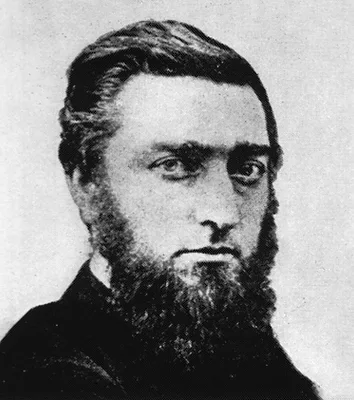
Original description of dysidrosis (pompholyx).
1876 CE–1877 CE
#4070
On giant urticaria.
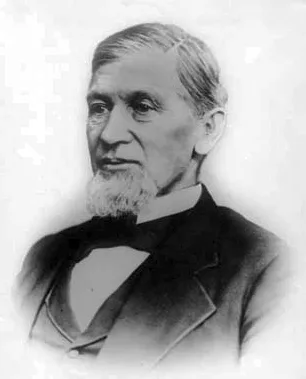
Although Quincke described angioneurotic edema with great precision and has given his name to it (“Quincke’s disease”, “Quincke’s edema”), Milton first noted it, calling it “g…
1864 CE
#4055
On impetigo contagiosa, or porrigo.
“Impetigo of Tilbury Fox”, impetigo contagiosa, first described.
1869 CE
#2678
On markings of furrows on the nails as the result of illness.
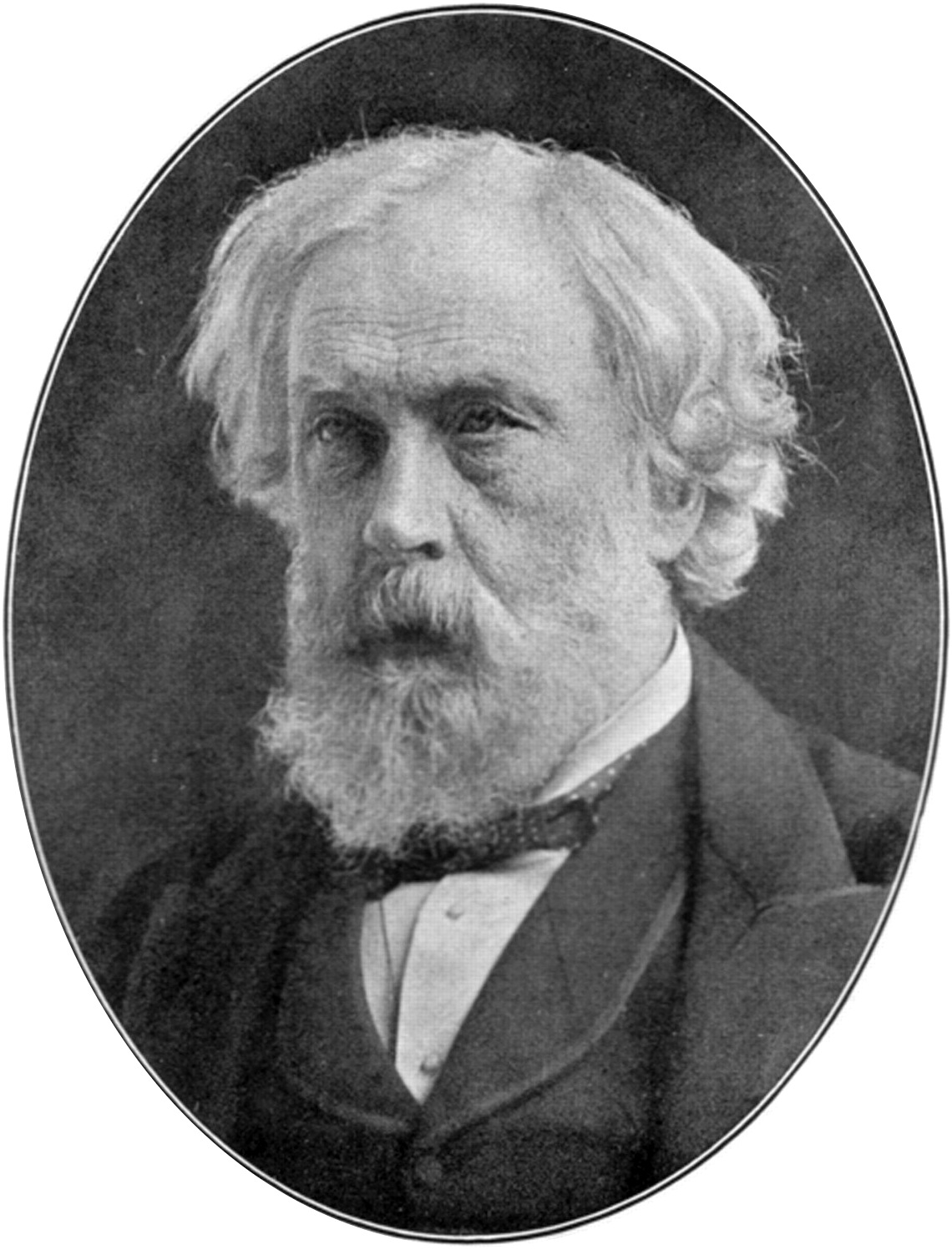
1873 CE
#2587
On megrim, sick-headache, and some allied disorders.
Liveing’s classic account of migraine showed the close association of this condition with tetany, asthma, and false angina pectoris, with epilepsy, and the alternation of all these conditions in the same subject…
1874 CE
#4066
On mycetoma, or the fungus disease of India.
See No. 4047.
1878 CE
#3825
On myxoedema.
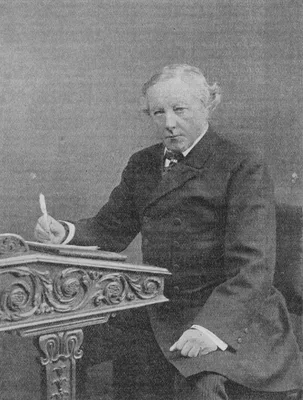
Ord coined the term “myxedema” for the condition noted earlier by Curling and Gull.
1898 CE
#4127
On refractory subcutaneous abscesses caused by a fungus possibly related to the sporotricha.
Schenck first described a form of sporotrichosis, due to a pathogenic fungus, which later became known as Sporotrichum beurmanni, after more thorough studies upon it by de Beurmann in 1903.
1832 CE
#3762
On some morbid appearances of the absorbent glands and spleen.
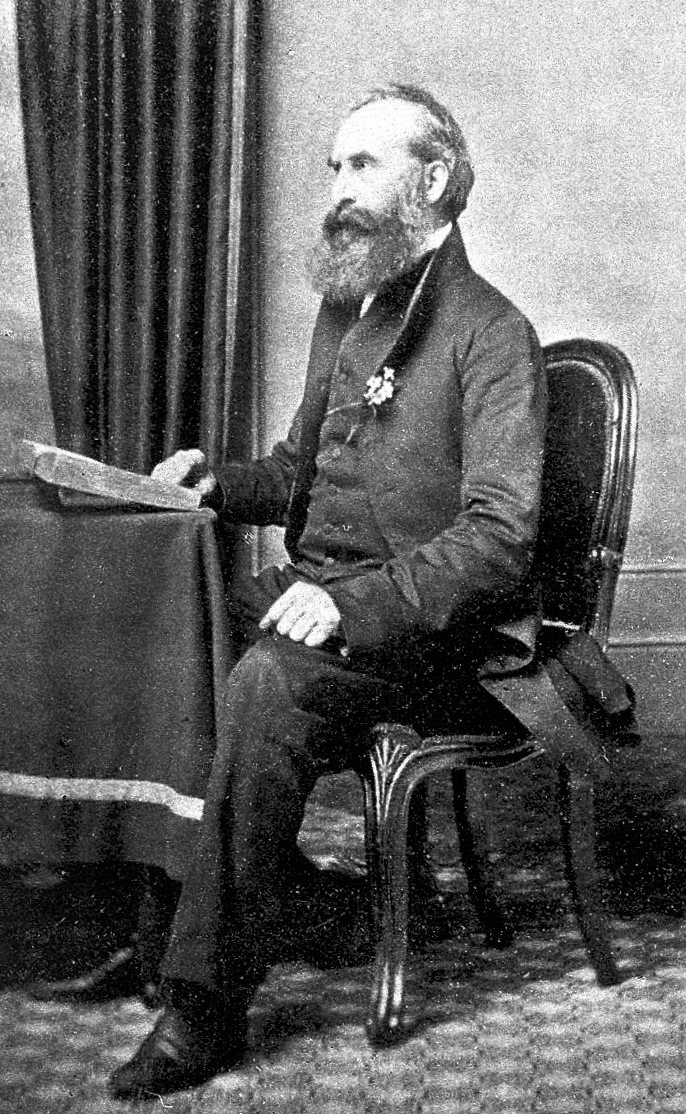
First full description of lymphadenoma, which Wilks in 1865 referred to as “Hodgkin’s disease”. This is more typically designated as Hodgkin's lymphoma. In 1666 Malpighi had vaguely outlined the cond…
1891 CE
#1178
On spermin.
Isolation of spermin from the testis.
1871 CE
#3822
On sporadic cretinism.
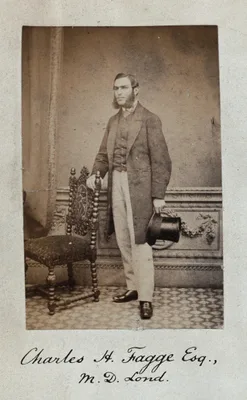
In this paper Fagge, nephew of John Hilton of Guy’s Hospital, described sporadic cretinism as distinct from the endemic variety.
1907 CE
#3868
On suprarenal sarcoma in children with metastases in the skull.
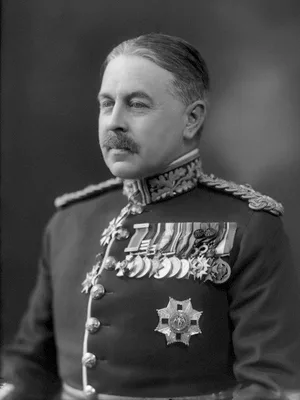
Hutchison’s tumors.
1852 CE
#1126.1
On the anatomy of the Indian rhinoceros (Rh. unicornis L.).
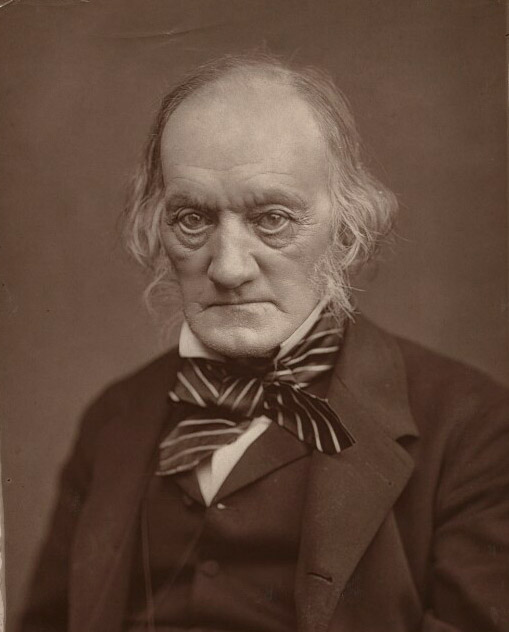
Owen was the first to describe the parathyroids, which he observed in his dissection of a Great Indian Rhinoceros that had lived at the Zoological Society of London from 1834 to 1849. See B. Modarai, A. Sawyer, & H. E…
1897 CE
#1144
On the blood-pressure-raising constituent of the suprarenal capsule.
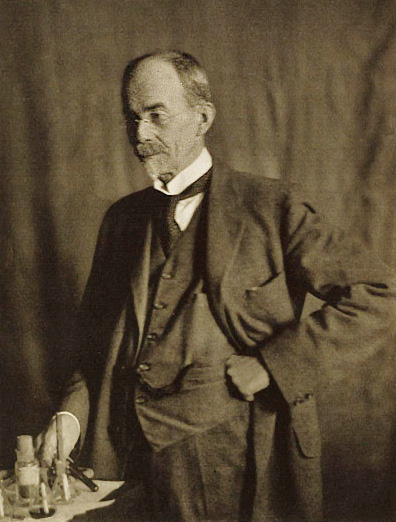
Abel and Crawford further investigated the pressor substance of Oliver and Schäfer calling it “epinephrine”.
1855 CE
#3864
On the constitutional and local effects of disease of the supra-renal capsules.
Addison was the first to draw attention to the importance of the adrenals in clinical medicine. The above work first appeared in the Lond. med. Gaz., 1849, 43, 517-18, and was later expanded into book form. It describ…
1867 CE
#1996.3
On the electrolytic treatment of tumors, and other surgical diseases.
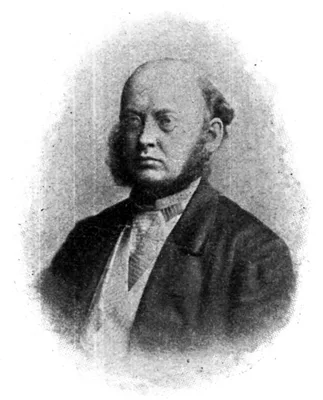
Althaus introduced Duchenne’s methods into England. He was the first to employ electrolysis for medical purposes. Greatly expanded third edition, 1873.
1884 CE–1885 CE
#1128
On the function of the Thyroid gland.
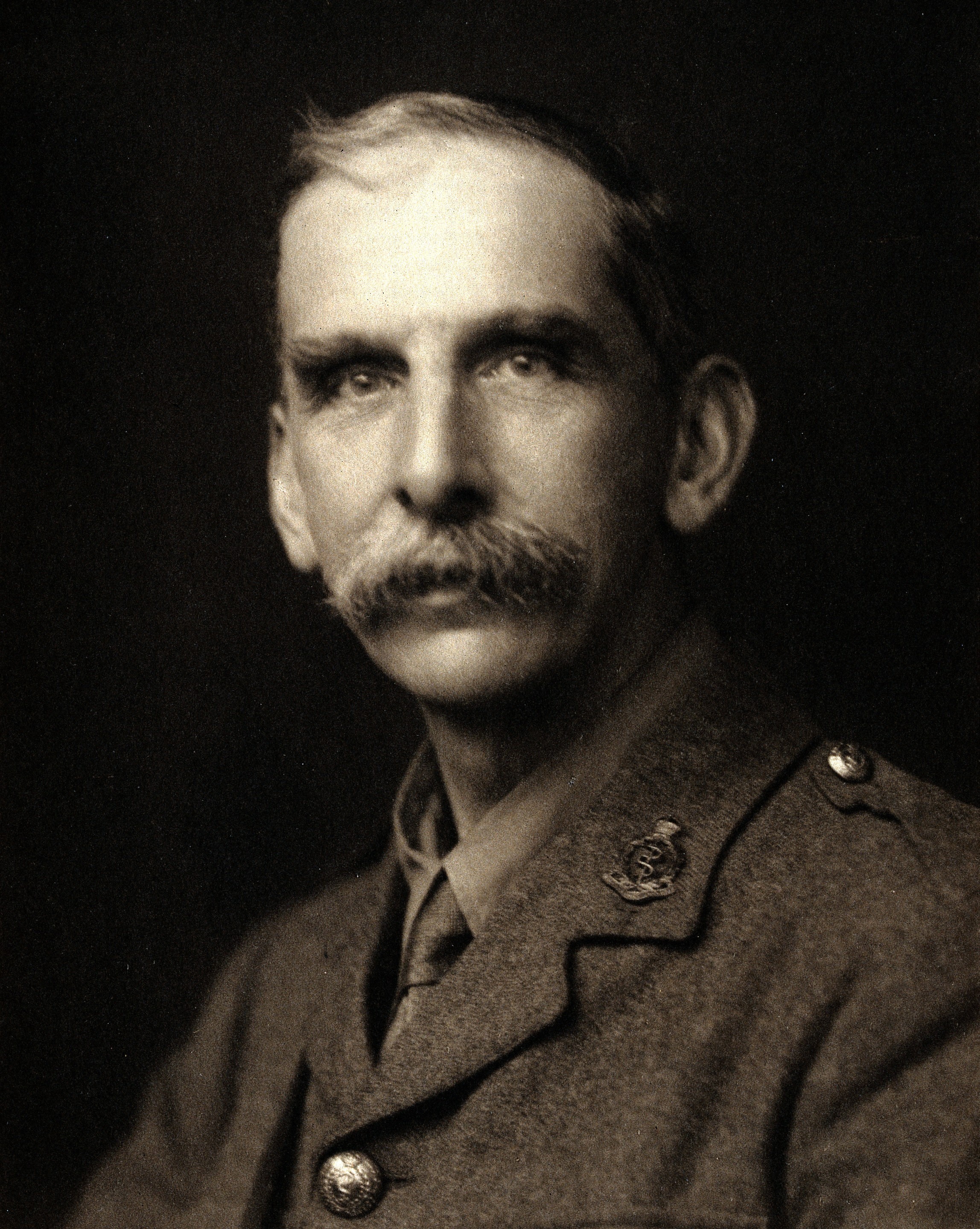
From his experimental work Horsley produced evidence to support the view that myxoedema, cretinism and operative cachexia strumpriva are all due to thyroid deficiency.
1867 CE
#2619
On the influence of inadequate operations on the theory of cancer.
Modern surgical treatment of cancer is based upon principles laid down by Moore. For cancer of the breast he showed that recurrence was not due to the development of an entirely new tumor because of constitutional sus…