
Facets
Browse across eight MeSH (opens in new tab) facets — era, geography, science, specialty, technology, history, culture, and reference. Select one tag per group; counts update across the others.
Clear filtersFacet filters
Geography
Specialties & Disease
- Anatomy & Pathology 765
- Cardiology & Blood 914
- Neurology & Psychiatry 1,256
- Obstetrics & Reproductive 550
- Infectious Disease (General) 147
- Surgery & Anesthesia 1,551
- Public Health 1,129
- Immunology & Dermatology 1,404
- General Clinical Medicine 480
- Military Medicine 436
- Psychology 202
- Alternative & Fringe Medicine 383
- Pediatrics 247
- Ophthalmology & Vision 412
- ENT & Hearing 293
- Urology & Nephrology 309
- Gastroenterology & Hepatology 316
- Pulmonary & Respiratory 233
- Rheumatology, Rehab & Pain 188
- Internal, Emergency & Geriatric 123
- Veterinary Medicine 165
- Epidemiology & Demography 397
- Physiology & Embryology 923
- Dentistry 259
- Plagues & Epidemics 1,279
- Microbiology & Virology 1,080
Social & Historical Studies
Institutions & Culture
Reference & Scholarly Works
1,404 entries match Immunology & Dermatology [C19 / C20 / C17]
1642 CE
#534.53
Monstrorum historia cum Paralipomenis historiae omnium animalium Bartholomaeus Ambrosinus… volumen composuit.
Aldrovandi assembled a large collection of specimens and notes on monsters which were published posthumously by Ambrosini, who added a number of personally observed cases. Those included the first detailed description…
1609 CE
#7819
Monstrorum historia memorabilis, monstrosa humanorum partuum miracula, stupendis conformationum formulis ab utero materno enata, viuis exemplis, observationibus, & picturis, referens. Accessit analogicum argumentum de monstris brutis, supplementi loco ad observationes medicas Schenckianas edita.
Schenck described nearly 100 human and animal examples, illustrated with engravings by Theodor de Bry (1528-98). Most of the examples are from the 16th century. Not all the cases are teratological in the strictest sen…
1841 CE
#534.6
Monstrorum sexcentorum descriptio anatomica.
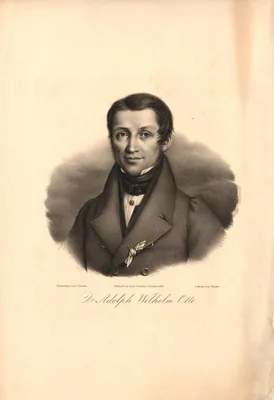
Brief but accurate descriptions of 600 human and animal specimens, with 30 outstanding plates.
1906 CE
#3959
Morphology and physiology of areas of Langerhans in some vertebrates
Lydia De Witt ligated the pancreatic ducts and obtained extracts from the islets of Langerhans in cats, noting their glycolytic qualities.
1965 CE
#7790
Mortality from cancer and other causes after radiotherapy for ankylosing spondylitis.
1899 CE
#4128
Multipelt benignt hud-sarcoid.
The syndrome of benign sarcoid (“Boeck’s sarcoid”) was first established by Boeck. English translation in J. cutan. gen.-urin. Dis., 1899, 17, 543-50. In 1940 Danbolt (Schweiz. med. Wschr., 1947, 77,…
1907 CE
#2714
Multiple hereditary developmental angiomata (telangiectases) of the skin and mucous membranes associated with recurring haemorrhages.
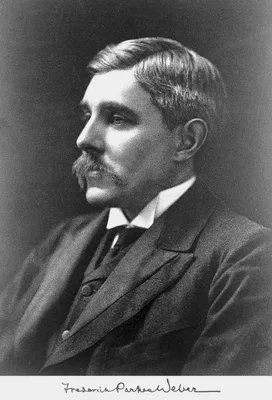
“Rendu–Osler–Weber disease.”
1907 CE
#13400
Multiple Nervenentzündung (Polyneuritis) bei Hühnern.
Marek's disease (fowl paralysis) later named by Peter Biggs, who determined that the disease was caused by Gallid alphaherpesvirus 2, and developed the first generation Marek's disease vaccine.
1971 CE
#13964
Mutation and cancer: Statistical study of retinoblastoma.
In this paper Knudson first described his "two-hit hypothesis," also known as the "Knudson hypothesis," which explains the incidence of hereditary cancers, such as retinoblastoma. "Humans inherit two copies of every g…
1939 CE
#4771
Myasthenia gravis and tumors of the thymic region. Report of a case in which the tumor was removed.
First deliberate treatment of myasthenia gravis by thymectomy, with M. F. Mason, H. J. Morgan, and S. S. Riven.
1909 CE
#5535
Mycose nouvelle: l’hémisporose. Ostéite humaine primitive du tibia due à l’Hemispora Stellata.
Hemisporosis described.
1912 CE
#3846
Myxödem und Kretinismus.
1992 CE
#11354
Naissance d'un fléau: Histoire de la lutte contre le cancer en France (1890-1940).
Translated in English by David Madell (excluding the notes) as The fight against cancer France 1890-1940. London & New York: Routledge, 2002.
1916 CE
#3902
Nanosomia pituitaria
Erdheim made important studies on the pathology of the pituitary. He gave the name “nanosomia pituitaria” to describe pituitary dwarfism. See also his paper in Ergebn. allg. Path, 1926, 21, 482.
1756 CE
#5290
Natural history of Aleppo and parts adjacent.
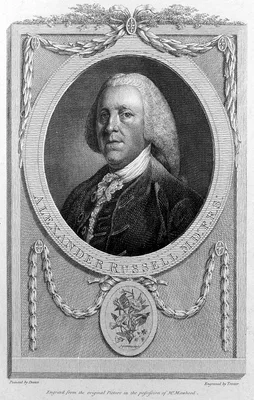
Includes (Chap, iv) a good account of “Aleppo boil”, which Russell found to be endemic in Aleppo. Digital facsimile from the Internet Archive at this link.
1919 CE
#2644
Neoplastic diseases.
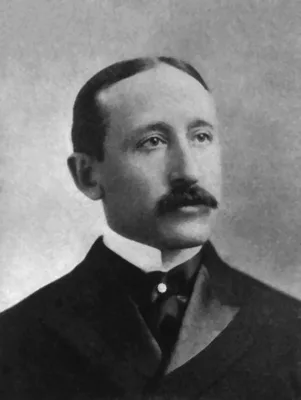
Fourth edition, 1940.
1958 CE
#2660.11
Neuartige Krebs-Chemotherapeutica aus der Gruppe der zyklischen N-Lost-Phosphamidester.
Cyclophosphamide. With F. Bourseaux and N. Brock.
1905 CE
#3958
Neue Reaktion zum Nachweis von Aceton, samt Vemerkungen über Acetonurie.
Frommer’s test for acetone in urine.
1934 CE
#1200
Neuere Ergebnisse auf dem Gebiet der Sexualhormone.
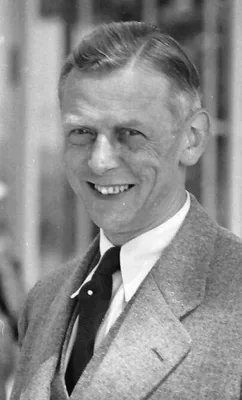
Progesterone obtained in crystalline form.
1946 CE
#10133
Nitrogen mustard therapy. Use of methyl-bis(beta-chloroethyl)amine hydrochloride and tris(beta-chloroethyl)amine hydrochloride for Hodgkin's disease, lymphosarcoma, leukemia and certain allied and miscellaneous disorders.
Widely considered the first uses of chemotherapy for the treatment of malignant diseases.
1817 CE
#12746
Nosologie naturelle, ou les maladies du corps humain distribuées par familles. Tome premier. (All published.)
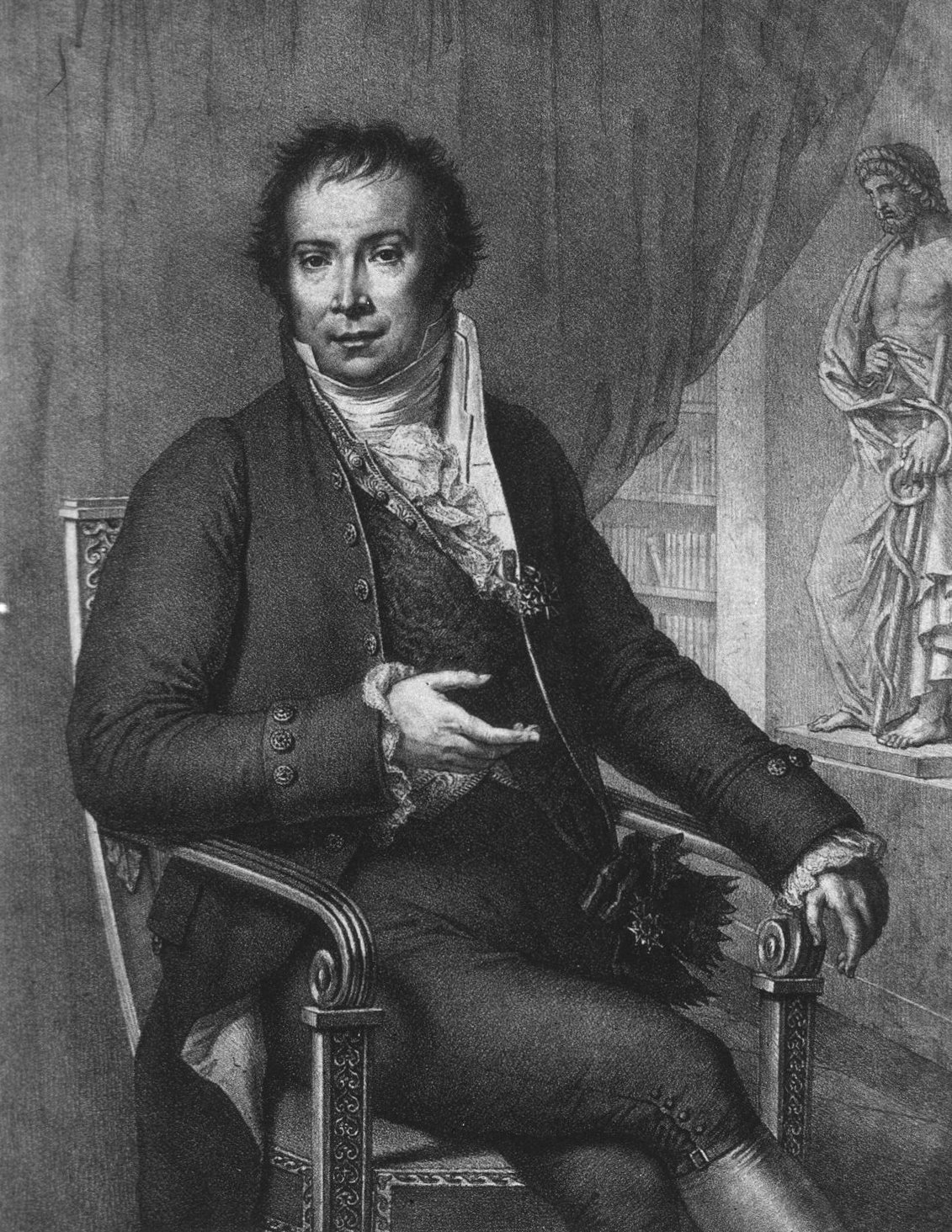
This unfinished work with 22 spectacular plates included some full body images of patients, and unlike other illustrated works by Alibert, it concerned more than skin diseases. Vol. 2 was never published but a second,…
1908 CE
#3960
Note on the sodium nitro-prusside reaction for acetone.
Test for acetone bodies in urine
1891 CE
#3838
Note on the treatment of myxoedema by hypodermic injections of an extract of the thyroid gland of a sheep.
Murray injected thyroid extract subcutaneously in the treatment of myxedema with highly successful results.
1816 CE
#4023
Note sur la keloide.
First accurate description of keloid (“Alibert’s keloid”), although it was mentioned by Retz in 1790.
1815 CE
#3931
Note sur le sucre de diabètes.
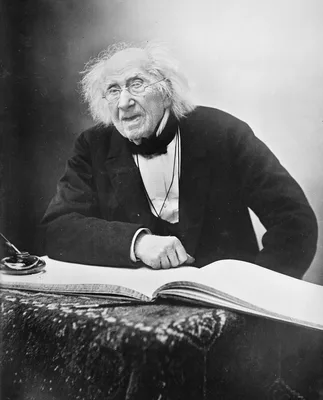
Chevreul proved that the sugar in diabetic urine is glucose.
1901 CE
#4003
Note sur le traitement du lupus érythémateux par des applications de radium.
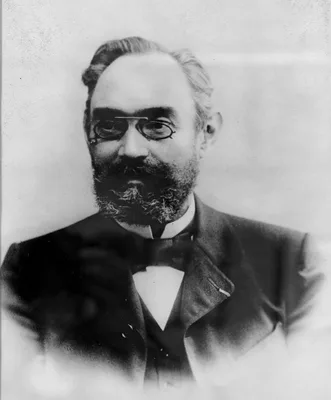
First application of radium in the treatment of lupus.
1856 CE
#1141
Note sur quelques réactions propres à la substance des capsules surrénales.
Vulpian discovered adrenaline in the adrenal medulla.
1883 CE
#3829
Note sur vingt-deux opérations de goitre.
1877 CE
#3943
Notes et reflexions à propos de 2 cas de diabète sucré avec altération du pancreas.
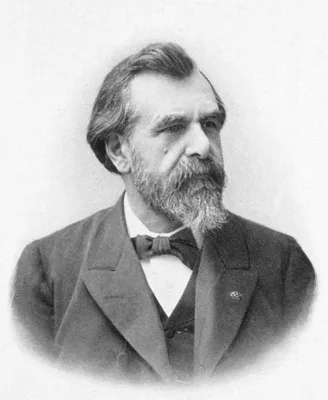
Lancereaux was the first definitely to claim a causal relationship between lesions of the pancreas and diabetes.
1893 CE
#3886
Notes on a case of acromegaly treated by operation.
First attempt (unsuccessful) to treat acromegaly operatively. Decompression was performed to relieve cranial pressure.
1879 CE
#4077
Notes on unusual or rare forms of skin disease. IV. Congenital ulceration of skin (two cases) with pemphigus eruption and arrest of development generally.
First description of epidermolysis bullosa.
1841 CE
#4031
Notice of the molluscum contagiosum.
See No. 4032.
1936 CE
#4009
Nouvelle pratique dermatologique. 8 vols.
1835 CE
#14105
Nouvelles recherches sur la structure de la peau.
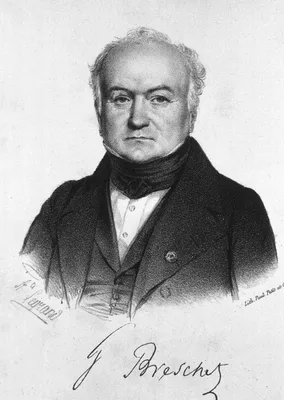
Beschet emphasized "the relevance of anatomic investigation to dermatologic problems" (Crissey and Parish, Dermatology and syphilology of the nineteenth century, 117). In this book the authors first described the anat…
1715 CE
#5409.1
Nova et tuta variolas excitandi per transplantationem methodus; nuper inventa & in usum tracta: Qua rite peracta, immunia in posterum praeservantur ab huiusmodi contagio corpora.
Inoculation was practiced in ancient times. In 1701 Pilarino inoculated three children at Constantinople with smallpox virus. He is credited with the “medical” discovery of variolation, and is thus the fir…
2019 CE
#10912
Novel virus related to Kaposi's Sarcoma associated herpesvirus from Colobus monkey.
Discovery of a new Karposi's Sarcoma virus in monkeys, named CbGHV1. Autopsy showed that the monkey died from a "primary effusion lymphoma" similar to the deaths of humans from human Karposi Sarcoma virus. (Thanks to …
1940 CE
#3099
Nuclear physics and therapy: preliminary report on a new method for the treatment of leukemia and polycythemia.
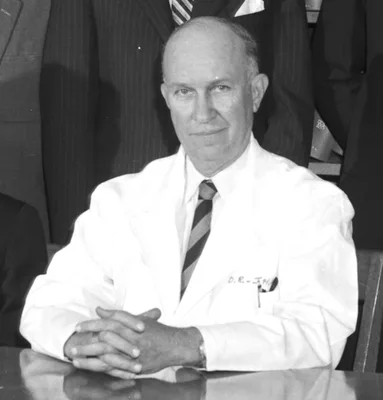
Radio-phosphorus in treatment of leukemia.
1876 CE
#2620.1
O privivanii rakovikh novoobrazovanii. [On the inoculation of cancerous neoplasms.]
Novinsky successfully transplanted two tumors in dogs. German translation in Zbl. med. Wiss., 1876, 14, 790-91. A fuller report appeared in his thesis K voprosu o privivanii zlokachestvennich novoobrazovanii (eksperim…
1940 CE
#7063
Obesity and leanness.
The first American book specifically devoted to obesity research.
2010 CE
#9662
Obesity: The biography.
1791 CE
#3250
Observation sur un fongus du sinus maxillaire.
First successful operation on a tumor of the maxillary sinus, 1789.
1652 CE
#3737
Observationes medicae.
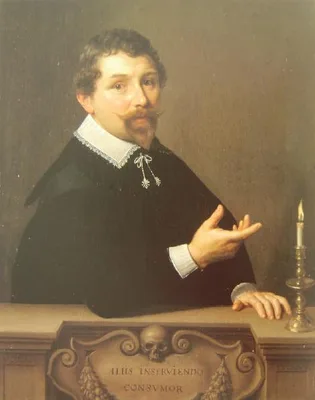
One of the earliest accounts of beri-beri is on pp. 300-05 of this work. Tulp, notable as the demonstrator in Rembrandt’s “Anatomy Lesson”, was among the first, in the same book, to describe the ileo…
1768 CE
#4015.1
Observations on cancers.
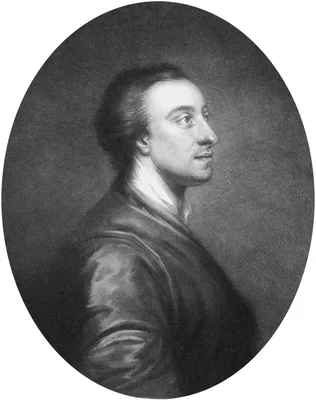
First recorded description of multiple neurofibromatosis. Akenside was better known as a poet; he was caricatured as the republican doctor of Tobias Smollett's The Adventures of Peregrine Pickle.
1791 CE
#4017
Observations on certain horny excrescences of the human body.
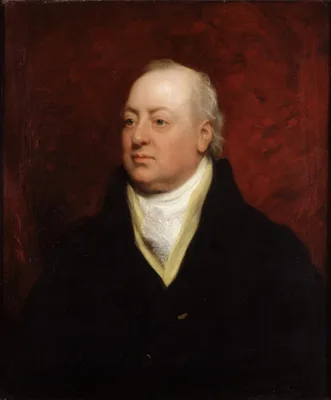
Original description of cornu cutaneum.
1828 CE–1829 CE
#4523
Observations on neuroma.
Neuroma first described.
1769 CE
#3167
Observations on the asthma and on the hooping cough.
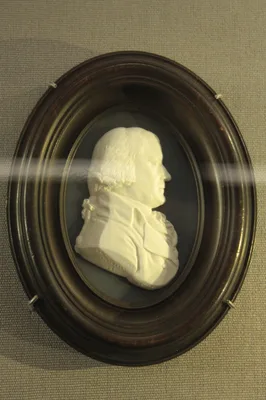
Includes Millar’s original description of laryngismus stridulus (“Millar’s asthma”).
1760 CE
#4850.5
Observations on the nature and consequences of wounds and contusions of the head, fractures of the skull, concussions of the brain, etc.
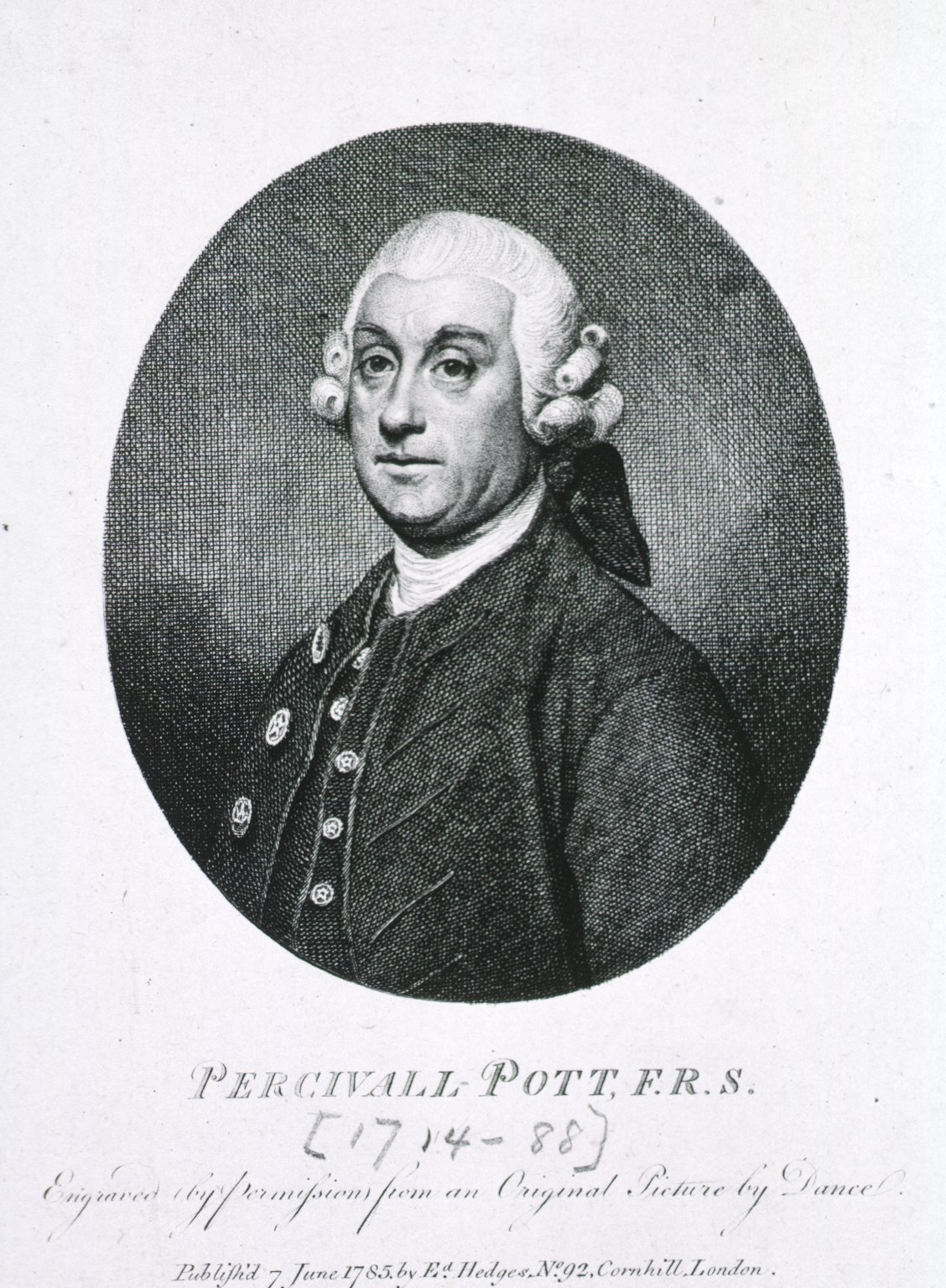
This book, which showed Pott’s extensive knowledge of surgical literature, systematized the treatment of head injuries. It shows what a variety of injuries of the head could be sustained even before the advent o…
1811 CE
#3055
Observations on the surgical anatomy of the head and neck.
Burns was the first to suggest (p. 31) ligature of the innominate artery. His book describes “Burns’s space”, the fascial space at the suprasternal notch. The first recorded case of chloroma (myeloid…
1836 CE
#1126
Observations on the thyroid gland, with notes on the same subject by Sir Astley Cooper.
King, sometimes referred to as the “father of endocrinology”, antici-pated the endocrine action of the thyroid.
1827 CE
#4025
Observations respecting an ulcer of peculiar character, which attacks the eyelids and other parts of the face.
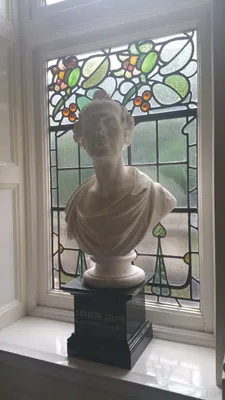
Arthur Jacob, Professor of Anatomy and physiology in Dublin, described “Jacob’s ulcer”, rodent ulcer attacking the face, especially the eyelid.