
Facets
Browse across eight MeSH (opens in new tab) facets — era, geography, science, specialty, technology, history, culture, and reference. Select one tag per group; counts update across the others.
Clear filtersFacet filters
Geography
Specialties & Disease
- Anatomy & Pathology 765
- Cardiology & Blood 914
- Neurology & Psychiatry 1,256
- Obstetrics & Reproductive 550
- Infectious Disease (General) 147
- Surgery & Anesthesia 1,551
- Public Health 1,129
- Immunology & Dermatology 1,404
- General Clinical Medicine 480
- Military Medicine 436
- Psychology 202
- Alternative & Fringe Medicine 383
- Pediatrics 247
- Ophthalmology & Vision 412
- ENT & Hearing 293
- Urology & Nephrology 309
- Gastroenterology & Hepatology 316
- Pulmonary & Respiratory 233
- Rheumatology, Rehab & Pain 188
- Internal, Emergency & Geriatric 123
- Veterinary Medicine 165
- Epidemiology & Demography 397
- Physiology & Embryology 923
- Dentistry 259
- Plagues & Epidemics 1,279
- Microbiology & Virology 1,080
Social & Historical Studies
Institutions & Culture
Reference & Scholarly Works
Drugs & Technology
765 entries match Anatomy & Pathology [G02.149 / C23]
2015 CE
#7637
The fate of anatomical collections.
A collective work, edited by Knoeff and Zwijenberg, which includes several chapters of great interest. Relevant to the history of John Hunter's museum see Andrew Cunningham, "Quis custodiet ipsos custodes? Or, what Ri…
2009 CE
#11313
The finger of God: Anatomical practice in seventeenth-century Leiden.
1917 CE
#7116
The fundus oculi of birds especially as viewed by the ophthalmoscope. A study in comparative anatomy and physiology. Illustrated by 143 drawings... also by sixty-one colored paintings prepared for this work by Arthur W. Head.
Digital facsimile from the Biodiversity Heritage Library, Internet Archive, at this link.
2012 CE
#7711
The global history of paleopathology: Pioneers and prospects. Edited by Jane Buikstra & Charlotte Roberts.


1864 CE
#7331
The gray substance of the medulla oblongata and trapezium.
The first American medical book illustrated with photomechanically reproduced plates. Oliver Wendell Holmes praised the book for its remarkable photomicrographs, which may be the first published of brain cross-section…
1920 CE
#7000
The growth and shedding of the antlers of the deer. The histological phenomena and their relation to the growth of bone.
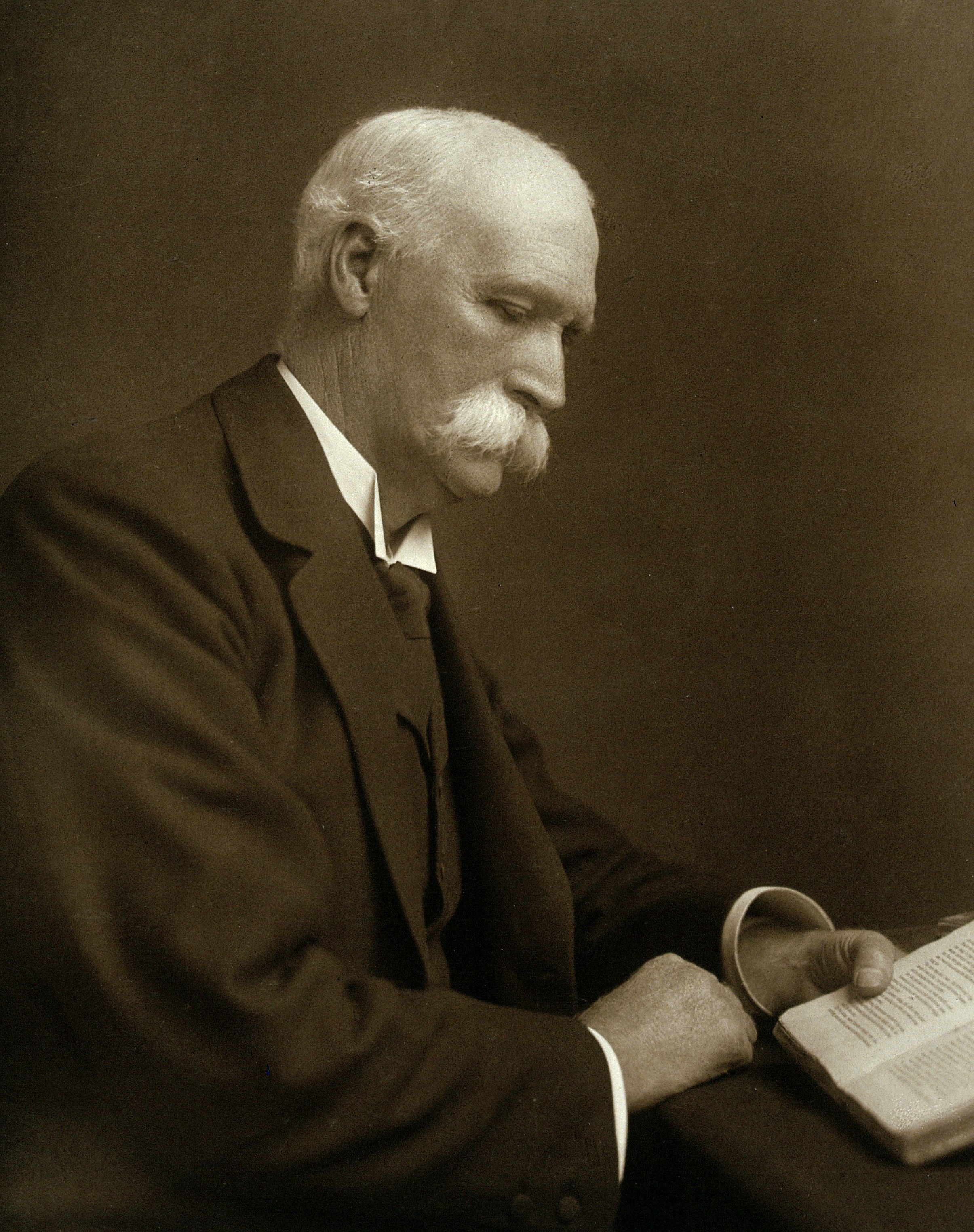
The first study of the unusual and dramatic physiology of the annual growth and shedding of the antlers of deer. "The amount of bony matter annually secreted to form antlers of the larger deer is enormous, antlers of …
1833 CE
#411.1
The hand: Its mechanism and vital endowments as evincing design.
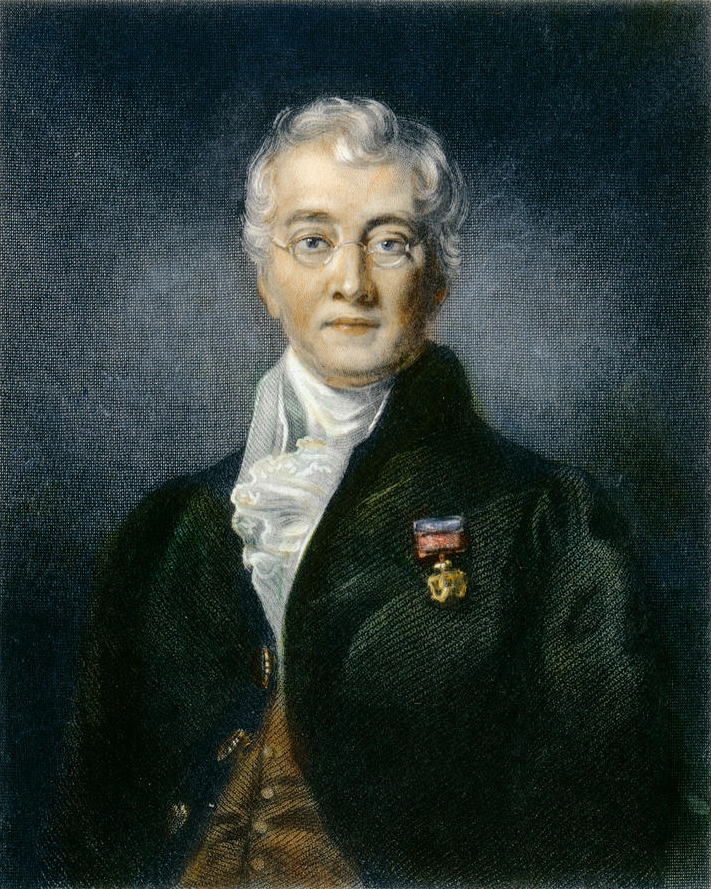
Classic work on the anatomy, physiology, bio-mechanics, comparative anatomy, and adaptive importance of the hand. Issued as a volume in a series entitled the "Bridgewater Treatises." The first edition has 288pp. An en…
1916 CE
#4718
The histology of disseminated sclerosis.
A classic monograph on the pathology of multiple sclerosis.
1905 CE–1906 CE
#5440
The histology of the skin lesions in varicella.
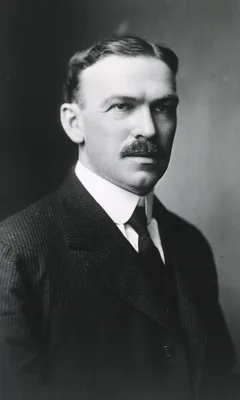
Tyzzer was first to recognize inclusion bodies in varicella.
1992 CE
#7539
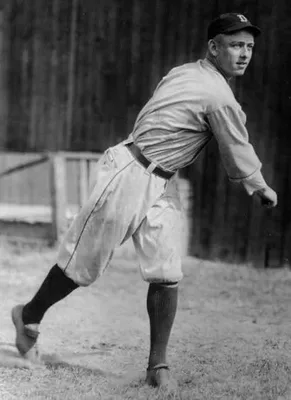
The history of British pathology.

1959 CE
#13256
The human body, what it is and how it works. Text by Mitchell Wilson. Illustrations by Cornelius De Witt. Arthur W. Seligmann, M.D., medical consultant.
A modern classic of medical illustration, and the popularization of medicine. The artist is best known for illustrating children's books.
1954 CE
#7351
The human brain in sagittal section.
A superb atlas is based on sagittal sections. This was an innovative approach for the time as almost all previous illustration of the adult human brain was typically based on frontal or horizontal sections: “in …
1961 CE
#7352
The human cerebellum. An atlas of gross topography in serial sections.
1970 CE
#11112
The human placenta.
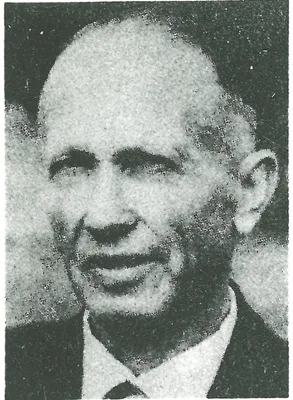
An elegantly published and illustrated monograph with extensive historical material.
1987 CE
#10212
The human vocal tract: Anatomy, function, development, and evolution.
1992 CE
#7611
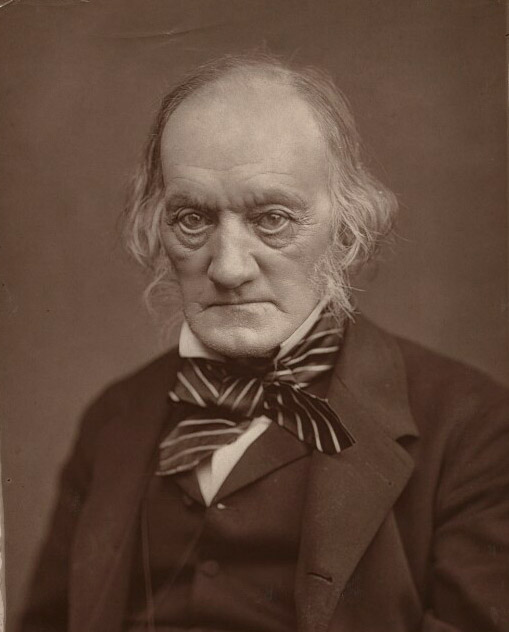
The Hunterian Lectures in comparative anatomy May-June, 1837. Edited, and with an introductory essay and commentary by Phillip Reid Sloan.
1916 CE
#1331
The involuntary nervous system. Part 1.
This book sums up the life work of Gaskell, who laid the histological foundation of the modern study of the autonomic nervous system. No more published.
1988 CE
#7671
The Irish body snatchers: A history of body snatching in Ireland.
2004 CE
#9996
The Italian boy: A tale of murder and body-snatching in 1830s London.
1907 CE–1908 CE
#1569.2
The labyrinth of animals. 2 vols.
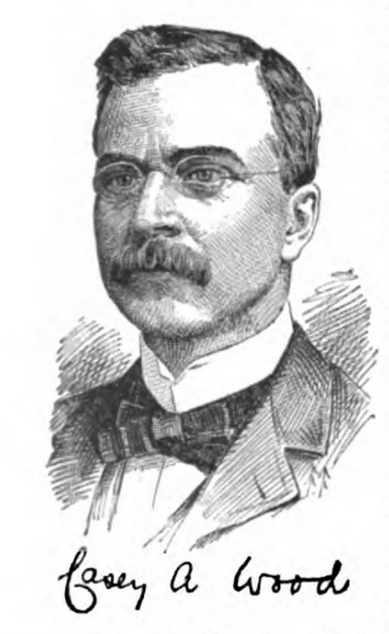
“An important and elaborate work designed to give the anatomy of the labyrinth, or inside of the ears of vertebrates, with the exception of fishes” (Casey Wood). Illustrated with stereoscopic photographs.
2008 CE
#13166
The making of Mr. Gray's Anatomy: Bodies, books, fortune, fame.
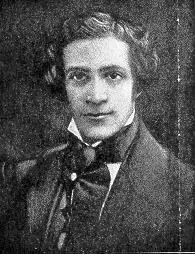
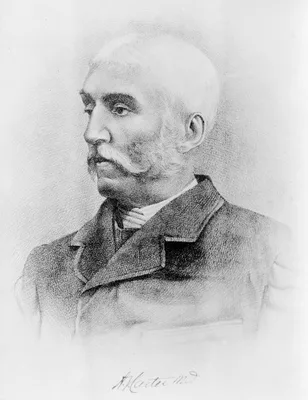

An exhaustive account of the creation, production, distribution and influence of this classic.
1981 CE
#6958
The Manchu anatomy and its historical origin. With annotations and translations by John B. de C. M. Saunders and Francis R. Lee.
The Anatomie Manchoue, a series of graphic illustrations taken from Western anatomical works, with notes in the Manchu-Tungus language. This was compiled under the supervision of Father Parrenin, a French Jesuit worki…
1846 CE–1849 CE
#544
The microscopic anatomy of the human body, in health and disease.
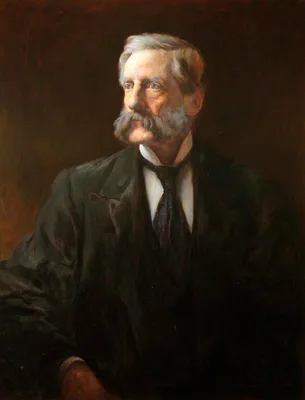
First English textbook on microscopical anatomy. His description of the concentric corpuscles of the thymus (p. 9) led to the term “Hassall’s corpuscles”.
1919 CE
#12507
The microscopic anatomy of the teeth.
Digital facsimile of the 1919 edition from Biodiversity Heritage Library at this link. Mummery substantially expanded and retitled the second edition of this work as The microscopic & general anatomy of the teeth huma…
1793 CE
#2281
The morbid anatomy of some of the most important parts of the human body.
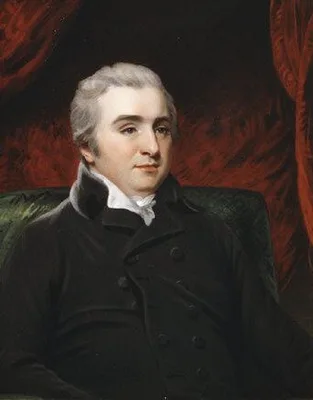
Baillie was a nephew and pupil of William Hunter. The above is the first systematic textbook of morbid anatomy, treating the subject for the first time as an independent science. See also Nos. 2736, 3167.1. Baillie wa…
1797 CE
#2736
The morbid anatomy of some of the most important parts of the human body. 2nd ed.
First clinical description of chronic obstructive pulmonary emphysema. The lung on which Baillie performed an autopsy before describing this condition is said to have been that of Samuel Johnson. P. 46: Baillie sugges…
1826 CE
#2284.1
The morbid anatomy of the human brain.
Based on over 4000 autopsies performed over 30 years, and illustrated with fine hand-colored plates.
1924 CE
#14287
The morphology and evolution of the apes and man. With a foreward by Professor G. Elliot Smith.
As far as I able to determine in 2024, Sonntag's book was the first attempt to write a general treatise on what eventually came to be called "human evolutionary anatomy," in the sense of studying the relationship betw…
1525 CE
#368.01
The noble experyence of the vertuous handywarke of surgeri.
This translation of Brunschwig’s surgery (No. 5559) includes the first anatomical text printed in English, a 13-page section with 4 woodcuts. Facsimile, Amsterdam, 1973.
1897 CE
#11875
The origin of disease, especially of disease resulting from intrinsic as opposed to extrinsic causes. With chapters on diagnosis, prognosis and treatment. With one hundred and thirty-seven original illustrations.
The most valuable features of this work are the exceptionally fine and delicate histologic illustrations engraved on steel and printed on thick paper to eliminate show-through. Each image is faced with detailed explan…
1845 CE
#13761
The origin of life: A popular treatise on the philosophy and physiology of reproduction, in plants and animals, including the details of human generation with a full description of the male and female organs. Illustrated by fine colored engravings on stone.
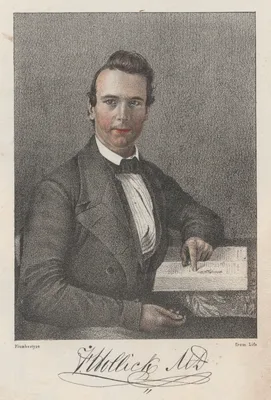
Digital facsimile of the 20th edition from Google Books at this link.
1841 CE
#13521
The pathology of drunkeness, or the effects of alcoholic drinks with drawings of the drunkard's stomach.
Including four chromolithographed plates by J. H. Hall, Albany, N.Y., this is the earliest illustrated book published in the U.S. on the pathological effects of alcoholism. Digital facsimile from the U.S. National Lib…
1904 CE–1908 CE
#5947
The pathology of the eye. 4 vols.
2014 CE
#10629
The Pelvis: Structure, gender and society.
"This book offers a critical review of the pelvic sciences—past, present and future—from an anatomical and physiological perspective....The book starts with a “construction plan” of the pelvis …
1899 CE
#12268
The penetration of the muscular fibres of the human heart by capillaries, and the existence in that organ of very large capillaries.
Meigs discovered that the capillaries of the heart enter the heart muscle fibers. These became known as "Meigs capillaries." Digital facsimile from PubMedCentral at this link.
2002 CE
#7271
The primate fossil record.
A comprehensive collaborative study edited by Hartwig. Includes an extensive historical bibliography.
1908 CE–1909 CE
#2309
The principles of pathology. 2 vols.
Vol. 2 written with A. G. Nicholls.
1898 CE–1903 CE
#7450
The scientific memoirs of Thomas Henry Huxley. Edited by Professor Michael Foster... and by Professor E. Ray Lankester. 5 vols.
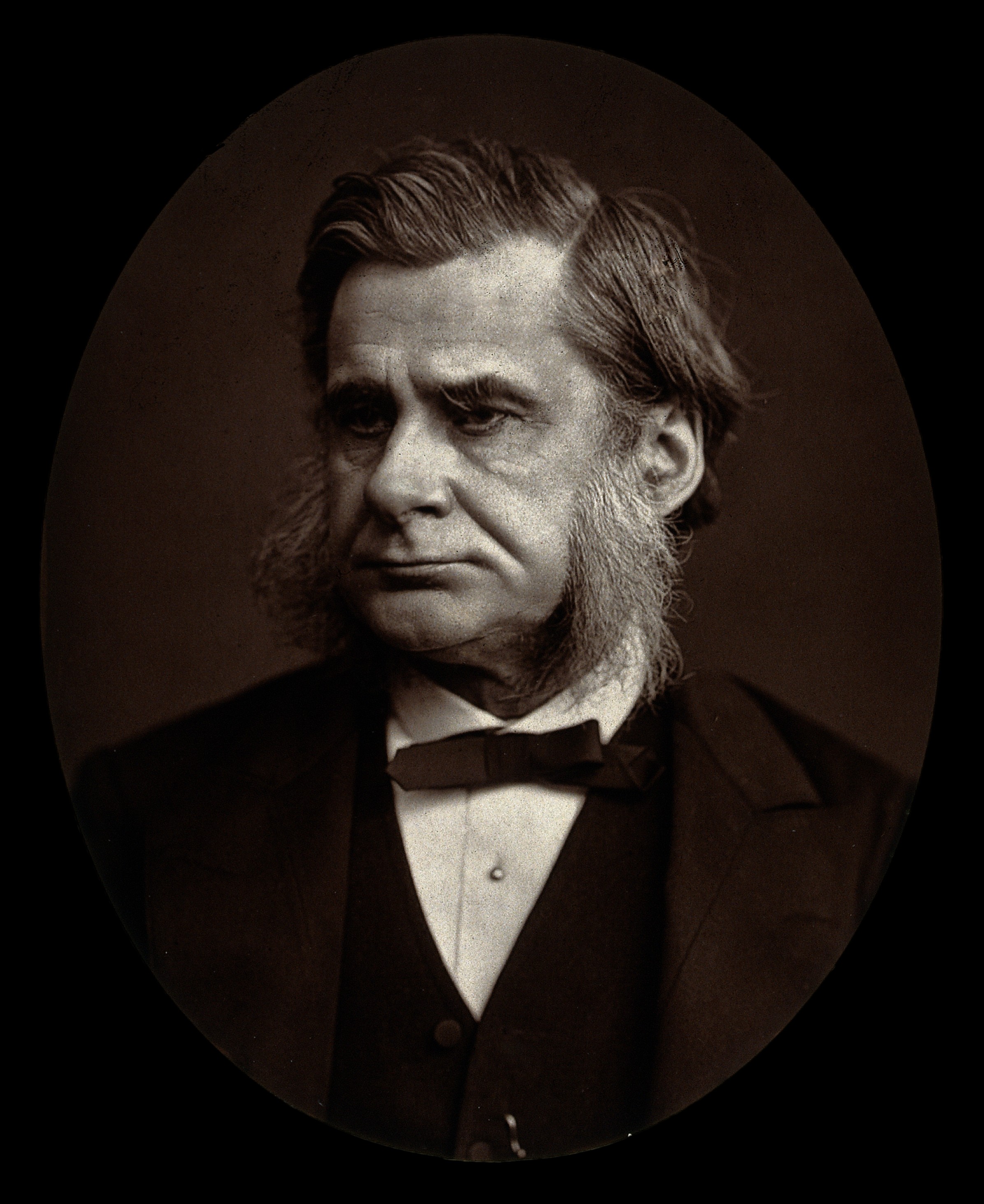
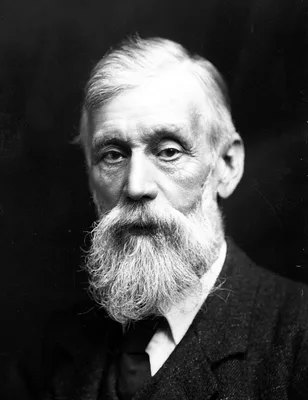
Presents virtually all of Huxley's scientific papers arranged in chronological order, as well as reports of his Royal Institution Friday Evening Discourses. The final supplemental volume contains the remainder of Huxl…
2003 CE
#12132
The scientific study of mummies.
2009 CE
#9811
The theatre of the body: Staging death and embodying life in early-modern London.
"...The book takes as its specific focus seventeenth-century London, in a significant study encompassing the period from the incorporation of the Worshipful Company of Barber-Surgeons (1540) to the staging of Edward R…
1986 CE
#10201
The Visible Human Project.
https://www.nlm.nih.gov/research/visible/visible_human.html "The Visible Human Project® is an outgrowth of the NLM's 1986 Long-Range Plan. It is the creation of complete, anatomically detailed, three-dimensional r…
1908 CE–1952 CE
#18
The works of Aristotle translated into English. Edited by J.A. Smith and W.D. Ross. 12 vols.
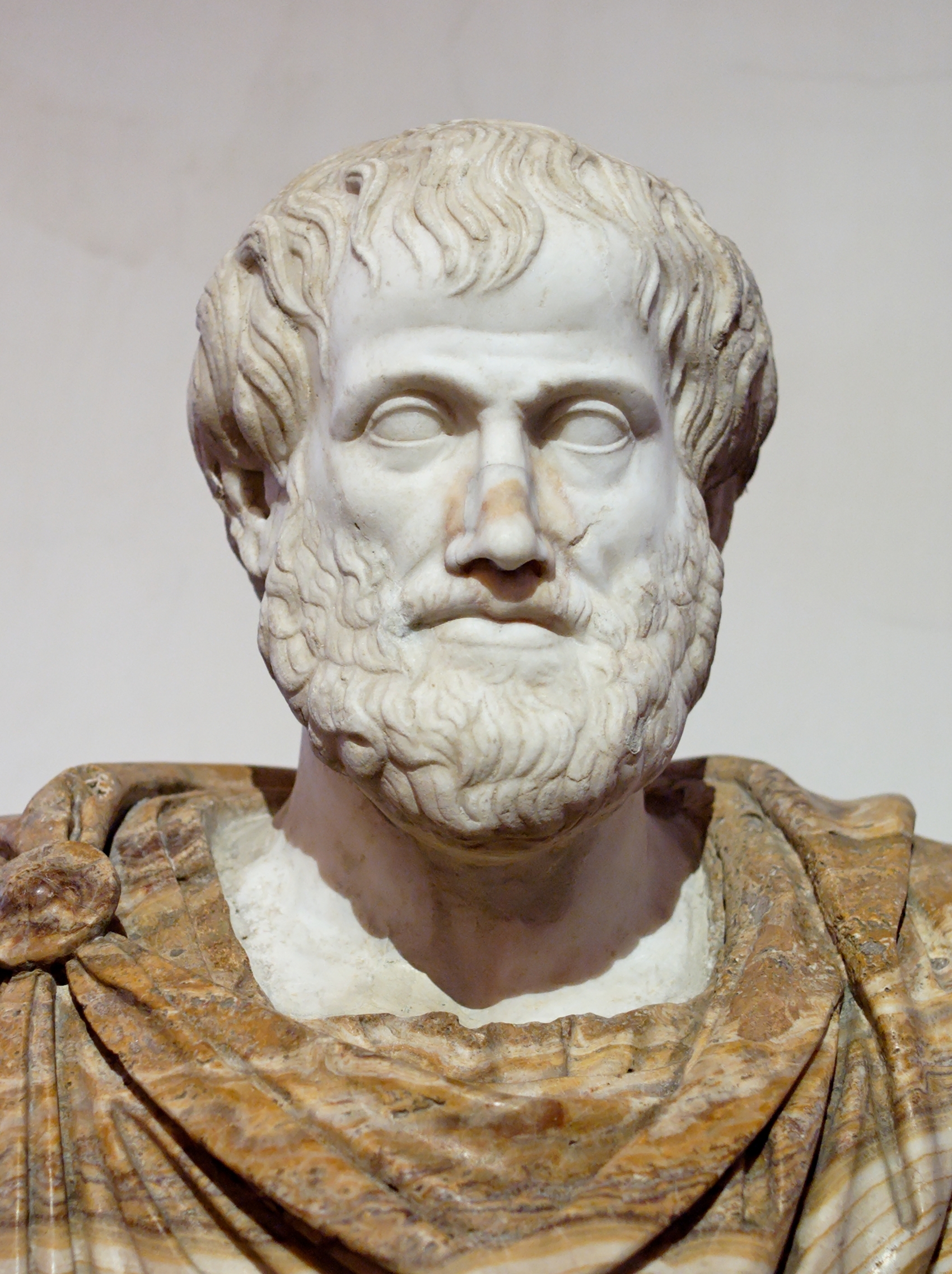
De motu animalium. De incessu animalium. In his Works, edited by J.A. Smith and W.D. Ross, 5, 698a-714b., Oxford, 1912. De Anima. In his Works… translated into English. Edited by J. A. Smith and W. D. Ross. 3, …
1835 CE–1837 CE
#78
The works of John Hunter. With notes. Edited by J.F. Palmer. 4 vols. and atlas.
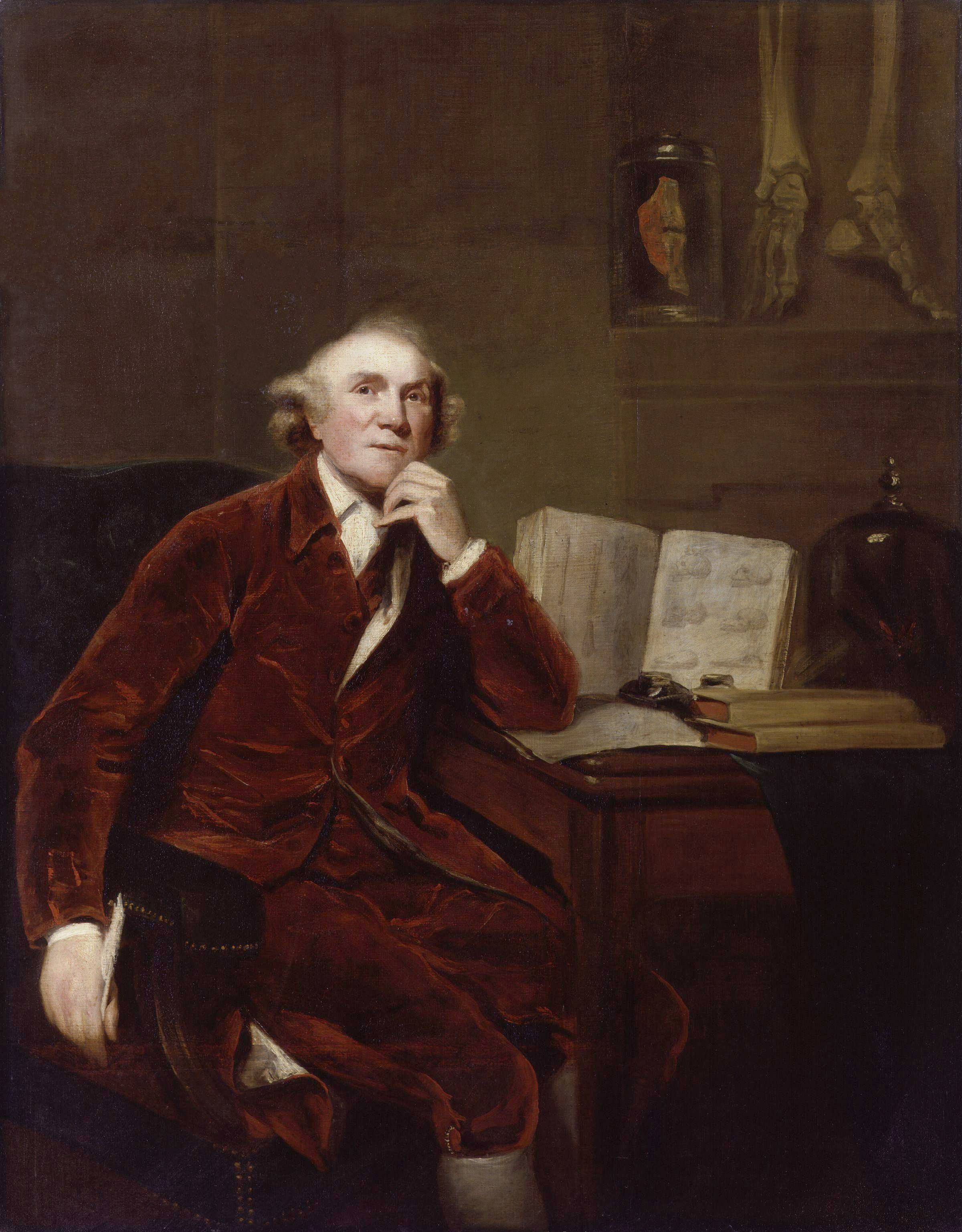
Hunter gave a great impetus to the study of morbid anatomy; he was the veritable founder of experimental and surgical pathology. He was responsible for the commencement of some of the greatest medical museums; the Hun…
1846 CE
#79
The works. Edited with an introduction and notes by George Gulliver.
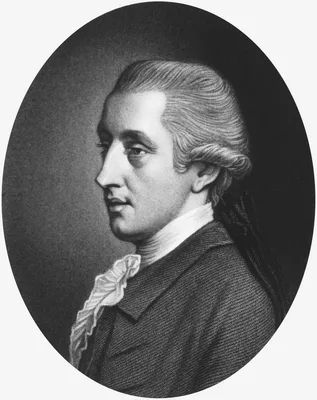
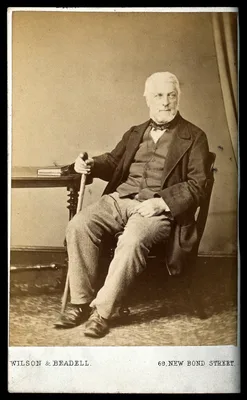
Hewson was a pupil of the Hunters. In 1769 his memoir on the lymphatics in fishes won for him the Copley Medal of the Royal Society. See also Nos. 863, 1102. The editor of this edition provided a detailed historical i…
1592 CE
#379
Theatrum anatomicum infinitis locis auctum, ad morbos accommodatum....
Includes historical data. Bauhin was professor of anatomy at Basle.
1842 CE
#11109
Theophili Protospatharii De corporis humani fabrica libri v. Edidit Gulielmus Alexander Greenhill.
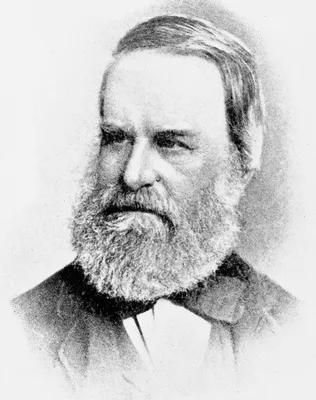
Extensively annotated Greek & Latin edition of this Byzantine treatise on anatomy and physiology, edited by William Alexander Greenhill. Digital facsimile from the Internet Archive at this link.
1773 CE
#155
Théorie de la figure humaine.
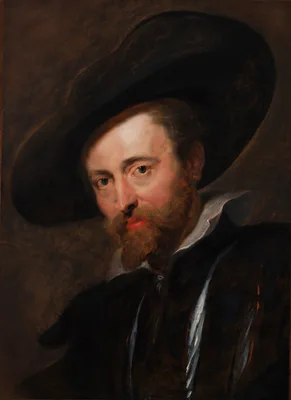
This work on the human figure, published more than 100 years after the death of Rubens, is one of a handful of anatomical treatises illustrated by an artist of the first magnitude.
1701 CE–1715 CE
#389
Thesaurus anatomicus primus [-decimus]... Het eerste [-tiende] anatomisch cabinet....
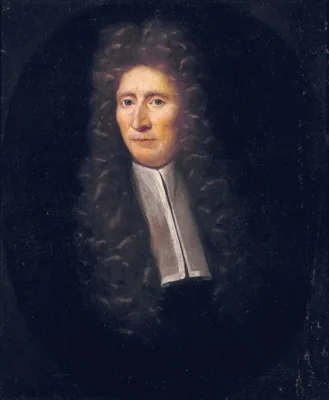
Probably the most original artist in the history of anatomical preparations, Ruysch enjoyed making up elaborate three-dimensional emblems of mortality from his specimens. These fantastic, dream-like concoctions constr…
1989 CE
#12292
Three-dimensional display in nuclear medicine.
Maximum intensity projection (MIP) or MIP imaging, invented by Jerold Wallis, "is a method for 3D data that projects in the visualization plane the voxels with maximum intensity that fall in the way of parallel rays t…
1885 CE
#7332
Topographical anatomy of the brain. 3 vols.
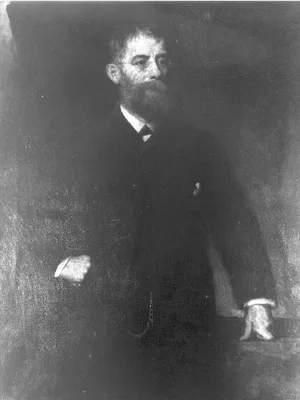
The most outstanding American neurological atlas of the nineteenth century and one of the best American photographically illustrated medical books of the period. The atlas reproduces the specimens, which Dalton prepar…