
Facets
Browse across eight MeSH (opens in new tab) facets — era, geography, science, specialty, technology, history, culture, and reference. Select one tag per group; counts update across the others.
Clear filtersFacet filters
Geography
Specialties & Disease
- Anatomy & Pathology 765
- Cardiology & Blood 914
- Neurology & Psychiatry 1,256
- Obstetrics & Reproductive 550
- Infectious Disease (General) 147
- Surgery & Anesthesia 1,551
- Public Health 1,129
- Immunology & Dermatology 1,404
- General Clinical Medicine 480
- Military Medicine 436
- Psychology 202
- Alternative & Fringe Medicine 383
- Pediatrics 247
- Ophthalmology & Vision 412
- ENT & Hearing 293
- Urology & Nephrology 309
- Gastroenterology & Hepatology 316
- Pulmonary & Respiratory 233
- Rheumatology, Rehab & Pain 188
- Internal, Emergency & Geriatric 123
- Veterinary Medicine 165
- Epidemiology & Demography 397
- Physiology & Embryology 923
- Dentistry 259
- Plagues & Epidemics 1,279
- Microbiology & Virology 1,080
Social & Historical Studies
Institutions & Culture
Reference & Scholarly Works
1,080 entries match Microbiology & Virology [C01.748]
1878 CE
#5511
Neue Beobachtungen auf dem Gebiete der Mykosen des Menschen.
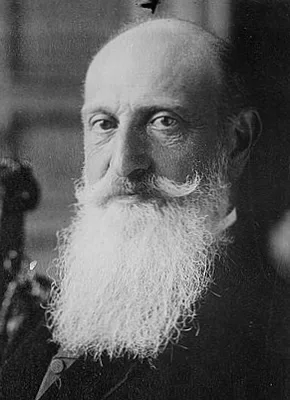
Israel contributed an important early paper on the ray fungus Actinomyces. He included some drawings made by Langenbeck in 1845 and was the first to describe a human case of actinomycosis.
1952 CE
#10940
Neutralizing antibodies against certain recently isolated viruses in the sera of human beings residing in East Africa.
First report of human illness caused by Zika virus, detected in Uganda and Tanzania. 38 patients had neutralizing antibodies to Zika virus in their blood serum, proving that they had been infected by the virus. (Thank…
1953 CE
#3215.3
Newborn virus pneumonitis (type Sendai). II. The isolation of a new virus possessing hemagglutinin activity.
M. Kuroya, N. Ishida, and T. Shiratori isolated the first recognized Sendai (para-influenza) virus.
1904 CE
#5349.2
Note on a new form of liver cirrhosis due to the presence of the ova of Bilharzia haematobia.
“Symmers’s fibrosis”, pipe stem fibrosis of the liver, occurring in cases of certain forms of schistosomiasis.
1907 CE
#5333
Note on an organism found in yellow-fever tissue.
Stimson discovered a spirochete in the organs of persons dying of (?) yellow fever. He called it Sp. interrogans, but it was almost certainly Leptospira icterohaemorrhagiae.
1914 CE
#5535.1
Note on certain protozoa-like bodies in a case of protracted fever with splenomegaly.
Castellani was first to suspect that toxoplasmosis could affect humans.
1887 CE
#5098
Note on the discovery of a micro-organism in Malta fever.
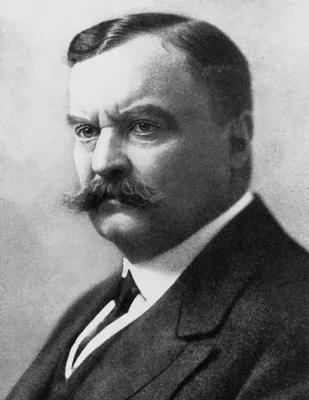
Malta fever was shown by Bruce to be due to Micrococcus (Brucella) melitensis. The disease was later named Brucellosis.
1904 CE
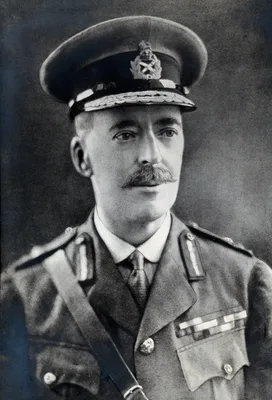
#5298
Note on the nature of the parasitic bodies found in tropical splenomegaly.
1888 CE
#5323
Note on the occurrence of a minute blood-spirillum in an Indian rat.
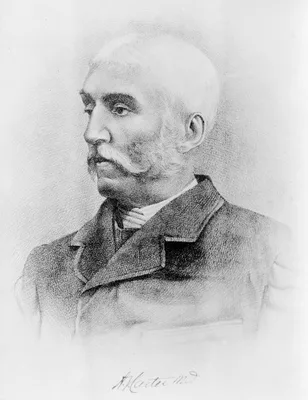
Demonstration of Spirillum minus, later shown to be a cause of rat-bite fever. (See also No. 5327).
1904 CE
#5299
Note on the occurrence of Leishman–Donovan bodies in “cachexial fevers” including kala-azar.
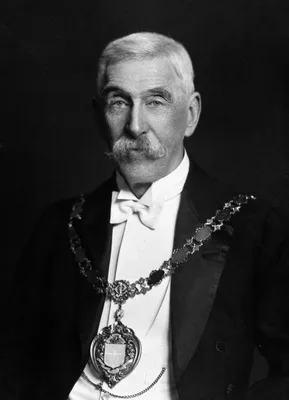
Rogers demonstrated the Leishman–Donovan bodies in kala-azar. See also the same journal, 1904, 2, 645-50. At about the same time Bentley reported similar findings in India.
1888 CE
#5512.1
Note sur la maladie des boeufs de la Guadeloupe, connue sous le nom de farcin.
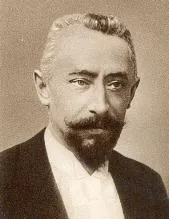
The first pathogenic aerobic actinomycete to be described. It was later named Nocardia farcinica and is probably identical with N. asteroides.
1896 CE
#5942
Note sur un diplobacille pathogène pour la conjunctiva humaine.
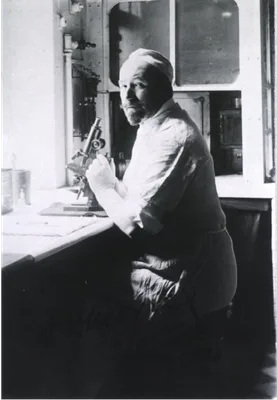
Morax and Axenfeld (No. 5941) independently isolated a diplobacillus which causes a chronic conjunctivitis – the Morax – Axenfeld haemophilus.
1863 CE
#5344.3
Note sur une tumeur des bourses contenant un liquide laiteux (galactocèle de Vidal) et renfermant de petits êtres vermiformes que l’on peut considérer comme les helminthes hèmatoïdes à l’étatd’embryon.
Description of the embryonic stage of Wuchereria bancrofti in hydrocele fluid.
1915 CE
#2520
Notes bactériologiques sur les infections gazeuses.
Isolation of Cl. oedematiens.
1833 CE
#5336.5
Notes of a peculiar appearance observed in human muscle, probably depending upon the formation of very small cysticerci.
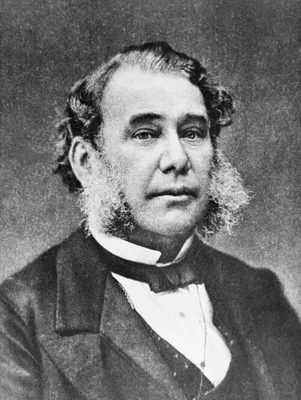
Hilton described Trichinella spiralis and suggested its parasitic nature.
1898 CE
#5250
Notes on the pathological changes in the organs of birds infected with haemocytozoa.
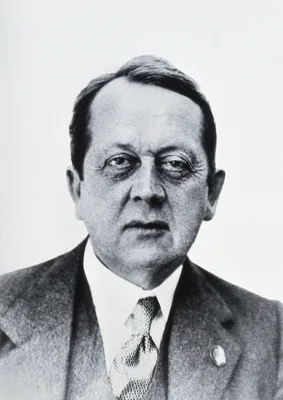
MacCallum and Opie discovered the sexual phase of malaria parasites.
1885 CE
#5347
Notes upon the experimental breeding of Taenia echinococcus in the dog from the echinococci of man.
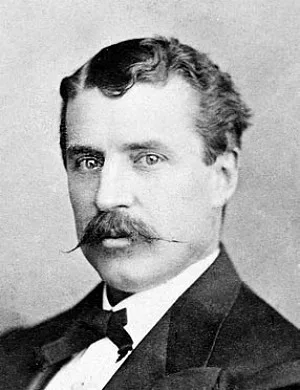
Thomas succeeded in transmitting Taenia echinococcus to the dog from human sources.
1868 CE
#5344.6
Noticiar preliminar sobre vermes de uma especie ainda nao descripta, encontrados na urina de doentes de hematuria intertropical no Brazil.
In 1866 Wucherer saw the embryo form of the filaria worm. Later the name Wuchereria bancrofti was applied to it. English translation in Kean (No. 2268.1).
1896 CE
#5361
Notizen zur Helminthologie Aegyptens. Die Lebensgeschichte des Anchylostomum duodenale (Dub.).
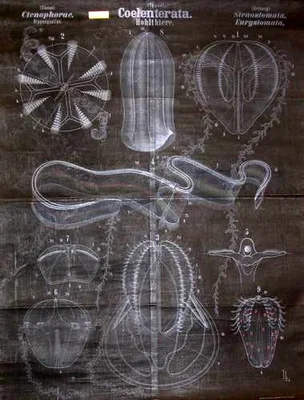
Looss elucidated the life cycle and mode of transmission of the hookworm. See also No. 5365. English translation in Kean (No. 2268.1).
1859 CE
#2473
Nouveaux faits pour server à l’histoire de la levure lactique.
This and the preceding entry mark Pasteur’s commencement of the study of fermentation. This paper described Pasteur’s method of cultivating micro-organisms in a medium free of organic nitrogen to produce f…
1863 CE
#2476
Nouvel exemple de fermentation determinée par des animalcules infusoires pouvant vivre sans gaz oxygène libre, et en dehors de tout contact avec l’air de l’atmosphere.
Pasteur confirmed the fact, established by Schwann (No. 674) that putrefaction was a biological process.
1884 CE
#5482
Nouvelle communication sur la rage.
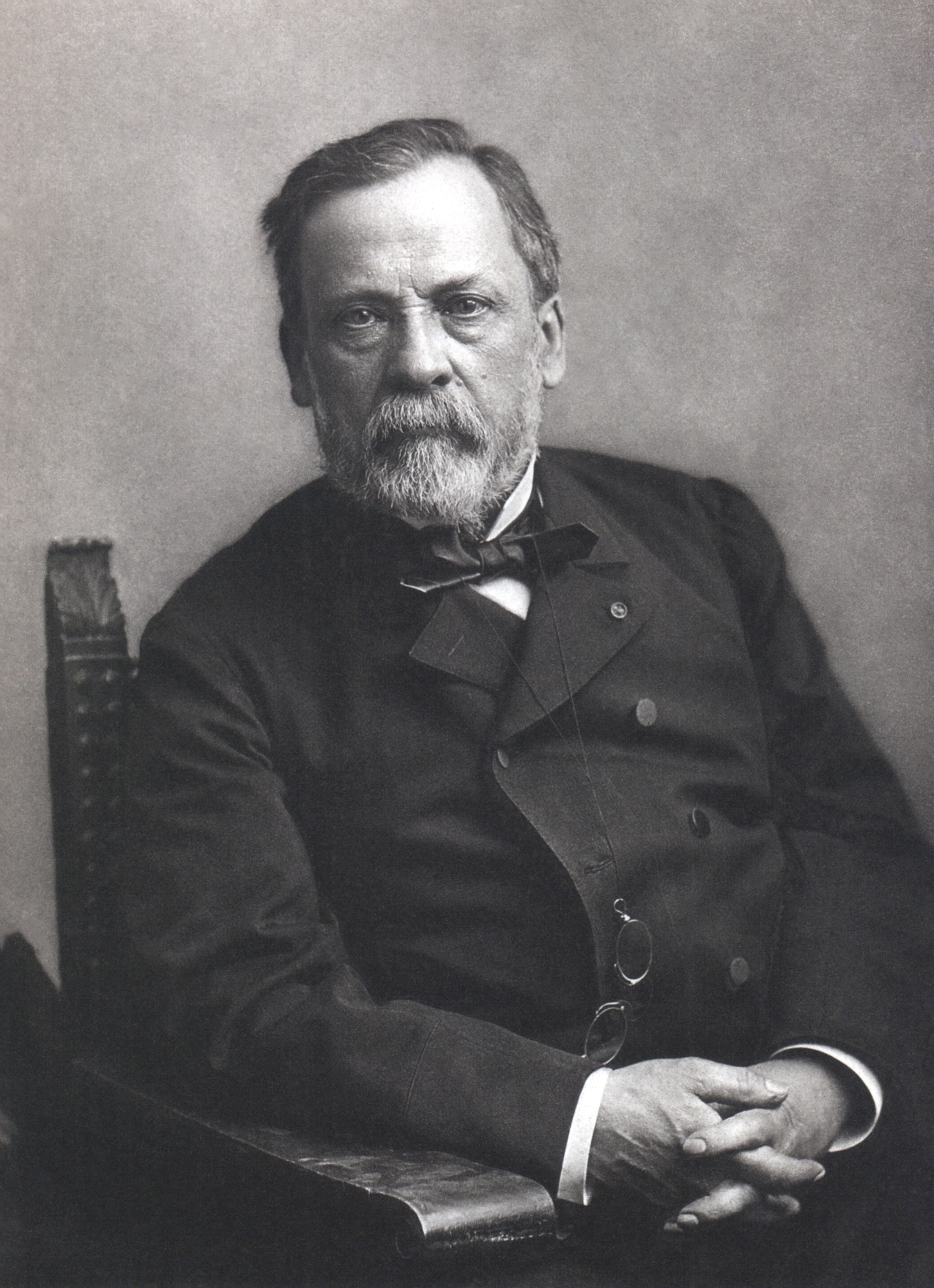
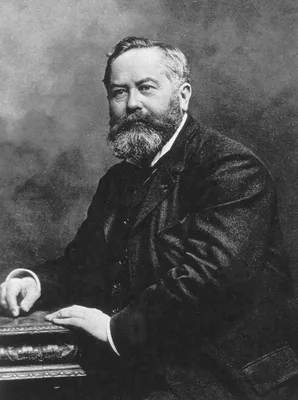
Demonstration in the blood of the rabies virus. English translation in R. Suzor, Hydrophobia: An account of M. Pasteur’s system…London, 1887.
1729 CE
#10170
Nova plantarum genera iuxta Tournefortii methodum disposita.
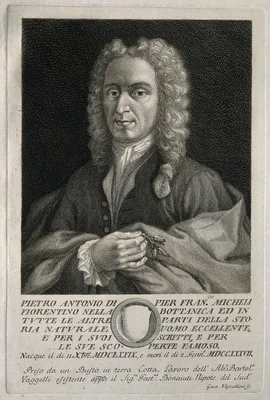
Micheli provided descriptions of 1900 plants, including first published descriptions of about 1400. Among those were 900 fungi and lichens, accompanied by 73 plates. He included information on "the planting, origin an…
1909 CE
#5283
Nova tripanozomiaze humana. Estudos sobre a morfolojia e o ciclo evolutivo do Schizotrypanum cruzi n.gen., n.sp., ajente etiolojico de nova entidade morbida do homen.
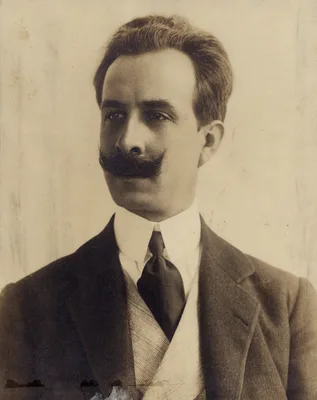
Chagas discovered T. cruzi, causal organism in American trypanosomiasis (“Chagas’s disease”). Partial English translation in Kean (No. 2268.1).
1982 CE
#10140
Novel proteinaceous infectious particles cause Scrapie.

In 1997 Prusiner was awarded the Nobel Prize in Physiology or Medicine "for his discovery of Prions - a new biological principle of infection." In his 1982 paper Prusiner proposed a completely novel explanation for th…
2015 CE
#10917
Novel thogotovirus associated with febrile illness and death, United States, 2014.
Order of authorship in the original paper: Kosoy, Lambert, Hawkinson, Staples. Discovery of a new tick-borne Thogotovirus named by the authors "Bourbon virus" after Bourbon County, Kansas. (Thanks to Juan Weiss for th…
1714 CE
#2529.2
Nuovo idea del male contagioso de’ buoi.
In this study of an epizootic Cogrossi formulated much of the modern theory of infection. He speculated that infection might occur at the microscopic level, and argued that infected individuals should be isolated and …
1843 CE
#5353
Nuovo verme intestinale umano (Agchylostoma duodenale), constituente un sesto genere dei nematoidei proprii dell’uomo.
Dubini first found the hookworm of ankylostomiasis in 1838. His account of 1843, describing it, named it Agchylostoma duodenale, a name etymologically erroneous. Partial English translation in Kean (No. 2268.1).
1887 CE
#5186.1
O úplavici. Předběžné sđělení.
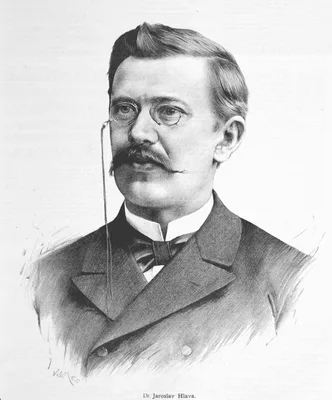
Hlava induced experimental amoebiasis in cats by intrarectal inoculation of stools. In an abstract of this paper Kartulis confused the author’s name with that of the title, a mistake copied by writers for many y…
1809 CE
#11403
Observationes in Ordines plantarum naturales. Dissertatio prima complectens Anandrarum ordines Epiphytas, Mucedines, Gastromycos et Fungo.
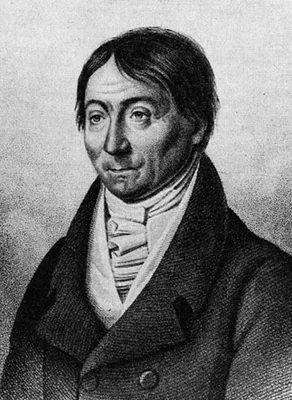
Link described Polyangium, the first bacterium to be described that is still recognized today. Link also described Penicillium for the first time.
1676 CE
#2198
Observationes medicae circa morborum acutorum historiamet curationem.

Sydenham recorded significant observations on dysentery, scarlet fever (p. 387), scarlatina, measles and other conditions. He stressed the clinical study of medicine and kept careful case records. Includes (pp. 272-80…
1836 CE
#5023.1
Observations on continued fever, as it occurs in the city of Glasgow hospitals.
Perry correctly described many of the distinctions between typhus and typhoid.
1937 CE
#3215
Observations on L-organism of Kleineberger.
Isolation of a mycoplasma from man.
1924 CE
#5327
Observations on the causal organism of rat-bite fever in man.

Robertson proved one of the causal organisms of rat-bite fever to be Sp. morsus muris. He re-named it Spirillum minus Carter, 1887, identifying it as the first spiral micro-organism to be described from a rodent.
1801 CE
#8372
Observations on the increase and decrease of different disease, and particularly of the plague.
Heberden observed that the number of deaths from dysentery sharply decreased over the 18th century, but that deaths attributed to apoplexy increased. Digital facsimile from the Internet Archive at this link.
1851 CE
#12086
Observations on the medical topography and diseases (especially diarrhoea) of the Sacramento Valley, California, during the Years 1849, 1850.
Stillman was personal physician to Leland Stanford, the first governor of California, and was a partner of railroad magnate Mark Hopkins from their days on board a ship to California in 1849. Stillman was also co-foun…
1829 CE–1832 CE
#109
Observations on the organs and mode of fecundation in Orchideae and Asclepiadeae.
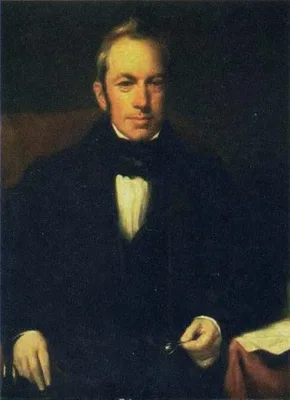
Discovery, in 1831, of the cell nucleus. First issued as a separate pamphlet: Observations on the Organs and Mode of Fecundation in orchideae and asclepiadeae ... [with:] Additional remarks ... London, [privately prin…
1915 CE
#5350.5
Observations on the spread of Asiatic schistosomiasis.
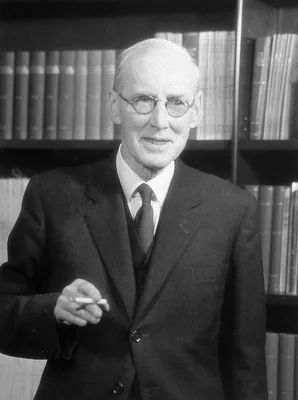
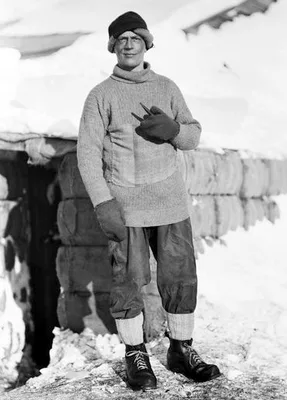
First paper in English giving a detailed account of the development of S. japonicum in the snail and its subsequent development in man. Atkinson, a surgeon in the Royal Navy, was a member of Scott’s Antarctic ex…
1801 CE
#12053
Observations sur la maladies appelée peste, le flux dissentérique, l'ophtalmie d'Égypte, et les moyens de s'en préserver. Avec des notions sur la fièvre jaune de Cadix, et les projet et plan d'un hôpital, pour le traitement maladies épidémiques et contagieuses.
At the time of publication Assalini, a military surgeon with Napoleon, characterized himself on the title page as "Docteur en Médecine et Chirugien de 1re classe de la Garde des Consuls..." Digital facsimile fr…
1891 CE
#5158
Observations sur la morve.
Mallein reaction for the diagnosis of glanders.
1685 CE
#5373
Observationum medicarum Castrensium Hungaricarum.
Pp. 49-51: Cober, a German physician, reported the relationship between typhus and pediculosis.
1922 CE–1939 CE
#83
Œuvres de Pasteur, réunies par Pasteur Vallery-Radot. 7 vols.
One of the founders of bacteriology, Pasteur's work on fermentation, the doctrine of spontaneous generation (which he exploded), virus diseases and preventive vaccinations, was fundamental. Digital facsimile of the co…
1842 CE
#4033
Om den spedalske sygdom. Elephantiasis graecorum.
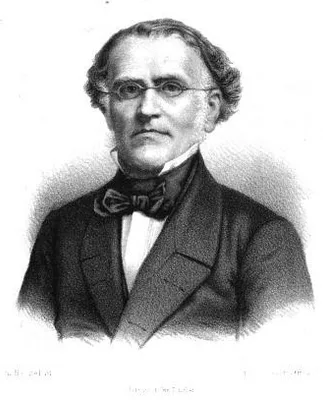
Boeck, eminent Norwegian dermatologist and syphilologist, was the first to describe Norwegian itch, scabies crustosa (“Boeck’s scabies”).
1871 CE
#5344.8
On a haemotozoon inhabiting human blood. Its relation to chyluria and other diseases.
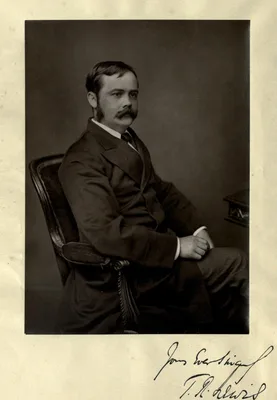
Independently of Demarquay (No. 5344.3) and Wucherer (No. 5344.6), Lewis found microfilariae in the urine and blood in chyluria. He was first to use the term Filaria sanguinis hominis for the parasite.
1924 CE
#5301.1
On a Herpetomonas found in the gut of the sandfly, Phlebotomus argentipes, fed on kala-azar patients.
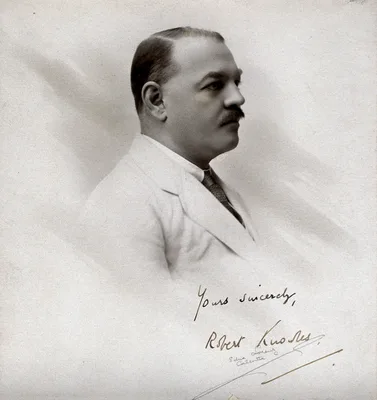
Demonstration that L. donovani is capable of reproduction in Phlebotomus. With R. O. Smith.
1861 CE
#4047
On a new and striking form of fungus disease, principally affecting the foot, and prevailing endemically in many parts of India.
First modern description of mycetoma of the foot – “Madura foot”, “Carter’s mycetoma”. It was mentioned by E. Kaempfer in his Amoenitates exoticae, Lemgo, 1712, p. 561. Colebrook at…
1922 CE
#1910.1
On a remarkable bacteriolytic element found in secretions and tissues.
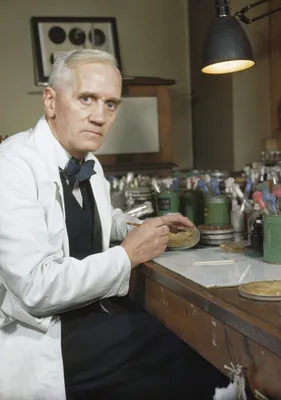
Lysozyme, an antimicrobial enzyme that is a component of secretions such as tears and saliva. Digital facsimile from royalsocietypublishing.org at this link
1905 CE
#5307
On a spirochaete found in yaws papules.
Independently of Castellani (No. 5306) Wellmann discovered Treponema pertenue. "In addition to being an author, Wellman was also a doctor of tropical medicine, scientist, administrator, artist, educator, spy, and engi…
1898 CE
#2513
On an epidemic of gastro-enteritis associated with the presence of a variety of the Bacillus enteritidis (Gaertner), and with positive sero-diagnostic evidence (in vivo and in vitro).
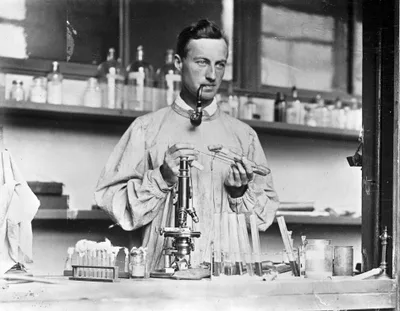
Discovery of Salm. Aertrycke in patients suffering from food poisoning.
1936 CE
#9893
On certain septicemias due to anaerobic organisms.
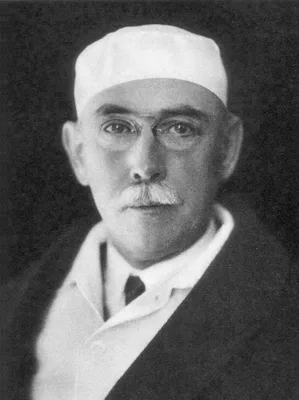
"Lemierre's syndrome (or Lemierre's disease, also known as postanginal shock including sepsis and human necrobacillosis) refers to infectious thrombophlebitis of the internal jugular vein. It most often develops as a …