
Facets
Browse across eight MeSH (opens in new tab) facets — era, geography, science, specialty, technology, history, culture, and reference. Select one tag per group; counts update across the others.
Clear filtersFacet filters
Geography
Specialties & Disease
- Anatomy & Pathology 765
- Cardiology & Blood 914
- Neurology & Psychiatry 1,256
- Obstetrics & Reproductive 550
- Infectious Disease (General) 147
- Surgery & Anesthesia 1,551
- Public Health 1,129
- Immunology & Dermatology 1,404
- General Clinical Medicine 480
- Military Medicine 436
- Psychology 202
- Alternative & Fringe Medicine 383
- Pediatrics 247
- Ophthalmology & Vision 412
- ENT & Hearing 293
- Urology & Nephrology 309
- Gastroenterology & Hepatology 316
- Pulmonary & Respiratory 233
- Rheumatology, Rehab & Pain 188
- Internal, Emergency & Geriatric 123
- Veterinary Medicine 165
- Epidemiology & Demography 397
- Physiology & Embryology 923
- Dentistry 259
- Plagues & Epidemics 1,279
- Microbiology & Virology 1,080
Social & Historical Studies
Institutions & Culture
Reference & Scholarly Works
914 entries match Cardiology & Blood [C14 / C15]
1852 CE
#867
Neue Methode der quantitativen mikroskopischen Analyse des Blutes.
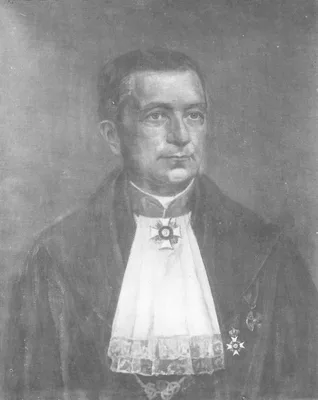
Vierordt was the first to devise an exact method of enumerating the red blood corpuscles. See also his later paper: Zählungen der Blutkörperchen des Menschen, in the same volume, pp. 326-31.
1873 CE
#2302
Neue Untersuchungen über die Entzündung.
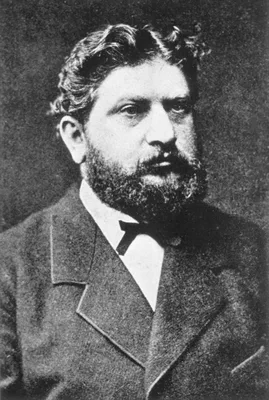
Cohnheim was the master experimental pathologist of the 19th century. He was a pupil of Virchow and Kölliker; in contradiction of the former, he showed the essential feature of inflammation to be the passage of l…
1907 CE
#2825
Neuerung zur Messung des systolischen und diastolischen Druckes.
Fellner suggested the use of the stethoscope in the measurement of systolic and diastolic pressure.
1961 CE
#12250
New method for heart studies.
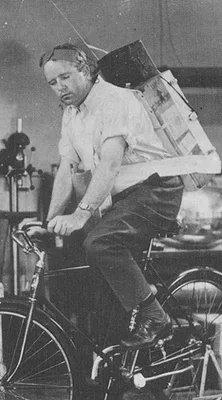
Probably the first publication on the Holter Monitor, which was released for commercial production in 1962. Abstract "I have proposed that orthodox electrocardiography be implemented, both for research and medical pur…
1962 CE
#2883.5
New method for terminating cardiac arrythmias; use of synchronized capacitor discharge.
Use of transthoracic direct current countershock of very short duration to avoid the vulnerable period in the cardiac cycle.
1905 CE
#2819
New methods of studying affections of the heart.
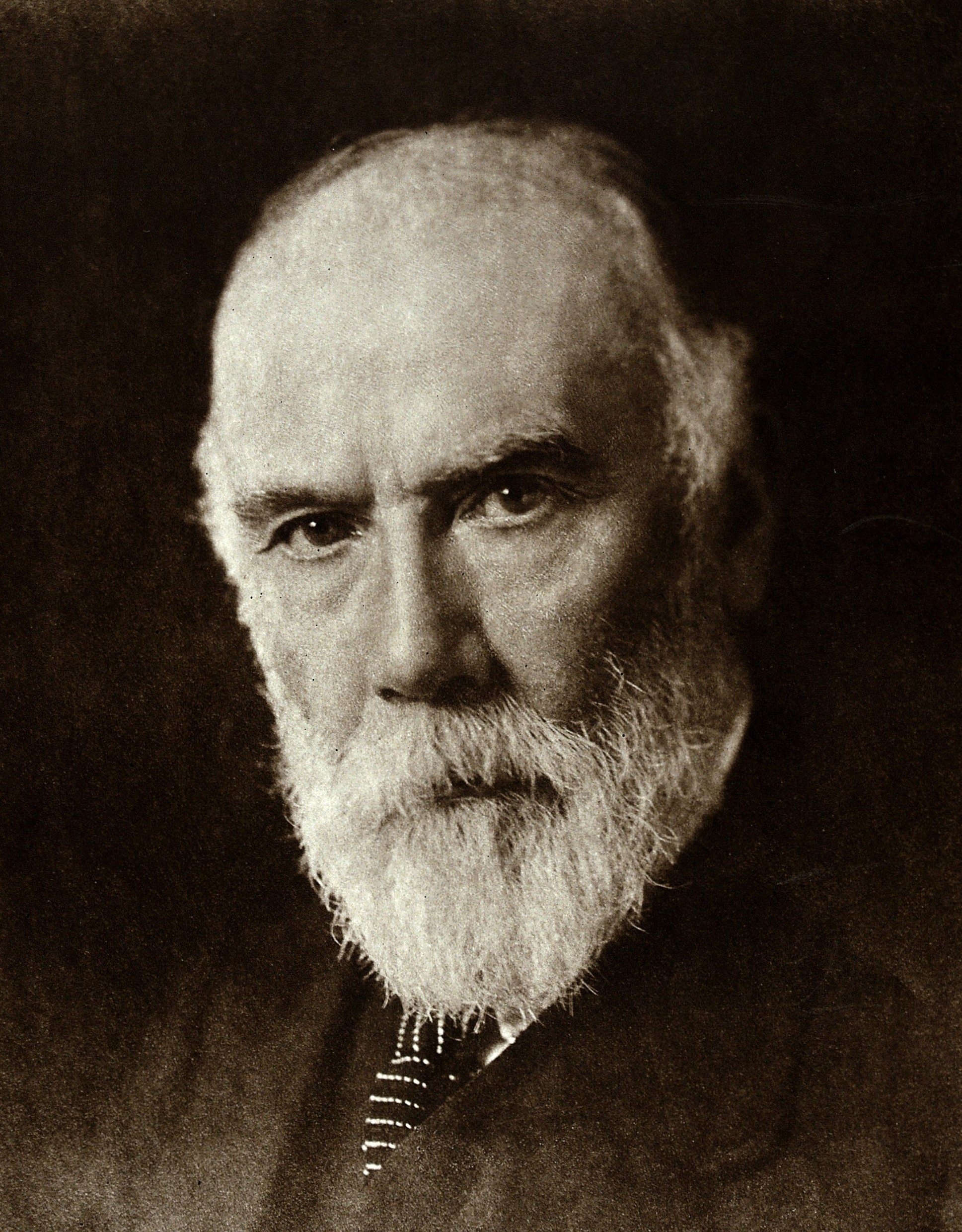
Mackenzie established the remarkable action of digitalis in auricular fibrillation.
1879 CE
#2892
Nitro-glycerine as a remedy for angina pectoris.
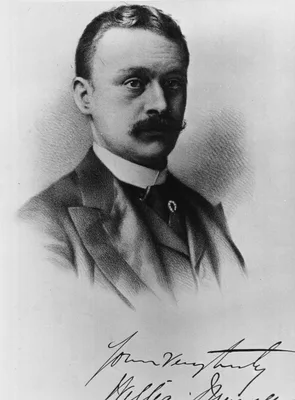
Murrell introduced trinitrin (nitroglycerin, glyceryl trinitrate) in the treatment of angina.
1978 CE
#12243
Noninvasive assessment of pressure drop in mitral stenosis by Doppler ultrasound.
Order of authorship in the original paper: Hatle, Brubakk, Tromsdal, Angelsen. "Hatle (born 1936) was the pioneer of continuous wave Doppler echocardiography. "Today, Doppler echocardiography is central to our ability…
1979 CE
#12239
Nonoperative dilatation of coronary-artery stenosis: Percutaneous transluminal coronary angioplasty.
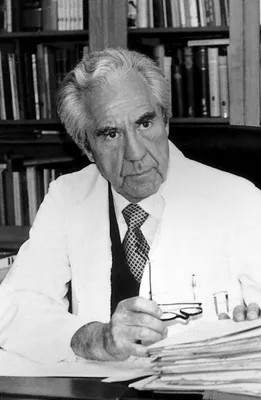
Grüntzig developed the first successful balloon angioplasty for expanding lumens of narrowed arteries. Abstract "In percutaneous transluminal coronary angioplasty, a catheter system is introduced through a system…
1914 CE
#2019
Note sur une nouvelle méthode de transfusion.
Hustin demonstrated the anticoagulant powers of sodium citrate and glucose in blood transfusion.
1906 CE
#730.1
Note upon the presence of amino-acids in the blood and lymph as determined by the ß naphthalinsulphochloride reaction.
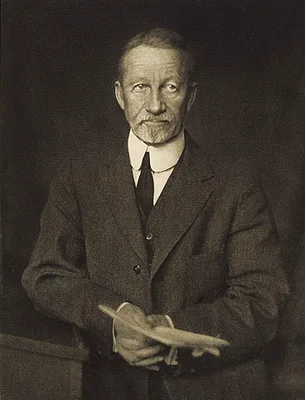
Demonstration of the presence of amino-acids in the blood.
1854 CE
#11549
Notes of M. Bernard's lectures on the blood; with an appendix by Walter F. Atlee.
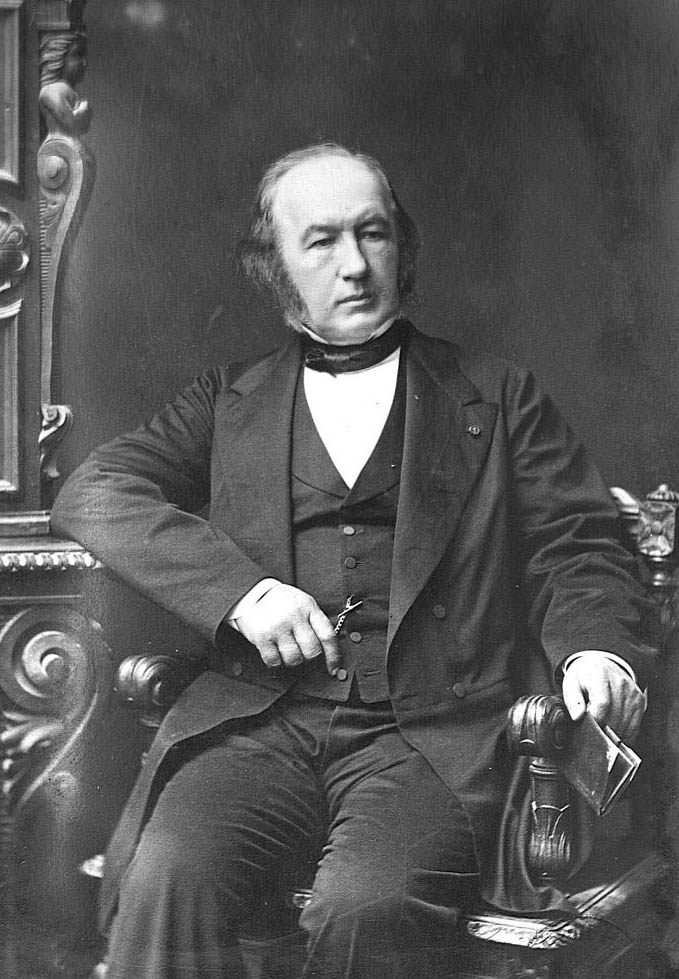
This record of Bernard's actual lectures contains the first published description of Bernard's technique of right and left heart cathererization, a technique that Bernard invented. The appendix includes notes of lectu…
1842 CE
#3116
Notes on anhaemia, principally in its connections with the puerperal state, and with functional disease of the uterus: with cases.
First description of pernicious anemia of pregnancy. Digital facsimile from the U.S. National Library of Medicine at this link.
1896 CE
#11584
Notes on the coronary arteries.
Dock recorded one of the earliest diagnoses of myocardial infaction in a living patient: "The diagnosis was mymalacia folling coronary sclerosis with secondary pericarditis. This was based on the history of increasing…
1827 CE
#13262
Notice of some microscopic observations of the blood and animal tissues.
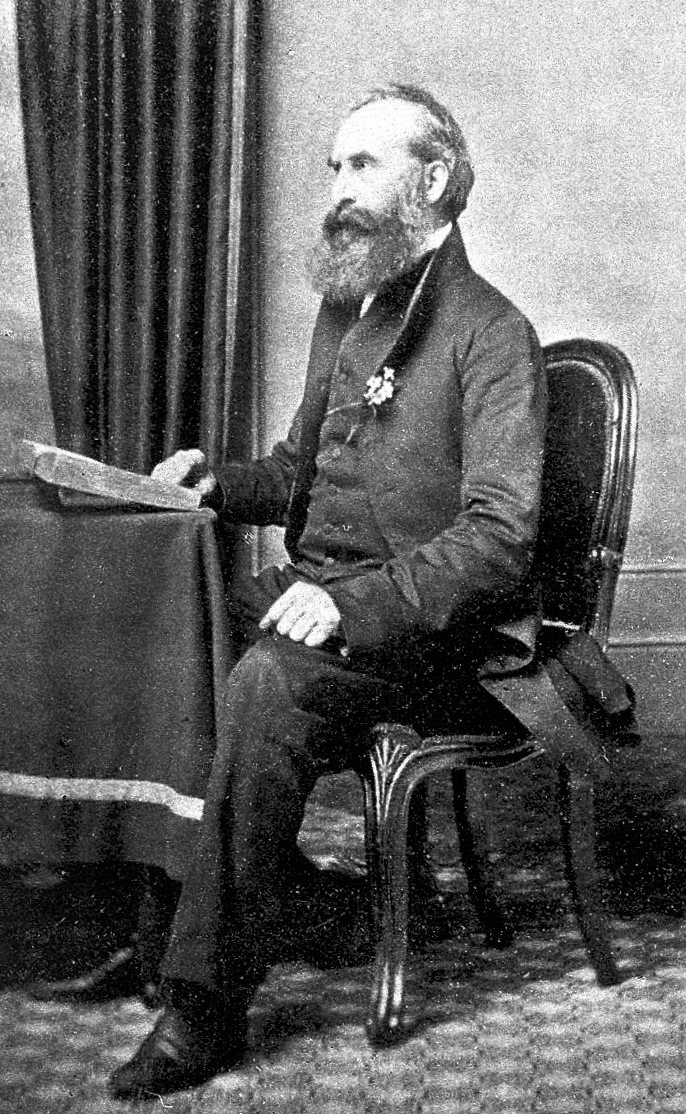
Hodgkin and Lister determined that blood cells are bioconcave discs and accurately measured their diameter as "1/5000 of an inch." Digital facsimile from Google Books at this link.
1890 CE
#884
Nouvelle théorie chimique de la coagulation du sang.
First demonstration of the essential role of calcium in the mechanism of blood coagulation.
1706 CE
#9471
Nouvelles découvertes sur le cœur, expliquées dans une lettre écrite à Monsieur Boudin ....
The first description of “Vieussen’s valve,” “Vieussens’s ring,” and the “Thebesian veins” of the heart. "These ‘ducti carnosi’ were ultimately named ‘…
1836 CE
#11556
Nouvelles recherches sur le rhumatisme articulaire en général, et spécialement sur la loi de coincidence de la péricardite et de l'endocardite avec cette maladie, ainsi que sur l'efficacité de la formule des émissions sanguines coup sur coup dans son traitement.
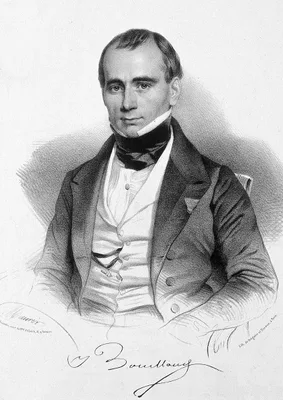
"In this volume he [Bouillaud] irrevocably established the etiologic relationship between rheumatic fever and heart disease. Early reports on this relationship had been contributed by Pitcairn, Jenner, and Wells, but …
1705 CE
#2729
Novum vasorum corporis humani systema.
Vieussens was among the first to describe the morbid changes in mitral stenosis, the throbbing pulse in aortic insufficiency, and the first correctly to describe the structure of the left ventricle, the course of the …
1940 CE
#3099
Nuclear physics and therapy: preliminary report on a new method for the treatment of leukemia and polycythemia.
Radio-phosphorus in treatment of leukemia.
1914 CE
#2020
Nuevo procedimiento para la transfusion de la sangre.
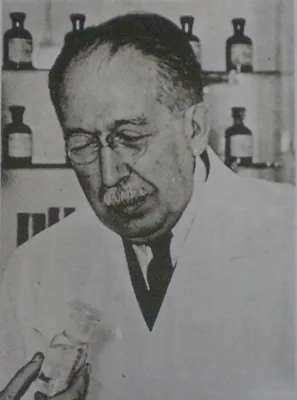
Agote was the first to transfuse citrated blood. Text in Spanish and French.
1844 CE
#2755
Observation d’hydropneumopéricarde accompagnée d’un bruit de fluctuation perceptible à l’oreille.
First adequate description of pneumopericardium.
1777 CE–1781 CE
#2278
Observationes anatomicae-pathologicae. 4 vols.
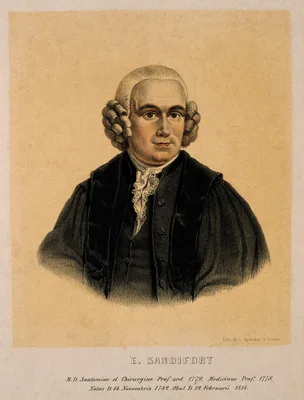
Sandifort’s beautifully illustrated work on pathological anatomy included records of ulcerative aortic endocarditis, renal calculi, hemias, bony ankyloses, and congenital abnormalities. A good account of the &ld…
1658 CE
#2703
Observationes anatomicae, ex cadaveribus eorum, quos sustulit apoplexia.
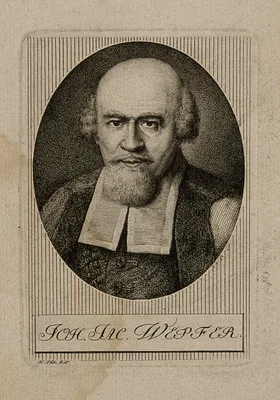
Wepfer showed apoplexy to be a result of hemorrhage into the brain. He described four cases, with clinical and post mortem findings. He preceded Willis (No. 1378) in describing the “circle of Willis”. Part…
1797 CE
#863.1
Observations and experiments on the colour of blood.
Wells showed that the coloring matter in the blood was not iron but a complex organic substance subsequently identified as hematin.
1762 CE
#2734.1
Observations concerning the body of his late Majesty, October 26, 1760.
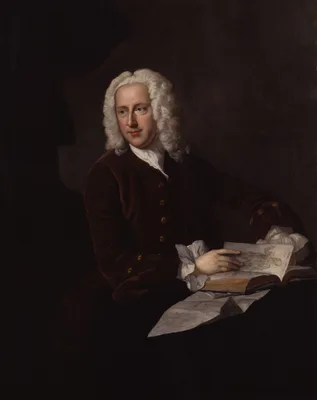
Nicholls was the first to describe dissecting aneurysm of the aorta, the patient being King George II, to whom he was physician from 1753-60. Nicholls was also the first to give a correct description of the mode of pr…
1945 CE
#3150
Observations of the anti-anemic properties of synthetic folic acid.
Hemopoietic properties of folic acid reported. With C. F. Vilter, M. B. Koch, and M. H. Caldwell.
1847 CE
#2978
Observations on aneurism, and its treatment by compression.
Bellingham introduced the “Dublin method” of treating aneurysm by slow compression.
1846 CE
#2756
Observations on some cases of permanently slow pulse.
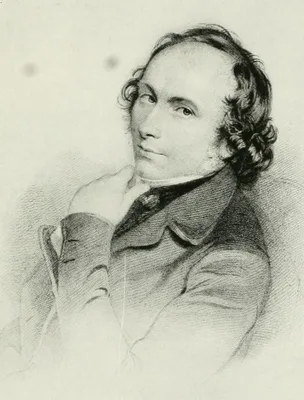
Stokes’s celebrated account of heart block with syncopal attacks – the Stokes–Adams syndrome (see also No. 2745). Stokes was most interested in the diagnostic value of this condition. The paper is re…
1809 CE
#2738
Observations on some of the most frequent and important diseases of the heart.
Burns described endocarditis and reported three cases of mitral stenosis. He recognized the thrill present in the latter condition and seems to have understood the mechanism of a cardiac murmur. He also described unil…
1842 CE
#2752
Observations on the diseases of the orifice and valves of the aorta.
First clear account of chronic constrictive pericarditis.
1946 CE
#3152
Observations on the effect of massive doses of iron given intravenously to patients with hypochromic anemia.
1929 CE
#3143
Observations on the etiologic relationship of achylia gastrica to pernicious anemia. I. The effect of the administration to patients with pernicious anemia of the contents of the normal human stomach recovered after the ingestion of beef muscle.
Castle showed pernicious anemia to be due to absence from the gastric juice of a substance (Castle’s intrinsic factor, hemopoietin) that reacts with an extrinsic factor present in many foodstuffs to form the ant…
1813 CE
#2209
Observations on the nature and cure of dropsies.
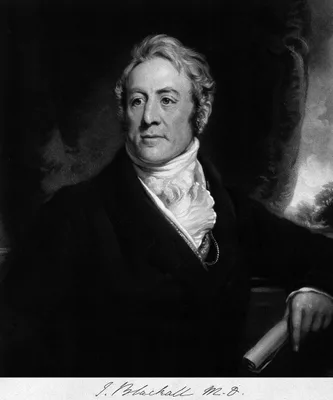
Blackall predated Bright in detecting albuminuria in association with edema. His book, of which the second edition is more important than the first, includes reports on cases of angina pectoris.
1919 CE
#3136
Observations on the severe anaemias of pregnancy and the post-partum state.
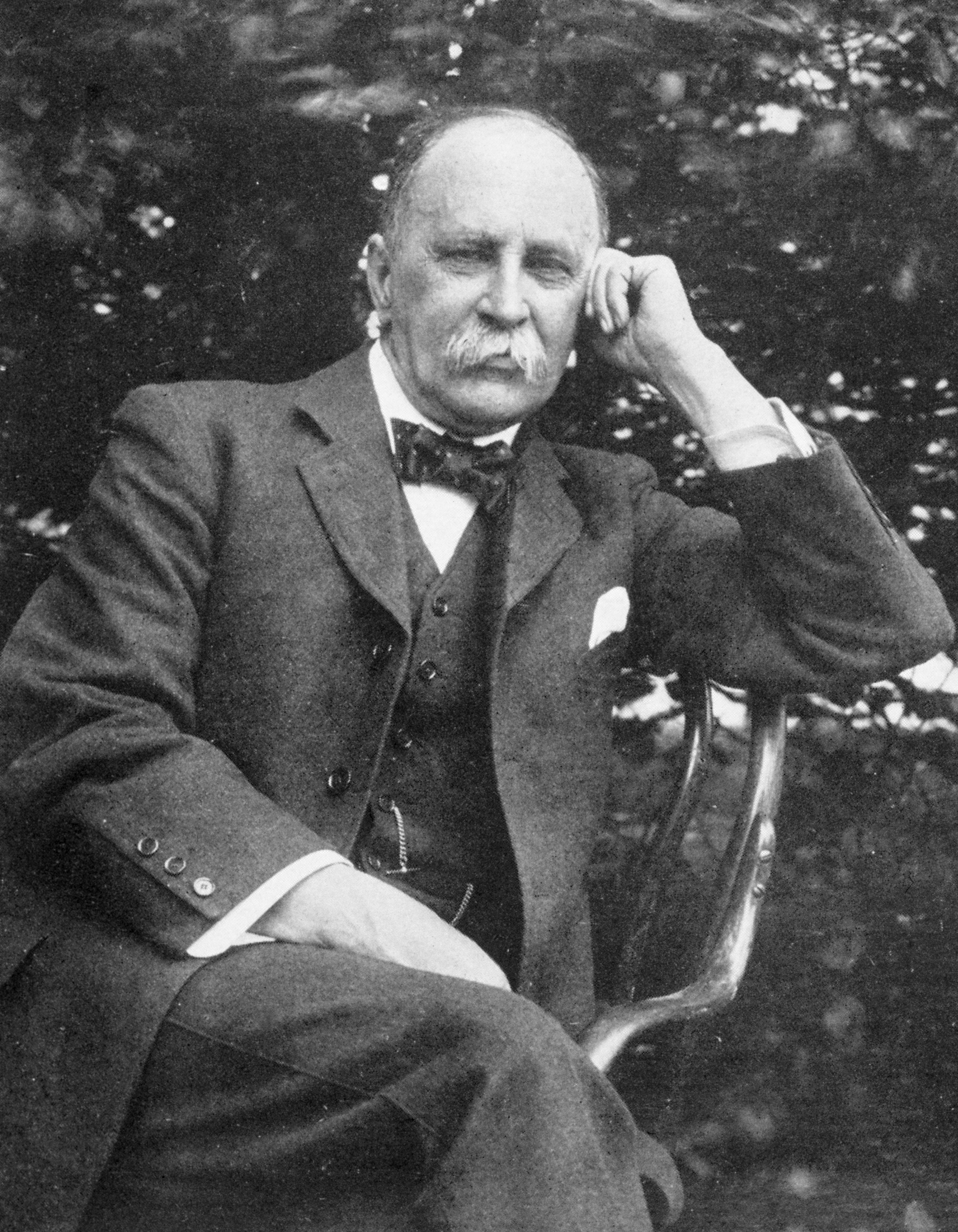
Osler described his four-part classification of anemias of pregnancy: anemia from post-partum hemorrhage, severe anemia of pregnancy, post-partum anemia, and the acute anemia of post-partum sepsis. This was Osler's la…
1811 CE
#3055
Observations on the surgical anatomy of the head and neck.
Burns was the first to suggest (p. 31) ligature of the innominate artery. His book describes “Burns’s space”, the fascial space at the suprasternal notch. The first recorded case of chloroma (myeloid…
1826 CE
#3254
Observations on the surgical pathology of the larynx and trachea.
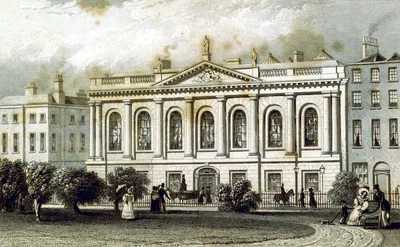
Porter was Professor of Surgery at the Royal College of Surgeons in Ireland. The above includes a description of “Porter’s sign”, tracheal tugging in aortic aneurysm.
1828 CE–1829 CE
#2017
Observations on transfusion of blood.
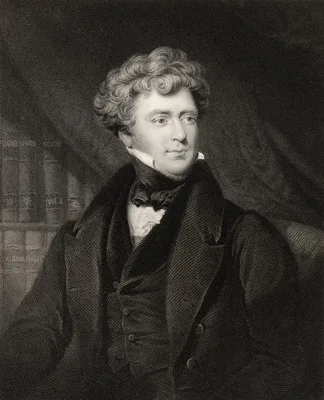
The first human to human transfusion in which the patient did not die. Blundell established the most fundamental points in transfusion, including the incompatibility of interspecies transfusion and the method of indir…
1823 CE
#3057
Observations sur l’état des veines dans les infiltrations des membres.
Description of venous obstruction and edema.
1706 CE
#2730
Of ossifications or petrifications in the coats of arteries, particularly in the valves of the great artery.
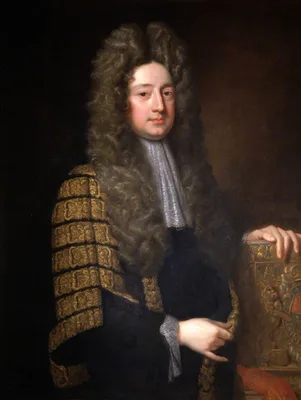
First description of aortic insufficiency. Reproduced in Willius & Keys: Cardiac classics, 1941, pp. 109-14.
1868 CE
#2981
Om Haemoptyse navnlig den lethale, i anatomisk og klinisk Henseende.
Tuberculous aneurysm of the lung (“Rasmussen’s aneurysm”). English translation in Edinb.med.J.,1868, 14,385-401, 486-503; 1869, 15,97-104, 228-36.
1864 CE
#2980
On a new method of procuring the consolidation of fibrin in certain incurable aneurisms.
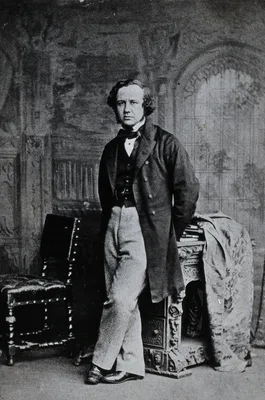
Moore and Murchison introduced the method of treating aneurysm by passing wire into the aneurysmal sac.
1876 CE
#2983
On aortic aneurism in the army and the conditions associated with it.
Welch, an Army surgeon, supported the theory of a causal connexion between syphilis and aneurysm.
1862 CE
#2764
On cardiac murmurs.
First description of the “Austin Flint murmur,” present at the apex beat in aortic regurgitation. Reprinted in Med. Classics, 1940, 4, 864-900.
1886 CE
#13281
On certain problems in the physiology of the blood corpuscles. I. The blood-plaque or third corpuscle; II. Degeneration and regeneration of the corpuscles; III. The relation of the corpuscles to coagulation and thrombosis. The Cartwright Lectures, delivered before the Association of the Alumni of the College Physicians and Surgeons, New York, March 23d, 27th, and 30th, 1886.
"These important lectures, based on original research, begun in 1882 on the blood - plates of Bizzozero (haematoblasts of Hayem), established Osler's reputation as an original investigator. The aggregation of blood pl…
1866 CE
#2996
On gouty and some other forms of phlebitis
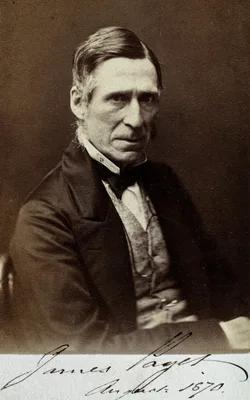
Paget-Schroetter syndrome, venous obstruction in the upper extremity.
1871 CE
#2770
On irritable heart; a clinical study of a form of functional cardiac disorder and its consequences.
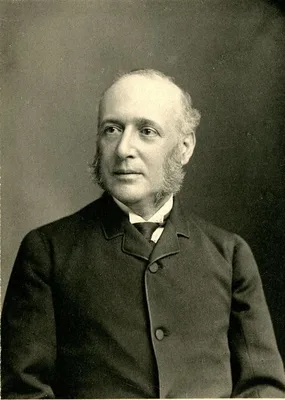
“Da Costa’s syndrome.” This was first described by Myers (No. 2768) and is now known as “effort syndrome,” “soldier’s heart,” “disordered action of the heart.&rdqu…
1858 CE
#2761
On malformations, etc., of the human heart.
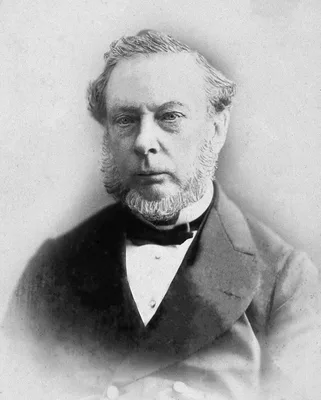
Includes an account of the “tetralogy of Fallot” (see No. 2792). Peacock’s book was “the first comprehensive study covering the whole field” (Maude Abbott). Reprinted, Boston, Mass., 1973.
1905 CE
#2818
On methods of studying blood pressure.
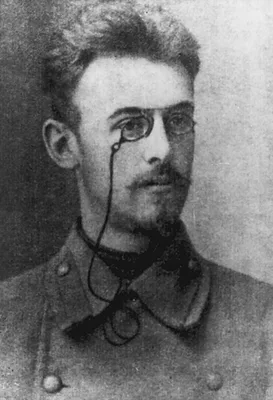
Korotkov introduced the modern method of applying the stethoscope to the brachial artery during blood-pressure examination with Riva-Rocci’s sphygmomanometer, for the purpose of investigating the sounds made by …
1832 CE
#2748
On permanent patency of the mouth of the aorta, or inadequacy of the aortic valves.
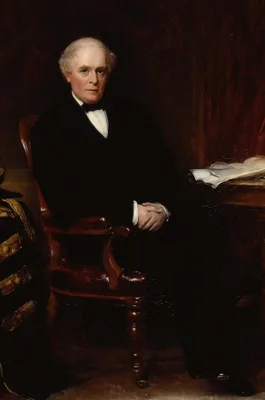
In his wonderfully clear account of aortic insufficiency, Corrigan described the “water-hammer pulse” now commonly known as “Corrigan’s pulse.” He recognized that the hypertrophy of the h…