
Facets
Browse across eight MeSH (opens in new tab) facets — era, geography, science, specialty, technology, history, culture, and reference. Select one tag per group; counts update across the others.
Clear filtersFacet filters
Geography
Specialties & Disease
- Anatomy & Pathology 765
- Cardiology & Blood 914
- Neurology & Psychiatry 1,256
- Obstetrics & Reproductive 550
- Infectious Disease (General) 147
- Surgery & Anesthesia 1,551
- Public Health 1,129
- Immunology & Dermatology 1,404
- General Clinical Medicine 480
- Military Medicine 436
- Psychology 202
- Alternative & Fringe Medicine 383
- Pediatrics 247
- Ophthalmology & Vision 412
- ENT & Hearing 293
- Urology & Nephrology 309
- Gastroenterology & Hepatology 316
- Pulmonary & Respiratory 233
- Rheumatology, Rehab & Pain 188
- Internal, Emergency & Geriatric 123
- Veterinary Medicine 165
- Epidemiology & Demography 397
- Physiology & Embryology 923
- Dentistry 259
- Plagues & Epidemics 1,279
- Microbiology & Virology 1,080
Social & Historical Studies
Institutions & Culture
Reference & Scholarly Works
Drugs & Technology
765 entries match Anatomy & Pathology [G02.149 / C23]
1600 CE
#2272
Observationum medicarum, rararum, novarum, etc. 2 vols.
Schenck was the greatest compiler of his day. His Observationes form the easiest source-book for the pathological observations of Sylvius, Vesalius, and Columbus, and represent a lifetime of medical reading and experi…
1840 CE–1845 CE
#329
Odontography, or, a treatise on the comparative anatomy of the teeth. 2 vols.
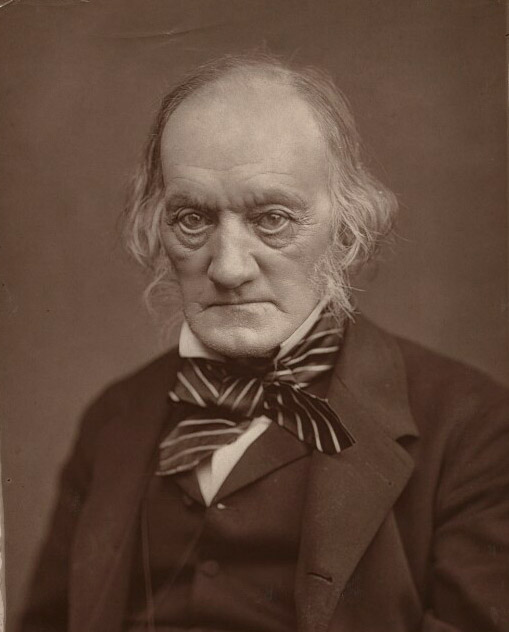
Owen’s first large-scale original work covered the whole range of the toothed vertebrates, living and fossil, and discussed in detail the micrsocopic structure of the teeth and the physiology of dentition. Inclu…
1998 CE
#10685
Oeuvres complètes, Tome VIII: Plaies, Nature des os, Coeur, Anatomie. Texte établi et traduit par Marie-Paul Duminil.
![HIPPOCRATES, [Ἱπποκράτης; Hippocrates of Kos] (-460 – -370)](/media/portraits/50)
Greek text with facing French translation and study of four short treatises of the Hippocratic Collection on anatomy and traumatology of different periods and origins: On sores (probably 5th cent. BCE), On the nature …
1805 CE
#313
Oeuvres de Vicq-d'Azyr recueillie et publiées avec des notes et un discours sur sa vie et ses ouvrages par Jacq[ues] L[ouis]- Moreau [de la Sarthe]. 6 vols. and atlas.
Vicq d’Azyr has been called the greatest comparative anatomist of the 18th century. The mammillo-thalamic tract is named the “bundle of Vicq d’Azyr”. See No. 401.2. Digital facsimile of from th…
1847 CE
#2434
Om spedalskhed. Udgivet efter Foranstaltning af den Kongelige Norske Regjerings Department for det Indre. 1 vol. and atlas.
First modern description of leprosy (“Danielssen-Boeck disease’’). Danielssen, physician to the leprosy hospital at Bergen, was the founder of scientific leprology. The extremely rare Atlas consists …
1845 CE
#412
On a hitherto undescribed structure in the human hair sheath.
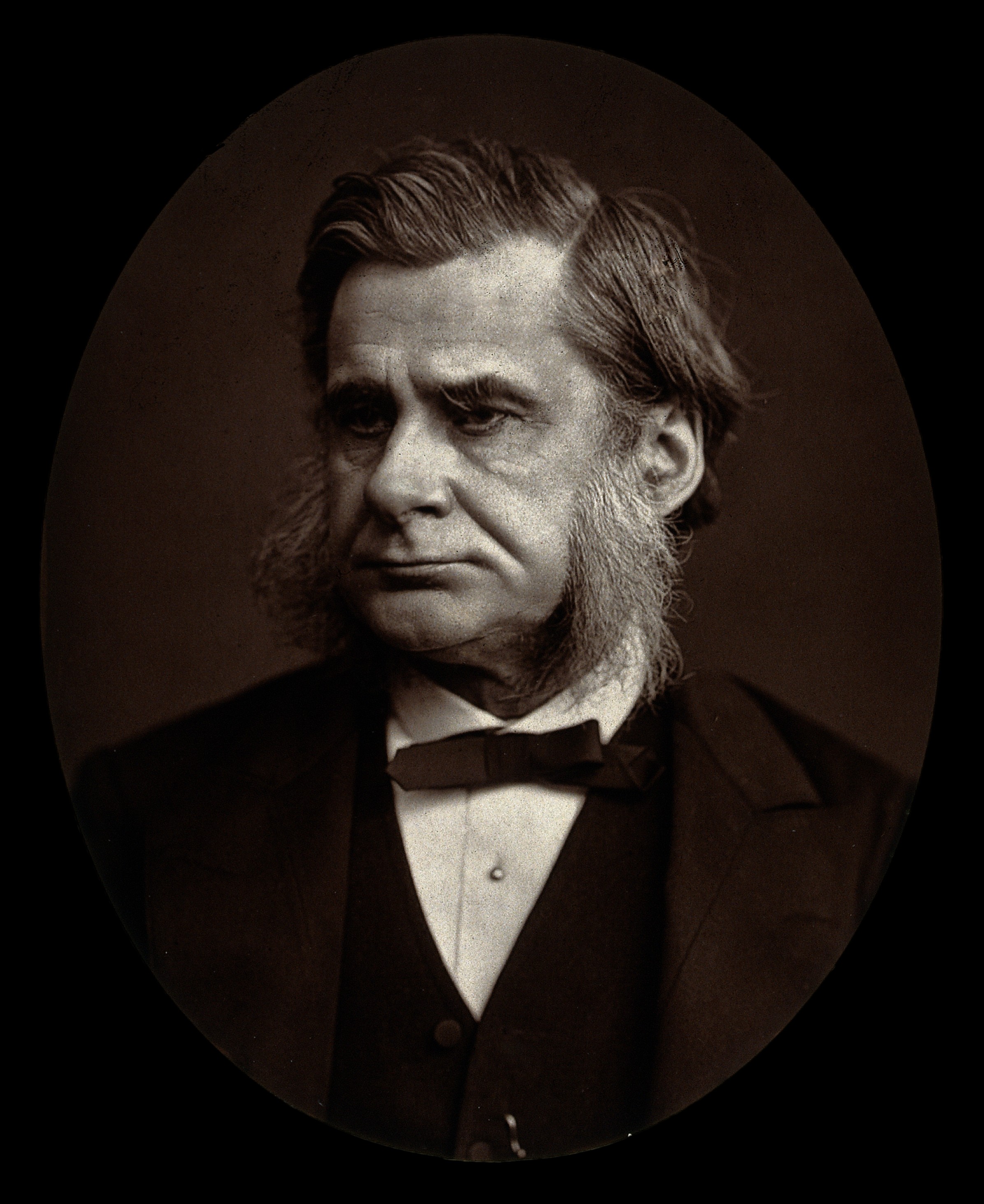
“Huxley’s layer” and “membrane” of the root sheath of hair follicles.
1866 CE–1868 CE
#336
On the anatomy and physiology of the vertebrates. 3 vols.
Vol. 1. Fishes and reptiles; Vol. 2. Birds; Vol. 3. Mammals. The most important work on the subject after Cuvier, based entirely on personal observations. Owen entitled his 40th and concluding chapter "Derivative hypo…
1852 CE
#1126.1
On the anatomy of the Indian rhinoceros (Rh. unicornis L.).
Owen was the first to describe the parathyroids, which he observed in his dissection of a Great Indian Rhinoceros that had lived at the Zoological Society of London from 1834 to 1849. See B. Modarai, A. Sawyer, & H. E…
1848 CE
#330
On the archetype and homologies of the vertebrate skeleton.
Owen’s vertebral theory of the origin of the skull, later refuted by Thomas Huxley and others. "Owen began working systematically on problems of transcendental morphology in 1841, as part of his curatorial task …
1772 CE
#2277
On the digestion of the stomach after death.
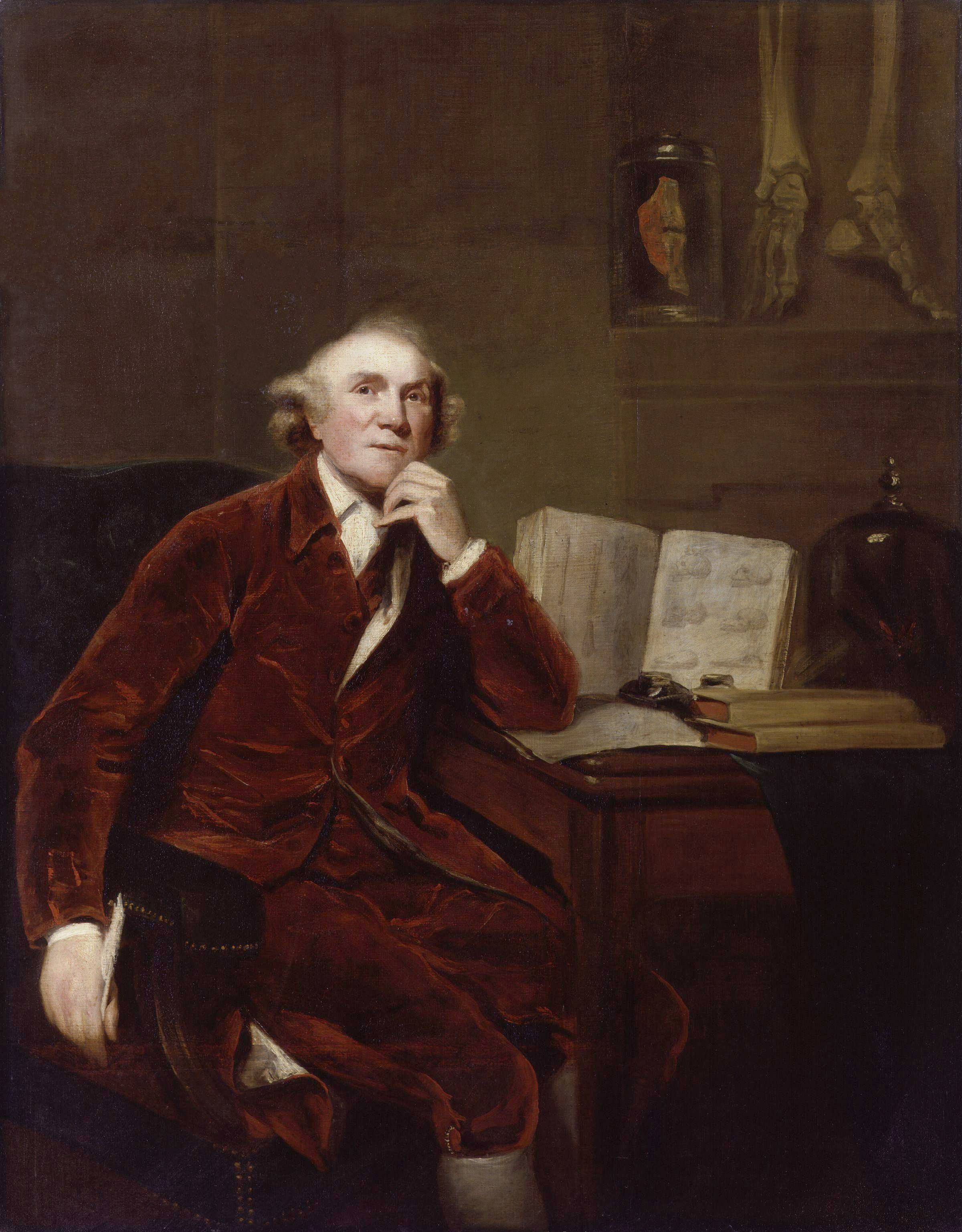
1858 CE
#2298
On the early stages of inflammation.
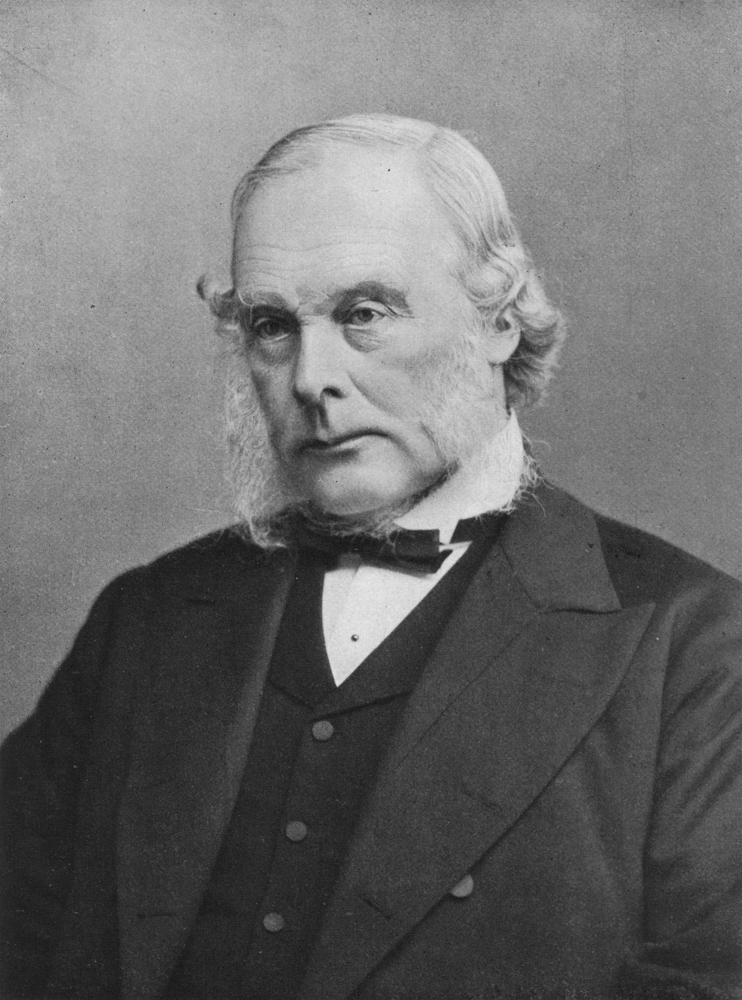
This paper reports the results of one of Lister’s most valuable researches; his conclusions still hold today.
1840 CE
#542
On the minute structure and movements of voluntary muscle.
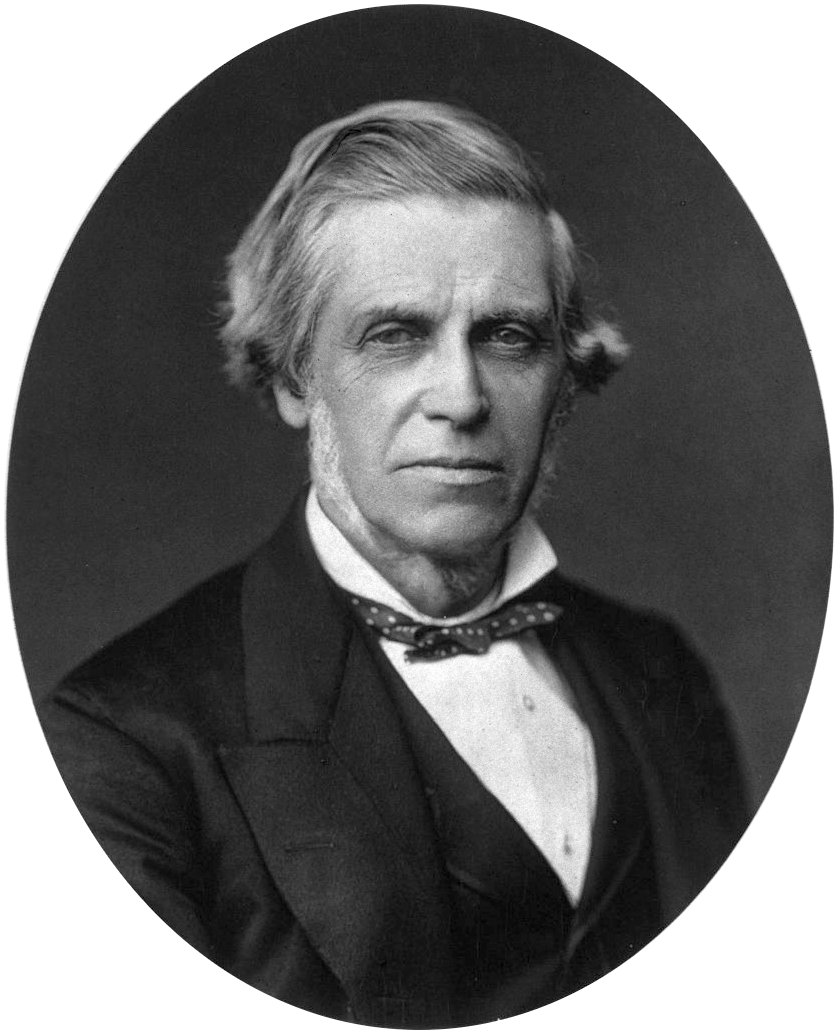
Classical description of striated muscle
1911 CE
#12262
On the muscular architecture of the ventricles of the human heart.
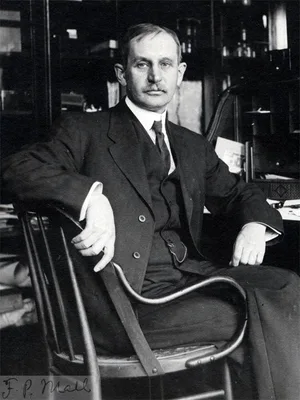
1835 CE
#14316
On the osteology of the chimpanzee and orang utan.
Owen was the first anatomist, after Petrus Camper, to distinguish decisively between the chimpanzee and the orangutan. He began studying the anatomy of non-human primates in the 1830s, when the Regent’s Park Zoo…
1899 CE
#1023
On the topographical anatomy of abdominal viscera in man, especially the gastrointestinal canal.
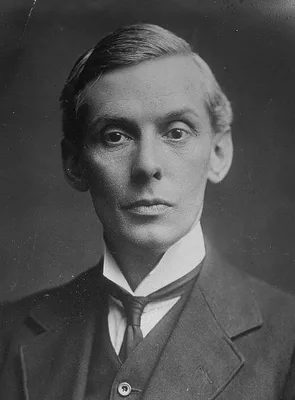
“Addison’s transpyloric plane”. Addison was Britain’s first Minister of Health (1919-21).
1668 CE
#292
Onomasticon zoicon, plerorumque animalium differentias & nomina propria pluribus linguis exponens. Cui accedunt mantissa anatomica, et quaedam de variis fossilium generibus.
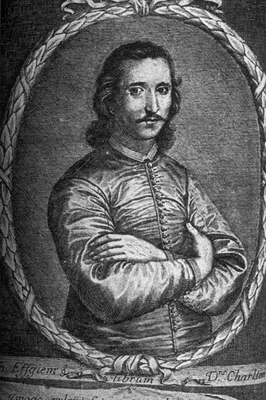
Gives a list of the English, Latin, and Greek names of all the then known animals. Digital facsimile from the Internet Archive at this link.
1880 CE
#444
Onomatologia anatomica. Geschichte und Kritik der anatomischen Sprache der Gegenwart, mit besonderer Berücksichtigung ihrer Barbarismen, Widersinnigkeiten, Tropen und grammatikalischen Fehler.
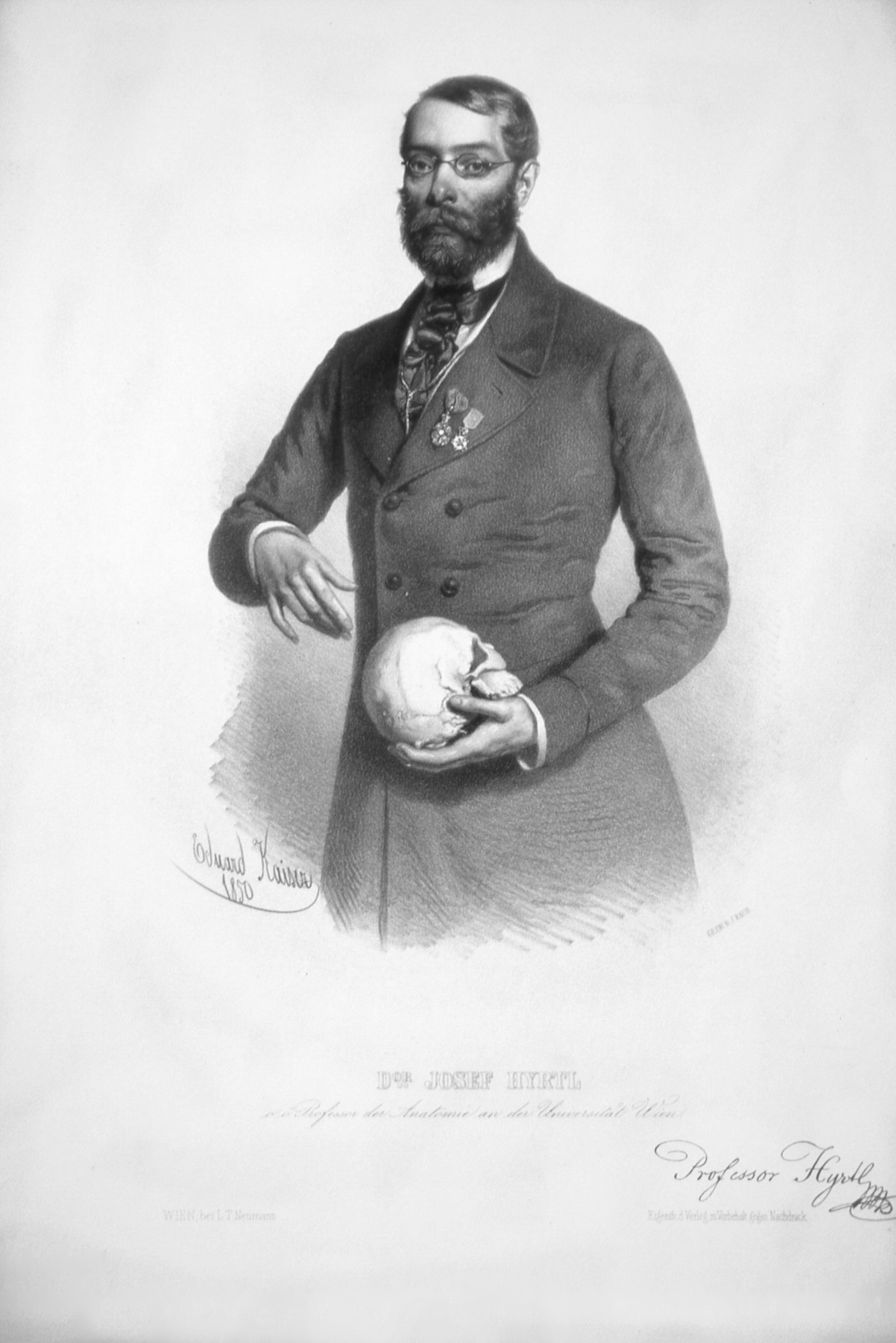
A classic work on anatomical terminology. Digital facsimile from Biodiversity Heritage Library at this link.
1686 CE–1718 CE
#265
Ontledingen en ontdekkingen.... 6 vols.
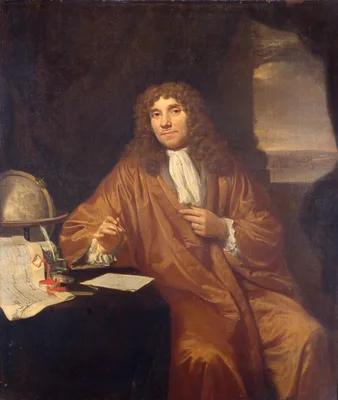
Leeuwenhoek, one of the first and also one of the greatest of the microbiologists, communicated many of his discoveries to the Royal Society in London. This set is a collection in Dutch of many contributions that van …
1725 CE
#8095
Opera omnia anatomica & chirurgica. Edited by Herman Boerhaave and Bernhard Siegfried Albinus. 2 vols.
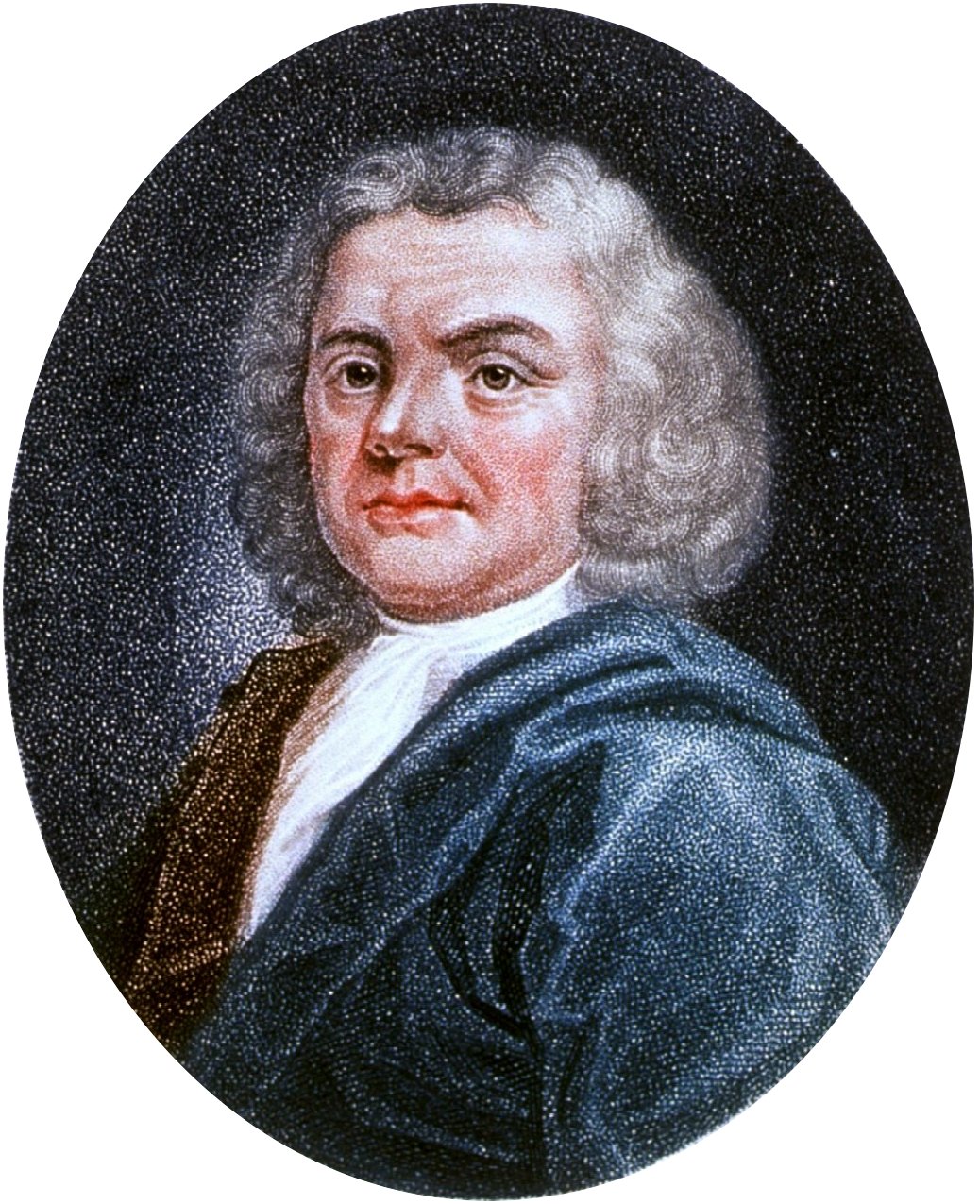
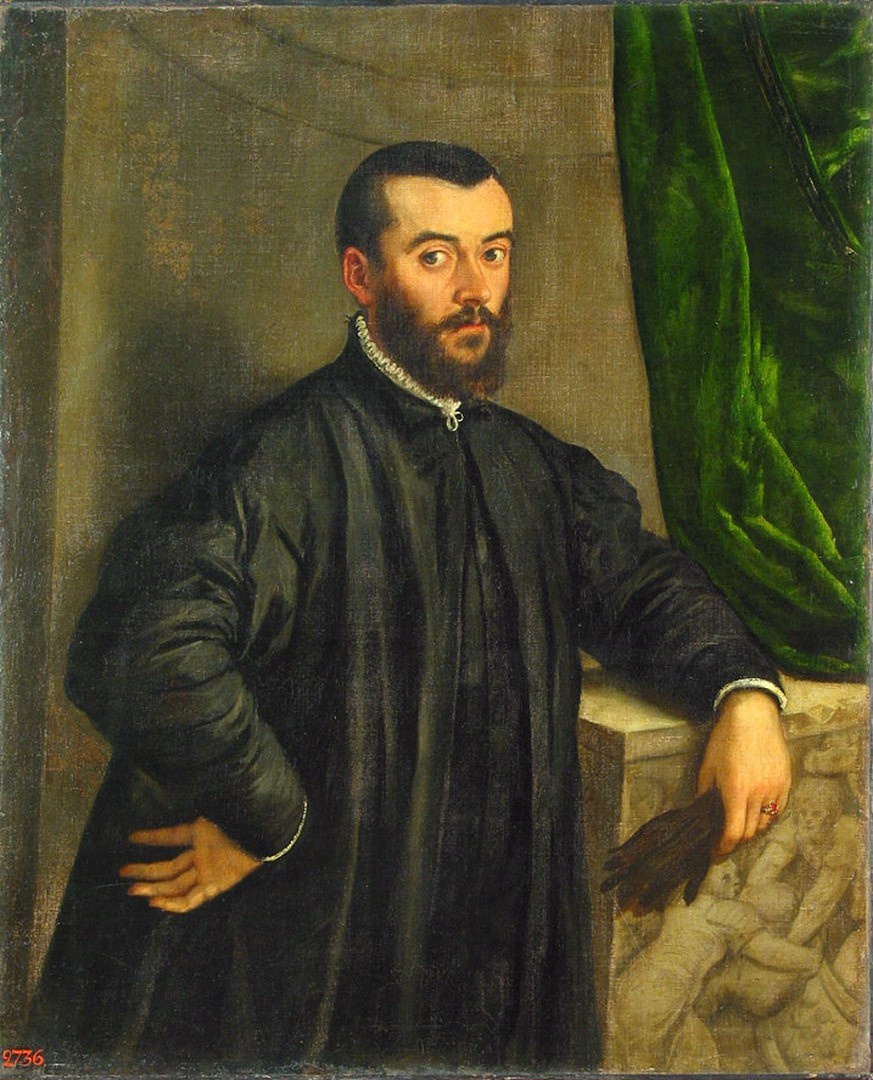
Vesalius's collected works with the famous woodcuts reproduced as copperplate engravings by Jan Wandelaar (1690-1759). Notably Boerhaave and Albinus had this edition published because Vesalius's works still had practi…
1704 CE
#68
Opera omnia medico-practica et anatomica.
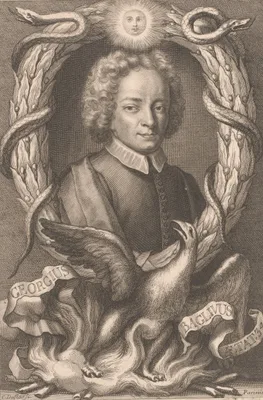
Baglivi, Professor of Anatomy at Rome, had a short but brilliant career. He wrote Praxis medica and De fibra motrice, and originated the so-called “solidar” pathology; he also devoted much time to experime…
1685 CE
#9575
Opera omnia, anatomica et medica partim jam antea excusa, sed plurimis locis ab ipso auctore emendata, & aucta, partim nondum edita. Nunc simul collecta, & diligenter recognita, per Timannum de Diemerbroeck ... quorum elenchum sequens pagina indicabit.
Edited by the author's son.
1686 CE
#66
Opera omnia. 2 vols.
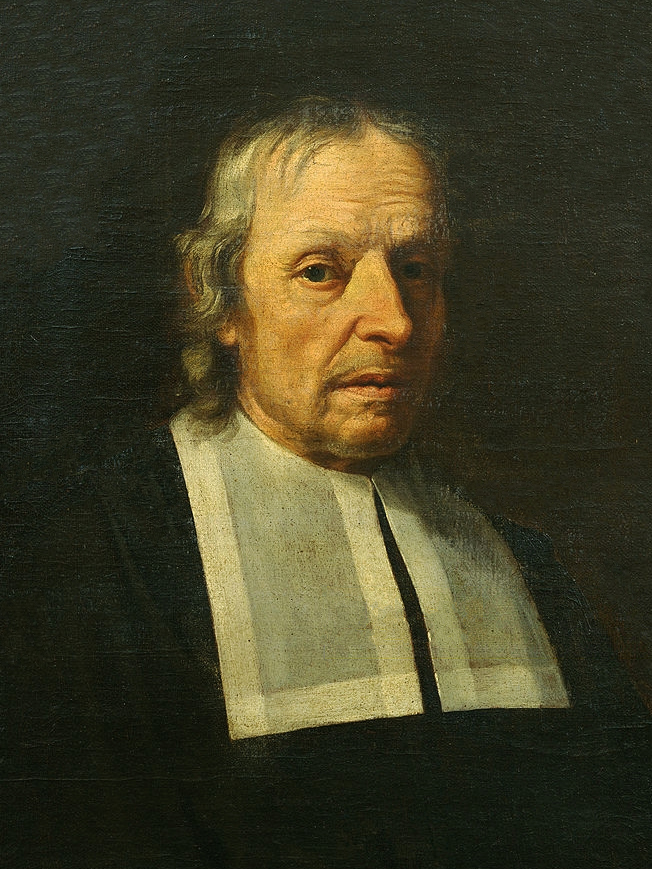
Malpighi was the founder of histology. In 1660 he was the first to see the capillary anastomosis between the arteries and the veins, thus contributing to the completion of Harvey’s work on the circulation. Malpi…
1910 CE
#7474
Opera philosophica. Edited by Vilhelm Maar. 2 vols.
Steno's collected works, presented in the original Latin with an introduction in English. Digital facsimile from biusante.parisdescartes.fr at this link.
1645 CE
#61.2
Opera quae extant omnia. Ex recension Joh. Antonidae vander Linden.
Spieghel succeeded Casseri in the chair of anatomy at Padua. This edition of his collected writings contains the second printing of the 97 copperplates first printed in Casseri’s Tabulae anatomicae (No. 381) plu…
1479 CE
#17
Opera. In four parts dated: I) 15 Sept. 1479; II) 13 Oct. 1479; III) 21 Oct. 1479; IV) 8 Nov. 1479. Contents: [I] Praedicamenta, De interpretatione, Analytica priora (Tr: Boethius). Add: Porphyrius: Isagoge in Aristotelis Praedicamenta (Tr: Boethius). Gilbertus Porretanus: Liber sex principiorum. Boethius: Divisiones. [II] Analytica posteriora (Tr: Jacobus Veneticus). [III] Sophistici elenchi, Topica (Tr: Boethius). [IV] Physica (Tr: Guilelmus de Moerbeka).
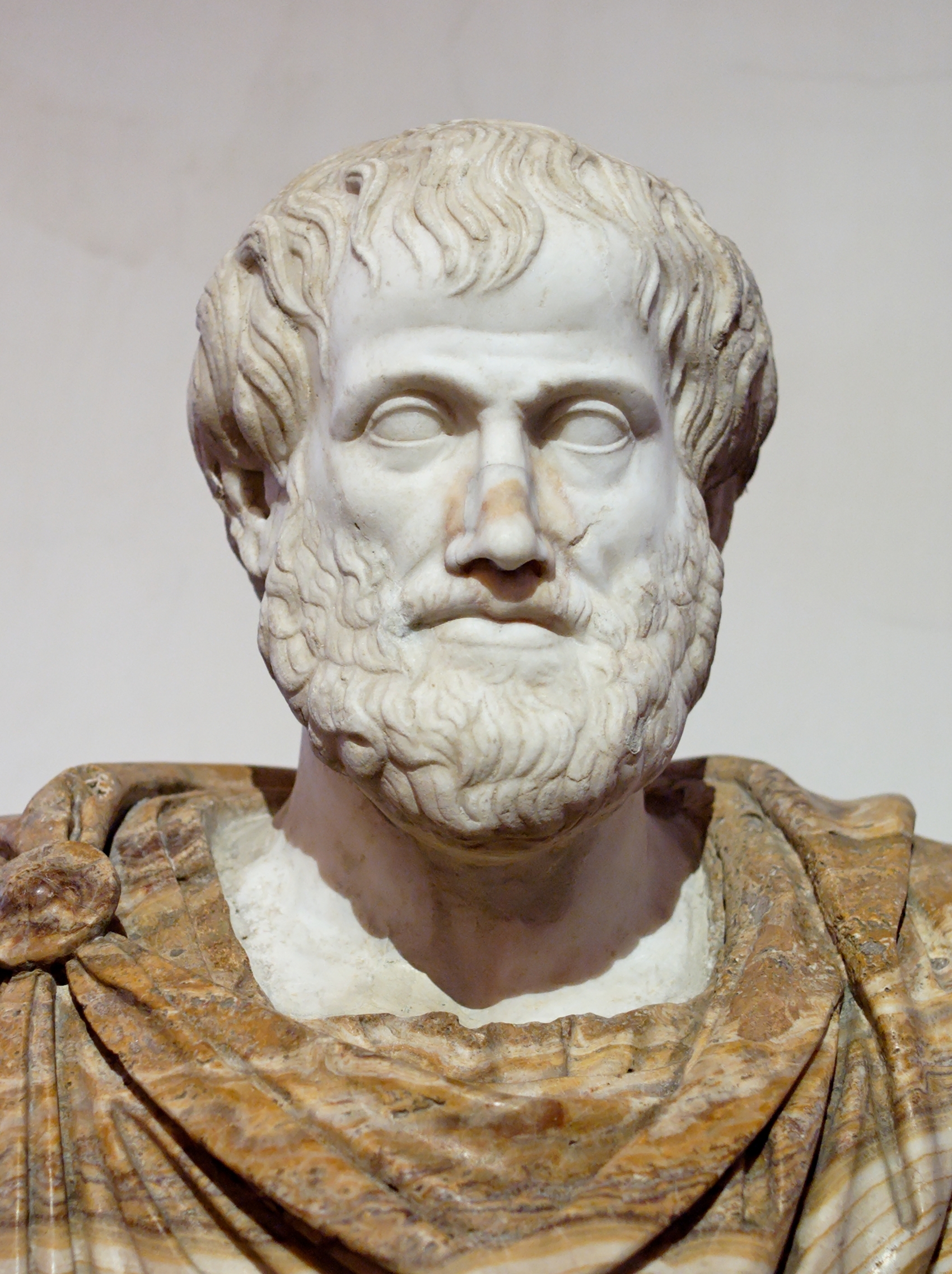
Aristotle, at one time tutor to Alexander the Great, was, among other things, the first observational biologist, and the founder of comparative anatomy. His views had a profound influence in determining the direction …
1986 CE
#7475
Opere scientifiche. Traduzione integrale dai testi originali. Coordinatore Luciano Casella. Revisione e note a cura di Enrico Coturri. 2 vols.
Steno's collected works translated from Latin into Italian. Reproduces Steno's original engraved illustrations, plus others from the time (some in color).
1563 CE–1564 CE
#1093
Opuscula anatomica.
Eustachius is credited with several anatomical discoveries, among them the tensor tympani muscle and the Eustachian tube, published in his chapter entitled De auditus organis. In the last respect, however, he was anti…
1699 CE
#153
Orang-outang, sive homo sylvestris: Or, the anatomy of a pygmie compared with that of a monkey, an ape, and a man.
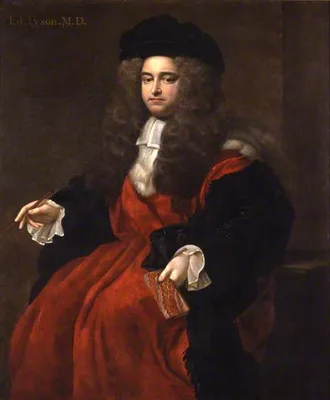
The earliest work of importance in comparative morphology. Tyson compared the anatomy of man and monkeys and between the two he placed the chimpanzee, which he regarded as the typical pygmy. This was the origin of the…
2017 CE
#8520
Osler Library Prints Collection.
http://digital.library.mcgill.ca/oslerprints/index.php "This varied collection of approximately 2,500 prints offers a fascinating look into the history of medicine through popular imagery. The medium of the print, bei…
1981 CE
#10990
Oslerian pathology: An assessment and annotated atlas of museum specimens.
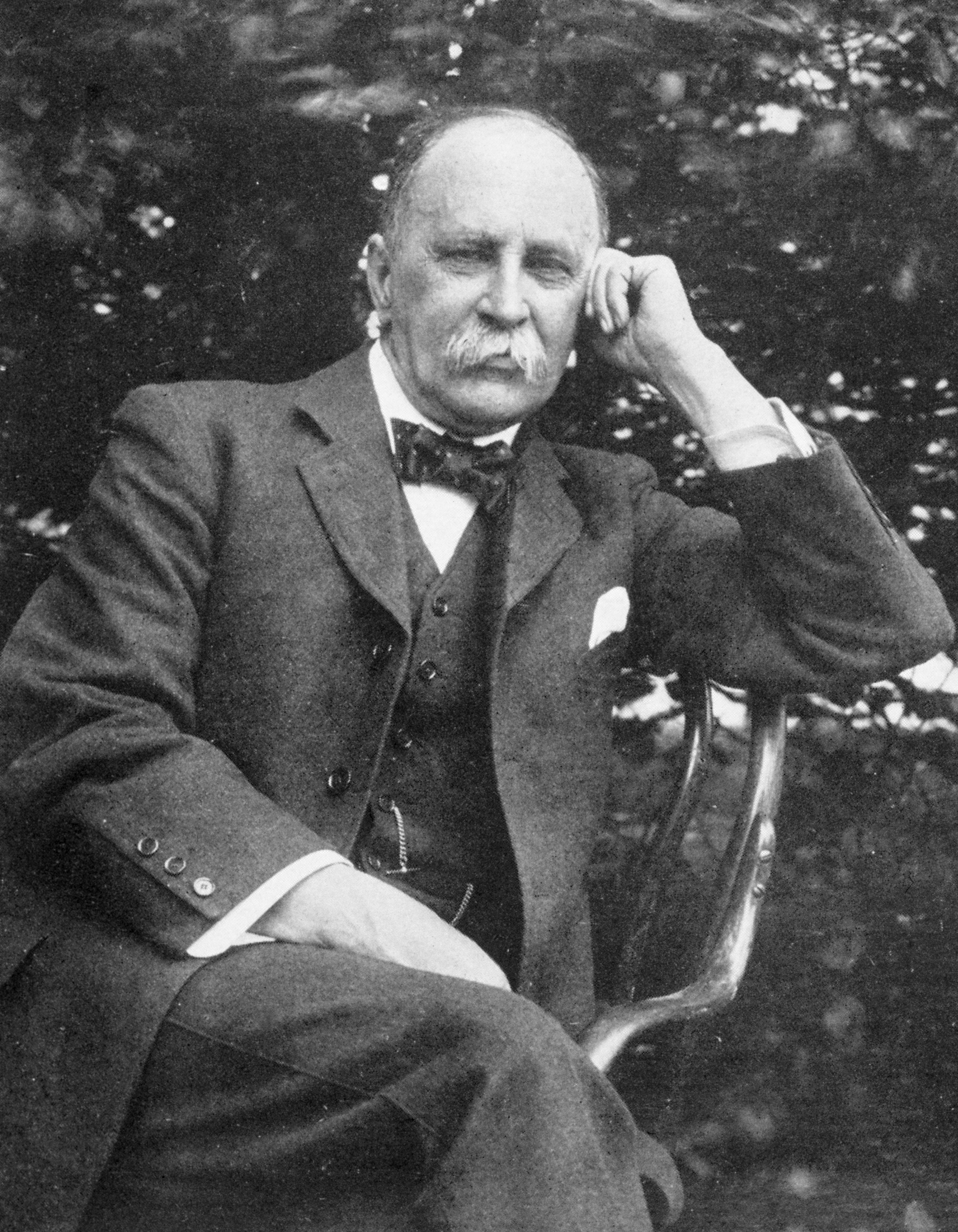
Covers the 55 remaining specimens of pathological preparations by William Osler preserved at McGill University. The book is divided into 4 sections: A: presentation and discussion of those aspects of Osler's activitie…
1780 CE
#9547
Osteografia e miografia della testa, mani, e piedi del corpo umano in misura naturale con il catalogo de' nomi propri.
Very distinctive engravings with the captions included within the engraved surfaces. Printed and sold by the artist.
1733 CE
#395
Osteographia, or the anatomy of the bones.
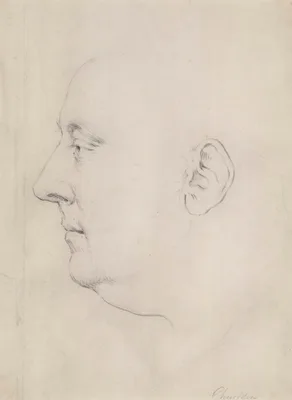
This splendidly designed and illustrated work contained full and accurate descriptions of all the human bones, as well as many of animals. Cheselden is the first person to have used the camera obscura to gain precisio…
1869 CE–1880 CE
#10292
Ostéographie des cétacés vivants et fossiles, comprenant la description et l'iconographie du squelette et du système dentaire de ces animaux, ainsi que des documents relatifs à leur histoire naturelle. Folio atlas + 3 vols. text.
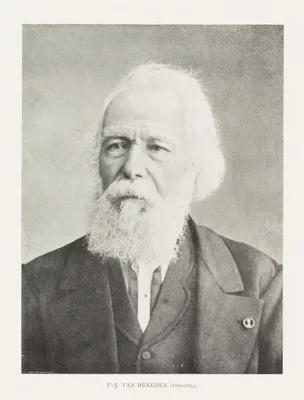
Digital facsimile from Biodiversity Heritage Library at this link.
1691 CE
#387
Osteologia nova, or some new observations of the bones.
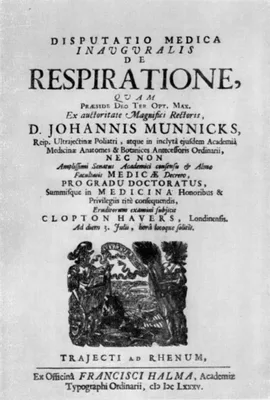
Havers discovered the Haversian canals and made important observations of the physiology of bone growth and repair. The Haversian lamellae, glands, and folds, are also named after him. The Haversian canals were observ…
1828 CE
#7512
Otium academicum, continens descriptionem speciminum nonnullarum partium corporis humani et animalium subtilioris anatomiae ope in physiologicum usum praeparatarum, aliarumque, quibus morborum organicorum natura illustrator.
Issued in 12 fascicules from 1826 to 1828. Consists of 3 parts concerning anatomy and physiology, comparative anatomy specimens and pathological specimens. Includes 37 plates printed in color; 35 plates in black & whi…
1976 CE
#2312.7
Paleopathological diagnosis and interpretation: bone diseases in ancient human populations.
The first text providing diagnostic criteria for evaluating ancient skeletal remains.
1930 CE
#7710
Paleopathologie et pathologie comparative.
Pales described a broad range of diseases and noted relationships between disease, evolution and species extinction.
1923 CE
#2312.3
Paleopathology; an introduction to the study of ancient evidences of disease.
Surveys the ancient evidence of disease in plants, invertebrates and vertebrates, including man.
1999 CE
#7546
Paper bodies: A catalogue of anatomical fugitive sheets 1538-1687. (Medical History, Supplement No. 19)
Describes bibliographically and illustrates the approximately 60 different surviving fugitive sheets together with essays on "The visual culture of Renaissance anatomy," "Anatomical fugitive sheets: Printing, prints a…
1920 CE
#86.2
Papers and addresses by William Henry Welch. [Edited by Walter C. Burket]. 3 vols.
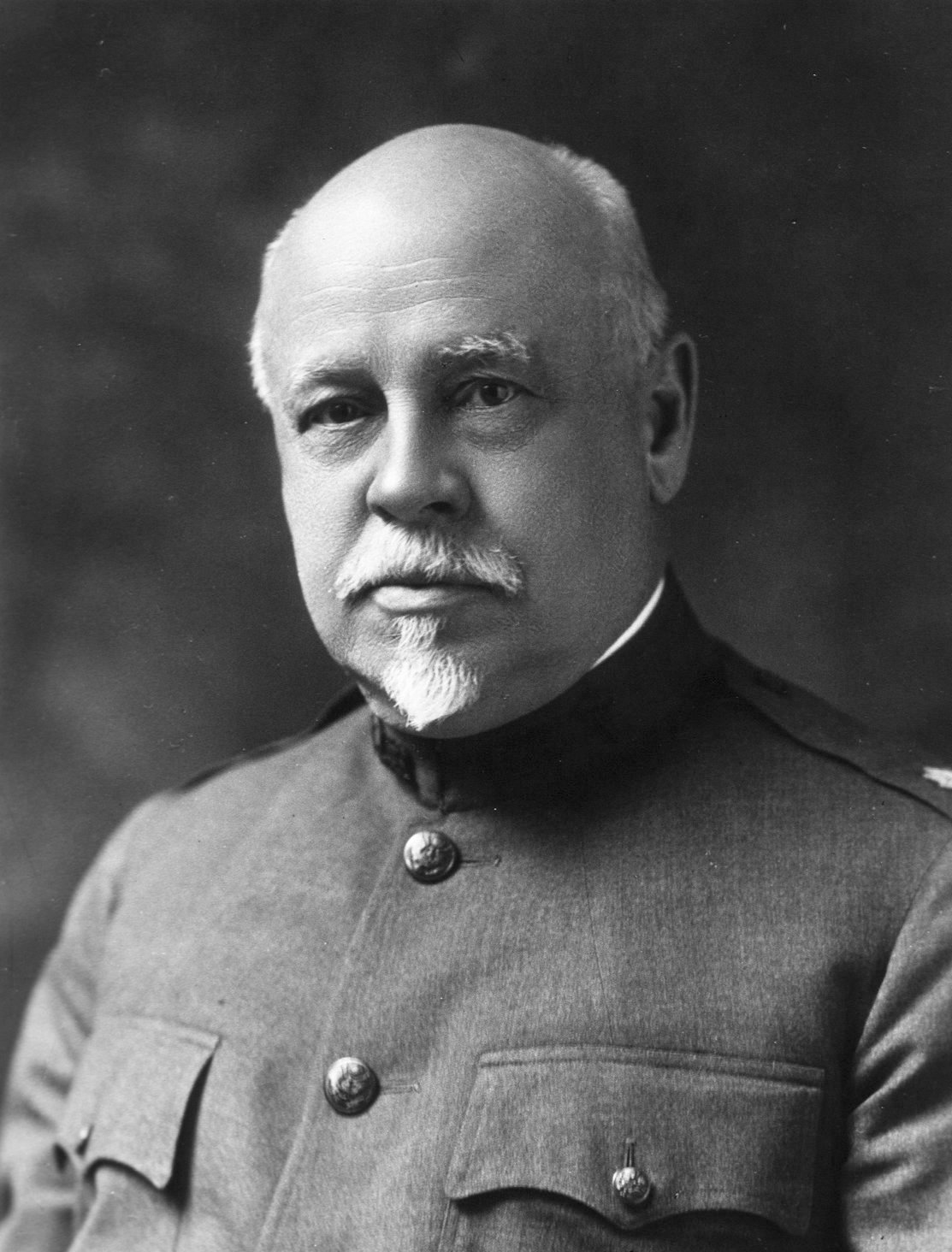
Vol. 1: Pathology and preventive medicine. Vol. 2: Bacteriology. Vol. 3: Medical education, history, miscellaneous subjects, and Welch's bibliography. Introduction by Simon Flexner. Digital facsimile from the Internet…
1844 CE
#8810
Pathologia Indica, or, The anatomy of Indian diseases, medical and surgical: Based upon morbid specimens from all parts of India in the museum of the Calcutta Medical College; illustrated by detailed cases, with the prescriptions and treatment employed, and comments, physiological, practical and historical.
Significantly expanded second edition, in two parts (Calcutta: Thacker & Co., 1848). Digital facsimile of the 1848 edition from the Internet Archive at this link.
1937 CE
#2319
Pathology.
Krumbhaar edited the Clio Medica series of volumes on the history of medicine, and contributed a history of pathology to it.
1818 CE–1822 CE
#534.57
Philosophie anatomique. Tome Premier. Des organes respiratoires sou le rapport de la détermination et de l'identité de leur pièces osseuses. Avec figures de 116 nouvelles preparations d'anatomie. [Tome Deuxième]. Des monstruosités humaines, ouvrage contenant une classification des monstres; la description et la comparaison des principaux genres; une histoire raisonnée des phénomènes de la monstruosité et des faits primitifs qui la produisent; des vues nouvelles touchant la nutrition du foetus et d'autres circonstrances de son développement....Avec figures des détails anatomiques. 2 vols.
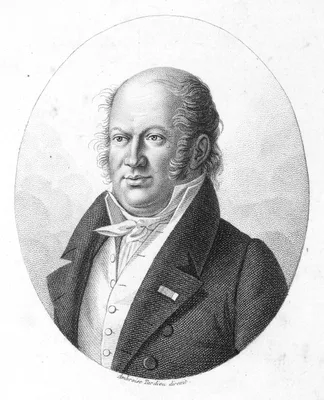
The elder Geoffroy Saint-Hilaire is credited with coining the word teratology, and was the first seriously to attempt the experimental production of anomalies, by manipulating chick eggs. See T. Cahn, La vie et l'oeuv…
1499 CE
#363.2
Philosophie naturalis compendium.
The last section of this commentary on Aristotle is an illustrated summary of anatomy, the text of which was derived, with some modifications, from medieval manuscripts. The series of eleven woodcuts has been called &…
1839 CE
#10589
Physiognomice pathologica – Krankenphysiognomik. Text in quarto; atlas in folio with 72 hand-colored lithographs.
A second edition in octavo format with 80 small plates was published in 1842. Baumgärtner, a pupil of Friedrich Tiedemann and Leopold Gmelin at Heidelberg, taught that it was possible to make a correct diagnosis …
1845 CE
#543.1
Physiologie pathologique. 2 vols. & atlas.
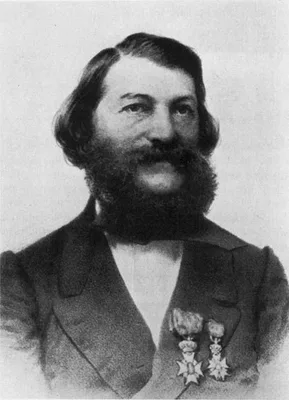
One of the earliest atlases of pathological histology. Lebert’s work played an important role in introducing the cellular idea of pathology, laying the groundwork for Virchow’s theories.
2012 CE
#8389
Picturing the book of nature: Image, text, and argument in sixteenth-century human anatomy and medical botany.
1823 CE–1826 CE
#7242
Planches anatomiques du corps humain executes d’après les dimensions naturelles. Double elephant folio atlas and small folio text.
Considering that it is among the rarest of all anatomies, and certainly the largest and probably the most spectacular, it is remarkable that two nearly identical editions of Mascagni’s posthumous life-size anato…
1886 CE
#427
Plastische Anatomie des menschlichen Körpers.
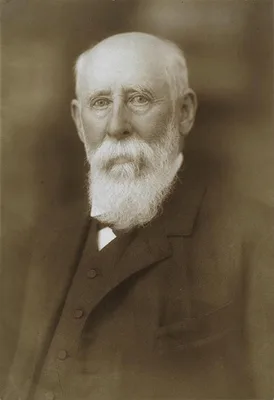
“Illustrated with lithographs from hand-drawings, photographs from the nude, ethnic studies of facial features…The text…is of unusual historic interest, and includes special chapters on the anatomy…
1924 CE
#13680
Plastische Anatomie: Die konstruktive Form des menschlichen Körpers. Mit Bildern von Hermann Sachs.
An anatomy for artists, illustrated by Hermann Sachs.