
Facets
Browse across eight MeSH (opens in new tab) facets — era, geography, science, specialty, technology, history, culture, and reference. Select one tag per group; counts update across the others.
Clear filtersFacet filters
Geography
Specialties & Disease
- Anatomy & Pathology 765
- Cardiology & Blood 914
- Neurology & Psychiatry 1,256
- Obstetrics & Reproductive 550
- Infectious Disease (General) 147
- Surgery & Anesthesia 1,551
- Public Health 1,129
- Immunology & Dermatology 1,404
- General Clinical Medicine 480
- Military Medicine 436
- Psychology 202
- Alternative & Fringe Medicine 383
- Pediatrics 247
- Ophthalmology & Vision 412
- ENT & Hearing 293
- Urology & Nephrology 309
- Gastroenterology & Hepatology 316
- Pulmonary & Respiratory 233
- Rheumatology, Rehab & Pain 188
- Internal, Emergency & Geriatric 123
- Veterinary Medicine 165
- Epidemiology & Demography 397
- Physiology & Embryology 923
- Dentistry 259
- Plagues & Epidemics 1,279
- Microbiology & Virology 1,080
Social & Historical Studies
Institutions & Culture
Reference & Scholarly Works
923 entries match Physiology & Embryology [G07 / G02.149]
1886 CE
#504
Lehrbuch der Entwicklungsgeschichte des Menschen und der Wirbelthiere.
1893 CE
#787
Lehrbuch der Physiologie des Kreislaufes.
1902 CE–1909 CE
#517
Lehrbuch der vergleichenden Entwicklungsgeschichte der wirbellosen Thiere.
1897 CE
#1022
Lektsii o rabotie glavnikh pishtshevaritelnikh zhelyoz. [Lectures on the work of the principal digestive glands.]
Pavlov's classic study of the physiology of digestion. Especially notable was his method of producing gastric and pancreatic fistulae for the purpose of his experiments. The second published edition was a German trans…
1952 CE
#366
Leonardo da Vinci on the human body. The anatomical, physiological, and embryological drawings of Leonardo da Vinci. With translations, emendations, and biographical introduction by Charles D. O'Malley and J. B. de C. M. Saunders.
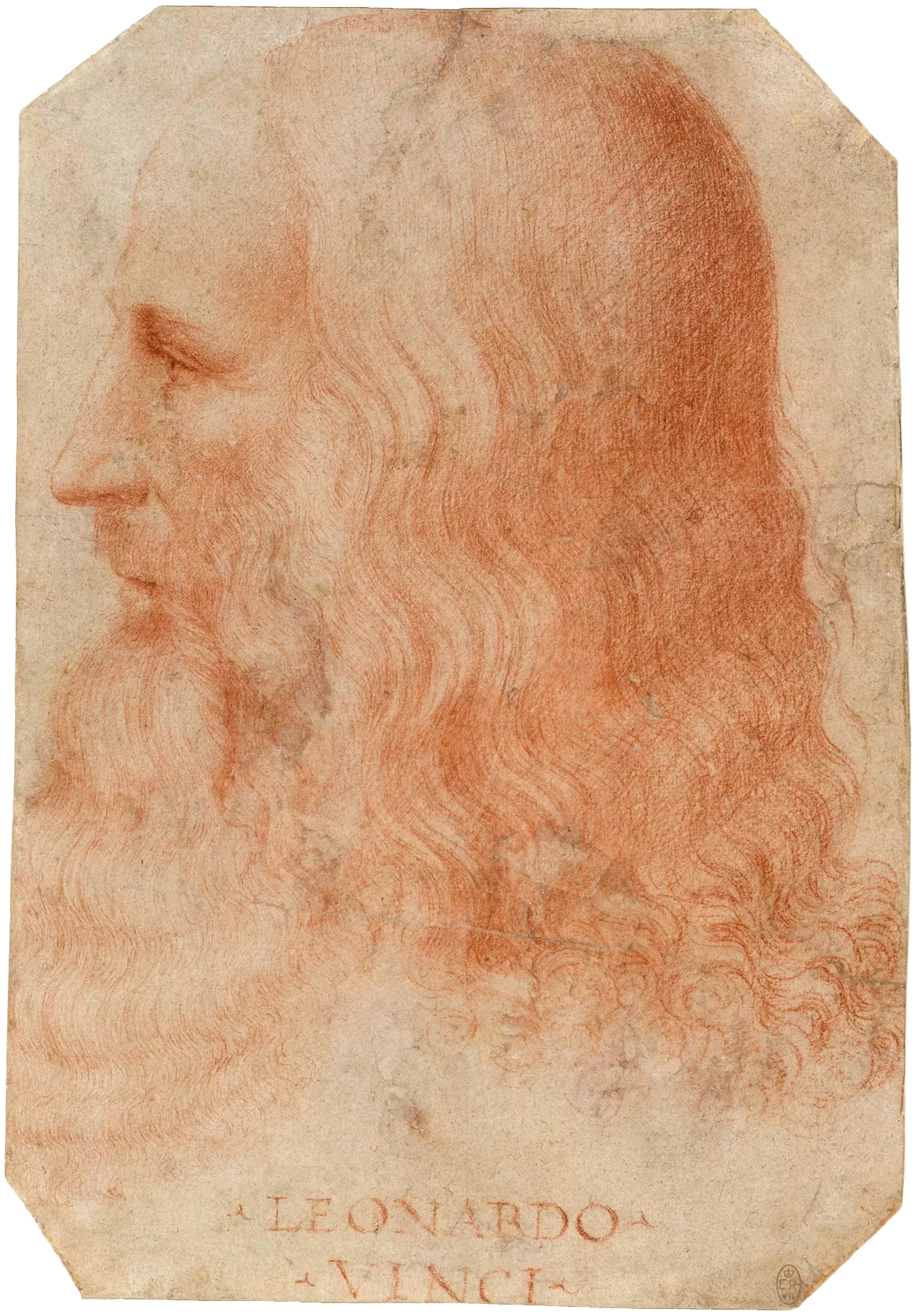
Includes 215 plates.
1861 CE
#935.2
Les altitudes de l’Amérique tropicale comparées au niveau des mers au point de vue de la constitution médicale.
Jourdanet discovered the anoxemia theory of high altitude sickness. See No. 943.1. Digital facsimile of the 1861 edition from bibliotecavirtual.ranm.es at this link.
1890 CE
#636
Les lois de la fatigue étudiées dans les muscles de l’homme.
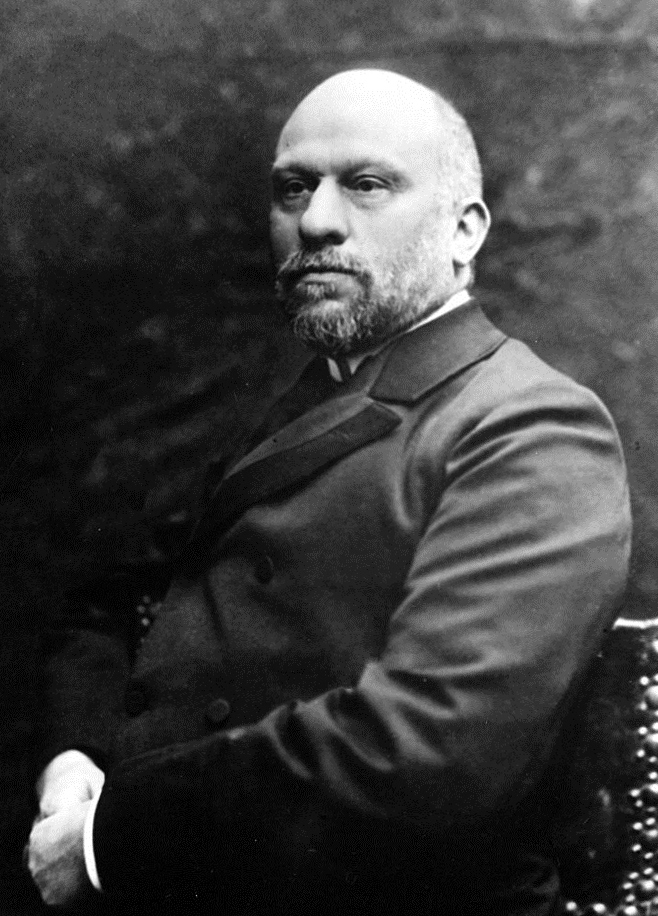
Mosso invented the ergograph from the study of voluntary contraction. The description of the instrument is on pages 124-41 of the above article.
1971 CE
#534.4
Les sciences de la vie dans la pensée française du XVIIIe siècle. Genération des animaux de Descartes à l’Encyclopédie. 2e ed.
Translated into English by Robert Ellrich as The life sciences in eighteenth-century French thought, edited by Keith R. Benson, Stanford: Stanford University Press, 1998.
1783 CE
#12037
Lettera dell' Abate Spallanzani al Sig. Marchese Lucchesini.
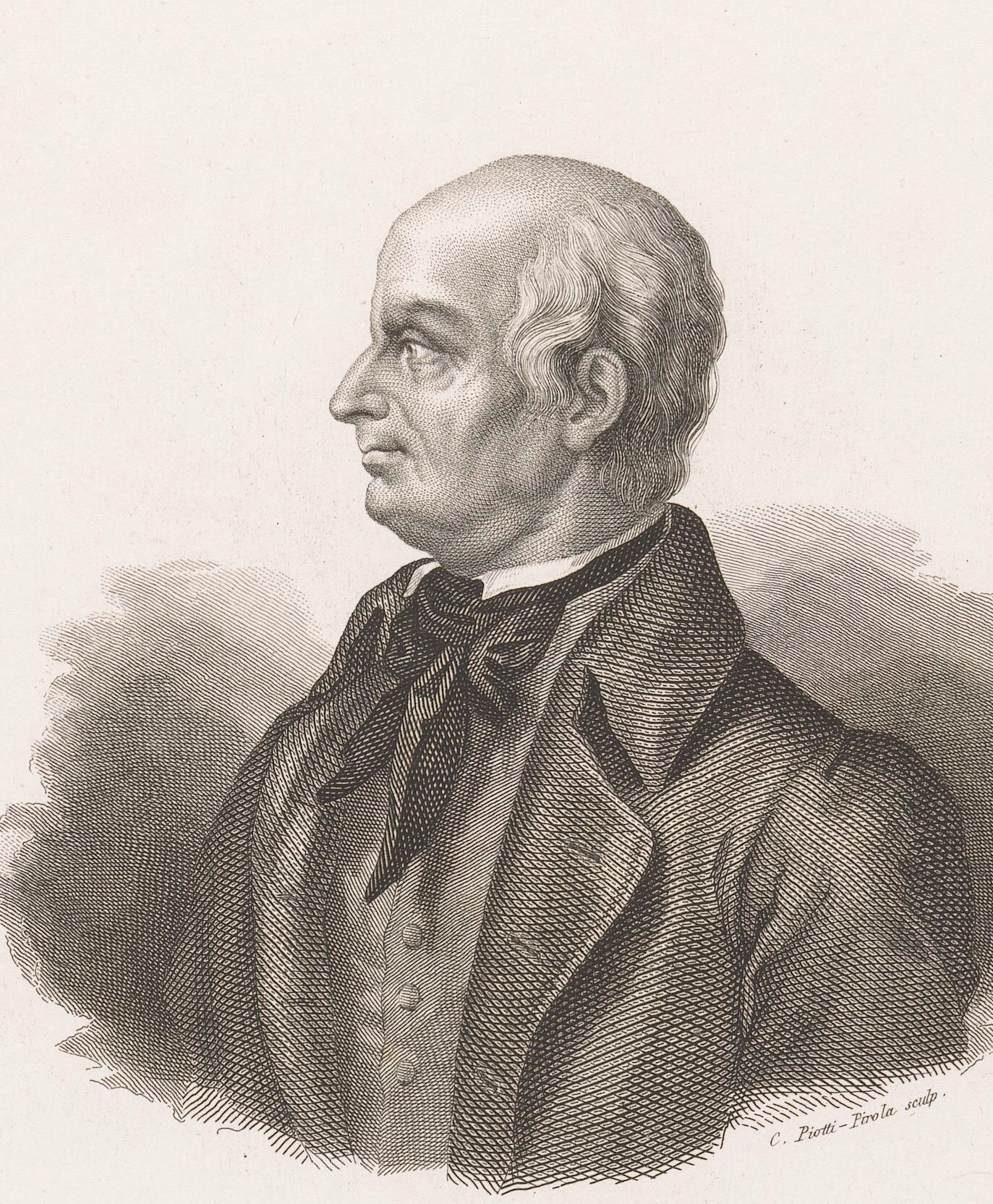
Records on pp. 80-104 Spallanzani's work on the torpedo. In the 1780's Spallanzani turned to marine biology, making several trips to the Mediterranean region. On his visit to Portovenere in 1783 "he instituted the fir…
1477 CE
#10725
Liber phsionomiae [and other works].
![SCOT, Michael [Michael Scotus] (1175 – 1232)](/media/portraits/12461)
"Composed between 1209 and 1226, the first of the two primary texts discusses human generation — anatomy, physiology, astrology, sexual behavior, conception and the health of the fetus. The second part, the Phys…
1660 CE–1662 CE
#3245
Liber primus [-liber quintus et ultimus] de catarrhis. 6 vols.
Schneider put an end to the idea that nasal mucus originated in the pituitary. He demonstrated anatomically and clinically that the mucous membrane lining the nose (“Schneider’s membrane”) is the sou…
1902 CE
#12393
Life and correspondence of Henry Ingersoll Bowditch by his son, Vincent Y. Bowditch. 2 vols.
Digital facsimile from the Hathi Trust at this link.
1861 CE
#813
Loi qui préside à la fréquence des battements du coeur.
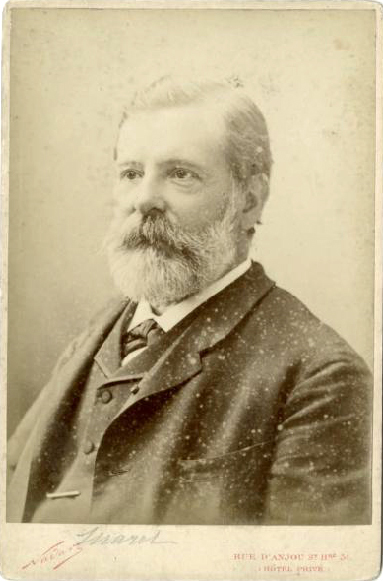
Marey’s law of the heart. Marey was the first to realize the relationship between the blood pressure and the heart rate.
1864 CE
#4620
Loss of speech: its association with valvular disease of the heart, and with hemiplegia on the right side. Defects of smell. Defects of speech in chorea. Arterial regions in epilepsy.
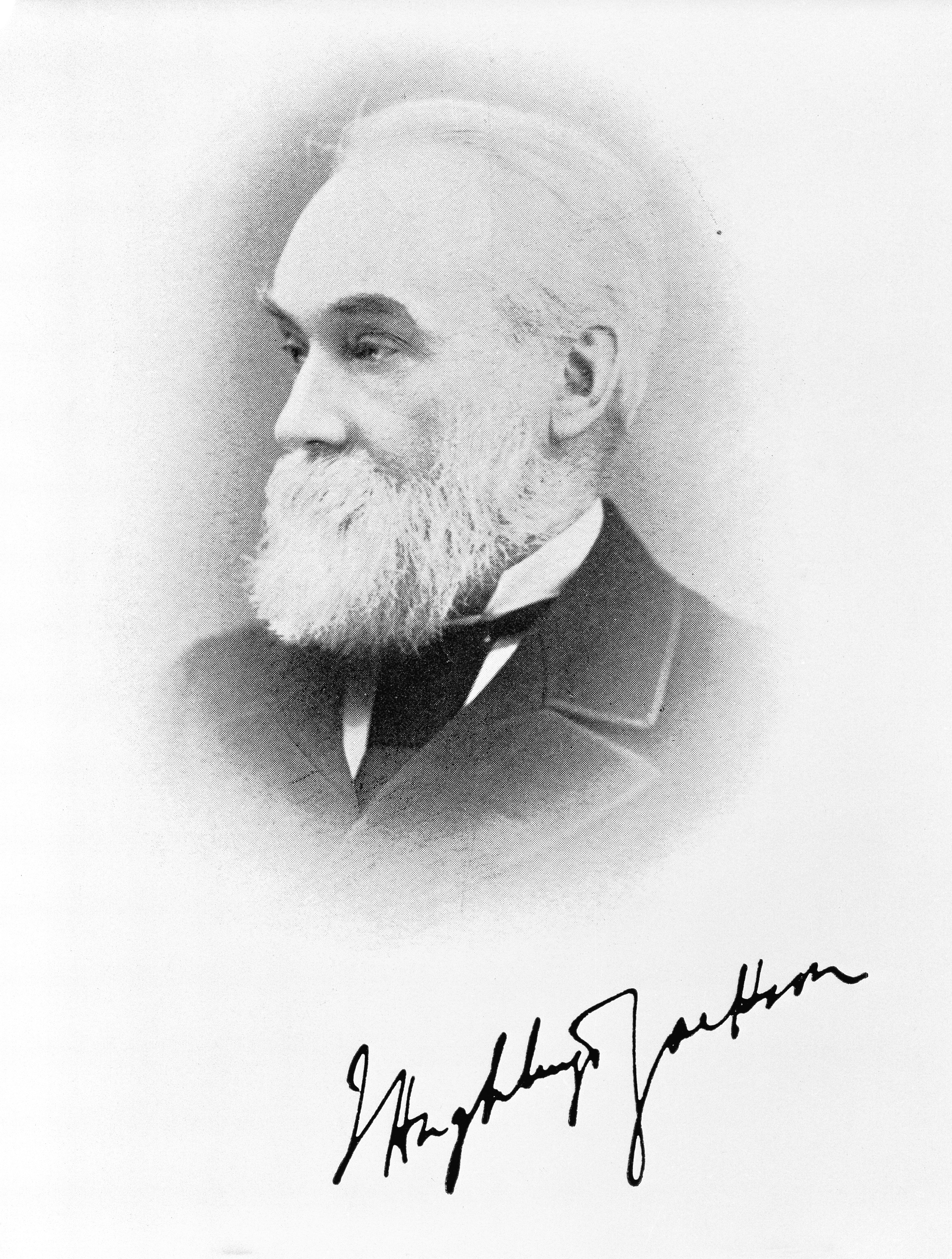
Jackson studied aphasia for 30 years. He emphasized its psychological aspects and laid the foundation for present knowledge of the condition, but he was ahead of his time and the value of his work was not recognized f…
1972 CE
#1588.11
Machina carnis: the biochemistry of muscular contraction in its historical development.
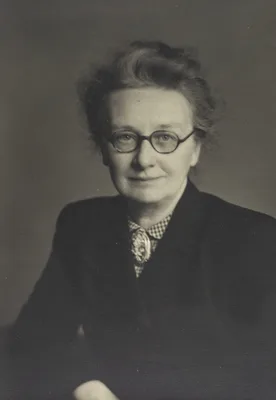
A definitive history of the development of knowledge on muscle biochemistry; valuable bibliography.
2008 CE
#10550
Making visible embryos.
http://www.sites.hps.cam.ac.uk/visibleembryos/index.html "IMAGES OF HUMAN EMBRYOS Images of human embryos are everywhere. We see them in newspapers, clinics, classrooms, laboratories, family albums and on the internet…
1902 CE–1904 CE
#534.69
Manual of antenatal pathology and hygiene. Volume 1, The foetus. Volume 2, The embryo.
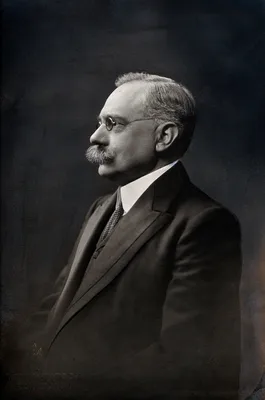
Ballantyne was a pioneer advocate of antenatal care. Volume 2, The Embryo, is the most complete history of teratology in English, and among the best in any language. American edition, New York, 1905. Digital facsimile…
1910 CE–1912 CE
#526
Manual of human embryology. Written by Charles R. Bardeen, Madison, Wis.; Herbert M. Evans, Baltimore, Md.; Walter Felix, Zurich; Otto Grosser, Prague; Franz Keibel, Freiburg i. Br.; Frederic T. Lewis, Boston, Mass.; Warren H. Lewis, Baltimore, Md.; J. Playfair McMurrich, Toronto; Franklin P. Mall, Baltimore, Md.; Charles S. Minot, Boston, Mass.; Felix Pinkus, Berlin; Florence R. Sabin, Baltimore, Md; George L. Streeter, Ann Arbor, Mich.; Julius Tandler, Vienna; Emil Zuckerkandl, Vienna. Edited by Franz Keibel and Franklin P. Mall. 2 vols.
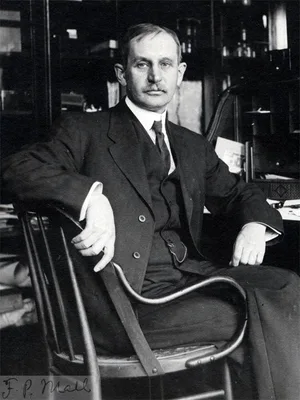
The important studies on human embryos, originated by His, were carried on by his pupils, Keibel and Mall. This classic work written by American and German experts “has not yet been superseded” (D.S.B., la…
1918 CE
#9597
Manual of medical research laboratory.
Digital facsimile from Google Books at this link.
1966 CE
#534.1
Marcello Malpighi and the evolution of embryology. 5 vols.
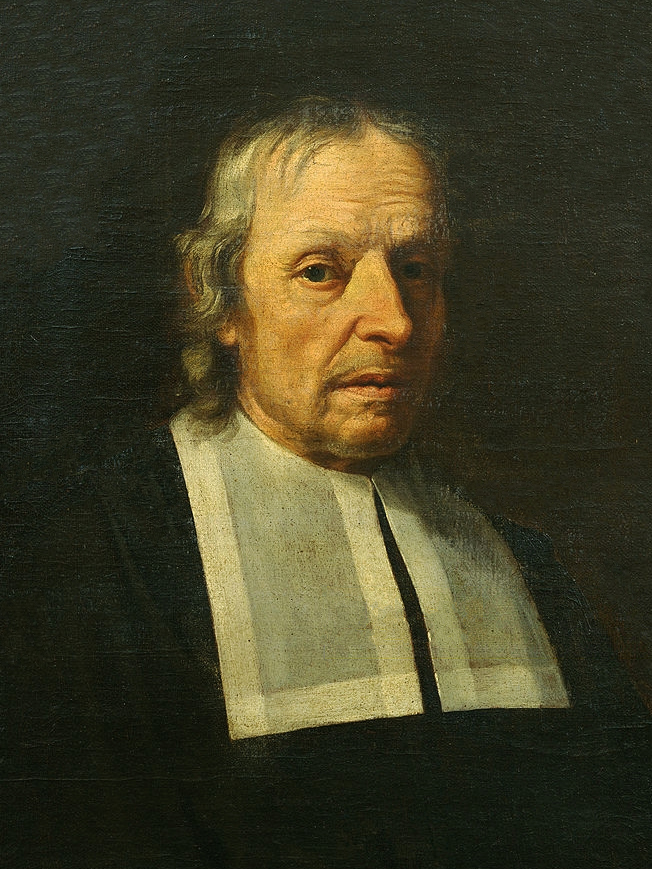
Vol. 1 is an exhaustive biography of Malpighi; the remaining 4 volumes provide an extensive account of the development of embryology, and annotated English translations of Nos. 468 & 469.
1980 CE
#11689
Marey and cardiology: physiologist and pioneer of technology (1830-1904).
1972 CE
#13806
Materials and clothing in health and disease by E. T. Renbourn (with The biophysics of clothing materials by W. H. Rees).
1862 CE
#4973
Mécanisme de la physionomie humaine, ou analyse électro-physiologique de l’expression des passions applicable à la pratique des arts plastiques. Premier fascicule. [All published]. 1 volume of text plus atlas of photographs by Duchenne.
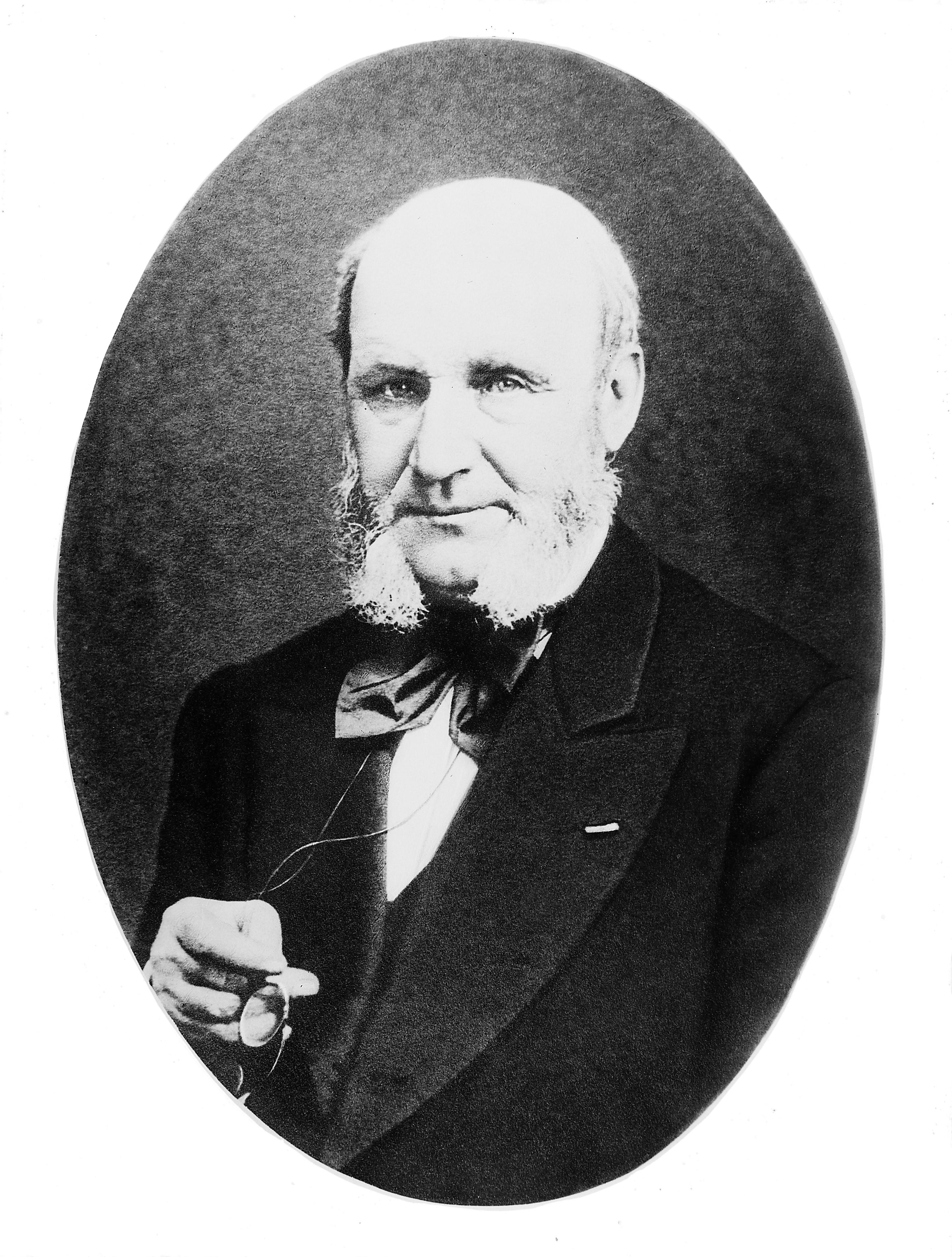
Duchenne studied the mechanism of facial expression during emotion; his atlas of photographs was the first medical book illustrated with photographs of living subjects. Darwin reproduced a number of his photographs in…
1836 CE
#604
Mechanik der menschlichen Gehwerkzeuge. 1 vol. and atlas.
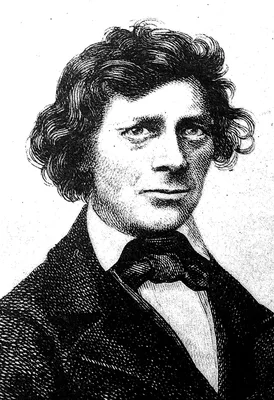
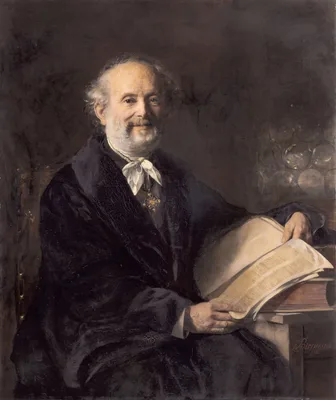
A pioneering study of the physiology and biomechanics of motion and locomotion. The atlas contains four illustrations that were printed directly from actual bones embedded in plaster of Paris. This is one of the only …
1992 CE
#11555
Mechanisierung des Herzen: Harvey und Descartes- Der Vitale und der mechanische Aspekt des Kreislaufs.

Translated into English by Marjorie Grene as The mechanization of the heart: Harvey and Descartes. Rochester, NY: University of Rochester Press, 2001.
2001 CE
#8748
Mechanisms of synaptic transmission: Bridging the gaps (1890-1990).
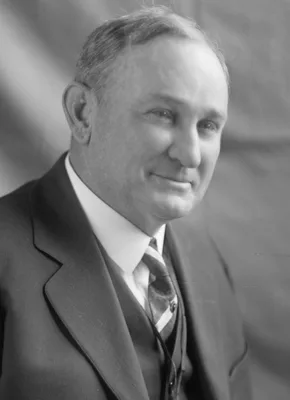
"Synaptic transmission plays a central role in the nervous system as the mechanism that allows for chemical and electrical communication between cells and thus connects discrete elements into the functioning whole. Th…
1791 CE
#13254
Mechanismus der menschlichen Sprache nebst Beschreibung seiner sprechenden Maschine.
Kempelen built the first successful speech synthesizer that produced not only some speech sounds, but also whole words and short sentences. His final version of the machine, which differs slightly from the version sho…
1920 CE
#529
Mechanismus und Physiologie der Geschlechtsbestimmung.
Translated into English William J. Dakin as The Mechanism and Physiology of Sex Determination (London: Methuen & Co., 1923). Digital facsimile of the 1920 edition from Google Books at this link. Digital facsimile of t…
1977 CE
#8150
Medical imaging by NMR.
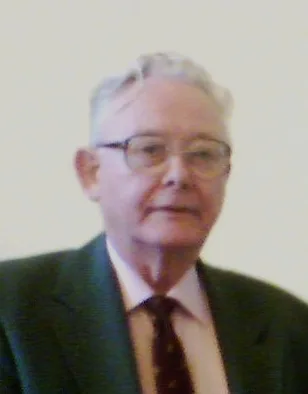
Mansfield developed a mathematical technique that would allow NMR scans to take seconds rather than hours and produce clearer images than the technique Paul Lauterbur developed in 1973. Mansfield showed how gradients …
1554 CE
#2271
Medicina. 3 pts.
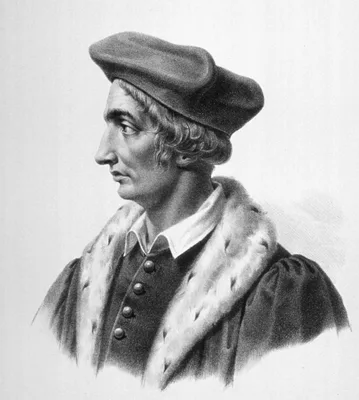
The first systematic treatise on pathology, which also introduced the names for the sciences of pathology and physiology. In the second part, entitled “Pathologia”, Fernel provided the first systematic ess…
1822 CE
#6171
Mémoire sur l’auscultation appliquée à l’étude de la grossesse.
Although not the first to record the auscultation of the fetal heart sound, Le Jumeau (Kergaradec), a pupil of Laennec, brought the importance of this diagnostic procedure to the notice of the medical profession. Laen…
1827 CE
#478
Mémoire sur le développement du poulet dans l’oeuf.
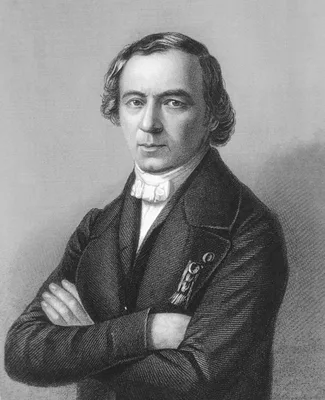
First description of the segmentation of the frog’s egg.
1854 CE
#2124
Mémoire sur les effets de la compression de l’air.

An early paper on “caisson sickness”.
1821 CE
#598
Mémoires sur le mécanisme de l’absorption chez les animaux à sang rouge et chaud.
Magendie, the pioneer of experimental physiology in France, demonstrated the absorption of fluids and semisolids to be a function of the blood-vessels, as well as of the lymphatics. He was the founder, in 1821, of the…
1783 CE
#12689
Memoirs of Albert de Haller, M.D. Member of the Sovereign Council of Berne; President of the University, and of the Royal Society of Gottingen; Fellow of the Royal Society of London, &c. Compiled, chiefly, from the elogium spoken before the Royal Academy of Sciences at Paris, and from the tributes paid to his memory by other foreign societies
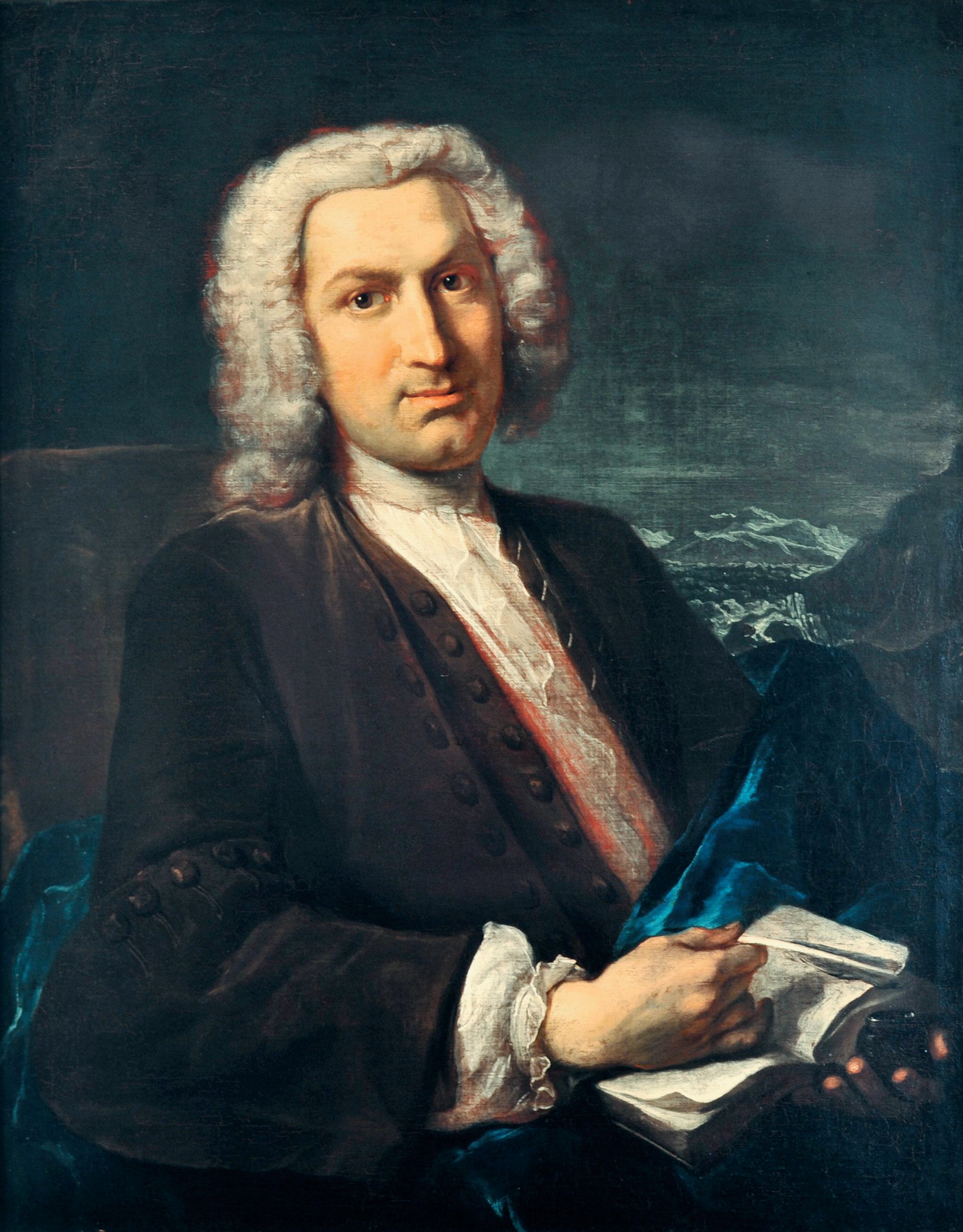
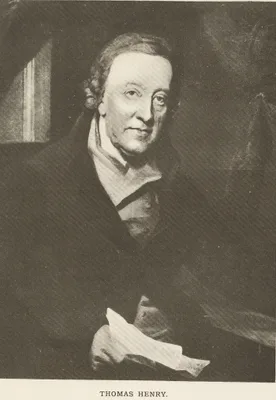
This is illustrated with a small cameo portrati of Haller drawn and engraved by William Blake. Digital facsimile from Google Books at this link.
1882 CE
#882
Mésure du volume de sang contenu dans l’organisme d’un mammifére vivant.
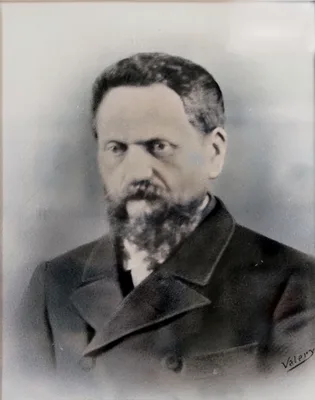
A method of determining blood volume with carbon monoxide.
1603 CE
#572.1
Methodi vitandorum errorum omnium, qui in arte medica…
First mention of Santorio’s pulse-clock (“pulsilogium”) and his scale. Through most of the 17th and 18th centuries Santorio’s name was linked with that of Harvey as the greatest figure in physi…
1876 CE
#11574
Methodik der physiologischen experimente und vivisectionen. 2 vols.
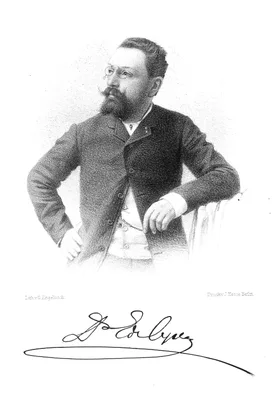
"This textbook and its remarkable atlas [of 54 plates] was used by Europe's leading physiologists as they expanded animal experimentation in an attempt to understand human function in health and disease" (W. Bruce Fye…
1953 CE
#11200
Michael Servetus, humanist and martyr. With a bibliography of his works
2005 CE
#14259
Microstructure of a spatial map in the entorhinal cortex.
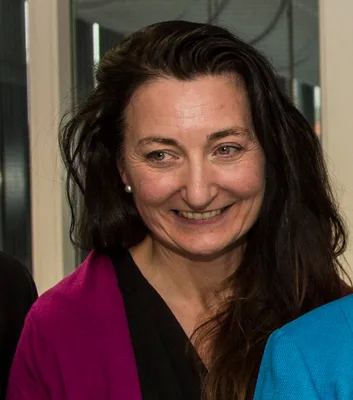
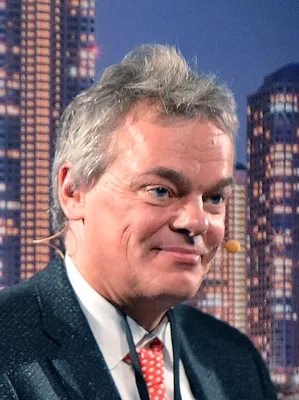
May-Britt Moser and Edvard Moser and colleagues discovered grid cells, specialized types of neurons that respond to specific locations in space. They are main components of the brain's GPS. Order of authorship in the …
2008 CE
#11792
Milestones in the history of aphasia: Theories and protagonists.
1970 CE
#1588.7
Mind, brain and adaptation in the nineteenth century. Cerebral localization and its biological context from Gall to Ferrier.
1984 CE
#14263
Molecular analysis of the period locus in Drosophila malanogaster and identification of a transcript involved in biological rhythms.

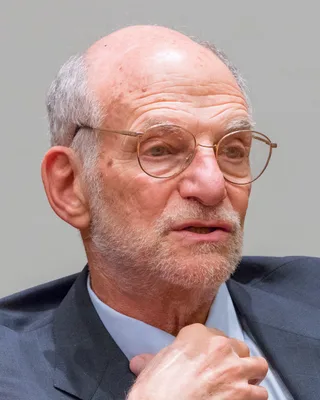
Rosbach and colleagues, including Jeffrey C. Hall, sequenced the Drosophila period gene in 1984. Full text available from cell.com at this link. Order of authorship in the original publication: Reddy, Zehring, Wheeler…
1953 CE
#256.3
Molecular structure of nucleic acids. A structure for deoxyribose nucleic acid.
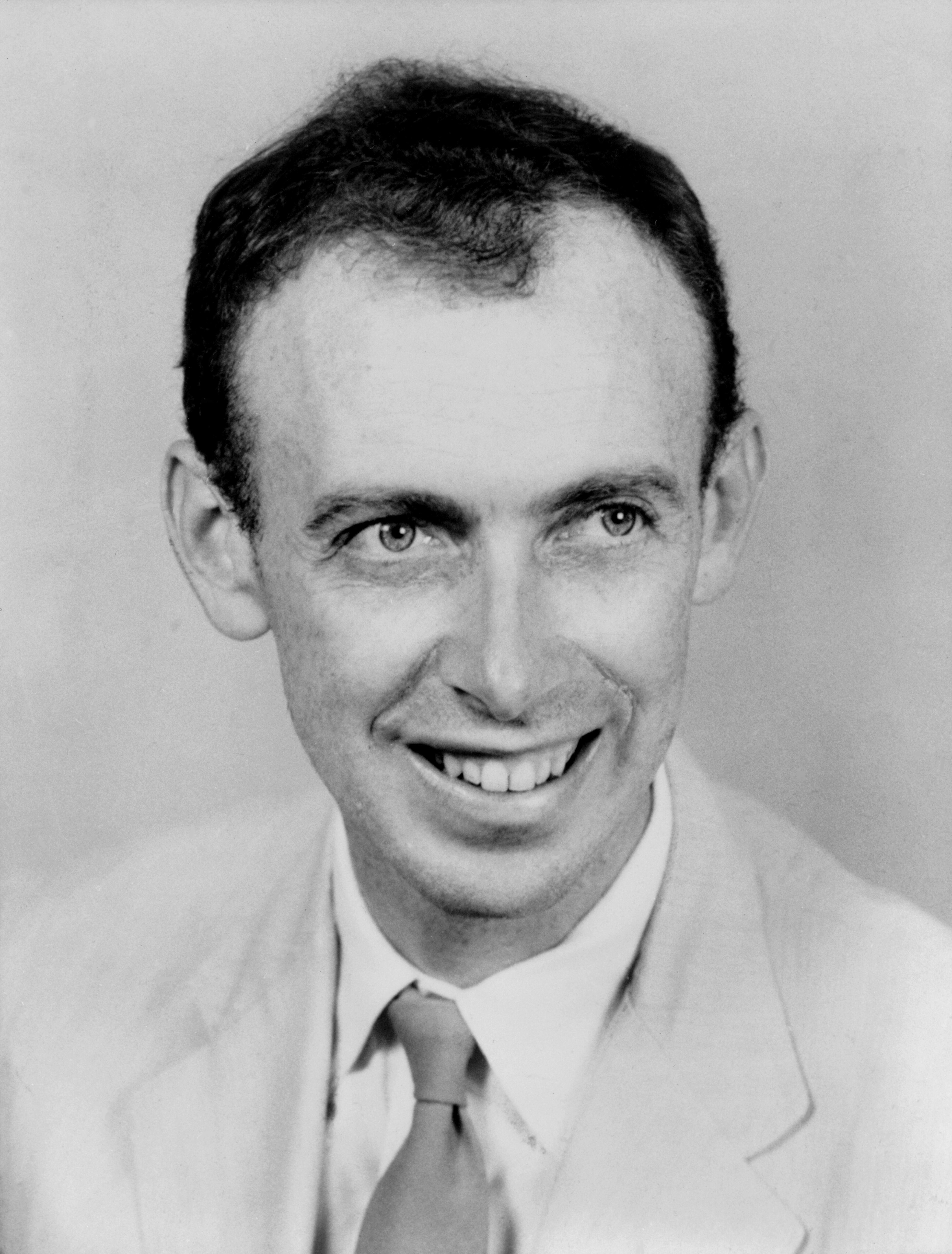
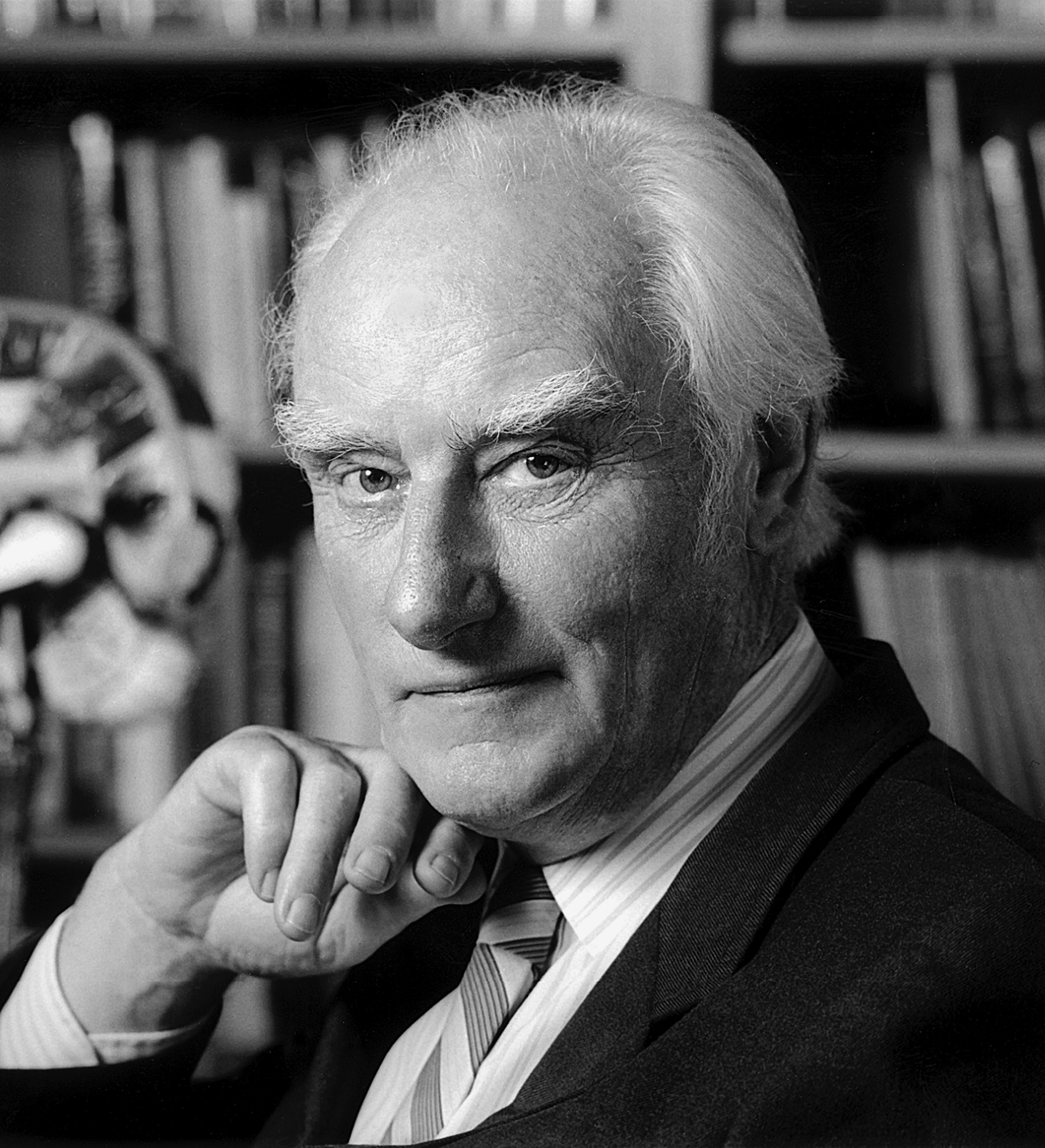
Watson and Crick shared the Nobel Prize with M. H. F. Wilkins (No. 256.4) "for their discoveries concerning the molecular structure of nucleic acids and its significance for information transfer in living material." L…
1997 CE
#8749
Moving questions: A history of membrane transport and bioenergetics.
"This book describes half a century of progress in two mainstream areas of biological research: membrane transport, initially a focus of physiologists, and oxidative phosphorylation, initially a focus of biochemists. …
1907 CE
#2714
Multiple hereditary developmental angiomata (telangiectases) of the skin and mucous membranes associated with recurring haemorrhages.
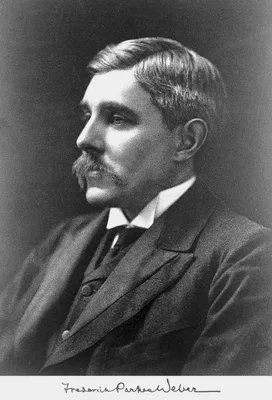
“Rendu–Osler–Weber disease.”
1926 CE
#663
Muscular contraction and the reflex control of movement.
A detailed study of the physiology of skeletal muscle. A valuable historical introduction will be found on pp. 3-55, and the book includes an extensive bibliography.
1980 CE
#7455
Mutations affecting segment number and polarity in Drosophilia.
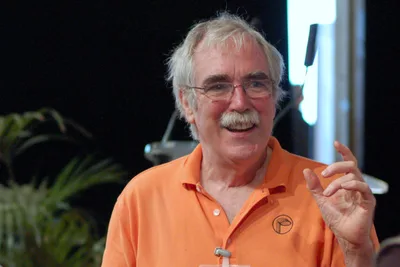
In 1995 Nüsslein-Volhard and Wieschaus shared the Nobel Prize in Physiology or Medicine with Edward B. Lewis "for their discoveries concerning the genetic control of early embryonic development."
1684 CE
#11684
Myographia nova, or a graphical description of all the muscles in the human body; with one and forty copper-plates.
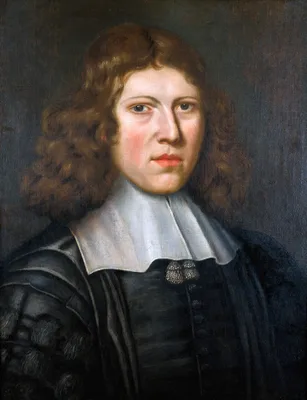
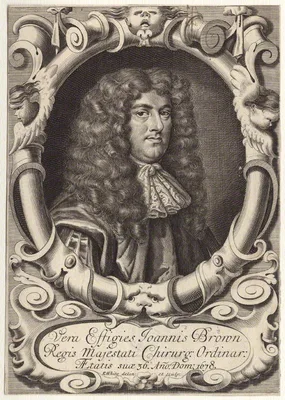
Browne's treatise on the muscles consisted of six lectures, illustrated by copperplates. It was, however, a plagiarism, as was pointed out by James Yonge: it put together text from the Muskotomia by William Molins wit…
1856 CE
#618
Nachweis der negativen Schwankung des Muskelstroms am natürlich sich contrahirenden Muskel.
Kölliker and Müller were the first to measure action currents from cardiac muscle.