
Facets
Browse across eight MeSH (opens in new tab) facets — era, geography, science, specialty, technology, history, culture, and reference. Select one tag per group; counts update across the others.
Clear filtersFacet filters
Geography
Specialties & Disease
- Anatomy & Pathology 765
- Cardiology & Blood 914
- Neurology & Psychiatry 1,256
- Obstetrics & Reproductive 550
- Infectious Disease (General) 147
- Surgery & Anesthesia 1,551
- Public Health 1,129
- Immunology & Dermatology 1,404
- General Clinical Medicine 480
- Military Medicine 436
- Psychology 202
- Alternative & Fringe Medicine 383
- Pediatrics 247
- Ophthalmology & Vision 412
- ENT & Hearing 293
- Urology & Nephrology 309
- Gastroenterology & Hepatology 316
- Pulmonary & Respiratory 233
- Rheumatology, Rehab & Pain 188
- Internal, Emergency & Geriatric 123
- Veterinary Medicine 165
- Epidemiology & Demography 397
- Physiology & Embryology 923
- Dentistry 259
- Plagues & Epidemics 1,279
- Microbiology & Virology 1,080
Social & Historical Studies
Institutions & Culture
Reference & Scholarly Works
Drugs & Technology
765 entries match Anatomy & Pathology [G02.149 / C23]
1671 CE–1676 CE
#295
Mémoires pour servir à l’histoire des animaux. 2 vols.
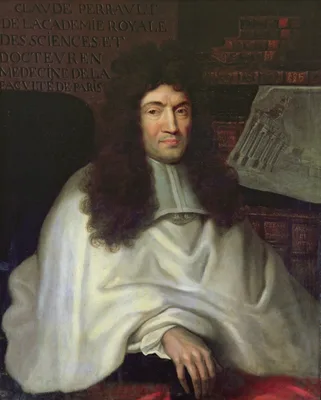
Perrault was the leader of a team of comparative anatomists that included Guichard Joseph Duverney, Jean Pecquet, Moyse Charas and Philippe de la Hire; they were often called the “Parisians” in contemporar…
1888 CE
#344
Mémoires sur le cerveau de l’homme et des primates publiés avec un introduction et des notes par Le docteur S. Pozzi.
Digital facsimile from the Biodiversity Heritage Library at this link.
1662 CE–1669 CE
#291
Metamorphosis naturalis, ofte historische beschryvinghe.... 3 vols.
Engraved frontispieces in Latin; text in Dutch. None of the volumes is dated. An edition in Latin, also undated, was issued by the same publisher in 3 vols. during the same years with the following title: Metamorphosi…
1615 CE
#13123
Microcosmographia [In Greek]. A description of the body of man. Together with the controversies thereto belonging. Collected and translated out of all the best authors of anatomy especially out of Gasper Bauhinus and Andreas Laurentius.
As the title page states, the work was a compilation. There were reissues in 1616 and 1618. The second edition (1631) included an engraved title page with the first illustration of a brain dissection. That edition als…
1665 CE
#262
Micrographia, or some physiological descriptions of minute bodies made by magnifying glasses; with observations and inquiries thereupon.
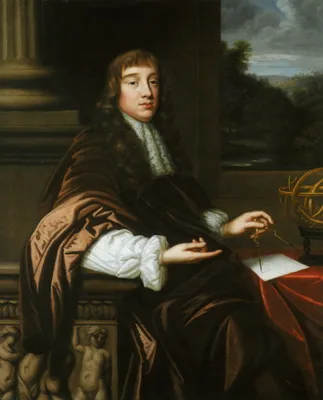
Hooke, at one time research assistant to Robert Boyle, was one of the greatest inventive geniuses of all time. This was the first book devoted entirely to microscopical observations, and also the first book to pair it…
1846 CE
#2295
Microscopic examination of some of the principal tissues of the animal frame, as observed in the tongue of the living frog, toad, etc.
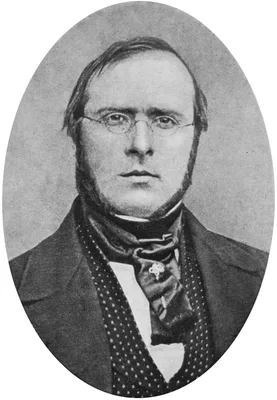
Waller observed the penetration and migration of leucocytes through the endothelial vessel walls.
1858 CE
#548
Mikroskopische Studien aus dem Gebiete der menschlichen Morphologie.
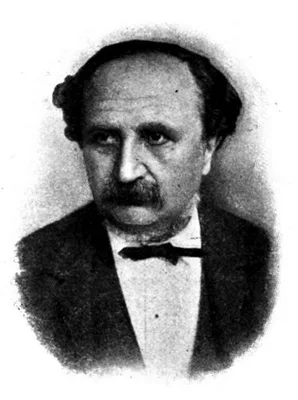
Gerlach introduced several staining methods, the most important of which (a transparent solution of ammonia carmine and gelatin) is called “Gerlach’s stain”; it was the first satisfactory histologica…
1820 CE
#13116
Mirât ul-abd fi techrīhh azâ il-insân.
The first book on anatomy and medicine printed in Turkish. The title may be translated as Miroir des corps dans l'anatomie des membres de l''homme. The work was primarily derived from European sources and included 56 …
1673 CE
#9676
Miscellanea anatomica, hominis, brutorumque variorum, fabricam diversam magna parte exhibentia.
The "first comprehensive manual of comparative anatomy based on the original and literary researches of a working anatomist. Blasius's observation on human anatomy are followed by eighty five pages devoted to the anat…
1968 CE
#6916
Molecular pathology of human haemoglobin.
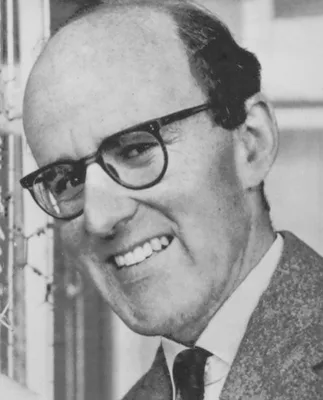
Perutz opened up "the field of 'molecular pathology,' relating a structural abnormality to a disease" (Aaron Klug, "Max Perutz 1914-2002," Science 295 ([2002] 2383). Specifically Perutz showed that hemoglobin molecule…
2007 CE
#10466
Morbid Anatomy: Surveying the Interstices of Art and Medicine, Death and Culture.
http://morbidanatomy.blogspot.com/ Events & Talks - Library- Books, Articles, Lectures- Press- Exhibitions- Photography- Bookstore The most comprehensive online reference to these topics curated in a unique manner. In…
1987 CE
#2319.2
Morbid appearances: the anatomy of pathology in the early nineteenth century.
1904 CE
#347
Morphology and anthropology. A handbook for students.
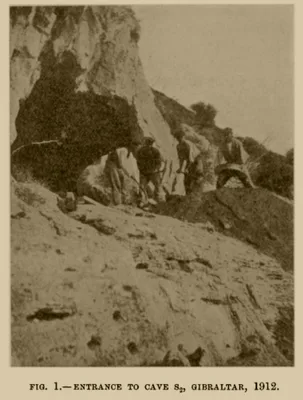
Digital facsimile from Google Books at this link.
1980 CE
#2312.8
Mummies, disease, and ancient cultures.
1681 CE
#297
Musaeum Regalis Societatis, or a catalogue and description of the natural and artificial rarities belonging to the Royal Society and preserved at Gresham College. Whereunto is subjoyned the comparative anatomy of stomachs and guts.
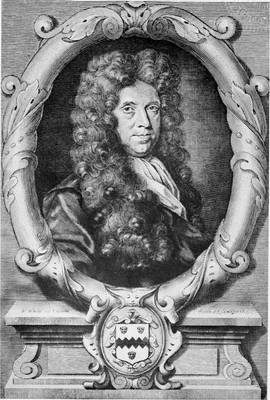
Grew, secretary to the Royal Society, compiled this illustrated catalogue of its museum, then housed at Gresham College. Published with the catalogue is Grew’s study of the stomach organs, which is the first zoo…
1541 CE
#373
Musculorum humani corporis picturata dissectio.
The first book in which each muscle was illustrated separately, with copper-plates of the bones and muscles of the upper limb from drawings by Girolamo da Carpi, which in realism and exactitude surpassed anything betw…
1793 CE–1835 CE
#11312
Museum anatomicum academiae Lugduno-Batavae. 4 vols.
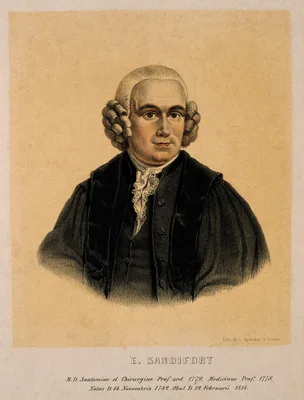
This work, complete in over 1000 pages, with hundreds of full page plates, was begun by Eduard Sandifort and completed 42 years later by his son Gerard. Many of the plates illustrate diseases of bone. Digital facsimil…
1842 CE
#10381
Muséum d'anatomique pathologique de la Faculté de Médecine de Paris, ou Musée Dupuytren. Publié au nom de la Faculté. 2 vols. and atlas.
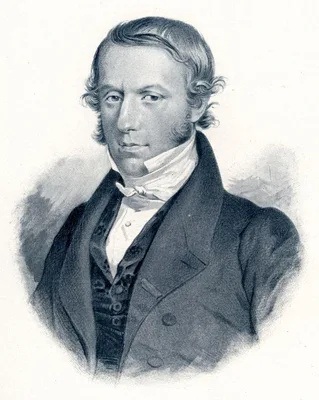
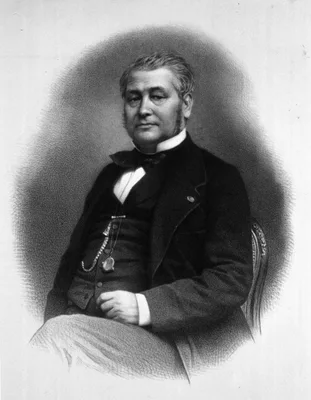
Plates lithographed after drawings by Émile Beau. Digital facsimile from BnFGallica at this link.
1684 CE
#11684
Myographia nova, or a graphical description of all the muscles in the human body; with one and forty copper-plates.
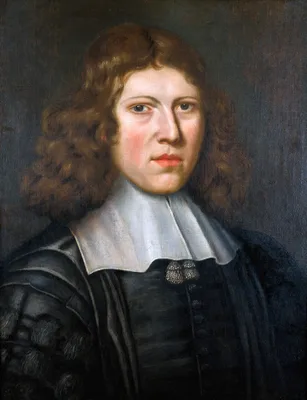
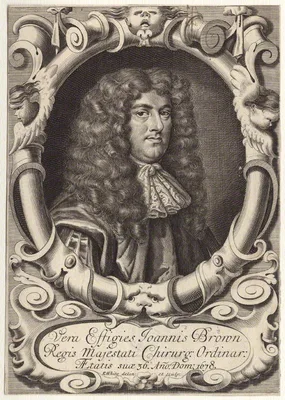
Browne's treatise on the muscles consisted of six lectures, illustrated by copperplates. It was, however, a plagiarism, as was pointed out by James Yonge: it put together text from the Muskotomia by William Molins wit…
1707 CE
#13900
Myographiae comparatae specimen: or, a comparative description of all the muscles in a man and in a quadruped. Shewing their discoverer, origin, progress, insertion, use, and difference. To which is added, an account of the muscles peculiar to a woman. With an etymological table, and several useful index's.
"As for the comparative part of this treatise, or the interlacing the descriptions of the human muscles with these of the canine, that needs no apology. The many useful discoveries known from the dissection of quadrup…
1828 CE
#10023
Myology, illustrated by plates.
This large folio work contains 8 hand-colored lithographed plates by F. R. Say, each with multiple lift-up flaps. It is probably the largest format anatomical work ever published in English with lift-up flaps, with up…
1724 CE
#392.1
Myotomia reformata.
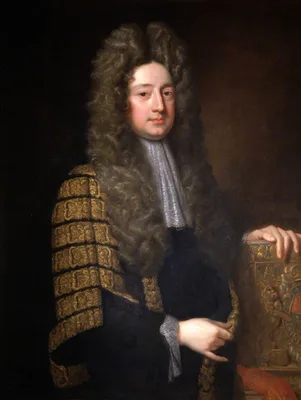
This work made a modest first appearance in 1694 as an octavo, but Cowper worked until his death on a new edition which was finally published posthumously under the supervision and at the expense of Richard Mead (1673…
1782 CE
#7376
Natuurkundige verhandelingen van Petrus Camper over den orang outang; en eenige andere aap-soorten. Over den rhinoceros met den dubbelen horen; en over het rendier.
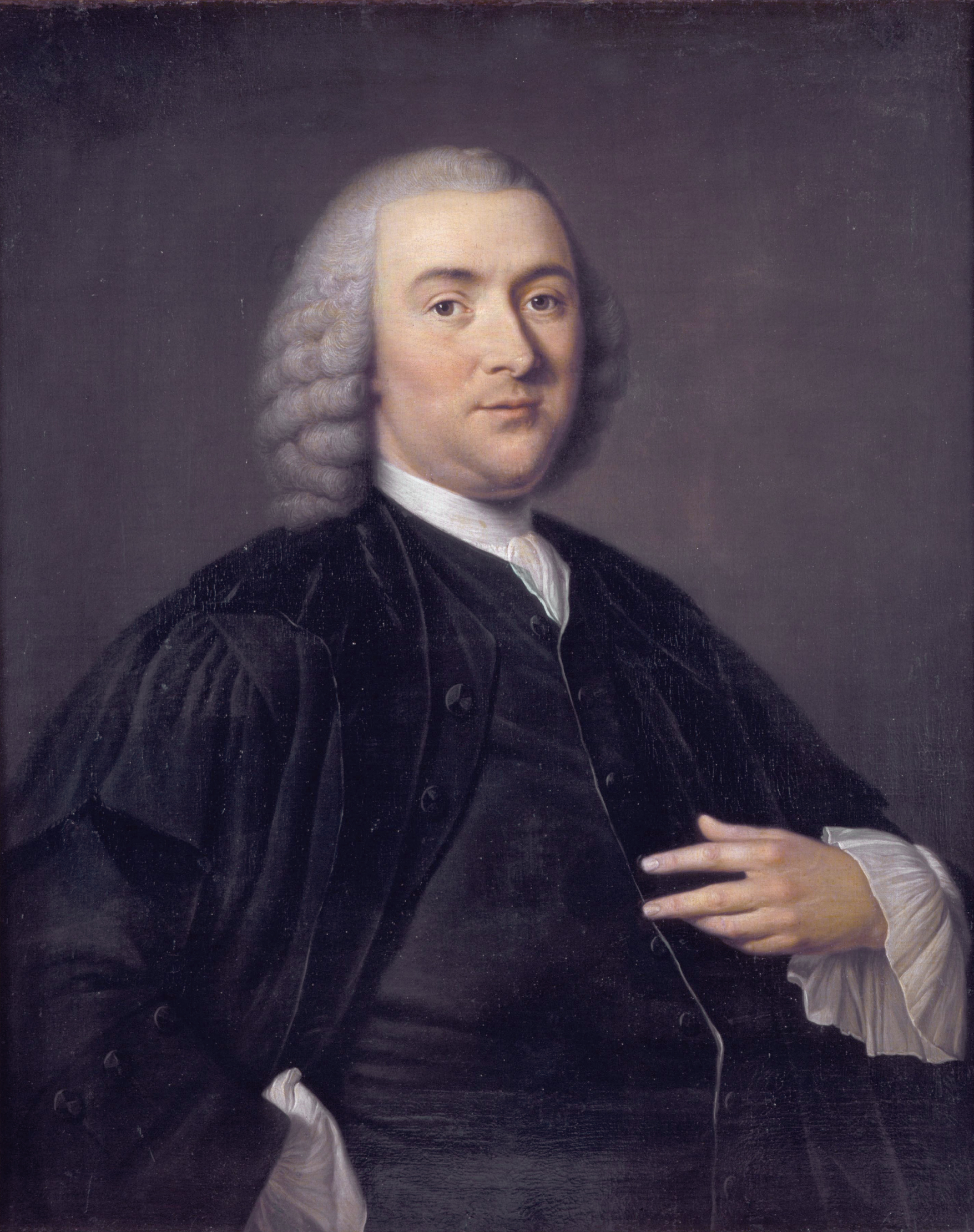
Having dissected five orang-outang cadavers, Camper showed that the Bornean orang-outang was a previously undescribed species, and showed that the structure of its vocal organs did not permit speech. Digital facsimile…
1873 CE
#2302
Neue Untersuchungen über die Entzündung.
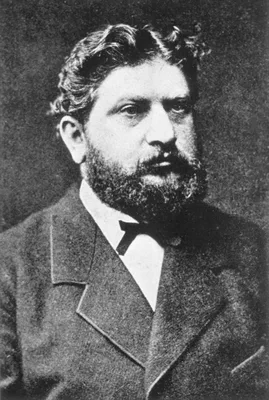
Cohnheim was the master experimental pathologist of the 19th century. He was a pupil of Virchow and Kölliker; in contradiction of the former, he showed the essential feature of inflammation to be the passage of l…
2015 CE
#6824
Neuroanatomical terminology: A lexicon of classical origins and historical foundations.
The first global, historically documented, hierarchically organized parts list of the human nervous system. "This defined vocabulary accurately and systematically describes every human nervous system structural featur…
1684 CE
#1379
Neurographia universalis.
Vieussens, professor at Montpellier, was the first to describe the centrum ovale correctly. The publication of the above work threw new light on the subject of the configuration and structure of the brain, spinal cord…
2000 CE
#7643
New atlas of human anatomy.
The first printed atlas of color computer images adapted from 3D images developed in the National Library of Medicine's Visible Human Project. Includes CD-ROM with 3D electronic images.
1957 CE
#436
Nomina anatomica Parisiensia (1955) and B.N.A. (1895).
Includes historical sketch of the systems of anatomical nomenclature.
2017 CE
#9712
Normality. A critical genealogy.

Perhaps the first study of the history of the "normal" in medicine. Traces the concept of normal to French anatomical and physiological discourse in the 1820s and 1830s, and its dissemination in modern culture through…
1817 CE
#12746
Nosologie naturelle, ou les maladies du corps humain distribuées par familles. Tome premier. (All published.)
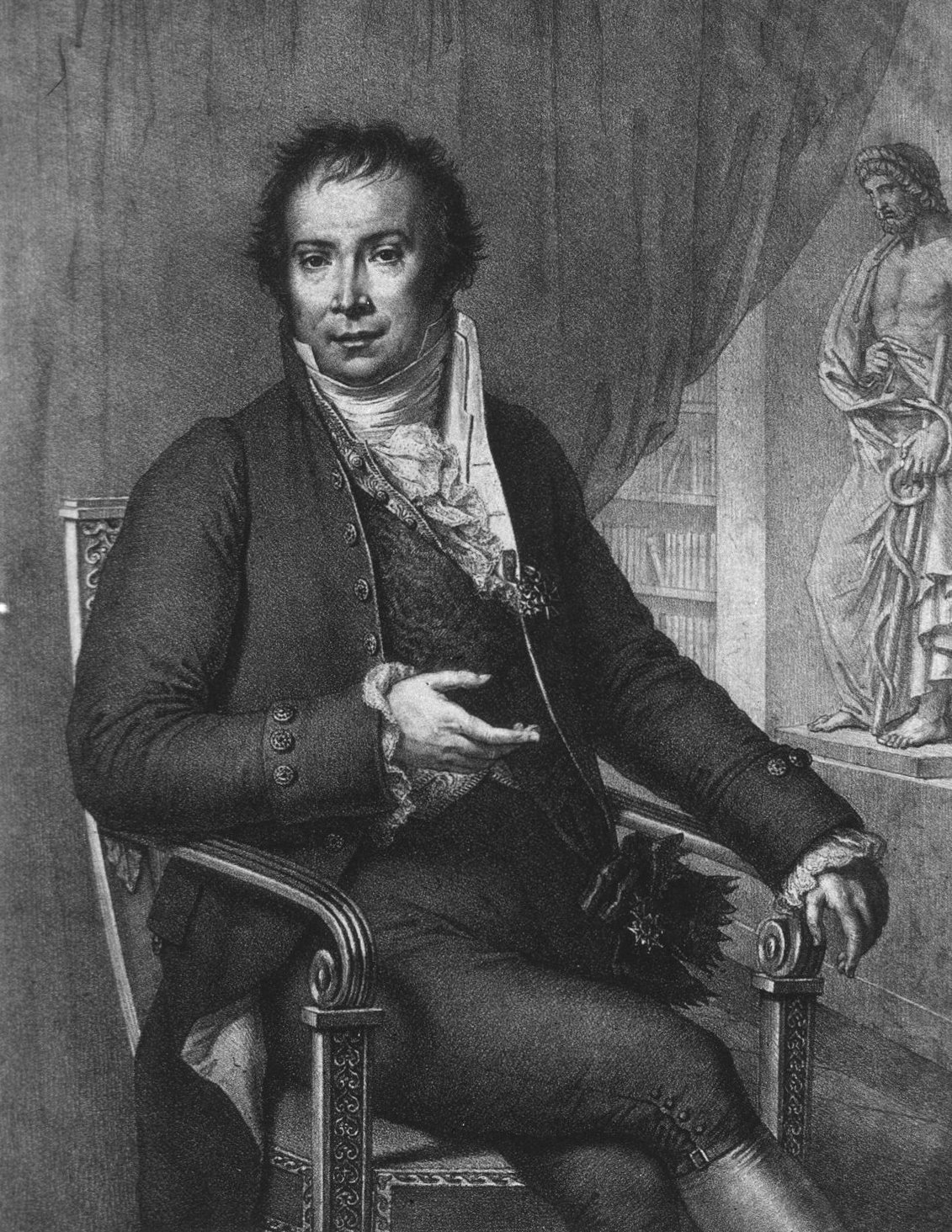
This unfinished work with 22 spectacular plates included some full body images of patients, and unlike other illustrated works by Alibert, it concerned more than skin diseases. Vol. 2 was never published but a second,…
1837 CE
#7311
Note sur les ossements fossiles des terrains tertiaires de Simorre, de Sansan, etc., dans le département du Gers, et sur la découverte récente d’une mâchoire de singe fossile.
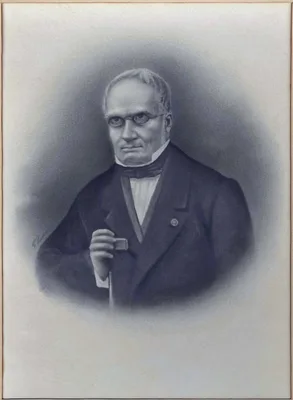
First published account of the discovery of the first anthropomorphic fossil ape. Lartet's discovery, made in 1836 at Sansan, was the first to challenge Cuvier’s assertion that both humans and apes were products…
1886 CE
#7708
Notes on the anomalies, injuries and diseases of the bones of the native races of North America.
The first American contribution to paleopathology. Digital facsimile from Google Books at this link.
1779 CE
#401.1
Nouveau recueil d’ostéologie et de myologie…
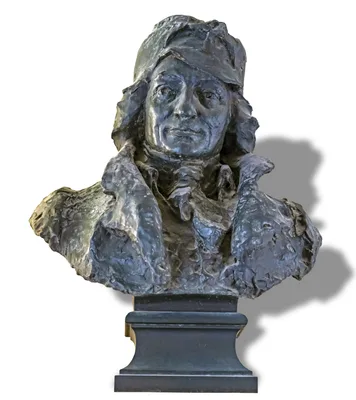
“Without contest the most beautiful of all anatomies for the artist and one of the most remarkable books of its time” (Hahn & Dumaitre). The plates in this work are more fantastic than any other anatomy, s…
1835 CE
#14105
Nouvelles recherches sur la structure de la peau.
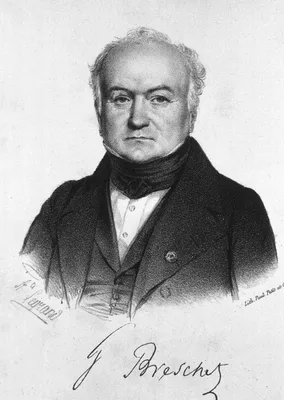
Beschet emphasized "the relevance of anatomic investigation to dermatologic problems" (Crissey and Parish, Dermatology and syphilology of the nineteenth century, 117). In this book the authors first described the anat…
1645 CE
#1542
Nova auris internae delineatio.
An article which announces the discovery of the long process of the malleus. Folius “accurately discussed the general configuration of the middle ear, described the round and oval windows, delineated the three o…
1653 CE
#1098
Nova exercitatio anatomica, exhibens ductus hepaticos aquosos, et vasa glandularum serosa.
Rudbeck claimed to have discovered the intestinal lymphatics and their connexion with the thoracic duct in 1651, a claim disputed as to priority by Bartholin (Nos. 1096-97). This book was reproduced in facsimile in 19…
1892 CE
#1287
Nuevo concepto de la histologia de los centros nerviosos.
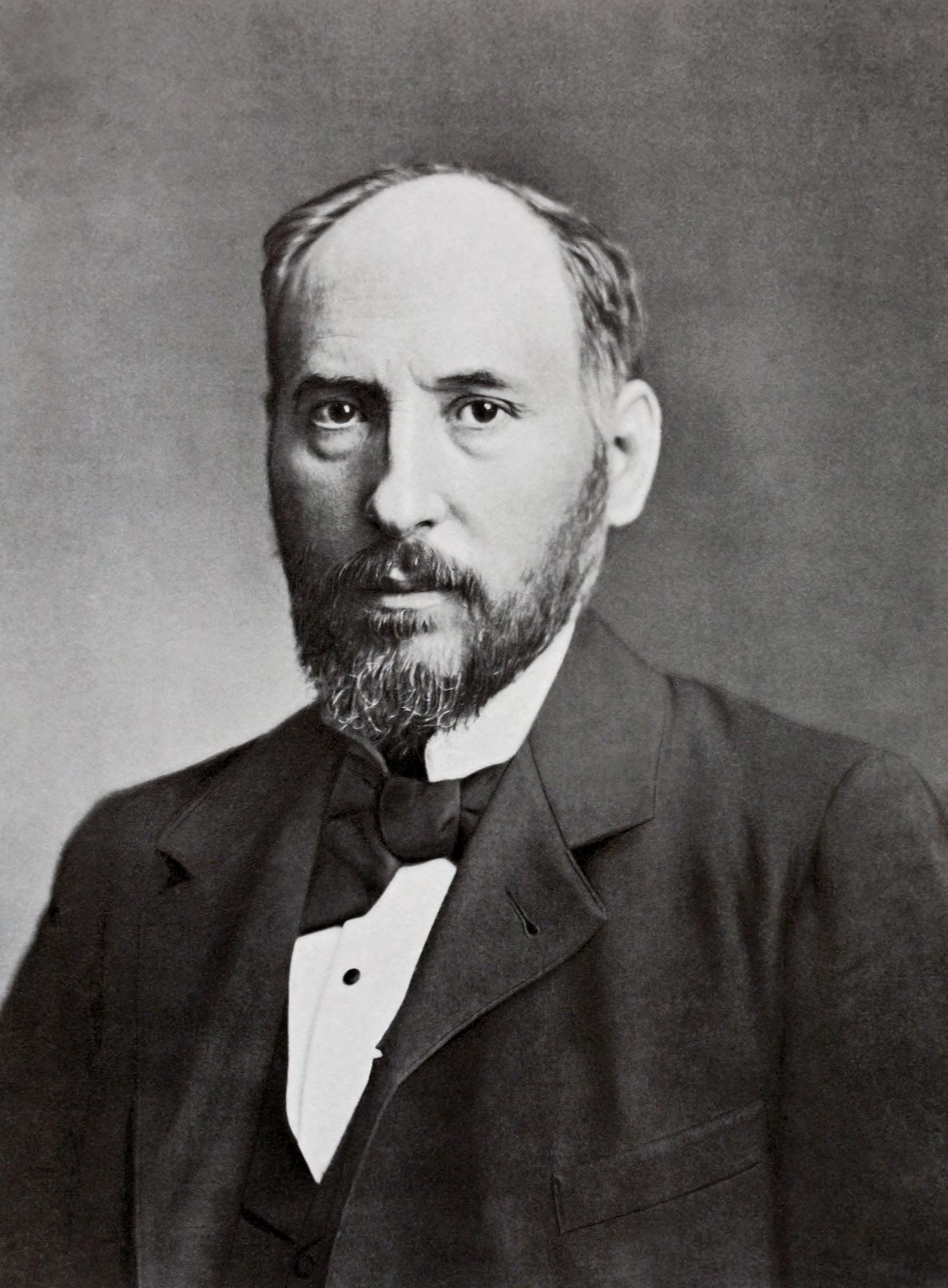
Ramón y Cajal, son of a struggling Aragonese doctor, lived to become one of the greatest of all histologists. He devised many staining methods for nervous tissue and did work of fundamental importance to neuroa…
1840 CE
#1263
Nuovi organi scoperti nel corpo humano.
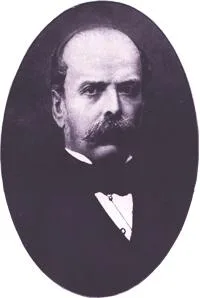
“Pacini’s corpuscles”, end organs of sensory nerves, earlier described by Vater in 1717.
1789 CE
#1552
Observationes anatomicae de aure interna comparata.
1667 CE–1673 CE
#292.1
Observationes anatomicae selectiores. [Part II: Observationum anatomicarum… pars altera]. 2 vols.
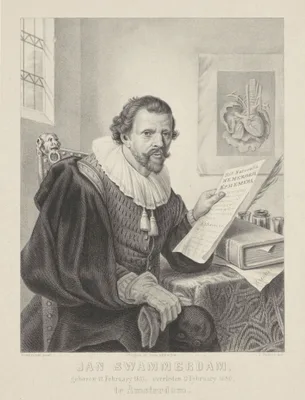
The only publications of one of the earliest scientific societies, active from 1664 to 1672. Founded by Gerard Blaes, and numbering Jan Swammerdam among its members, the college devoted itself to comparative anatomica…
1777 CE–1781 CE
#2278
Observationes anatomicae-pathologicae. 4 vols.
Sandifort’s beautifully illustrated work on pathological anatomy included records of ulcerative aortic endocarditis, renal calculi, hemias, bony ankyloses, and congenital abnormalities. A good account of the &ld…
1662 CE
#1543
Observationes anatomicae, quibus varia oris, oculorum & narium vas describuntur novique salivae, lacrymarum & muci fontes deteguntur.
Includes the first account of the excretory duct of the parotid gland (“Stensen’s duct”), discovered by Stensen. He first reported his discovery in a letter to his teacher, Thomas Bartholin, dated Ap…
1561 CE
#1208
Observationes anatomicae.
Observationes anatomicae, a work of 232 leaves printed in the comparatively small octavo format, with no illustrations, was the only work Fallopio published before his death from tuberculosis at age thirty-nine, and i…
1724 CE
#392
Observationes anatomicae.
Santorini was one of the ablest dissectors of his day. In the above work many new discoveries of anatomical details are set forth, together with corrections of some of the errors of earlier anatomists. The work descri…
1652 CE
#3737
Observationes medicae.
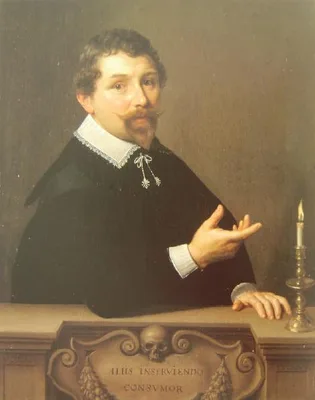
One of the earliest accounts of beri-beri is on pp. 300-05 of this work. Tulp, notable as the demonstrator in Rembrandt’s “Anatomy Lesson”, was among the first, in the same book, to describe the ileo…
1684 CE
#1212
Observations anatomiques.
Includes a brief description of “Cowper’s glands”.
1786 CE
#309
Observations on certain parts of the animal oeconomy.
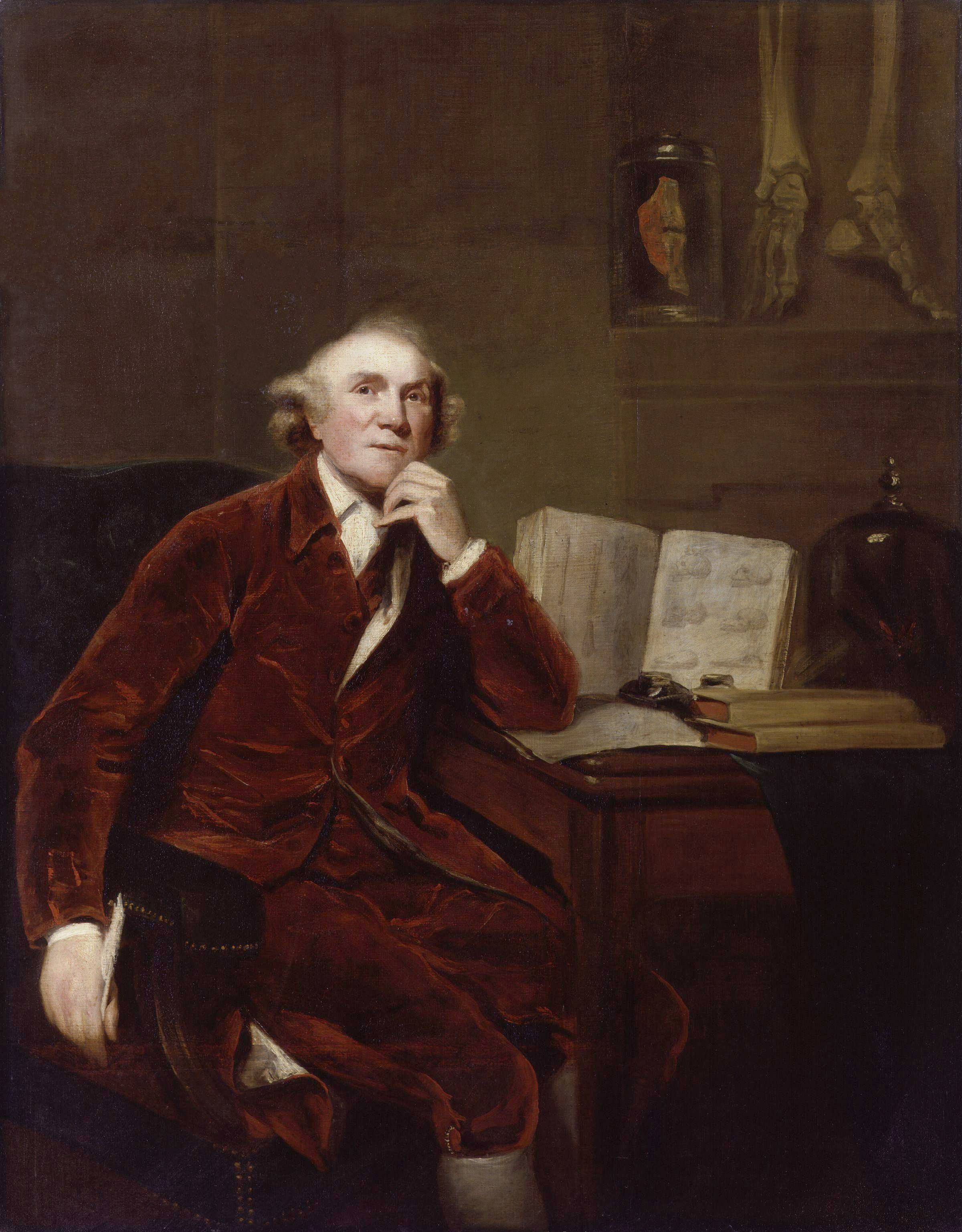
Includes John Hunter’s observations on the secondary sexual characteristics in birds, on the descent of the testis, on the air sac in birds, on the structure of the placenta, etc., together with the original des…
1763 CE
#10989
Observations on some of the diseases of the parts of the human body. Chiefly taken from the dissections of morbid bodies.
Clossy, an Irish physician, previously at Trinity College, Dublin, gave the first anatomy classes and dissections at King’s College in New York City (now Columbia) in 1763. Clossy worked closely with other King&…
1884 CE
#426
Observations on the relation of the principal fissures and convolutions of the cerebrum to the outer surface of the scalp.
Reid’s base line – the anthropometric base line on the skull.
1811 CE
#3055
Observations on the surgical anatomy of the head and neck.
Burns was the first to suggest (p. 31) ligature of the innominate artery. His book describes “Burns’s space”, the fascial space at the suprasternal notch. The first recorded case of chloroma (myeloid…