
Facets
Browse across eight MeSH (opens in new tab) facets — era, geography, science, specialty, technology, history, culture, and reference. Select one tag per group; counts update across the others.
Clear filtersFacet filters
Geography
Specialties & Disease
- Anatomy & Pathology 290
- Cardiology & Blood 3
- Neurology & Psychiatry 19
- Obstetrics & Reproductive 3
- Infectious Disease (General) 0
- Surgery & Anesthesia 14
- Public Health 6
- Immunology & Dermatology 11
- General Clinical Medicine 4
- Military Medicine 0
- Psychology 1
- Alternative & Fringe Medicine 0
- Pediatrics 2
- Ophthalmology & Vision 4
- ENT & Hearing 5
- Urology & Nephrology 12
- Gastroenterology & Hepatology 20
- Pulmonary & Respiratory 1
- Rheumatology, Rehab & Pain 0
- Internal, Emergency & Geriatric 0
- Veterinary Medicine 1
- Epidemiology & Demography 0
- Physiology & Embryology 29
- Dentistry 4
- Plagues & Epidemics 0
- Microbiology & Virology 3
Social & Historical Studies
Institutions & Culture
Reference & Scholarly Works
Drugs & Technology
290 entries match Modern [K01.400.504] · Anatomy & Pathology [G02.149 / C23]
1855 CE–1871 CE
#417
Handbuch der systematischen Anatomie des Menschen. 3 vols.
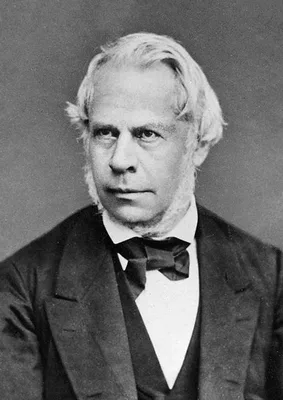
Considered by many authorities to be the greatest of the 19th-century systems of anatomy. Many structures are named after Henle, including the looped portion of the uriniferous tubules of the kidney, the layer of cell…
1847 CE
#414
Handbuch der topographischen Anatomie. 2 vols.
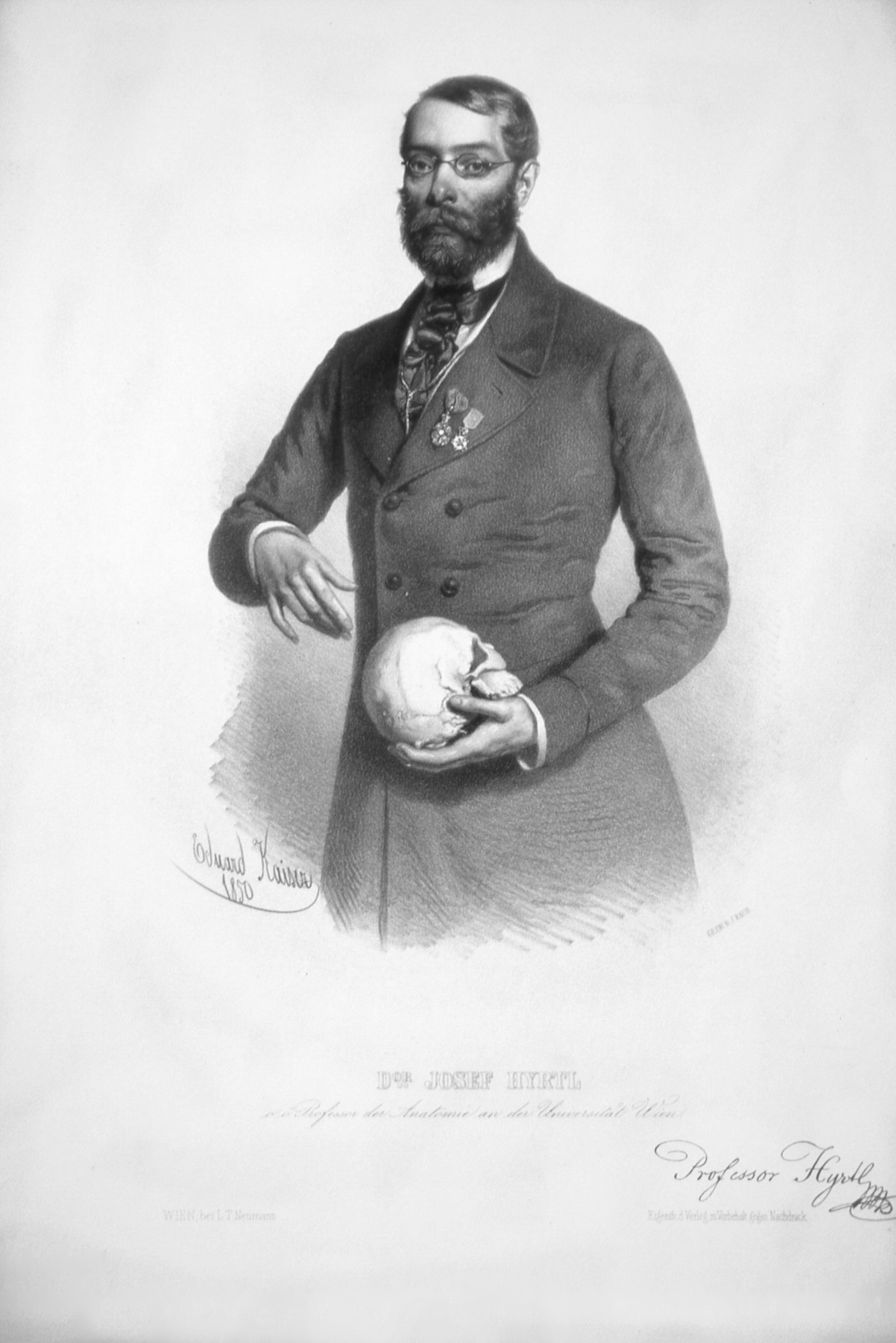
Hyrtl, professor of anatomy at Vienna, published the first text on topographical anatomy in German. He was for 30 years the most popular lecturer on the subject in Europe, and ranks as one of the greatest of medical s…
1975 CE
#11691
Heart and coronary arteries: An anatomical atlas for clinical diagnosis, radiological investigation, and surgical treatment.
With 1,098 images this is "probablly the highest quality atlas of the heart ever produced" (W. Bruce Fye). This atlas received recognition throughout the world, including a Gold Medal at the International Book Festiva…
1770 CE–1773 CE
#437.1
Histoire de l’anatomie et de la chirurgie. 6 vols.
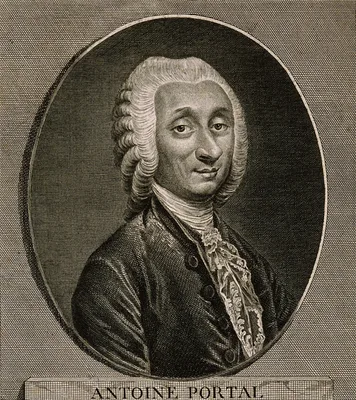
A biobibliographical survey to 1755, including dentistry.
1838 CE
#7672
Histoire des embaumements et de la préparation des pièces d'anatomie normale, d'anatomie pathologique et de l'histoire naturelle suivie de procédés nouveau.
Gannal discovered the efficacy of solutions of aluminum acetate and chloride for preserving anatomical preparations. His method of embalming involved injection of solutions of aluminum salts into the arteries. Transla…
1734 CE
#7552
Historia musculorum hominis.
Very detailed descriptions of all the muscles of the human body, with illustrations drawn and engraved by Jan Wandelaar depicting the muscles of the hand, life-size with all the muscles, tendons, ligaments, and bones.…
1991 CE
#7718
Human cross-sectional anatomy: Atlas of body sections and CT images.

1743 CE–1756 CE
#397
Icones anatomicae. 8 pts.
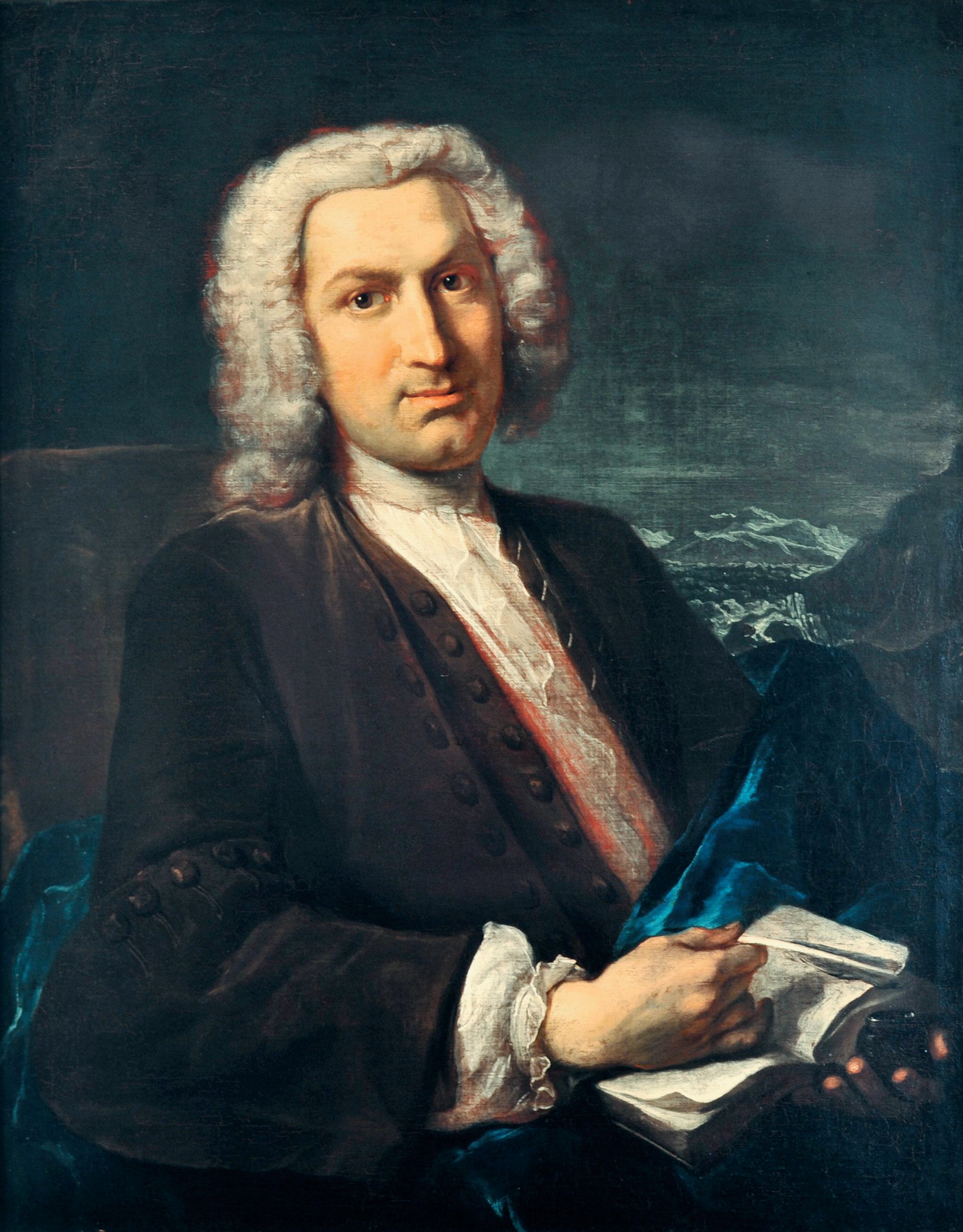
Accurate and beautiful engravings of the diaphragm, uterus, ovaries, vagina, arteries, with explanatory observations. About fifty years after they were originally published the most visually spectacular versions of Ha…
2009 CE
#13207
Il Museo di storia naturale dell'Università degli studi di Firenze. Volume 1, Le collezioni della Specola : zoologia e cere anatomiche.
1934 CE
#6622.1
John Keats’s anatomical and physiological note book …edited by Maurice Buxton Forman.
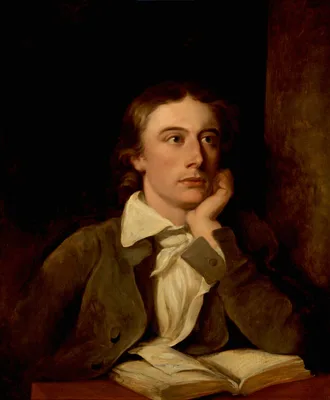
Keats was a pupil and dresser at Guy’s Hospital from 1815-16, and was licensed to practice upon completion of his studies. While struggling to launch his poetic career he was often tempted to practice medicine, …
1813 CE
#13214
Kaitai hatsumo [Explanation of Human Anatomy]. 5 vols.
The first Japanese exposition of the whole system of human anatomy, based on original observation. The work includes the records of three dissections performed in Kyoto in 1783, 1798, and 1802. “A Japanese treat…
1854 CE
#14061
Kitab fi tashrih beden al-insan [in Persian; English translation: Anatomy of the human body]. Lithographed text.
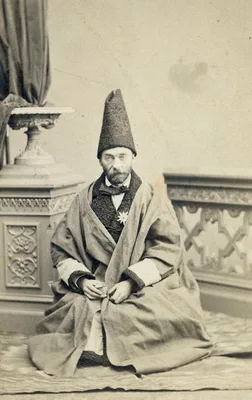
The first original Persian-language anatomy textbook based on western medical science, printed in a very small number of copies for the use of Polak’s Persian students. Polak, an Austrian physician, was responsi…
1846 CE
#413
Lehrbuch der Anatomie des Menschen.
Hyrtl’s Lehrbuch passed through 22 editions and was translated into the principal modern languages.
1906 CE
#434
Lehrbuch der systematischen Anatomie des Menschen.
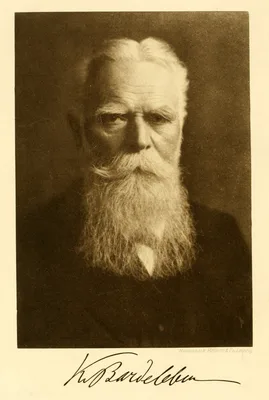
1991 CE
#10202
Max Brödel, The man who put art into medicine
In the late 1890s, Brödel was brought to the Johns Hopkins School of Medicine to illustrate for Harvey Cushing, William Halsted, Howard Kelly, and other notable clinicians. Besides creating a prolific amount of w…
1855 CE–1869 CE
#422
Medical anatomy: or, illustrations of the relative position and movements of the internal organs. 7 pts.
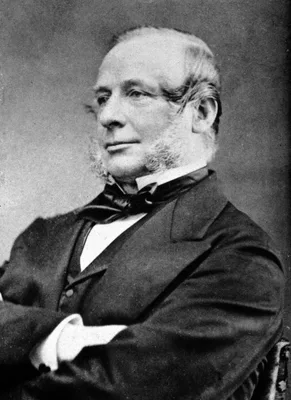
Sibson was professor of medicine at St. Mary’s Hospital. “Sibson’s fascia” and “muscle” are named after him. Plates 19-21 show movements, structure and sounds of the heart.
2019 CE
#10777
Medicine and religion in the life of an Ottoman sheikh: Al-Damanhuri's "clear statement" on anatomy.
1615 CE
#13123
Microcosmographia [In Greek]. A description of the body of man. Together with the controversies thereto belonging. Collected and translated out of all the best authors of anatomy especially out of Gasper Bauhinus and Andreas Laurentius.
As the title page states, the work was a compilation. There were reissues in 1616 and 1618. The second edition (1631) included an engraved title page with the first illustration of a brain dissection. That edition als…
1820 CE
#13116
Mirât ul-abd fi techrīhh azâ il-insân.
The first book on anatomy and medicine printed in Turkish. The title may be translated as Miroir des corps dans l'anatomie des membres de l''homme. The work was primarily derived from European sources and included 56 …
1842 CE
#10381
Muséum d'anatomique pathologique de la Faculté de Médecine de Paris, ou Musée Dupuytren. Publié au nom de la Faculté. 2 vols. and atlas.
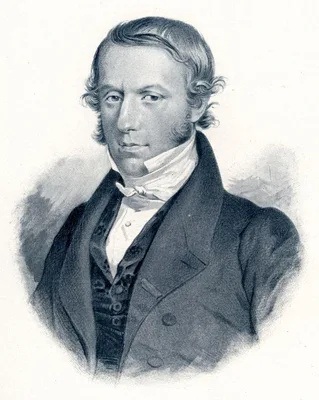
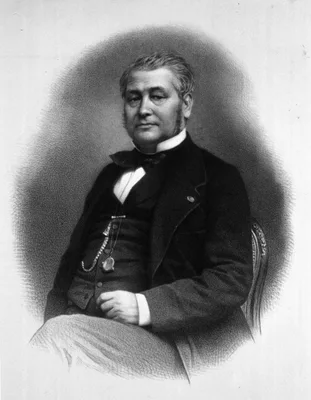
Plates lithographed after drawings by Émile Beau. Digital facsimile from BnFGallica at this link.
1684 CE
#11684
Myographia nova, or a graphical description of all the muscles in the human body; with one and forty copper-plates.
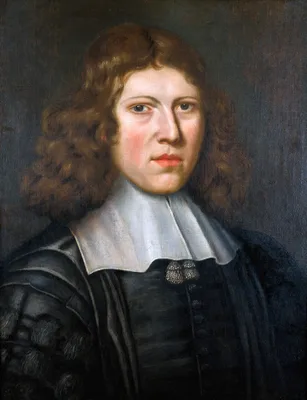
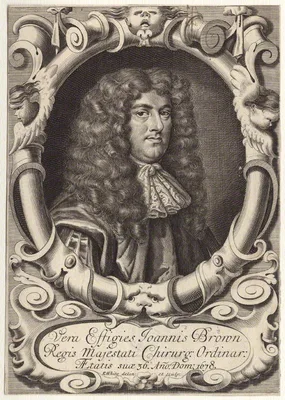
Browne's treatise on the muscles consisted of six lectures, illustrated by copperplates. It was, however, a plagiarism, as was pointed out by James Yonge: it put together text from the Muskotomia by William Molins wit…
1707 CE
#13900
Myographiae comparatae specimen: or, a comparative description of all the muscles in a man and in a quadruped. Shewing their discoverer, origin, progress, insertion, use, and difference. To which is added, an account of the muscles peculiar to a woman. With an etymological table, and several useful index's.
"As for the comparative part of this treatise, or the interlacing the descriptions of the human muscles with these of the canine, that needs no apology. The many useful discoveries known from the dissection of quadrup…
1828 CE
#10023
Myology, illustrated by plates.
This large folio work contains 8 hand-colored lithographed plates by F. R. Say, each with multiple lift-up flaps. It is probably the largest format anatomical work ever published in English with lift-up flaps, with up…
1724 CE
#392.1
Myotomia reformata.
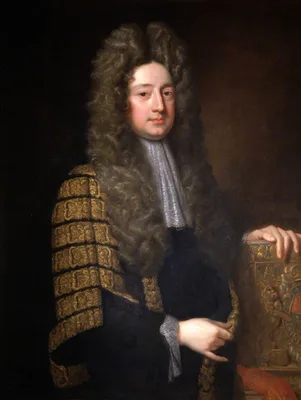
This work made a modest first appearance in 1694 as an octavo, but Cowper worked until his death on a new edition which was finally published posthumously under the supervision and at the expense of Richard Mead (1673…
1684 CE
#1379
Neurographia universalis.
Vieussens, professor at Montpellier, was the first to describe the centrum ovale correctly. The publication of the above work threw new light on the subject of the configuration and structure of the brain, spinal cord…
2000 CE
#7643
New atlas of human anatomy.
The first printed atlas of color computer images adapted from 3D images developed in the National Library of Medicine's Visible Human Project. Includes CD-ROM with 3D electronic images.
1957 CE
#436
Nomina anatomica Parisiensia (1955) and B.N.A. (1895).
Includes historical sketch of the systems of anatomical nomenclature.
1779 CE
#401.1
Nouveau recueil d’ostéologie et de myologie…
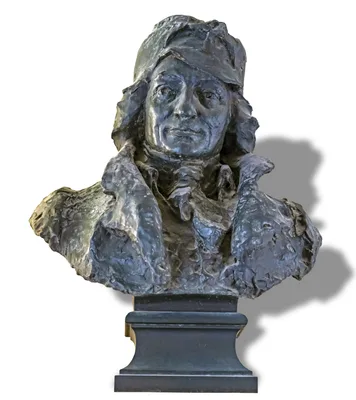
“Without contest the most beautiful of all anatomies for the artist and one of the most remarkable books of its time” (Hahn & Dumaitre). The plates in this work are more fantastic than any other anatomy, s…
1835 CE
#14105
Nouvelles recherches sur la structure de la peau.
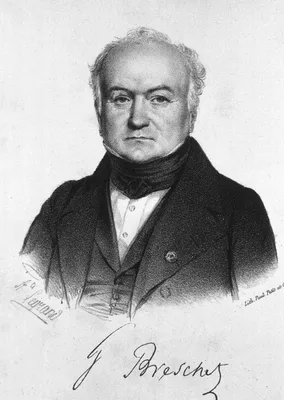
Beschet emphasized "the relevance of anatomic investigation to dermatologic problems" (Crissey and Parish, Dermatology and syphilology of the nineteenth century, 117). In this book the authors first described the anat…
1645 CE
#1542
Nova auris internae delineatio.
An article which announces the discovery of the long process of the malleus. Folius “accurately discussed the general configuration of the middle ear, described the round and oval windows, delineated the three o…
1653 CE
#1098
Nova exercitatio anatomica, exhibens ductus hepaticos aquosos, et vasa glandularum serosa.
Rudbeck claimed to have discovered the intestinal lymphatics and their connexion with the thoracic duct in 1651, a claim disputed as to priority by Bartholin (Nos. 1096-97). This book was reproduced in facsimile in 19…
1840 CE
#1263
Nuovi organi scoperti nel corpo humano.
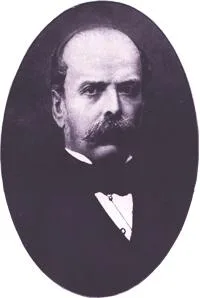
“Pacini’s corpuscles”, end organs of sensory nerves, earlier described by Vater in 1717.
1662 CE
#1543
Observationes anatomicae, quibus varia oris, oculorum & narium vas describuntur novique salivae, lacrymarum & muci fontes deteguntur.
Includes the first account of the excretory duct of the parotid gland (“Stensen’s duct”), discovered by Stensen. He first reported his discovery in a letter to his teacher, Thomas Bartholin, dated Ap…
1724 CE
#392
Observationes anatomicae.
Santorini was one of the ablest dissectors of his day. In the above work many new discoveries of anatomical details are set forth, together with corrections of some of the errors of earlier anatomists. The work descri…
1652 CE
#3737
Observationes medicae.
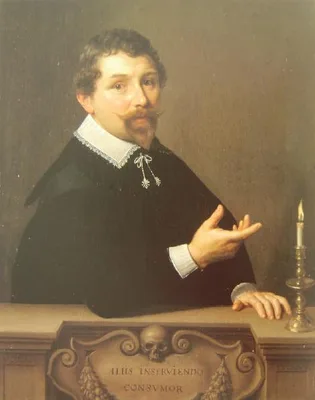
One of the earliest accounts of beri-beri is on pp. 300-05 of this work. Tulp, notable as the demonstrator in Rembrandt’s “Anatomy Lesson”, was among the first, in the same book, to describe the ileo…
1684 CE
#1212
Observations anatomiques.
Includes a brief description of “Cowper’s glands”.
1786 CE
#309
Observations on certain parts of the animal oeconomy.
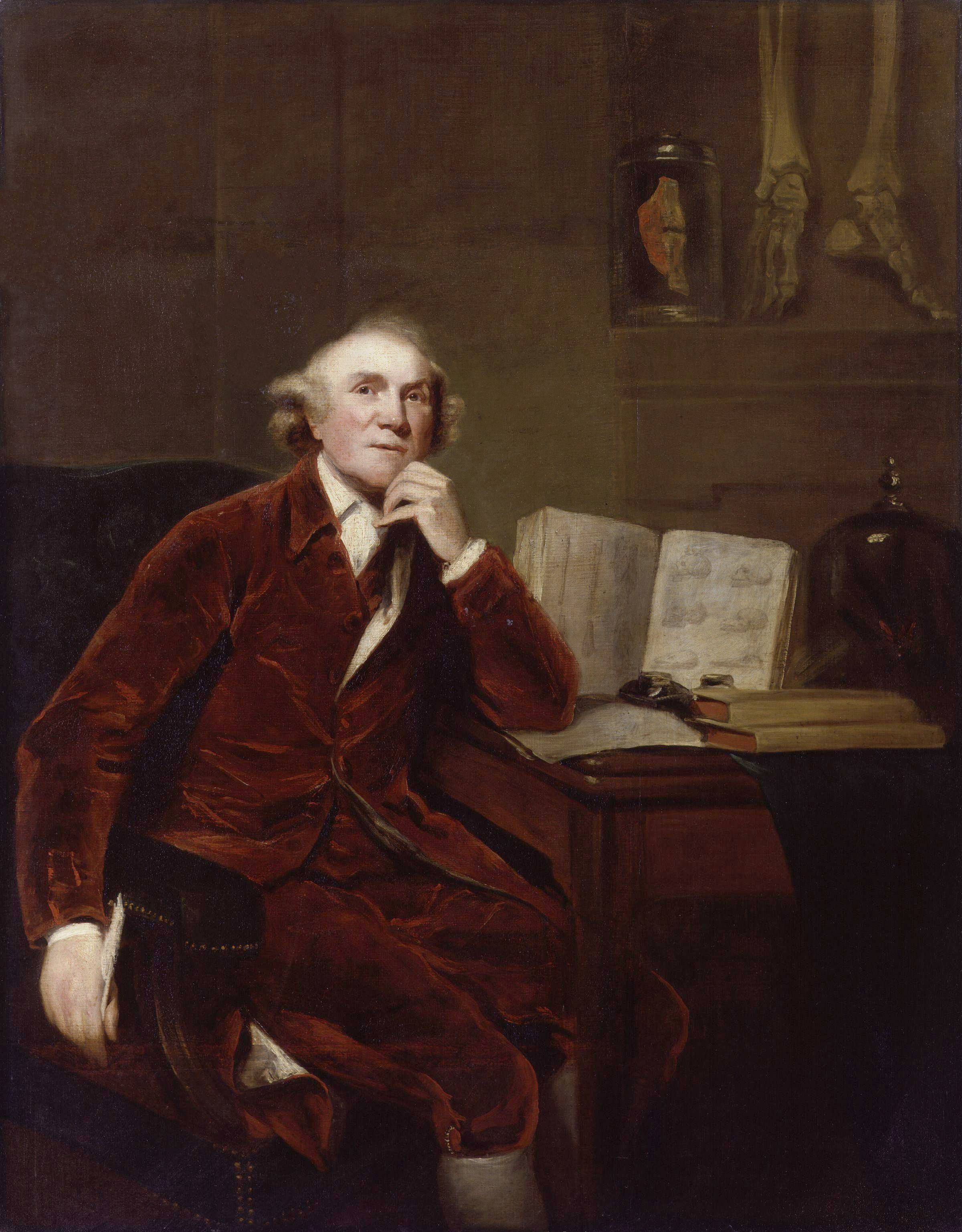
Includes John Hunter’s observations on the secondary sexual characteristics in birds, on the descent of the testis, on the air sac in birds, on the structure of the placenta, etc., together with the original des…
1763 CE
#10989
Observations on some of the diseases of the parts of the human body. Chiefly taken from the dissections of morbid bodies.
Clossy, an Irish physician, previously at Trinity College, Dublin, gave the first anatomy classes and dissections at King’s College in New York City (now Columbia) in 1763. Clossy worked closely with other King&…
1884 CE
#426
Observations on the relation of the principal fissures and convolutions of the cerebrum to the outer surface of the scalp.
Reid’s base line – the anthropometric base line on the skull.
1811 CE
#3055
Observations on the surgical anatomy of the head and neck.
Burns was the first to suggest (p. 31) ligature of the innominate artery. His book describes “Burns’s space”, the fascial space at the suprasternal notch. The first recorded case of chloroma (myeloid…
1845 CE
#412
On a hitherto undescribed structure in the human hair sheath.
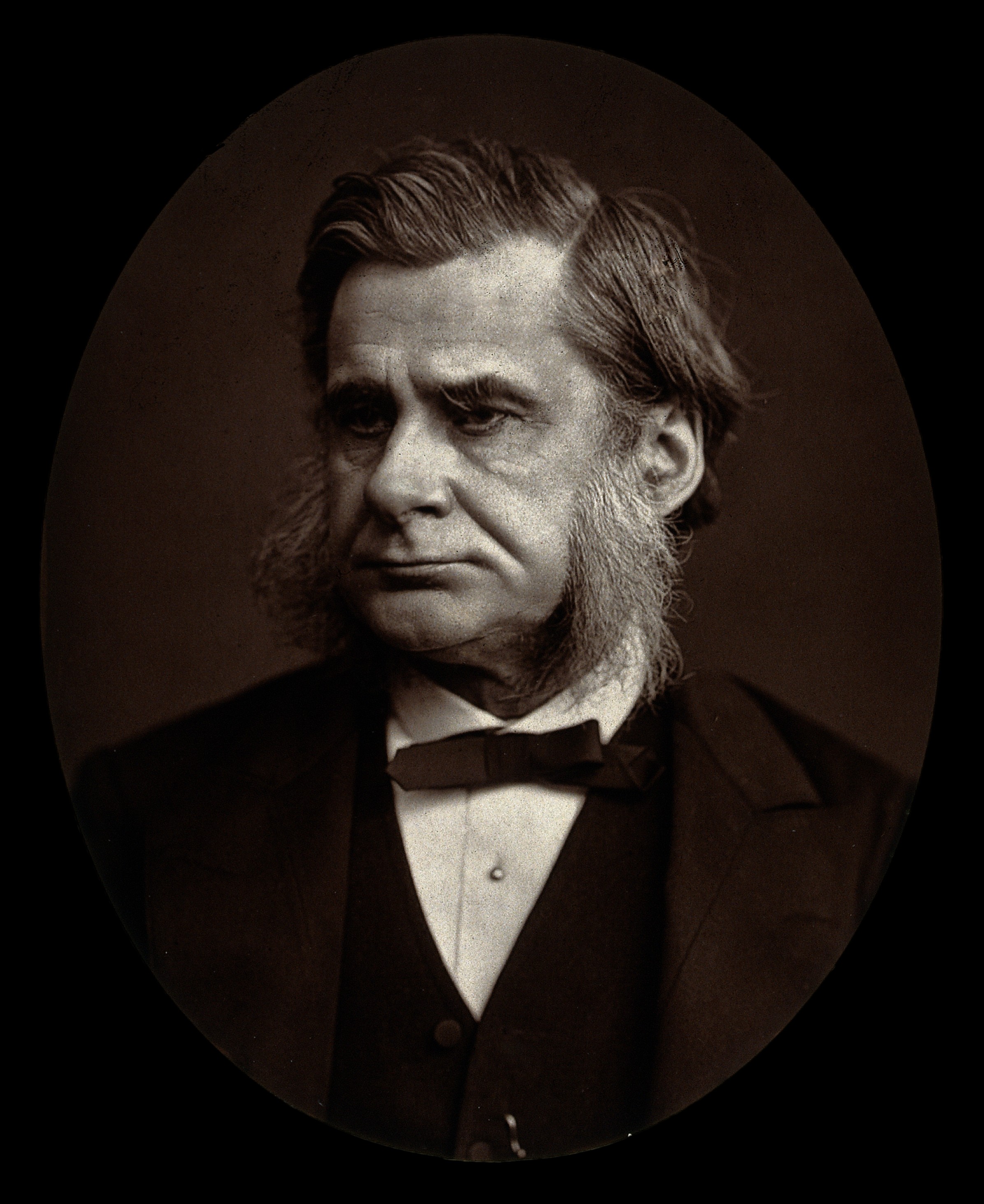
“Huxley’s layer” and “membrane” of the root sheath of hair follicles.
1840 CE
#542
On the minute structure and movements of voluntary muscle.
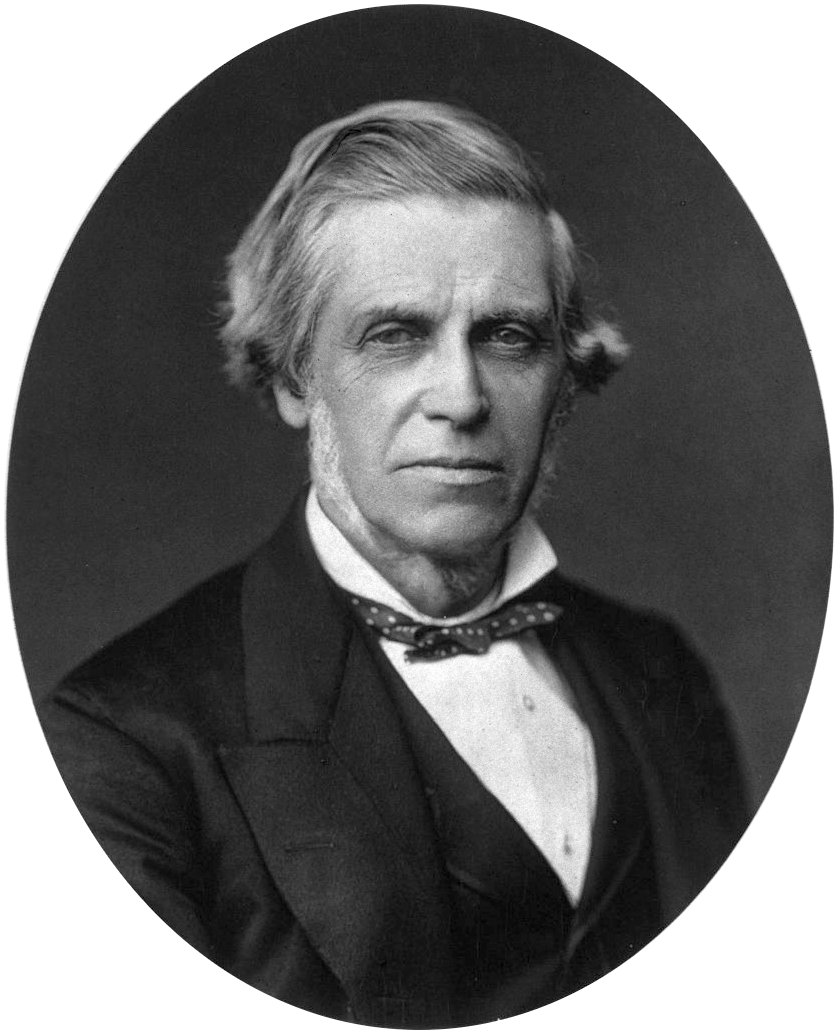
Classical description of striated muscle
1911 CE
#12262
On the muscular architecture of the ventricles of the human heart.
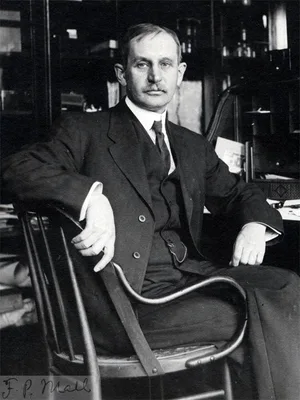
1899 CE
#1023
On the topographical anatomy of abdominal viscera in man, especially the gastrointestinal canal.
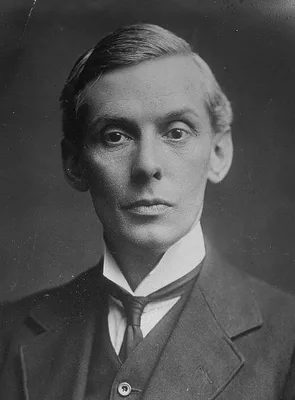
“Addison’s transpyloric plane”. Addison was Britain’s first Minister of Health (1919-21).
1725 CE
#8095
Opera omnia anatomica & chirurgica. Edited by Herman Boerhaave and Bernhard Siegfried Albinus. 2 vols.
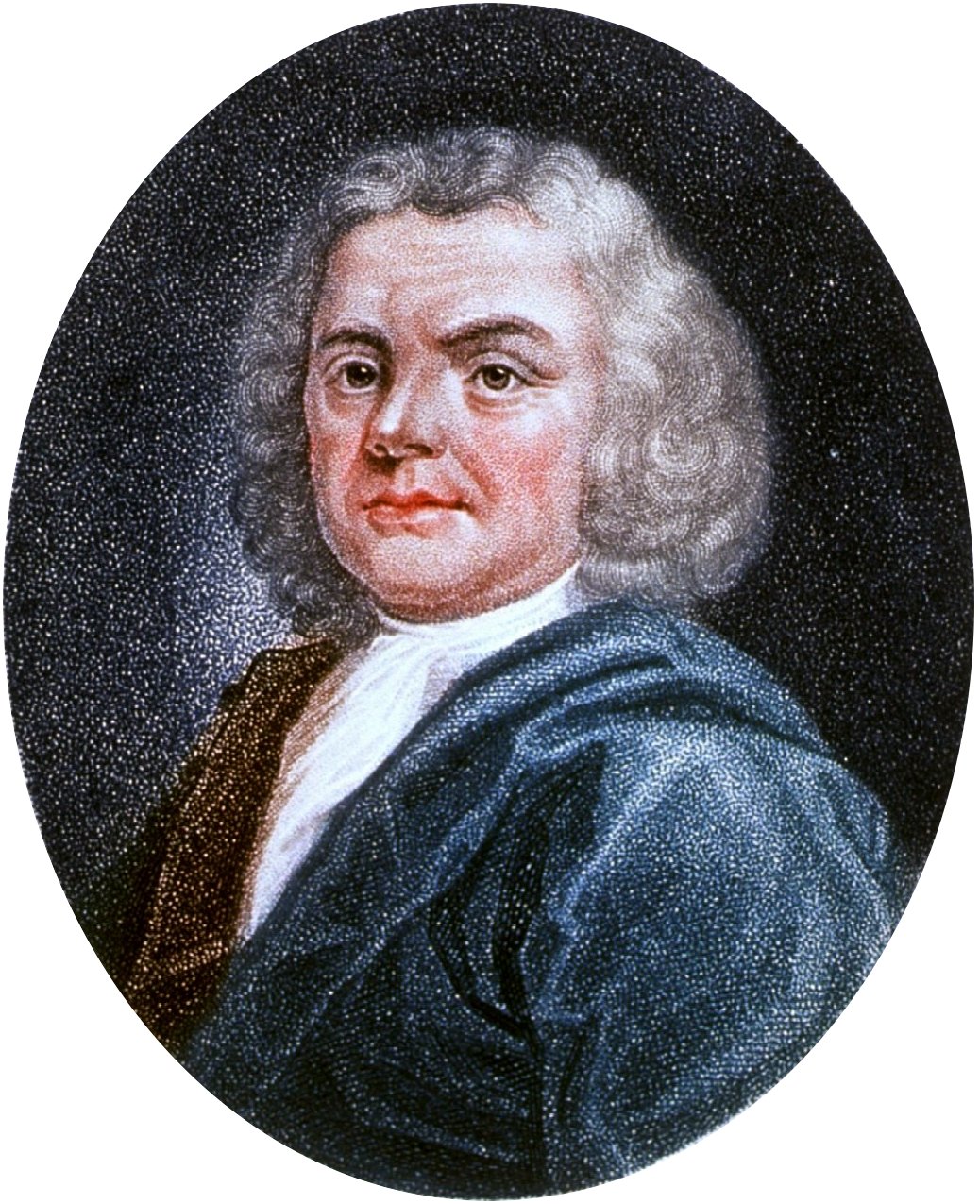
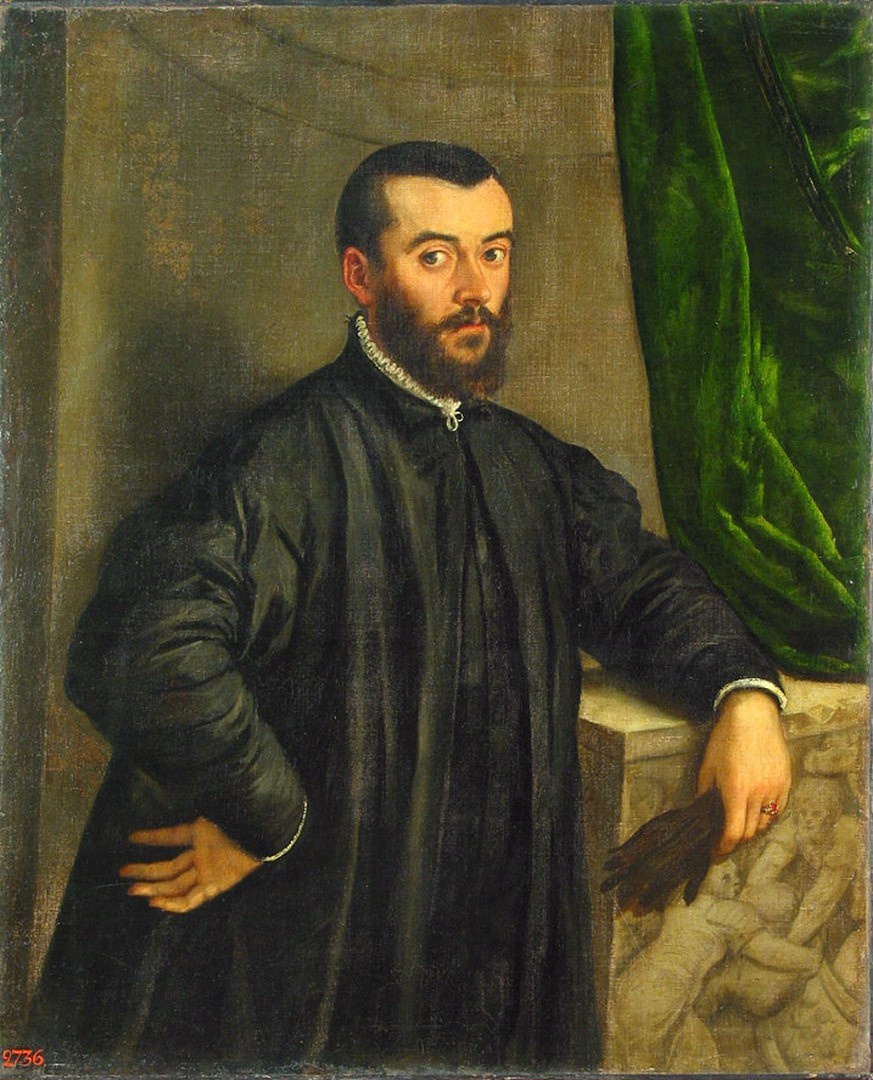
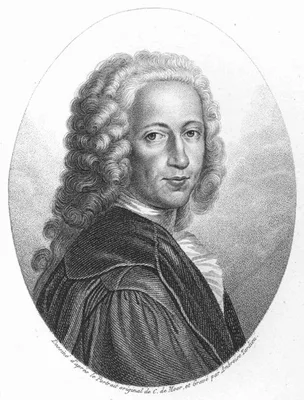
Vesalius's collected works with the famous woodcuts reproduced as copperplate engravings by Jan Wandelaar (1690-1759). Notably Boerhaave and Albinus had this edition published because Vesalius's works still had practi…
1704 CE
#68
Opera omnia medico-practica et anatomica.
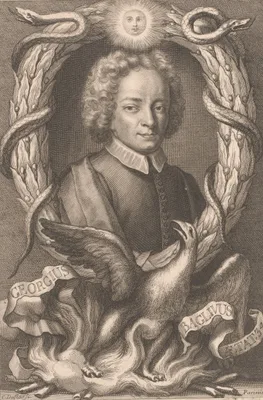
Baglivi, Professor of Anatomy at Rome, had a short but brilliant career. He wrote Praxis medica and De fibra motrice, and originated the so-called “solidar” pathology; he also devoted much time to experime…
1685 CE
#9575
Opera omnia, anatomica et medica partim jam antea excusa, sed plurimis locis ab ipso auctore emendata, & aucta, partim nondum edita. Nunc simul collecta, & diligenter recognita, per Timannum de Diemerbroeck ... quorum elenchum sequens pagina indicabit.
Edited by the author's son.
1910 CE
#7474
Opera philosophica. Edited by Vilhelm Maar. 2 vols.
Steno's collected works, presented in the original Latin with an introduction in English. Digital facsimile from biusante.parisdescartes.fr at this link.
1645 CE
#61.2
Opera quae extant omnia. Ex recension Joh. Antonidae vander Linden.
Spieghel succeeded Casseri in the chair of anatomy at Padua. This edition of his collected writings contains the second printing of the 97 copperplates first printed in Casseri’s Tabulae anatomicae (No. 381) plu…
1986 CE
#7475
Opere scientifiche. Traduzione integrale dai testi originali. Coordinatore Luciano Casella. Revisione e note a cura di Enrico Coturri. 2 vols.
Steno's collected works translated from Latin into Italian. Reproduces Steno's original engraved illustrations, plus others from the time (some in color).