
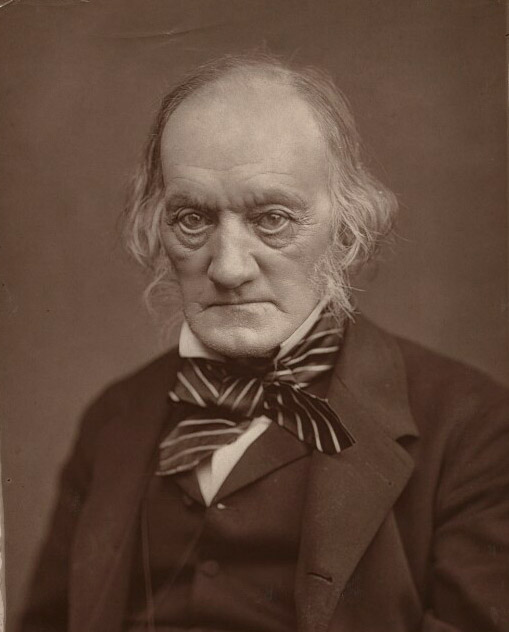
OWEN, Sir Richard (1804 – 1892)
1804 – 1892
20 entries in the GMN corpus.
Image source Lock & Whitfield · npg.org.uk · CC BY-SA 4.0
1832 CE
#325
Memoir on the pearly nautilus (Nautilus pompilius, Linn.).
1833 CE–1840 CE
#326
Descriptive and illustrated catalogue of the physiological series of comparative anatomy contained in the Museum [of the Royal College of Surgeons of England]. 5 vols.
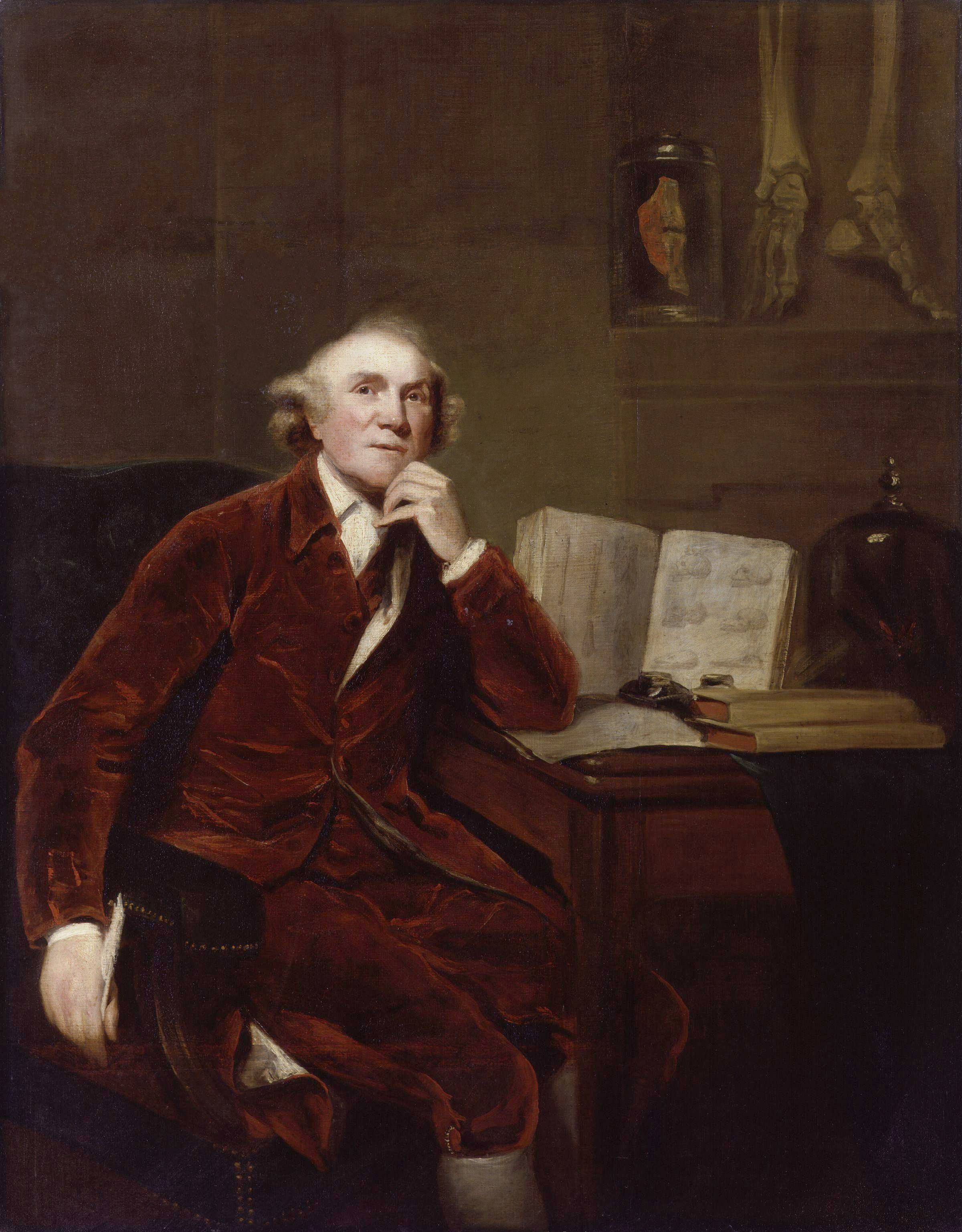
I. Organs of motion and digestion. 1833.--II. Absorbent, circulating, respiratory, and urinary systems. 1834.--III. pt. I. Nervous system and organs of sense. pt. II. Connective and tegumentary systems and peculiariti…
1835 CE
#5337
Description of a microscopic entozoon infesting the muscles of the human body.
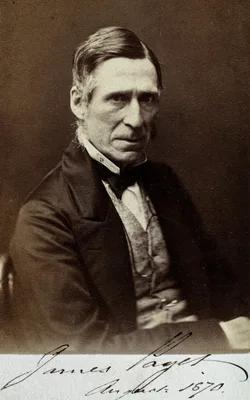
While a first-year student at St. Bartholomew’s Hospital, James Paget discovered trichina in muscle during dissection. Richard Owen, his teacher, named it Trichina spiralis and published an account, barely menti…
1835 CE
#14316
On the osteology of the chimpanzee and orang utan.
Owen was the first anatomist, after Petrus Camper, to distinguish decisively between the chimpanzee and the orangutan. He began studying the anatomy of non-human primates in the 1830s, when the Regent’s Park Zoo…
1839 CE
#11763
The zoology of Captain Beechey's voyage; compiled from the collections and notes made by Captain Beechey, the officers and naturalist of the expedition, during a voyage to the Pacific and Behring's Straits performed in His Majesty's Ship Blossom, under the command of Captain F. W. Beechey...in the years 1825, 26, 27, and 28. By J. Richardson, N.A. Vigors, G.T. Lay, E.T. Bennett, Richard Owen, John E. Gray, Rev. W. Buckland, and G. B. Sowerby. Illustrated with upwards of fifty finely coloured plates by Sowerby.
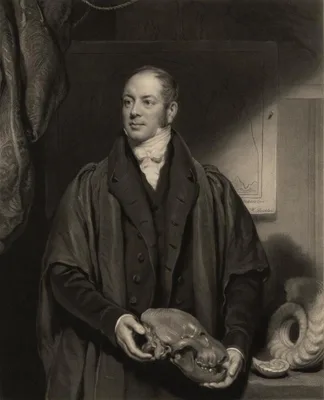
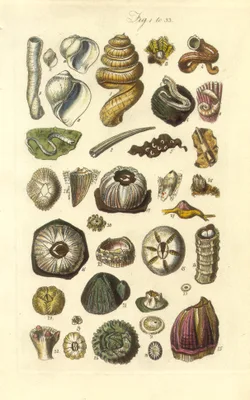
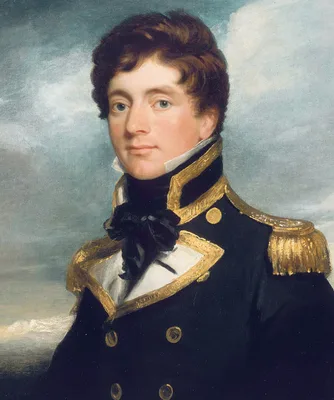
Includes 44 hand-colored plates engraved by J.C. Zeiter and Thomas Landseer after Edward Lear, J. D. C. Sowerby, and J. C. Zeitter, four hand-colored engraved maps and plans (one folding) after E. Belcher. Digital fac…
1840 CE–1843 CE
#7437
The zoology of the voyage of H.M.S. Beagle, under the command of Captain Fitzroy, R. N., during the years 1832 to 1836. Edited by Charles Darwin. 5 pts in 3 vols.
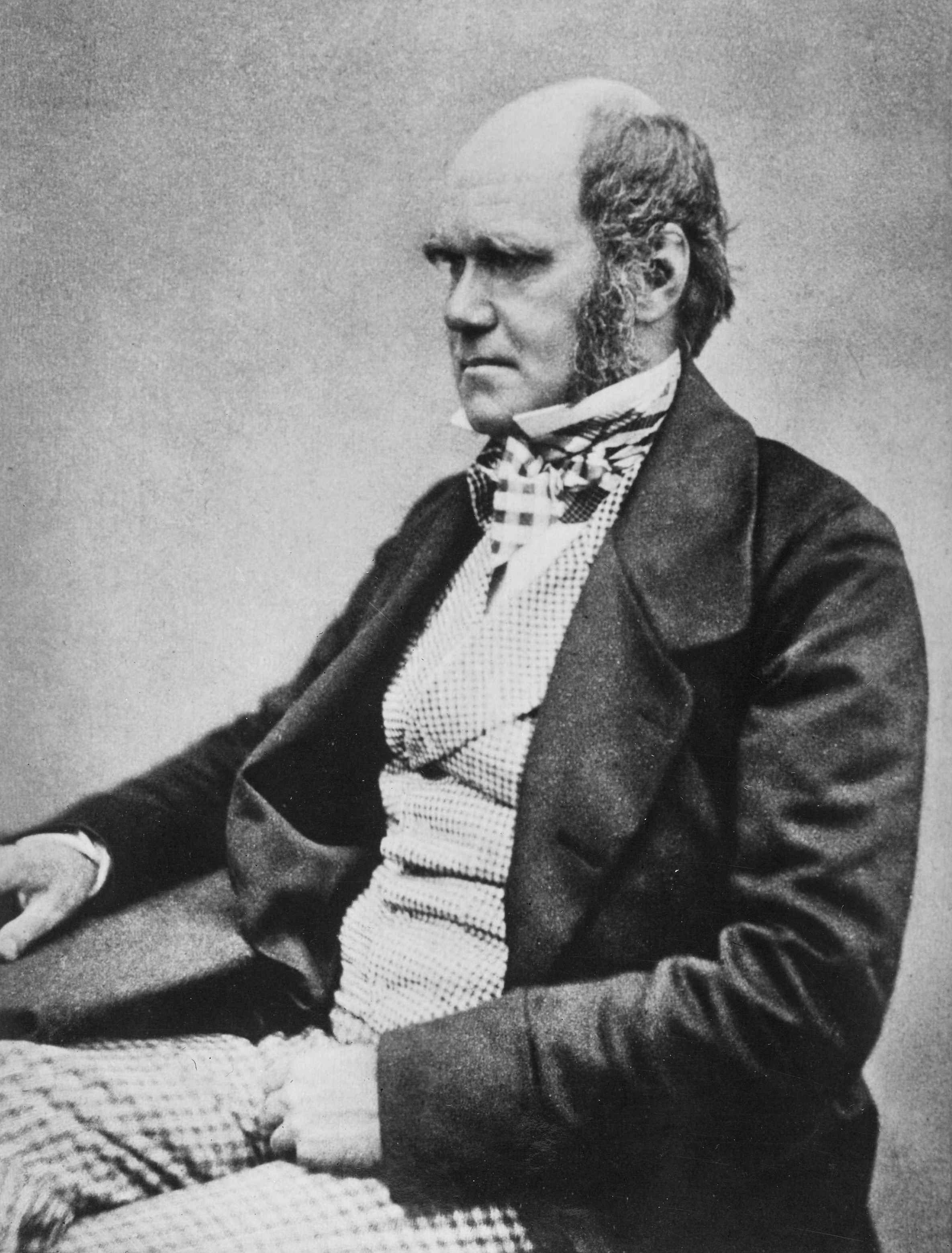
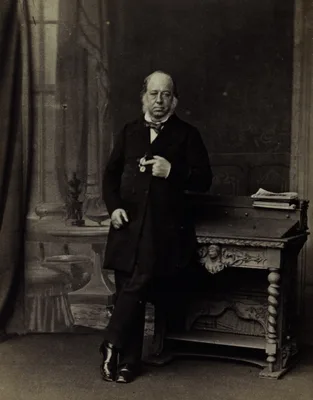
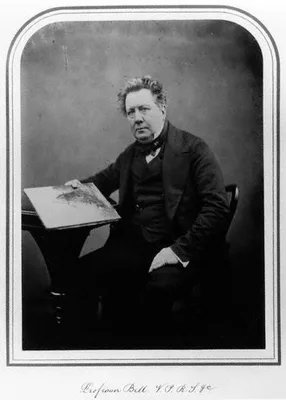
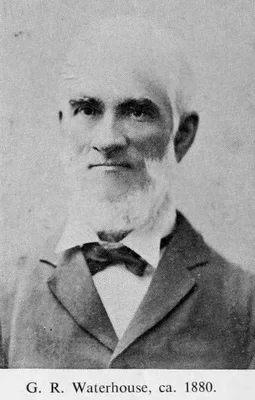
Part 1: Fossil mammalia by Richard Owen; Part 2: Mammalia by George Waterhouse; Part 3: Birds by John Gould; Part 4: Fish by Leonard Jenyns; Part 5: Reptiles by Thomas Bell. Digital facsimile from the Internet Archive…
1840 CE–1845 CE
#329
Odontography, or, a treatise on the comparative anatomy of the teeth. 2 vols.
Owen’s first large-scale original work covered the whole range of the toothed vertebrates, living and fossil, and discussed in detail the micrsocopic structure of the teeth and the physiology of dentition. Inclu…
1841 CE
#13694
Report on British fossil reptiles. Part II. In: Report of the eleventh meeting of the British Association for the Advancement of Science, held at Plymouth, July 1841, pp. 60-204.
In this review article Owen coined the term Dinosaur (pp. 102-103). In surveying fossil bones and teeth found by Gideon Mantell, William Buckland, and others, he observed that three genera--Iguanodon, Megalosaurus, an…
1845 CE
#13862
Descriptive and illustrated catalogue of the fossil organic remains of mammalia and aves contained in the museum of the Royal College of Surgeons of England.
This is the catalogue of John Hunter's collection, with a very few additions from other sources. Digital facsimile from Biodiversity Heritage Library at this link.
1848 CE
#330
On the archetype and homologies of the vertebrate skeleton.
Owen’s vertebral theory of the origin of the skull, later refuted by Thomas Huxley and others. "Owen began working systematically on problems of transcendental morphology in 1841, as part of his curatorial task …
1849 CE
#13704
On parthenogenesis, or the successive production of procreating individuals from a single ovum. A discourse introductory to the Hunterian Lectures on Generation and Development for the year 1849, delivered at the Royal College of Surgeons of England.
Digital facsimile from Google Books at this link.
1852 CE
#1126.1
On the anatomy of the Indian rhinoceros (Rh. unicornis L.).
Owen was the first to describe the parathyroids, which he observed in his dissection of a Great Indian Rhinoceros that had lived at the Zoological Society of London from 1834 to 1849. See B. Modarai, A. Sawyer, & H. E…
1853 CE
#13860
Descriptive catalogue of the osteological series contained in the museum of the Royal College of Surgeons of England. 2 vols.
Digital facsimile from wellcomecollection.org at this link.
1861 CE
#7608
Essays and observations on natural history, anatomy, physiology, psychology, and geology by John Hunter, F.R.S. Being his posthumous papers on those subjects, arranged and revised, with notes; to which are added the introductory lectures on the Hunterian collection of fossil remains delivered in the theatre of the Royal College of Surgeons of England, March 8th, 10th and 12th, 1855 by Richard Owen .... 2 vols.
Digital facsimiles from the Hathi Trust at this link.
1862 CE
#14045
On the extent and aims of a national museum of natural history.
Owen was the prime mover behind the construction of the Natural History Museum, a project that occupied him for over two decades. His On the Extent and Aims of a National Museum of Natural History, containing the text…
1863 CE
#12657
Monograph on the Aye-Aye (Chiromys madagascariensis, Cuvier).
For the first 100 years after the first aye-aye was brought to Europe from Madagascar in the 1780s, debate persisted over whether it was a rodent, a primate, or most closely related to the kangaroo. Classification of …
1865 CE
#7612
Memoir on the Gorilla (Troglodytes Gorilla, Savage).
This reset monograph version of Owen's paper consists of revised and augmented portions of Owen's "Contributions to the natural history of the Anthropoid Apes," which appeared in the Transactions of the Zoological Soc…
1866 CE–1868 CE
#336
On the anatomy and physiology of the vertebrates. 3 vols.
Vol. 1. Fishes and reptiles; Vol. 2. Birds; Vol. 3. Mammals. The most important work on the subject after Cuvier, based entirely on personal observations. Owen entitled his 40th and concluding chapter "Derivative hypo…
1882 CE
#14028
Experimental physiology: Its benefits to mankind, with an address on unveiling the statue of William Harvey at Folkestone 6th August 1881.
A little-known historical work on the history of physiology and the history of medicine by Owen, who, even though he was trained in medicine, most often wrote on topics in comparative anatomy, zoology, paleontology an…
1992 CE
#7611