
New York
853 entries published in this place.
1769 CE
#1763
A discourse upon the duties of a physician, with some sentiments, on the usefulness and necessity of a public hospital: Delivered before the president and governors of King's College, at the commencement, held on the 16th of May, 1769. As advice to those gentlemen who then received the first medical degrees conferred by that university.
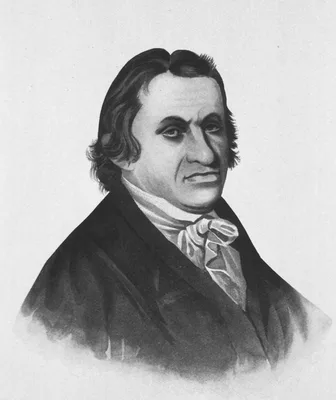
The first American treatise on medical ethics, and the first treatise on medical ethics published in the English language. Samuel Bard was one of the founders of King’s College, New York. Digital facsimile from …
1769 CE
#6380
A medical discourse, or an historical inquiry into the ancient and present state of medicine: The substance of which was delivered at opening the medical school, in the city of New York. Printed by Desire.
The first American publication on medical history. Digital facsimile from U.S. National Library of Medicine at this link.
1771 CE
#5052
An enquiry into the nature, cause and cure of the angina suffocativa, or sore throat distemper, as it is commonly called by the inhabitants of this city and colony.
One of the earliest accurate descriptions of diphtheria. Osler considered the book “an American classic of the first rank”. Bard was personal physician to George Washington.
1775 CE
#2155
Plain, concise, practical remarks, on the treatment of wounds and fractures; to which is added an appendix, on camp and military hospitals; principally designed for the use of young military surgeons in North America.
The first surgical work written by an American and printed in North America. Jones’s work was the accepted guide to surgical practice during the American Revolutionary War.
1796 CE
#13162
An account of the epidemic fever which prevailed in the city of New York, during part of the summer and fall of 1795.
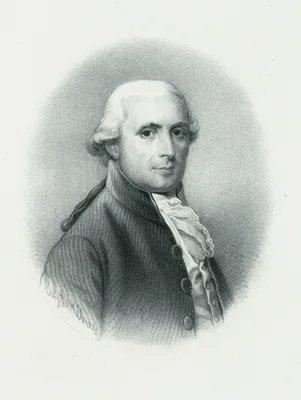
Traces the spread of yellow fever in late July, 1795, to the ship Zephyr, recently arrived from the West Indies. After spreading to nearby ships and then into the neighborhoods surrounding the port, the epidemic kille…
1797 CE
#7687
An inquiry into the cause of the prevalence of the yellow fever in New-York.
Includes four early plot maps; Seaman was one of the first to create maps that attempted to show the spread of contagious disease.
1801 CE
#3678
A treatise on the human teeth, concisely explaining their structure and cause of disease and decay.
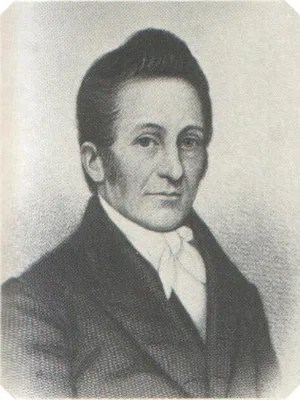
First American book on the teeth, a pamphlet of 26pp. It was intended for the lay public and listed sound rules of oral hygiene, explained the nature of dental diseases and their treatment, and stressed preventive mai…
1804 CE
#11317
Catalogue of the natural productions and curiosities, which compose the collections of the Cabinet of Natural History, opened for public exhibition, at No. 38, William-Street, New-York.
One of the first natural history museums in the U.S., supported by subscription. According to the text, David Hosack and Wright Post were among the supporters of the project. The copy at the U.S. National Library of M…
1807 CE
#6163.1
A compendium of the theory and practice of midwifery.
First significant textbook on obstetrics written by an American. Bard gave an excellent description of the mechanism of labor, and of pre-eclampsia. Woodcut illustrations were engraved by American physician and illust…
1811 CE
#4676
A treatise on a malignant epidemic, commonly called spotted fever.
First book on cerebrospinal meningitis; in it North recommended the use of the clinical thermometer, not in general use until the time of Wunderlich. For more information on this book, see the article by F. L. Pleadwe…
1811 CE
#7801
The maternal physician; a treatise on the nurture and management of infants, from the birth until two years old. Being the result of sixteen years' experience in the nursery. Illustrated by extracts from the most approved medical authors
The first American book on pediatrics, in the tradition of "advice books" or childcare manuals for mothers. This was the first American printed book on a medical subject written by a woman. Pages 248-75 publish a list…
1814 CE
#9641
Botanic medicine: A new and complete American medical family herbal: Wherein is displayed the true properties and medical virtues of the plants, indigenous to the United States of America, together with Lewis' secret remedy newly discovered, which has been found infallible in the cure of that dreadful disease hydrophobia, produced by the bite of a mad dog.
Henry wrote that he had been a captive of the Indians during the Creek War and that he incorporated what he learned during his captivity. His work was one of the first illlustrated herbals published in the United Stat…
1817 CE
#10519
Physical observations, and medical tracts and researches, on the topography and diseases of Louisiana.
Digital facsimile from U.S. National Library of Medicine at this link.
1819 CE
#10456
A statement of the occurrences during a malignant yellow fever in the city of New-York, in the summer and autumnal months of 1819; and of the check given to its progress, by the measures adopted by the Board of Health. With a list of cases and names of sick persons, and a map of their places of residence within the infected and proscribed limits: With a view of ascertaining, by comparative arguments, whether the distemper was engendered by domestic causes, or communicated by human contagion from foreign ports.
Pascalis mapped this yellow fever outbreak using a method similar to Valentine Seaman, but with a more extensive and detailed list of cases. A condensation of his 60-page pamphlet with a reissue of his map appeared in…
1822 CE
#9523
An account of the yellow fever which occurred in the city of New York, in the year 1822, to which is prefixed a brief sketch of the different pestilential diseases, with which this city was afflicted, in the years 1798, 1799, 1803 & 1805, with the opinion of several of our most eminent physicians, respecting the origin of the disease, its prevention and cure.To which is added a correct list of all the deaths by yellow fever during the late season.
Digital facsimile from the Internet Archive at this link.
1822 CE
#13314
System of surgical anatomy. Part first [all published]: On the structure of the groin, pelvis, and perineum. As connected with inguinal and femoral hernia; Tyeing the iliac arteries; and the operation of lithotomy. Illustrated by nine copper-plate engravings
Anderson trained at the Royal College of Surgeons in Edinburgh, emigrated to America in 1820 and, after delivering a series of anatomical lectures in New York under the patronage of Valentine Mott, became affiliated w…
1824 CE
#5022
A practical essay on typhous fever.
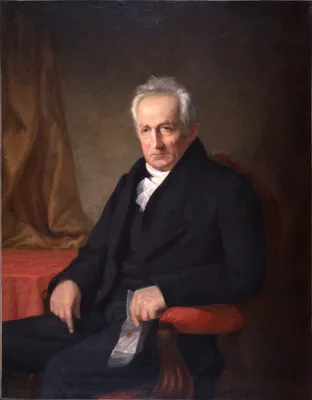
Nathan Smith left a classic account of typhoid; this was reprinted in Med. Classics, 1937, 1, 781-819 He clearly recognized the contagious nature of the disease.
1825 CE
#7603
Catalogue of the anatomical museum in the College of Physicians and Surgeons, New York.
Digital facsimile from the Hathi Trust at this link.
1825 CE
#6861
The characteristics of homoeopathia. From Hahnemann's "Geist der Homöopathischen Heil-lehre."
The first publication on homeopathy issued in the United States— a translation of Hahnemann's essay. The 24-page pamphlet was dedicated to David Hosack of New York, and gratuitously distributed to leading physic…
1826 CE
#10513
A compendium of the flora of the northern and middle states, containing generic and specific descriptions of all the plants, exclusive of the cryptogamia, hitherto found in the United States, north of the Potomac.
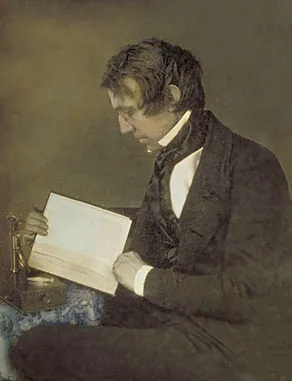
Published after Torrey's appointment as profess or chemistry at West Point, in a small, handy format for botanical students, that "its small size will enable them to use it without inconvenience in their herborization…
1829 CE
#12903
A system of dental surgery. In three parts. I. Dental surgery as a science. II. Operative dental surgery. III. Pharmacy connected with dental surgery.
Digital facsimile from Google Books at this link.
1830 CE
#12481
The Botanic physician: Being a compendium of the practice of physic, upon botanical principles, containing all the principal branches necessary to the study of medicine, as anatomy; physiology; surgery; causes, symptoms and cure of diseases; midwifery; materia medica; pharmacy, botany, &c. Together with a great variety of useful recipes.
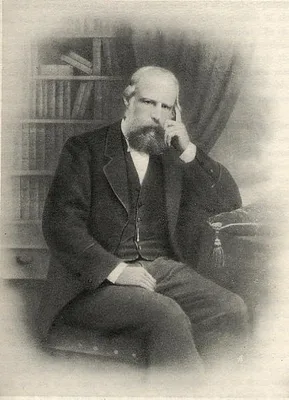
“The first treatise to attempt a scientific synthesis of the botanic practice....The first significant attempt to synthesize and systematize the prevailing botanic practice and plant materia medica” (Berma…
1830 CE
#13720
Thoughts on the original unity of the human race.
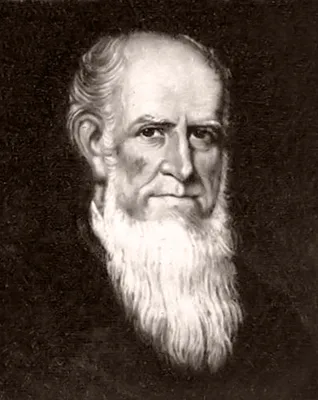
The first important American presentation of the case for polygenesis in support of slavery. Caldwell presented the first important American critique of the monogenist theories of human ancestry promoted by Samuel Sta…
1832 CE
#10812
Observations on the epidemic now prevailing in the city of New-York; called the Asiatic or spasmodic cholera; with advice to the planters of the South, for the medical treatment of their slaves.
Digital facsimile from the Internet Archive at this link.
1833 CE
#12866
Dentologia, a poem on the diseases of the teeth and their proper remedies. With notes, practical, historical, illustrative, and explanatory, by Eleazar Parmly.
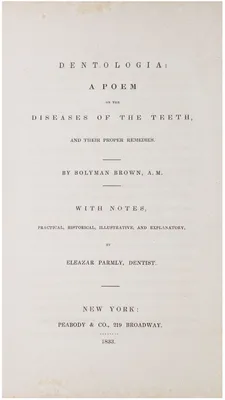
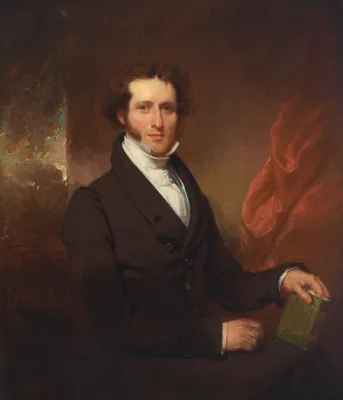
Brown founded the first US dental school, the first US national dental society, called The American Association of Dental Surgeons, and the first US dental journal, entitled the American Journal and Library of Dental …
1836 CE
#11430
Discoveries in light and vision; with a short memoir containing discoveries in the mental faculties.
The first work on vision written by a woman and published in the United States. Griffith published the work anonymously. "Griffith’s work had its start in print in 1834, when she published two articles on vision…
1836 CE
#3679.7
Guide to sound teeth or a popular treatise on the teeth, illustrating the whole judicious management of these organs from infancy to old age: In which the author will attempt to show that the teeth of all persons which are constitutionally well formed, and who enjoy good health may, by proper management and care, be preserved to the end of life.
An expansion of Shearhashub Spooner's 32-page dissertation, An inaugural dissertation on the pysiology [sic] and diseases of the teeth. Submitted to the examination of John Augustus Smith, M.D, president, and the trus…
1837 CE
#3441.1
A treatise on the malformations, injuries and diseases of the rectum and anus. Text and atlas.
The first American treatise on colon–rectal surgery.
1838 CE
#11431
Barn-Yard rhymes; showing what opinions the turkey, the cock, the goose, and the duck, enterain of allopathia, homopathia, electro-galvanism and the animalcule doctrines.
A critique of medical practice and procedures in 80 pages of rhymed couplets voiced by farmyard animals. Mary Griffith, who published these satirical poems anonymously, dedicated the work to the Philadelphia physician…
1841 CE
#12867
Essay on the importance of regulating the teeth of children before the fourteenth year, or the period of life when the second set of teeth become perfectly developed.
This 11-page pamphlet was the first American work on orthodontics.
1842 CE
#11693
Travels in Europe and the East, embracing observations made during a tour through Great Britain, Ireland, France, Belgium, Holland, Prussia, Saxony, Bohemia, Austria, Bavaria, Switzerland, Lombardy, Tuscany, the Papal States, the Neapolitan Dominions, Malta, the Islands of the Archipelago, Greece, Egypt, Asia Minor, Turkey, Moldavia, Wallachia, and Hungary in the years 1834, '35, '36, '37, '38, '39, '40, and '41.
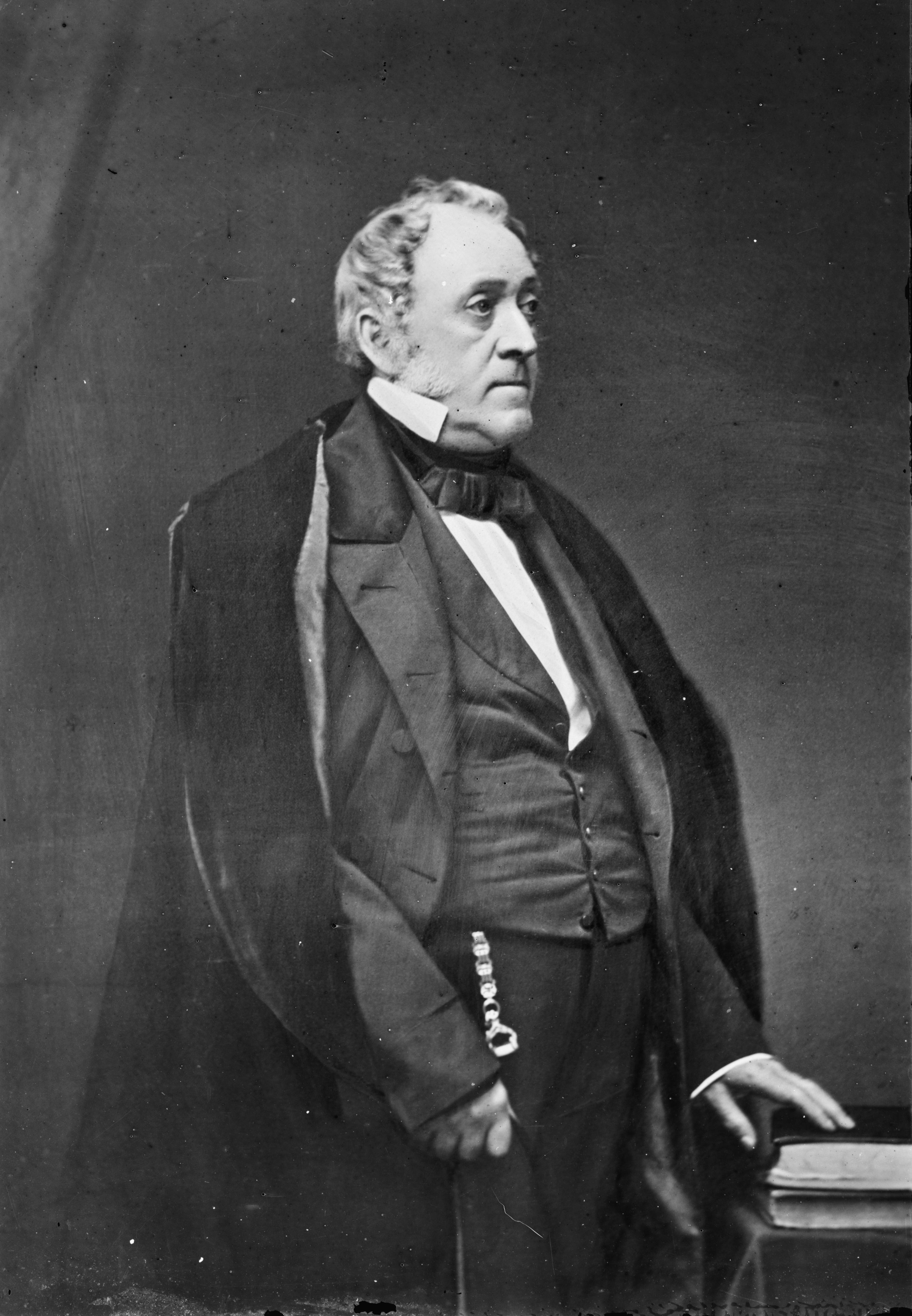
Digital facsimile from the Hathi Trust at this link.
1845 CE
#13761
The origin of life: A popular treatise on the philosophy and physiology of reproduction, in plants and animals, including the details of human generation with a full description of the male and female organs. Illustrated by fine colored engravings on stone.
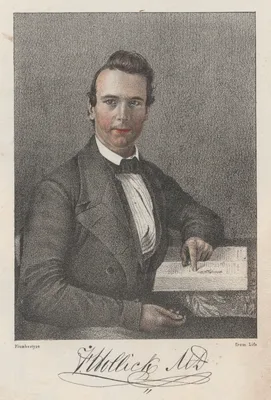
Digital facsimile of the 20th edition from Google Books at this link.
1845 CE
#9556
The sanitary condition of the laboring population of New York with suggestions for its improvement.
Digital facsimile from the Internet Archive at this link.
1845 CE–1854 CE
#7769
The viviparous quadrupeds of North America. 2 vols. of plates in folio; 3 vols. 8vo text.
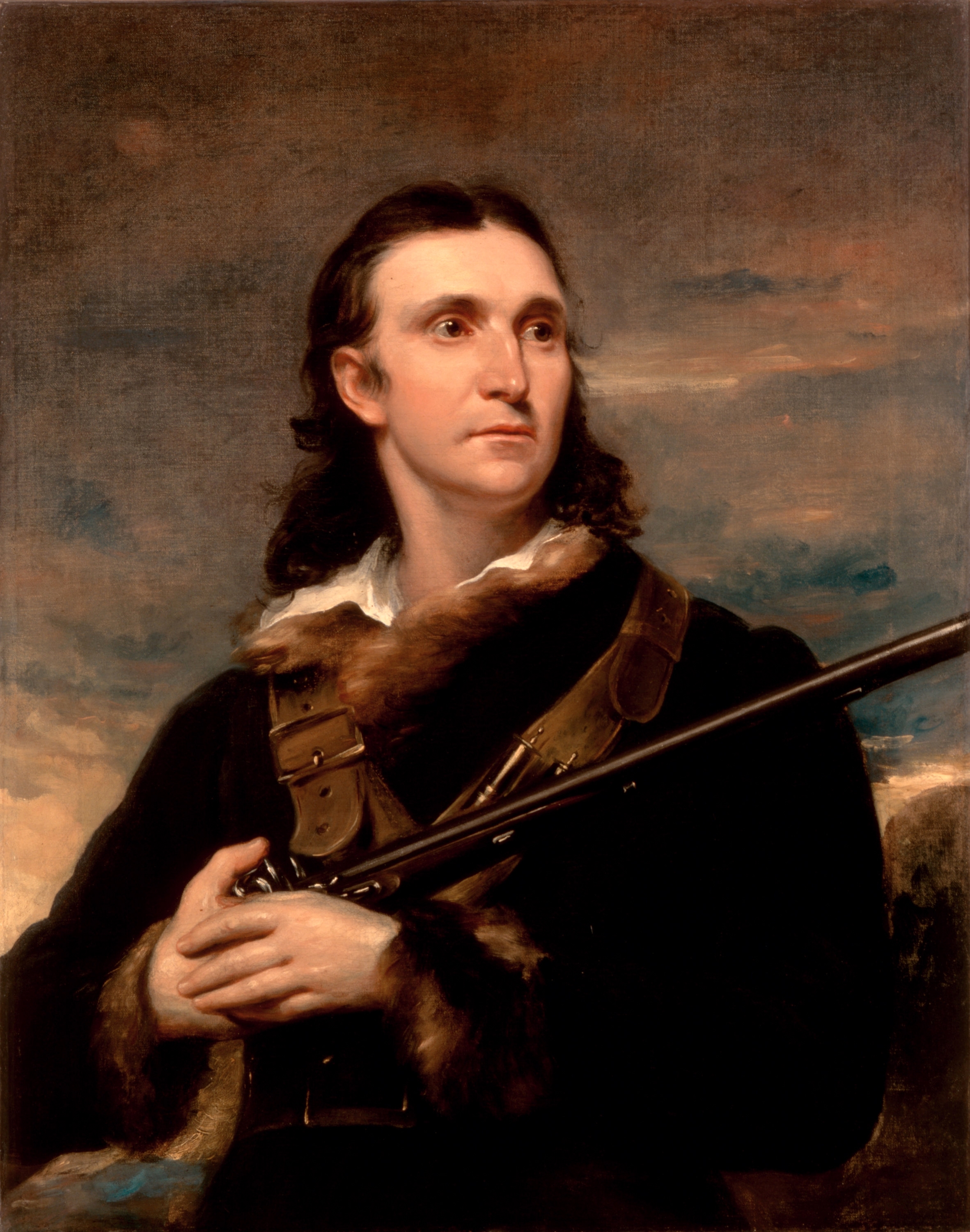
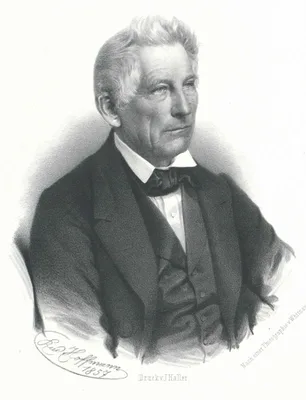
The largest and most significant color plate book produced in America during the 19th century.
1846 CE
#3261
A treatise on diseases of the air-passages.
Green was the “father of laryngology” in America, and this is the first American treatise in otorhinolaryngology. He was the first successfully to introduce medicaments into the larynx, trachea, and bronch…
1846 CE
#11734
A treatise on the motive powers which produce the circulation of the blood.
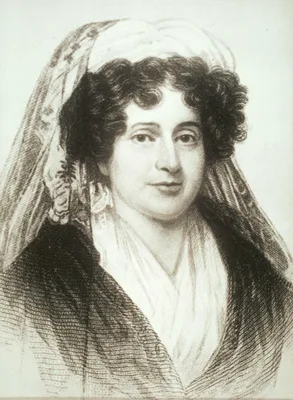
The author was an American women's rights activist and educator rather than a physician or physiologist. Digital facsimile from U.S. National Library of Medicine at this link.
1846 CE
#8587
The young stethoscopist; or, the student's aid to auscultation.
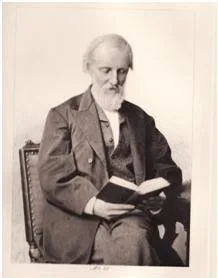
Through this book Bowditch established the stethoscope as a diagnostic tool in America. Digital facsimile from the Medical Heritage Library, Internet Archive, at this link.
1847 CE
#13469
The married woman's private medical companion, embracing the treatment of menstruation, or monthly turns, during their stoppage, irregularity, or entire suppression, pregnancy, and how it may be determined, with the treatment of its various diseases. Discovery to prevent pregnancy, its great and important necessity where malformation or inability exists to give birth. To prevent miscarriage or abortion when proper and necessary, to effect miscarriage when attended with entire safety. Causes and mode of cure of barrenness or sterility
Published pseudonymously by radical printer Charles Lohman who was married to the abortionist/entrpreneur Ann Lohman known as "Madame Restell." The Lohmans also sold condoms. Digital facsimile from U.S. National Libra…
1847 CE–1847 CE
#10336
Southern ichthyology; or a description of the fishes inhabiting the waters of South Carolina, Georgia, and Florida. Pt. 2, 1847, Pt. 3, 1848.
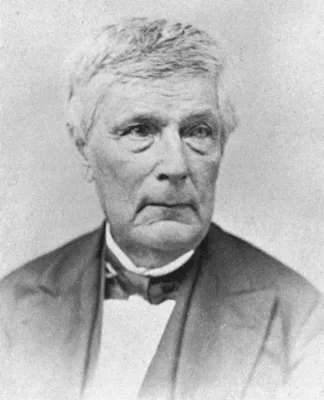
Holbrook never published part one of this work.
1849 CE
#10746
An inquiry concerning the diseases and functions of the brain, spinal cord, and the nerves.
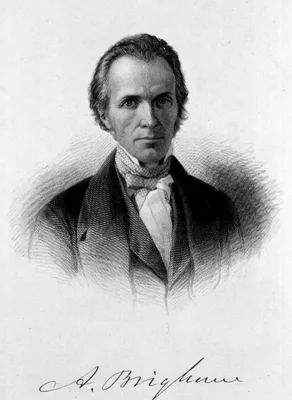
The first American book on neurology, with a lengthy discussion of neuropathology. Digital facsimile from the Internet Archive at this link.
1849 CE
#10110
Physician and patient; or, a practical view of the mutual duties, relations and interests of the medical profession and the community.
"During this era of rampant sectarianism in medicine, doctors frequently became dishonest or abusive as they competed for patients. To deal with this situation, the American Medical Association adopted [in 1847] a cod…
1850 CE
#10426
Diary of a physician in California; being the results of actual experience, including notes of the journey by land and water, and observations on the climate, soil, resources of the country, etc.
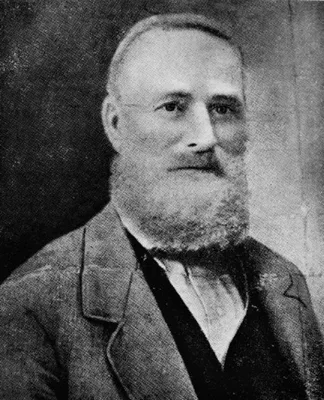
Tyson sailed from Baltimore for California in January 1849, crossing the Isthmus and sailing on to San Francisco. His book recounts his 1849 tour of the Northern Mines in search of a likely place for his medical pract…
1850 CE
#13760
The marriage guide, or natural history of generation; a private instructor for married persons and those about to marry, both male and female, in every thing concerning the physiology and relations of the sexual system and production or prevention of offspring; including all the new discoveries, never before given in the English language.
Digital facsimile of the 196th edition, much enlarged and improved from Google Books at this link. Sappol (2002) estimated that Hollick's works on sexuality and reproduction underwent at least 500 editions of between …
1850 CE–1851 CE
#10517
Southern medical reports: Consisting of general and special reports, on the medical topography, meteorology, and prevalent diseases, in the following states: Louisiana, Alabama, Mississippi, North Carolina, South Carolina, Georgia, Florida, Arkansas, Tennessee, Texas. Edited by E. D. Fenner. 2 vols.
Regarding Fenner see, John Duffy, "Erasmus Darwin Fenner (1807–1866) Journalist, Educator, and Sanitarian," Academic Medicine. 35 (1960) 819-831. Digital facsimile of the 1850-51 edition from the Internet Archiv…
1851 CE
#10416
Ladies' indispensable assistant: Being a companion for the sister, mother, and wife ... Here are the very best directions for the behavior and etiquette of ladies and gentlemen ... ; also, safe directions for the management of children ... a great variety of valuable recipes, forming a complete system of family medicine ... : to which is added one of the best systems of cookery ever published ....
In spite of the verbose title, the Table of Contents of this work indicates that roughly the first half of the book concerns home remedies for the widest range of complaints and illnesses, and medical properties of pl…
1852 CE
#11950
The laws of life, with special reference to the physical education of girls.
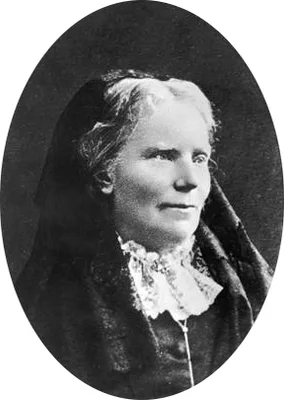
Blackwell's first book, a volume about the physical and mental development of girls, emphasizing the value of exercise, intended to help prepare young women for motherhood. Digital facsimile from Google Books at this …
1852 CE
#13308
The people's medical lighthouse; a series of popular and scientific essays on the nature, uses, and diseases of the lungs, heart, liver, stomach, kidneys, womb and blood; also a key to the causes, prevention, remedies, and cure of pumonary and other kinds of consumption;....Marriage guide....
One of the more comprehensive American works on popular medicine from the mid-19th century, frequently reprinted. The author, who published the work himself from his address in New York City, describes himself as A.M.…
1852 CE
#3262
The surgical treatment of polypi of the larynx and oedema of the glottis.
Green was one of the few to remove a laryngeal tumor before the invention of the laryngoscope.
1854 CE
#13388
Chemical atlas; or, the chemistry of familiar objects: Exhibiting the general principles of the science in a series of beautifully colored diagrams, and accompanied by explanatory essays, embracing the latest views of the subjects illustrated. Designed for the use of students and pupils in all schools where chemistry is taught.
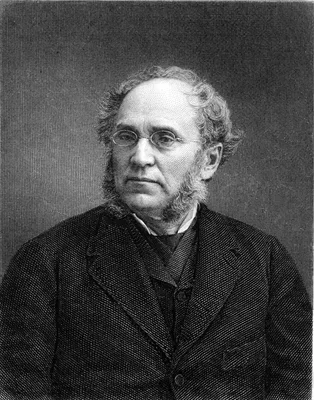
The diagrams in this pioneering work in information graphics were printed in red and black; a variety of other colors were applied by hand. Digital facsimile from digital.sciencehistory.org at this link.
1854 CE
#5747
Elkoplasty, or anaplasty applied to the treatment of old ulcers.
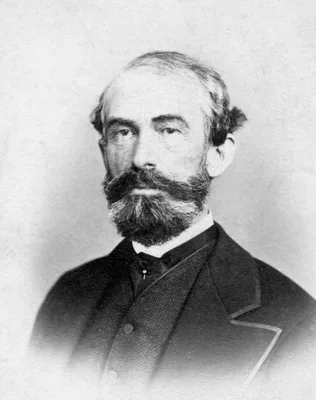
Hamilton was among the first to treat ulcers by skin-grafting. He made the flap smaller than the space which it was intended to fill, “trusting to growth and expansion of the graft to complete the cure”. A…