
Ithaca, NY
26 entries published in this place. (Ithaca, US)
1939 CE
#6914
The nature of the chemical bond and the structure of molecules and crystals: An introduction to modern structural chemistry.
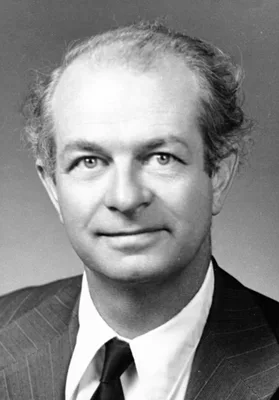
This book set forth in detail Pauling's valence-bond theory based on the quantum-mechanical concept of resonance between two energy states, which led to his highly innovative idea that the hybridization of orbitals (e…
1943 CE
#8762
Civilization and disease.
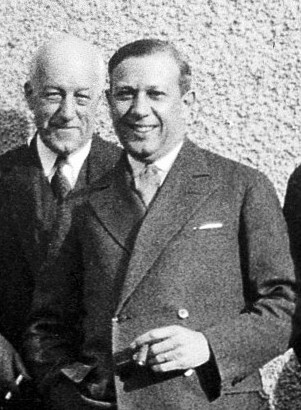
Study of the effect of disease on economics, law, religion and science.
1944 CE
#11352
Intracranial arterial aneurysms.
1966 CE
#534.1
Marcello Malpighi and the evolution of embryology. 5 vols.
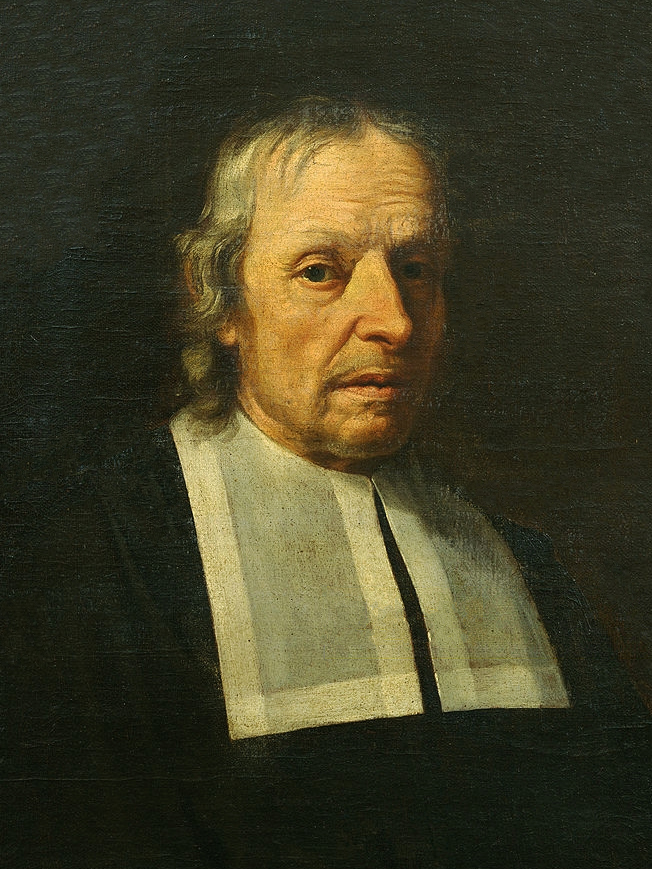
Vol. 1 is an exhaustive biography of Malpighi; the remaining 4 volumes provide an extensive account of the development of embryology, and annotated English translations of Nos. 468 & 469.
1968 CE
#9097
Galen on the usefulness of the parts of the body. De usu partium. Translated from the Greek with an introduction and commentary by Margaret Tallmadge May. 2 vols.
![GALEN, [Κλαύδιος Γαληνός; Galen of Pergamon] (129 – 216)](/media/portraits/21)
1973 CE
#8126
Galenism: Rise and decline of a medical philosophy.
1974 CE
#8758
The Baglivi correspondence from the library of Sir William Osler. Edited by Dorothy Schullian.
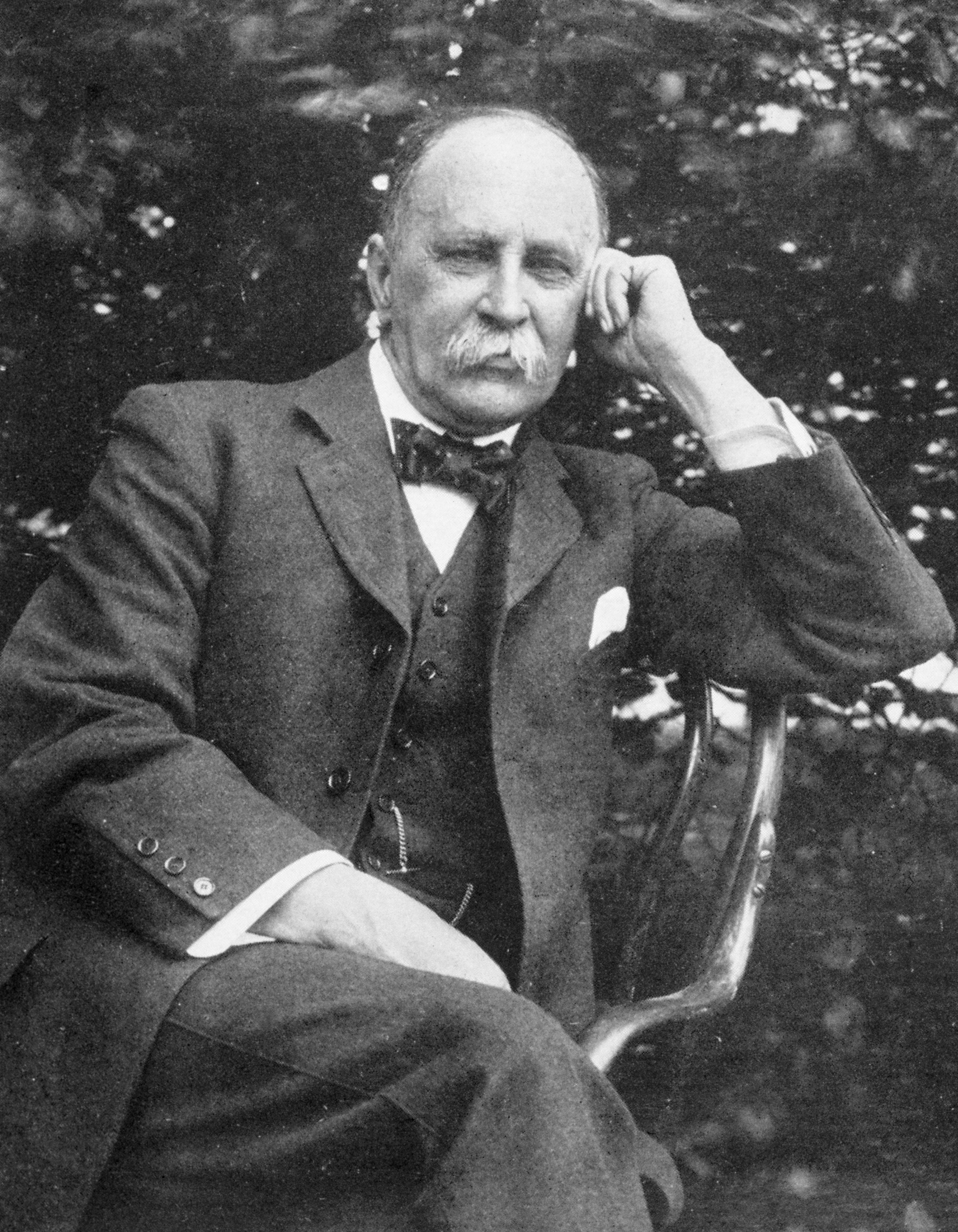
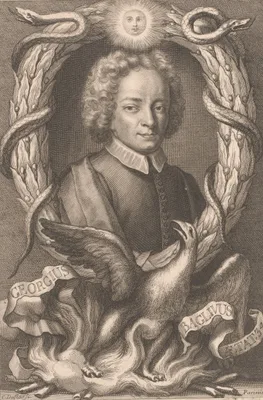
Sir William Osler wrote to S. Weir Mitchell in 1908, "I buy a few good things now and again. I had a find last week, 140 original letters to Baglivi, 17th century ‑ from Redi, Malpighi, Pitcairn, Bellini, and the famo…
1978 CE
#9434
Mind and madness in ancient Greece: The classical roots of modern psychiatry.
1978 CE
#2268.1
Tropical medicine and parasitology: Classic investigations. 2 vols.
About 200 key papers, reproduced in whole or in part, in English translation where necessary. Includes useful biographical notes.
1981 CE
#8033
Digging up bones: The excavation, treatment, and study of human skeletal remains. Third edition.
1987 CE
#13470
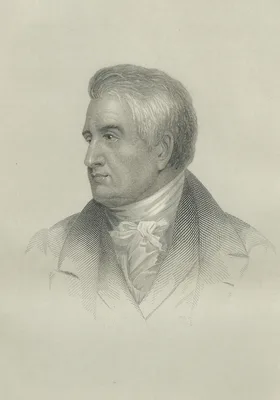
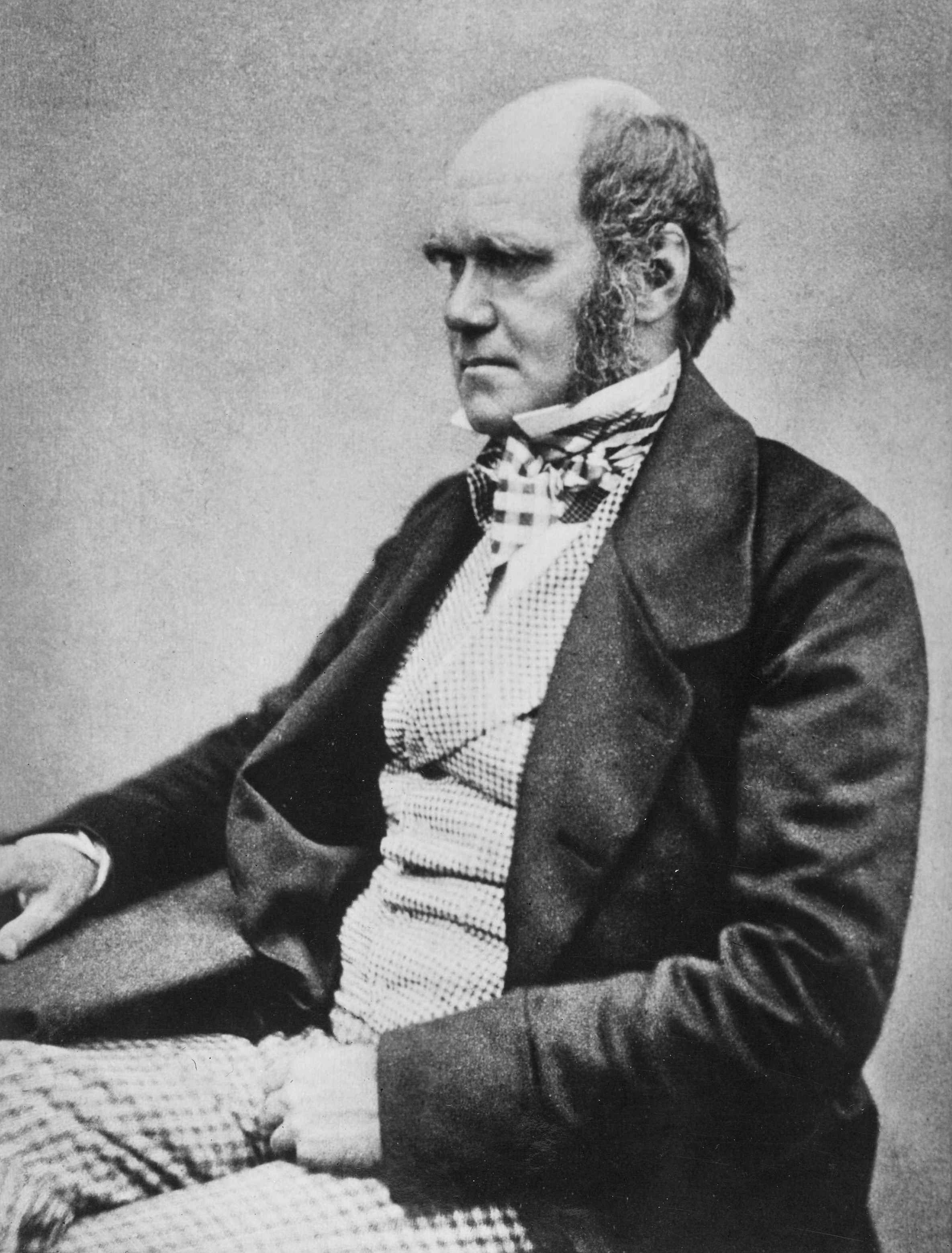
Charles Darwin's notebooks 1836-1844. Geology, transmutation of species, metaphysical enquiries. Transcribed and edited by Paul H. Barrett, Peter J. Gautrey, Sandra Herbert, David Kohn, Sydney Smith.
1988 CE
#8066
Disease and representation: Images of Illness from Madness to AIDS.
1988 CE
#13296
Worker's health, workers' democracy: The Western miners' struggle, 1891-1925.
"The most dangerous work in North America at the turn of the century may have been extracting metal-bearing ore from mountains of hard rock. Beginning in the 1890s miners in the West worked through local unions both t…
1994 CE
#10299
Contraception and abortion in nineteenth-century America.
1995 CE
#9630
Deadly medicine: Indians and alcohol in early America.
1995 CE
#7714
The archaeology of disease.
1998 CE
#7269
Ancestral images: The iconography of human origins.
1998 CE
#13294
Black lung: Anatomy of a public health disaster.
2001 CE
#7776
Bodies politic: Disease, death and doctors in Britain, 1650-1900.
Social history emphasizing the visual depiction of disease, death and doctors.
2004 CE
#8321
Eros on the Nile. Translated from the Polish by Geoffrey L. Packer.
Originally published by Eros nad Nilem (Prószyyńki i S-ka S.A, 1998).
2004 CE
#7109
The book of skin.
2007 CE
#11575
Differential diagnoses: A comparative history of health care problems and solutions in the United States and France.
2014 CE
#7220
Walking corpses: Leprosy in Byzantium and the Medieval West.
Leprosy first became known to Europeans during the 12th century when a frightening epidemic ravaged Catholic Europe. The Church responded by constructing charitable institutions called leprosariums to treat the rapidl…
2019 CE
#13293
Anti/Vax: Reframing the vaccination controversy.
2019 CE
#13010
Perilous chastity: Women and illness in Pre-Enlightenment art and medicine.
"Bearing such titles as The Doctor's Visit or The Lovesick Maiden, certain seventeenth-century Dutch paintings are familiar to museum browsers: an attractive young woman—well dressed, but pale and listless&mdash…
2021 CE
#14104
Morbid undercurrents: Medical subcultures in postrevolutionary France.
"During the 1790s and beyond, medicine left the somber halls of universities, hospitals, and learned societies and became profoundly politicized, inspiring a whole panoply of different—often bizarre and shocking…