
United Kingdom
2,270 entries published in United Kingdom. 6 publication places.
#13552
A catalogue of rare syphilis books held in the Special Collections Department of the University of Glasgow.
https://www.gla.ac.uk/media/Media_389083_smxx.pdf Describes and illustrates in color over 200 rare books from the 15th century to 1820, including those in the Hunterian Collection, with links to more extensive online …
#13913
Bibliotheca Bernardiana: Or, A catalogue of the library of the late Charles Bernard, Esq; Serjeant Surgeon to Her Majesty. Containing a curious collection of the best authors in physic, history, philology, antiquities ... With several MSS. Ancient and modern which will begin to be sold by auction on Thursday the 22nd of March, 1710-11. At the Black-Boy Coffee-House in Ave-Mary-Lane, near Ludgate-Street.
Catalogue compiled by Jacob Hooke. Digital facsimile from Google Books at this link.
1483 CE
#6812
Regimen contra pestilentiam [English] Treatise on the Pestilence.
The earliest medical work printed in English. It was published without printer's name or date, but has been attributed to the press of William Machlinia, in London, and estimated to have been published in 1483."Althou…
1522 CE
#2665
De morborum symptomatis.
![GALEN, [Κλαύδιος Γαληνός; Galen of Pergamon] (129 – 216)](/media/portraits/21)
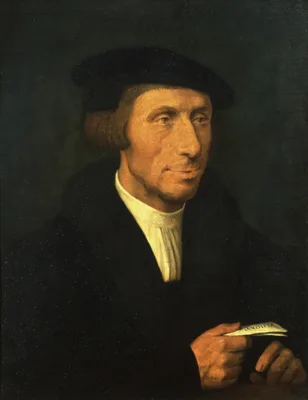
This volume of Galen’s selected works includes Thomas Linacre’s Latin translation of De symptomatum differentiis.
1525 CE
#1799
Here begynnyth a new mater, the whiche sheweth and treateth of ye vertues & proprytes of herbes, the whiche is called an Herball.
BANCKES' HERBAL
Earliest English printed herbal. Published anonymously, it is usually referred to as “Banckes’ Herbal”, after its publisher, Rycharde Banckes. The text was derived from a medieval manuscript, and alt…
1525 CE
#368.01
The noble experyence of the vertuous handywarke of surgeri.
This translation of Brunschwig’s surgery (No. 5559) includes the first anatomical text printed in English, a 13-page section with 4 woodcuts. Facsimile, Amsterdam, 1973.
1532 CE
#368.1
De indiciis et praecognitionibus, opus apprime utile medicis. Eiusdem in anatomicen introductio luculenta et brevis.
The first anatomical text by an Englishman, but only a very brief account of 15 pages. The only known copy of the original edition is in the British Library. Edwardes made the first recorded dissection in England (153…
1538 CE
#1805
Libellus de re herbaria novus.
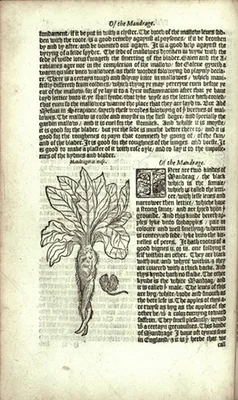
An alphabetical catalogue of plants and medicines made from them. Turner, the “Father of English Botany”, treated plants as simples, and did not attempt to show their relationships. He was a much travelled…
1540 CE
#6139
The byrth of mankynde.
The first English treatise on midwifery, translated by Richard Jonas from the 1532 Latin translation by Roesslin the Younger (De partu hominis) of Roesslin's work (1513). The 1540 English edition was illustrated with …
1544 CE
#1590
A new booke entyteled the regiment of lyfe.
Translation by John Phaer of a book by Jehan Goeurot published in 1530. Garrison states that it is a version of the Regimen Sanitatis.
1544 CE
#6317
The regiment of life, whereunto is added a treatise of the pestilence, with the boke of children.
The “boke of children” is the first work on diseases of children to be written by an Englishman the English language. Phaer enabled Englishmen to read and think of pediatrics in their own language. The edi…
1545 CE
#376.1
Compendiosa totius anatomie delineatio, aere exarata.
![GEMINUS, Thomas [Thomas Lambrit; Thomas Lambert] (1510 – 1562)](/media/portraits/532)
Compendiosa totius anatomie delineatio by Belgian engraver, mathematical and surgical instrument maker, Thomas Geminus (Thomas Lambert or Lambrit) was a slightly abridged version of Vesalius's Epitome illustrated with…
1547 CE
#1591
The breviary of helthe, for all manner of syckenesses and diseases the whiche may be in man, or woman doth folowe.
This, probably the earliest “modern” work on hygiene, throws some light on the condition of that subject in the 16th century.
1548 CE
#1810.2
The names of herbes in Greke, Latin, English, Duche & Frenche wyth the commune names that herbaries and apotecaries use.
A much-expanded English translation of Turner’s Libellus (No. 1805). That and the above work mark the beginning of scientific botany in England. They contain the first records of the occurrence of some 238 speci…
1551 CE–1568 CE
#1811
A new herball. 3 vols.
The first original scientific herbal written by an Englishman, and the first scientific herbal published in the English language. The illustrations were taken from the blocks cut for the 8vo edition of Fuchs (1546). T…
1552 CE
#5522
A boke, or conseill against the disease commonly called the sweate, or sweatyng sicknesse.
First English book on sweating sickness, and the first devoted to a single disease to be published in England. Caius’s work appeared a year after the last epidemic visit of the disease. From it we learn that the…
1562 CE
#14123
Bullein's bulwarke of defẽce againste all sicknes, sornes, and woundes that dooe daily assaulte mankinde, which bulwarke is kepte with Hillarius the Gardiner, Health the Phisician, with their chyrurgian to helpe the wounded soldiors. Gathered and practised frō the moste worthie learned, both old and newe: to the greate comforte of mankinde. Doen by Williyam Bulleyn, and ended this Marche, Anno Salutis 1562.
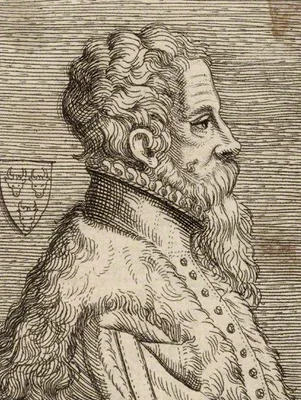
A work of medical humanism written while Bullein and his wife were in prison for debts. Bullein was the only writer of medical works in English in the sixteenth century to employ the dialogue form, allowing the physic…
1563 CE
#2140
An excellent treatise of wounds made with gonneshot.
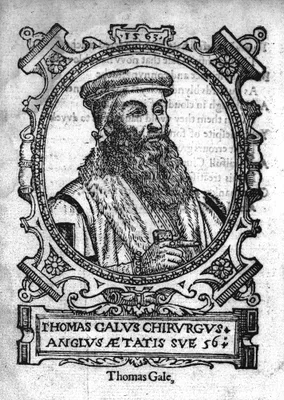
Gale, a contemporary of Paré, was surgeon in Henry VIII’s army at Montreuil. His book supported the views of Paré regarding the treatment of gunshot wounds, denying the poisonous effect of bullets;…
1563 CE
#2371
Certaine works of chirurgerie.
Includes the first mention of syphilis in the English literature. Facsimile reprint, New York, Da Capo Press, 1971.
1566 CE
#7223
A detection and querimonie of the daily enormities and abuses committed in physick.
Securis was a Latinized version of the English surname Hatchett.
1570 CE
#9203
De canibus Britannicis liber unus. De rariorum animalium et stirpium historia, liber unus. De libris propriis, liber unus.
Caius, a pioneer naturalist as well as a physician, corresponded with Conrad Gessner, with whom he had made friends while returning from Padua. Caius wrote this study of British dogs to send to Gessner as a contributi…
1577 CE
#6836
A profitable treatise of the anatomie of mans body.
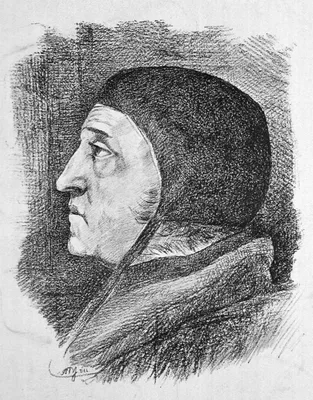
A small book, of which only two copies survived, at the British Library and Cambridge University. As first shown by J F Payne in 1896, this work is very similar to a manuscript (MS 564) in the Wellcome Library. This m…
1579 CE
#2373
A short and profitable treatise touching the cure of the morbus gallicus by unctions.
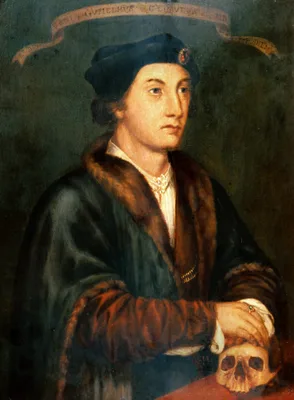
William Clowes, the greatest of the Elizabethan surgeons, published the first original English treatise on syphilis. It was his first work; it demonstrates the prevalence of the disease at that time (Clowes says that …
1584 CE
#4917
The discoverie of witchcraft.
Scot identified as mentally ill a large group of people who had hitherto been considered to be involved in witchcraft.
1586 CE
#5819
A briefe treatise touching the preseruation of the eie sight.
This is the first separate work on ophthalmology printed in England.
1586 CE
#4918
A treatise of melancholie, containing the causes thereof.
First comprehensive description of depression in English. Bright also produced the first noteworthy geometrical system of shorthand, consisting of circles, half-circles, and straight lines (Characterie, London, 1588).
1588 CE
#3416
A most excellent and compendious method of curing woundes in the head, and in other partes of the body: With other precepts of the same arte, practised and written by that famous man Franciscus Arceus ... and translated into English by Iohn Read, chirurgion: Whereunto is added the exact cure of the caruncle, never before set foorth in the English toung: With a treatise of the fistulae in the fundament, and other places of the body, translated out of Iohannes Ardern: And also the discription of the emplaister called Dia Chalciteos, with its use and vertues: With an apt table for the better finding of the perticular matters, contayned in this present worke.
![HIPPOCRATES, [Ἱπποκράτης; Hippocrates of Kos] (-460 – -370)](/media/portraits/50)
This translation by surgeon John Read contains the first printing of John of Arderne's writings on his operation for the cure of anal fistula, written originally about 1376. At one time John of Arderne practiced at Ne…
1588 CE
#2141
A prooved practise for all young chirurgians, concerning burnings with gunpowder, and woundes made with gunshot.
An interesting picture of Elizabethan surgery is given by William Clowes in this book on gunshot wounds. Clowes, the best surgical writer in Elizabethan times, was surgeon to St. Bartholomew’s Hospital. In amput…
1590 CE
#10962
Libellus Rogerii Baconi Angli doctissimi mathematici et medici, De retardandis senectutis accidentibus et de sensibus conservandis.... opera Johannis Williams Oxoniensis.
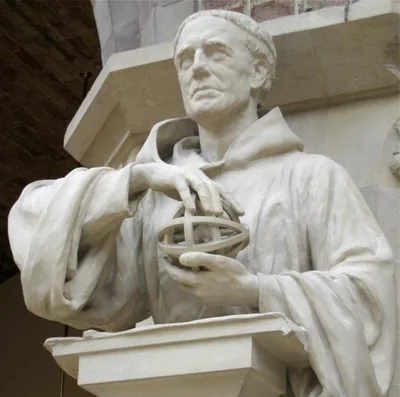
Translated into English by Richard Browne as The cure of old age and preservation of youth by Roger Bacon, a Franciscan frier (London, 1683). Digital facsimile of the 1683 edition from the Internet Archive at this link.
1596 CE
#5567
A discourse on the whole art of chyrurgerie.
The first systematic work on the whole subject of surgery written in England. Lowe was the founder of the Faculty of Physicians and Surgeons of Glasgow. This was the first medical organization in Great Britain to incl…
1596 CE
#1594
A new discourse of a stale subject, called the Metamorphosis of Aiax. Written by Misacmos to his friend Philostilpnos.
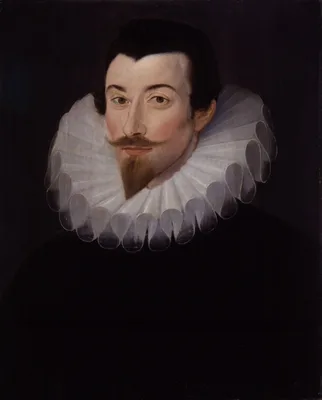
Harington invented a water-closet in which the disposal of excreta was for the first time controlled by mechanical means. He published several tracts on the device, the first appearing in 1596. These were elegantly re…
1596 CE
#12003
Catalogus arborum, fruticum, ac plantarum tam indigenarum, quam exoticarum, in horto Johannis Gerardi civis et chirurgi Londinensis nascentium.

This was the catalogue of John Gerarde's garden at Holborn, where he introduced exotic trees, fruits, and plants from the New World, and also grew widely available English plants. The text was very basic, being essent…
1597 CE
#11381
The garden of health conteyning the sundry rare and hidden vertues and properties of all kindes of simples and plants, together with the maner how they are to be vsed and applyed in medicine for the health of mans body, against diuers diseases and infirmities most common amongst men. Gathered by the long experience and industrie of William Langham, practitioner in phisicke.
An alphabetically arranged handbook of herbal remedies. The title page was misprinted 1579, but the work was actually printed in 1597. A list of the plants discussed is available from Early English Books Online at thi…
1597 CE
#1820
The herball or generall historie of plantes.
Gerard is perhaps the best remembered of ail the English herbalists. The most important edition of his book is the second, published by T. Johnson in 1633 (reprinted in facsimile, New York, Dover, 1975). Johnson great…
1598 CE
#2262
The cures of the diseased, in remote regions. Preventing mortalitie, incident in forraine attempts, of the English nation.
This book is the earliest work in English devoted to tropical medicine. It discusses sunstroke, tabardilla (possibly typhus or yellow fever), prickly heat, dysentery, erysipelas and scurvy. Facsimile reproduction, wit…
1603 CE
#13553
A brief discourse of a disease called the suffocation of the mother. Written uppon occasion which hath beene of late taken thereby, to suspect possession of an evill spirit, or some such like supernaturall power. Wherin is declared that divers strange actions and passions of the body of man, which the common opinion, are imputed to the Divell, have their true naturall causes, and do accompanie this disease.
Jorden was the first English physician who viewed women accused of witchcraft as unfortunate persons suffering from some medical condition. "Asserting that there were natural causes for their afflictions, Jorden often…
1603 CE
#6821
True bill of the vvhole number that hath died at London.
BILL OF MORTALITY
The collection, recording, and publishing of medical statistics in the form of Bills of Mortality began in England as a result of the epidemic of plague in 1592-93. The earliest surviving copy of the Bills of Mortalit…
1615 CE
#13123
Microcosmographia [In Greek]. A description of the body of man. Together with the controversies thereto belonging. Collected and translated out of all the best authors of anatomy especially out of Gasper Bauhinus and Andreas Laurentius.
As the title page states, the work was a compilation. There were reissues in 1616 and 1618. The second edition (1631) included an engraved title page with the first illustration of a brain dissection. That edition als…
1617 CE
#2144
The surgions mate, or, A treatise discouering faithfully and plainely the due contents of the surgions chest: the uses of the instruments, the vertues and operations of the medicines, the cures of the most frequent diseases at sea: namely, wounds, apostumes, vlcers, fistulaes, fractures, dislocations, with the true maner of amputation, the cure of the scuruie, the fluxes of the belly, of the collica and illiaca passio, tenasmus, and exitus ani, the callenture; with a briefe explanation of sal, sulphur, and mercury; with certaine characters, and tearmes of arte.
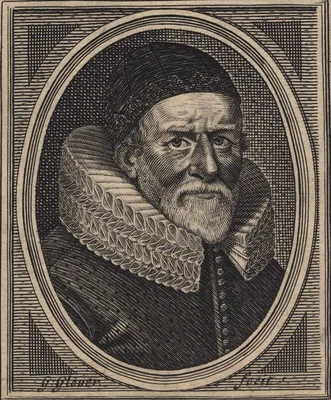
Woodall was the surgeon-general to the East India Company. This was the first textbook for naval surgeons. Woodall, surgeon to Saint Bartholomew's Hospital, was an early advocate of limes and lemons as a preventive me…
1618 CE
#1821
Pharmacopoeia Londinensis.
The first London pharmacopeia, issued by the (Royal) College of Physicians. The first edition was published on May 7, but contained many typographical errors; a corrected edition appeared on December 7, 1618. In the f…
1621 CE
#4918.1
The anatomy of melancholy, what it is. With all the kindes, causes, symptomes, prognostickes, and severall cures of it.
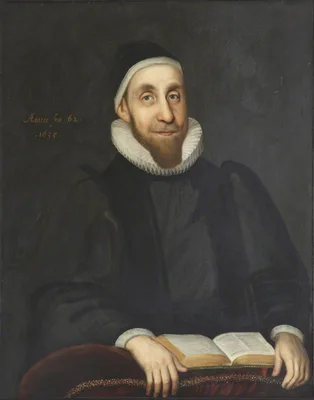
The first psychiatric encyclopedia, citing nearly 500 medical authors, and also a literary tour de force. Burton was prompted write this book because of his own bouts with depression. It is one of the most popular psy…
1622 CE
#5820
A treatise of one hundred and thirteene diseases of the eyes.
Although much of this is a translation of Guillemeau (No. 5818), the first 112 pages are Banister’s own work, “Banister’s Breviary”. He was an itinerant but honest oculist, the first to point o…
1623 CE
#10491
Historia vitae & mortis. Sive, titulus secundus in historia naturali & experimentali ad condendam philosophiam: Quae est instaurationis magnae pars tertia.
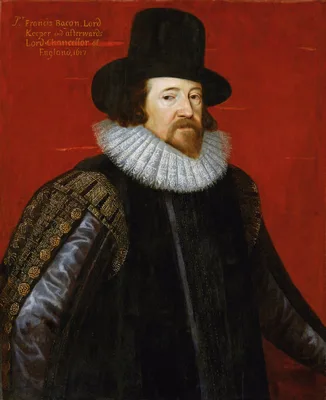
This was Bacon's direct contribution to medicine or medical philosophy, with natural and experimental observations on the prolongation of life. Translated into English as The History naturall And experimentall, of lif…
1629 CE
#12000
Iter plantarum investigationis ergo susceptum a decem Sociis in Agrum Cantianum, anno Dom. 1629, Julii 13. Ericetum Hamstedianum sive Plantarum ibi crescentium observatio habita, anno eodem I. Augusti. Descripta studio, & opera Thomæ Iohnsoni.
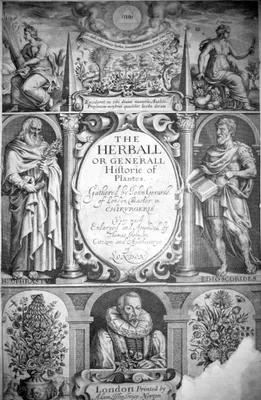
Johnson, an apothecary published this record of what he collected during a herb-collecting excursion conducted on July 13, 1629, with an appendix recounting the results of a second excursion on August 1. This was the …
1629 CE
#1822
Paradisi in sole paradisus terrestris. Or a garden of all sorts of pleasant flowers which our English ayre will permitt to be noursed vp: with a kitchen garden of all manner of herbes, rootes, & fruites, for meate or sause vsed with vs, and an orchard of all sorte of fruitbearing trees and shrubbes fit for our land together with the right orderinge planting & preseruing of them and their vses & vertues.

The title is a pun on the author’s name (park-in-sun). Digital facsimile from Biodiversity Heritage Library at this link.
1633 CE
#5569
Helps for suddain accidents endangering life
The first book on first-aid. Digital facsimile from Google Books at this link.
1633 CE
#12002
The herball or generall historie of plantes. Gathered by John Gerarde of London master in chirurgerie. Very much enlarged and amended by Thomas Johnson citizen and apothecarye of London.
A very substantial expansion and update of Gerarde's herbal published in 1597. Besides correcting mistakes, Johnson added over 800 new species and 700 new figures, raising the number of plant descriptions in the work …
1634 CE
#288
Insectorum sive minimorum animalium theatrum: Olim ab Edoardo Wottono, Conrado Gesnero, Thomaque Pennio inchoatum: Tandem Tho. Movfeti Londinâtis operâ sumptibusque maximis concinnatum, auctum, perfectum: Et ad vivum expressis iconibus suprà quingentis illustratum.
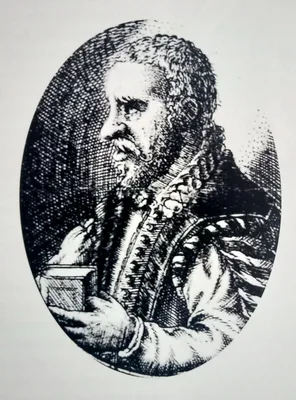
Edited for publication, and with an introduction by Théodore de Mayerne. Moffet, or Muffet, travelled extensively in Europe and kept copious notes of his observations on insects. He "first studied silkworms whi…
1637 CE
#4160.1
The pisse-prophet; or, certaine pisse-pot lectures. Wherein are newly discovered the old fallacies, deceit, and jugling of the pisse-pot science, used by all those… who pretend knowledge of diseases, by the urine….
Brian attacked the “pisse-mongers” and “pisse-prognosticators” hoping to eliminate the frauds of uromancy. He warned patients against diagnosis “prescribed only by the sight of the Urine&…
1640 CE
#12403
A paradox. Prooving, that the inhabitants of the isle called Madagascar, or St. Laurence, ... are the happiest people in the world. Whereunto is prefixed, a briefe and true description of that island: the nature of the climate, and condition of the inhabitants, and their speciall affection to the English above other nations. With most probable arguments of a hopefull and fit plantation of a colony there, in respect of the fruitfulnesse of the soyle, the benignity of the ayre, and the relieving of our English ships, both to and from the East-Indies.
“Hamond, author and explorer, published a translation of Ambroise Paré’s ‘Methode de traicter les Playes faictes par Harquebuses et aultres batons a feu,’ 1617, 4to. He was in the servic…