
Austria
162 entries published in Austria. 5 publication places.
1467 CE
#2190
De sermonum proprietate sive Opus de universo.
Also known as De rerum naturis. This dictionary or encyclopedia is the earliest known printed book to include a section dealing with medicine, and this brief section, Book 18, Chap. V concerning medicine and diseases,…
1475 CE
#6789
Aggregator, sive de medicinis simplicibus.
First printed edition of an encyclopedic dictionary of medicine, containing a large number of medical recipes based upon Greek and Arabic sources. Dondi completed the work in 1355. Manuscripts of his text are preserve…
1497 CE
#5559
Das ist das buch der Cirurgia
The first important printed surgical treatise in German. It combines a compilation of the ancient and medieval authorities with Brunschwig’s own extensive experience. It contains the first detailed account of gu…
1511 CE
#9183
Libellus de lapidibus preciosis nuper editus.
The earliest medieval lapidary, and also the one which was quoted most widely. By the fourteenth century it was translated into French, Provençal, Italian, Irish, and Danish, and it was the first of Marbodius's…
1512 CE
#571
Divini Gregorii Nyssae episcopi qui fuit frater Basilii Magni libri octo. I. De homine. II. De anima. III. De elementis. IIII. De viribus animae. V. De voltario etinuoltario. VI. De fato. VII. De libero arbitrio. VIII. De prouidentia.
Nemesius’ De natura hominis, a physiological and psychological study of man, was highly esteemed during the Middle Ages. Nemesius, who wrote in the 4th century CE, was one of the first to propose that mental pro…
1513 CE
#6138
Der Swangern Frauwen und Hebammen Rosegarten.
The earliest printed textbook for midwives. It underwent over 100 editions, being used as late as 1730. The first edition was published in Strassburg by Martin Flach in 1513. This was demonstrated most recently by Law…
1517 CE
#5560
Feldtbuch der wundartzney.
Gersdorff performed nearly 200 amputations. He opposed Paré’s abandonment of boiling oil for the cauterization of wounds. The book contains some instructive pictures of early surgical procedures and inclu…
1519 CE
#6790
Synonima und gerecht vrlegug der Auslegung der Wörter, so man dan in der Artzny, allen Krütern, Wurtzlen, Blümen, Somen, Gesteinen, Safften vnn anderen Digen zu schreiben ist.
Digital facsimile from Universität Wien at this link.
1532 CE
#9011
Octavii Horatiani reum medicarum Lib. Quatuor. I. Logicus, De curationibus omnium ferme morborum corporis humani, ad Euporistum. II. De acutis & chronicis passionibus, ad eundem. III. Gynecia, De mulierum accidentibus, & curis eorundem, ad Victoriam. IIII. De physica scientia, experimentorum liber, ad Eusebium filium. Albucasis. chirurgicorum omium primarii, lib. tres. I. De cauterio cum igne, & medicins acutis per singula corporis humani membra. Cum instrumentorum delimatione. II. De sectione & perforatione, phlebotomia, & ventosis. De vulternibus, & extractione sagittaru, & certeris similibus. Cum formis instrumentorum. III. De restuartione & curatione, dislocationis membrorum. Cum typis item instrumentorum.
In this, the first printed edition of Rerum medicarum libri quatuor by the late antique Byzantine physician Theodorus Priscianus, his work was misattributed to Octavianus Horatianus. Digital facsimile from Google Book…
1534 CE
#4484.1
Ob das Podagra möglich zu generen oder nit. Nutzlich zu wissen allen denen, die damit behafft.
Abridged English translation by W. S. C. Copeman and M. Winder in Med. Hist., 1969, 13, 288-93, who write: "This small treatise contains a surprising amount of sound advice regarding the prevention and cure of the dis…
1538 CE
#6932
Ein newes hochnutzlichs Büchlin von erkantnus der Kranckheyten der Augen....
The first separate publication on diseases of the eye after Grassi (1474). This very rare anonymous work was intended, according to its title, to provide highly useful knowledge of the anatomy of the eye, and eye dise…
1539 CE
#6933
Alle Kranckheyt der Augen ... allen augen artzten hochnöttig zuwissen ....
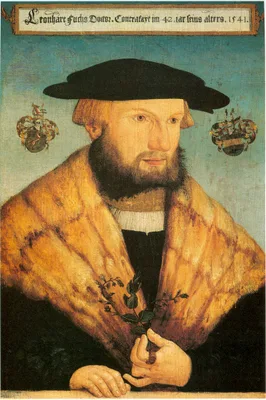
The first work on ophthalmology after Grassi (1474) written by a known physician. At the end of the anonymous Büchlin issued by the same publisher in 1538 (No. 6932) the writer promises a bigger and better work o…
1539 CE
#1806
New Kreütter Buch.
Bock was the first to describe the local flora of Germany, discovering many new species. His work gave a fresh impetus to plant description, With Brunfels and Fuchs he was one of the three “German fathers of bot…
1557 CE
#10726
Raiss Büchlein…mit güten Mitteln der Artzney Begegnen Soll.

The first pocket reference for travelers by land or sea, dealing with topics such as infected genitalia, frostbite, fouled drinking water, shipboard stench, the best boots and shoes. The recipes in this work comprised…
1565 CE
#13792
De vini natura, artificio et usu deque re omni potabili.
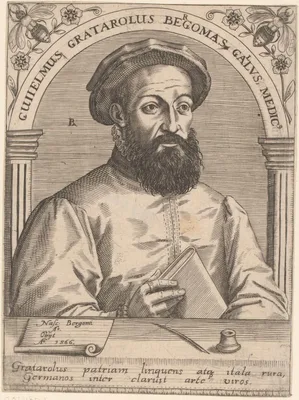
On the medical sues of wine. Digital facsimile from Google Books at this link.
1568 CE
#9014
Noni medici clarissimi de omnium particularium morborum curatione sic ut febres quoque & tumores praeter naturam complectatur, Liber, nunc primum in lucem editus & summa diligentia conversus per Hieremiam Martium medicum physicum Augustanum. Hieronimus Wolphius Oetingensis ad lectorum.
Nonnus, a Byzantine physician, wrote an outline of medicine dedicated to Emperor Constantine Prophyrogenitus (probably Constantine VII). Digital facsimile from Google Books at this link.
1597 CE
#6013
Gynaeciorum sive de mulierum tum communibus, turn gravidarum, parientum, et puerperarum affectibus et morbis, libri Graecorum, Arabum, Latinorum veterum et recentium quotquot extant, parti nunc primum editi, partim vero denuo recogniti, emendati, necessariis imaginibus exornati, & optimorum scriptorum autoritatibus illustrati.
Spach was the editor of this collection of gynecological writings. Digital facsimile from Google Books at this link.
1603 CE
#3805
De generatione stultorum. In his Opera, 2, 174-82.
Paracelsus was the first to note the coincidence of cretinism and endemic goitre. It was not until the 19th century that the possibility of the occurrence of cretinism in adults was entertained. Partial English transl…
1606 CE
#6013.1
Gynaeciorum commentarius, de gravidarum parturientium, puerperarum & infantium, cura… Accessit elenchus auctorum in re medica cluentium, qui gynaecia scriptis clararunt & illustrarunt. Opera e studio Joan. Georgii Schenkii …
Schenck compiled the first bibliography of gynecology, entitled Pinax auctorum in re medica, Graecorum, Latinorum priscorum, Arabum Latinobarbarorum, Latinorum recentiorum, tum & peregrinis liniguis cluentium, Exstant…
1630 CE
#1721
Disputatio medica de notis virginitatis.
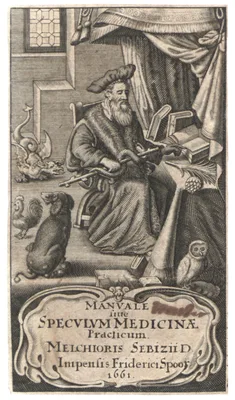
Details the methods of previous and contemporary writers concerning the determination of virginity. Digital facsimile from Google Books at this link.
1656 CE
#8591
Flora sinensis, fructus floresque humillime porrigens serenissimo et potentissimo Leopoldo Ignatio, Hungariae regi florentissimo, &c. Fructus saecul promittenti Augustissimos.
The first description published in Europe of an ecosystem of the Far East, including animals as well as plants, with particular attention to Chinese fruit bearing plants, and medicinal properties of Chinese plants. Di…
1725 CE–1729 CE
#1729
Systema jurisprudentiae medicae. 2 vols.
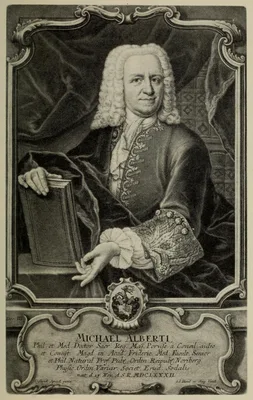
A work covering the whole field of medical jurisprudence as then understood, and ranking in importance with the work of Valentini. The first supplement was published in Halle, 1733. The much-expanded second edition, i…
1752 CE
#6018
Tabulae anatomicae quatuor uteri duplicis.
Atlas of bipartite and double uterus.
1758 CE–1763 CE
#3878
De cranii ustione in pertinacioribus capitis vitiis. In his: Ratio medendi in nosocomio practico, 6, 239-287. 8 vols.
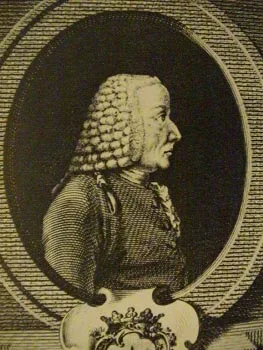
Haen provided the first description of amenorrhea in connection with a pituitary tumor. He recorded the case history of a young woman suffering from amenorrhea as well as many neurological symptoms assumed to result f…
1761 CE
#2672
Inventum novum ex percussione thoracis humani ut signo abstrusos interni pectoris morbos detegendi.
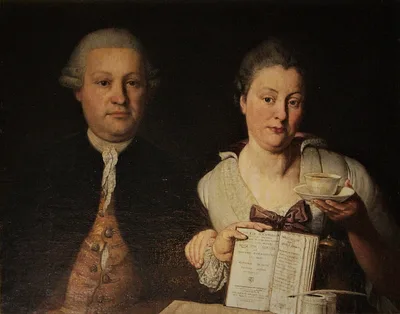
The greatness of Auenbrugger’s discovery of the value of immediate percussion of the chest as a diagnostic measure was not recognized until many years after he first published. His little book met with a cold re…
1762 CE
#5078
Opera medico-physica in quatuor tractatus digesta.
Plenciz was the first to grasp the significance of Leeuwenhoek’s animalculae for the etiology of contagious disease. Part III of the above is concerned with scarlatina.
1763 CE
#8288
Nicolai Josephi Jacquin Selectarum stirpium Americanarum historia, in qua ad Linneanum systema determinatae descriptaeque sistuntur plantse illae, quas in insulis Martinica, Jamaica, Domingo, aliisque, et in vicinae continentis parte, observavit rariores; : adjectis iconibus in solo natali delineatis. 2 vols.
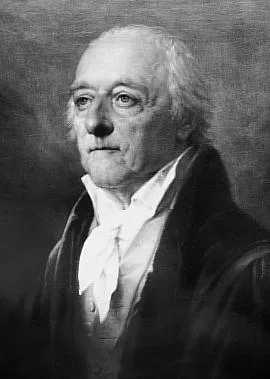
Digital facsimile from the Internet Archive at this link.
1765 CE
#1251
Pars quinti nervorum encephali disquisitio anatomica.
The “Gasserian ganglion”, already described by Santorini and others, was named after Johann Ludwig Gasser (fl. 1757-65), Professor of Anatomy at Vienna, by his pupil Hirsch. Also published in Ludwig, C. F.…
1768 CE
#9517
Specimen medicum: Exhibens synopsin reptilium emendatam cum experimentis circa venena et antidota reptilium austriacorum.
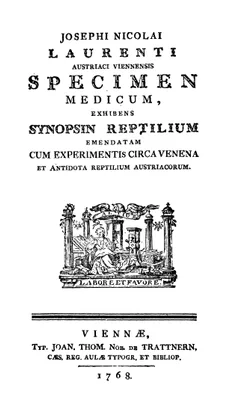
"Laurenti is considered the auctor of the class Reptilia (reptiles) through his authorship of Specimen Medicum, Exhibens Synopsin Reptilium Emendatam cum Experimentis circa Venena (1768) on the poisonous function of r…
1776 CE
#3982
Doctrina de morbis cutaneis.
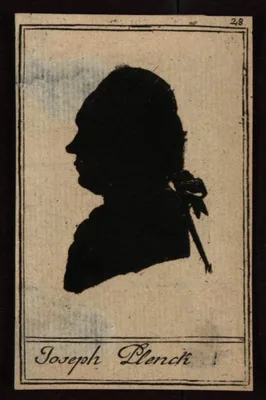
A classification of skin diseases upon the basis of their clinical appearance. Until the time of Willan, von Plenck’s book was the greatest authority on dermatology. He mentioned 115 different skin diseases, all…
1776 CE
#13549
Medicinisch-praktischer Unterricht für die Feld- und Landwundärzte der österreichischen Staaten. 2 vols. [& Supplement:] Die in dem medicinisch-praktischen Unterrichte für die Feld-und Landwundärzte vorkommende Arzneymittel.
This work on "Practical medical lessons for field and land surgeons of the Austrian states," includes a 91-page appendix containing 319 recommended pharmaceuticals for the treatments described in the text. The formula…
1777 CE–1790 CE
#1964
Rationis medendi in nosocomio practico Vindobonensi. 7 pts.
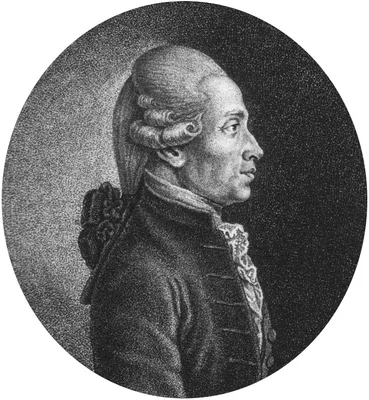
A detailed record of Stoll’s practice year by year, between 1777 and 1790, giving numerous case histories and providing descriptions of diseases.
1780 CE
#11798
Testacea musei Caesarei Vindobonensis, que jussu Mariae Theresiae Ausgustae.
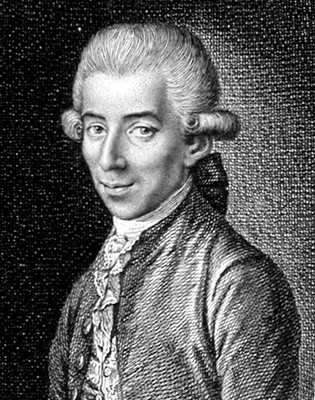
Born was commissioned in 1776, by Maria-Therese, Empress of the Holy Roman Empire, to inventory and arrange the imperal collection that formed the foundation of the imperial museum, now the Naturhistorische Museum in …
1781 CE
#5000
Bibliotheca chirurgica. 2 vols.
Fulton (No. 6785) points out that this work contains the “most complete bibliographical study of the literature of head injury that had been brought together up to that time”. Digital facsimile from Google…
1781 CE
#10715
Instrumentarium chirurgicum Viennense oder, Wiennerische chirurgische Instrumenten-Sammlung.
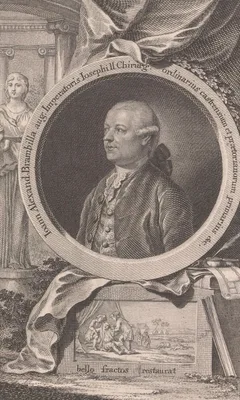
Brambilla was a personal physician to Holy Roman Emperor Joseph II and the first director of the Vienna hospital and the Josefinum school for military surgeons (now a medical museum). Brambilla provided a history of s…
1785 CE
#7639
Toxicologia seu doctrina de venenis et antidotis.
Plenck provided the first classification of poisons based on origin: 1. Animal poisons. 2. Vegetable poisons. 3. Mineral poisons. 4. Poisonous vapors, gases, and dust. Plenck also issued this work in German from the s…
1786 CE
#11711
Aphorismi de cognoscendis et curandis febribus.
Stoll was one of the few physicians of the Viennese school who supported Auenbrugger's views on percussion. In this treatise on fevers Stoll referred favorably to the practice, and it is thought that Corvisart became …
1791 CE
#13254
Mechanismus der menschlichen Sprache nebst Beschreibung seiner sprechenden Maschine.
Kempelen built the first successful speech synthesizer that produced not only some speech sounds, but also whole words and short sentences. His final version of the machine, which differs slightly from the version sho…
1791 CE
#5833.2
Praktische Beobachtungen über verschiedene, vorzüglich aber über jene Augenkrankheiten, welche aus allgemeinen Krankheiten des Körpers entspringen.
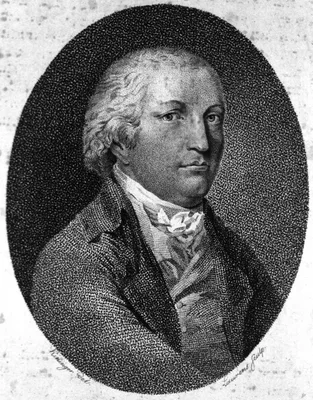
“This is the first monograph ever published dealing with ocular signs of systemic disease. It deals with lacrimal fistulas, trichiasis, adhesions of the lids, lid ulcers, ephiphora, and ocular inflammations. He …
1791 CE–1806 CE
#6160
Abhandlungen und Versuche geburtshilflichen Inhalts. 2 vols.
Böer, a pioneer of “natural childbirth”, was the founder of the Viennese school of obstetrics.
1803 CE
#5838
Ueber die Krankheiten des Thränenorgans.
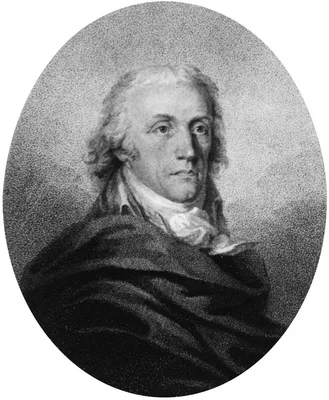
Schmidt was Professor of Ophthalmology at Vienna. Digital facsimile from Google Books at this link.
1810 CE
#5375
Ueber den ansteckenden Typhus.
Hildenbrand gave a classic description of typhus. The French literature sometimes refers to the condition as “Hildenbrand’s disease”. English translation by S. D. Gross, 1829.
1813 CE–1817 CE
#5842
Lehre von den Augenkrankheiten. 2 vols.
Beer is remembered for his textbook; the doctrines in it dominated practice for many years. He described the symptoms of glaucoma and noted the luminosity of the fundus in aniridia. He also presented for the first tim…
1815 CE–1818 CE
#6329
Praktische Abhandlungen über die vorzüglichen Krankheiten des Kindesalters. Vol. 1: Von der hitzigen Gehirnhöhlen-Wassersucht; Vol. 2: Vom inneren chronischen Wasserkopfe....
"In 1818, Leopold Anton Gölis (1765-1827, Austrian physician and pathologist), a paediatrician and dissector in the Institute for the Sick Children of the Poor in Vienna, described the clinical and autopsy findin…
1830 CE–1833 CE
#1788
Liber fundamentorum pharmacologiae. Auctore Abu Mansur Mowafik ben Ali al Herui. Epitome codicis manuscripti persici Bibl. caes. reg. Vienn. inediti. Primus Latio donavit Romeo Seligmann. 2 vols.
The most important early Persian pharmacological work, first published in print in Latin translation. Muvaffak flourished in Herat (current Afghanistan), under the Samanid prince Mansur I ibn Nuh, who ruled from 961 t…
1835 CE
#439
Antiquitates anatomicae rariores, quibus origo, incrementa et status anatomes, apud antiquissimae memoriae gentes, historica fide illustrantur.
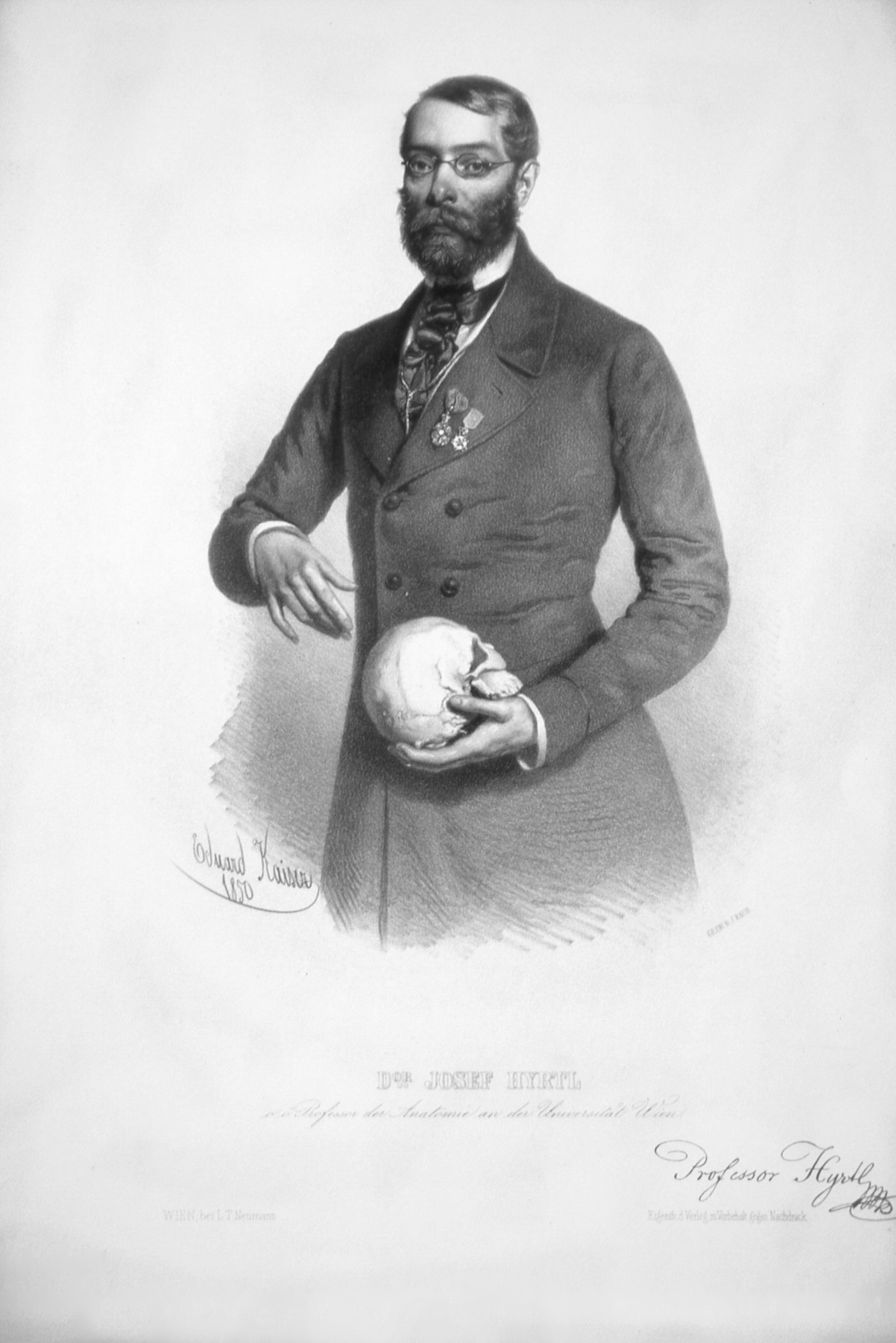
Anatomical terms used in antiquity, representing to a certain, extent a survey of the literature of ancient medicine available to Hyrtl. Digital facsimile from The Medical Heritage Library, Internet Archive, at this l…
1839 CE
#2676
Abhandlung über Perkussion und Auskultation.
Skoda classified the various sounds obtained on percussion according to their musical pitch and tone. “Skoda’s resonance” is an important diagnostic sign in pneumonia and pericardial effusion. Follow…
1842 CE–1844 CE
#3682
Systematisches Handbuch der Zahnheilkunde. Bd. 2: Anatomie des Mundes.
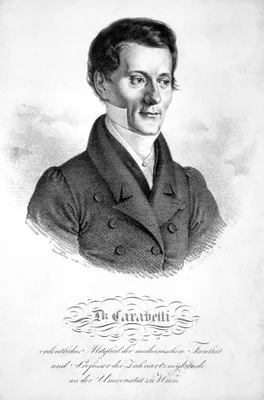
Original description (p. 107) of “Carabelli’s cusp”, tuberculus anomalus, sometimes found on the lingual surface of the upper permanent molars. It was first illustrated on Tab. XI, Fig. 4e, and Tab. …
1842 CE–1846 CE
#2293
Handbuch der pathologischen Anatomie. 3 vols.
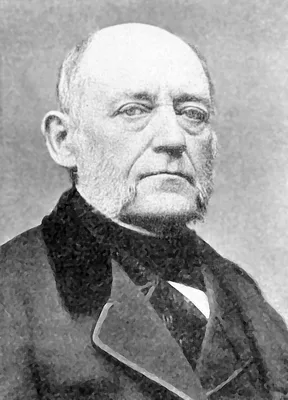
Rokitansky ranks with Morgagni as among the greatest of all writers on gross pathology. He is said to have performed over 30,000 autopsies himself. His Handbuch was for many years pre-eminent among its contemporaries.…
1844 CE
#10749
Die Krankheit des Gehirn’s und Rückenmark’s bei Kindern, durch Krankheitsfälle aus dem ersten Kinderspitale erläutert.
The first book on child neurology. Unusual for a medical book of this type, it includes a lithographed frontispiece, a lithographed title page, and four hand-colored plates.