
Facets
Browse across eight MeSH (opens in new tab) facets — era, geography, science, specialty, technology, history, culture, and reference. Select one tag per group; counts update across the others.
Clear filtersFacet filters
Geography
Specialties & Disease
- Anatomy & Pathology 134
- Cardiology & Blood 11
- Neurology & Psychiatry 36
- Obstetrics & Reproductive 26
- Infectious Disease (General) 5
- Surgery & Anesthesia 14
- Public Health 129
- Immunology & Dermatology 38
- General Clinical Medicine 28
- Military Medicine 11
- Psychology 16
- Alternative & Fringe Medicine 17
- Pediatrics 5
- Ophthalmology & Vision 2
- ENT & Hearing 3
- Urology & Nephrology 4
- Gastroenterology & Hepatology 4
- Pulmonary & Respiratory 3
- Rheumatology, Rehab & Pain 0
- Internal, Emergency & Geriatric 7
- Veterinary Medicine 11
- Epidemiology & Demography 12
- Physiology & Embryology 94
- Dentistry 10
- Plagues & Epidemics 44
- Microbiology & Virology 92
Social & Historical Studies
Institutions & Culture
Reference & Scholarly Works
Drugs & Technology
134 entries match Anatomy & Pathology [G02.149 / C23] · Zoology & Animal Sciences [K01.900.500.750]
1787 CE
#12163
A collection of engravings, tending to illustrate the generation and parturition of animals, and of the human species.
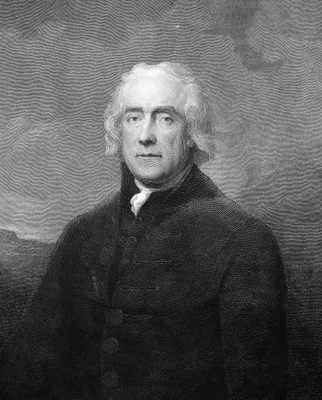
An idiosyncratic collection of rarely reproduced images with explanatory commentaries in English and French, concerning reproduction and obstetric complications in animals and humans. Topics include: The Funis of a nu…
1847 CE
#329.1
A description of the characters and habits of troglodytes gorilla, a new species of orang from the Gaboon River, by Thomas S. Savage; Osteology of the same by Jeffries Wyman.
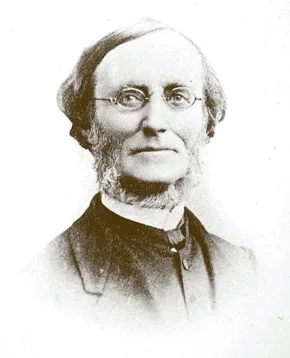
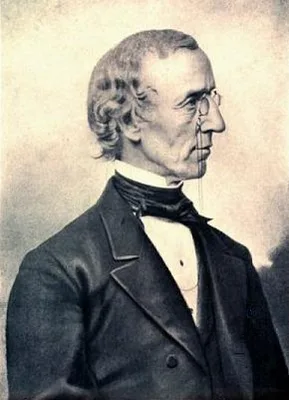
First description of the gorilla. Savage, an American physician/clergyman, worked extensively as a missionary physician in Africa. Digital facsimile from Google Books at this link.
1852 CE
#415
A manual of artistic anatomy.
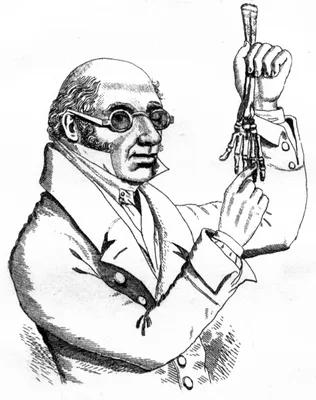
Knox, remembered because of his indiscreet association with the Edinburgh “resurrectionists”, was one of the best teachers of anatomy during the 19th century.
1720 CE
#303
Amphitheatrum zootomicum.
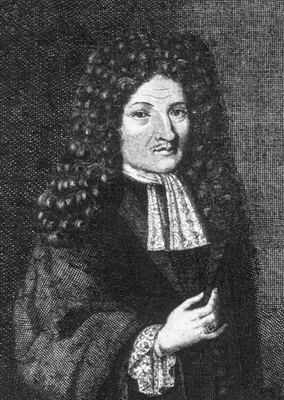
“First extensive work on the comparative anatomy of vertebrates” (Casey Wood).
1685 CE
#385
Anatomia humani corporis, centum et quinque tabulis, per artificiosiss. G. de Lairesse ad vivum delineatis.
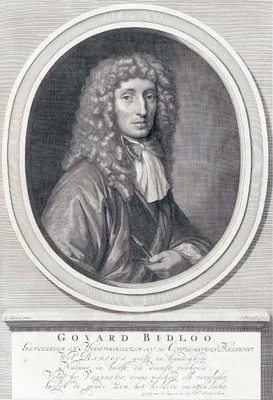
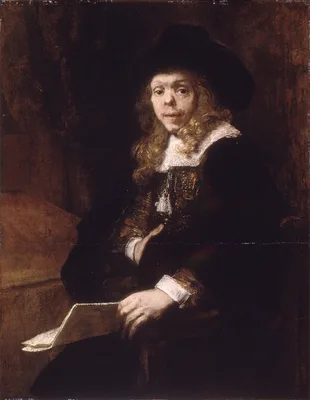
This large folio by Dutch physician, anatomist, poet, and playwright Govert Bidloo contains an engraved title, engraved portrait of Bidloo by Abraham Bloteling after Gérard de Lairesse and 105 engraved plates a…
1811 CE
#406
Anatomia per uso de’pittori e scultori.
This anatomy for artists and sculptors contains 38 good copperplates in black and red.
1816 CE
#7488
Anatomia per uso degli studiosi di scultura e pittura.
Mascagni's anatomy for artists and sculptors, edited for posthumous publication by Mascagni's literary execultor Francesco Antonmarchi. 15 hand-colored engraved plates after drawings by Antonio Serantoni (1780j-1837),…
1691 CE
#386
Anatomia per uso et intelligenza del disegno ricercata non solo su gl’ossi, e muscoli del corpo humano.
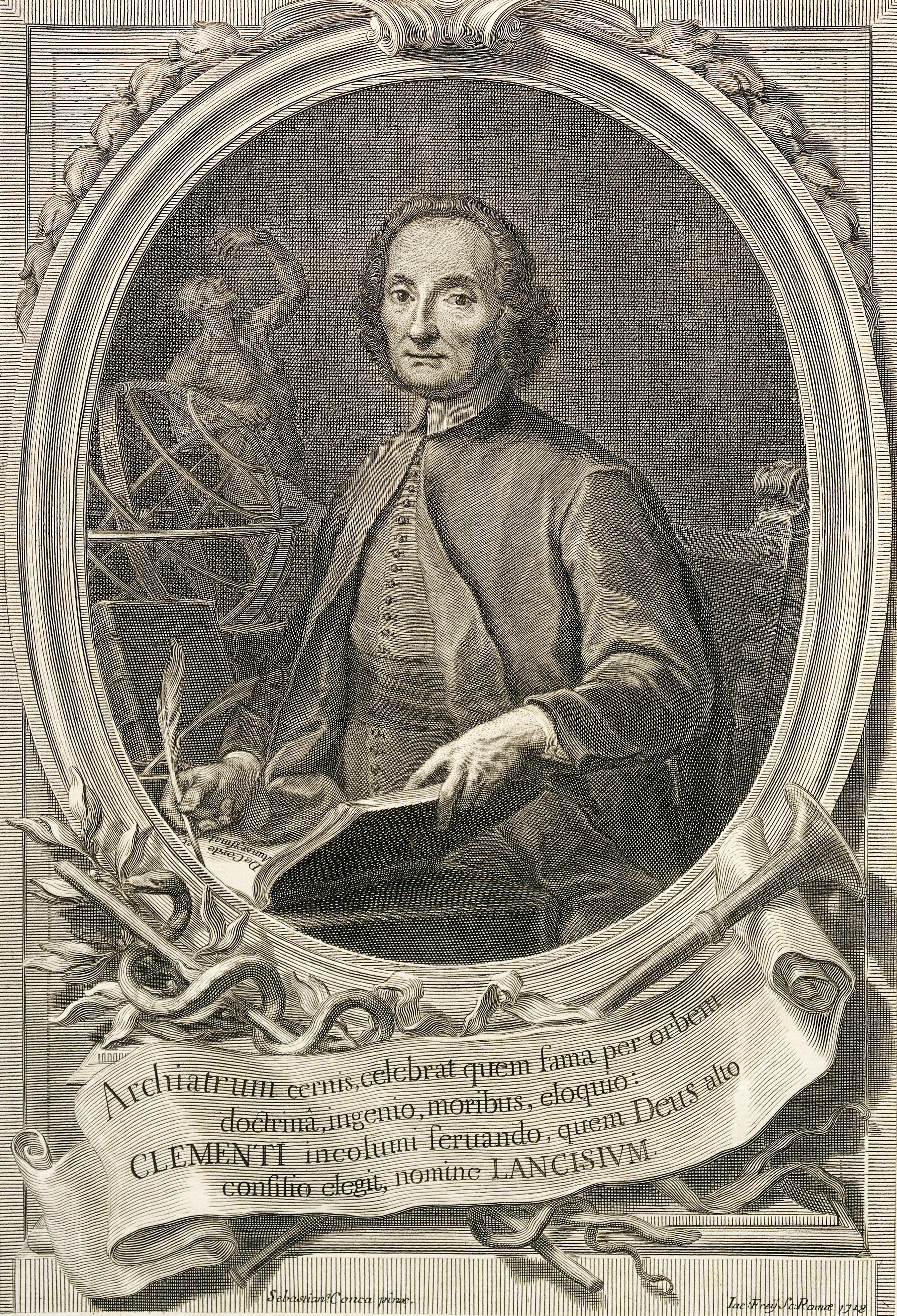
Contains 56 copper-plates, excellent anatomically and artistically, with commentary by Giovanni Maria Lancisi. This is one of the finest of all books on anatomy for artists. English translation with plates re-engraved…
1822 CE–1832 CE
#409.1
Anatomia universa… 2 vols.
The largest of all medical books from the standpoint of format. The 44 life size engraved plates are reproduced in double elephant folio size measuring 950 x 635 mm., and include an almost incredible level of detail. …
1833 CE
#411
Anatomical studies of the bones and muscles, for the use of artists. From drawings by the late John Flaxman, Esq. R.A. Engraved by Henry Landseer. With two additional plates, and explanatory notes, by William Robertson.
Digital facsimile from digitalcollections.nypl.org at this link.
1890 CE
#10600
Anatomie artistique: Decription des formes extérieures du corps human au repos et dans les principaux mouvements. Avec 100 planches renfermant plus de 300 figures dessinées par l'auteur. 2 vols.
Digital facsimile from BnF Gallica at this link.
1821 CE–1831 CE
#409
Anatomie de l’homme, ou descriptions et figures lithographiées de toutes les parties du corps humain. 5 vols.
The first anatomical atlas illustrated by lithography, containing 300 plates in folio format. This was one of the most elaborate of the lithographic “incunabula” produced by Charles Philibert de Lasteyrie,…
1634 CE
#381.1
Anatomie der uuterlicke deelen van het menschelick lichaem: Dienende om te verstaen ende volkometlick wt te beelden alle beroerlicheit des selven lichaems.
The earliest of all independent works on anatomy for graphic or plastic artists. The author, a painter and etcher, drew and engraved all the images himself. Digital facsimile from Google Books at this link.
1829 CE
#11162
Anatomie des formes extérieures du corps humain appliquée à la peinture, à la sculpture et à la chirurgie.
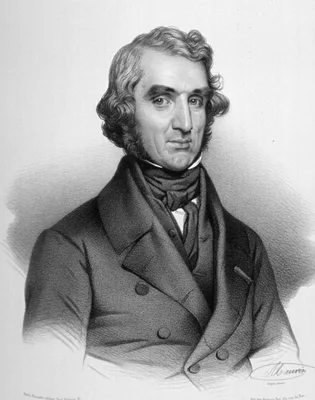
Digital facsimile from the Internet Archive at this link.
2007 CE
#6977
Anatomy as art: The Dean Edell collection.

Extensively annotated and well-illustrated catalogue of books, prints, sculptures, and anatomical models from the 15th to 20th centuries, written by Jeremy Norman for the auction sale of Dean Edell's library sold at C…
1945 CE
#9177
Anatomy for artists.
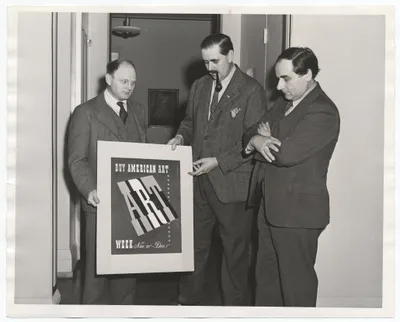
By the famous American social realist artist.
1900 CE
#10588
Anatomy in its relation to art. An exposition of the bones and muscles of the human body with especial reference to their influence upon its actions and external form.
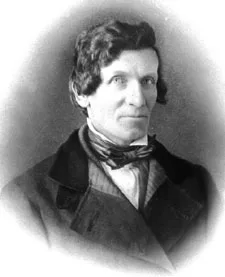
The work was offered for sale by J. B. Lippincott with title pages dated 1901. Digital facsimile of the Lippincott issue from Google Books at this link.
2002 CE
#9078
Aristotle: On the parts of the animals I-IV. Translated with commentary by James G. Lennox.
1877 CE
#11096
Art anatomy.
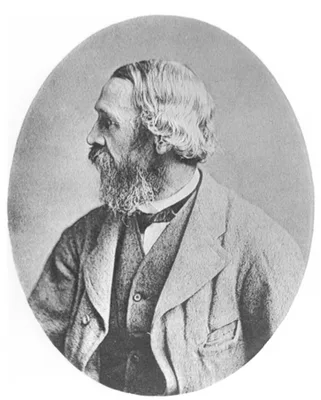
Perhaps the first great American anatomy for artists by an American painter and sculptor. Rimmer not only drew the 900 drawings on the 81 heliotype plates, but he also wrote in the explanatory text on the sheets along…
2014 CE
#8160
Art of Vesalius. Edited by Robrecht Van Hee.
1892 CE–1896 CE
#10621
Atlas of clinical medicine. 3 vols.
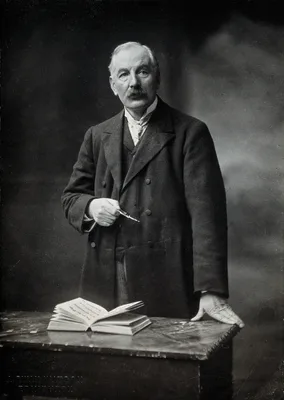
Published at the end of the 19th century, and employing the wide variety of illustration technologies then available, including color lithography, lithography, and photography, this work testifies to the breadth and d…
1995 CE
#11900
Biology takes form: Animal morphology and the German universities 1800-1900.
1865 CE
#6938
Catalogue de la superbe bibliothèque d'ethnographie, de zoologie, d'anatomie comparée, etc....
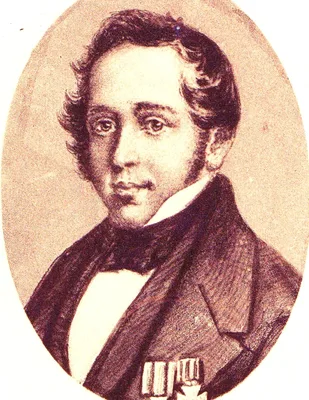
The auction catalogue of Vrolik's library, sold two years after his death, organized by subject. Prefaced by an essay about Vrolik's life and work by J. van der Hoeven, and a chronological list of Vrolik's publication…
1845 CE
#13424
Catalogue des livres de sciences particulièrement de zoologie, d'anatomie comparée et d'anatomie philosophique composant la bibliothèque de feu M. Etienne Geoffroy Saint-Hilaire,...: dont la vente se fera le jeudi 20 novembre 1845, et jours suivants, à midi précis, au Jardin des Plantes, rue Cuvier, n° 33.
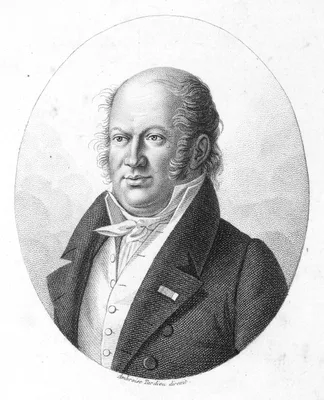
Digital facsimile from Google Books at this link.
1879 CE–1891 CE
#7591
Catalogue of the specimens illustrating the osteology and dentition of vertebrated animals, recent and extinct, contained in the Museum of the Royal College of Surgeons of England. 3 vols.: Part 1. Man: Homo sapiens.... Part II: Class Mammalia, other than man... Part III: Class Aves.
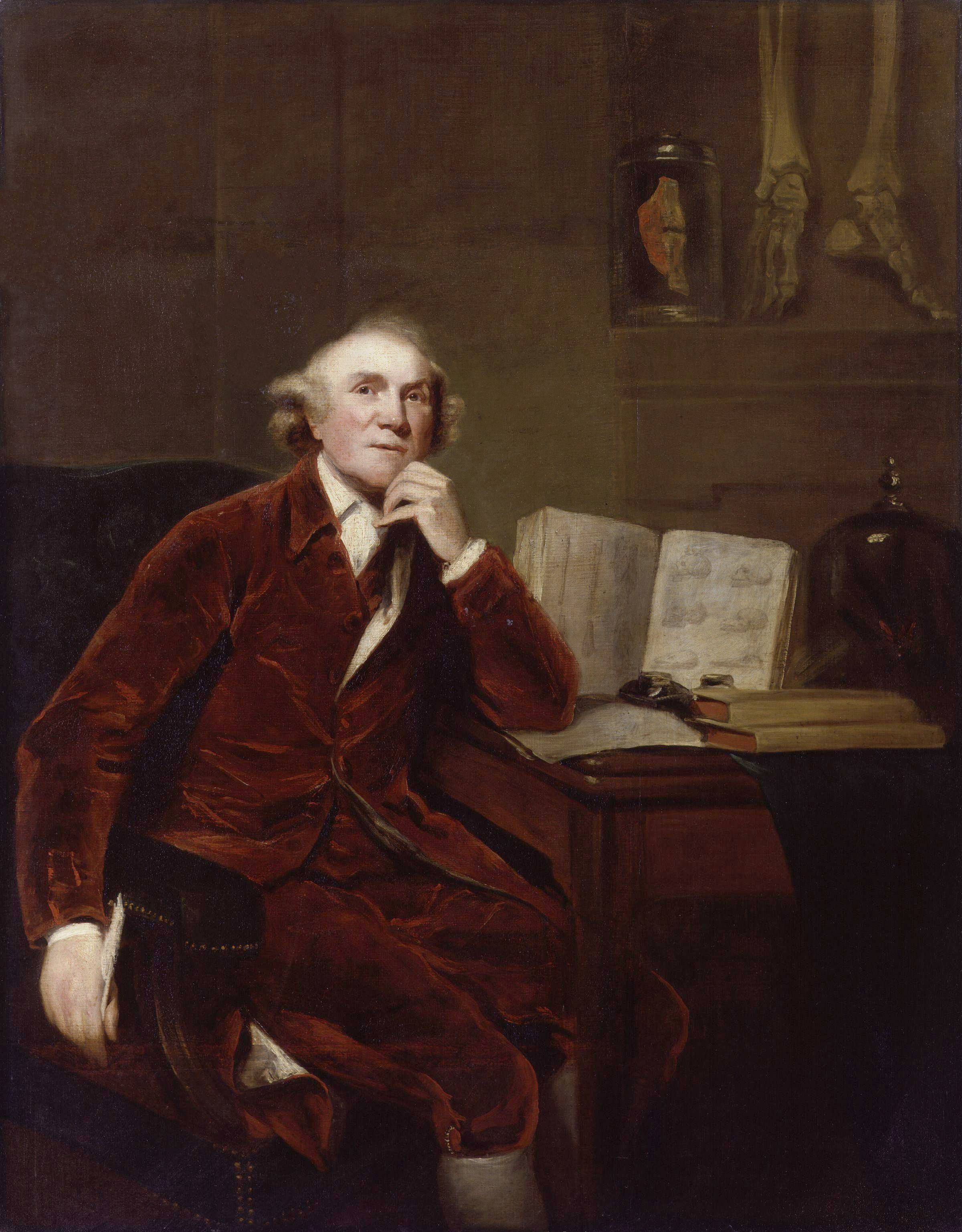
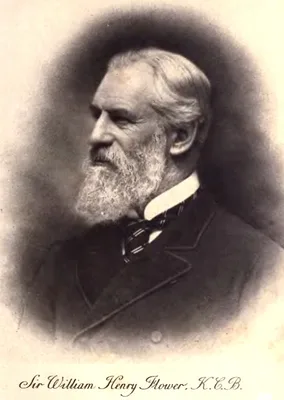
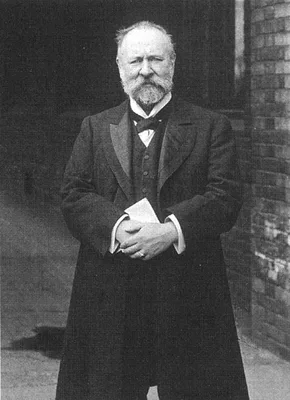
Parts 1 and 2 by Flower; part 3 by Sharpe. Digital facsimile of Part 1 from the Biodiversity Heritage Library at this link, of Part 2 at this link, and Part 3 at this link.
1906 CE
#7340
Cerebra simiarum illustrata. Das Affenhirn in bildlicher Darstellung.
Describes and illustrates with photographs the cerebral cortex of over 50 species of primate, including prosimians, monkeys, and apes..
1521 CE
#367
Commentaria cum amplissimis additionibus super anatomia Mundini una cum textu ejusdem in pristinum et verum nitorem redacto.
Giacomo Berengario da Carpi (Jacobus Berengarius Carpensis, Jacopo Barigazzi, Giacomo Berengario da Carpi or simply Carpus) introduced iconography and independent anatomical observation into the teaching of anatomy. H…
2012 CE
#10865
Comparative anatomy and phylogeny of primate muscles and human evolution.

1027pp. The most comprehensive review of the comparative anatomy, homologies and evolution of the head, neck, pectoral and upper limb muscles of primates. The format is unusual with the text occupying the first 134pp.…
1545 CE
#376.1
Compendiosa totius anatomie delineatio, aere exarata.
![GEMINUS, Thomas [Thomas Lambrit; Thomas Lambert] (1510 – 1562)](/media/portraits/532)
Compendiosa totius anatomie delineatio by Belgian engraver, mathematical and surgical instrument maker, Thomas Geminus (Thomas Lambert or Lambrit) was a slightly abridged version of Vesalius's Epitome illustrated with…
1857 CE–1877 CE
#333
Contributions to the natural history of the United States. 5 vols.
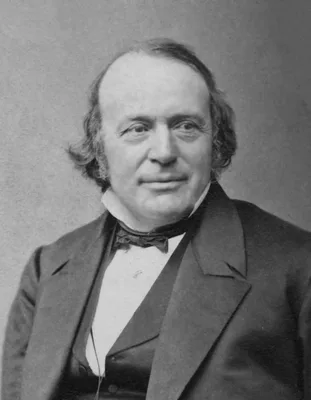
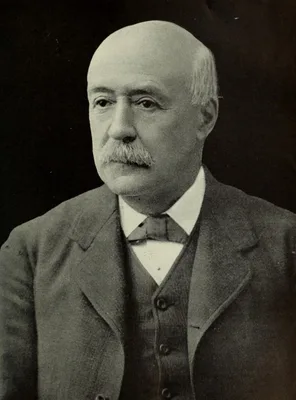
Vols. 1-4 by Louis Agassiz were published from 1857-1862; Vol. 5, North American starfishes by Alexander Agassiz, appeared in 1877. Louis Agassiz was, for his time, the leading comparative anatomist in America and a v…
1980 CE
#366.1
Corpus of the anatomical studies in the collection…at Windsor Castle. Edited by K.D. Keele and C. Pedretti. 3 vols.
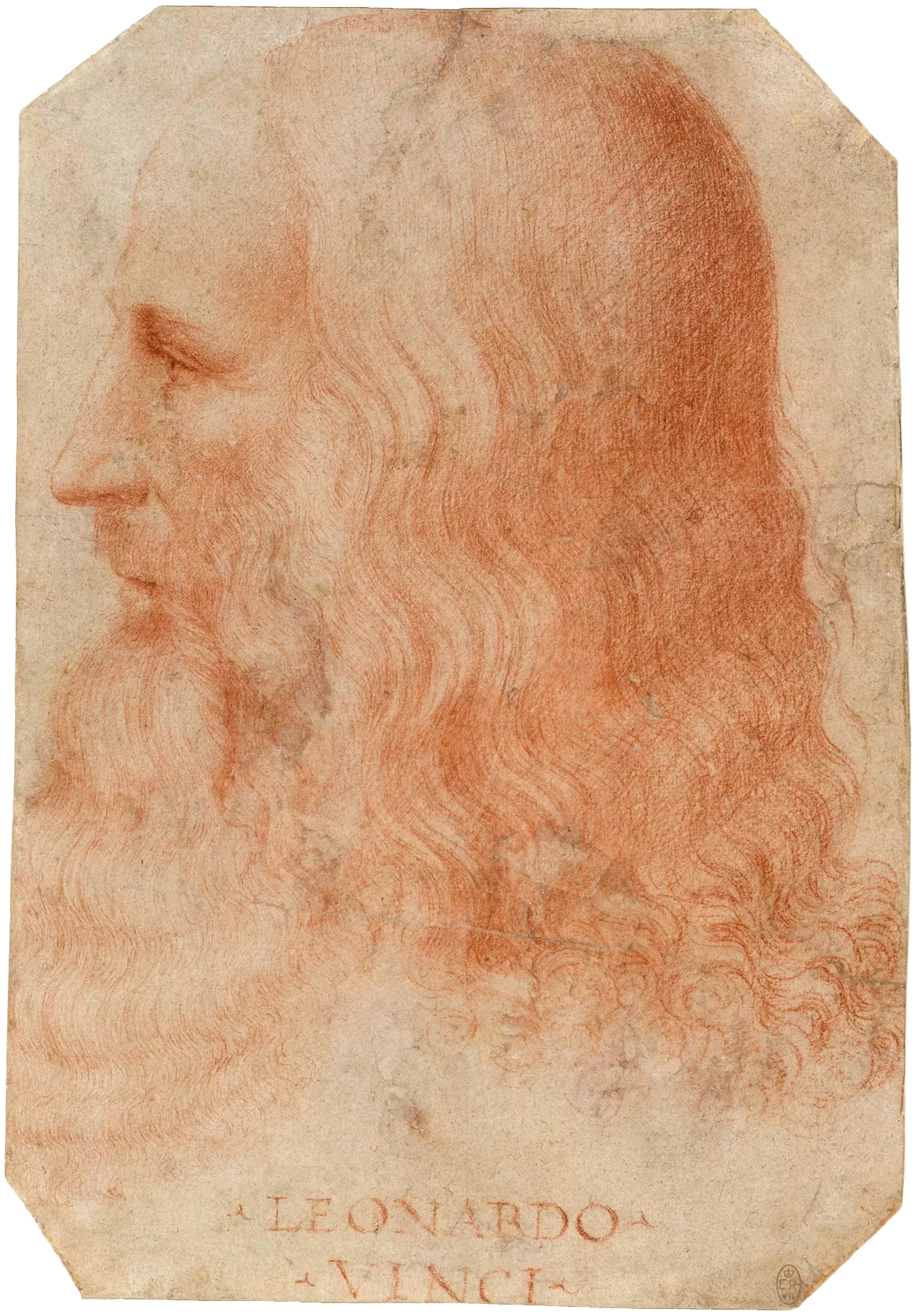
Splendid edition reproducing all of the drawings in color, and with the original chronology and integrity of the drawings restored. Text provides transliteration of Leonardo’s notes in the original Italian plus …
1922 CE–1931 CE
#7649
Das Leben des Menschen. Eine volkstümliche Anatomie, Biologie, Physiologie und Entwicklungsgeschichte des Menschen. 5 vols.
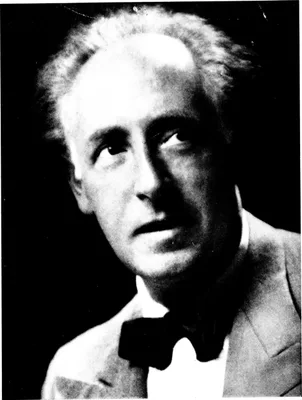
By developing a new infographics style of illustration in which physiological processes and other technical medical and biological concepts were often depicted as, or compared to machines, Kahn made medical and biolog…
1476 CE
#274
De animalibus. Translated by Theodorus Gaza. Edited by Ludovicus Podocarthus.
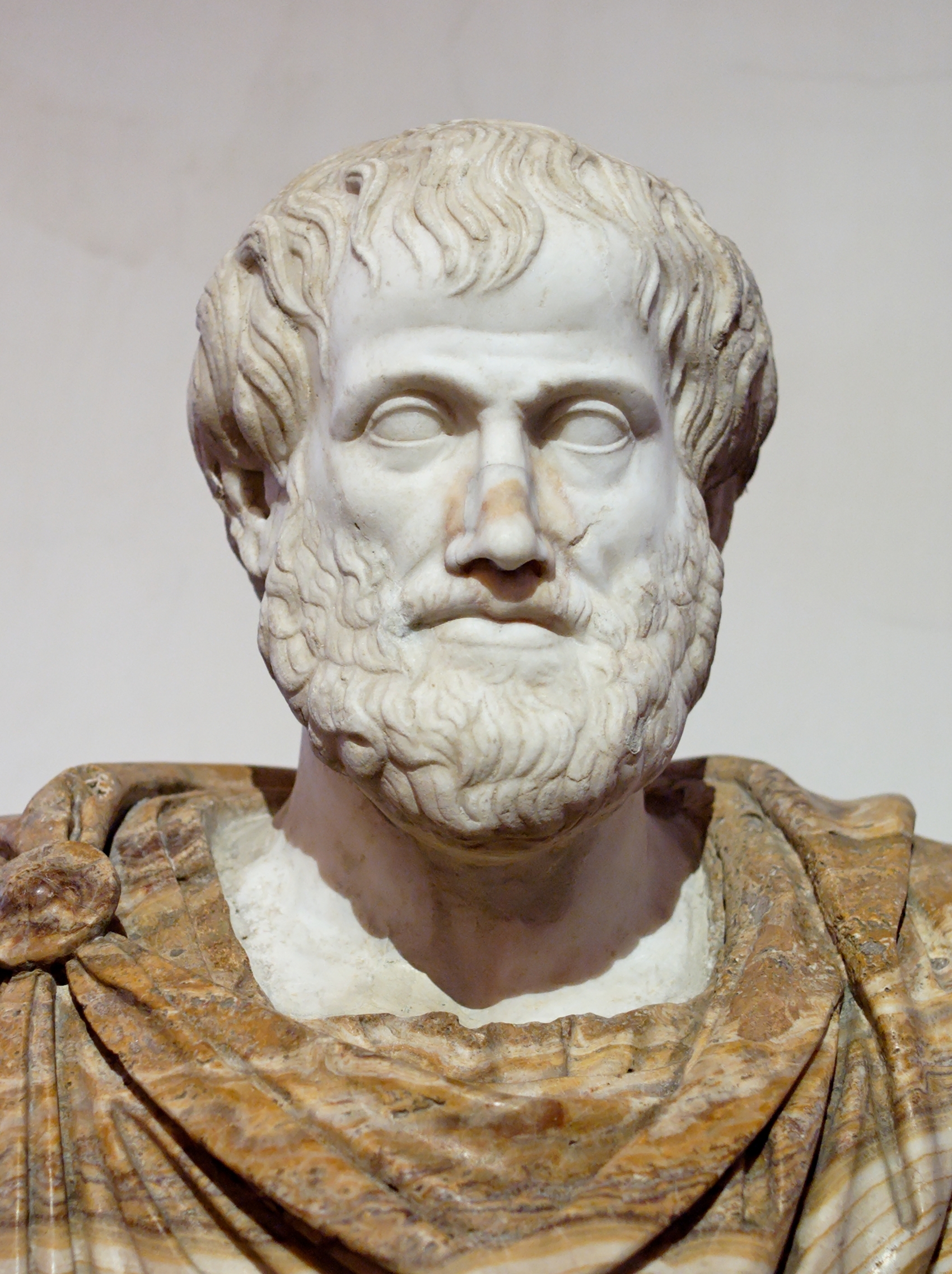
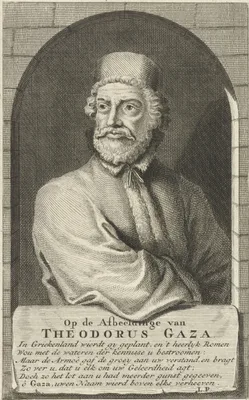
Includes Aristotle's De historia animalium, De partibus animalium, and De generatione animalium. Aristotle was the first scientist to gather empirical evidence about the biological world through observation. By his ca…
1545 CE
#378
De dissectione partium corporis humani.
De dissectione partium corporis humani libri tres by French physician, writer, and translator, Charles Estienne, of the Estienne printing dynasty, is one of the most interesting woodcut books of the French Renaissance…
1543 CE
#375
De humani corporis fabrica libri septem.
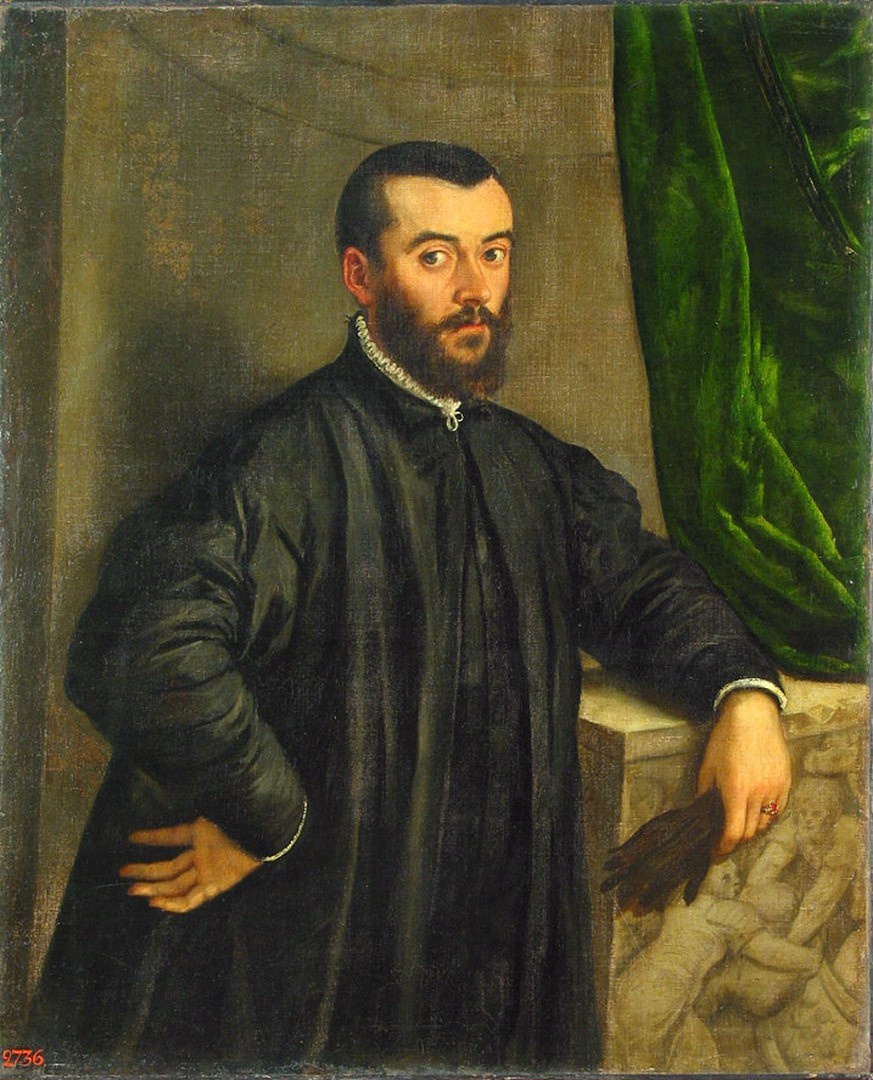
Published when the author was only 29 years old, the Fabrica revolutionized not only the science of anatomy but how it was taught. Throughout this encylopedic work on the structure and workings of the human body, Vesa…
1555 CE
#377
De humani corporis fabrica libri septem.
Containing Vesalius’s final published revisions of the text, this edition is also superior for its enlarged format, improved typography and printing, better paper, larger woodcut initials, and changes to the let…
1559 CE
#378.1
De re anatomica libri xv.
Colombo was a pupil of Vesalius, and succeeded him in the chair of anatomy at Padua before proceeding to chairs first at Pisa and later at Rome. His book, published just after his death, rectified a number of anatomic…
1541 CE
#373.1
Des aller fürtrefflichsten…erschaffen. Das is des menchen…warhafftige beschreibung oder Anatomi…
This plagiarism of Vesalius’s Tabulae anatomicae sex contains 25 woodcuts by Hans Baldung Grien (1484/1485-1545), and represents the artist’s only contribution to medical illustration. The woodcuts include…
1855 CE–1856 CE
#10884
Des caractères anatomiques des grands singes pseudo-anthropomorphes.
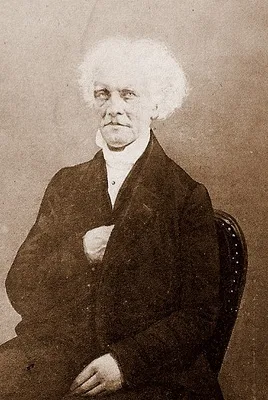
With 16 lithographed plates, this continues to be one of the most frequently cited of all works in the history of primate anatomy.
1847 CE
#2296
Die pathologischen Pigmente.
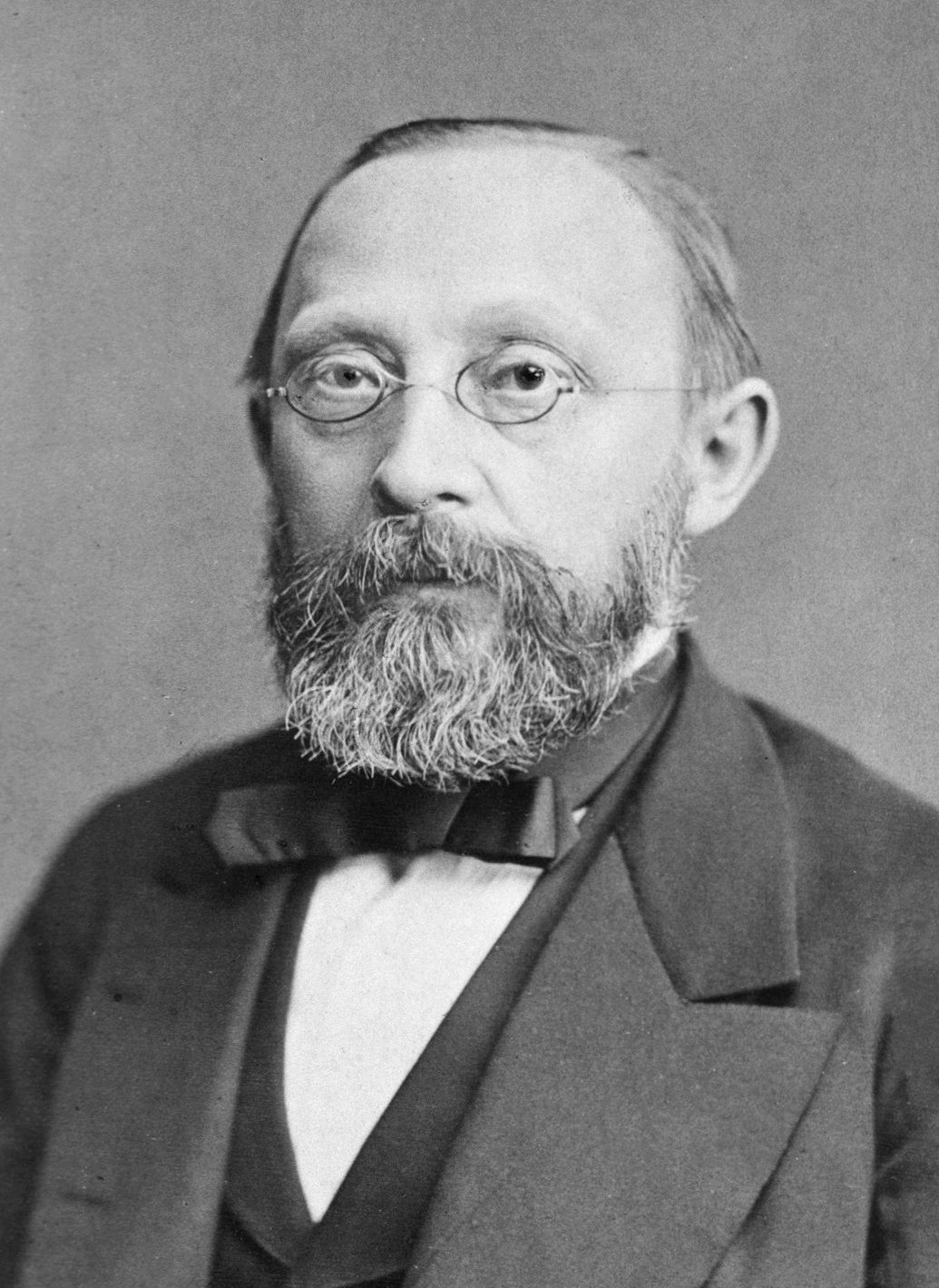
On the origin and chemical composition of extracellular and intracellular pigments, and on the supposed formation of new cells by the membranous envelopment of pigmented blood corpuscles or pigment granules.
1995 CE
#7499
Diseases in wax: A history of the medical moulage.
1669 CE
#293
Dissertatio epistolica de bombyce.
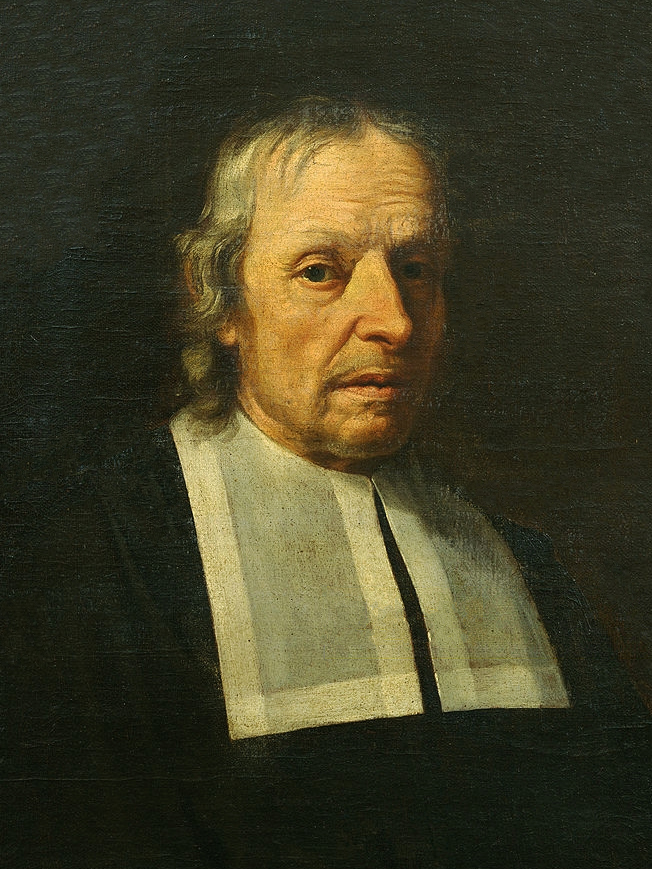
Malpighi’s work on the silkworm represents the first monograph on an invertebrate and records one of the most striking pieces of research work on his part. He dissected the silkworm under the microscope with gre…
1778 CE
#1551
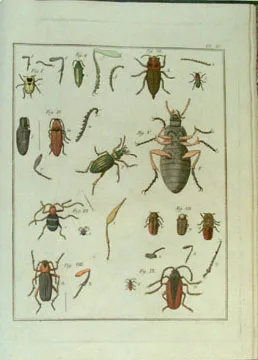
Dissertations sur l’organe de l’ouie. 1. De l’homme. 2. Des reptiles. 3. Des poissons.
2008 CE
#8308
Embodiments of will: Anatomical and physiological theories of voluntary animal motion from Greek antiquity to the Latin Middle Ages, 400 B.C - A.D.1300.
2006 CE
#7423
Encyclopaedia anatomica: Museo la Specola Florence.
Spectacular collection of color photographs of wax models in the Museo la Specola, Florence. Text in English, French and German.
1794 CE
#9833
Engravings, explaining the anatomy of the bones, muscles and joints.
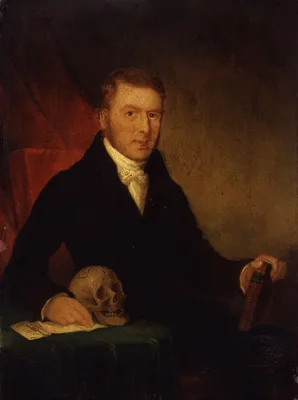
Bell’s atlas of the bones, muscles and joints was issued as a separate work a year after his text, The Anatomy of the Bones, Muscles, and Joints. Bell’s illustrations are some of the most striking in the e…
1675 CE
#13272
Ephemeri Vita. Of afbeeldingh van 's menschen leven, Vertoont in de Wonderbaarlijcke en nooyt gehoorde Historie van het vliegent ende een-dagh-levent Haft of Oever-aas. Een dierken, ten aansien van sijn naam, over al in Neerlandt bekent.
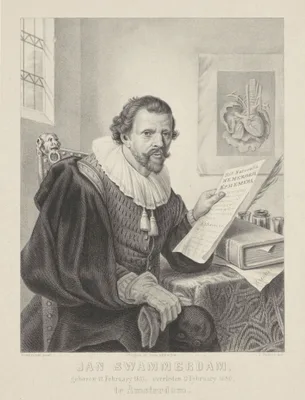
In his final publication Swammerdam studied the anatomy, development and behavior of the mayfly. Translated into English as Emphemeri vita: Or the natural history and anatomy of the ephemeron, a fly that lives but fiv…
1671 CE
#294.1
Esperienze intorno a diverse cose naturali…

Includes the first scientific study of an electric fish. While the torpedo’s peculiar properties had provoked scientific speculation since at least the time of Aristotle, Redi was the first to perform an actual …
1745 CE
#398
Essai d’anatomie en tableaux imprimés, qui represent au naturel tous les muscles de la face, du col, de la tête, de la langue & du larinx. d'après les parties disséquées & préparées par Monsieur Duverney....comprenant hit grandes planches.
Remarkable for its striking mezzotints printed in color. Digital facsimile from the Internet Archive at this link.
1806 CE
#6604.92
Essays on the anatomy of expression in painting.
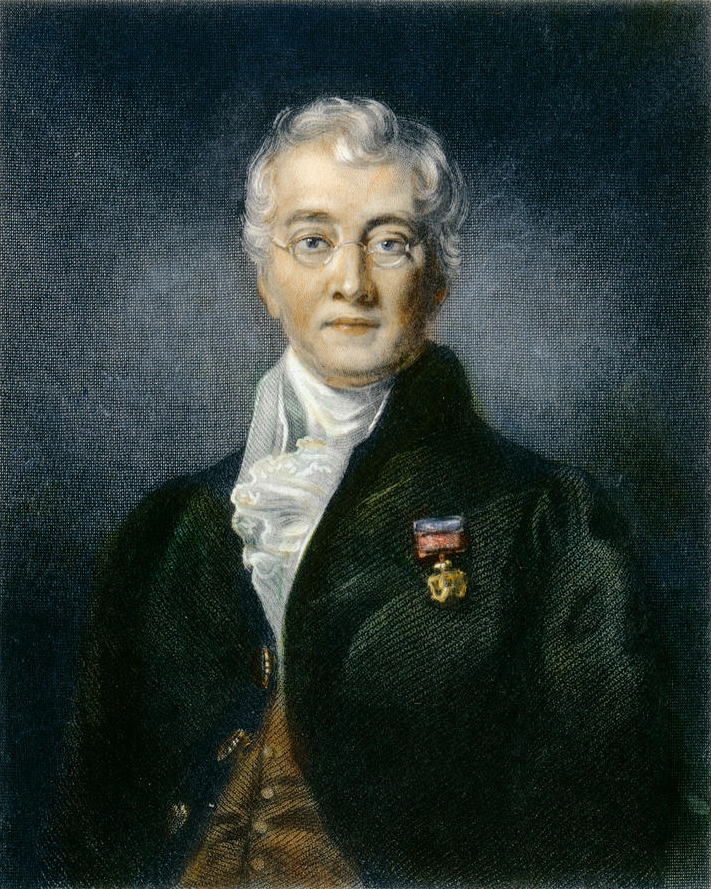
Bell’s artistic and literary skills combined with his knowledge of anatomy and physiology to make this work a tour de force of art history and the anatomical and physiological basis of facial expression.