
Facets
Browse across eight MeSH (opens in new tab) facets — era, geography, science, specialty, technology, history, culture, and reference. Select one tag per group; counts update across the others.
Clear filtersFacet filters
Geography
Specialties & Disease
- Anatomy & Pathology 37
- Cardiology & Blood 5
- Neurology & Psychiatry 5
- Obstetrics & Reproductive 0
- Infectious Disease (General) 4
- Surgery & Anesthesia 2
- Public Health 64
- Immunology & Dermatology 15
- General Clinical Medicine 12
- Military Medicine 22
- Psychology 5
- Alternative & Fringe Medicine 5
- Pediatrics 1
- Ophthalmology & Vision 0
- ENT & Hearing 1
- Urology & Nephrology 2
- Gastroenterology & Hepatology 1
- Pulmonary & Respiratory 2
- Rheumatology, Rehab & Pain 2
- Internal, Emergency & Geriatric 0
- Veterinary Medicine 2
- Epidemiology & Demography 17
- Physiology & Embryology 10
- Dentistry 3
- Plagues & Epidemics 17
- Microbiology & Virology 48
Social & Historical Studies
Institutions & Culture
Reference & Scholarly Works
Drugs & Technology
37 entries match Anatomy & Pathology [G02.149 / C23] · Natural History & Evolution [K01.900.500]
1871 CE
#338
A manual of the anatomy of vertebrated animals.
Huxley was among those who refuted Owen’s theory of the vertebral skull.
2002 CE
#14288
An introduction to human evolutionary anatomy.

1774 CE
#203.7
Ausfürliche Nachricht von neuentdeckten Zoolithen, unbekannter vierfüsiger Thiere…
Esper was the first to record the finding, in Gailenreuth Cave, of human bones alongside the remains of unknown and probably extinct animals. The implications of this dramatic observation published in a color plate bo…
1995 CE
#11900
Biology takes form: Animal morphology and the German universities 1800-1900.
1950 CE
#13912
Catalogue of an exhibition illustrating prehistoric man in health and sickness. With an introduction by E. Ashworth Underwood.
1879 CE–1891 CE
#7591
Catalogue of the specimens illustrating the osteology and dentition of vertebrated animals, recent and extinct, contained in the Museum of the Royal College of Surgeons of England. 3 vols.: Part 1. Man: Homo sapiens.... Part II: Class Mammalia, other than man... Part III: Class Aves.
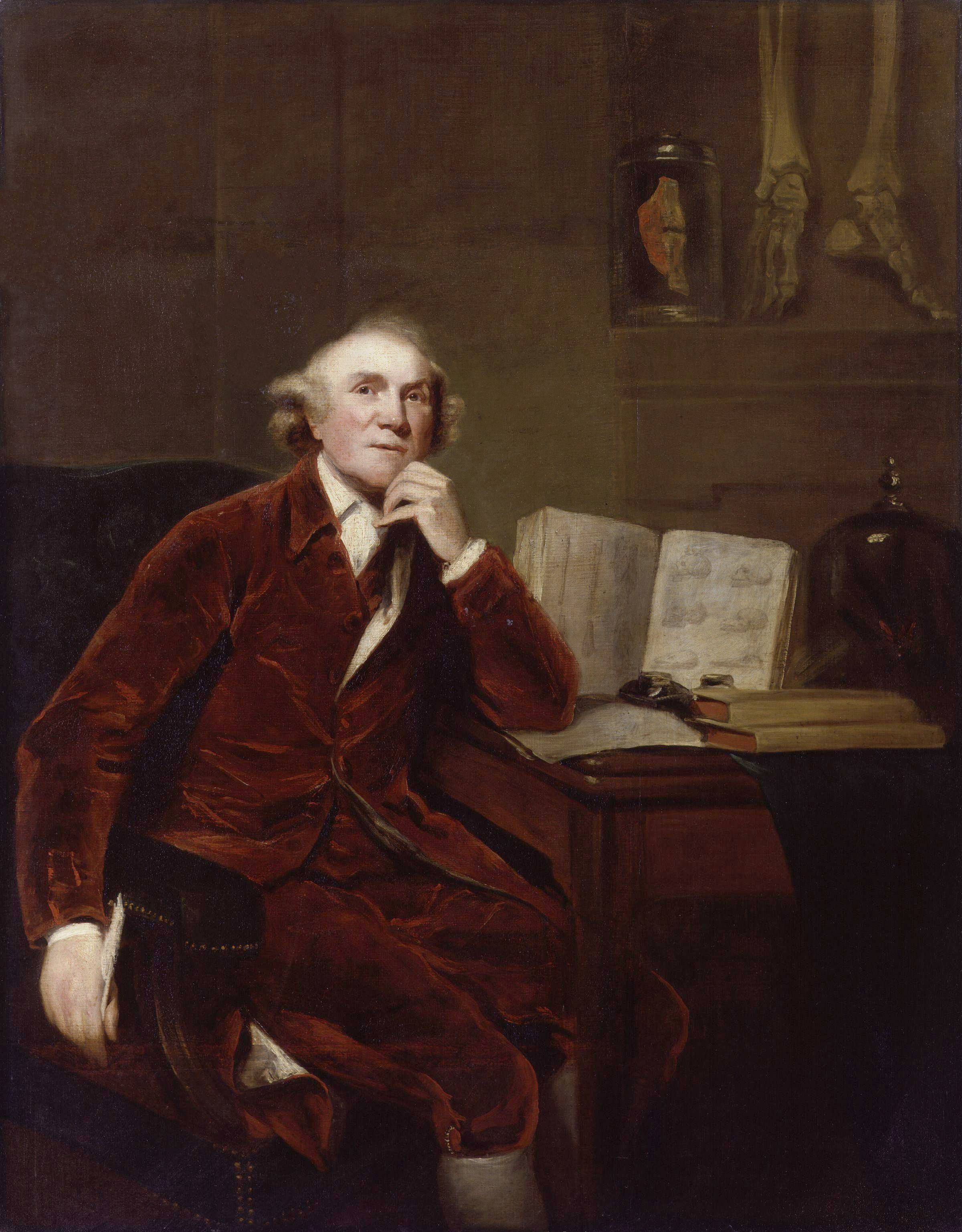
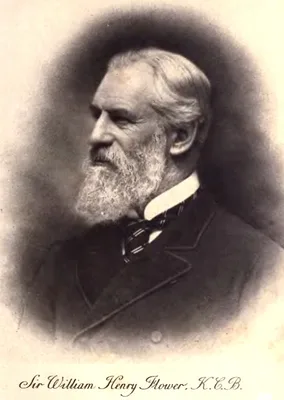
Parts 1 and 2 by Flower; part 3 by Sharpe. Digital facsimile of Part 1 from the Biodiversity Heritage Library at this link, of Part 2 at this link, and Part 3 at this link.
1740 CE
#13098
Catalogus ofte naamlyst der voornaamste zaken, dewelke op de anatomie-kamer der stadt Rotterdam te zien zyn.
Catalogue of the cabinet of curiosities of the anatomical theatre of Rotterdam, founded in 1642. Although anatomy theatres were originally established to teach anatomy and medical and surgical techniques to students a…
2012 CE
#10865
Comparative anatomy and phylogeny of primate muscles and human evolution.
1027pp. The most comprehensive review of the comparative anatomy, homologies and evolution of the head, neck, pectoral and upper limb muscles of primates. The format is unusual with the text occupying the first 134pp.…
1857 CE–1877 CE
#333
Contributions to the natural history of the United States. 5 vols.
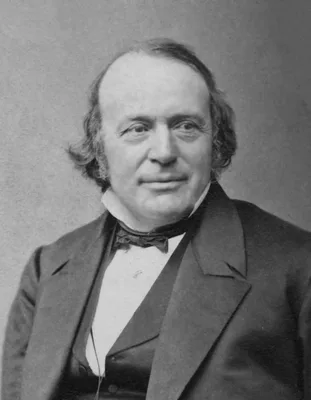
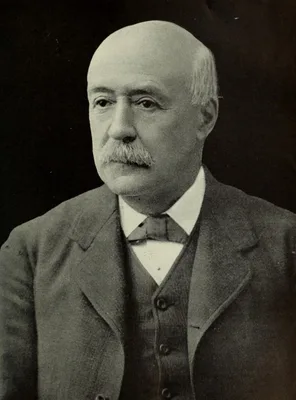
Vols. 1-4 by Louis Agassiz were published from 1857-1862; Vol. 5, North American starfishes by Alexander Agassiz, appeared in 1877. Louis Agassiz was, for his time, the leading comparative anatomist in America and a v…
1476 CE
#274
De animalibus. Translated by Theodorus Gaza. Edited by Ludovicus Podocarthus.
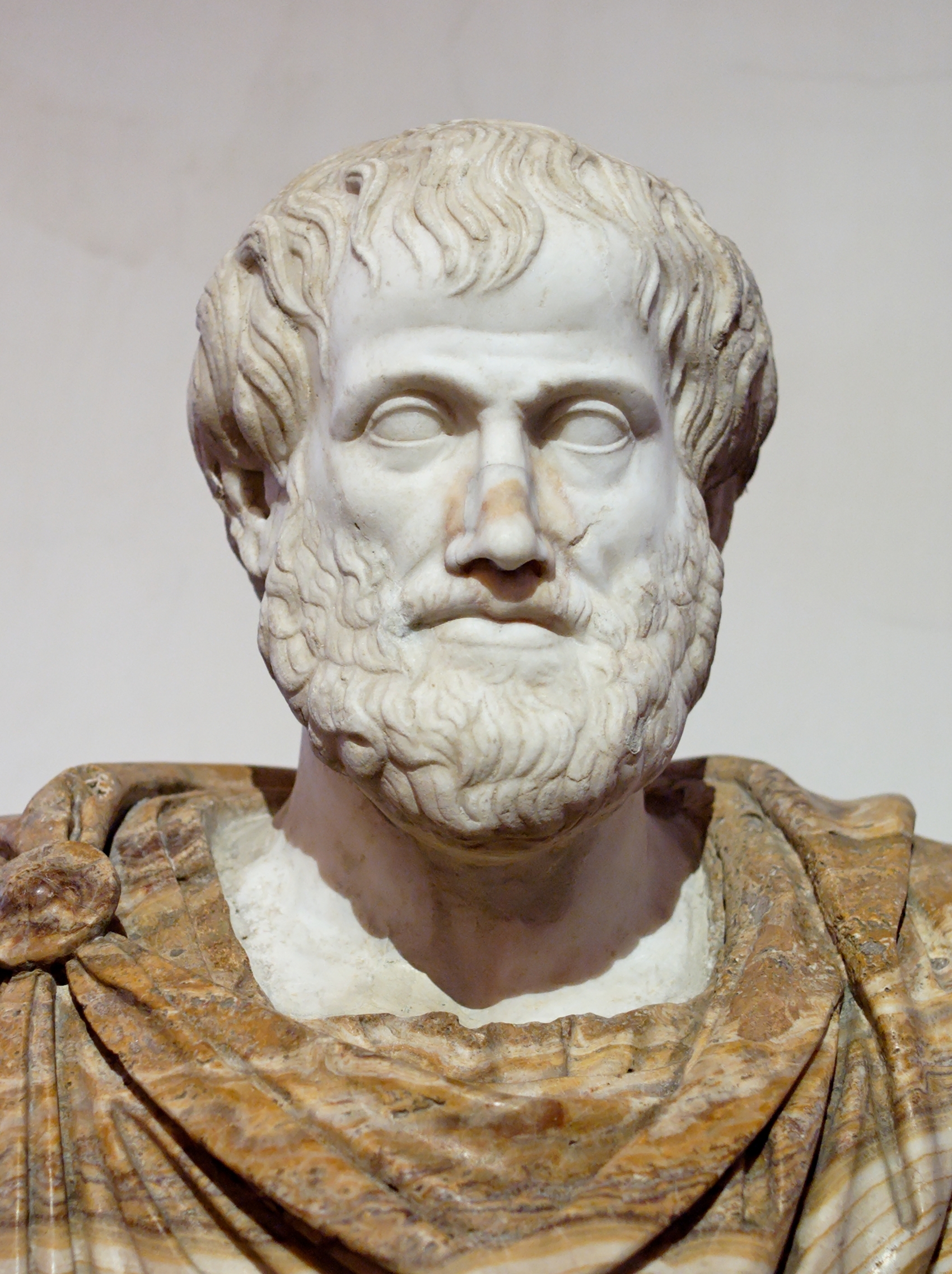
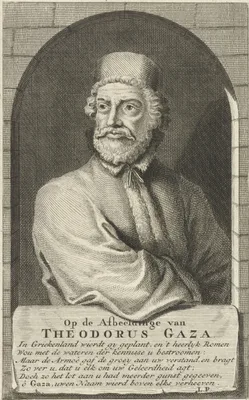
Includes Aristotle's De historia animalium, De partibus animalium, and De generatione animalium. Aristotle was the first scientist to gather empirical evidence about the biological world through observation. By his ca…
1855 CE–1856 CE
#10884
Des caractères anatomiques des grands singes pseudo-anthropomorphes.
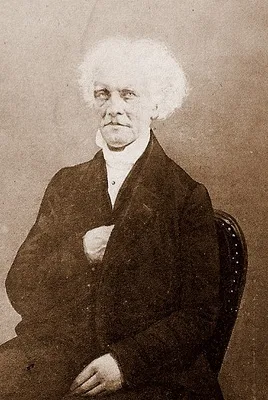
With 16 lithographed plates, this continues to be one of the most frequently cited of all works in the history of primate anatomy.
1861 CE
#7608
Essays and observations on natural history, anatomy, physiology, psychology, and geology by John Hunter, F.R.S. Being his posthumous papers on those subjects, arranged and revised, with notes; to which are added the introductory lectures on the Hunterian collection of fossil remains delivered in the theatre of the Royal College of Surgeons of England, March 8th, 10th and 12th, 1855 by Richard Owen .... 2 vols.
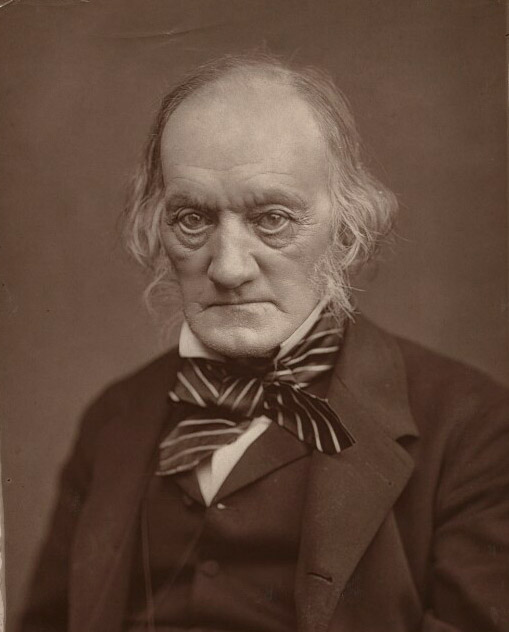
Digital facsimiles from the Hathi Trust at this link.
1863 CE
#165
Evidence as to man’s place in nature.
Huxley showed that in the visible characters man differs less from the higher apes than do the latter from lower members of the same order of primates. He also provided the first thorough and detailed comparative desc…
1870 CE
#337
Grundzüge der vergleichenden Anatomie der Wirbelthiere.
Gegenbaur’s best work. He stressed the value of comparative anatomy as the basis of the study of descent, considering that knowledge of the relations of corresponding parts in different animals was more importan…
1860 CE–1864 CE
#1778
Handbuch der historisch-geographischen Pathologie. 2 vols.
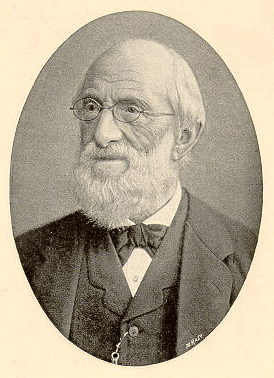
This is perhaps the greatest historical classic on the subject. Vol.1 appeared in 2 parts, with the first part issued in 1859 and the second part issued in 1860.
2009 CE
#13207
Il Museo di storia naturale dell'Università degli studi di Firenze. Volume 1, Le collezioni della Specola : zoologia e cere anatomiche.
1555 CE
#283
L'histoire de la nature des oyseaux, avec leurs descriptions, et naïfs portraicts retirez du naturel escrite en sept livres.
![BELON, Pierre [Pierre Belon du Mans; Petrus Bellonius Cenomanus] (1517 – 1564)](/media/portraits/9632)
Belon’s book on birds is well illustrated, including plates of the skeletons of man and bird side by side and in the same posture, to compare them bone for bone. Digital facsimile from the Internet Archive at th…
1551 CE
#278
L'histoire naturelle des estranges poissons marins, avec la vraie peincture & description du daulphin, & de plusieurs autres de son espece.
This, Belon’s first biological work, is regarded as the earliest modern scientific work in the field of comparative anatomy. Finely illustrated with woodcuts. Digital facsimile from the Internet Archive at this …
1966 CE
#11090
Les main mutilées dans l'art prehistorique.
A comprehensive study by a physician of the numerous tracings and impressions of mutilated hands that appear in prehistoric painted caves or parietal art.
1881 CE
#7707
Lésions osseuses de l'homme préhistorique en France et en Algérie.
Le Baron attempted diagnosis and predicted etiology on thousands of bones collected at the Musée Broca, the Musée Dupuytren, and the Musée d'Histoire Naturelle.. Digital facsimile from BnF Gallica…
1799 CE
#7292
Mémoire sur les espèces d’éléphans vivantes et fossiles.
Using comparative anatomy, Cuvier demonstrated that the African elephant was a separate species from the Indian elephant, and that the fossil or “mammoth” elephant was yet another species distinct from the…
1662 CE–1669 CE
#291
Metamorphosis naturalis, ofte historische beschryvinghe.... 3 vols.
Engraved frontispieces in Latin; text in Dutch. None of the volumes is dated. An edition in Latin, also undated, was issued by the same publisher in 3 vols. during the same years with the following title: Metamorphosi…
1681 CE
#297
Musaeum Regalis Societatis, or a catalogue and description of the natural and artificial rarities belonging to the Royal Society and preserved at Gresham College. Whereunto is subjoyned the comparative anatomy of stomachs and guts.
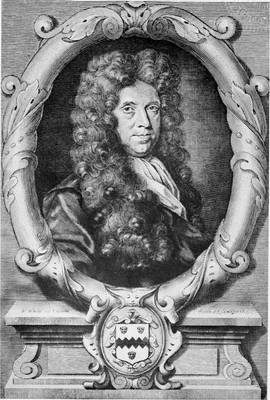
Grew, secretary to the Royal Society, compiled this illustrated catalogue of its museum, then housed at Gresham College. Published with the catalogue is Grew’s study of the stomach organs, which is the first zoo…
1837 CE
#7311
Note sur les ossements fossiles des terrains tertiaires de Simorre, de Sansan, etc., dans le département du Gers, et sur la découverte récente d’une mâchoire de singe fossile.
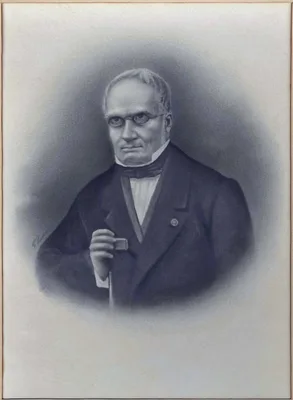
First published account of the discovery of the first anthropomorphic fossil ape. Lartet's discovery, made in 1836 at Sansan, was the first to challenge Cuvier’s assertion that both humans and apes were products…
1652 CE
#3737
Observationes medicae.
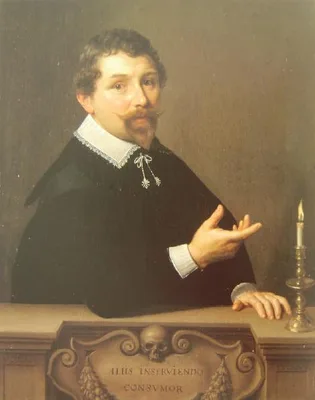
One of the earliest accounts of beri-beri is on pp. 300-05 of this work. Tulp, notable as the demonstrator in Rembrandt’s “Anatomy Lesson”, was among the first, in the same book, to describe the ileo…
1866 CE–1868 CE
#336
On the anatomy and physiology of the vertebrates. 3 vols.
Vol. 1. Fishes and reptiles; Vol. 2. Birds; Vol. 3. Mammals. The most important work on the subject after Cuvier, based entirely on personal observations. Owen entitled his 40th and concluding chapter "Derivative hypo…
1848 CE
#330
On the archetype and homologies of the vertebrate skeleton.
Owen’s vertebral theory of the origin of the skull, later refuted by Thomas Huxley and others. "Owen began working systematically on problems of transcendental morphology in 1841, as part of his curatorial task …
1699 CE
#153
Orang-outang, sive homo sylvestris: Or, the anatomy of a pygmie compared with that of a monkey, an ape, and a man.
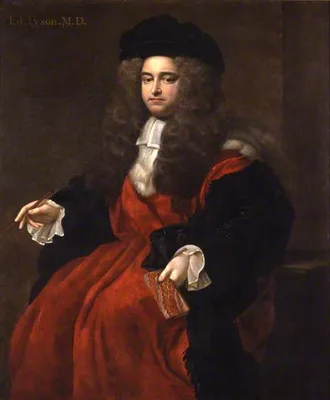
The earliest work of importance in comparative morphology. Tyson compared the anatomy of man and monkeys and between the two he placed the chimpanzee, which he regarded as the typical pygmy. This was the origin of the…
1928 CE
#350
The brain from ape to man: A contribution to the study of the evolution and development of the human brain by Frederick Tilney. With chapters on the reconstruction of the gray matter in the primate brain stem by Henry Alsop Riley. 2 vols.
Classic study of the evolution of the central nervous system in the higher mammals. Digital facsimile from the Internet Archive at this link.
1969 CE–1975 CE
#6786.15
The Cole Library of early medicine and zoology. Catalogue of books and pamphlets. 2 parts.
The library of F.J. Cole (see No. 356). Part 1: 1472-1800 to the present day and Supplement to Part 1.
2015 CE
#10620
The courtiers' anatomists: Animals and humans in Louis XIV's Paris.
1871 CE
#170
The descent of man, and selection in relation to sex. 2 vols.
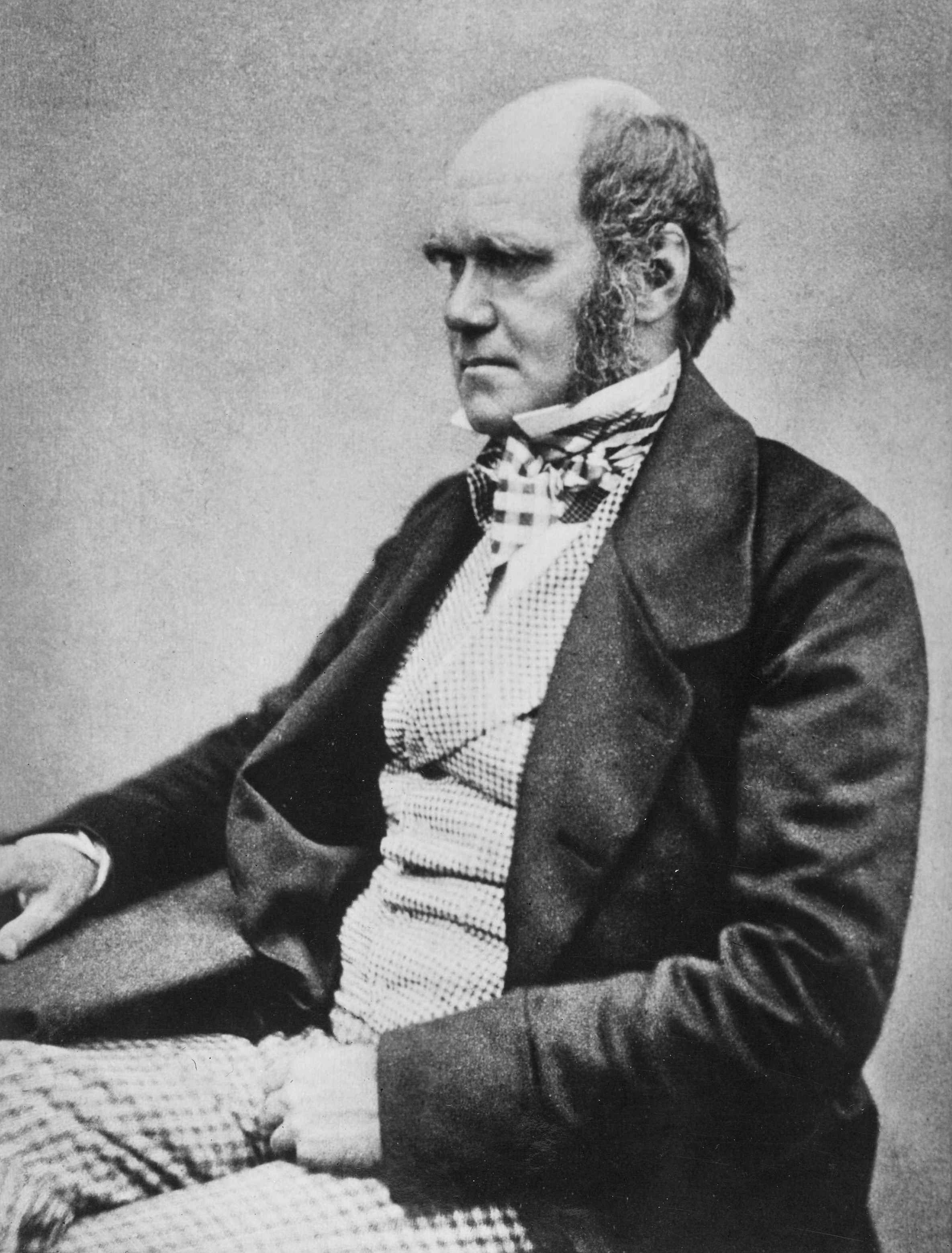
This is really two works. The first demolished the theory that the universe was created for humans while in the second Darwin presented a mass of evidence in support of his earlier hypothesis regarding sexual selectio…
2012 CE
#12143
The evolution of the human placenta.
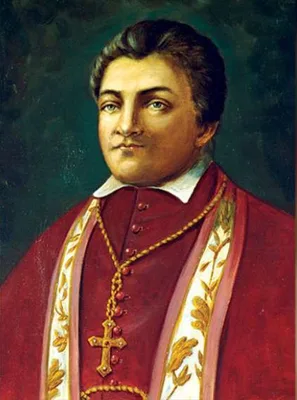
Chapter one is "The history of placental investigations."
1924 CE
#14287
The morphology and evolution of the apes and man. With a foreward by Professor G. Elliot Smith.
As far as I able to determine in 2024, Sonntag's book was the first attempt to write a general treatise on what eventually came to be called "human evolutionary anatomy," in the sense of studying the relationship betw…
2002 CE
#7271
The primate fossil record.
A comprehensive collaborative study edited by Hartwig. Includes an extensive historical bibliography.
1898 CE–1903 CE
#7450
The scientific memoirs of Thomas Henry Huxley. Edited by Professor Michael Foster... and by Professor E. Ray Lankester. 5 vols.
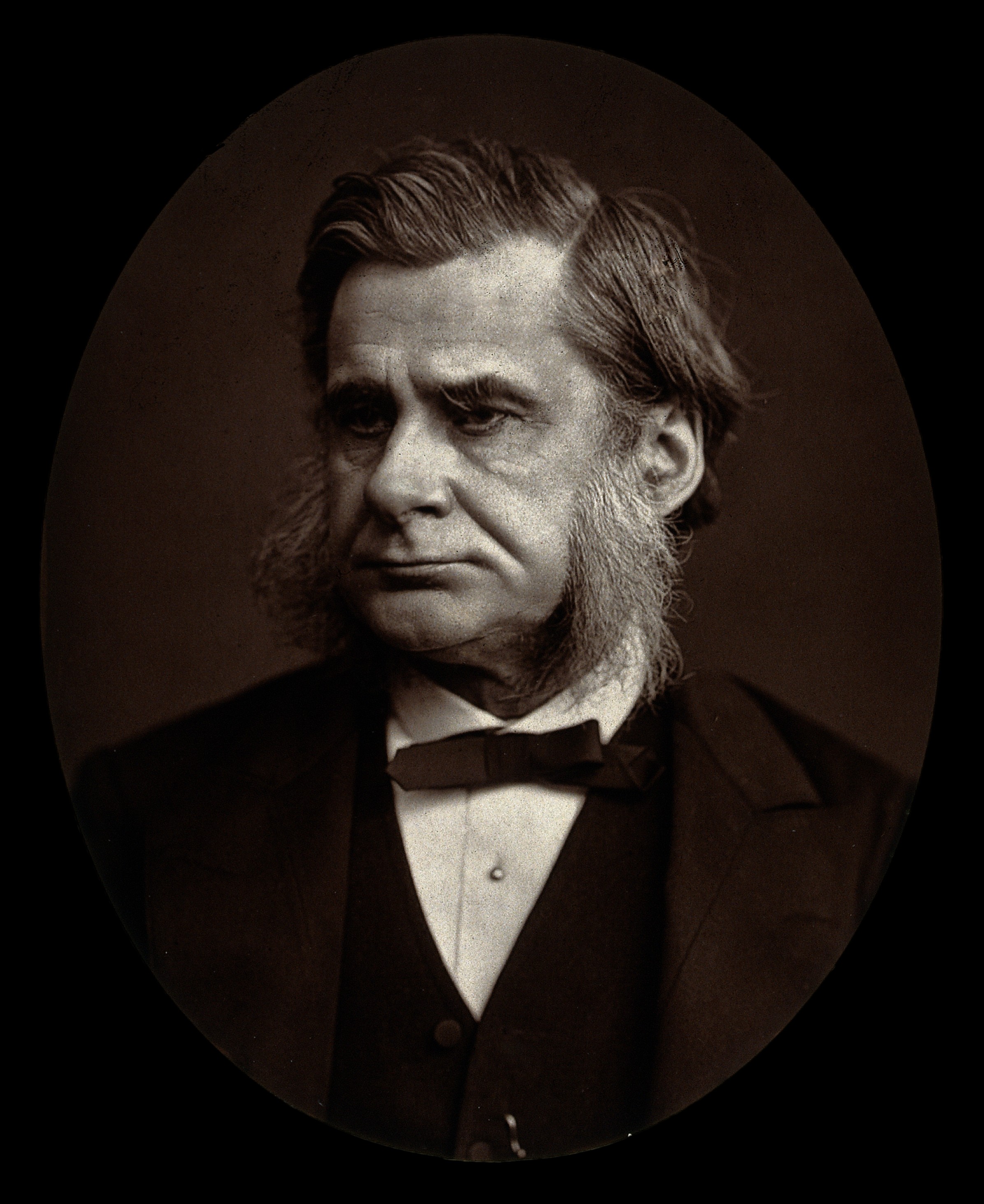
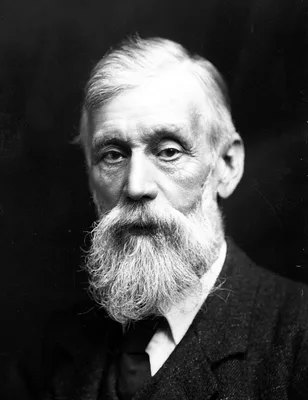
Presents virtually all of Huxley's scientific papers arranged in chronological order, as well as reports of his Royal Institution Friday Evening Discourses. The final supplemental volume contains the remainder of Huxl…
1831 CE
#200
Über den Zwischenkiefer des Menschen und der Thiere von Goethe. Jena, 1786. Mit 5 Kupfertafeln.
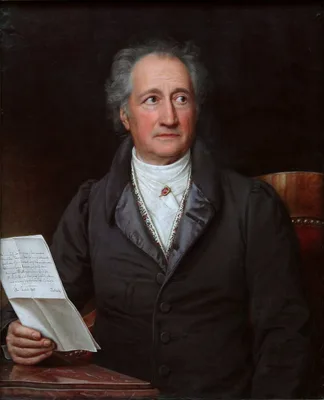
Goethe believed that in 1784 he demonstrated the presence of the intermaxillary (premaxillary) bone in man, proving an anatomical connection between man and the lower animals, and certifying to Goethe that there is no…