
Facets
Browse across eight MeSH (opens in new tab) facets — era, geography, science, specialty, technology, history, culture, and reference. Select one tag per group; counts update across the others.
Clear filtersFacet filters
Geography
Specialties & Disease
- Anatomy & Pathology 765
- Cardiology & Blood 914
- Neurology & Psychiatry 1,256
- Obstetrics & Reproductive 550
- Infectious Disease (General) 147
- Surgery & Anesthesia 1,551
- Public Health 1,129
- Immunology & Dermatology 1,404
- General Clinical Medicine 480
- Military Medicine 436
- Psychology 202
- Alternative & Fringe Medicine 383
- Pediatrics 247
- Ophthalmology & Vision 412
- ENT & Hearing 293
- Urology & Nephrology 309
- Gastroenterology & Hepatology 316
- Pulmonary & Respiratory 233
- Rheumatology, Rehab & Pain 188
- Internal, Emergency & Geriatric 123
- Veterinary Medicine 165
- Epidemiology & Demography 397
- Physiology & Embryology 923
- Dentistry 259
- Plagues & Epidemics 1,279
- Microbiology & Virology 1,080
Social & Historical Studies
Institutions & Culture
Reference & Scholarly Works
1,080 entries match Microbiology & Virology [C01.748]
1962 CE
#12033
Host specificity of DNA produced by escherichia coli. II. Control over acceptance of DNA from infecting phage lambda.


Order of authorship in the original publication: Dussoix, Arber. The authors discovered that restriction of DNA from infecting bacteriophage was due to the attack and breakdown of the modified bacteriophage's DNA by s…
1979 CE
#10888
Human babesiosis on Nantucket Island, USA: Description of the vector, Ixodes dammini, N. Sp. (Acarina: Ixodidae)
Order of authorship in the original paper was Spielman, Clifford, Piesman. The authors identified and described the insect vector of Babesiosis. This was a new species; the same species causes Lyme disease. (Thanks to…
1973 CE
#5484.4
Human cell culture rabies vaccine. Antibody response in man.
Human diploid cell vaccine. With S. A. Plotkin and D. W. Grella. See also Develop, biol. Standard., 1978, 40, 3-9.
1938 CE
#4659.1
Human encephalitis caused by the virus of the Eastern variety of equine encephalomyelitis.
Isolation of the virus of Eastern equine encephalitis from man. With J. H. Dingle, S. Farber, and M. L. Connerley.
1994 CE
#10901
Human granulocytic Ehrlichiosis in the Upper Midwest United States. A new species emerging?
Order of authorship in the original paper: Bakken, Dumler, Chen. First description of the Ehrlichia ewingii species of Ehrlichiosis (HGE) from a patient in Duluth, Minnesota, though the infectious agent was not yet na…
1996 CE
#10882
Human herpesvirus 8 Is present in the lymphoid system of healthy persons and can reactivate in the course of AIDS.

Dated June 22, 1995. Order of authorship in the original paper was Bigoni, Dolcetti, de Lellis....By this time Kaposi sarcoma-associated herpesvirus (KSHV) was also known as human herpesvirus-8 (HHV-8). The authors wr…
1987 CE
#10899
Human infection with Ehrlichia canis, a leukocytic rickettsia.
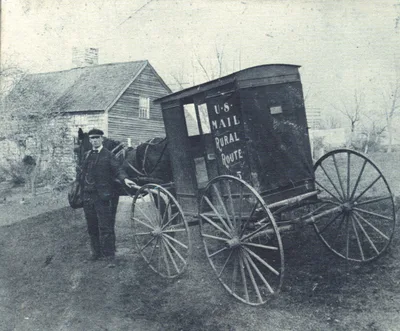
Order of authorship in the original publication: Maeda, Markowitz, Hawley. First description of Ehrlichiosis in humans, description of the organism, and successful drug treatment with doxycycline. The pathogen was lat…
2015 CE
#10905
Human infection with Ehrlichia muris-like pathogen, United States, 2007-2013.
Order of authorship in the original publication: Johnson, Schiffman, Davis, Pritt. The authors, found some commonality in this pathogen, originally designated generally as "Wisconsin and Minnesota, 2009" with the mous…
1987 CE
#11192
Human parvovirus infection in pregnancy and hydrops fetalis.
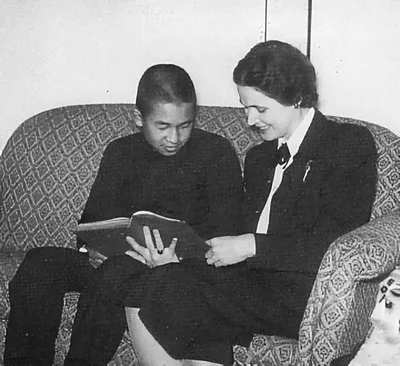
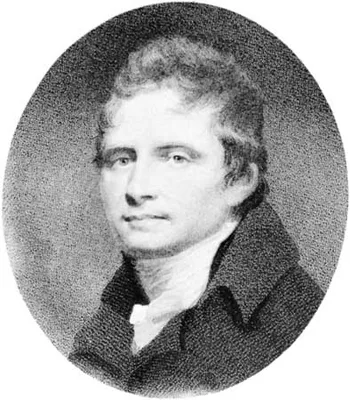
Demonstration of the devastating effect of human parvovirus B19 on the human fetus. (Thanks to Juan Weiss for this reference and its interpretation.)
1983 CE
#11191
Human parvovirus, the cause of erythema infectiosum (Fifth disease)?

This single page document was published as a Letter to the Editor of The Lancet. Order of authorship of the letter: Anderson, Jones, Fisher-Hoch.... Identification of human parvovirus as the cause of "Fifth disease". …
1928 CE
#5351
Hydatid disease. Its pathology, diagnosis and treatment.
Dew’s book remains the authoritative source. His many contributions to the knowledge of hydatid disease are summarized in it.
1887 CE
#12039
Hydrophobia: An account of M. Pasteur's system containing a translation of all his communications on the subject, the technique of his method, and the latest statistical results
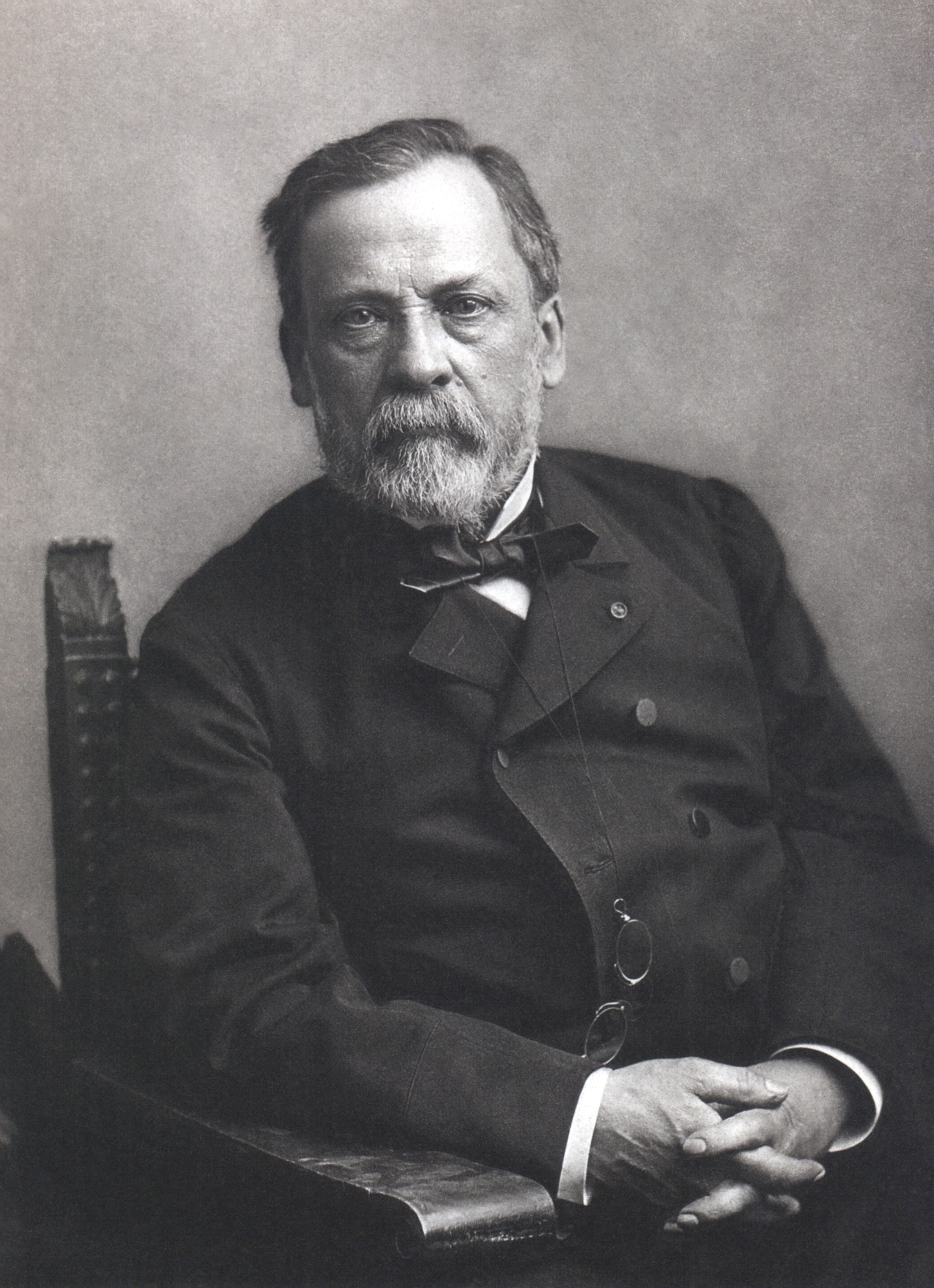
The author, qualified M.D. in both Edinburgh and Paris, characterized himself on the title page of this work as "Commissioned by the Government of the Colony of Mauritius to study M. Pasteur's new treatment in Paris."…
2016 CE
#10922
Identification of a novel pathogenic Borrelia species causing Lyme borreliosis with unusually high spirochaetemia: A descriptive study.
Order of authorship in the original publication: Pritt, Mead, Johnson. Discovery of Lyme Borreliosis or Borrelia mayonii, a new variant of B. burgdorferi. (Thanks to Juan Weiss for this reference and its interpretation.)
1982 CE
#10842
Identification of a protein that purifies with the Scrapie prion.


Research with the biochemist Bolton enabled Prusiner to discover and characterize the specific protein causing prion disease. This paper was dated December 24, 1982. Nearly simultaneously, Prusiner and the same co-aut…
1994 CE
#10880
Identification of herpesvirus-like DNA sequences in AIDS-associated Kaposi's sarcoma.


Dated December 16, 1994. Order of authorship in the original paper was Chang, Cesarman, Pessin,...Moore. The authors reported a new human herpesvirus associated with Kaposi's sarcoma, and gave it the descriptive name …
1992 CE
#11980
Identification of the uncultured bacillus of Whipple's disease.


Order of authorship in the original publication: Relman, Schmidt, MacDermott....The authors used 16S ribosomal RNA sequencing to identify the bacillus associated with Whipple's disease that had resisted culturing meth…
1889 CE
#5205
Il virus dell’ ulcera venerea.
Announcement of the discovery of Haemophilus ducreyi (Ducrey’s bacillus), causal organism in chancroid.
2021 CE
#13477
Immediate "kangaroo mother care" and survival of infants with low birth weight.
This study demonstrated that "vulnerable infants have a better chance of survival if they start receiving 'kangaroo mother care'--which calls for babies to spend as much time as possible in direct contact with a caref…
1952 CE
#4672.1
Immune responses in human volunteers upon oral administration of a rodent-adapted strain of poliomyelitis virus.

Successful immunization against poliomyelitis with a living attenuated virus vaccine. With G. A. Jervis and T. W. Norton.
1946 CE
#5544.2
Immunity in mumps. VI. Experiments on the vaccination of human beings with formolized mumps virus.
With E. P. Maris, and L. W. Kane.
1955 CE
#4672.3
Immunization of chimpanzees and human beings with avirulent strains of poliomyelitis virus.
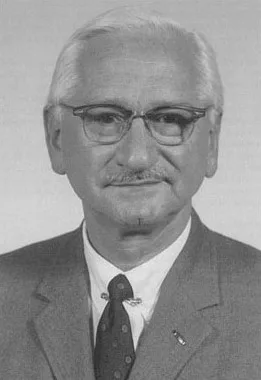
Sabin reported the successful immunization of chimpanzees by oral and I.M. route using the Brunhilde, Mahoney and Leon strains of polio virus. On p. 1055 he reported the experimental results on humans given a "single …
1931 CE
#4670.5
Immunological differences between strains of poliomyelitis virus.
1913 CE
#11249
Important discovery in tropical medicine: Metamorphosis of Filaria Loa.
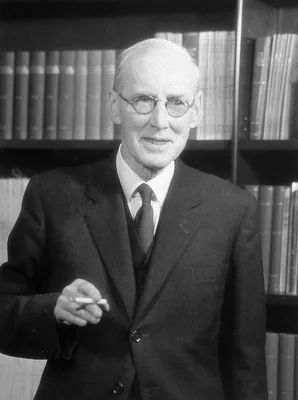
Leiper discovered diurnal periodicity in Filaria Loa, as the worm embryos are found in the blood only during day, as an adaptation to the day-biting habits of their insect vector, a biting fly of the genus Chrysopa. T…
1874 CE
#2436
Indberetning til det Norske mediciniske Selskab i Christiania om en med understottelse af selskabet foretaghen reise for at anstille undersogelser angaende spedalskhedens arsager, tidels udforte sammen med forstander Hartwig.
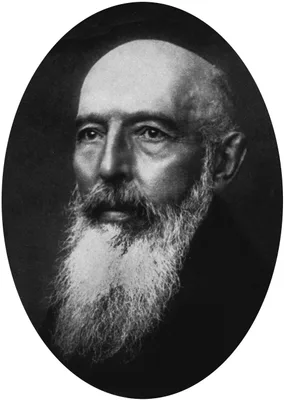
Hansen discovered the leprosy bacillus on 28 February 1873. He had been stimulated by the previous work of Danielssen and Boeck, and his own demonstration of the leprosy bacillus is one of the earliest observations of…
1952 CE
#256
Independent functions of viral protein and nucleic acid in growth of bacteriophage.
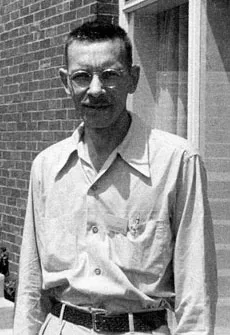
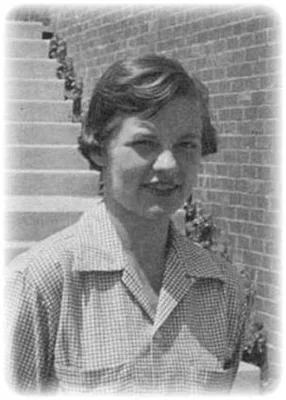
DNA shown to be the carrier of genetic information in virus reproduction. In 1969 Hershey shared the Nobel Prize in Physiology or Medicine with S. E. Luria and M. Delbrück for "for their discoveries concerning th…
1892 CE–1982 CE
#355
Index-catalogue of medical and veterinary zoology.
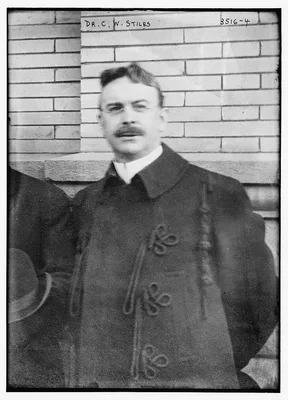
An index to the world's literature on parasites and parasitisms of man, of domestic animals, and of wild animals whose parasites may be transmitted to man and domestic animals. It also contains references to fur-beari…
1946 CE
#2578.5
Induced mutations in bacterial viruses.

Genetic recombination in bacteriophages. In 1969 Delbrück shared the Nobel Prize with A. D. Hershey and S. E. Luria "for their discoveries concerning the replication mechanism and the genetic structure of viruses."
1954 CE
#13994
Induction spontanée du développement du bactériophage lambda au cours de la recombinaison génétique, chez Escherichia coli K 12.
Wollman and Jacob discovered zygotic induction. This occurs when a bacterial cell carrying the silenced DNA of a bacteriophage transfers the viral DNA along with its own DNA in its chromosome to another bacterial cell…
1939 CE
#5484.3
Infection of chicks and chick embryos with rabies.
Cultivation of rabies virus in the chick embryo. Soon afterwards I. J. Kligler and H. Bernkopf, Nature, 1939, 143, 899, made a similar report.
1914 CE
#5175
Infection of man with Bacterium tularense
Wherry and Lamb were first to isolate P. tularensis from lesions in man.
1995 CE
#10889
Infection with a Babesia-like organism in Northern California.
Order of authorship in the original paper was Persing, Herwaldt, Glaser. First report of a Basisa duncani infection in humans (4 patients). The authors designated the infection as Babesia (WA1) strain transmitted by I…
1896 CE
#5035
Infections paratyphoïdiques.
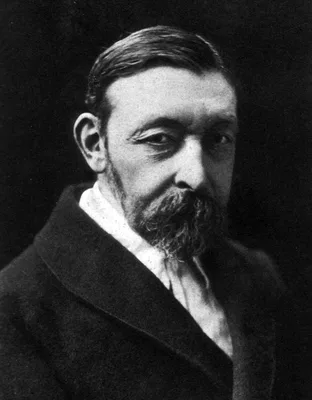
Isolation of Salmonella paratyphi B. First use of the term “paratyphoid fever”.
2020 CE
#12117
Infectious mononucleosis diagnosed by Downey cells: Sometimes the old ways are better.
The Downey cell method for the diagnosis of infectious mononucleosis remains effective and cost-effective nearly 100 years after it was discovered: "An 18-year-old woman visited her physician because she had a fever, …
1956 CE
#2578.17
Infectivity of ribonucleic acid from tobacco mosaic virus.
Proof that nucleic acid produces infectivity. See also Z. Naturf., 1956, 11b, 138-42.
1933 CE–1934 CE
#5495
Influenza. 2 vols.
Annals of the Pickett Thomson Research Lab., Monograph 16. "In two massive volumes Thomson and Thomson reviewed the literature on influenza up to 1934" (Spink).
1857 CE
#3455
Infusorier, sasom intestinaldjur hos menniskan.
Discovery of Balantidium coli, the first parasitic protozoon to be discovered and recognized as such. German translation in Virchows Arch. path. Anat., 1857, 12, 302-09. English translation in Kean et al. (No. 2268.1).
1978 CE
#13969
Inhibition of Rous sarcoma virus replication and cell transformation by a specific oligodeoxynucleotide (tridecamer deoxyribonucleotide/hybridization competitor/hybridon).
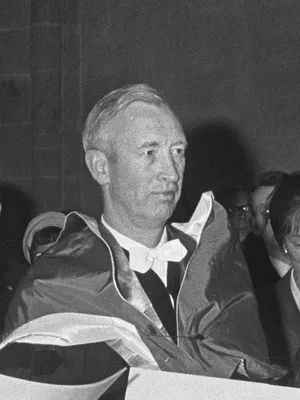
Zamecnick and Stephenson reported the first example of specific inhibition of gene expression by an oligonucleotide when they demonstrated that a short oligonucleotide inhibited Rous sarcoma virus replication in cell …
1907 CE
#4142
Innesto positivo con filtrato de verruca volgare.
Ciuffo presented the first demonstration that a cell-free agent could induce a human tumor. He induced human warts on his own hand with a bacteria-free filtrate (a virus) prepared from excised wart tissue. The signifi…
1850 CE
#5163
Inoculation du sang de rate.
Rayer inoculated sheep with blood of other sheep dead of anthrax. Microscopically he saw the anthrax bacillus in the blood of the inoculated sheep. Rayer was associated with Davaine, who later, in Bull. Acad. Mé…
2015 CE
#13186
Insects, hygiene and history.
1915 CE
#5386
Intermittent fever of obscure origin, occurring among British soldiers in France. The so-called “trench-fever”.
In this paper trench fever is so named for the first time.
1878 CE
#5357
Intornoall’Anchilostoma duodenale (Dubini).
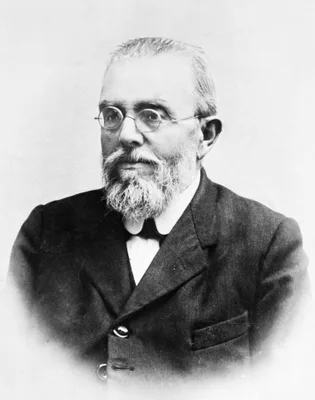
Fecal diagnosis of hookworm disease. Before this time hookworm had been diagnosed only post mortem. With C. Parona and E. Parona. English translation in Kean (No. 2268.1).
1905 CE
#5255
Intracorpuscular conjugation in the malarial plasmodia and its significance.
Demonstration of the existence of malarial carriers.
1925 CE
#1911
Intravenous use of dyes.
Churchman demonstrated the selective bactericidal action of gentian violet against staphylococci. See also J. exp. Med., 1912, 16, 221-47; J. Urol., 1924, 11, 1-18.
1986 CE
#4158.3
Introduction to the history of medical and veterinary mycology.
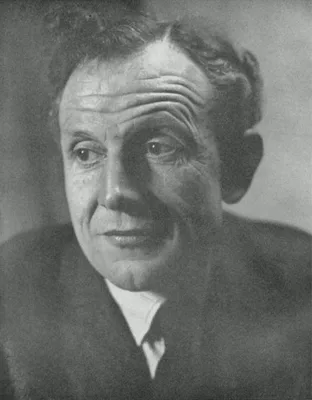
Authoritative and well-illustrated history with excellent chronological bibliography.
1893 CE
#5529
Investigations into the nature, causation and prevention of Texas or Southern cattle fever.
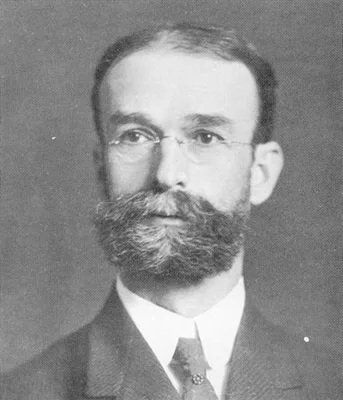
U.S. Bureau of Animal Industry, Bulletin No. 1. Discovery of the parasite of Texas cattle fever, Pyrosoma bigeminum, and proof that its transmission is due to the cattle tick, Boöphilus bovis. This was the first …
1977 CE
#10923
Isolation and partial characterization of a new virus causing acute haemorrhagic fever in Zaire.
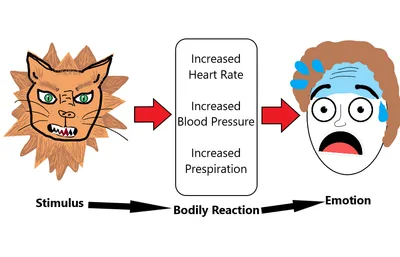
The first of three papers published in Lancet back to back describing the discovery of Ebola Virus Disease. In this paper the authors described isolation of the virus, imaged it with an electron microscope, and named …
1989 CE
#12653
Isolation of a cDNA clone derived from a blood-borne non-A, non-B viral hepatitis genome.


In this paper Houghton and colleagues named “hepatitis C” for the first time. They cloned and isolated the viral RNA genome and demonstrated that a patient who had high antibodies to a ‘native/wild s…
1935 CE
#2524.5
Isolation of a crystalline protein possessing the properties of tobacco-mosaic virus.
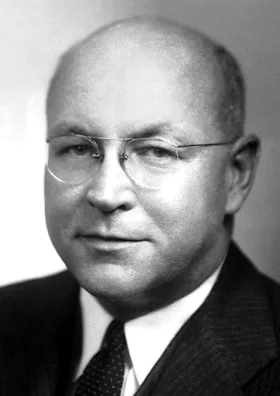
Stanley first crystallized a virus— tobacco mosaic virus. The following year Bawden, Pirie, Bernal and Fankuchen (No. 12005) showed that tobacco mosaic virus molecules are asnisometric and consist of ribonucleop…
1926 CE
#12386
Isolation of a crystalline protein with tuberculin activity.
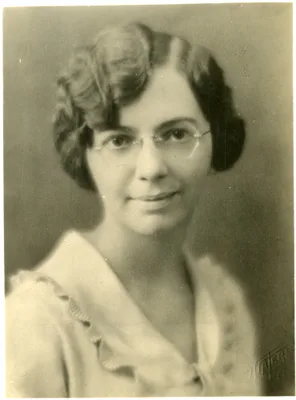
Siebert identified the active agent in tuberculin as a protein.