
Facets
Browse across eight MeSH (opens in new tab) facets — era, geography, science, specialty, technology, history, culture, and reference. Select one tag per group; counts update across the others.
Clear filtersFacet filters
Geography
Specialties & Disease
- Anatomy & Pathology 765
- Cardiology & Blood 914
- Neurology & Psychiatry 1,256
- Obstetrics & Reproductive 550
- Infectious Disease (General) 147
- Surgery & Anesthesia 1,551
- Public Health 1,129
- Immunology & Dermatology 1,404
- General Clinical Medicine 480
- Military Medicine 436
- Psychology 202
- Alternative & Fringe Medicine 383
- Pediatrics 247
- Ophthalmology & Vision 412
- ENT & Hearing 293
- Urology & Nephrology 309
- Gastroenterology & Hepatology 316
- Pulmonary & Respiratory 233
- Rheumatology, Rehab & Pain 188
- Internal, Emergency & Geriatric 123
- Veterinary Medicine 165
- Epidemiology & Demography 397
- Physiology & Embryology 923
- Dentistry 259
- Plagues & Epidemics 1,279
- Microbiology & Virology 1,080
Social & Historical Studies
Institutions & Culture
Reference & Scholarly Works
Drugs & Technology
765 entries match Anatomy & Pathology [G02.149 / C23]
1953 CE
#2526.2
Isolation of a cytopathogenic agent from human adenoids undergoing spontaneous degeneration in tissue culture.
Discovery of adenoviruses. With R. J. Huebner, L. K. Gilmore, R. H. Parrott, and T. G. Ward.
1934 CE
#6622.1
John Keats’s anatomical and physiological note book …edited by Maurice Buxton Forman.
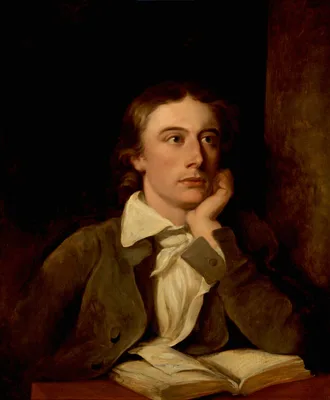
Keats was a pupil and dresser at Guy’s Hospital from 1815-16, and was licensed to practice upon completion of his studies. While struggling to launch his poetic career he was often tempted to practice medicine, …
1813 CE
#13214
Kaitai hatsumo [Explanation of Human Anatomy]. 5 vols.
The first Japanese exposition of the whole system of human anatomy, based on original observation. The work includes the records of three dissections performed in Kyoto in 1783, 1798, and 1802. “A Japanese treat…
1854 CE
#14061
Kitab fi tashrih beden al-insan [in Persian; English translation: Anatomy of the human body]. Lithographed text.
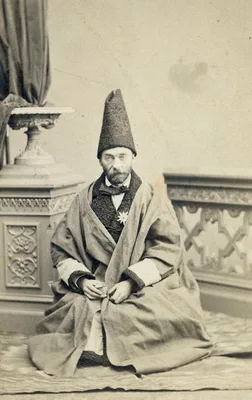
The first original Persian-language anatomy textbook based on western medical science, printed in a very small number of copies for the use of Polak’s Persian students. Polak, an Austrian physician, was responsi…
1555 CE
#283
L'histoire de la nature des oyseaux, avec leurs descriptions, et naïfs portraicts retirez du naturel escrite en sept livres.
![BELON, Pierre [Pierre Belon du Mans; Petrus Bellonius Cenomanus] (1517 – 1564)](/media/portraits/9632)
Belon’s book on birds is well illustrated, including plates of the skeletons of man and bird side by side and in the same posture, to compare them bone for bone. Digital facsimile from the Internet Archive at th…
1551 CE
#278
L'histoire naturelle des estranges poissons marins, avec la vraie peincture & description du daulphin, & de plusieurs autres de son espece.
This, Belon’s first biological work, is regarded as the earliest modern scientific work in the field of comparative anatomy. Finely illustrated with woodcuts. Digital facsimile from the Internet Archive at this …
1474 CE
#5552
La ciroxia vulgarmente fata.
![SALICETO, Guglielmo da [WILLIAM OF SALICETO] (1210 – 1277)](/media/portraits/6798)
Saliceto was Professor of Surgery at Bologna about 1268; his treatise on surgery, written about 1275, was the leading work on the subject in the 13th century. William broke with tradition by claiming that pus formatio…
1982 CE
#6610.16
La curieuse destinée des planches anatomiques de Gerard de Lairese, peintre en Hollande – Lairesse, Bidloo, Cowper.
1994 CE
#7547
La fabbrica del corpo: Libri e dissezione nel Rinascimento.
Translated into English by John Tedeschi and Anne C. Tedeschi as Books of the body: Anatomical ritual and Renaissance learning, Chicago: University of Chicago Press, 1999.
1903 CE
#11132
La pratique des autopsies.
Considered the most beautiful book on autopsies. Digital facsimile from BnFgallica at this link.
1873 CE–1892 CE
#7473
La scienza e la pratica della anatomia patologica.
Divided into six parts, as follows: Book I: Delle alterazioni di prima formazione (on teratology) Book II: Delle ipertrofie Book III: Delle atrofie Book IV: Dell’infiammazione e della mortificazione Book V: Dei …
1991 CE
#8959
Le vocabulaire latin de l'anatomie.
1800 CE–1805 CE
#311
Leçons d’anatomie comparée. 5 vols.
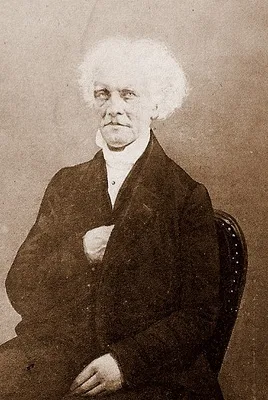
Cuvier played a leading part in the development of paleontology and stimulated the study of comparative anatomy. He ranks with von Baer as one of the founders of modern morphology. Vols. 1-2 ed. by C. Duméril, …
1872 CE
#2301
Leçons de pathologie expérimentale.
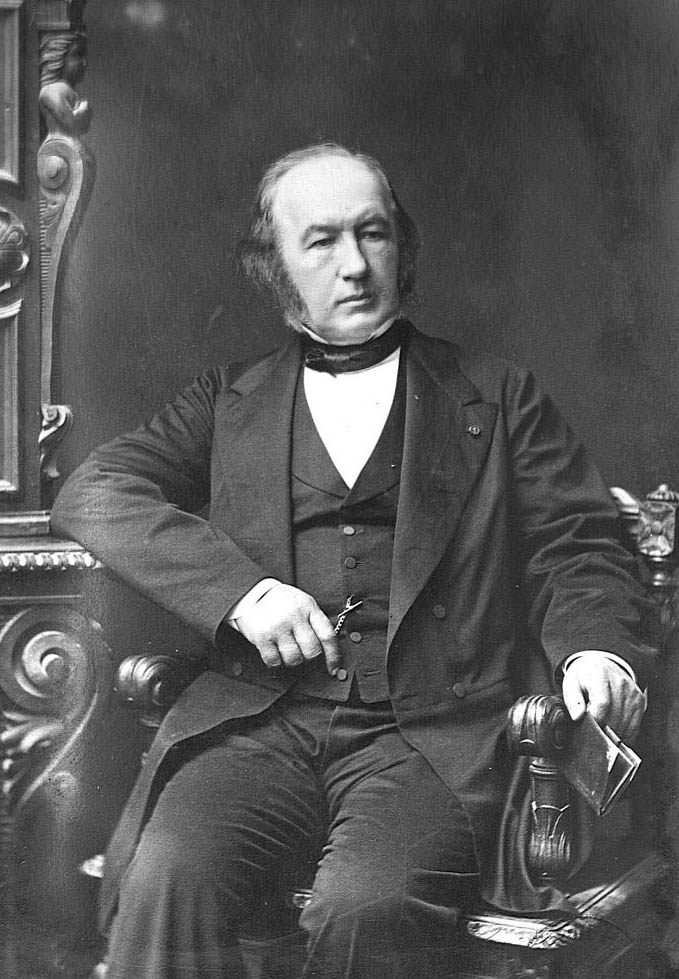
An elaboration of his lectures on the subject at the Collège de France.
1832 CE–1834 CE
#2247
Leçons orales de clinique chirurgicale. 4 vols.
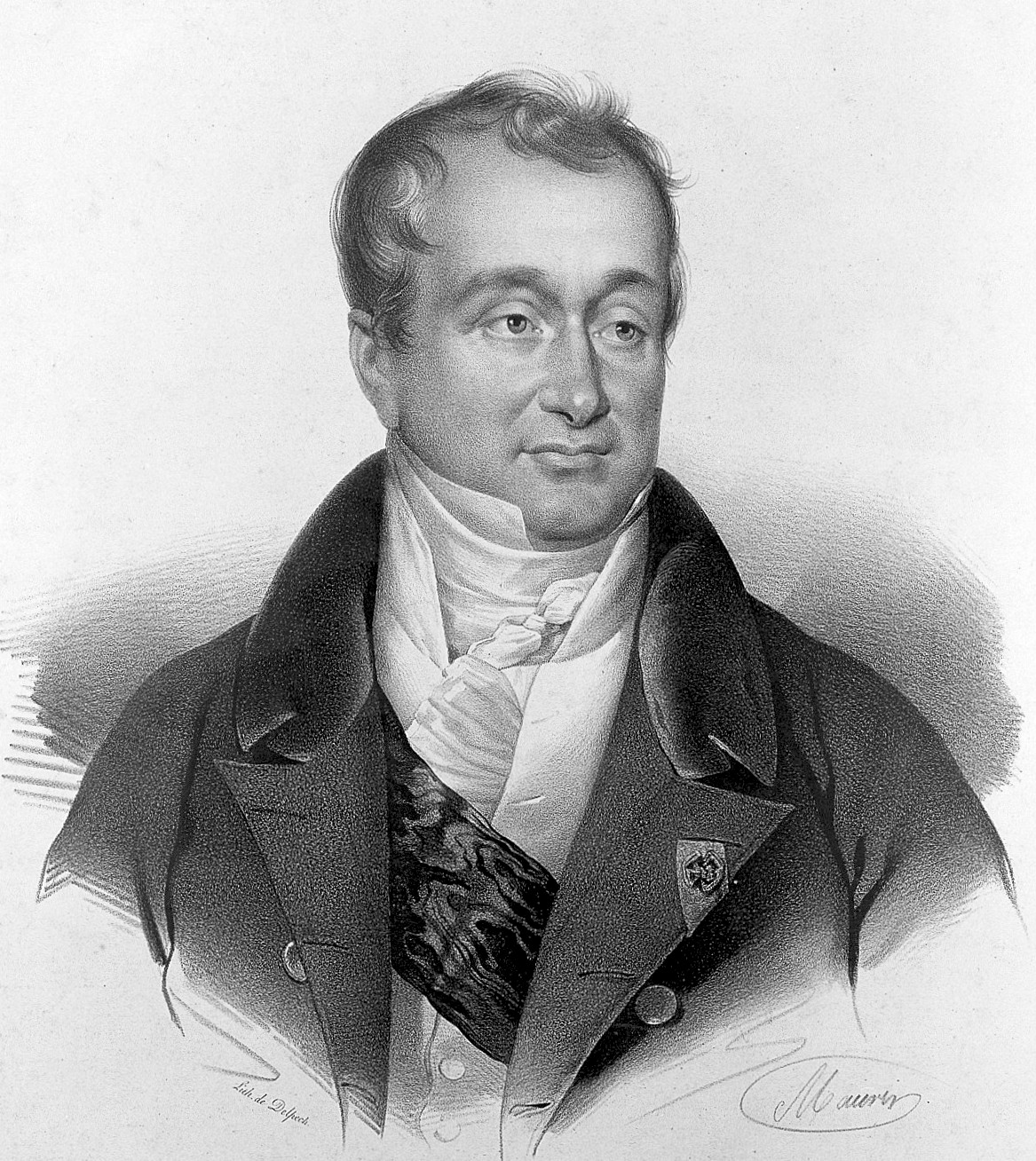
Dupuytren was born in poverty and died a millionaire. He became the best surgeon of his time in France. He was a “shrewd diagnostician, an operator of unrivaled aplomb, a wonderful clinical teacher, and a good e…
1878 CE
#1276
Leçons sur l’histologie du système nerveux. 2 vols.
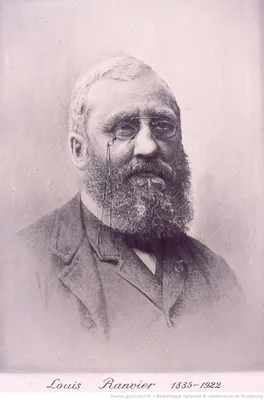
Includes his description of the “nodes of Ranvier”, interruptions of the medullary nerve sheaths.
1892 CE
#2307
Leçons sur la pathologie comparée de l'inflammation, faites à l'institut Pasteur en Avril et Mai 1891.
Metchnikoff delivered his classic lectures on inflammation in French at the Pasteur Institute. They were translated into Russian as Lektsii o sravnitelnoi patologii vospaleniy, and published in St. Petersburg by K. L.…
1857 CE–1881 CE
#12016
Leçons sur la physiologie et l'anatomie comparée de l'homme et des animaux faites a la Faculté des Sciences de Paris. 14 vols.
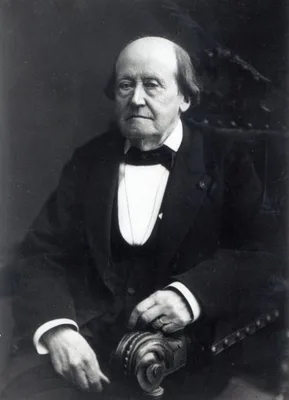
Digital facsimile of all the volumes from Google Books; vol. 1 at this link.
1575 CE
#284
Lectiones Gabrielis Falloppi de partibus similaribus humani corporis, ex diversis exemplari eus a Volchero Coiter summa cum diligentia collecta. His accessere diversorum animalium sceletorum explicationes iconibus artificiosis, et genuinis illustratae.
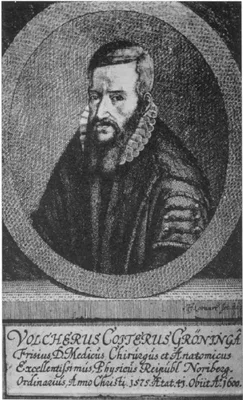
Coiter, a pupil of Fallopius and Eustachius, became town physician of Nuremberg. His book on comparative osteology, contained in his edition of the lectures of Fallopius, extended his studies begun in his work of 1572…
1846 CE
#2902
Lectures illustrative of various subjects in pathology and surgery.
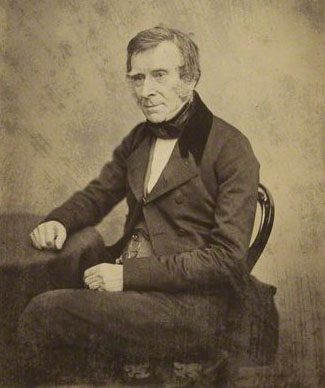
Page 361 contains the first description of intermittent claudication in man. This was first reported (in the horse) by “Boullay” [?J. Bouley] in Arch. gén. Méd.,1831, 27, 425. P. 186: Brodie'…
1814 CE–1828 CE
#315
Lectures on comparative anatomy, in which are explained the preparations in the Hunterian collection
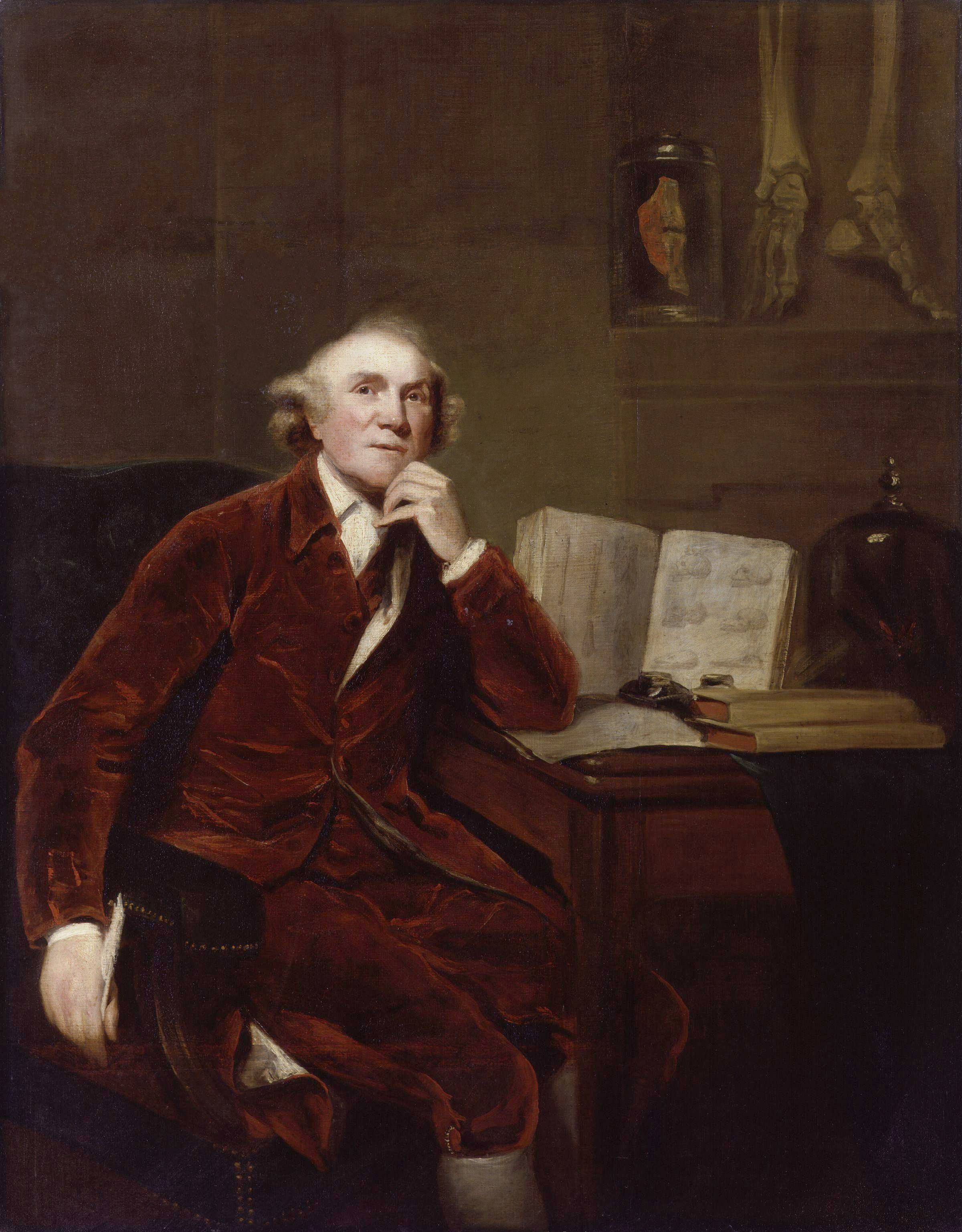
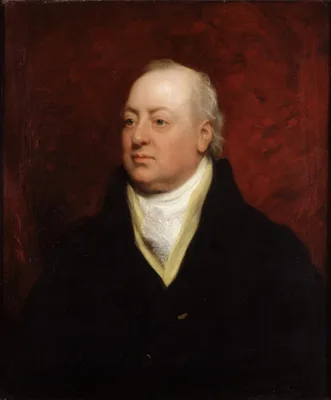
Home plagiarized this large work from the manuscripts of John Hunter, his late father-in-law, and, as a result, of immense importance for publication of Hunter’s researches, and for aspects of Hunter's collectio…
1894 CE
#11652
Lectures on the diagnosis of abdominal tumors. Reprinted from the New York Medical Journal.
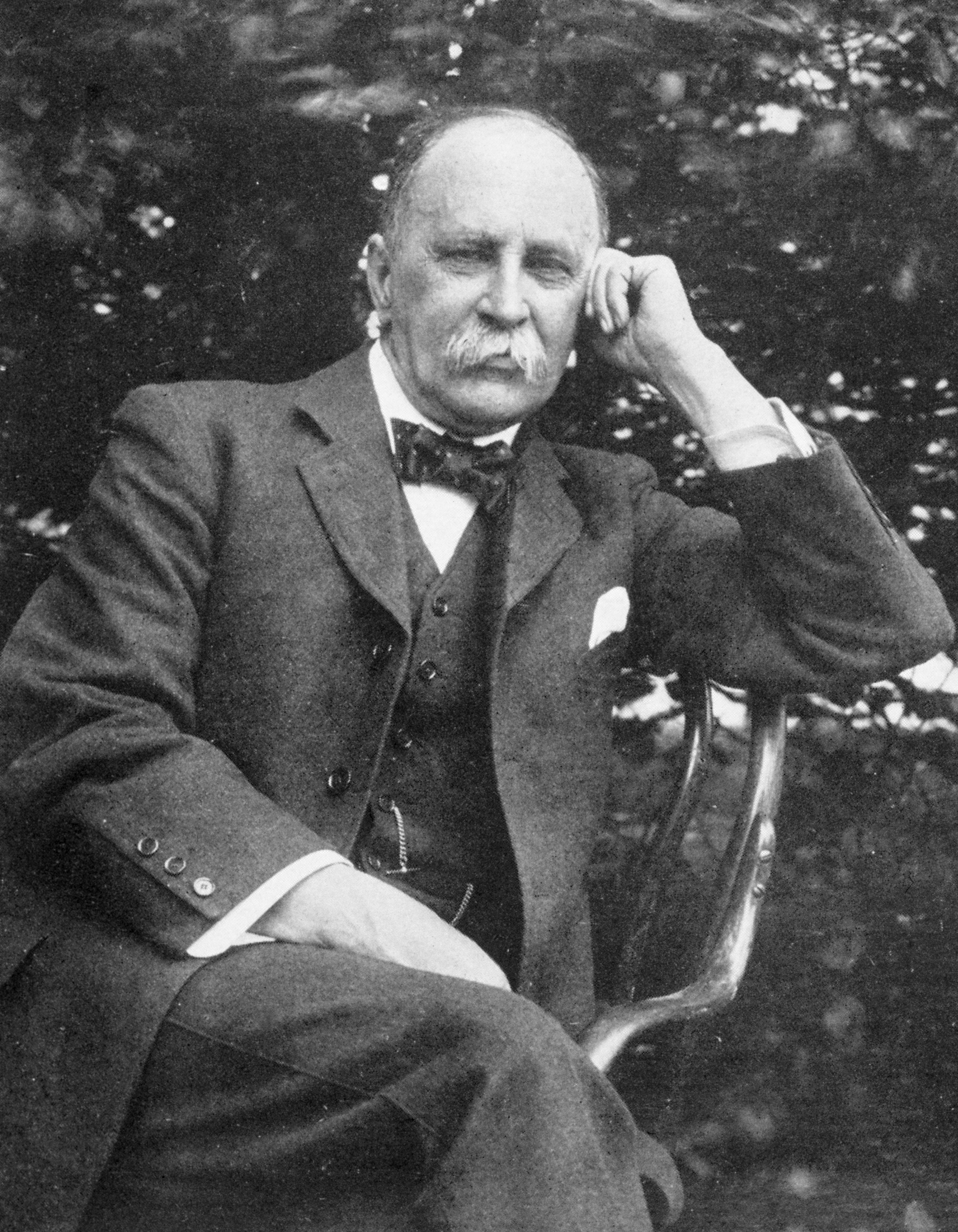
This 165-page "monograph, based on lectures delivered to the postgraduate class at the Johns Hopkins Hospital in 1893, includes 67 case reports and 43 illustrations, some of which are photographs that depict patients …
1961 CE
#7033
Lectures on the iconography of the Chirurgia of Vidus Vidius and the De dissectione of Estienne and Rivière. Given at the University of California Los Angeles October 1961
"Fifty copies of this collection of papers have beem printed for private circulation." Half title and cover title of the volume: Mannerism and Medical Illustration.
1836 CE
#2290
Lectures on the morbid anatomy of the serous and mucous membranes. 2 vols.
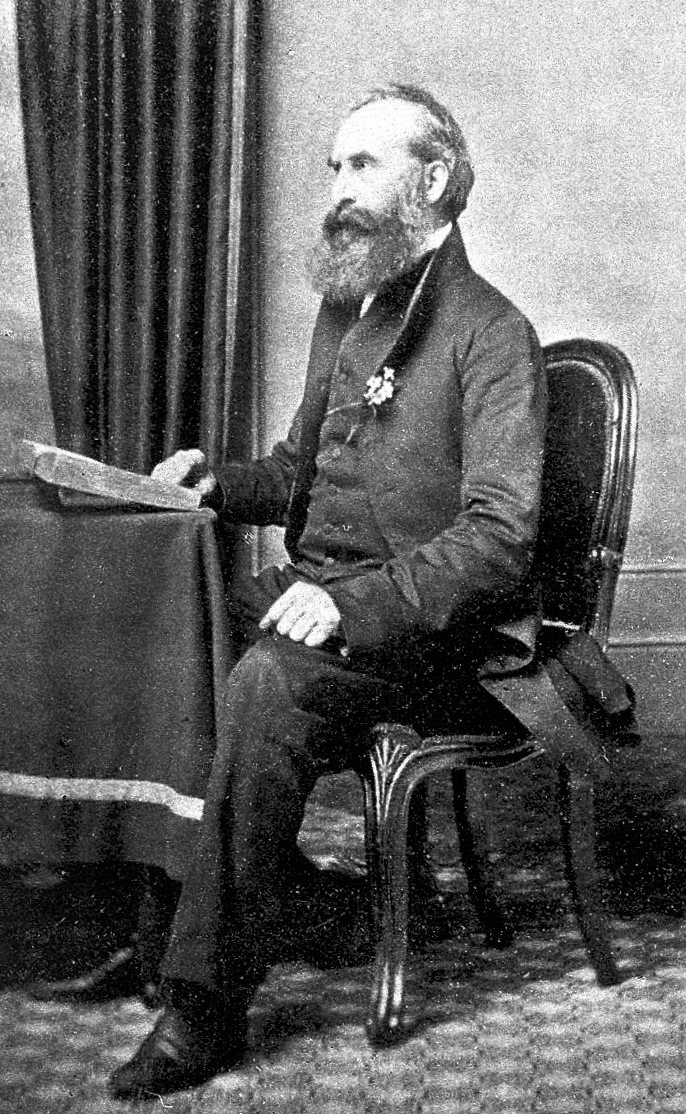
Important work which stimulated the study of tissue pathology in England. Hodgkin was the first in England to give a regular lecture course in morbid anatomy, which he began at Guy’s in 1827. Vol. 2, pt. 2 was n…
1881 CE–1882 CE
#2305
Lehrbuch de allgemeinen und speciellen pathologischen Anatomie und Pathogenese.
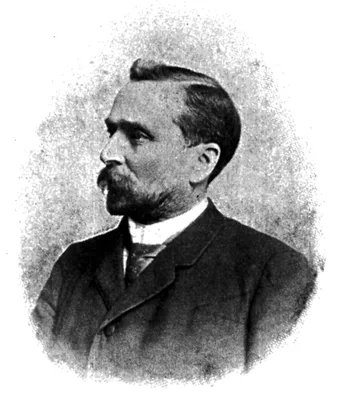
An outstanding textbook which today remains of value to pathologists. Ziegler was Professor of Pathology at Freiburg, and founded the Beiträge zur pathologischen Anatomie (“Ziegler’s Beiträge&rdq…
1846 CE
#413
Lehrbuch der Anatomie des Menschen.
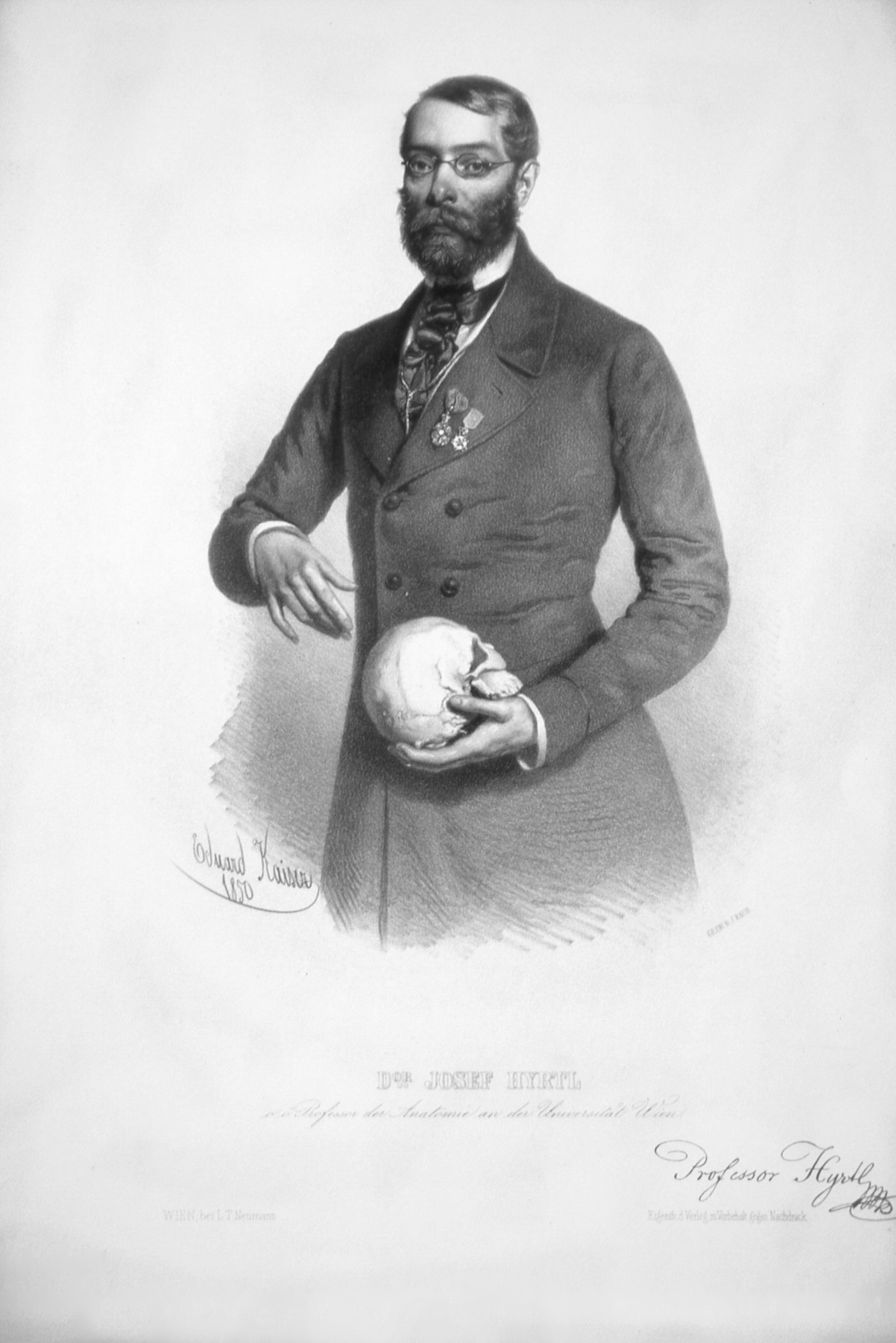
Hyrtl’s Lehrbuch passed through 22 editions and was translated into the principal modern languages.
1906 CE
#434
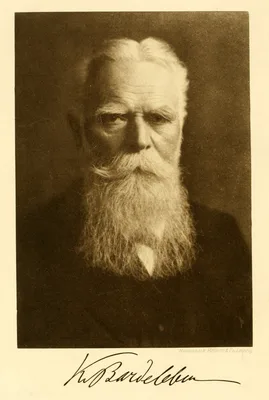
Lehrbuch der systematischen Anatomie des Menschen.
1883 CE
#343
Lehrbuch der vergleichenden Anatomie der Wirbelthiere.
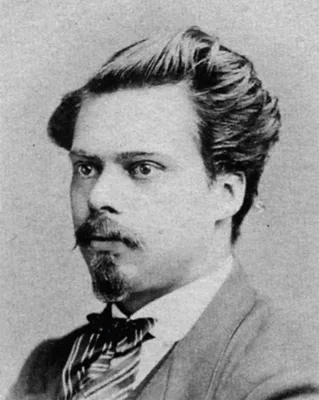
English translation, London, 1886. Digital facsimile of the 1883 edition from the Biodiversity Heritage Library, Internet Archive, at this link.
1846 CE–1848 CE
#331
Lehrbuch der vergleichenden Anatomie. 2 vols.
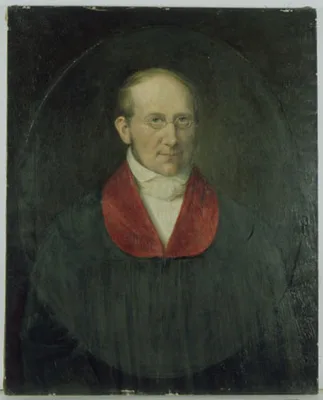
![SIEBOLD, Carl Theodor Ernst von [Karl] (1804 – 1885)](/media/portraits/231)
Vol. 2 was published in 1846; Vol. 1 in 1848. Digital facsimiles of both vols. from Biodiversity Heritage Library at this link. Siebold was the author of Vol. 1, on invertebrates; he introduced the taxa Arthropoda and…
1952 CE
#366
Leonardo da Vinci on the human body. The anatomical, physiological, and embryological drawings of Leonardo da Vinci. With translations, emendations, and biographical introduction by Charles D. O'Malley and J. B. de C. M. Saunders.
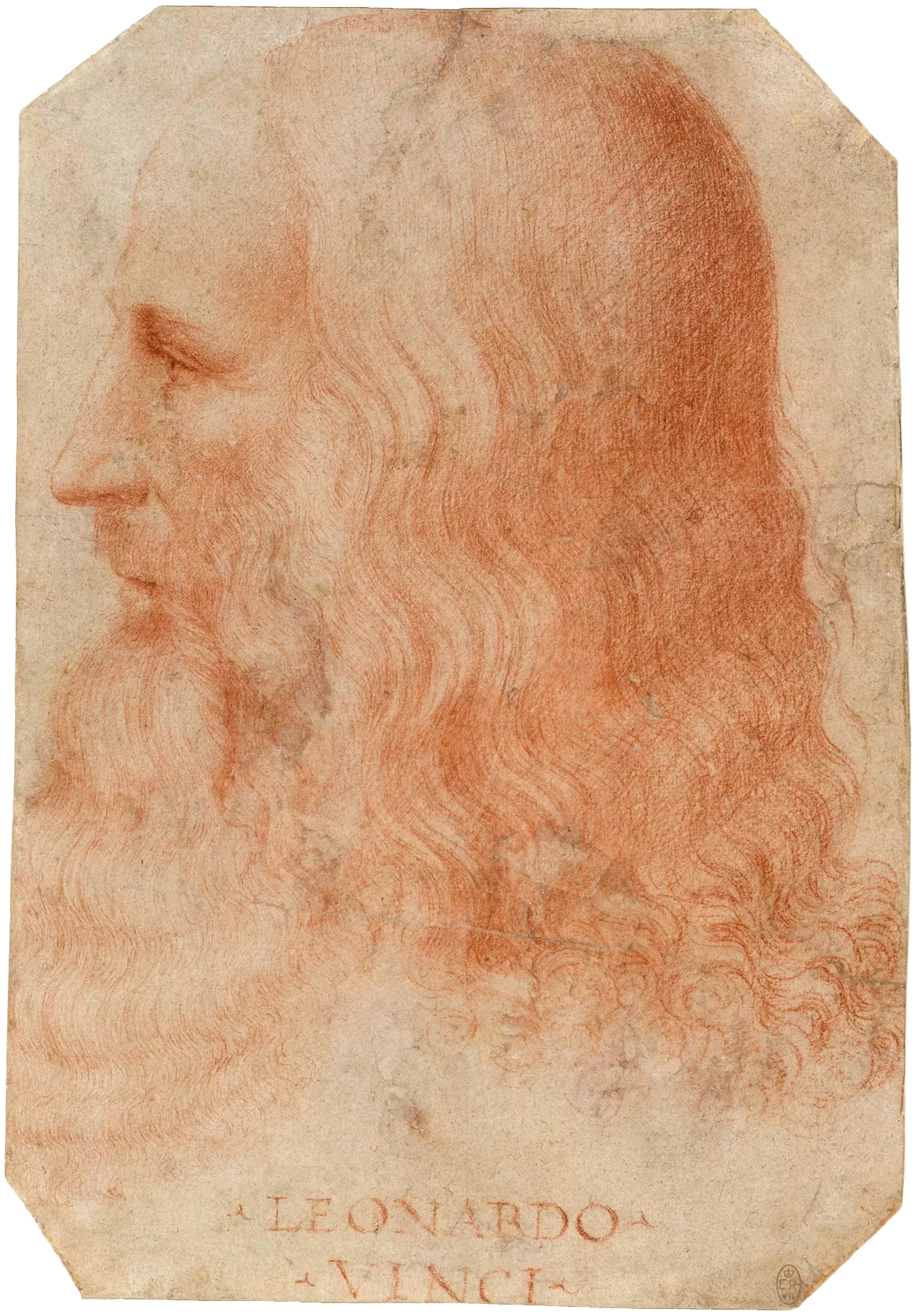
Includes 215 plates.
1911 CE–1916 CE
#365
Leonardo da Vinci: Quaderni d’anatomia I-VI. Fogli della Royal Library di Windsor, pubblicati da Ove C.L. Vangensten, A. Fonahn, H. Hopstock. 6 vols.
Leonardo, “the greatest artist and scientist of the Italian Renaissance, was the founder of iconographic and physiologic anatomy” (Garrison). He made over 750 sketches of all the principal organs of the bo…
2011 CE
#10697
Leonardo da Vinci's anatomical world: Language, context and "disegno". Edited by Alessandro Nova and Domenico Laurenza.
1966 CE
#11090
Les main mutilées dans l'art prehistorique.
A comprehensive study by a physician of the numerous tracings and impressions of mutilated hands that appear in prehistoric painted caves or parietal art.
1983 CE
#12308
Les maladies à l'aube de la civilisation occidentale. Recherches sur la réalité pathologique dans le monde grec préhistorique, archaïque et classique.
1903 CE
#7217
Les tumeurs du rein.
Seminal work on renal tumors with unsurpassed descriptions of the clinical semiology of these diseases. In 1903 Albarran was the first "... to diagnose transitional cell carcinoma of the renal pelvis by detecting mali…
1881 CE
#7707
Lésions osseuses de l'homme préhistorique en France et en Algérie.
Le Baron attempted diagnosis and predicted etiology on thousands of bones collected at the Musée Broca, the Musée Dupuytren, and the Musée d'Histoire Naturelle.. Digital facsimile from BnF Gallica…
1502 CE
#363.4
Liber anathomie corporis humani & singulorum membrorum illius.
“The first systematic and sufficiently detailed examination of the human body since Mundinus, far outstripping the latter in scientific accuracy” (Lind, Pre-Vesalian anatomy, 10, also 141-56). See also Nos…
1536 CE
#1536
Liber introductorius anatomiae sive dissectionis corporis humani; in quo quam plurima membra, operationes, & utilitates tam ab antiquis, quam a modernis praetermissa manifestantur.
A practical manual for dissection, showing how to carry out an anatomy from the first incision onwards. Massa based his work on his experience gained from numerous dissections that he had undertaken in the hospital of…
1477 CE
#10725
Liber phsionomiae [and other works].
![SCOT, Michael [Michael Scotus] (1175 – 1232)](/media/portraits/12461)
"Composed between 1209 and 1226, the first of the two primary texts discusses human generation — anatomy, physiology, astrology, sexual behavior, conception and the health of the fetus. The second part, the Phys…
1554 CE–1555 CE
#282
Libri de piscibus marinis, in quibus verae piscium effigies expressae sunt. (Universae aquatilium pars altera.) 2 vols.
Rondelet wrote this book with the idea of verifying Aristotle, but in it he described many forms of fishes for the first time. The book is an accurate account of his investigation of Mediterranean fishes and marine an…
1542 CE
#374
Libro de anatomia In: Remedio de cuerpos humanos y silva de experiencias y otras cosas utilissimas: nuevamente compuesto…
Text in Spanish and Latin. Digital facsimile from Google Books at this link.
1551 CE
#378.01
Libro de la anathomia del hombre.
The first Spanish anatomy book in the Spanish language, the second anatomy book ever published in Spain, and the work that introduced Vesalian illustrations to Spain. The text is a version of Henri de Mondeville&rsquo…
1856 CE
#11146
Manuel d'anatomie pathologique générale et appliquée: Contenant la description et le catalogue du Musée Dupuytren.
Digital facsimile from Google Books at this link.
1869 CE–1876 CE
#2300
Manuel d’histologie pathologique. 3 pts.
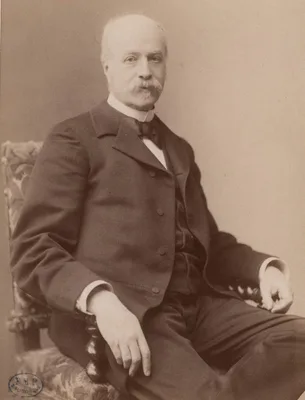
English translations, Philadelphia, 1880, and London, 1882-86.
1991 CE
#10202
Max Brödel, The man who put art into medicine
In the late 1890s, Brödel was brought to the Johns Hopkins School of Medicine to illustrate for Harvey Cushing, William Halsted, Howard Kelly, and other notable clinicians. Besides creating a prolific amount of w…
1855 CE–1869 CE
#422
Medical anatomy: or, illustrations of the relative position and movements of the internal organs. 7 pts.
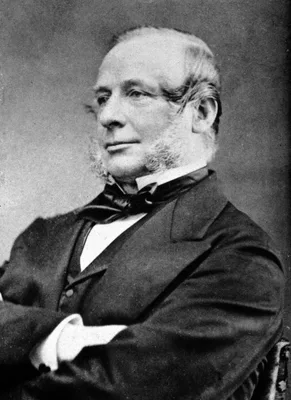
Sibson was professor of medicine at St. Mary’s Hospital. “Sibson’s fascia” and “muscle” are named after him. Plates 19-21 show movements, structure and sounds of the heart.
1554 CE
#2271
Medicina. 3 pts.
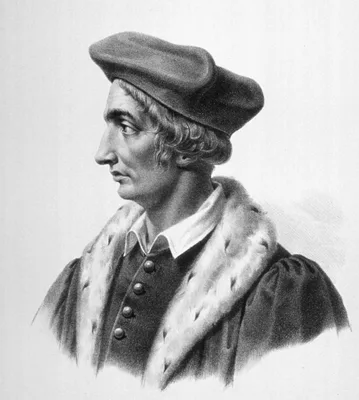
The first systematic treatise on pathology, which also introduced the names for the sciences of pathology and physiology. In the second part, entitled “Pathologia”, Fernel provided the first systematic ess…
2019 CE
#10777
Medicine and religion in the life of an Ottoman sheikh: Al-Damanhuri's "clear statement" on anatomy.
1832 CE
#325
Memoir on the pearly nautilus (Nautilus pompilius, Linn.).
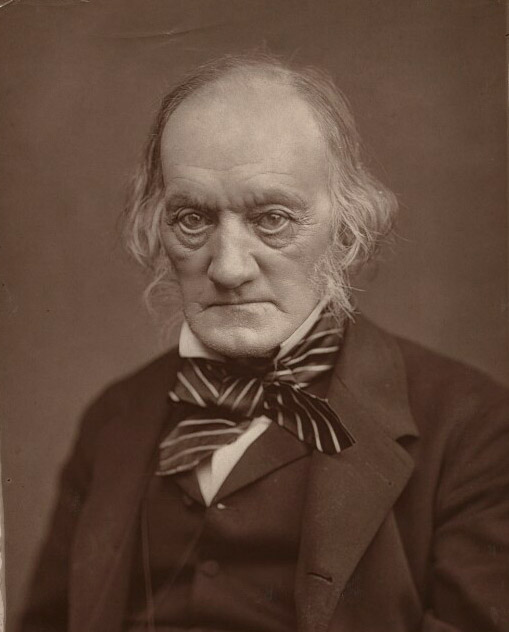
1799 CE
#7292
Mémoire sur les espèces d’éléphans vivantes et fossiles.
Using comparative anatomy, Cuvier demonstrated that the African elephant was a separate species from the Indian elephant, and that the fossil or “mammoth” elephant was yet another species distinct from the…