Facets
Browse across eight MeSH (opens in new tab) facets — era, geography, science, specialty, technology, history, culture, and reference. Select one tag per group; counts update across the others.
Clear filtersFacet filters
Geography
Specialties & Disease
- Anatomy & Pathology 765
- Cardiology & Blood 914
- Neurology & Psychiatry 1,256
- Obstetrics & Reproductive 550
- Infectious Disease (General) 147
- Surgery & Anesthesia 1,551
- Public Health 1,129
- Immunology & Dermatology 1,404
- General Clinical Medicine 480
- Military Medicine 436
- Psychology 202
- Alternative & Fringe Medicine 383
- Pediatrics 247
- Ophthalmology & Vision 412
- ENT & Hearing 293
- Urology & Nephrology 309
- Gastroenterology & Hepatology 316
- Pulmonary & Respiratory 233
- Rheumatology, Rehab & Pain 188
- Internal, Emergency & Geriatric 123
- Veterinary Medicine 165
- Epidemiology & Demography 397
- Physiology & Embryology 923
- Dentistry 259
- Plagues & Epidemics 1,279
- Microbiology & Virology 1,080
Social & Historical Studies
Institutions & Culture
Reference & Scholarly Works
914 entries match Cardiology & Blood [C14 / C15]
1876 CE
#3125.1
Erkrankung des Knochenmarkes bei perniciöser Anämie.
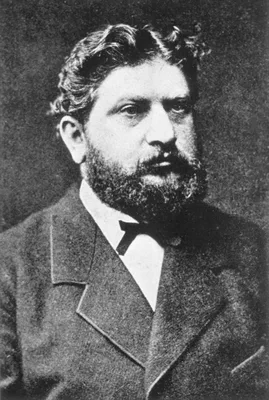
Cohnheim gave a more convincing account than Pepper of the bone-marrow changes in pernicious anemia.
1932 CE
#14087
Erythroblastosis fetalis and its association with universal edema of the fetus, icterus gravis neonatorum and anemia of the newborn.
The authors described and named this syndrome/illness of newborns for the first time, including pathological findings, clinical data, lab abnormalities, presentation and course of illness. Order of authorship in the o…
1912 CE
#2914
Esclerosis secundaria de la arteria pulmonar y su cuadro clinico (Cardiacos negros).
A classical description of “Ayerza’s syndrome or disease” (cor pulmonale), to which Arrillaga named after Abel Ayerza, who first mentioned the disease in a lecture given in 1901. Corvisart mentioned …
1843 CE
#3060
Essai d’hématologie pathologique.
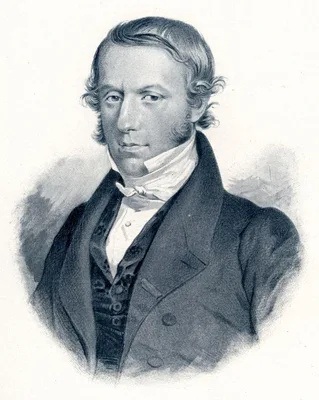
The first monograph on hematology in its "modern" sense. Andral established analysis of the blood on the basis of exact knowledge of the blood components. He analysed the blood fibrin and albumin. He recognized severa…
1806 CE
#2737
Essai sur les maladies et les lésions organiques du coeur et des gros vaisseaux.
Corvisart really created cardiac symptomatology and made possible the differentiation between cardiac and pulmonary disorders. He was first to explain heart failure mechanically and to describe the dyspnoea of effort.…
1914 CE
#3029
Etude expérimentelle sur la chirurgie des valvules du coeur.
Tuffier carried out the first successful experimental operation for the relief of chronic valvular disease. He also operated successfully in a case of aortic stenosis.
1876 CE
#7215
Études historiques, physiologiques et cliniques sur la transfusion du sang.
An excellent and well-documented treatise on blood transfusion, including a comprehensive history of the subject from its beginnings in the seventeenth century to its revival in the nineteenth after a long period of d…
1821 CE
#2016
Examen du sang et de son action dans les divers phénomènes de la vie.
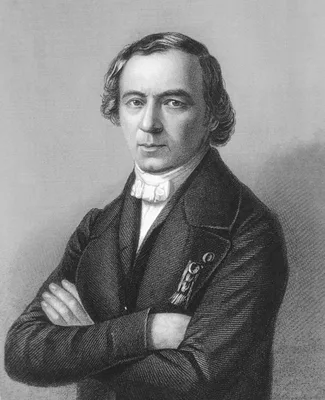
First successful use of defibrinated blood for animal transfusions. This was the first attempt to prevent coagulation during transfusion.
1649 CE
#10658
Exercitatio anatomica de circulatione sanguinis.
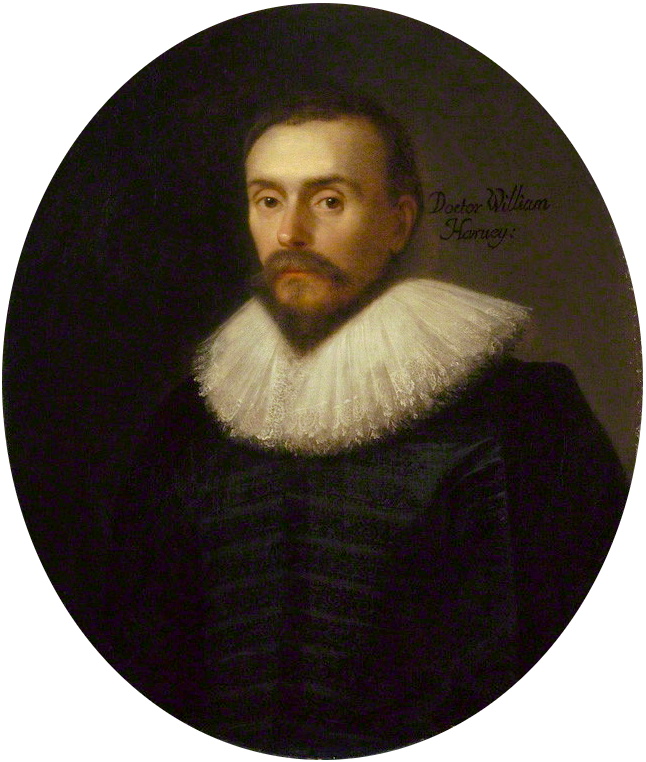
In this work Harvey first described the circulation of blood through the coronary arteries. Harvey also described experiments that he made to provide further support to his theory of the circulation since the publicat…
1628 CE
#759
Exercitatio anatomica de motu cordis et sanguinis in animalibus.
Discovery and experimental proof of the circulation of the blood. Together with Vesalius’s Fabrica (1543), Harvey’s De motu cordus shares the honor as the greatest book in the history of medicine. Since an…
1843 CE
#3059
Experimental and practical researches on inflammation and on the origin and nature of tubercles of the lungs.
Addison made important observations on the blood corpuscles. He is by some considered “the world’s first hematologist”. He gave the first description of leucocytosis, so named by Virchow in 1858, and…
1843 CE
#2294
Experimental and practical researches on the structure and function of blood corpuscles; on inflammation; and on the origin and nature of tubercles in the lungs.
Addison gave an important account of the process of inflammation. See L.J. Rather, Addison and the white corpuscles: An aspect of nineteenth-century biology. London, Wellcome Institute, 1972. See also No. 3059.
1930 CE
#5630.3
Experimental shock. The cause of the low blood pressure produced by muscle injury.
Blalock “demonstrated that surgical shock is not due to the elaboration of toxins nor to reflex neurologic mechanisms, but … to decrease in circulating the blood volume” (M.M. Ravitch). He wrote man…
1925 CE
#909
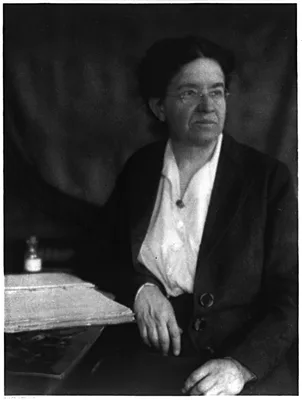
Experimental studies on the origin and maturation of avian and mammalian red blood-cells.
1888 CE
#2542
Experimente über die bacterienfeindlichen Einflüsse des thierischen Körpers.
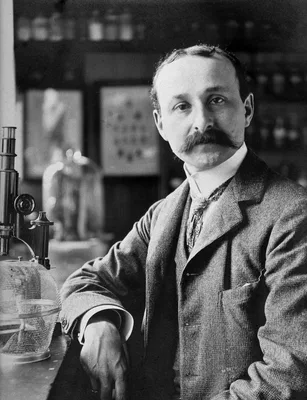
Working with the defibrinated blood of certain animals, Nuttall was the first to describe the bactericidal action of blood. Abridged English translation in Bibel, Milestones in immunology (1988).
1862 CE
#3008
Experimentelle Beiträge zur Lehre von der Embolie.
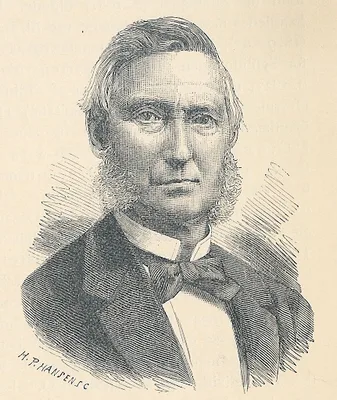
Experimental study of the effects of ligation of coronary vessels.
1884 CE
#1468
Experimentelle Beiträge zur Lösung der Frage über die specifische Energieder Hautnerven
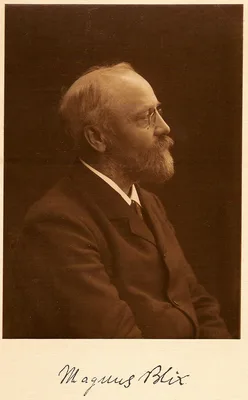
Besides his investigation of the specific energies of cutaneous nerves, Blix is remembered for his work on the thermodynamics of muscular contraction; he designed a muscle indicator diagram; he was also the first to s…
1908 CE
#3079.1
Experimentelle Leukämie bei Hühnern.
Cell-free transmission of fowl leukemia. Ellermann and Bang produced leukemia by means of a filterable agent.
1780 CE
#8589
Experiments establishing a criterion between mucaginous and purulent matter. An an account of the retrograde motions of the absorbent vessels of animal bodies in some diseases.
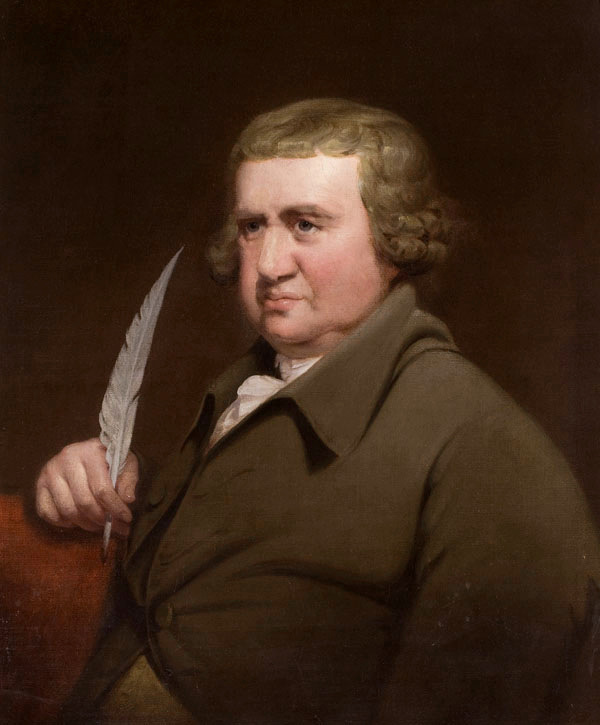
Includes the first description of the value of digitalis in the treatment of patients with heart failure, with discussion of several successful cases. Digital facsimile from Google Books at this link. Darwin and Withe…
1818 CE
#2015
Experiments on the transfusion of blood by the syringe.
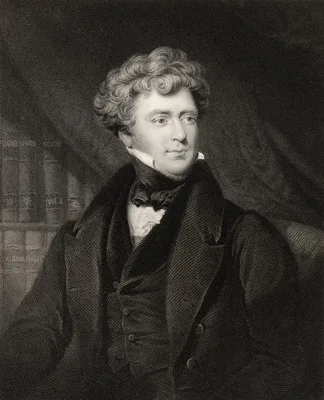
Blundell invented a syringe by means of which he was able to transfuse dogs.
1983 CE
#11531
Exploring the heart: Discoveries in heart disease and high blood pressure.
1935 CE
#11608
Failure of the circulation.
1859 CE
#2761.1
Fall af ruptura cordis.
An important account of myocardial infarction, with a histological finding of myocardial necrosis. Abbreviated translation, in German, in Acta med. scand., 1930, 73, 448-50.
1913 CE
#3014.1
Fall von Embolus aortae abdominalis, Operation, Heilung.
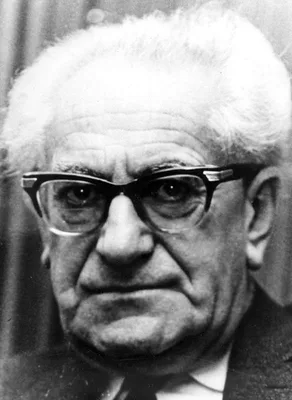
First successful aortic embolectomy.
1925 CE
#3087.1
Familial icterus gravis of the new-born and its treatment.
Successful exchange transfusion.
1927 CE
#3142
Familiäre infantile perniziösaartige Anämie (perniziöses Blutbild und Konstitution).
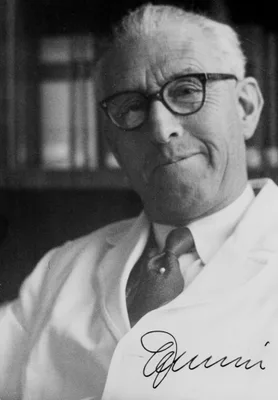
“Fanconi’s syndrome”, congenital hypoplasia of bone marrow with multiple congenital defects occurring as a familial disease.
1891 CE
#3069.1
Farbenanalytische Untersuchungen zur Histologie und Klinik des Blutes.
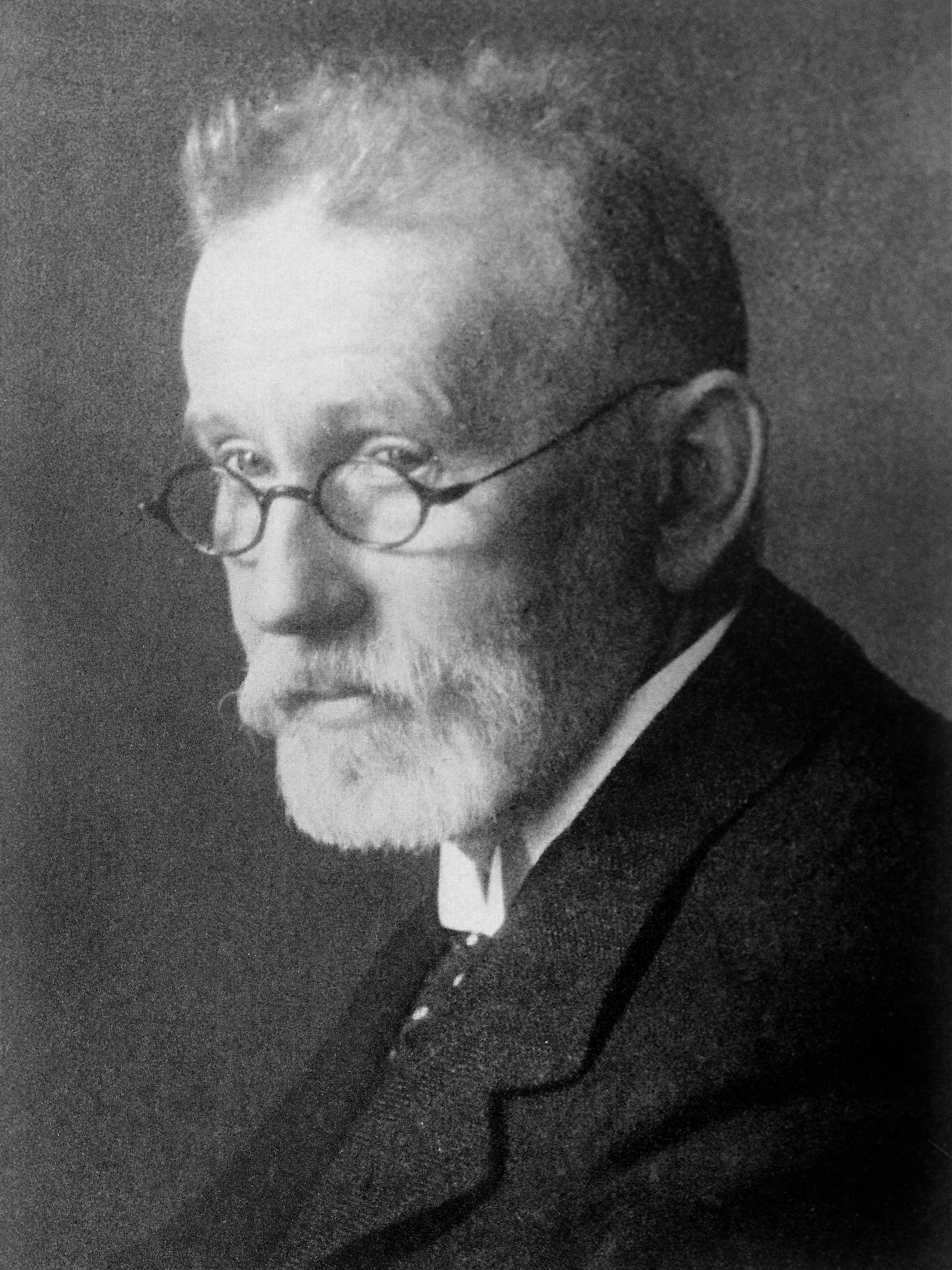
Extension of Ehrlich’s work on the differential blood count. By means of his methods of staining blood cells Ehrlich differentiated two types of leukemia, lymphatic and myelogenous.
1887 CE
#2791
Fibrillar contraction of the heart.
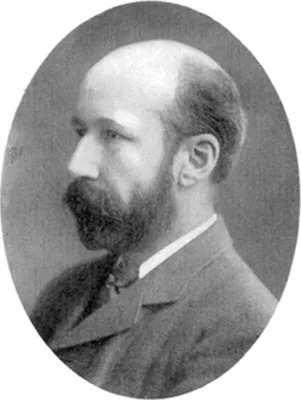
MacWilliam discovered that fibrillar contraction of the heart is due to “a rapid succession of incoordinated peristaltic contractions.” He clearly described auricular and ventricular fibrillation, and show…
2008 CE
#10362
Flesh and blood: Organ transplantation and blood transfusion in twentieth-century America.
1902 CE
#842
Galvanometrische registratie van het menschelijk electrocardiogram IN: Herinneringsbundel Prof. S.S. Rosenstein, pp.101-106.
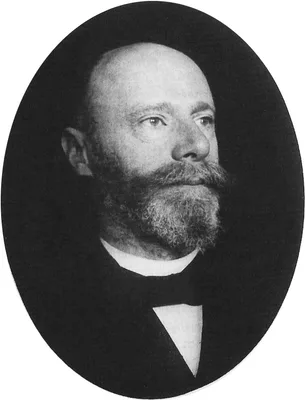
First description of Einthoven's string galvanometer that recorded electrical changes occurring in the human heart. Includes the first illustration of an EKG (ECG) recording. Modern electrocardiography became a realit…
1922 CE
#3086
Gangräneszierende Prozesse und Defekt des Granulocytensystems.
“Schultz’s syndrome” – first description of agranulocytic angina. Schultz reported four cases of necrotic ulcerative infection of the throat with complete or almost complete disappearance of po…
1957 CE
#3155.1
Gene mutations in human haemoglobin: the chemical difference between normal and sickle cell haemoglobin.
Sickle-cell hemoglobin differs from normal hemoglobin by a single amino acid (valine for glutamic acid).
1959 CE
#3155.2
Genetic basis of the thalassaemia diseases.
1912 CE
#2838
Glomerular lesions of subacute bacterial endocarditis.
Baehr drew attention to the renal lesions in subacute bacterial endocarditis.
1865 CE
#3915
Glycosurie, diabète sucré. In his Clinique médicale de l’Hôtel-Dieu, 2me. éd., 2, 663-98.
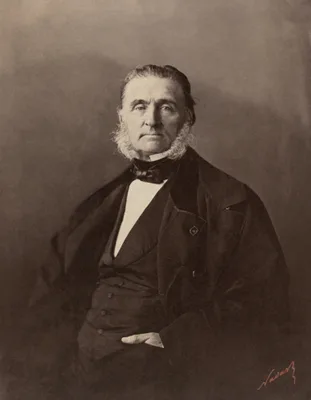
First description of hemochromatosis.
1731 CE
#3110
Godofredus Augustus Emmrich: Disseratione inauguralis De genuina chlorosis indole, origine et curatione. Von der wahren Eigenschaft, Ursprung und Cur der Bleichsucht.
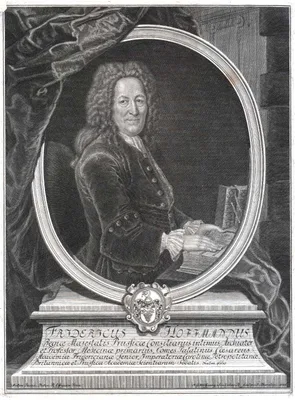
Classic description of chlorosis. Lange accurately diagnosed this condition, but it was left to Hoffmann to separate it as a definite entity. Hoffmann published his contribution to this subject in the thesis of his st…
1879 CE
#8852
Gold as a remedy in disease, notably in some forms of organic heart disease, angina pectoris, melancholy, tedium vitae, scrofula, syphilis, skin disease, & as an antidote to the ill effects of mercury.
Burnett, a homeopath, provided an excellent summary of the history of gold as it was used in medicine, with extensive references to the historical literature. Digital facsimile from the Hathi Trust at this link.
1940 CE
#2923
Grosse pulmonaire. Petite aorte. Affection congénitale.
Idiopathic dilatation of the pulmonary artery reported. With D. Routier and R. Heim de Balsac.
1883 CE
#1875
Grundriss der Arzneimittellehre.
Schmiedeberg, leading German pharmacologist, was professor at Dorpat and Strasburg. Among his many valuable investigations may be mentioned his study of the effect of drugs on the circulation.
1911 CE
#3082
Grundriss der hämatologischen Diagnostik.
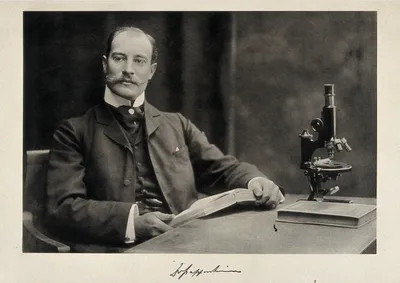
One of the leaders in modern hematology, Pappenheim improved the methods of staining blood cells.
1907 CE
#896
Haematologické studie u psychotiků.
Janský, a Czech serologist, neurologist and psychiatrist, tried to find a correlation between mental diseases and blood diseases. He found no such correlation, and published a study, the title of which translat…
1911 CE
#3081
Haemophilia.
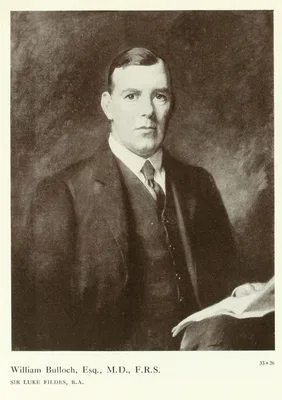
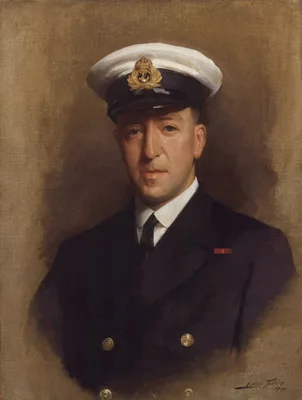
Bulloch and Fildes, in their detailed account of hemophilia, claimed to have established immunity to the disease in females, and denied the authenticity of published cases of female hemophilia. They confirmed the law …
1980 CE
#1588.17
Harvey and the Oxford physiologists. A study of scientific ideas.
1954 CE
#11714
Heart disease and industry with particular reference to workmen's compensation cases.
"The first monograph on the subject" (W. Bruce Fye).
1897 CE
#2805
Heart disease.
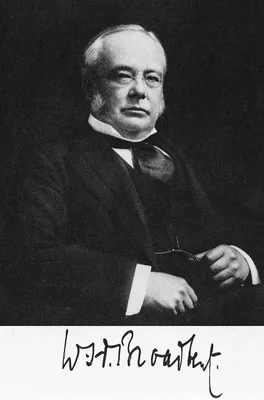
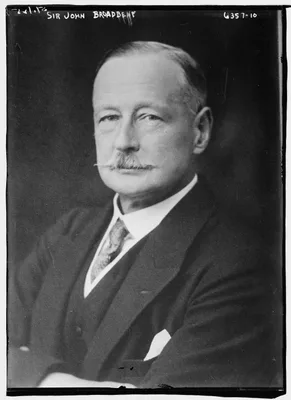
Chapter 17 includes J. Broadbent’s classic description of adherent pericardium. See Willius & Keys, Cardiac classics, 1941, pp. 712-15, for reproduction of part of this chapter.
1873 CE
#11749
Heart studies in Australia, with observations on aneurism of the aorta.
The first book on heart disease written by an Australian physician and published in Australia.
1985 CE
#3161.7
Hematology, the blossoming of a science: a story of inspiration and effort.
1938 CE
#3787.1
Hemolysins as the cause of clinical and experimental hemolytic anemias.
Acquired hemolytic anemia was the first condition to be recognized as an auto-immune disease.
1937 CE
#3096.1
Hemophilia. II. Some properties of a substance obtained from normal human plasma effective in accelerating the coagulation of hemophilic blood.
Antihemophilic globulin (factor VIII).
1909 CE
#5628