
Facets
Browse across eight MeSH (opens in new tab) facets — era, geography, science, specialty, technology, history, culture, and reference. Select one tag per group; counts update across the others.
Clear filtersFacet filters
Geography
Specialties & Disease
- Anatomy & Pathology 765
- Cardiology & Blood 914
- Neurology & Psychiatry 1,256
- Obstetrics & Reproductive 550
- Infectious Disease (General) 147
- Surgery & Anesthesia 1,551
- Public Health 1,129
- Immunology & Dermatology 1,404
- General Clinical Medicine 480
- Military Medicine 436
- Psychology 202
- Alternative & Fringe Medicine 383
- Pediatrics 247
- Ophthalmology & Vision 412
- ENT & Hearing 293
- Urology & Nephrology 309
- Gastroenterology & Hepatology 316
- Pulmonary & Respiratory 233
- Rheumatology, Rehab & Pain 188
- Internal, Emergency & Geriatric 123
- Veterinary Medicine 165
- Epidemiology & Demography 397
- Physiology & Embryology 923
- Dentistry 259
- Plagues & Epidemics 1,279
- Microbiology & Virology 1,080
Social & Historical Studies
Institutions & Culture
Reference & Scholarly Works
Drugs & Technology
436 entries match Military Medicine [G02.403.810.560]
1864 CE
#11905
Narrative of privations and sufferings of the United States officers and soldiers while prisoners of war in the hands of the rebel authorities. Being the report of a commission of inquiry, appointed by the United States Sanitary Commission. With an appendix, containing the testimony. Edited by Valentine Mott.
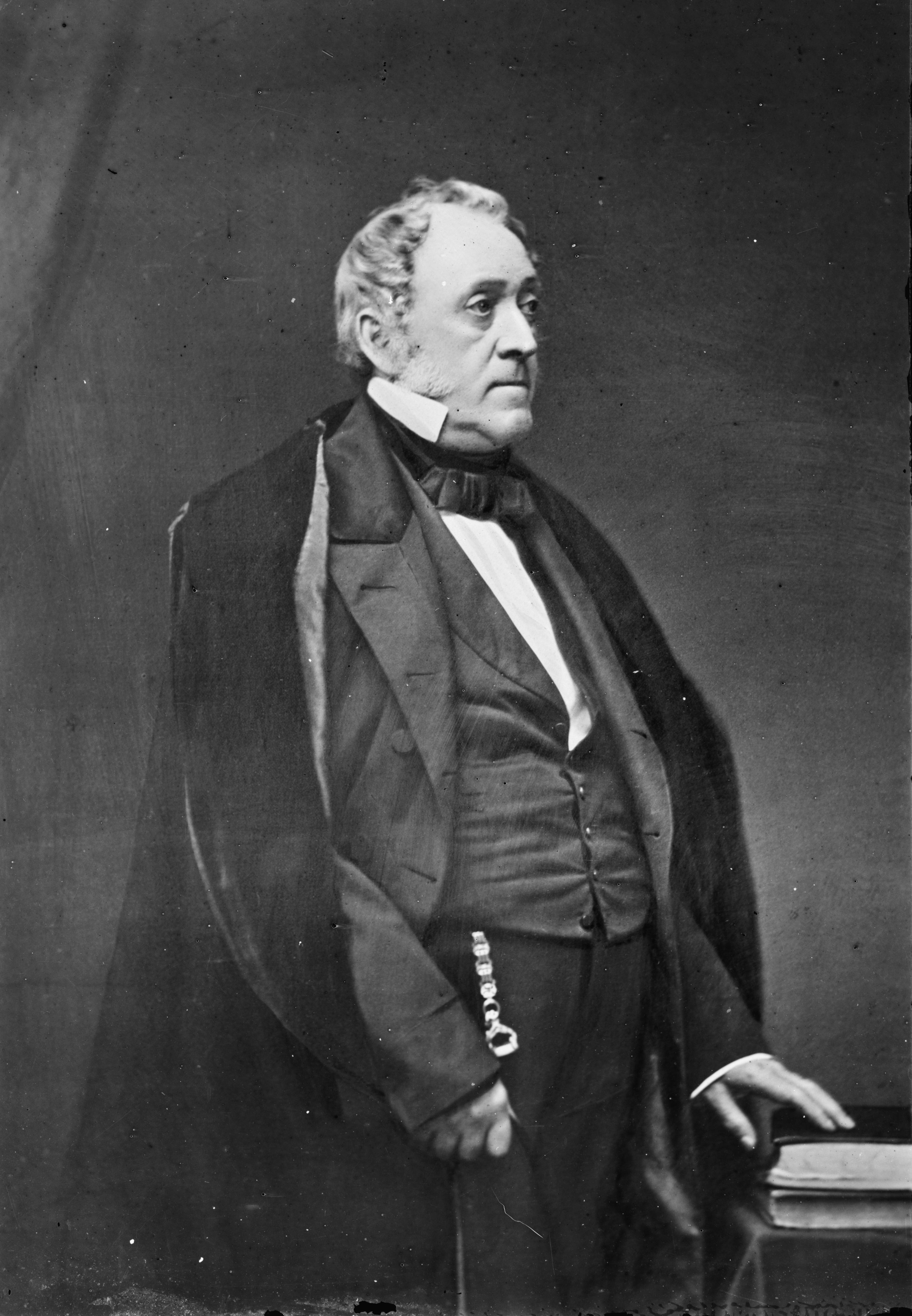
Includes four engravings based upon photographs of Union soldiers who were emaciated following imprisonment at Belle Isle. The contributors included Dorothea Dix and several military surgeons, including William Ely, G…
1978 CE
#2188.2
Naval and maritime medicine during the American revolution.
1870 CE
#13077
Naval hygiene, by Joseph Wilson, Surgeon United States Navy: With an Appendix: Moving wounded men on shipboards by Albert C. Gorgas, Surgeon United States Navy.

Digital facsimile from Google Books at this link.
1879 CE
#13078
Naval hygiene. Human health and the means of preventing disease. With illustrative incidents principally derived from naval experience.
Includes chromolithographed plates. Digital facsimile of the second edition (1879) from Google Books at this link. WorldCat cites only this second edition with this title and Wilson's work of 1870 (No. 13077). Therefo…
2008 CE
#10246
Navy medicine in Vietnam: Oral histories from Dien Bein Phu to the fall of Saigon.
2010 CE
#8016
Navy medicine in Vietnam: Passage to freedom to the fall of Saigon.
1615 CE
#2142
New Feldt Arztny Buch von Kranckheiten und Schäden, so in Kriegen den Wundartzten gemeinlich fürfallen.
Fabry’s book includes an early description of a field drug chest for army use. He was one of the most eminent surgeons of his time, although not prepared to adopt all the teachings of Paré. He had conside…
1919 CE
#2137.4
Note préliminaire sur l’étude des effets de la force centrifuge sur l’organisme.
The first anti-blackout device. Proposed the use of the g belt to prevent the flow of blood to the abdomen.
1863 CE
#7813
Notes and observations on army surgery.
Digital facsimile from the Internet Archive at this link.
1862 CE
#2166.1
Notes on arrow wounds.
The definitive work on American Indian arrow wounds suffered by U. S. troops and settlers in frontier warfare during the Western expansion of the United States. Bill eventually developed a "Forceps for the Extraction …
1859 CE
#1611
Notes on hospitals.
Includes four plans of hospitals. A third edition, completely revised, was published by Longmans, Green & Co., London, 1863.
1858 CE
#7481
Notes on matters affecting the health, efficiency, and hospital administration of the British Army. Founded chiefly on the experience of the late war. Presented by request to the Secretary of State for War.
This privately printed pamphlet contained a color statistical graphic entitled "Diagram of the causes of mortality in the Army of the East" which showed that epidemic disease, which was responsible for more British de…
1860 CE
#1612
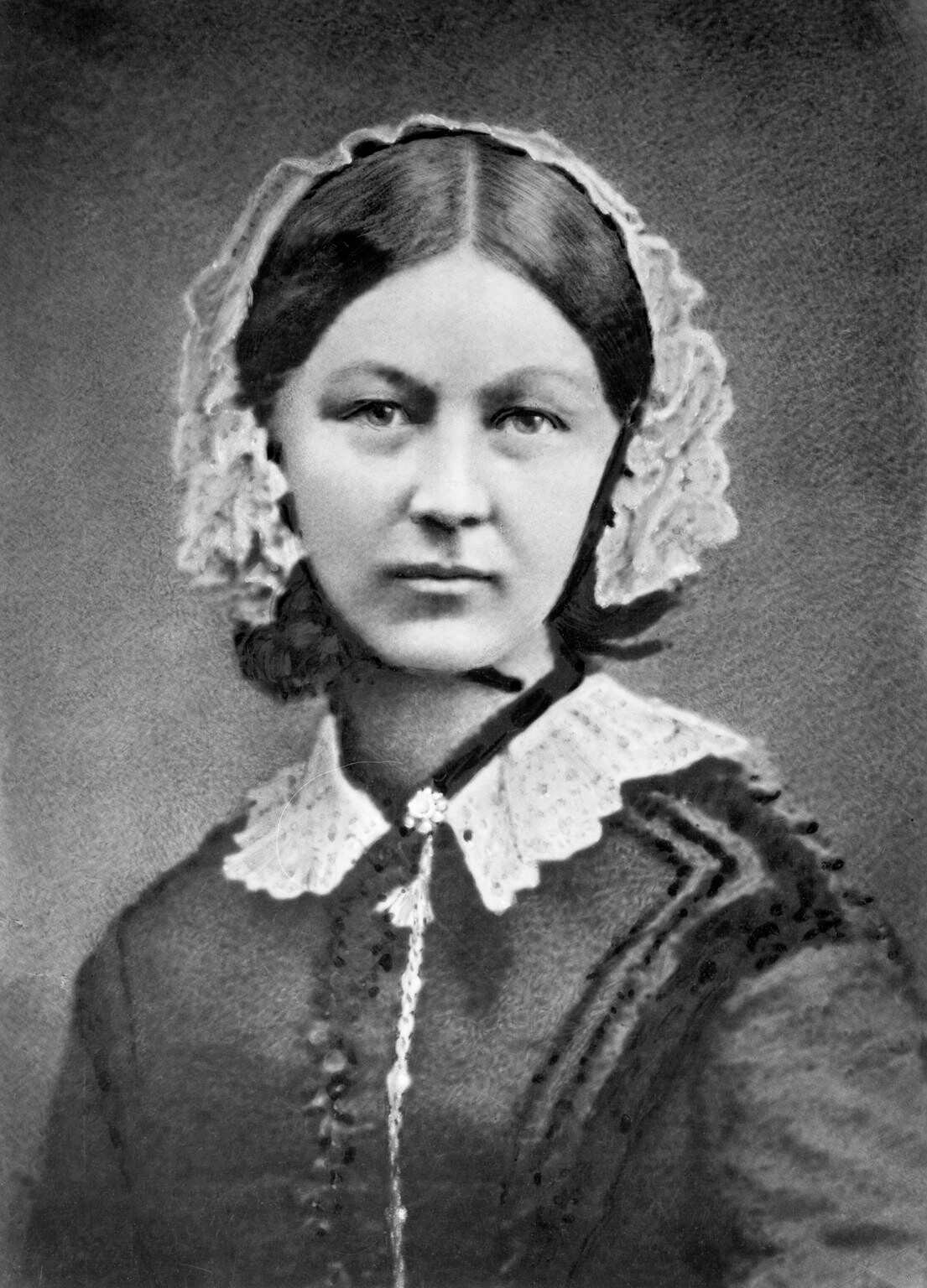
Notes on nursing: what it is, and what it is not.
After receiving training in Germany and France, Florence Nightingale had some nursing experience in England. The Crimean war gave her an opportunity to demonstrate the value of trained nurses. Within a few months of h…
1922 CE
#2185
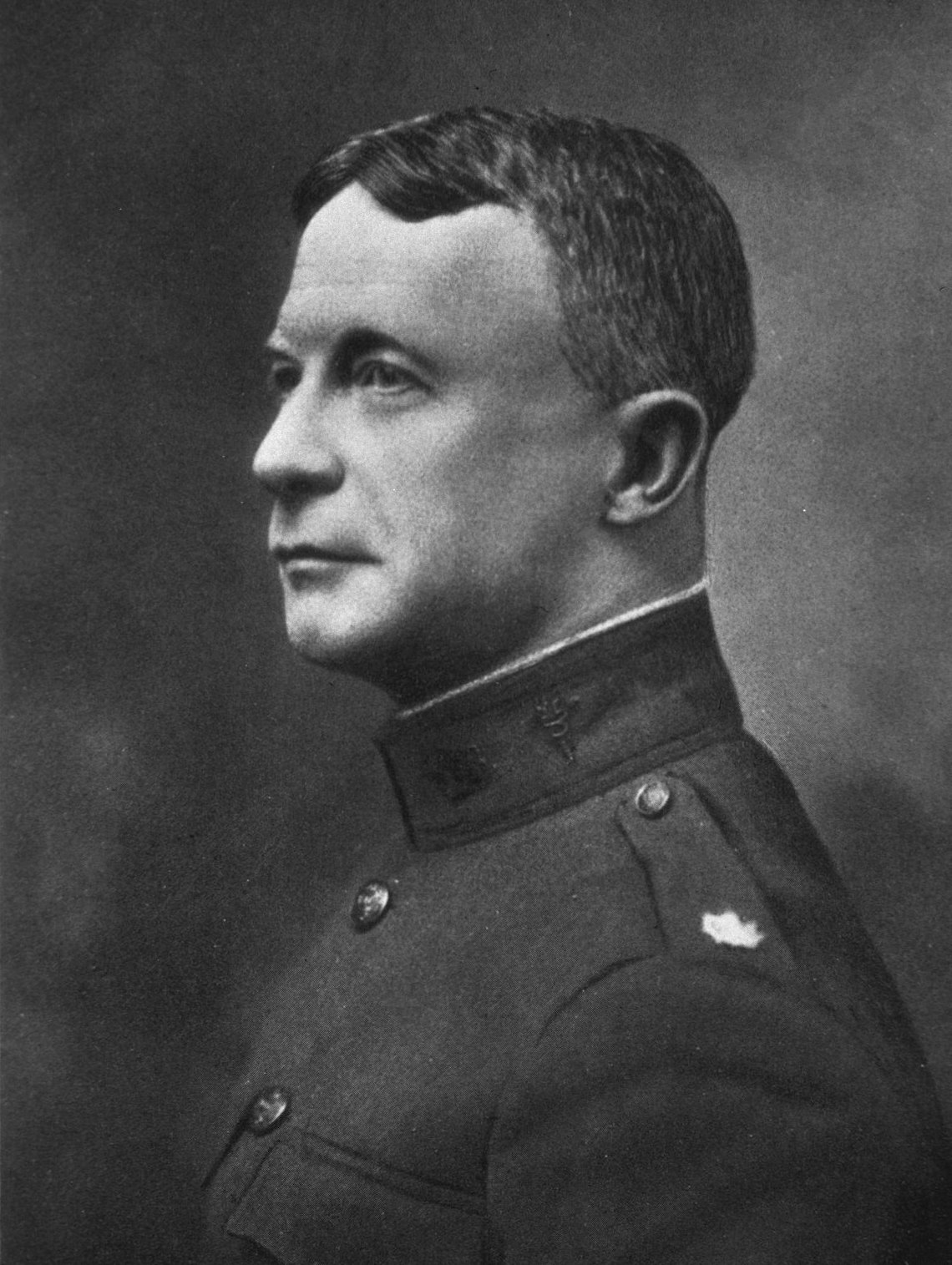
Notes on the history of military medicine.
1858 CE
#9312
Notes on the surgery of the war in the Crimea, with remarks on the treatment of gunshot wounds.
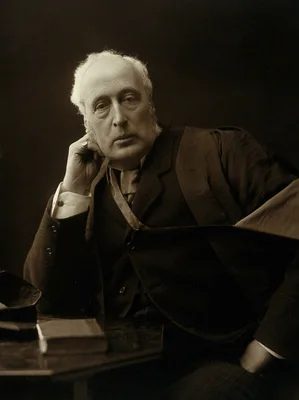
Digital facsimile from Google Books at this link. Reprinted in Richmond, Virginia in 1862 during the American Civil War for the Confederate States Army by J. W. Randolph; digital facsimile of the Richmond edition from…
2016 CE
#8997
Nurse writers of the great war.
1803 CE
#13611
Observations et réflexions sur le scorbut, d'après celui qui a régné parmi les troupes françaises formant la garnison d'Alexandrie (en Egypte), pendant le Blocus et le Siége de cette ville, en l'an IX (1801), par les Armées combinées des Turcs et des Anglais.
The author was a military surgeon on Napoleon's Egyptian campaign. Digital facsimile from BnF Gallica at this link. (32pp.)
1818 CE
#2162
Observations on some important points in the practice of military surgery.
“A valuable surgical record of the Napoleonic period” (Garrison).
1785 CE
#2158
Observations on the diseases incident to seamen.
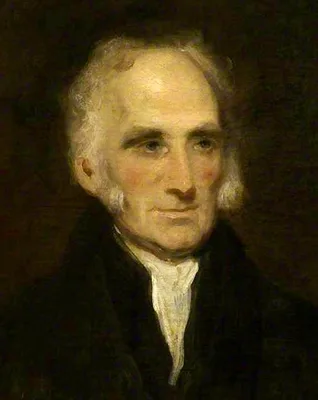
William Hunter recommended Blane as private physician to Admiral Rodney; Blane sailed with him to the W. Indies and became physician to the British Fleet. He was held in great esteem in the navy and was instrumental i…
1752 CE
#2150
Observations on the diseases of the army, in camp and garrison.
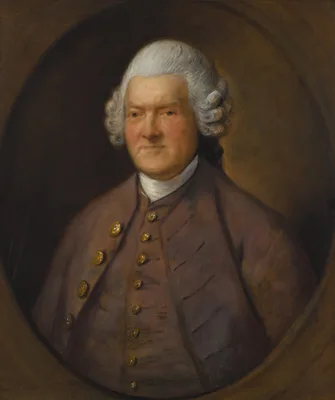
Pringle, founder of modern military medicine, was Physician-General of the British Army from 1744 to 1752. His books lay down the principles of military sanitation and the ventilation of barracks, gaols, hospital ship…
1780 CE
#9466
Observations on the diseases which appeared in the army on St. Lucia....To which are prefixed remarks calculated to assist in ascertaining the causes, and in explaining the treatment of those diseases.
Digital facsimile from Google Books at this link. Revised and expanded edition, 1781; digital facsimile of the 1781 edition from Google Books at this link.
1857 CE
#10376
Observations on the human crania contained in the Museum of the Army Medical Department, Fort Pitt, Chatham.
Reprinted from the Dublin Quarterly Journal of Medical Science, May and August, 1857. Digital facsimile from the Internet Archive at this link.
1779 CE
#9467
Observations on the management of the prevailing diseases particularly in the Army and Navy; together with a review of that in other countries, and arithmetical calculations of the comparative success of different methods of cure.
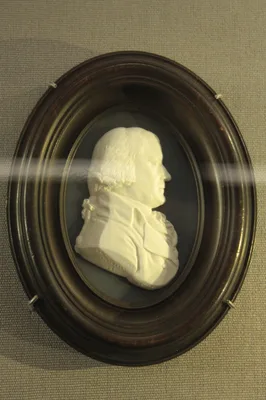
Millar promoted mathematical methods for computing the comparative success of different methods of cure. Digital facsimile from Google Books at this link.
1801 CE
#12053
Observations sur la maladies appelée peste, le flux dissentérique, l'ophtalmie d'Égypte, et les moyens de s'en préserver. Avec des notions sur la fièvre jaune de Cadix, et les projet et plan d'un hôpital, pour le traitement maladies épidémiques et contagieuses.
At the time of publication Assalini, a military surgeon with Napoleon, characterized himself on the title page as "Docteur en Médecine et Chirugien de 1re classe de la Garde des Consuls..." Digital facsimile fr…
1606 CE–1641 CE
#5570
Observationum et curationum chirurgicarum centuriae. 6 vols.
Fabricius’s most important work; it was the best collection of case-records available for many years. Among other things, Fabricius used a magnet to extract an iron splinter from the eye – an idea suggeste…
1764 CE
#2153
Oeconomical and medical observations … tending to the improvement of military hospitals, and to the cure of camp diseases, incident to soldiers.
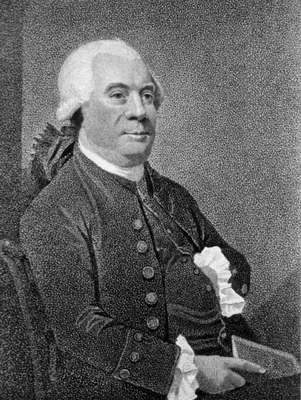
The best book of the century regarding military sanitation.
1930 CE–1943 CE
#9621
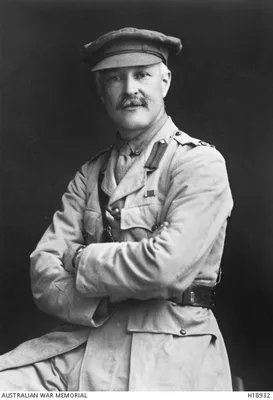
Official history of the Australian Army Medical Services in the war of 1914-1918
1953 CE–1956 CE
#9446
Official history of the Canadian Medical Services: 1939-1945. Vol. 1: Organization and campaigns. Vol. 2: Clinical subjects. Edited by W. R. Feasby. 2 vols.
Digital facsimiles from the Internet Archive at this link.
1815 CE
#2161
On gun-shot wounds of the extremities, requiring the different operations of amputation, with their after treatment.
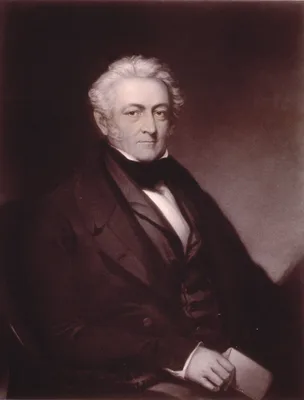
Guthrie was the leading British military surgeon during the first half of the 19th century. He served in the Napoleonic Wars; his book is one of the most important in the history of the subject.
1830 CE
#11604
On the diseases and injuries of arteries, with the operations required for their cure.
"Guthrie's experiences during the Peinsular War enabled him to make considerable improvements in practical surgery. These included introducing the practice of ligaturing both ends of a divided artery.... Guthrie made …
1798 CE–1801 CE
#10577
Opuscules du C[itoy]en Desgenettes, Médecin en chef de l'Armée d'Orient.
A collection of nine separately printed pamphlets issued by Napoleon's press in Cairo during his Egyptian campaign. See J.-F. Hutin, "La littérature médicale de la campagne d'Égypte", Histoire des…
1942 CE
#9217
Ornithologists of the United States Army Medical Corps, thirty-six biographies.
1996 CE
#9427
Orthopaedic injuries of the Civil War: An atlas of orthopaedic injuries and treatments during the Civil War.
1895 CE
#9001
Our army nurses. Interesting sketches, addresses, and photographs of nearly one hundred of the noble women who served in hospitals and on battlefields during our civil war.
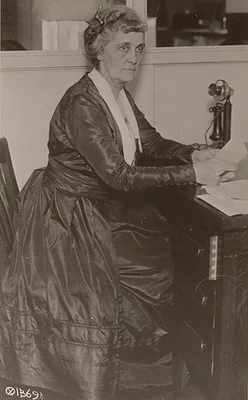
Digital facsimile from the Internet Archive at this link.
1863 CE
#7738
Outlines of the chief camp diseases of the United States Army as observed during the present war.
Digital facsimile from the Internet Archive at this link.
1938 CE
#1981
Oxygen for therapy and aviation: an apparatus for the administration of oxygen or oxygen and helium by inhalation.
1938 CE
#2137.9
Oxygen in aviation. The necessity for the use of oxygen and a practical apparatus for its administration to both pilots and passengers.
First acute case of decompression sickness recognized.
1868 CE
#5558
Pfolspeundt: Buch der Bündth-Ertznei. Hrsg. von H. Haeser und A. Middeldorpf.
Although not printed until 1868, this treatise was written about 1460, and is the first work of the early German surgeons. Pfolspeundt was a Bavarian army surgeon; his book includes the first allusion to the extractio…
2013 CE
#10372
Pharmacy in World War II.
1996 CE
#9426
Photographic atlas of Civil War injuries. Photographs of surgical cases and specimens. Otis Historical Archives.
1952 CE
#7175
Physics and medicine of the upper atmosphere. A study of the aeropause, edited by Clayton S. White and Otis O. Benson, Jr. Foreward by Harry G. Armstrong.
Proceedings of the first symposium on high altitude physics and medicine sponsored in the U.S. after World War II, summarizing research done in the nascent U.S. space program based on the V2 rocket, the WAC Corporal r…
1907 CE
#8108
Physiologie de l'aéronaute: Travail du laboratoire de la clinique médicale de l'Hôtel-Dieu. M. le Professeur Dieulafoy.
Physiological studies of balloonists; extensive bibliography. Digital facsimile from Google Books at this link.
1983 CE–1998 CE
#10797
Pictorial encyclopedia of Civil War medical instruments and equipment. 3 vols.
1775 CE
#2155
Plain, concise, practical remarks, on the treatment of wounds and fractures; to which is added an appendix, on camp and military hospitals; principally designed for the use of young military surgeons in North America.
The first surgical work written by an American and printed in North America. Jones’s work was the accepted guide to surgical practice during the American Revolutionary War.
1920 CE
#5758
Plastic surgery of the face.
Gillies introduced a tubed pedical flap in 1917.
1818 CE
#5182.1
Practical observations on fever, dysentery and liver complaints as they occur amongst European troops in India. With introductory remarks on the disadvantages of selecting boys for Indian military service.
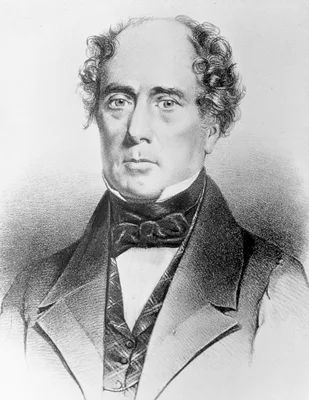
Ballingall distinguished between amoebic and bacillary dysentery. Digital facsimile from the Internet Archive at this link.
1843 CE
#8807
Practical observations on the principal diseases affecting the health of the European and native soldiers in the north-western provinces of India with a supplement on dysentery.
Digital facsimile from the Internet Archive at this link.
2010 CE
#7752
Practicing medicine in a black regiment: The Civil War diary of Burt G. Wilder, 55th Massachusetts, edited by Richard M. Reid.
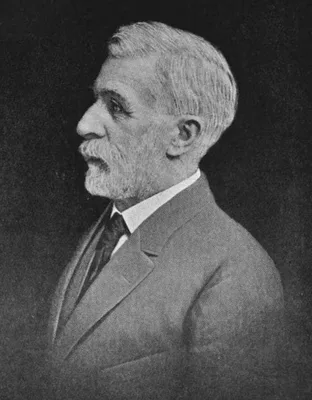

Wilder was a Harvard-trained white physician assigned to one of the first African American regiments in the American Civil War.
2007 CE
#8995
Pride of America, we're with you: The letters of Grace Anderson, U.S. Army Nurse Corps, World War I.
1939 CE
#2137.10
Principles and practice of aviation medicine.
Used by all American flight surgeons during World War II.