
Facets
Browse across eight MeSH (opens in new tab) facets — era, geography, science, specialty, technology, history, culture, and reference. Select one tag per group; counts update across the others.
Clear filtersFacet filters
Geography
Specialties & Disease
- Anatomy & Pathology 765
- Cardiology & Blood 914
- Neurology & Psychiatry 1,256
- Obstetrics & Reproductive 550
- Infectious Disease (General) 147
- Surgery & Anesthesia 1,551
- Public Health 1,129
- Immunology & Dermatology 1,404
- General Clinical Medicine 480
- Military Medicine 436
- Psychology 202
- Alternative & Fringe Medicine 383
- Pediatrics 247
- Ophthalmology & Vision 412
- ENT & Hearing 293
- Urology & Nephrology 309
- Gastroenterology & Hepatology 316
- Pulmonary & Respiratory 233
- Rheumatology, Rehab & Pain 188
- Internal, Emergency & Geriatric 123
- Veterinary Medicine 165
- Epidemiology & Demography 397
- Physiology & Embryology 923
- Dentistry 259
- Plagues & Epidemics 1,279
- Microbiology & Virology 1,080
Social & Historical Studies
Institutions & Culture
Reference & Scholarly Works
914 entries match Cardiology & Blood [C14 / C15]
1928 CE
#3156
Cardio-vascular diseases since Harvey’s discovery.
Harveian Oration, 1928.
1999 CE
#8608
Cardiology: The evolution of the science and the art. Second edition.
1923 CE
#3030.1
Cardiotomy and valvulotomy for mitral stenosis. Experimental observations and clinical notes concerning an operated case with recovery.
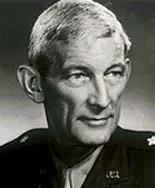
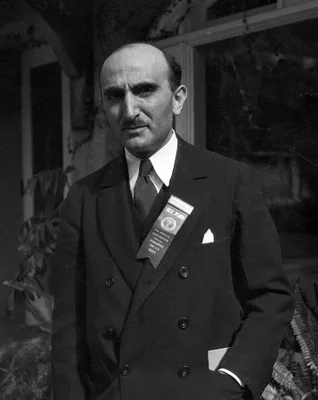
Successful section of mitral valve for relief of mitral stenosis.
1958 CE
#11543
Cardiovascular sound in health and disease. Being a comprehensive treatise, introduced by a historical survey, illustrated mainly by sound spectrograms (spectral phonocardiograms) and supplemented by an extensive bibliography. With a section on respiratory sound.
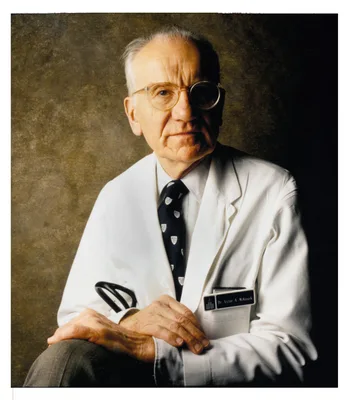
Digital facsimile from the Hathi Trust at this link.
2015 CE
#7855
Caring for the heart: Mayo Clinic and the rise of specialization.
The history of cardiology and cardiac surgery from the perspective of the history of the Mayo Clinic. Of special interest for details of the history of cardiac surgery in Minnesota. The book may be most remembered for…
1906 CE
#11731
Carl Weigert Gesammelte Abhandlungen unter Mitwirkung von Ludwig Edinger und Paul Ehrlich. Herausgegeben und Eingeleitet von Robert Rieder. 2 vols.
1776 CE
#11600
Case of an angina pectoris, with remarks. Farther account of the angina pectoris.
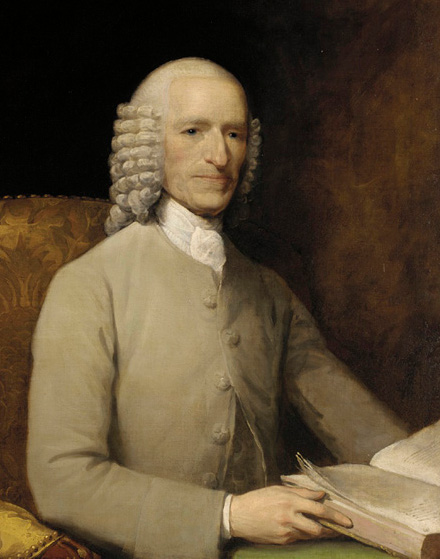
Fothergill was "the first physician to suspect on clinical grounds that the heart might be affected in this condition [angina pectoris] and he was the first to record abnormalities of the myocardium and coronary arter…
1845 CE
#3061
Case of hypertrophy of the spleen and liver, in which death took place from suppuration of the blood.
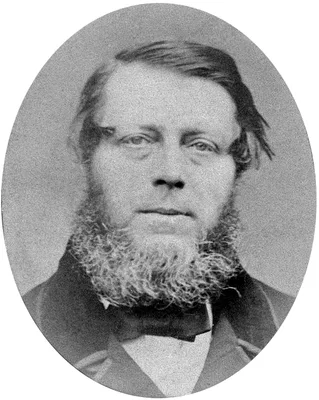
First definite description of leukemia as a blood disorder; a case under the care of Sir R. Christison but reported by Bennett. On p. 400 of the same journal is a report of a case by D. Craigie, referring to a patient…
1827 CE
#2745
Cases of diseases of the heart, accompanied by pathological observations.
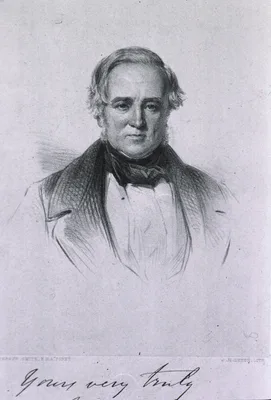
On p. 396 commences a classic account of heart block with syncopal attacks, the first complete description of this condition. Following the paper by Stokes (No. 2756) the eponym “Stokes–Adams syndrome&rdqu…
1809 CE
#10602
Cases of organic diseases of the heart. With dissections and some remarks intended to point out the distinctive symptoms of these diseases.
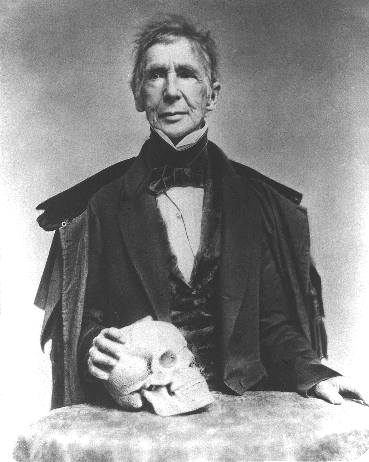
The first monograph on heart disease written and published in the United States. Digital text from Project Gutenberg at this link.
1872 CE
#2772
Cases of partial and general idiopathic pericarditis.
Pericarditis epistenocardiaca described.
1839 CE
#12222
Cases of spasmodic disease accompanying affections of the pericardium.
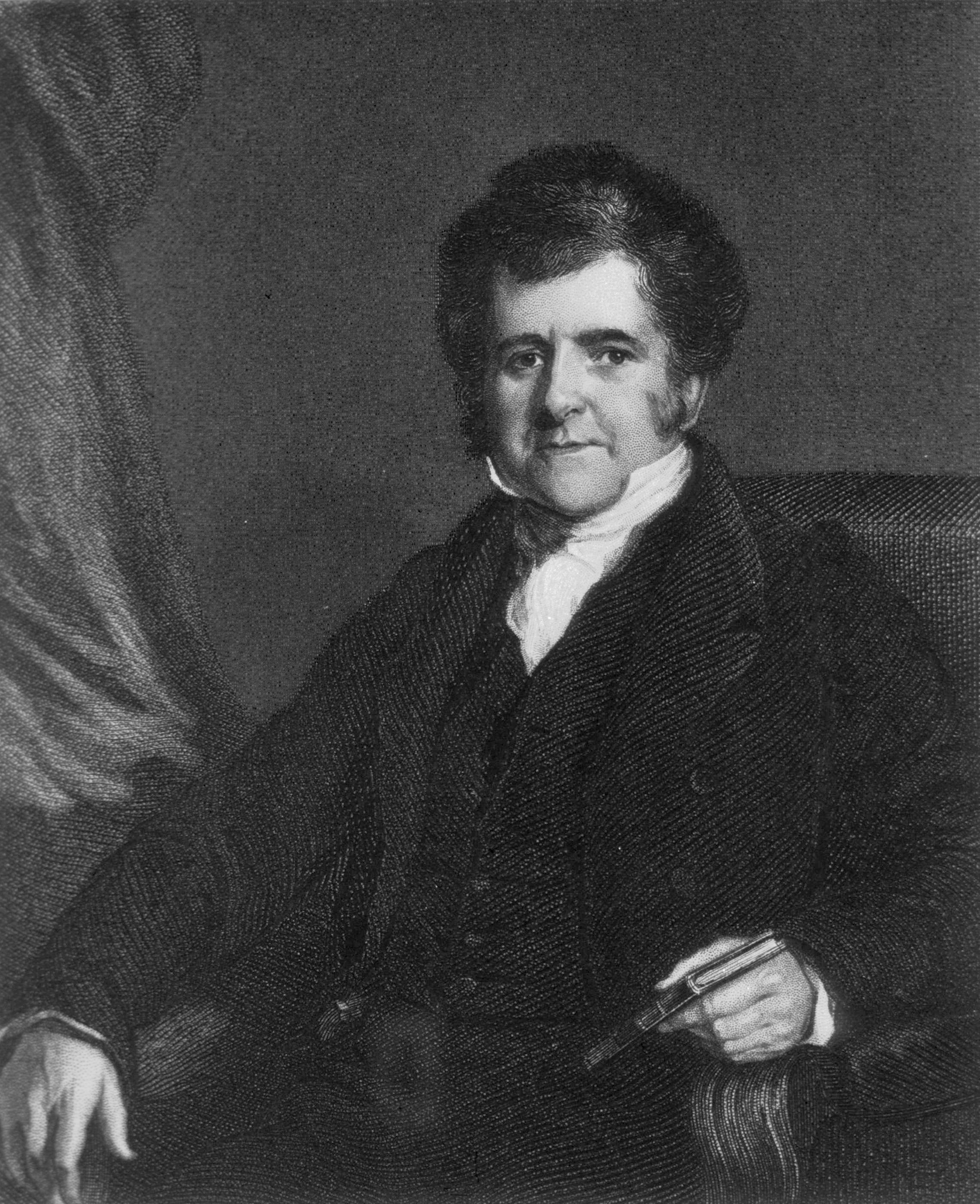
Digital facsimile of the separate offprint from wellcomecollection.org at this link.
1869 CE
#2017.1
Cases of transfusion, with some remarks on a new method of performing the operation.
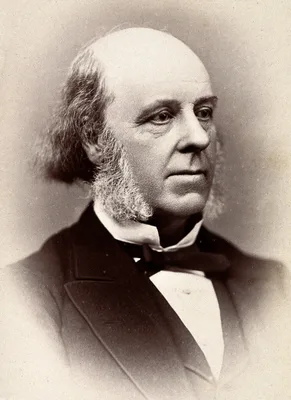
Sodium phosphate used as anticoagulant in blood transfusion.
1843 CE
#2977.1
Cases.
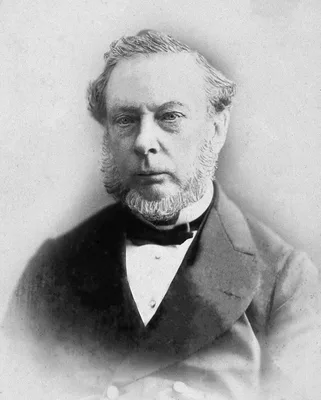
An important account of dissecting aneurysm. Peacock collected all previously published cases and added a few of his own to a total of 19.
1953 CE
#2924.2
Catheter replacement of the needle in percutaneous angiography. A new technique.
Percutaneous arterial catheterization.
1969 CE
#2883.8
Catheter technique for recording His bundle activity in man.
Scherlag was the first person to consistently record atrial ventricular bundle ("His bundle") potentials, which served as one of the cornerstones of clinical electrophysiology. With 5 co-authors.
1970 CE
#2883.9
Catheterization of the heart in man with use of a flow-directed balloon-tipped catheter.
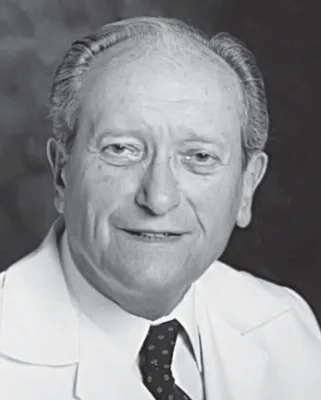
The Swan-Ganz balloon flotation catheter, a flow-guided balloon-tipped catheter of flexible construction, which enabled “placement without associated ventricular arrhythmias, prompt and reliable passage to the p…
1941 CE
#2871
Catheterization of the right auricle in man.
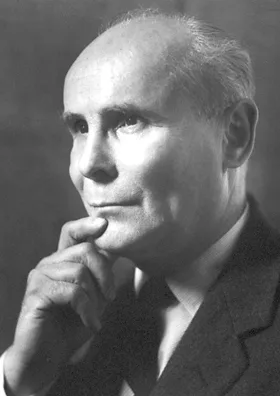
First investigations with the cardiac catheter as a clinical method of investigation. In 1956 Cournand in 1956 shared the Nobel Prize in Physiology or Medicine with Forssmann (No. 2858) and Richards (No. 2883.2) "for …
1948 CE
#2993
Cellophane treatment of syphilitic aneurysms with report of results in six cases.
1912 CE
#956
Chemical nature of specific oxygen capacity in haemoglobin.
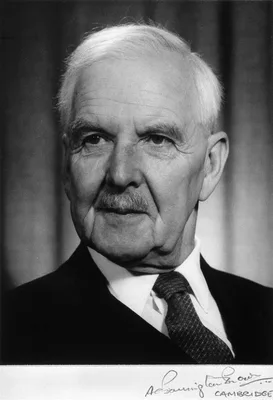
Peters made accurate determinations of the ratio of iron to oxygen in the blood.
1944 CE
#751.2
Chemical, clinical, and immunological studies on the products of human plasma fractionation. I. The characterization of the protein fractions of human plasma.
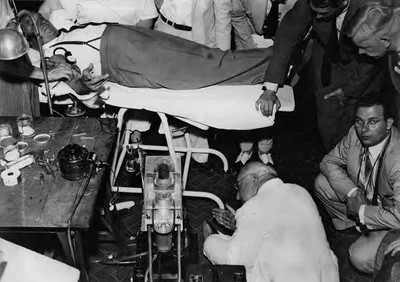
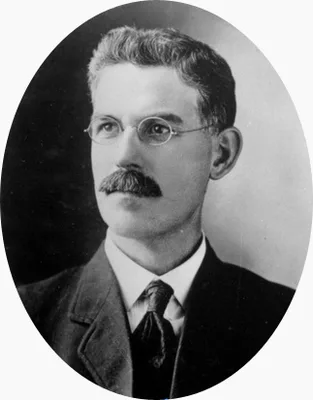
Cohn invented fractionation of plasma proteins, also called blood fractionation. (Order of authorship in the original publication: Cohn, Oncley, Strong, Hughes, Armstrong.) Digital facsimile from PubMedCentral at this…
1913 CE
#3028.1
Chirurgie des malformations congénitales ou acquises du coeur.
First attempt at surgical relief of valvular disease of the heart (congenital pulmonary stenosis). Experimental valvotomy.
2010 CE
#12377
Cholesterol and beyond: The research on diet and coronary heart disease, 1900-2000.
"A concise overview of the chain of evidence accumulated during the past century supporting the relationship between dietary habits and blood levels of cholesterol and the associated relationship between blood total a…
1952 CE
#3108.1
Christmas disease, a condition previously mistaken for haemophilia.
Christmas disease, hemophilia B, due to lack of Factor IX. Named after the patient whose case was the first recorded example. With six co-authors.
1903 CE
#3073
Chronic cyanosis, with polycythaemia and enlarged spleen: a new clinical entity.
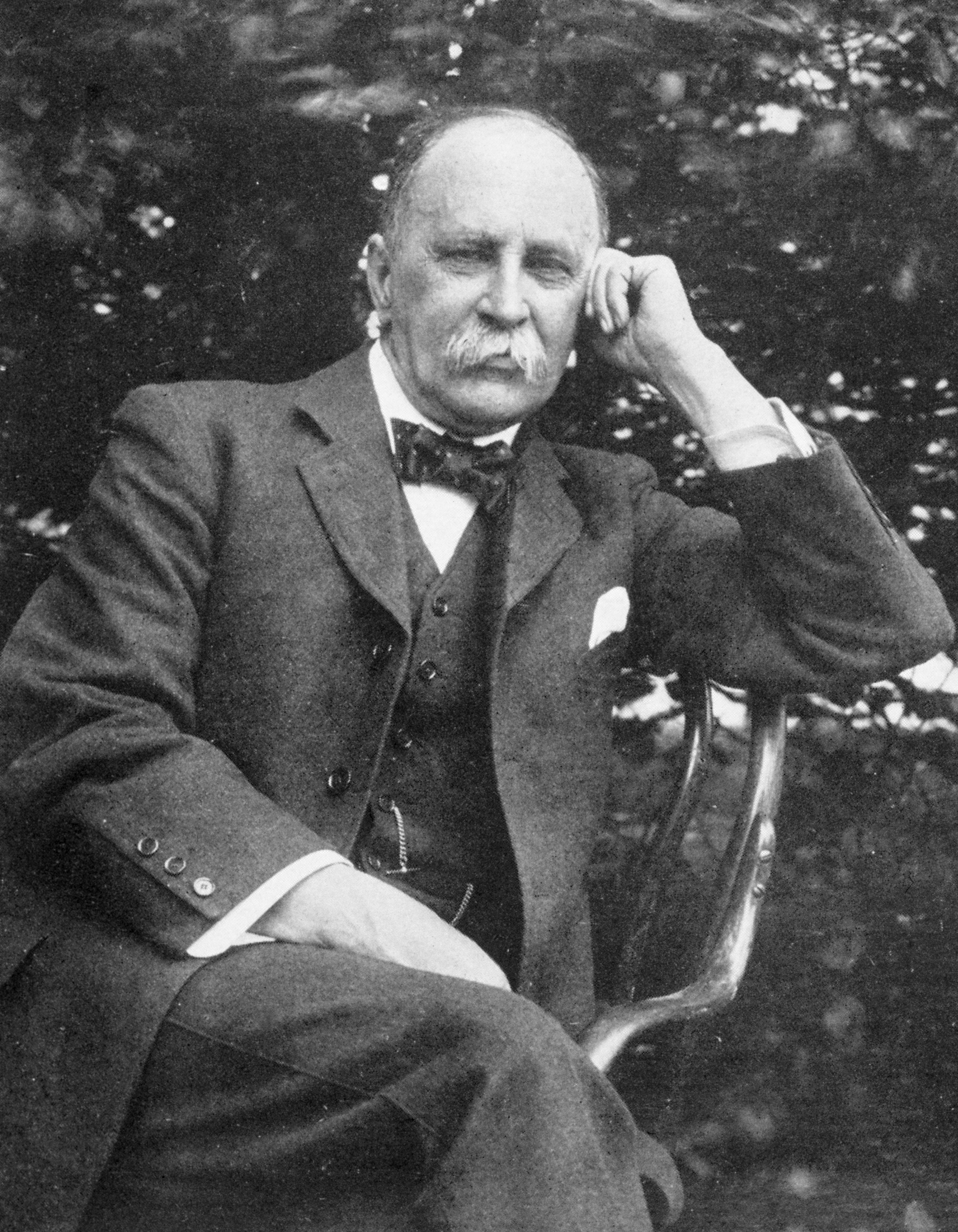
When describing polycythemia with cyanosis, Osler thought it a new entity, but later acknowledged the priority of Vaquez’s description (No. 3070). Reprinted in Med. Classics, 1939, 4,254-75.
1908 CE–1909 CE
#2827
Chronic infectious endocarditis.
The tender subcutaneous nodes in subacute bacterial endocarditis (“Osler’s nodes”) were first observed by Osler in 1888, and reported in 1909. This paper is the first definite clinical description of…
1964 CE
#1588.1
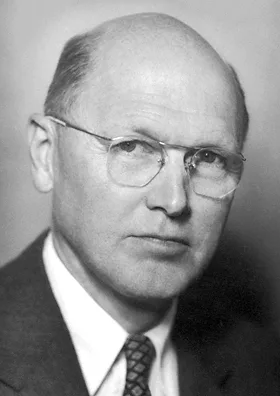
Circulation of the blood: men and ideas.
1947 CE
#2877
Circulatory failure studied by means of venous catheterization.
2006 CE
#12345
Classic papers in coronary angioplasty. Edited by Clive Handler and Michael Cleman.
1956 CE
#3160.1
Classics in arterial hypertension.
1930 CE
#3145
Classification of the anemias on the basis of differences in the size and hemoglobin content of the red corpuscles.
Wintrobe’s classification of the anemias.
1970 CE
#11564
Clinical electrocardiography and computers.
"The definitive text of the emerging field of computerized electrocardiography" (W. Bruce Fye).
1913 CE
#11679
Clinical electrocardiography.
The first textbook of electrocardiography.
1953 CE
#3108.3
Clinical evaluation of a new antimetabolite, 6-mercaptopurine, in treatment of leukemia and allied diseases.
Clinical introduction of 6-mercaptopurine in treatment of acute leukemia and chronic myelocytic leukemia. With nine co-authors.
1967 CE
#12242
Clinical experiences with a new implantable demand pacemaker.
Harken and colleagues reported "the first clinical use of an implantable noncompetitive pacer" (Jeffrey, Machines in Our Hearts. Baltimore, 2001, 134.) Berkovits, an engineer working for Medtronic, was an inventor of …
1912 CE
#2839
Clinical features of sudden obstruction of the coronary arteries.
Outstanding description of coronary thrombosis. Herrick was the first to describe and diagnose coronary thrombosis in a living person; he showed that sudden coronary occlusion is not necessarily fatal. Reprint in Will…
1872 CE
#2706
Clinical lecture on certain painful affections of the feet.
Mitchell suggested the name “erythromelalgia” for this condition, which is also known as “Weir Mitchell’s disease”. He records four earlier writers on the subject, the first being Graves …
1876 CE
#2779
Clinical lectures on diseases of the heart and aorta.
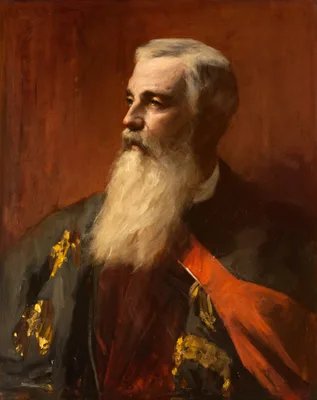
Includes “Balfour’s test” to ascertain whether the heart is still active, in cases of apparent death.
1964 CE
#12251
Clinical observations using the Electrocardiocorder-AVSEP continuous electrocardiographic system. Tentative standards and typical patterns.
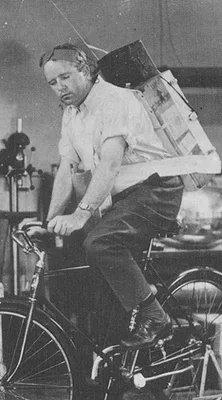
Documentation of the value of the Holter monitor in clinical work. Abstract "We have described characteristic patterns observed using the Electrocardiocorder-AVSEP system for recording continuous electrocardiograms on…
1937 CE
#2866
Clinical roentgenology of the cardiovascular system.
1955 CE
#3108.6
Clinical trials of p-(DI-2-chloroethylamino)-phenylbutyric acid (CB 1348) in malignant lymphoma.
Clinical use of chlorambucil for chronic lymphatic leukemia. With L. G. Israels, J. D. N. Nabarro, and M. Till.
1958 CE
#3047.12
Clinical use of an elastic Dacron prosthesis.
Arterial prosthesis. With L. C. France, R. F. Smith, and J. G. Whitcomb.
1665 CE
#1962
Clysmatica nova; oder newe Clystier-Kunst.
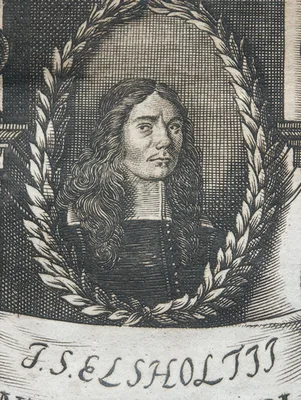
Elsholtz’s book on the venous infusion of medicaments was one of the first works to deal with blood transfusion. Latin edition in 1667; English translation in 1677. Reprint of Latin 1667 edition, Hildesheim, G. …
1825 CE
#2210
Collections from the unpublished writings of the late Caleb Hillier Parry. 3 vols.
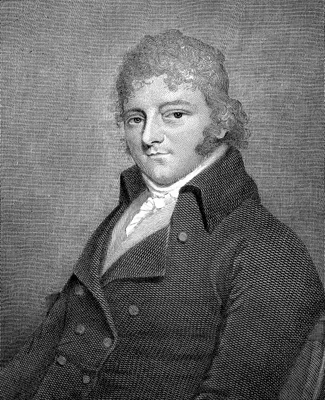
Includes Parry’s interesting description of eight cases of exophthalmic goitre, the first of which was observed in 1786, and his notes on four cases of angina pectoris. Parry's paper, "Enlargement of the thyroid…
1802 CE
#2207
Commentarii de morborum historia et curatione.
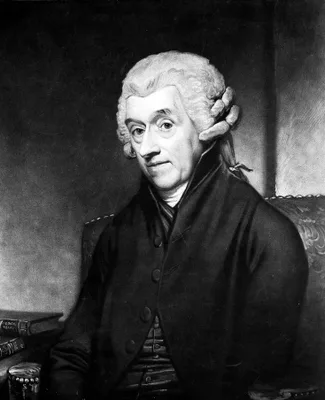
Samuel Johnson called Heberden “the last of our learned physicians”. The above work included all his important papers, which had earned him his great reputation, and which are dealt with elsewhere in this …
1825 CE
#14177
Commentatio de vera materiae sanguini purpureum colorem impertientis natura.
Engelhart’s dissertation, presented before the medical faculty at the University of Göttingen, contains the first determination of the molecular mass of a protein (hemoglobin). Engelhart proved that the rat…
1987 CE
#12237
Compensatory enlargement of human atherosclerotic coronary arteries.
"Glagov remodeling" or the "Glagov phenomenon." In 1987 Glagov showed that as atherosclerotic plaque began to build up within an artery, the arterial wall would expand enough to maintain normal blood flow. Only after …
1905 CE–1906 CE
#2821
Complete heart-block, with dissociation of the action of the auricles and ventricles.
Auricular flutter in man first recognized.
1960 CE
#12221
Complete replacement of the mitral valve. Successful clinical application of a flexible polyurethane prosthesis.
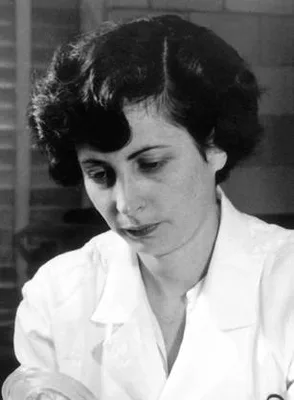
Braunwald was the first woman to perform open heart surgery. She was the first woman surgeon certified by the American Board of Thoracic Surgery, and the first woman elected to the American Association for Thoracic Su…
1949 CE
#12289
Complete transposition of the aorta and a levoposition of the pulmonary artery; clinical, physiological, and pathological findings.
Taussig–Bing syndrome, a cyanotic congenital heart defect[1] in which the patient has both double outlet right ventricle (DORV) and subpulmonic ventricular septal defect (VSD).[2]