
Facets
Browse across eight MeSH (opens in new tab) facets — era, geography, science, specialty, technology, history, culture, and reference. Select one tag per group; counts update across the others.
Clear filtersFacet filters
Geography
Specialties & Disease
- Anatomy & Pathology 7
- Cardiology & Blood 94
- Neurology & Psychiatry 27
- Obstetrics & Reproductive 5
- Infectious Disease (General) 1
- Surgery & Anesthesia 76
- Public Health 8
- Immunology & Dermatology 50
- General Clinical Medicine 1
- Military Medicine 0
- Psychology 3
- Alternative & Fringe Medicine 0
- Pediatrics 44
- Ophthalmology & Vision 12
- ENT & Hearing 5
- Urology & Nephrology 0
- Gastroenterology & Hepatology 9
- Pulmonary & Respiratory 5
- Rheumatology, Rehab & Pain 4
- Internal, Emergency & Geriatric 0
- Veterinary Medicine 2
- Epidemiology & Demography 4
- Physiology & Embryology 23
- Dentistry 3
- Plagues & Epidemics 27
- Microbiology & Virology 22
Social & Historical Studies
Institutions & Culture
Reference & Scholarly Works
453 entries match Genetics & Heredity [K01.900.300]
1931 CE
#253.1
Evolution in Mendelian populations.
First detailed presentation of Wright’s quantitative theory of the effects of mutation, migration, selection, and population size on changes in gene frequencies in populations. Digital facsimile from Genetics.or…
2015 CE
#14067
Evolution of Darwin’s finches and their beaks revealed by genome sequencing.
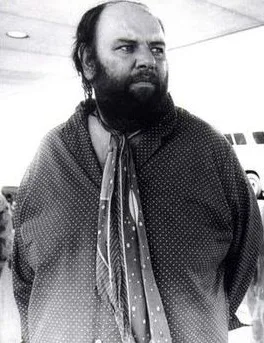
The authors sequenced the genome of 120 individuals representing all of Darwin’s finches. They found that a 240 kilobase haplotype encompassing the ALX1 gene, which encodes a transcription factor affecting crani…
1980 CE
#12304
Expression of a bacterial gene in mammalian cells.
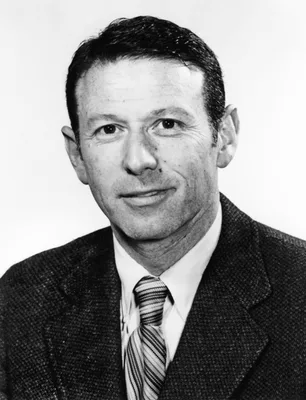
(Order of authorship in the original publication: Mulligan, Berg.) In an understated paper the authors suggested the potential of treating recessive diseases like Lesch-Nyhan syndrome by gene therapy. (Thanks to Juan …
1798 CE
#5834
Extraordinary facts relating to the vision of colours.
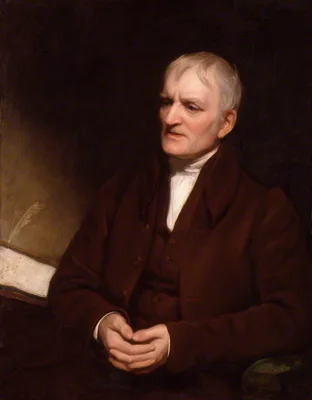
First scientific description of color-blindness, or “Daltonism”. Dalton himself suffered from red–green blindness. His paper was read to the Society in 1794.
1888 CE
#3489.1
Fälle von angeborener Pylorusstenose, beobachtet bei Säuglingen.
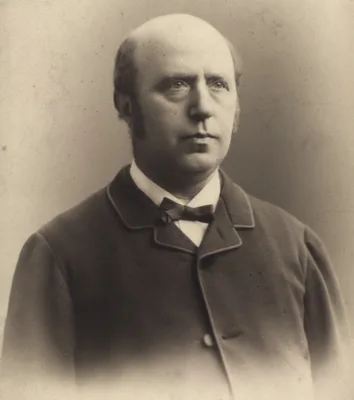
Hirschsprung first made the medical world aware of congenital hypertrophic pyloric stenosis as a distinct clinical entity. In this paper he made no suggestions concerning therapy.
1925 CE
#3087.1
Familial icterus gravis of the new-born and its treatment.
Successful exchange transfusion.
1927 CE
#3142
Familiäre infantile perniziösaartige Anämie (perniziöses Blutbild und Konstitution).
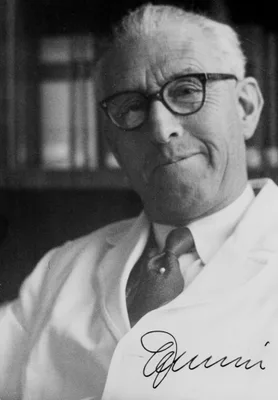
“Fanconi’s syndrome”, congenital hypoplasia of bone marrow with multiple congenital defects occurring as a familial disease.
1859 CE
#812.2
Fissura sterni congenita. New observations and experiments made in Amerika [sic] and Great Britain with illustrations of the case and instruments.
Records first use of telegraphy to record and measure the heart beat and pulse, written and published by the patient, who lived to the age of 45. This was done in Boston with an instrument placed against Groux’s…
1986 CE
#13990
Fluorescence detection in automated DNA sequence analysis.


Invention of the first semi-automated DNA sequencing machine by Leroy H. Hood, Lloyd M. Smith and colleagues. Abstract of the paper: "We have developed a method for the partial automation of DNA sequence analysis. Flu…
1906 CE
#242.3
Further experiments on inheritance in sweet peas and stocks; preliminary account.
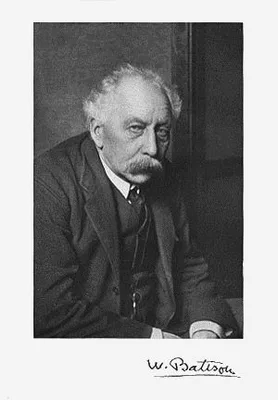
W. Bateson, E. R. Saunders and R. C. Punnett noted the phenomena of linkage of genes.
1900 CE
#239.1
G. Mendel’s Regel über das Verhalten der Nachkommenschaft der Rassenbastarde.
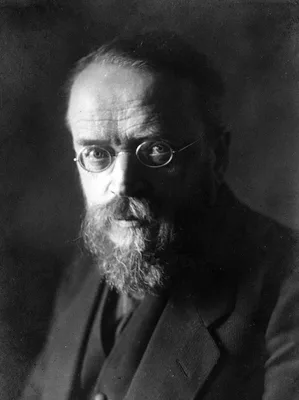
Correns had come to the same conclusions as Mendel before seeing the latter’s 1865 paper. Of the three “rediscoverers” of Mendel’s laws, Correns showed the greatest understanding of them. Engli…
1961 CE
#256.7
Gene action in the X-chromosome of the mouse (Mus musculus L).
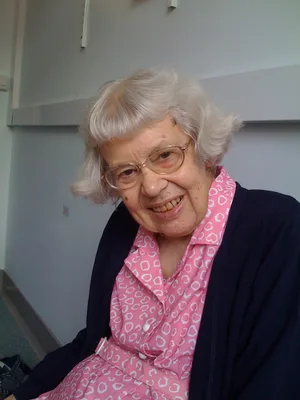
Theory of differential inactivation of the X-chromosome. See also Amer. J. hum. Genet., 1962, 14, 135-48.
1957 CE
#3155.1
Gene mutations in human haemoglobin: the chemical difference between normal and sickle cell haemoglobin.
Sickle-cell hemoglobin differs from normal hemoglobin by a single amino acid (valine for glutamic acid).
1946 CE
#255.4
Gene recombination in Escherichia coli.

Discovery of sexual processes in the reproduction of bacteria. In 1958 Lederberg shared the Nobel Prize in Physiology or Medicine with Tatum and Beadle (No. 254.3) "for his discoveries concerning genetic recombination…
2000 CE
#13943
Gene therapy of severe combined immunodeficiency (SCID)-XI disease.

In 1999, With Marina Cavazzana-Calvo and Salima Hacein-Bey, Fischer achieved the first clinical successes in the world of gene therapies for about ten bubble children,[8] two of whom unfortunately developed leukaemias…
1980 CE
#13918
Gene transfer in intact animals.
Cline and colleagues were the first to successfully transfer a functioning gene into a living mouse, creating the first transgenic organism.
1959 CE
#3155.2
Genetic basis of the thalassaemia diseases.
1965 CE
#4154.8
Genetic classification of ichthyosis.
Sex-linked recessive ichthyosis shown to be an important but not uncommon entity. See also Kerr & Wells: Sex-linked ichthyosis. Ann. hum. Genet., 1965, 29, 33-50.
1941 CE
#254.3
Genetic control of biochemical reactions in Neurospora.
Beadle and Tatum proposed the "one gene, one enzyme" hypothesis in 1941. This was a restatement of ideas originally proposed by Archibald Garrod (No. 244.1) in 1908. 1958 Beadle and Tatum shared the Nobel Prize in Phy…
1974 CE
#13934
Genetic control of the cell division cycle in yeast.

In 2001 Hartwell shared the Nobel Prize in Physiology or Medicine with Tim Hunt and Sir Paul M. Nurse "for their discoveries of key regulators of the cell cycle." See also No. 13933. In this paper the authors demonstr…
1970 CE
#13933
Genetic control of the cell-division cycle in yeast 1. Detection of mutants.
This was the first paper to describe cdc mutants. The authors also coined the term 'execution point' — the stage in the cell cycle when the gene function is required. In this paper, three cdc genes were describe…
1949 CE
#2526.1
Genetic recombinations leading to production of active bacteriophage from ultraviolet inactivated bacteriophage particles.
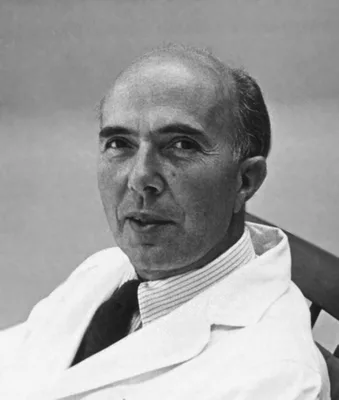
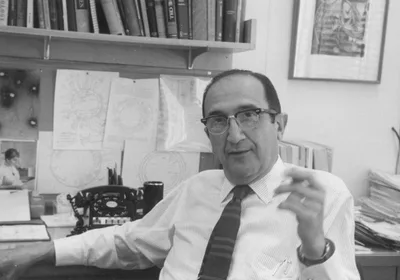
In 1969 Luria shared the Nobel Prize in Physiology or Medicine in with Delbrück (No. 2578.5) and A. D. Hershey (No. 256) "for their discoveries concerning the replication mechanism and the genetic structure of vi…
1953 CE
#7138
Genetical implications of the structure of deoxyribonucleic acid.
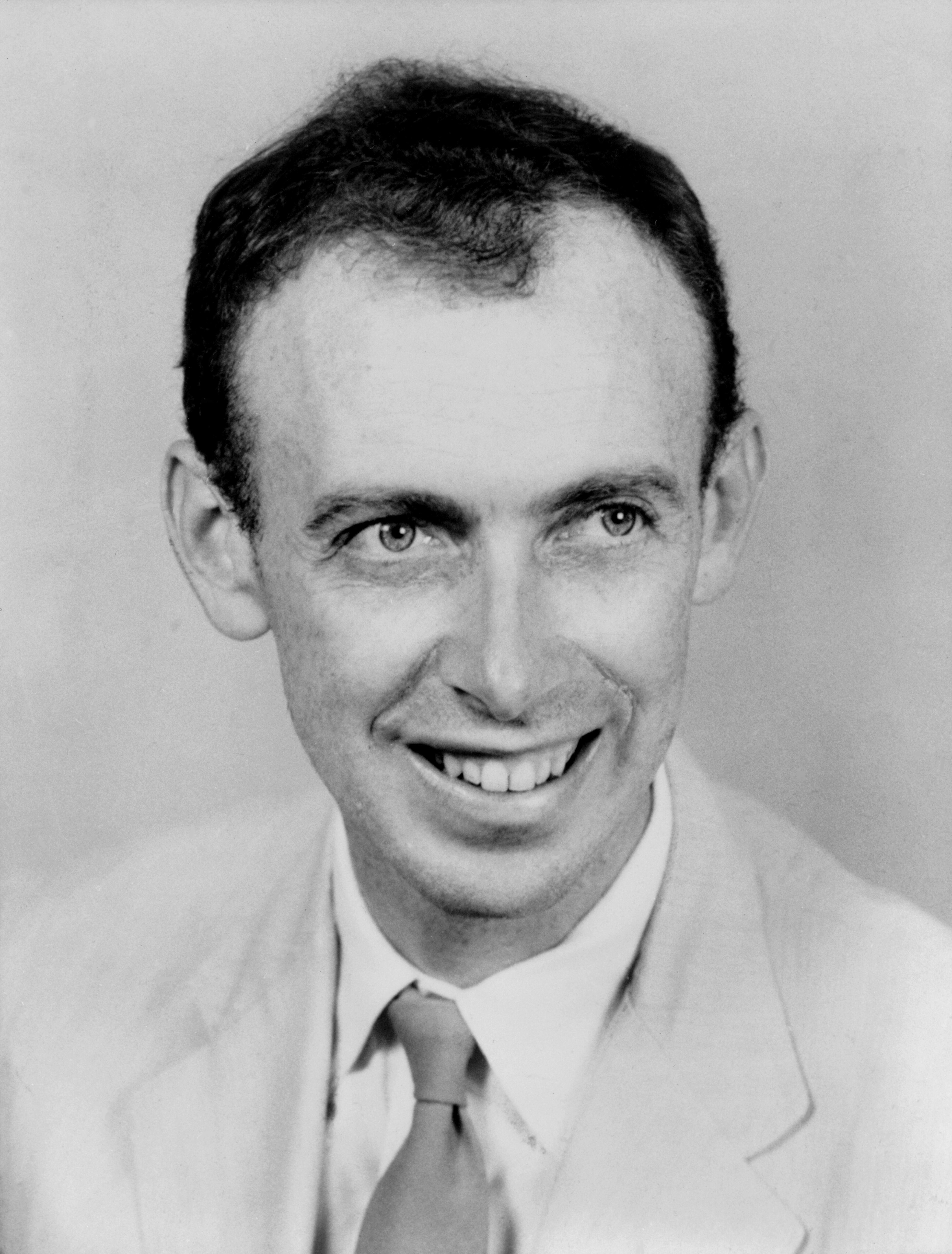
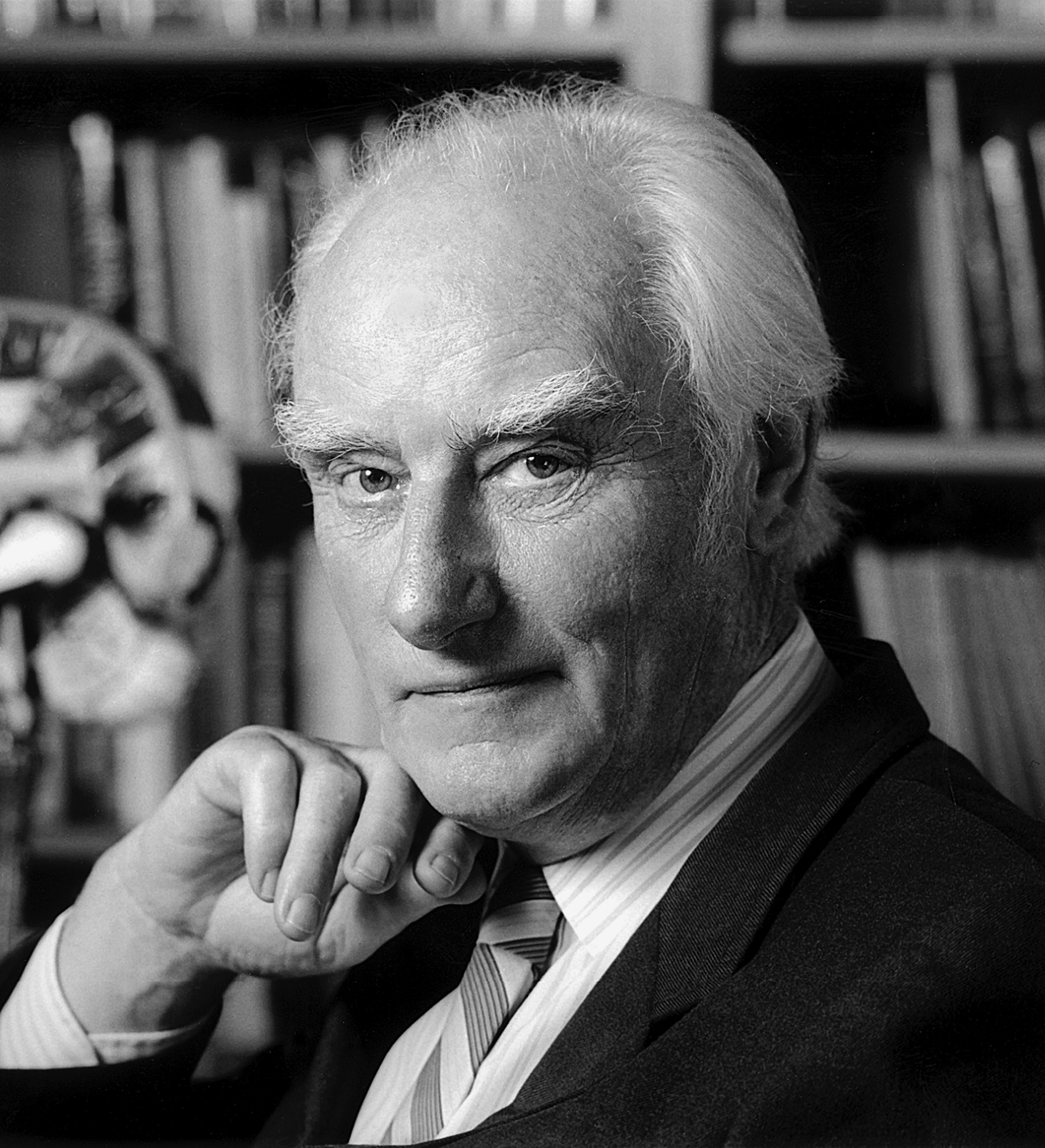
In this paper published on May 30, 1953 Watson and Crick proposed the method of replication of DNA. This discovery has been called as significant, or possibly even more significant, than their discovery of the double-…
1937 CE
#254.2
Genetics and the origin of species.
Dobzhansky, an emigrant from the Soviet Union to the United States, and a postdoctoral worker in Thomas Hunt Morgan's fruit fly lab, was one of the first to apply genetics to natural populations. He worked mostly with…
2022 CE
#14107
Genetics of atavism.
Abstract: "Atavisms have attracted people’s attention for a long time. First, atavisms excited their imagination and created fertile ground for myths and superstitions. With the development of science, atavisms …
1974 CE
#10047
Genome construction between bacterial species in vitro: Replication and expression of staphylococcus plasmid genes in Escherichia coli.

Creation of the first transgenic organism: expression of Staphylococcus aureus genes in Escherichia coli. Digital facsimile from pnas.org at this link.
2007 CE
#11338
Genome sequence of Aedes aegypti, a major arbovirus vector.

Order of authorship in the original publication: Nene, Wortman, Lawson.... Sequence of the genome of the mosquito that transmits Zika, Yellow fever, Dengue, Chikungunya, etc. (Thanks to Juan Weiss for this reference a…
2002 CE
#11336
Genome sequence of the human malaria parasite Plasmodium falciparum.
Order of authorship in the original paper: Gardner, Hall, Fung.... Genome of the Plasmodium falciparum parasite carried by the mosquito that causes malaria in humans. (Thanks to Juan Weiss for this reference and its i…
2014 CE
#11340
Genome sequence of the Tsetse Fly (Glossina morsitans): Vector of African Tyrpanosomiasis.
The Internation Glossina Genome Initiative consisted of 179 collaborators. (Thanks to Juan Weiss for this reference and its interpretation.)
2017 CE
#10945
Genomic epidemiology reveals multiple introductions of Zika virus into the United States.
Order of authorship in the original publication: Grubaugh, Ladner, Kraemer. The authors found that the Zika virus was introduced into Florida at least 4 times, but perhaps as many as 40 times, before it was detected, …
1865 CE
#3915
Glycosurie, diabète sucré. In his Clinique médicale de l’Hôtel-Dieu, 2me. éd., 2, 663-98.
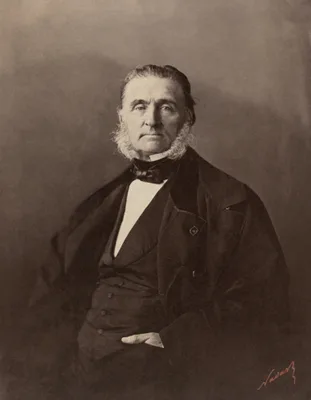
First description of hemochromatosis.
1940 CE
#2923
Grosse pulmonaire. Petite aorte. Affection congénitale.
Idiopathic dilatation of the pulmonary artery reported. With D. Routier and R. Heim de Balsac.
1911 CE
#3081
Haemophilia.
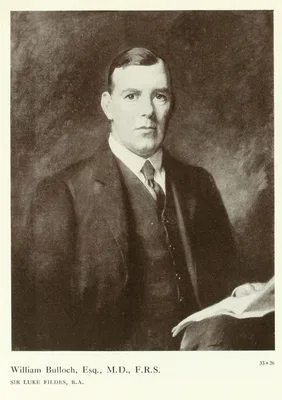
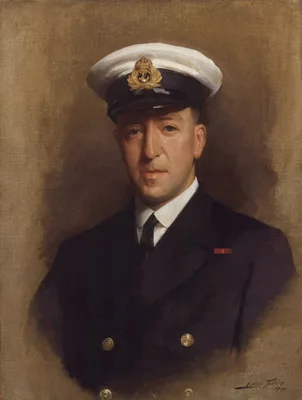
Bulloch and Fildes, in their detailed account of hemophilia, claimed to have established immunity to the disease in females, and denied the authenticity of published cases of female hemophilia. They confirmed the law …
1937 CE
#3096.1
Hemophilia. II. Some properties of a substance obtained from normal human plasma effective in accelerating the coagulation of hemophilic blood.
Antihemophilic globulin (factor VIII).
1926 CE
#3087.2
Hereditär pseudohemofili.
Von Willebrand’s disease, pseudo-hemophilia type B, an hereditary bleeding disorder affecting both sexes.
1888 CE
#11271
Hereditary angio-neurotic oedema.
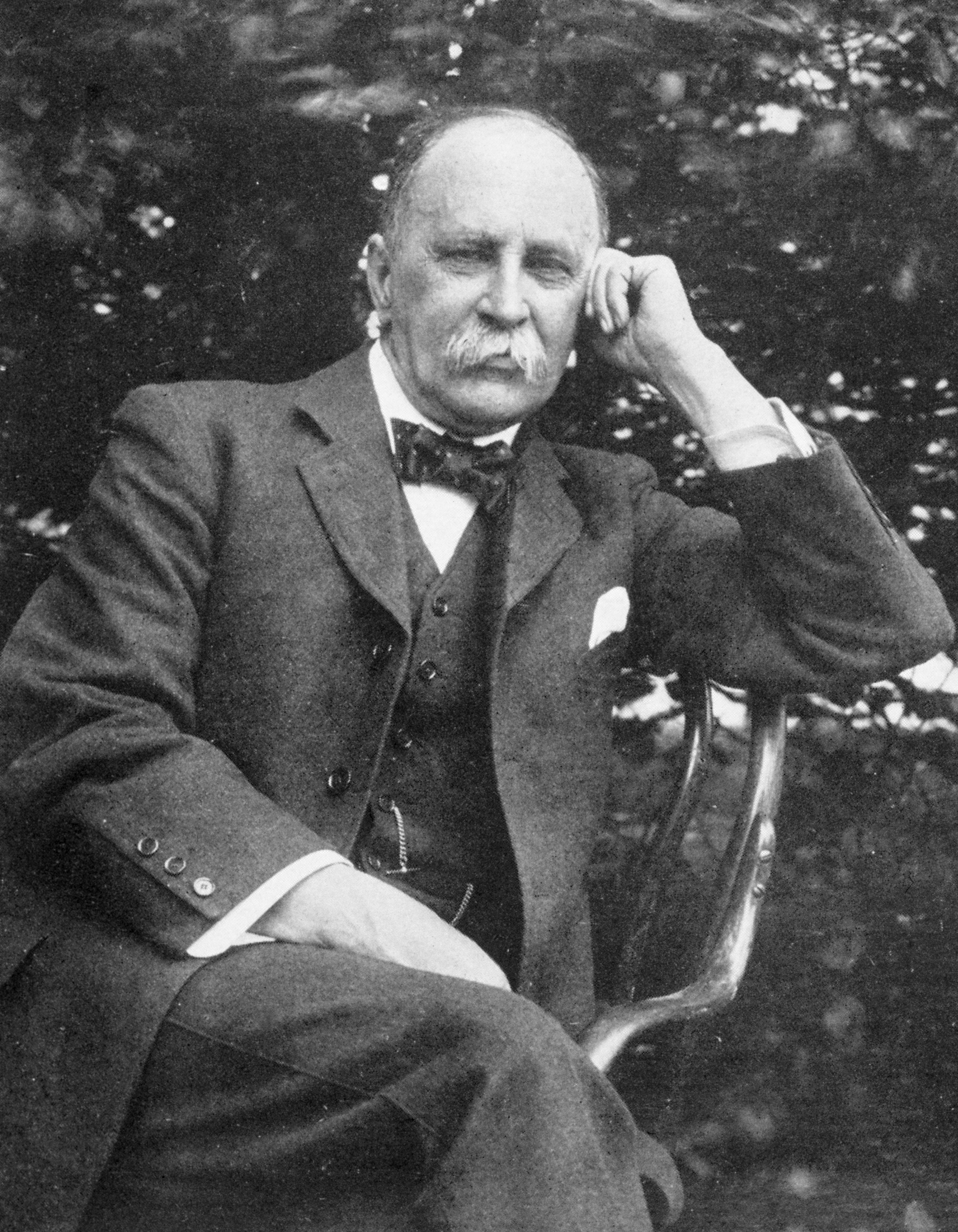
Osler was the first in the English-speaking world to describe what is now called hereditary angioedema. In this paper he presented "an interesting study of the heredity of a case, with a genealogical table" (Golden & …
1865 CE
#3064.2
Hereditary epistaxis.
1869 CE
#226
Hereditary genius.
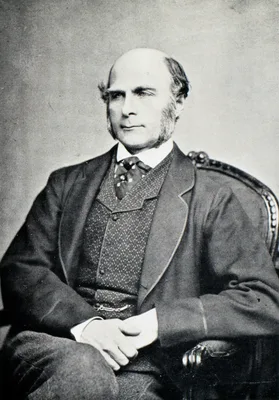
Galton investigated the families of great men and suggested that genius was hereditary, and thus founded the science of Eugenics, although he did not coin the word until 1883 (see No. 230). Karl Pearson’s, The l…
1913 CE
#9443
Heredity with reference to carcinoma: As shown by the study of the cases examined in the pathological laboratory of the University of Michigan, 1895-1913.
"In 1895, a young seamstress of his [Warthin's] acquaintance told him about her family's long history of cancer deaths.[6] Intrigued, he researched her family's history, searching death records and administering quest…
1946 CE
#3924.2
Heredopathia atactica polyneuritiformis; a familial syndrome not hitherto described.
“Refsum’s syndrome”, an inherited disorder of lipid metabolism.
1958 CE
#2578.30
Histocompatibility genes of the mouse.
Snell made fundamental contributions to transplantation genetics. At his suggestion genes governing transplantation were called histocompatibility genes and Gorer’s Antigen II became Histocompatibility-2 (H-2). …
2016 CE
#8539
History within: The science, culture, and politics of bones, organisms, and molecules.
1863 CE
#4332
Hochgradige Dislocation der Scapula.
First description of congenital high-scapula “Sprengel’s deformity”; see also No. 4359.
1951 CE
#12238
Hydraulic formula for calculation of the area of the stenotic mitral valve; other cardiac valves, and central circulatory shunts.
In collaboration with his father, S. G. Gorlin, a mechanical engineer who designed hydraulic systems for gasoline engines at the beginning of the century, Richard Gorlin developed a formula to calculate the area of st…
1924 CE
#4392
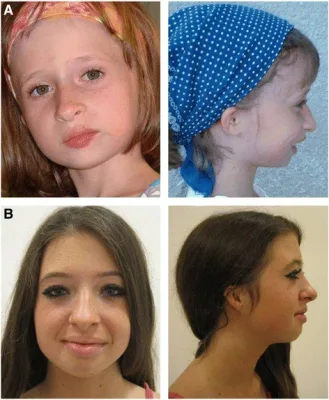
Hypertelorism. A hitherto undifferentiated congenital cranio-facial deformity.
First description of hypertelorism as a separate entity.
1652 CE
#3050
Iatrologismorum seu medicinalium observationum pentecostae quinque utilibus praeceptis.
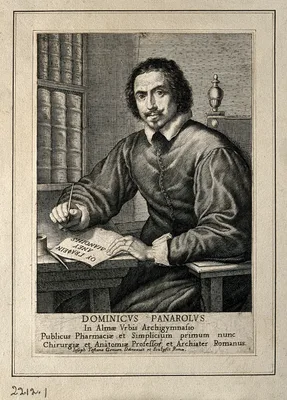
Panaroli described hemolytic jaundice of the newborn.
1938 CE
#14088
Icterus gravis (erythroblastosis) neonatorum.
Darrow was the first to identify the cause of hemolytic disease of the newborn (HDN). Three years prior to the discovery of antibodies against the Rh antigen, Darrow correctly hypothesized that the disease was caused …
1989 CE
#13568
Identification of the cystic fibrosis gene: Chromosome walking and jumping.


Utilizing the chromosome "walking and and jumping" technique developed by Collins, the authors showed how they cloned the cystic fibrosis locus on the basis of its chromosomal location without the benefit of genomic r…
1989 CE
#13569
Identification of the cystic fibrosis gene: Cloning and characterization of complimentary DNA.
The authors first published a ‘map’ of the cystic fibrosis (CF) gene and on p. 1071, they published an illustration/schematic model of the predicted CFTR (cystic fibrosis transmembrane conductance regulato…
1989 CE
#13570
Identification of the cystic fibrosis gene: Genetic analysis.
The authors demonstrated that about 70% of the crucial mutation in cystic fibrosis (CF) patients corresponds to the specific deletion of 3 base pairs, which results in the loss of a phenylalanine residue at A.A. posit…