
Facets
Browse across eight MeSH (opens in new tab) facets — era, geography, science, specialty, technology, history, culture, and reference. Select one tag per group; counts update across the others.
Clear filtersFacet filters
Geography
Specialties & Disease
- Anatomy & Pathology 765
- Cardiology & Blood 914
- Neurology & Psychiatry 1,256
- Obstetrics & Reproductive 550
- Infectious Disease (General) 147
- Surgery & Anesthesia 1,551
- Public Health 1,129
- Immunology & Dermatology 1,404
- General Clinical Medicine 480
- Military Medicine 436
- Psychology 202
- Alternative & Fringe Medicine 383
- Pediatrics 247
- Ophthalmology & Vision 412
- ENT & Hearing 293
- Urology & Nephrology 309
- Gastroenterology & Hepatology 316
- Pulmonary & Respiratory 233
- Rheumatology, Rehab & Pain 188
- Internal, Emergency & Geriatric 123
- Veterinary Medicine 165
- Epidemiology & Demography 397
- Physiology & Embryology 923
- Dentistry 259
- Plagues & Epidemics 1,279
- Microbiology & Virology 1,080
Social & Historical Studies
Institutions & Culture
Reference & Scholarly Works
1,279 entries match Plagues & Epidemics [C01.252]
1936 CE
#4659
A virus isolated in 1935 epidemic of summer encephalitis in Japan.
T. Taniguchi, M. Hosokawa, and S. Kuga established a virus etiology for Japanese B encephalitis.
1933 CE
#5494
A virus obtained from influenza patients.
Smith, Andrewes, and Laidlaw first isolated the influenza A virus in humans. They successfully infected ferrets with filtered throat-washings from influenzal patients by intranasal instillation.
1933 CE
#5466
A yellow fever protection test in mice by intracerebral injection.
Intracerebral protection test.
1928 CE
#5461
A yellow fever vaccine.
First vaccine for immunization against yellow fever. Hindle devised a method for the transportation of frozen infected material from West Africa to London, making it possible to carry on experimental work in Britain.
1788 CE–1789 CE
#5199
Abhandlung über die venerische Krankheit. 3 vols.
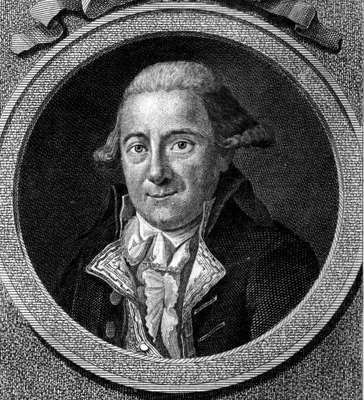
Girtanner’s important textbook on the venereal diseases contains some history.
1839 CE
#2676
Abhandlung über Perkussion und Auskultation.
Skoda classified the various sounds obtained on percussion according to their musical pitch and tone. “Skoda’s resonance” is an important diagnostic sign in pneumonia and pericardial effusion. Follow…
1908 CE–1912 CE
#1681
Abhandlungen aus der Seuchengeschichte und Seuchenlehre. Pt. 1: Die Pest. Pt. 2: Die Cholera. 2 vols. in 3.
1828 CE
#3990
Abrégé pratique des maladies de la peau.
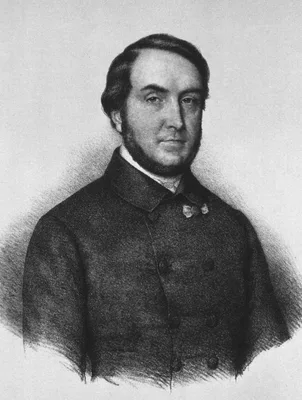
This book codified and published the lectures, doctrines and observations of Laurent Biett (1781-1840), the leading clinical teacher in dermatology of the early 19th century, who published very little himself. Cazenav…
1780 CE
#5421
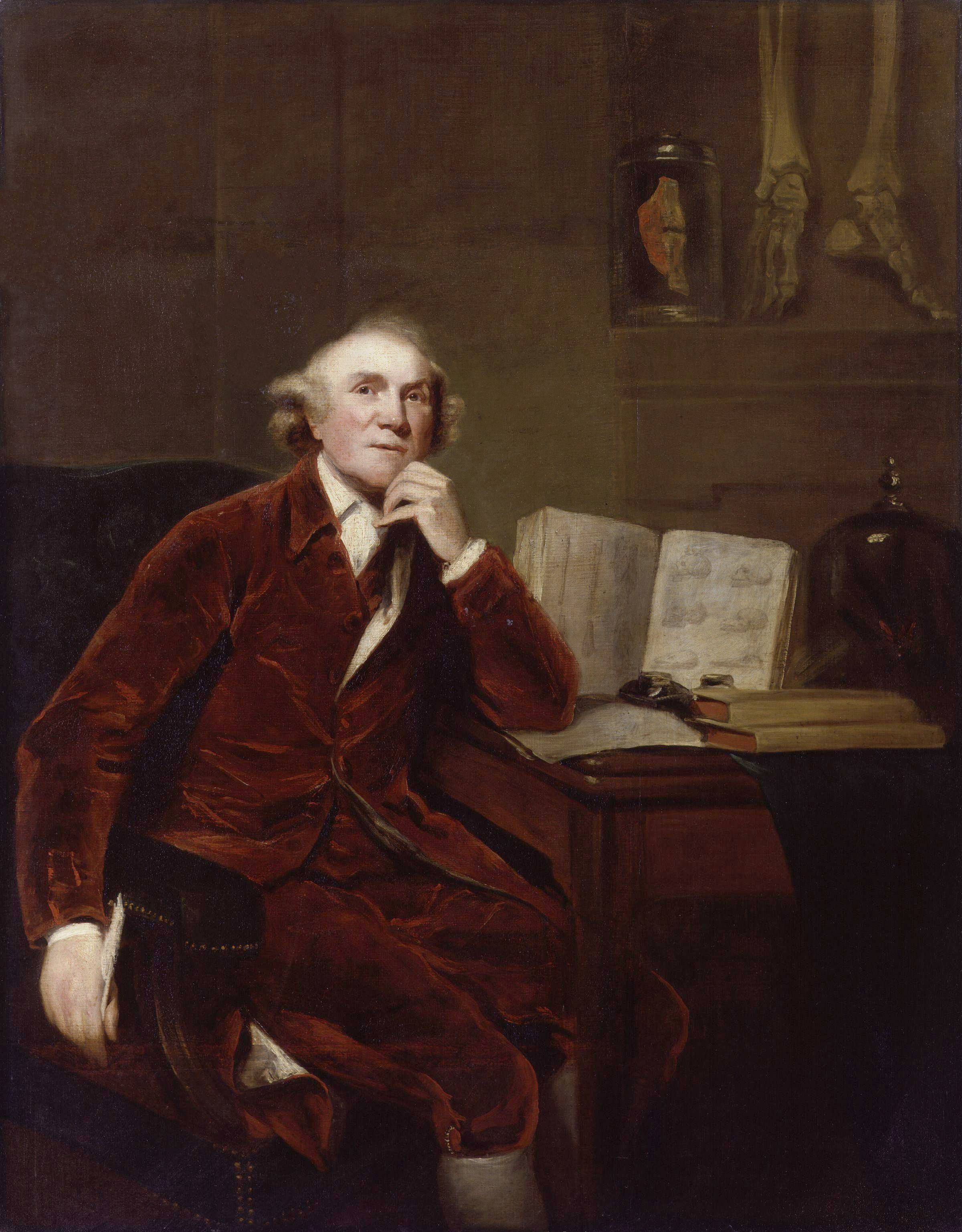
Account of a woman who had the smallpox during pregnancy, and who seemed to have communicated the same disease to the foetus.
1730 CE
#5048
Account of the operation of bronchotome, as it was performed at St. Andrews.
Martine was the first to perform tracheotomy for diphtheria.
1960 CE
#2442.4
Acid-fast bacilli in nasal excretions in leprosy, and results of inoculation of mice.

Transmission of leprosy to animals. See also J. exp. Med., 1960, 112, 445.
2014 CE
#11397
Actionable diagnosis of neuroleptospirosis by next-generation sequencing.

Order of authorship in the original publication: Wilson, Naccache, Samayoa...Chiu. This research demonstrated the value of "next-generation-sequencing" in the diagnosis of a specific meningoencephalitis, a disease whi…
1914 CE
#5068
Active immunization in diphtheria and treatment by toxin-antitoxin.
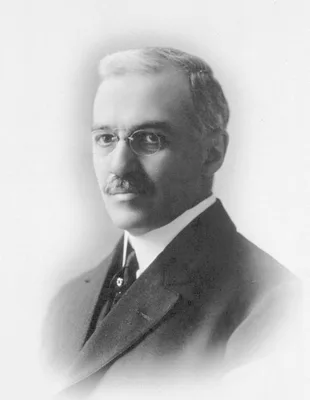
With A. Zingher and M. H. Serota. Park was an early advocate of diphtheria immunization with toxin-antitoxin. A second paper is in the same journal, 1915, 65, 2216-20.
2015 CE
#12714
Acute flaccid myelitis of unknown etiology in California, 2012-2015
The authors presented a retrospective study based on demographics, race, ethnicity, signs, lab results, MRI results of 59 patients identified between June 2012 and July 2015 who presented symptoms that they characteri…
2014 CE
#12713
Acute neurologic illness of unknown etiology in children - Colorado, August-September 2014.

The authors reported a cluster of 9 children seen at Colorado Children's Hospital with an acute neurologic illness characterized by extremity weakness, cranial nerve dysfunction, diplopia (double vision), facial droop…
1879 CE
#11248
Additional notes on filaria sanguinis hominis and filiaria disease.
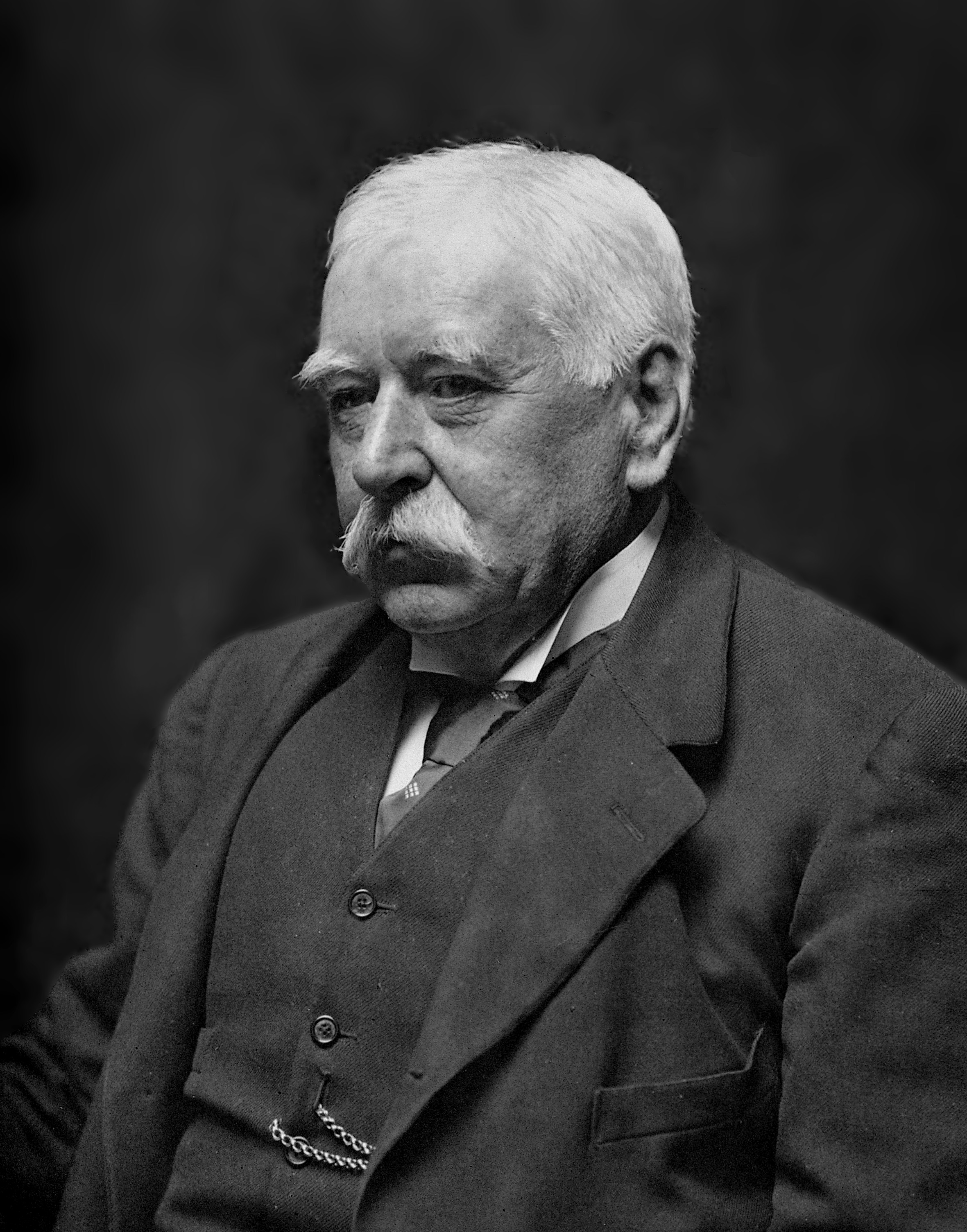
On p. 36 of this paper Manson first described nocturnal periodicity in Filaria Bancrofti, an adaptation to the nocturnal biting habits of their mosquito vector. (Thanks to Juan Weiss for this reference and its interpr…
1986 CE
#11106
Administration of 3'-Azido-3'-Deoxythmymidine, an inhibitor of HTLV-III/LAV replication, to patients with AIDS or AIDS-related complex.

Order of authorship in the original publication: Yarchoan, Weinhold, Lyerly. The first antiviral AIDS drug, later named "Retrovir"/ Zidovudine/AZT. (Thanks to Juan Weiss for this reference and its interpretation.)
1960 CE
#9390
Aëdes Aegypti (L.) The yellow fever mosquito: Its life history, bionomics and structure.
2012 CE
#9538
AIDS at 30: A history.

1988 CE
#13682
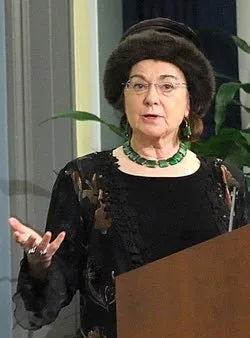
Aids: The burdens of history. Edited by Elizabeth Fee and Daniel M. Fox.
1991 CE
#13683
Aids: The making of a chronic disease. Edited by Elizabeth Fee and Daniel M. Fox.
1907 CE
#5447
Alcune esperienze di sieroimmunizzazione e sieroterapia nel morbillo.
First use of convalescent serum in prophylaxis against measles.
1548 CE
#11111
Alexandrū Trallianū Iatrū Biblia Dyokaideka. Alexandri Tralliani medici libri XII. Rhazae De pestilentia libellus ex Syrorum lingua in Graecam translatus. Edited by Jacques Goupil.
First edition of the Greek text of the works of Alexander of Tralles, together with an edition of Rhazes on the plague. Both texts were edited by Jacques Goupil. The work was issued by the distinguished scholar printe…
1790 CE
#5523
An account of a distemper, by the common people in England vulgarly called the mumps.
First modern account of the occurrence of parotitis and orchitis complicating it. Hamilton’s paper, read in 1773, by its fullness and clarity made the disease more generally known, so that within a few years man…
1789 CE
#5470
An account of the bilious remitting fever. In his Medical inquiries and observations, 1, 104-21
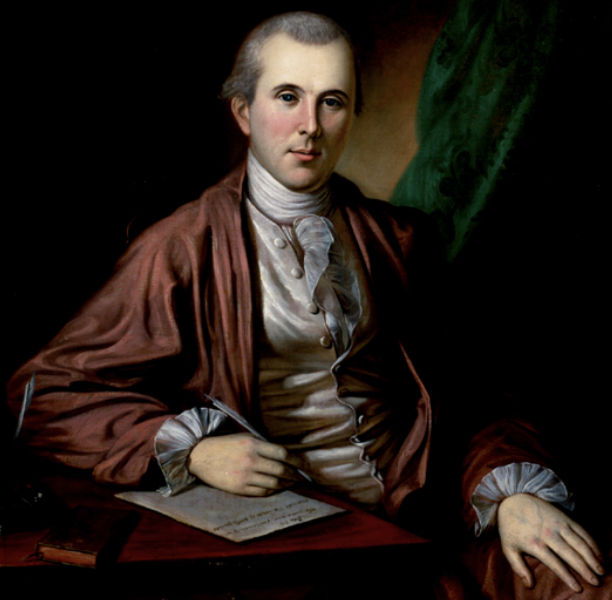
One of the first important accounts of dengue (“breakbone fever”). Rush described the Philadelphia outbreak of 1780.
1794 CE
#5453
An account of the bilious remitting yellow fever, as it appeared in the city of Philadelphia in the year 1793.
Benjamin Rush was the most eminent figure in Philadelphia medicine in his day. His description of the yellow fever epidemic of 1793 is classic. He did magnificent work in treating the sick during the epidemic and in p…
1807 CE
#8814
An account of the diseases of India, as they appeared in the English fleet, and in the naval hospital at Madras, in 1782 and 1783; with observations on ulcers, and the hospital sores of that country, &c. & c. To which is prefixed a view of the diseases of an expedition and passage of a fleet and armament to India, in 1781.
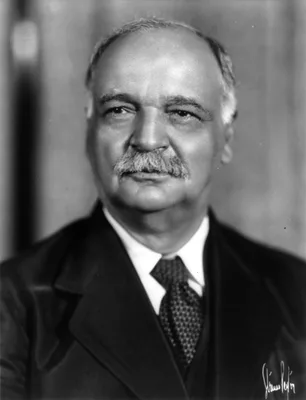
Digital facsimile from Google Books at this link.
1767 CE
#12397
An account of the manner of inoculating for the small pox in the East Indies: With some observations on the practice and mode of treating that disease in those parts.
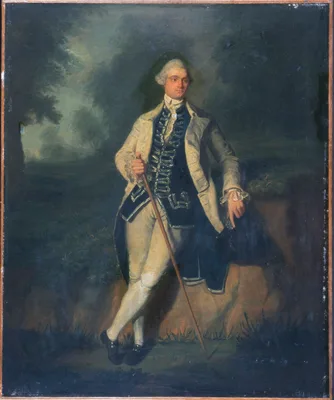
Holwell's account of smallpox variolation in India prior to Jenner has been disputed by historians. Digital facsimile from the Internet Archive at this link.
1722 CE
#5414
An account of the method and success of inoculating the small pox in Boston in New England.
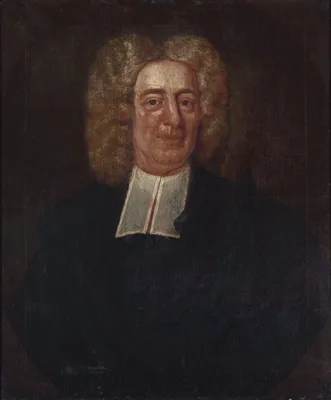
Mather republished reports of earlier writers on inoculation. He persuaded Boylston to adopt the practice in June 1721, and he supported Boylston during a period of great opposition to inoculation.
1803 CE
#5266
An account of the native Africans in the neighbourhood of Sierra Leone; to which is added, an account of the present state of medicine among them. 2 vols.
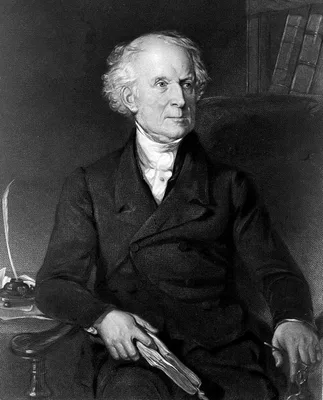
In his travels in Africa, Winterbottom, physician to the Colony of Sierra Leone (now Republic of Sierra Leone) on the west coast of Africa, saw sleeping sickness, which he described in vol. 2, pp. 29-31, as a species …
1807 CE
#5839
An account of the ophthalmia which has appeared in England since the return of the British Army from Egypt.
Vetch described trachoma.
1789 CE
#1601
An account of the principle lazarettos in Europe. With various papers relative to the plague: Together with further observations on some foreign prisons and hospitals and additional remarks on the present state of those in Great Britain and Ireland.
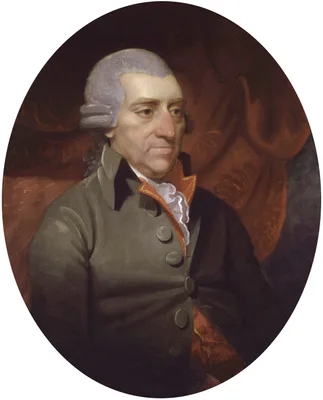
Following on his work for the improvement of the conditions in prisons, Howard travelled extensively in Europe, carrying out an elaborate investigation into the conditions of hospitals. Digital facsimile of the second…
1779 CE
#5079
An account of the scarlet fever and sore throat, or scarlatina anginosa; particularly as it appeared at Birmingham in the year 1778.
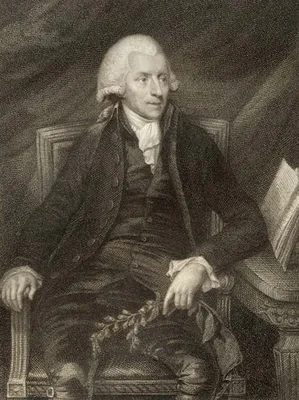
Withering, best remembered for his book on the foxglove, described the epidemics of scarlet fever which occurred in England in 1771 and 1778.
1748 CE
#5049
An account of the sore throat attended with ulcers.
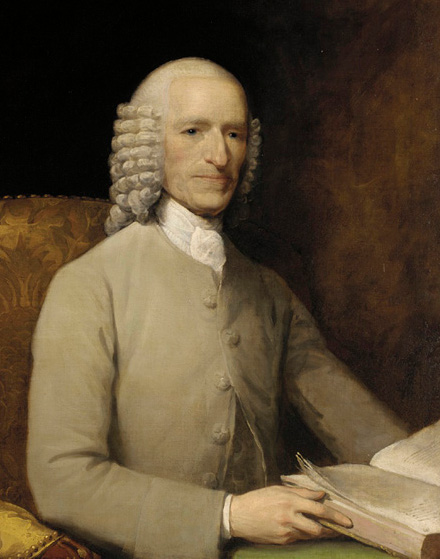
First authoritative account of both diphtheria and scarlatinal angina, although failing to differentiate between the two conditions. Reprinted in Med. Classics, 1940, 5, 58-99.
1839 CE
#13896
An account of the yellow fever which appeared in the city of Galveston, Republic of Texas, in the autumn of 1839, with cases and dissections,
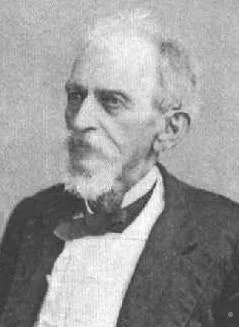
In 1839 Smith treated the victims of a yellow fever epidemic in Galveston while writing reports about the treatment of the disease in the Galveston News. As a result of this experience, he wrote the first treatise on …
1822 CE
#9523
An account of the yellow fever which occurred in the city of New York, in the year 1822, to which is prefixed a brief sketch of the different pestilential diseases, with which this city was afflicted, in the years 1798, 1799, 1803 & 1805, with the opinion of several of our most eminent physicians, respecting the origin of the disease, its prevention and cure.To which is added a correct list of all the deaths by yellow fever during the late season.
Digital facsimile from the Internet Archive at this link.
1714 CE–1716 CE
#5409
An account, or history, of the procuring of the smallpox by incision or inoculation, as it has for some time been practised at Constantinople.
A letter dated December, 1713 from Timoni of Constantinople to John Woodward, and read to the Royal Society in May, 1714, described the practice in that city of inoculation against smallpox. The letter aroused interes…
1938 CE
#3211
An acute infection of the respiratory tract with atypical pneumonia: A disease entity probably caused by a filterable virus.
Atypical pneumonia.
1910 CE
#5382
An acute infectious disease of unknown origin. A clinical study based on 221 cases.
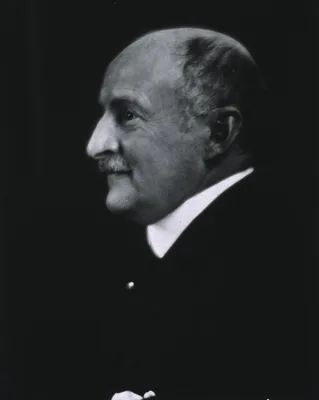
“Brill’s disease” – recrudescent typhus; first description.
1771 CE
#5052
An enquiry into the nature, cause and cure of the angina suffocativa, or sore throat distemper, as it is commonly called by the inhabitants of this city and colony.
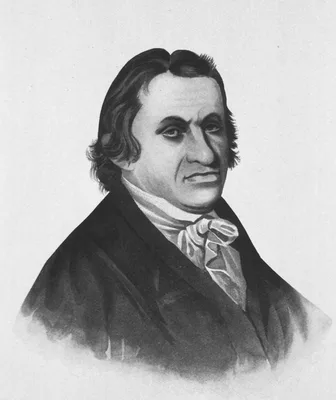
One of the earliest accurate descriptions of diphtheria. Osler considered the book “an American classic of the first rank”. Bard was personal physician to George Washington.
1765 CE
#5051
An enquiry into the nature, cause, and cure of the croup.
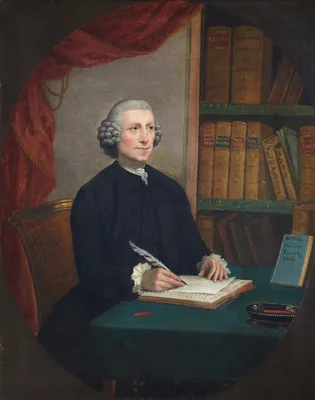
First clear and complete clinical description of diphtheria.
1794 CE
#9387
An enquiry into, and observations upon the causes and effects of the epidemic disease, which raged in Philadelphia from the month of August till towards the middle of December, 1793.
Text in English and French on facing pages. Digital facsimile from the Medical Heritage Library, Internet Archive at this link.
1768 CE
#2264
An essay on diseases incidental in Europeans in hot climates.
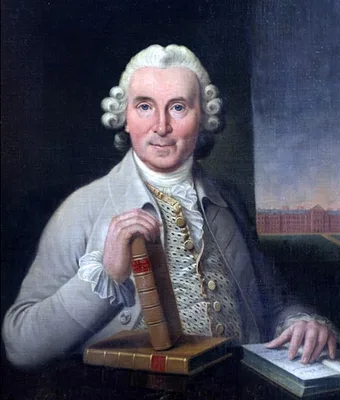
Lind came near to discovering the connection between malaria and mosquitoes. He is best remembered for his work on scurvy (No. 3713), but the above book is one of the more important early works on tropical medicine.
1750 CE
#2201
An essay on fevers.
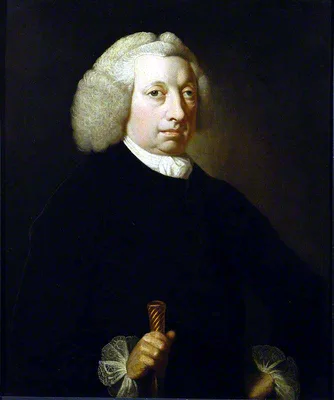
Huxham’s best work. He was well known in the west of England and wrote important monographs on diphtheria and on Devonshire colic. Huxham seemed to appreciate that a difference existed between typhus and typhoid…
1743 CE
#5416
An essay on inoculation, occasioned by the small-pox being brought into South Carolina in the year 1738.
After its initial popularity, inoculation fell into disuse in England. Kirkpatrick, who became a prominent inoculator in England after experience in America, helped considerably in reviving its popularity. He attempte…
1795 CE
#5336.3
An essay on the malignant pestilential fever introduced into the West Indian Islands from Boullam, on the coast of Guinea, as it appeared in 1793 and 1794.
Chisholm, "Surgeon to his Majesty's Ordnance in Grenada," was apparently the first to observe the mode of transmission of the Guinea worm, Dracunculus medinensis. Chishom was also one of the first to recognize that th…
1764 CE
#9509
An essay on the more common West-India diseases and the remedies which that country itself produces: To which are added some hints on the management, &c. of negroes.
Though the title suggests tropical medicine in general, this work mainly concerns the selection and medical care of slaves. Digital facsimile of the second edition (Edinburgh, 1802) expanded "with practical notes and …
1814 CE
#12762
An essay on the venereal diseases which have been confounded with syphilis, and the symptoms which exclusively arise from that poison. Illustrated by drawings of the cutaneous eruptions of true syphilis, and the resembling diseases.
Carmichael "subdivided venereal infections into four major classes, each of which he maintained had a distinct exciting poison, a peculiar primary manifestation and a separate series of constitutional affections. From…
1934 CE
#2415
An experimental study of mapharsen (meta-amino para-hydroxy phenyl arsine oxide) as an antisyphilitic agent.
Introduction of mapharsen.
1755 CE
#10510
An historical account of the several plagues that have appeared in the world since the year 1346. With an enquiry Into the present prevailing opinion, that the plague is a contagious distemper, capable of being transported in merchandize, from one country to another. In which the absurdity of such notions is exposed, and the arguments that have been made use of to support them, refuted. To which are added a particular account of the yellow fever, shewing its periodical appearance to be similar to the plague. Also observations on Dr Mackenzie's letters; read before the Royal Society on this subject. And an abstract of Capt. Isaac Clemens's voyage in the Sloop Fawey, from their arrival in the Mould of Algiers, to the sinking of her, on a supposition that the plague was on board her. Taken from his log-book
Digital facsimile from Google Books at this link.