
Facets
Browse across eight MeSH (opens in new tab) facets — era, geography, science, specialty, technology, history, culture, and reference. Select one tag per group; counts update across the others.
Clear filtersFacet filters
Geography
Specialties & Disease
- Anatomy & Pathology 765
- Cardiology & Blood 914
- Neurology & Psychiatry 1,256
- Obstetrics & Reproductive 550
- Infectious Disease (General) 147
- Surgery & Anesthesia 1,551
- Public Health 1,129
- Immunology & Dermatology 1,404
- General Clinical Medicine 480
- Military Medicine 436
- Psychology 202
- Alternative & Fringe Medicine 383
- Pediatrics 247
- Ophthalmology & Vision 412
- ENT & Hearing 293
- Urology & Nephrology 309
- Gastroenterology & Hepatology 316
- Pulmonary & Respiratory 233
- Rheumatology, Rehab & Pain 188
- Internal, Emergency & Geriatric 123
- Veterinary Medicine 165
- Epidemiology & Demography 397
- Physiology & Embryology 923
- Dentistry 259
- Plagues & Epidemics 1,279
- Microbiology & Virology 1,080
Social & Historical Studies
Institutions & Culture
Reference & Scholarly Works
Drugs & Technology
165 entries match Veterinary Medicine [G03.850]
1888 CE
#5512.1
Note sur la maladie des boeufs de la Guadeloupe, connue sous le nom de farcin.
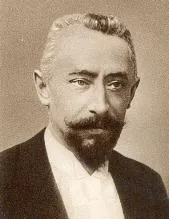
The first pathogenic aerobic actinomycete to be described. It was later named Nocardia farcinica and is probably identical with N. asteroides.
1898 CE
#5250
Notes on the pathological changes in the organs of birds infected with haemocytozoa.
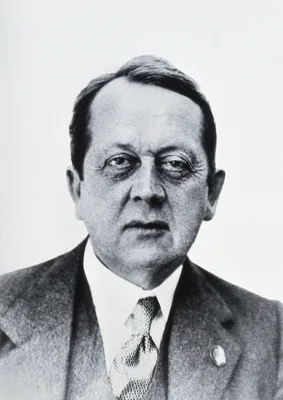
MacCallum and Opie discovered the sexual phase of malaria parasites.
1885 CE
#5347
Notes upon the experimental breeding of Taenia echinococcus in the dog from the echinococci of man.
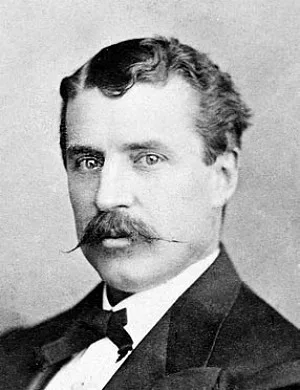
Thomas succeeded in transmitting Taenia echinococcus to the dog from human sources.
1805 CE
#10155
Notice historique et raisonnée sur C. Bourgelat, fondateur des ecoles vétérinaires; où l’on trouve un aperçu statistique sur cet établissement. Par L. F. Grognier.
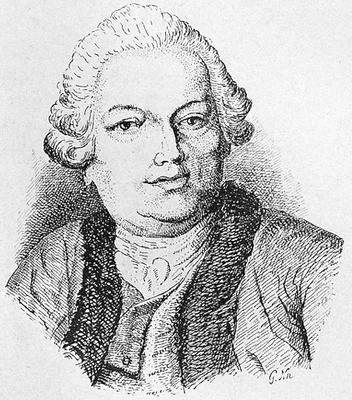
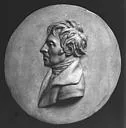
Bourgelat, a French lawyer, observed that certain diseases were devastating French herds, and forsaking his law practice, devoted his time to seeking out a remedy for the epizootic (rinderpest). In the process Bourgel…
1982 CE
#10140
Novel proteinaceous infectious particles cause Scrapie.

In 1997 Prusiner was awarded the Nobel Prize in Physiology or Medicine "for his discovery of Prions - a new biological principle of infection." In his 1982 paper Prusiner proposed a completely novel explanation for th…
1714 CE
#2529.2
Nuovo idea del male contagioso de’ buoi.
In this study of an epizootic Cogrossi formulated much of the modern theory of infection. He speculated that infection might occur at the microscopic level, and argued that infected individuals should be isolated and …
1891 CE
#5158
Observations sur la morve.
Mallein reaction for the diagnosis of glanders.
1921 CE
#11762
On a form of swine fever occurring in British East Africa (Kenya Colony).
First description of African Swine Fever. Montgomery was "Veterinary Adviser to the Government of Uganda, formerly Veterinary Pathologist to the East Africa Protectorate."
1881 CE
#5271
On a horse disease in India known as “surra”, probably due to a haematozoon.
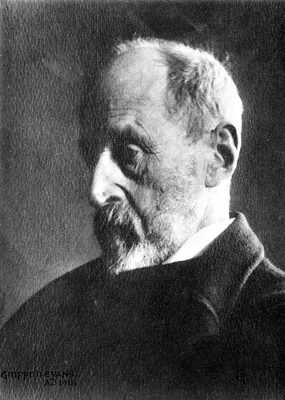
While serving in India as a veterinary surgeon, Evans discovered parasites in the blood of horses suffering from surra; this was the first pathogenic trypanosome to be described.
1898 CE
#5249
On the haemocytozoa of birds.
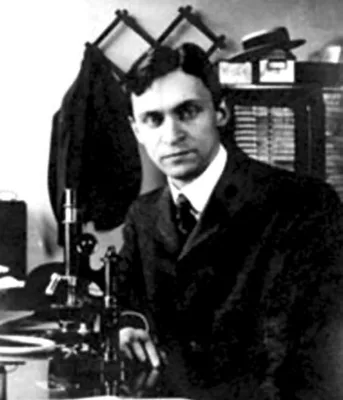
Demonstration of sexual conjugation in the malaria parasite. See also No. 5250.
1903 CE
#12176
P. Vegeti Renati digestorum artis mulomedicinae libri edidit Ernestus Lommatzsch. Accedit Gargili Martialis de curis boum fragmentum.
Digital facsimile from Google Books at this link. Includes an edition of the Late Antique Latin writer Quintus Gargilius Martialis's fragmentary treatise on the tending of cattle.
1980 CE
#8426
Pelagonii Ars veterinaria. Edited by K. D. Fischer.
1995 CE
#12760
Pelagonius and Latin veterinary terminology in the Roman Empire.
1810 CE
#8073
Précis historique de l'art vétérinaire pour servir d'introduction a une bibliographie vétérinaire générale.
Digital facsimile from Google Books at this link.
2007 CE
#9777
Rabies in Britain: Dogs, disease and culture, 1830-2000.
Also published as Mad dogs and Englishmen: Rabies in Britain, 1830-2000.
1843 CE
#5268
Recherches et observations sur une nouvelle espèce d’hématozoaire, Trypanosoma sanguinis.
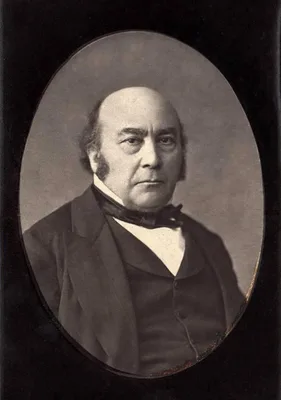
Gruby discovered trypanosomes in the frog. He first suggested the name “trypanosome” to describe the parasite.
1865 CE
#5166
Recherches sur la nature et la constitution anatomique de la pustule maligne.
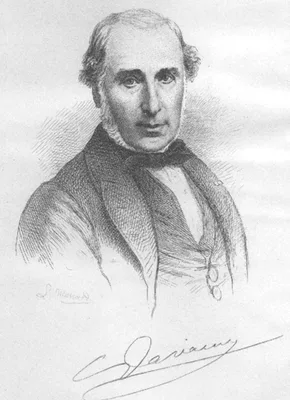
Davaine was the first conclusively to prove that a definite disease (anthrax) was due to a definite micro-organism (B. anthracis), and was thus one of the first to prove the germ theory of disease. He showed that the …
1863 CE
#5165
Recherches sur les infusoires du sang dans la maladie connue sous le nom de sang de rate.
Davaine showed that anthrax could be transmitted to sheep, horses, cattle, guinea-pigs, and mice, and that in such animals the bacilli did not appear in the blood until 4-5 hours before death.
1788 CE
#9896
Recherches, mémoires et observations sur les maladies épizootiques de Saint-Dominique, recueillis & publiés par le Cercle des Philadelphes du Cap-François.
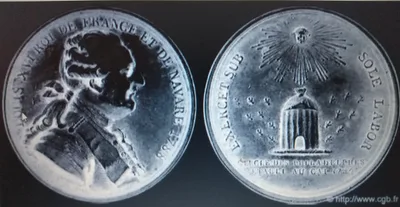
The Cercle des Philadelphes, of which Charles Arthaud was president, was an academic scientific society in Saint-Domingue, in existence between 1784 and 1791. It was the most prominent academic society in the Americas…
1938 CE
#4660
Recovery of the virus of equine encephalomyelitis from the brain of a child.
Western equine encephalitis virus recovered from man.
1777 CE
#10157
Règlemens pour les Écoles Royales Vétérinaires de France, divisés en deux parties; la première, contenant la police & la discipline générale: la seconde, concernant l'enseignement en général, l'enseignement en particulier & la police des études.
Bourgelat founded the first veterinary school in Lyon, 1761. He later developed the French system of veterinary schools. Digital facsimile from BnFGallica at this link.
1898 CE
#2457
Reise-Bericht über Rinderpest, Bubonenpest in Indien und Afrika, Tsetse-oder Surrakrankheit, Texasfieber, tropische Malaria, Schwarzwasserfieber.
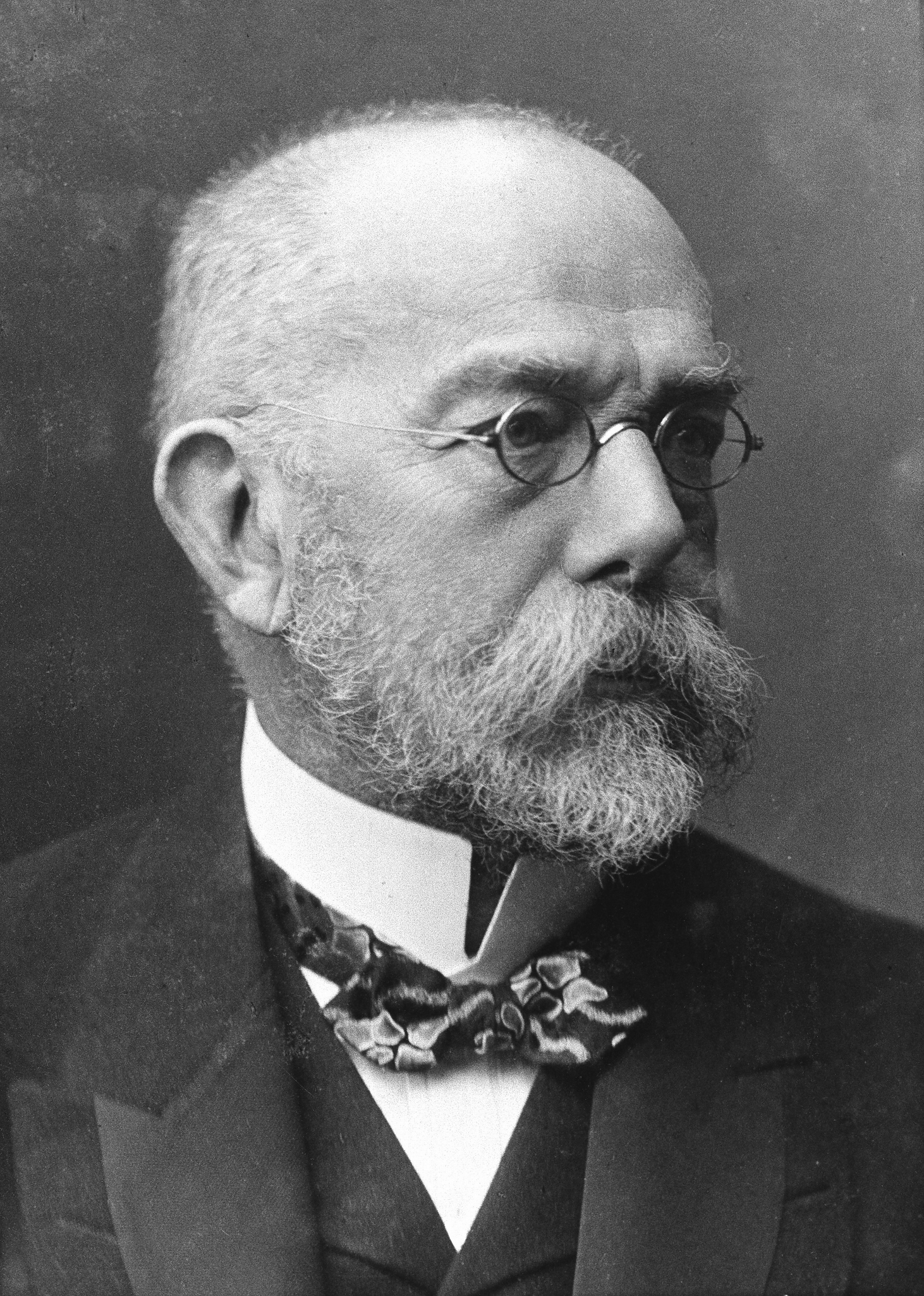
1886 CE
#5359
Remarks on parasites and scorpions.
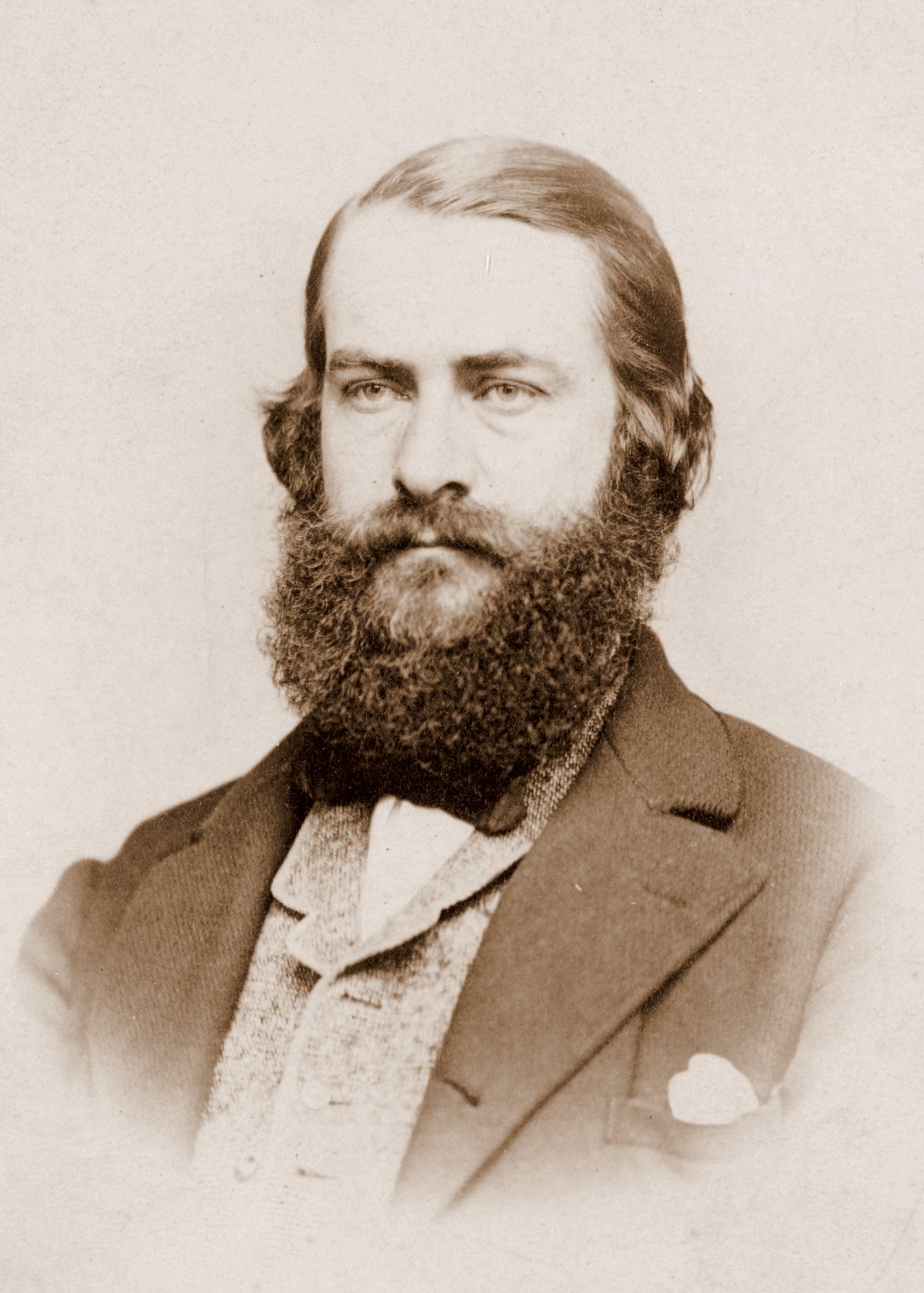
Leidy found the hookworm in the cat and suggested that it might also be found in man as a cause of pernicious anemia.
1886 CE
#5080
Report on a disease of cows prevailing at a farm from which scarlatina had been distributed along with the milk of cows.
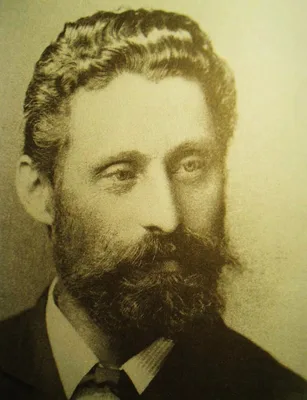
Contains the first suggestion of the streptococcal origin of scarlet fever.
1991 CE
#8627
Science and empire: East Coast Fever in Rhodesia and the Transvaal.
East Coast fever (theileriosis) is an animal disease in Africa caused by the protozoan parasite Theileria parva.
1959 CE
#10840
Scrapie and Kuru.

In 1959 Hadlow, a veterinarian, visited a medical exposition in England where Carlton Gajdusek posted pathological slides of autopsied Kuru brains and a clinical description of the illness. He realized that Gajdusek's…
1985 CE
#10965
Serologic identification and characterization of a macaque T-lymphotropic retrovirus closely related to HTLV-III.
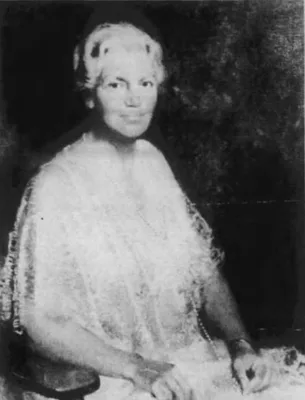
Order of authorship in the original paper: Kanki, McLane... Essex. This paper was followed in the issue of Science by: Daniel, M., Letvi, N. L., King, N.W., "Isolation of T-cell tropic HTLV-3 - like retrovirus from ma…
1925 CE
#5103
Studies on Brucella (Alkaligenes) melitensis.
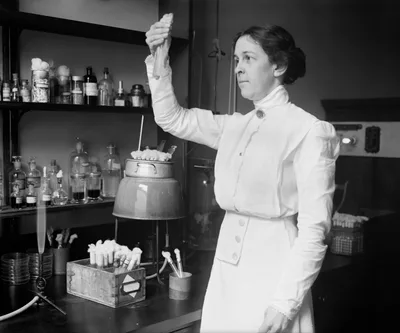
Forms Bulletin No. 143 of the U.S. Public Health Service Hygienic Laboratory. Alice Evans showed that the causal organism of Malta fever was closely related to Brucella abortus, responsible for contagious abortion in …
1895 CE
#5170
Sulla preparazione del siero anti-carbonchioso.
Specific anti-anthrax serum. German translation in Zbl. Bakt., 1895, 1 Abt., 18, 744-45.
2004 CE
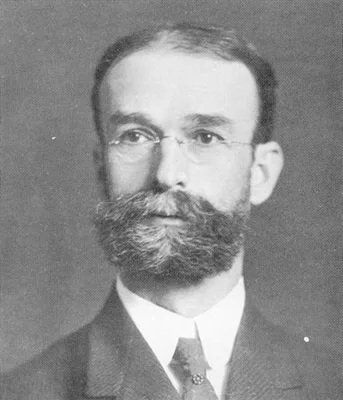
#7648
Suppressing the diseases of animals and man: Theobald Smith, microbiologist
1880 CE
#5169
Sur l’étiologie du charbon.
First use of attenuated bacteria for therapeutic purposes. See also the same journal, 1881, 92, 1378-83.
1880 CE
#2537
Sur les maladies virulentes, et en particulier sur la maladie appelée vulgairement choléra des poules.
This paper marked the beginning of Pasteur’s work on the attenuation of the infective organism. Noting that fowls inoculated with an attenuated form of the chicken cholera bacterium acquired immunity, he develop…
1889 CE
#5157
Sur un moyen de diagnostic rapide de la morve.
Straus reaction for the diagnosis of glanders.
1883 CE
#2498
Sur une forme de tuberculose sans bacilles.

Isolation of Pasteurella pseudotuberculosis.
1931 CE
#5493
Swine influenza. III. Filtration experiments and etiology.
Isolation in pigs of influenzavirus A or influenza A virus. Full text available from PubMedCentral at this link.
1975 CE
#6610.11
The anatomical works of George Stubbs.
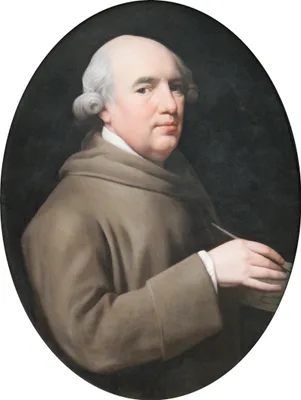
Reproduces all of the known anatomical drawings of the painter, George Stubbs (1724-1806), together with his midwifery illustrations and the text and plates for his work on anatomy of the horse. (No. 308.1).
1683 CE
#298
The anatomy of an horse.
First book in English on equine anatomy, largely a translation of Ruini (No. 285).
1766 CE
#308.1
The anatomy of the horse.
The first original work on equine anatomy after Ruini (No. 285). Stubbs, the great painter of animals, prepared his own dissections of horse carcasses, and personally engraved the 24 double folio plates for this work,…
1886 CE
#2505
The bacterium of swine-plague.
Discovery of Salmonella choleraesuis. The Salmonellae tribe was named after Salmon, even though the discovery was made by Smith. See Bibel, Milestones in immunology (1988) 31-32.
2009 CE
#8428
The care of brute beasts: A social and cultural study of veterinary medicine in Early Modern England.
1866 CE
#11761
The cattle plague; with office reports of the International Veterinary Comgresses, held in Hamburg, 1863, and in Vienna, 1865.
"Druing the cattle plague crisis of 1865-66, Gamgee was one of the prtincipal witnesses called to give evidence by the Cattle Plague Commissioners and amongst the first to recommend a policy of restriction of movement…
1944 CE
#5259.2
The development of Plasmodium gallinaceum from sporozoite to erythrocytic trophozoite.
First detailed account of the full cycle of development of the avian malaria parasite P. gallinaceum.
1919 CE–1933 CE
#10149
The early history of veterinary literature and its British development
Digital facsimile of vol. 1 and limited (search only) of vol. 2-4 from the Hathi Trust at this link.
1721 CE
#13695
The farriers dispensatory, in three parts. Containing I. A description of the medicinal simples, commonly made use of in the diseases of horses, with their virtues and manner of operation, distributed into proper classes, &c. II. The preparations of simples, vegetable, animal and mineral ; with an explanation of the most usual terms, both in the chymical and galenical pharmacy. III. A number of useful compositions and receipts suited to the cure of all diseases, never before published; as also those of greatest account from Solleysell, Ruini, Blundevill, and other most celebrated authors, digested under their proper heads of powders, balls, drinks, ointments, charges, &c. The proper Method of compounding and making them, with many other useful observations and improvements tending to their right administration. To which is also added, a compleat index of all the medicines contained in the book, whether simple or compound, with a table of diseases pointing to the remedies proper in each malady.
1940 CE
#5259.1
The form of Plasmodium, gallinaceum present in the incubation period of the infection.
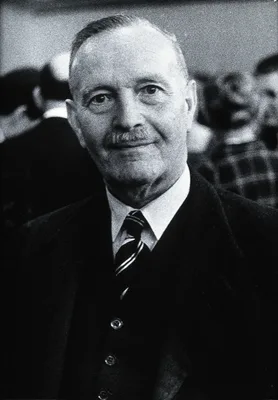
Independently of Mudrow, H. E. Shortt, K. P. Menon, and P. V. Seetharama Iyer found pre-erythrocytic forms of P. gallinaceum in the tissues.
1831 CE
#13280
The horse; with a treatise on draught; and a copious index. Published under the Superintendence of the Society for the Diffusion of Useful Knowledge.
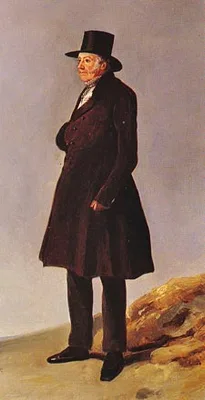
Youatt was one of the most widely published writers on veterinary medicine during the 19th century. This very practical work, originally published via the Society for the Diffusion of Useful Knowledge, underwent many …
1802 CE
#12078
The outlines of the veterinary art, or the principles of medicine as applied to a knowledge of the structure, functions, and oeconomy of the horse, the ox, the sheep, and the dog, and to a more scientific and successful manner of treating their various diseases, the whole illustrated by anatomical plates. 2 vols.
Includes the earliest record in the English of the origin and growth of veterinary literature. Digital facsimile from Google Books at this link.
1928 CE–1929 CE
#2523
The pathogenic streptococci. An historical survey of their role in human and animal disease.
Documents over 1,600 studies.
1948 CE
#5262
The pre-erythrocytic stage of mammalian malaria.
Demonstration of the pre-erythrocytic stage of P. cynomolgi in the monkey. With P. C. C. Garnham and B. Malamos. Preliminary communication in Nature (Lond.), 1948, 161, 126.
1898 CE
#5251
The rôle of the mosquito in the evolution of the malarial parasite.
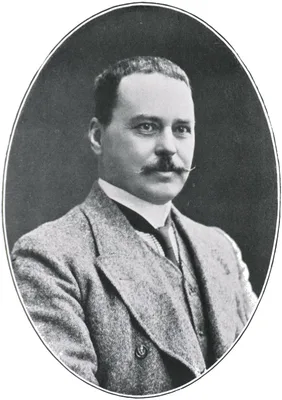
Ross provided the last link in the chain demonstrating the complete life-cycle of the parasite of bird malaria. He found that mosquitoes which had fed on malaria-infected birds, and which had allowed the parasites to …