
Facets
Browse across eight MeSH (opens in new tab) facets — era, geography, science, specialty, technology, history, culture, and reference. Select one tag per group; counts update across the others.
Clear filtersFacet filters
Geography
Specialties & Disease
- Anatomy & Pathology 765
- Cardiology & Blood 914
- Neurology & Psychiatry 1,256
- Obstetrics & Reproductive 550
- Infectious Disease (General) 147
- Surgery & Anesthesia 1,551
- Public Health 1,129
- Immunology & Dermatology 1,404
- General Clinical Medicine 480
- Military Medicine 436
- Psychology 202
- Alternative & Fringe Medicine 383
- Pediatrics 247
- Ophthalmology & Vision 412
- ENT & Hearing 293
- Urology & Nephrology 309
- Gastroenterology & Hepatology 316
- Pulmonary & Respiratory 233
- Rheumatology, Rehab & Pain 188
- Internal, Emergency & Geriatric 123
- Veterinary Medicine 165
- Epidemiology & Demography 397
- Physiology & Embryology 923
- Dentistry 259
- Plagues & Epidemics 1,279
- Microbiology & Virology 1,080
Social & Historical Studies
Institutions & Culture
Reference & Scholarly Works
1,256 entries match Neurology & Psychiatry [C10 / F04]
1817 CE
#4690
An essay on the shaking palsy.

“Parkinson’s disease”–paralysis agitans. Reprinted in Med. Classics, 1938, 2, 946-97. Facsimile edition, with biography of Parkinson by Macdonald Critchley, London, 1955. Digital facsimile from…
1751 CE
#1381
An essay on the vital and other involuntary motions of animals.

Whytt, famous Edinburgh neurophysiologist, was the first to prove that the response of the pupils to light is a reflex action (“Whytt’s reflex”). He described this reflex at length and mentioned that…
1909 CE
#12455
An experimental study of sleep. (From the Physiological Laboratory of the Harvard Medical School and from Sidis' Laboratory).
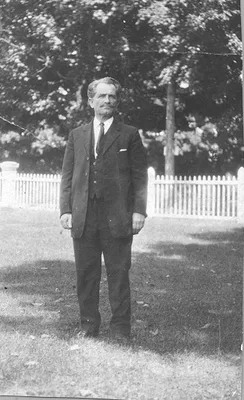
Sidis emphasized his physiological approach in the wording of the title of this book. Digital facsimile from Google Books at this link.
1996 CE
#1588.9
An illustrated history of brain function. Imaging the Brain from Antiquity to the Present. Second edition, revised and enlarged, with a new preface by Edwin Clarke and a new chapter surveying advances in imaging technology by Michael J. Aminoff.
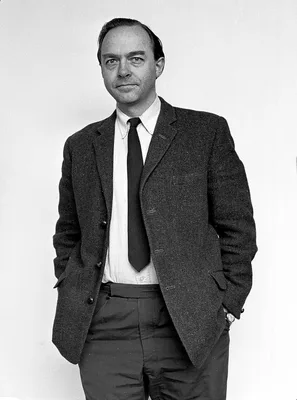
First edition, Oxford, 1985.
1932 CE
#4611.3
An improved method of encephalography.
Lumbar encephalography. In 1937 the authors published a monograph on the subject entitled The normal encephalogram. After Dyke's premature death in 1943 Davidoff collaborated with radiologist Bernard S. Epstein (1908-…
1810 CE
#4675
An inaugural dissertation on the disease termed petechial, or spotted fever. Submitted to the Examining Committee of the Medical Society of Connecticut, for the county of Hartford.
This graduation dissertation was the first published brochure on cerebrospinal meningitis. Digital facsimile from U.S. National Library of Medicine at this link.
1849 CE
#10746
An inquiry concerning the diseases and functions of the brain, spinal cord, and the nerves.
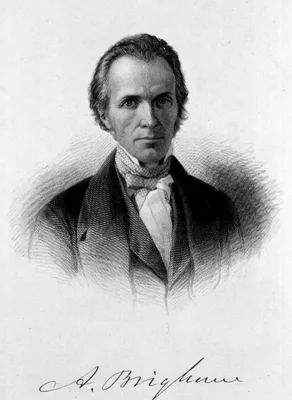
The first American book on neurology, with a lengthy discussion of neuropathology. Digital facsimile from the Internet Archive at this link.
1798 CE
#7978
An inquiry into the nature and origin of mental derangement: comprehending a concise system of the physiology and pathology of the human mind, and a history of the passions and their effects. 2 vols.
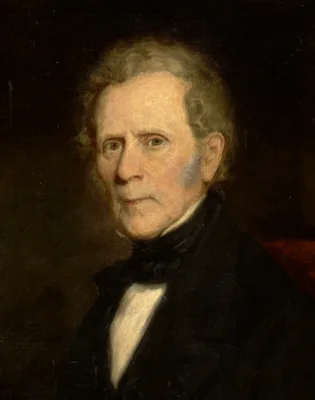
In chapter 2 of vol. 1, pp. 254-90, “On Attention and its Diseases” Crichton described a mental state much like the inattentive subtype of Attention Deficit Hyperactivity Disorder (ADHD). He did not mentio…
1995 CE
#10979
An unquiet mind: A memoir of moods and madness.

An autobiographical study of bipolar disorder by a distinguished American clinical psychologist who personally suffers from this disorder.
1811 CE
#1389.1
Analyse de la matière cérèbrale de l’homme et de quelques animaux.
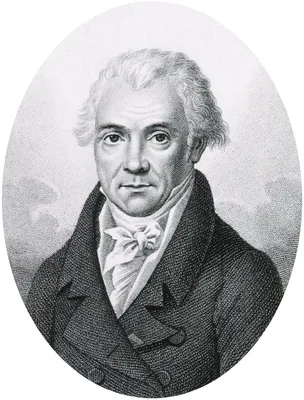
First complete chemical analysis of the nervous system.
1666 CE
#1354.9
Anatome medullae spinalis, et nervorum.
The first separate work on the spinal cord. Blasius “illustrated the separate origin of the anterior and posterior roots, the dorsal root ganglia and the differentiation between the gray and white matter of the …
1536 CE
#370
Anatomia capitis humani.
The first work on the anatomy of the head. Elegantly illustrated with 11 woodcuts. English translation in No. 461.3.
1817 CE
#1316
Anatomia comparata nervi sympathici.
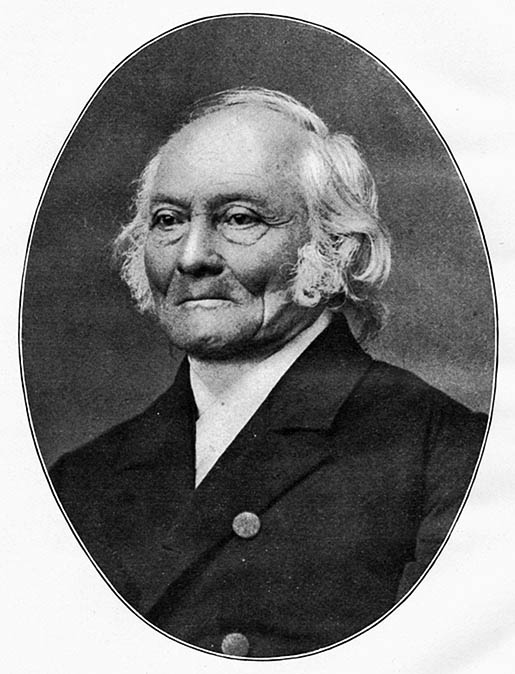
1537 CE
#371
Anatomiae, hoc est, corporis humani dissectionis pars prior.
Dryander was among the first to make illustrations after his own dissections. His unfinished guide to dissection entitled Anatomiae, expanded from the Anatomia published the previous year, is one of the most important…
1611 CE
#6964
Anatomicae institutiones corporis humani.
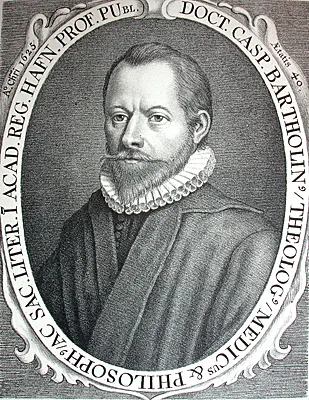
The elder Caspar Bartholin was the first to describe the workings of the olfactory nerve, and introduced the terms nervus olfactorius and nervus vagus. This was a standard textbook for many years, undergoing numerous …
1585 CE
#7595
Anatomicae praelectiones.
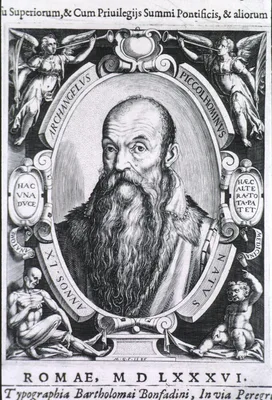
First description of a clear distinction between what is now known as gray and white matter in the central nervous system. The work also includes the first attempt to illustrate the brain in a sagittal view. The nine …
1822 CE–1823 CE
#1390
Anatomical and physiological commentaries. Numbers I & II [All published].
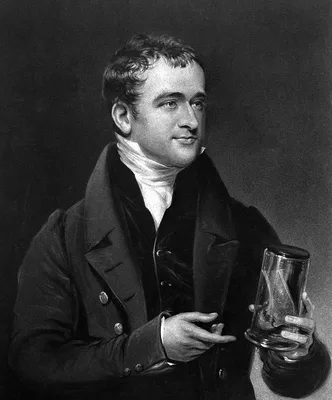
Mayo discovered and described the functions of the Vth and VIIth cranial nerves on pp. 107-120 of Number I, and did much towards the clarification of the idea of reflex action. Reprinted, Metuchen, N.J., Scarecrow Pre…
1839 CE–1857 CE
#1396.01
Anatomie comparée du système nerveux. 2 vols. and atlas.
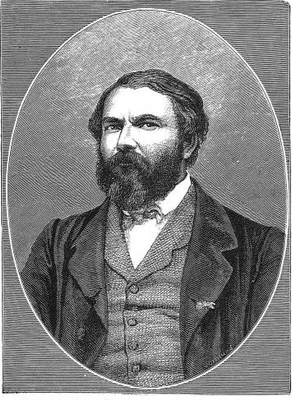
The first comprehensive systematic investigation of the mammalian brain. Leuret wrote vol. 1 without Gratiolet, who later became his collaborator, publishing vol. 2 and the atlas after Leuret’s death.
1895 CE–1901 CE
#1424
Anatomie des centres nerveux. 2 vols.
Classic summary of neuroanatomy at the end of the nineteenth century—comprehensive, beautifully illustrated, and scholarly. It is a goldmine of historical information with an outstanding bibliography.
1810 CE–1819 CE
#1389
Anatomie et physiologie du système nerveux en général, et du cerveau en particulier. 4 vols. and atlas.
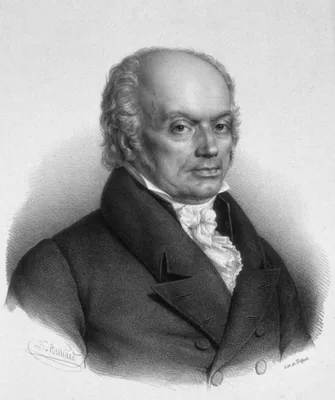
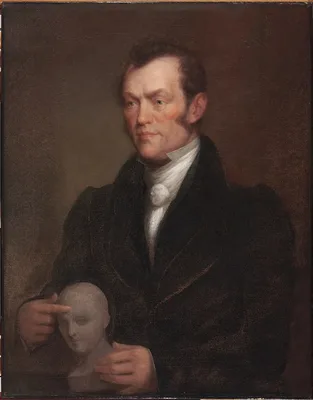
Introduced the theory of localization of cerebral function, although in a somewhat fantastic form. This pioneer attempt to map out the cerebral cortex according to function gave rise to the pseudo-science of phrenolog…
1891 CE
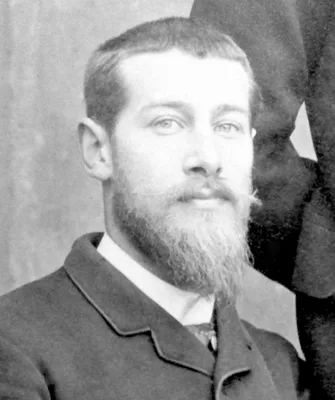
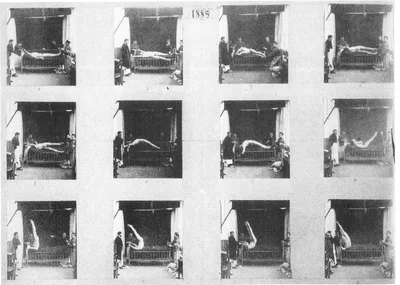
#14234
Anatomie pathologique de la moelle épinière.
1829 CE–1842 CE
#2286
Anatomie pathologique du corps humain. 2 vols.
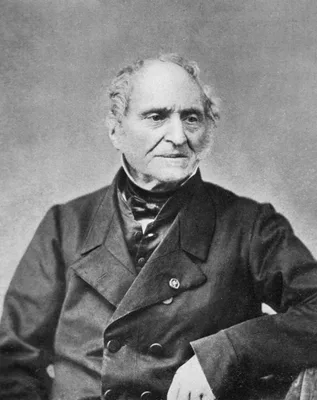
The fine hand-colored lithographs of gross pathology make this one of the greatest works of its kind. Cruveilhier, first Professor of Pathological Anatomy in Paris, gave the first description of multiple sclerosis (in…
1874 CE
#1407
Anatomischer Nachweis zweier Gehirncentra.
Discovery of the giant pyramidal cells of the motor cortex.
2016 CE
#11138
Anatomy: An encyclopedic reference to the language of anatomy and neuroanatomy. It provides the fascinating origin of terms and biographies of anatomists/physicians who originated them.
1988 CE
#5019.21
Animal magnetism, early hypnotism, and psychical research, 1766-1925. An annotated bibliography.
Describes 1905 works, mostly with detailed annotations.
1874 CE
#4845
Anorexia nervosa (apepsia hysterica, anorexia hysterica).
Classic description of anorexia nervosa.
1910 CE
#4670.1
Anterior poliomyelitis. Methods of diagnosis from spinal fluid and blood in monkeys and in human beings.
Gay and Lucas were the first to make accurate cell counts of the spinal fluid in poliomyelitis.
1501 CE
#363.3
Antropologium de ho[min]is dignitate, natura, et p[ro]prietatibus.
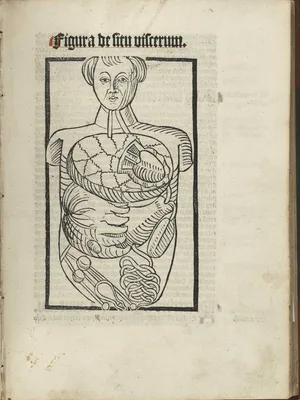
Includes the first illustrations of the viscera in a printed book. The four woodcuts are derived with modifications from Peyligk (No. 363.2). This work also contains the first mention ever of the word anthropology (in…
1926 CE
#4633
Aphasia and kindred disorders of speech. 2 vols.
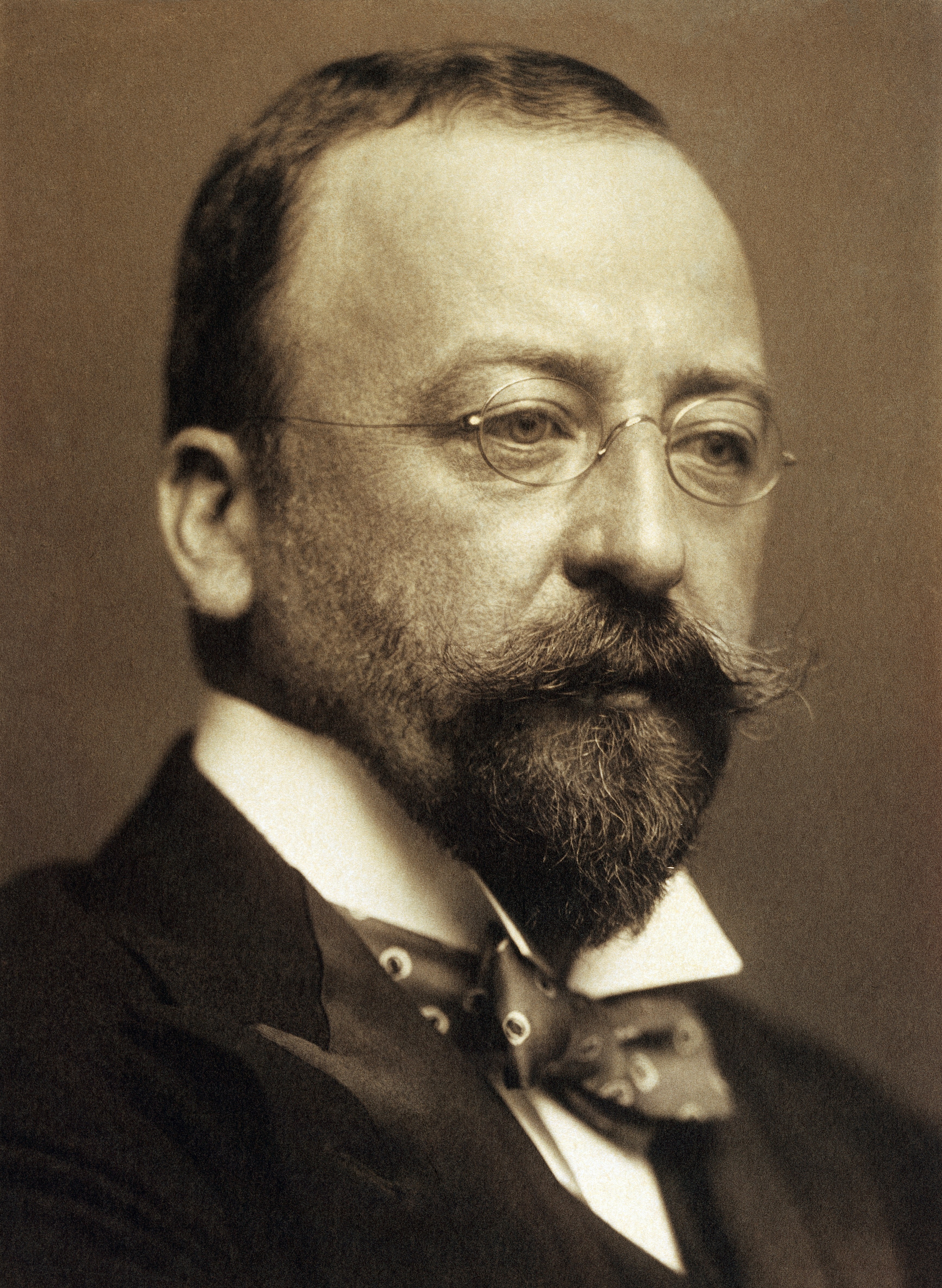
Head’s theory of aphasia conceived the condition as being “a disorder of symbolic formulation and expression”.
1866 CE
#4621.1
Aphasie, aphémie, alalie.
Includes a history of aphasia.
1931 CE
#4611.1
Apparatus and technique for roentgen examination of the skull.
Lysholm–Schönander skull table, allowing precise radiography of the skull.
2015 CE
#12736
Architecture of the cerebral cortical association connectome underlying cognition.

"Significance "Connections between cerebral cortex regions are known as association connections, and neural activity in the network formed by these connections is thought to generate cognition. Network analysis of mic…
1977 CE
#4914.7
Aspects of coma after severe head injury.
Glasgow Coma Scale for grading brain injury following head trauma.
2019 CE
#12715
Association of enterovirus D68 with Acute flaccid myelitis, Philadelphia, Pennsylvania, USA, 2009-2018.
The authors correlated increases of Acute Flaccid Myelitis (AFM) with EV-D68 outbreaks. They noted that EV-D68 infected mice exhibited paralyzed limbs, and they reported that EV-D68 had undergone genome evolutiion tha…
2009 CE
#9120
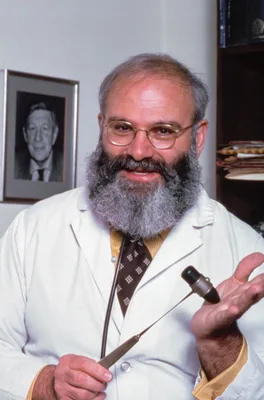
Asylum: Inside the closed world of state mental hospitals. Photographs by Christopher Payne. With an essay by Oliver Sacks.
1892 CE–1894 CE
#14235
Atlas der pathologischen Histologie des Nervensystems. Herausgegeben von Prof. V. Babes (Bucarest), P. Blocq (Paris, Prof. Ehrlich (Berlin), Prof. Homen (Helsingfors), Prof. P. Marie (Paris, G. Marinesco (Bucarest), Prof. Mendel (Berlin) Prof. Möli (Berlin), Dozen C. v. Monakow (Zürich), Prof. Ramon j Cajal (Barcelon) und Prof. Vanlair (Lüttic). Redigirt von Professor V. Babes und P. Blocq. I. Lieferung: Die krankhaften Veränderungen der Museklnerven und deren Endigungen. II. Lieferung: Régénération des nerves. Degeneration und Entzündung der Nerven.
1897 CE–1903 CE
#1427
Atlas des Gehirns: Schnitte durch das menschliche Gehirn in photographischen Originalen. 3 Abteilungen in 4 Bänden.
Abt. 1: 32 Frontalschnitte durch eine Grosshirnhemisphäre / hergestellt und erl. von Dr. Ernst Hahn und Dr. Heinrich Sachs (1897) Breslau : Verl. der Königlichen psychiatrischen Klinik, in Comm. bei Schlette…
1894 CE
#1372
Atlas des menschlichen Gehirns und des Faserverlaufes.
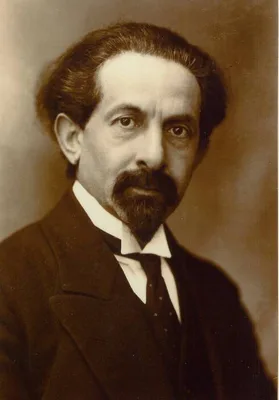
Flatau’s law—“the greater the length of the fibers in the spinal cord the closer they are situated to the periphery”.
1861 CE–1867 CE
#14159
Atlas des peripherischen Nervensystems des menschlichen Körpers / Atlas du système nerveux périphérique du corps humain. Mit einem Vorwort von Prof. Dr. Th. W. L. Bischoff, nach der Natur photographirt von Joseph Alb. 10 parts.
Issued in 10 parts in folio (510 x 360 mm). Includes 46 large-format original photographs mounted on sheets of cardboard.
1892 CE–1896 CE
#10621
Atlas of clinical medicine. 3 vols.
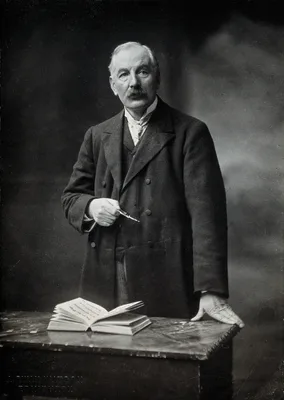
Published at the end of the 19th century, and employing the wide variety of illustration technologies then available, including color lithography, lithography, and photography, this work testifies to the breadth and d…
1893 CE
#431
Atlas of head sections. Fifty-three engraved copperplates of frozen sections of the head, and fifty-three key plates with descriptive texts.
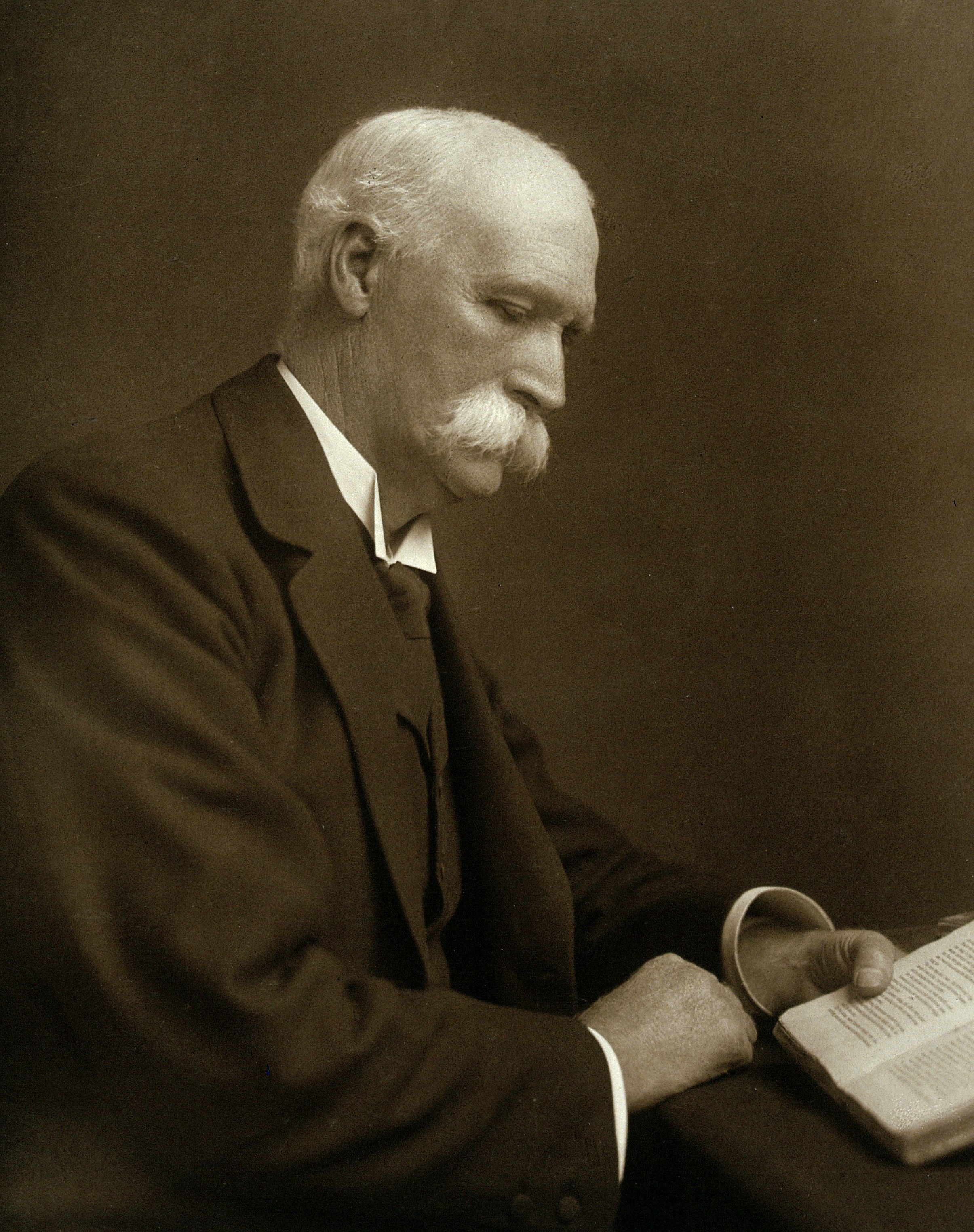
Intended to supplement and illustrate Macewen’s neurosurgical textbook published the same year (No. 4872). Includes coronal, sagittal and horizontal sections with commentary on each.
2012 CE
#9418
Atlas of human brain connections.
The authors combined the science of diffusion tensor imaging with the art of tractography: Spectacular color images.
1896 CE
#9639
Atlas of nerve cells. With the cooperation of Oliver S. Strong and Edward Leaming.
Photomicrographs by Leaming. Digital facsimile from the Biodiversity Heritage Library at this link.
2006 CE
#12732
Atlas of regional anatomy of the brain using MRI with functional correlations
Though this book is intended for clinical and neurosurgical applications, the authors take an historical approach. Chapter 1 is "Historical review of cross-sectional anatomy of the brain."
1971 CE
#7353
Atlas of the mouse brain and spinal cord.
"This is an exceptionally systematic, beautifully produced atlas of the mouse central nervous system in the three standard planes, with alternating cell-stained (Nissl method with cresyl violet) sections and myelin-st…
1860 CE
#4737
Atrophie musculaire progressive. Lésions histologiques de la substance grise de la moëlle épinière.
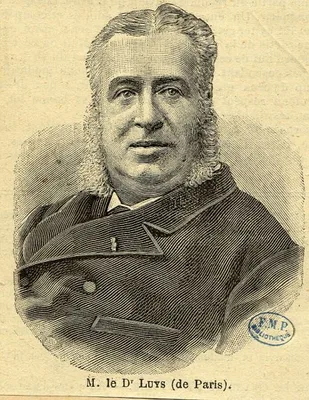
Luys was the first to note the degeneration of the anterior horn cells in progressive muscular atrophy.
1965 CE
#13914
Attempts to demonstrate a transmissible agent in Kuru, Amyotrophic Lateral Sclerosis, and other subacute and chronic progressive nervous system degenerations in man. Addendum p. 46 in: Slow, latent, and temperate virus infections. NINDB Monograph No. 2. Edited by D. Carleton Gajdusek, Clarence J. Gibbs, Jr., and Michael Alpers.
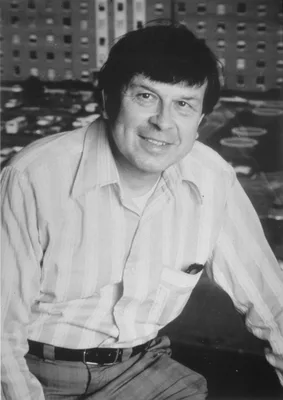
In their Addendum on p. 46 the authors stated that 20 and 21 months post innocculation in the brain with brain material from Kuru patients two chimpanzees showed symptoms of an illness suggestive of Kuru. Digital facs…
1898 CE
#4791
Augenkrisen bei Tabes dorsalis.
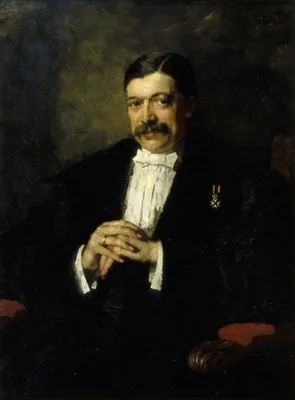
“Pel’s crises” – the ocular crises in tabes.
1943 CE
#7625
Autistic disturbances of affective contact.
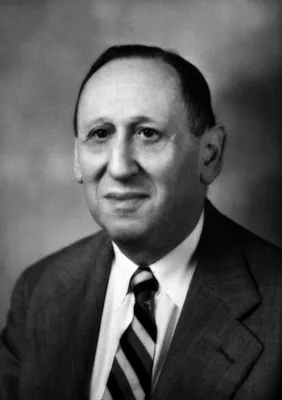
The first description of “early infantile autism” as a disorder marked by extreme detachment, self-isolation, inability to form relationships, frequent failure to acquire communicative abilities, and preoc…
1937 CE
#1354
Autonomic neuro-effector systems.
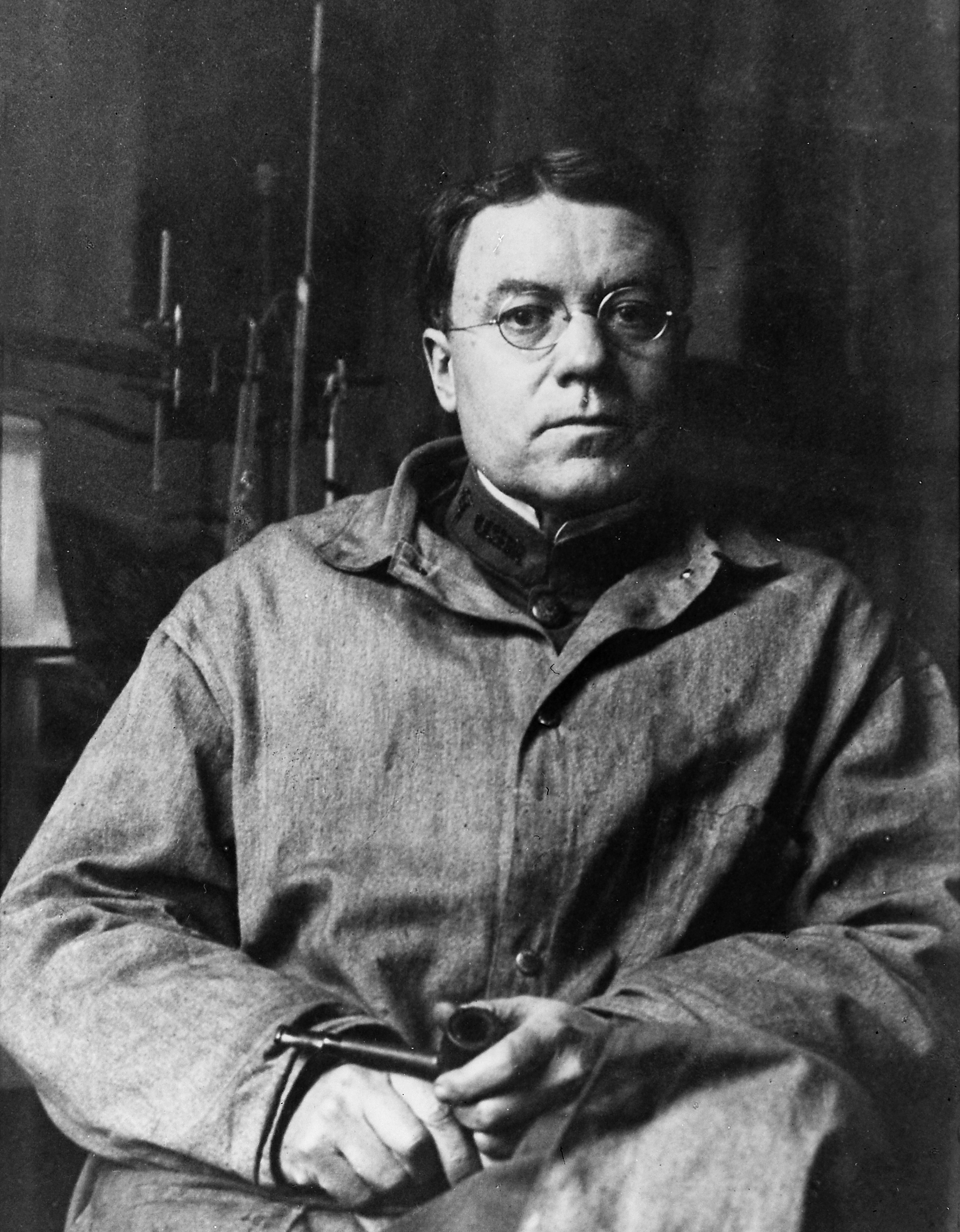
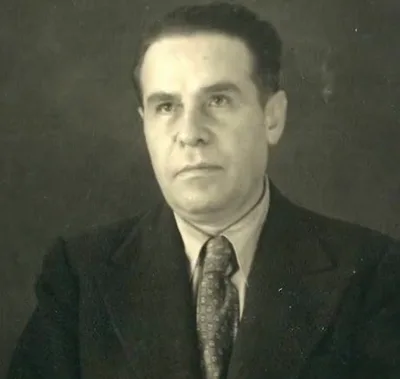
The authors hypothesized the existence of two sympathins, one excitatory and the other inhibitory, now known as epinephrine and norepinephrine. See Nos. 1144 & 1350.