
Facets
Browse across eight MeSH (opens in new tab) facets — era, geography, science, specialty, technology, history, culture, and reference. Select one tag per group; counts update across the others.
Clear filtersFacet filters
Geography
Specialties & Disease
- Anatomy & Pathology 134
- Cardiology & Blood 11
- Neurology & Psychiatry 36
- Obstetrics & Reproductive 26
- Infectious Disease (General) 5
- Surgery & Anesthesia 14
- Public Health 129
- Immunology & Dermatology 38
- General Clinical Medicine 28
- Military Medicine 11
- Psychology 16
- Alternative & Fringe Medicine 17
- Pediatrics 5
- Ophthalmology & Vision 2
- ENT & Hearing 3
- Urology & Nephrology 4
- Gastroenterology & Hepatology 4
- Pulmonary & Respiratory 3
- Rheumatology, Rehab & Pain 0
- Internal, Emergency & Geriatric 7
- Veterinary Medicine 11
- Epidemiology & Demography 12
- Physiology & Embryology 94
- Dentistry 10
- Plagues & Epidemics 44
- Microbiology & Virology 92
Social & Historical Studies
Institutions & Culture
Reference & Scholarly Works
1,480 entries match Zoology & Animal Sciences [K01.900.500.750]
1887 CE
#11756
The agricultural pests of India, and of eastern and southern Asia, vegetable and animal, injurious to man and his products.
Digital facsimile from the Internet Archive at this link.
1919 CE
#11486
The amoebae living in man; a zoological monograph.
"I have attempted in this monograph to give an accurate and concise account of all the amoebae which live in human beings." Digital facsimile from Biodiversity Heritage Library at this link.
1975 CE
#6610.11
The anatomical works of George Stubbs.
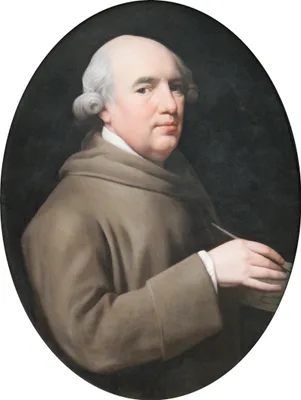
Reproduces all of the known anatomical drawings of the painter, George Stubbs (1724-1806), together with his midwifery illustrations and the text and plates for his work on anatomy of the horse. (No. 308.1).
1683 CE
#298
The anatomy of an horse.
First book in English on equine anatomy, largely a translation of Ruini (No. 285).
1698 CE
#385.1
The anatomy of humane bodies, with figures drawn after the life by some of the best masters in Europe.
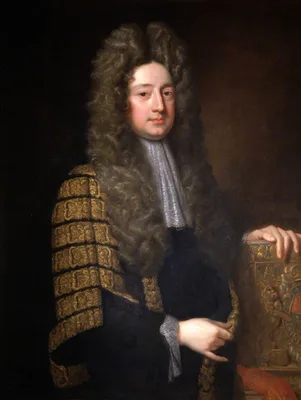
The largest in format, and most elaborate and beautiful of all 17th century English treatises on anatomy, and also one of the most extraordinary plagiarisms in the entire history of medicine. Cowper purchased sets of …
1766 CE
#308.1
The anatomy of the horse.
The first original work on equine anatomy after Ruini (No. 285). Stubbs, the great painter of animals, prepared his own dissections of horse carcasses, and personally engraved the 24 double folio plates for this work,…
1797 CE–1804 CE
#401.3
The anatomy of the human body. 4 vols.
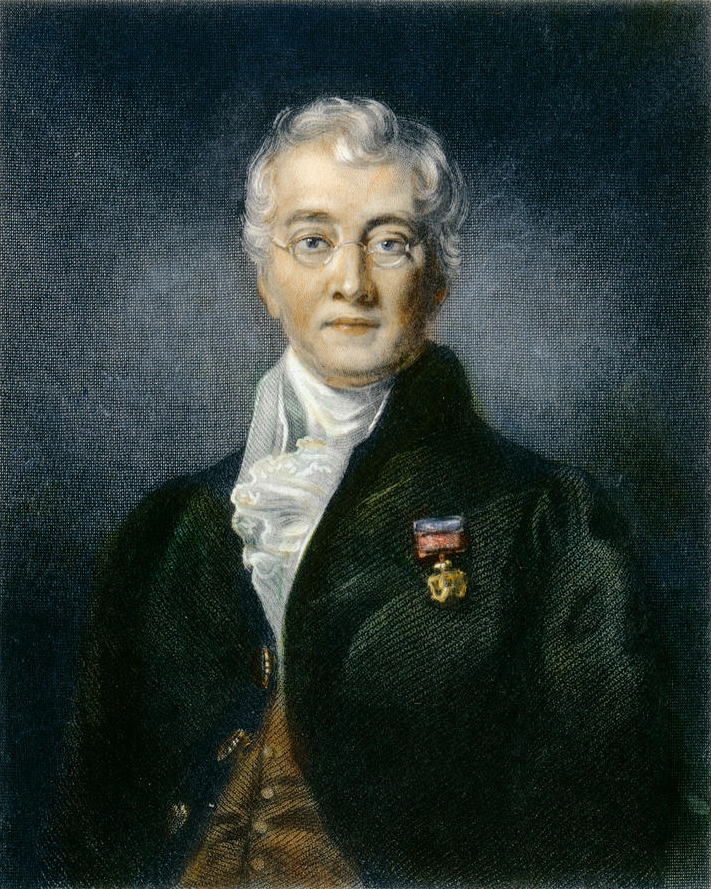
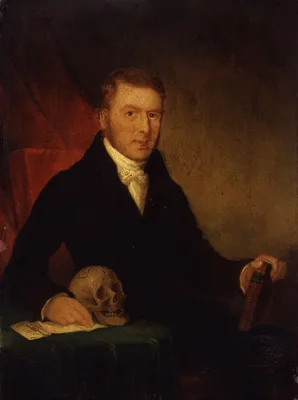
“The first great textbook contributed by the British school to modern anatomy” (Russell, No. 461).
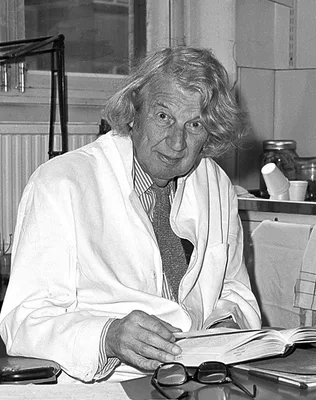
1971 CE
#7159
The anatomy of the nervous system of Octopus vulgaris.
1969 CE
#11840
The Andromeda strain. A novel.
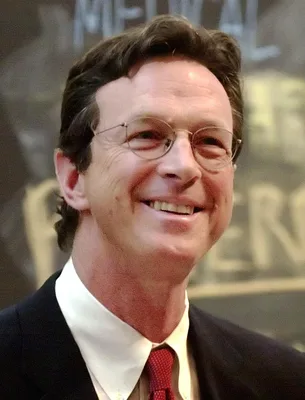
A techno-thriller novel documenting the efforts of a team of scientists investigating the outbreak of a deadly extraterrestrial microorganism in Arizona.
1792 CE
#13816
The animal kingdom, or zoological system, of the celebrated Sir Charles Linnæus. containing a complete systematic description, arrangement, and nomenclature, of all the known species and varieties of the mammalia, or animals which give suck to their young; Class I Mammalia. Being a translation of that part of the Systema naturae, as lately published, with great improvements, by Professor Gmelin of Goettingen. Together with numerous additions from more recent zoological writers, and illustrated with copperplates.

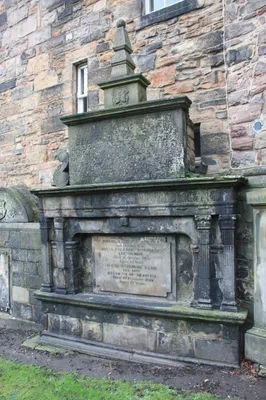
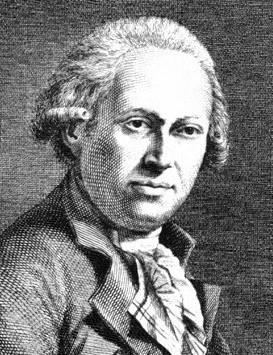
English translation of parts 1 and 2 of the 13th edition of Linnaeus's Systema naturae (1788-1793) edited by Johann Friedrich Gmelin. Digital facsimile from Biodiversity Heritage Library at this link.
1938 CE
#7103
The ape in antiquity.
Digital facsimile from the Hathi Trust at this link.
2020 CE
#11868
The arms race between bacteria and their phage foes.

Order of authorship in the original publication: Hampton, Watson, Fineran. Summarizes, and documents with 173 references, the extensive research on the multitude of methods that bacteriophages use to disable the CRISP…
1943 CE
#9352
The art of falconry, being the De arte venandi cum avibus of Frederick II of Hohenstaufen.
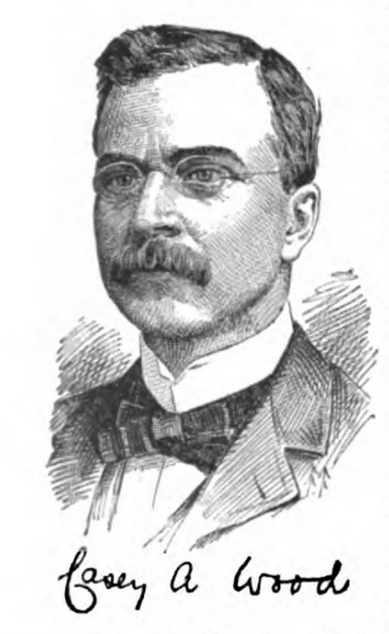
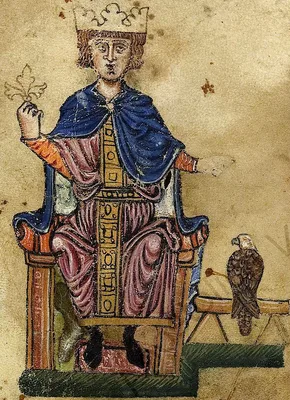
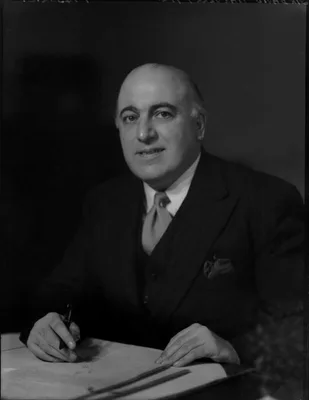
English translation of the six-book version of Frederick's work, edited, with numerous appendices, illustrations, and an annotated bibliography of ancient, medieval and modern falconry, by Casey A. Wood and F. Marjori…
1981 CE
#6610.15
The art of healing. Medicine and science in American art.
2012 CE
#10294
The art of medicine: Over 2000 years of images and imagination.
"The pharmaceutical magnate Henry S. Wellcome (1853-1936) sought to illumine the 'history of the Healing art' across cultures and from the ancient past to his own day through his vast historical medical collection. Th…
1744 CE
#10814
The art of preserving health: A poem.
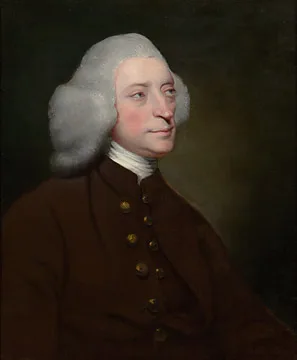
John Armstrong was the brother of George Armstrong. Digital facsimile from the Internet Archive at this link. The edition consisted of 1250 of which 50 were on "fine paper."
2000 CE
#10670
The Aurelian legacy: British butterflies and their collectors. By Michael A. Salmon with additional material by Peter Marren and Basil Harley.
1766 CE
#10570
The Aurelian or natural history of English insects; namely, moths and butterflies.
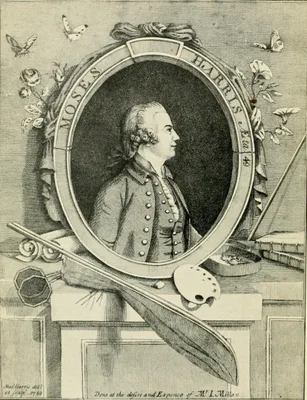
Harris drew and engraved his own illustrations. The second edition (1778) was considerably expanded, and with four more plates than the first, for a total of 45. Some of the hand-colored copies were hand-colored by th…
1887 CE–1890 CE
#13053
The avifauna of British India and its dependencies. A systematic account, with descriptions of all the known species of birds inhabiting British India, observations on their habits, nidification, &c., tables of their geographical distribution in Persia, Beloochistan, Afghanistan, Sind, Punjab, N.W. Provinces, and the peninsula of India generally, with woodcuts, lithographs, and coloured illustrations. 2 vols.
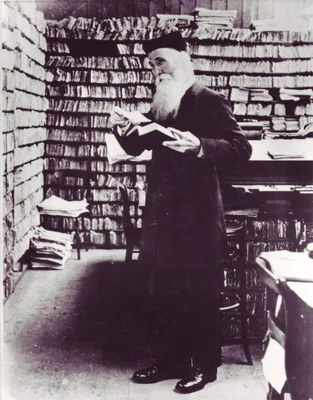
Digital facsimile from Biodiversity Heritage Library at this link.
1985 CE
#145.91
The background of ecology: concept and theory.
1959 CE
#12603
The baths of Pozzuoli. A study of the medieval illuminations of Peter of Eboli's poem
2017 CE
#8867
The beautiful brain: The drawings of Santiago Ramón y Cajal. Edited with commentaries by Eric A. Newman, Alfonso Araque, and Janet M. Dubinsky. Essays by Larry W. Swanson, Lyndel King, and Eric Himmel.
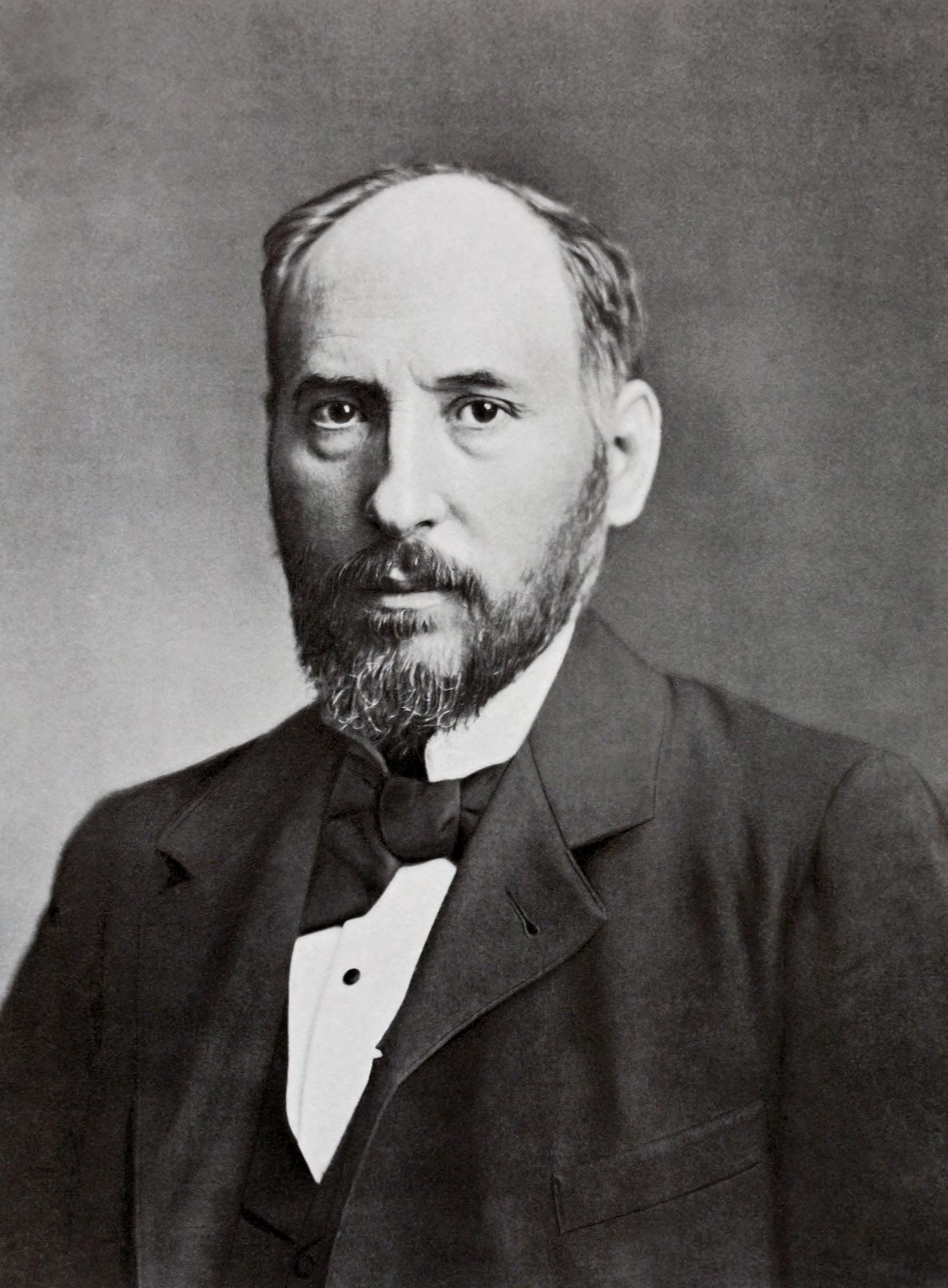

A spectacular volume reproducing Ramón y Cajal's drawings in very high quality, and with significant commentaries.
1992 CE–2012 CE
#11862
The biology of mosquitos. Vol. 1: Development, nutrition and reproduction. Vol. 2: Sensory perception and behaviour. Vol. 3: Transmission of viruses and interraction with bacteria.
1840 CE–1844 CE
#13112
The Birds of America, from drawings made in the United States and their territories. 7 vols.
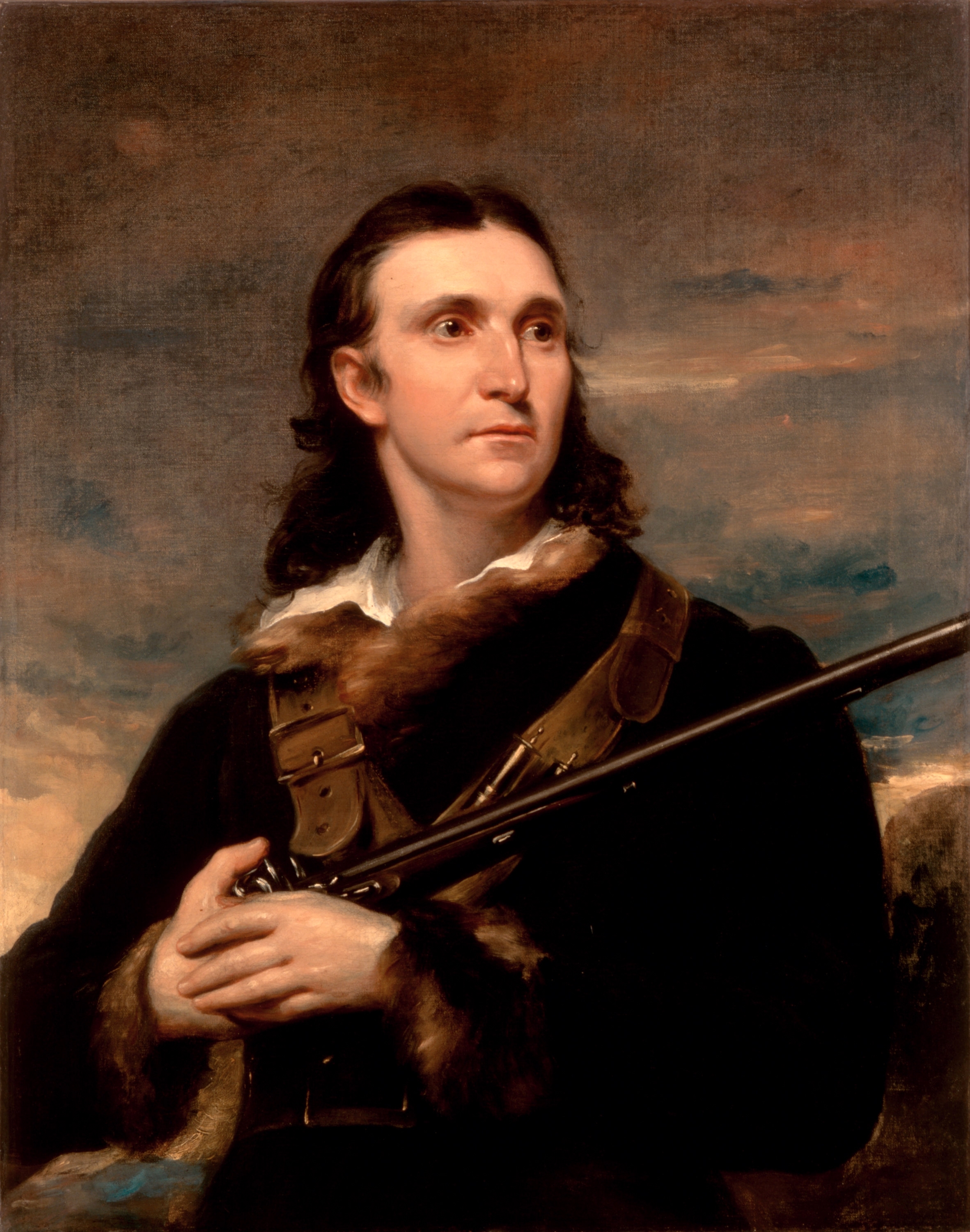
Audubon created 65 new images for the octavo edition, supplementing the original 435 in the double-elephant folio edition of 1827-1838. The resulting series of 500 chromolithographed plates constituted the most extens…
1827 CE–1838 CE
#322
The birds of America. From original drawings by John James Audubon. 4 vols.
Contains 435 hand-colored plates in double elephant folio format, originally issued in 87 parts. The birds of America is widely regarded as the greatest illustrated ornithological work ever published, and one of the g…
1999 CE
#9193
The birth of the cell.
2020 CE
#12639
The black box of biology: A history of the molecular revolution. Translated by Matthew Cobb.
"The Black Box of Biology shows that what led to the incredible transformation of biology was not a simple accumulation of new results, but the molecularization of a large part of biology. In fact, Morange argues, the…
1884 CE
#11841
The body snatcher.
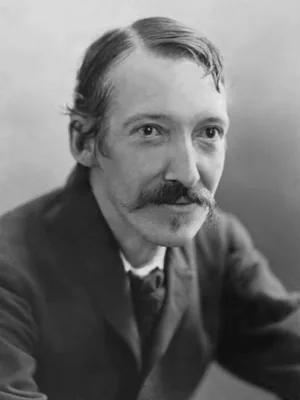
Loosely based upon the notorious crimes of Burke and Hare, who murdered 16 people in 1828 in order to sell their corpses to Scottish anatomist Robert Knox. In Stevenson's story, the anatomist is referred to as Mr. K__…
1789 CE–1791 CE
#8921
The botanic garden: A poem in two parts. Part I. Containing the economy of vegetation. Part II. The loves of the plants. With philosophical notes. 2 vols.
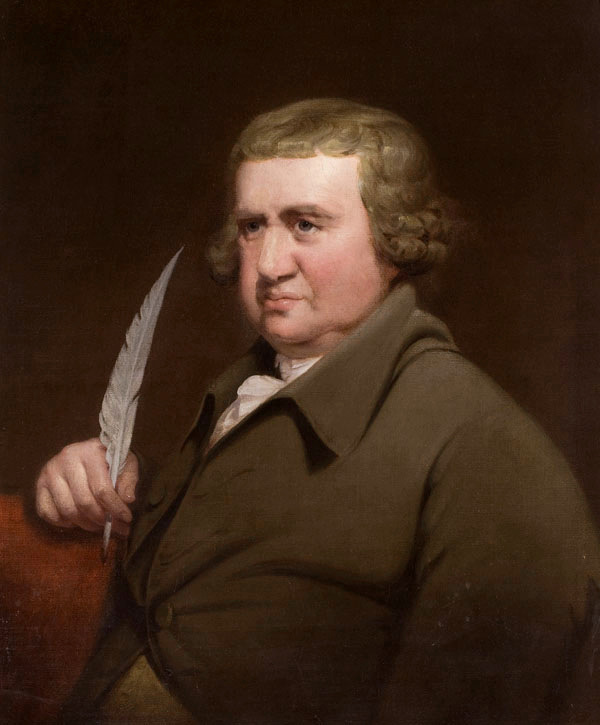
The first edition of part 2, preceded part 1, being published in 1789. This poem was the chief source of Erasmus Darwin's literary fame during his lifetime. Like his other works, this poem contains a great deal of fre…
1928 CE
#350
The brain from ape to man: A contribution to the study of the evolution and development of the human brain by Frederick Tilney. With chapters on the reconstruction of the gray matter in the primate brain stem by Henry Alsop Riley. 2 vols.
Classic study of the evolution of the central nervous system in the higher mammals. Digital facsimile from the Internet Archive at this link.
1861 CE
#3267
The breath of life; or mal-respiration, and its effects upon the enjoyments and life of man.
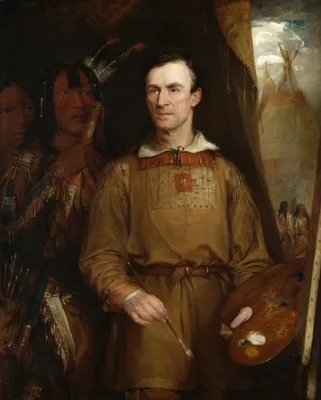
Catlin, the famous American artist, was the first in America to call attention to the bad effects of mouth-breathing. He based his book on observations of native American practices, and illustrated his book with humor…
2015 CE
#10442
The butterflies of North America: Titian Peale's lost manuscript. Foreward by Ellen V. Futter. Preface and scientific captions by David A. Grimaldi. Introduction by Kenneth Haltman.
1993 CE
#14010
The C. elegans heterochronic gene lin-4 encodes small RNAs with antisense complementarity to lin-14.


Ambros and colleagues discovered the first known microRNA (miRNA), a small single-stranded non-coding RNA molecule (containing about 22 nucleotides) found in plants, animals and some viruses, that functions in RNA sil…
1856 CE
#10261
The camel: His organization habits and uses considered with reference to his introduction into the United States.
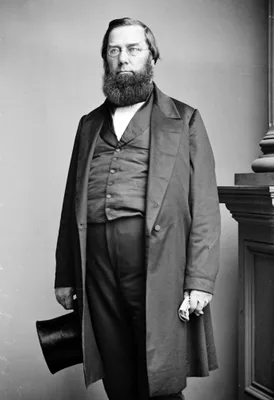
Marsh, who is remembered today for his contributions to ecology in his book, Man and nature, was appointed by president Zachary Taylor United States minister resident in the Ottoman Empire from 1849-1854. There he und…
1984 CE
#7053
The Caribbean slave: A biological history.
1896 CE
#238
The cell in development and inheritance.
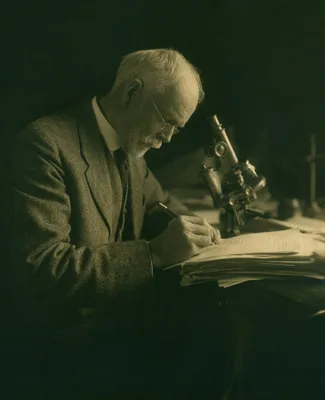
Wilson emphasized the function of cytology in the study of embryology, heredity, evolution and general physiology. The above work has been called the single most influential treatise on cytology of the 20th century. T…
1948 CE
#139.1
The cell-theory: a restatement, history, and critique.
1923 CE
#138
The chemical basis of growth and senescence.
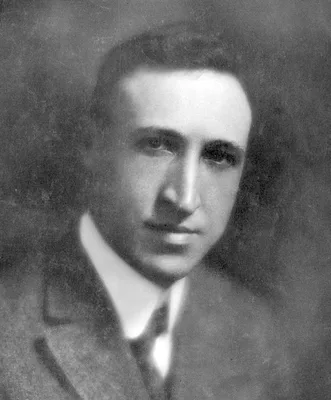
1956 CE
#256.5
The chromosome number in man.
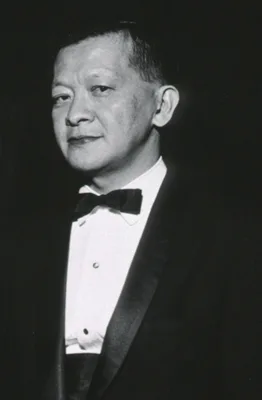
Proof that the normal chromosome number in man is 46.
1903 CE
#242.1
The chromosomes in heredity.
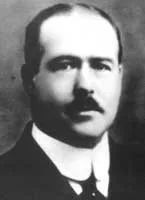
Sutton advanced the theory that Mendel’s factors were hereditary particles borne by the chromosomes and that Mendel’s laws for his factors were the direct result of the behaviour of chromosomes in meiosis.…
1937 CE
#10198
The Citadel.
This novel was "groundbreaking with its treatment of the contentious theme of medical ethics. It has been credited with laying the foundation in Great Britain for the introduction of the NHS a decade later.[1] "For hi…
1854 CE
#8383
The claims of the Negro, ethnologically considered: An address before the literary societies of Western Reserve College, at commencement, July 12, 1854.
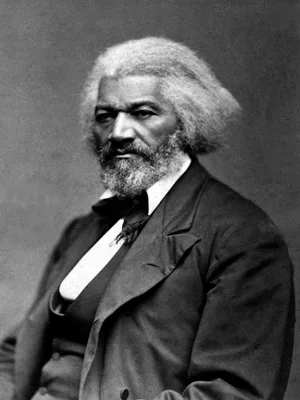
Digital facsimile from the Hathi Trust at this link.
1992 CE
#10400
The code of codes: Scientific and social issues in the human genome project. Edited by Daniel J. Kevles and Leroy Hood.


Chapter 1. "Out of eugenics: The historical politics of the human genome" by D. J. Kevles. Chapter 2. "A history of the science and technology behind gene mapping and sequencing" by Horace Freeland Judson. Chapter 7. …
1969 CE–1975 CE
#6786.15
The Cole Library of early medicine and zoology. Catalogue of books and pamphlets. 2 parts.
The library of F.J. Cole (see No. 356). Part 1: 1472-1800 to the present day and Supplement to Part 1.
1985 CE
#8883
The collected essays of Sir William Osler. 3 vols. Edited by John P. McGovern and Charles G. Roland.
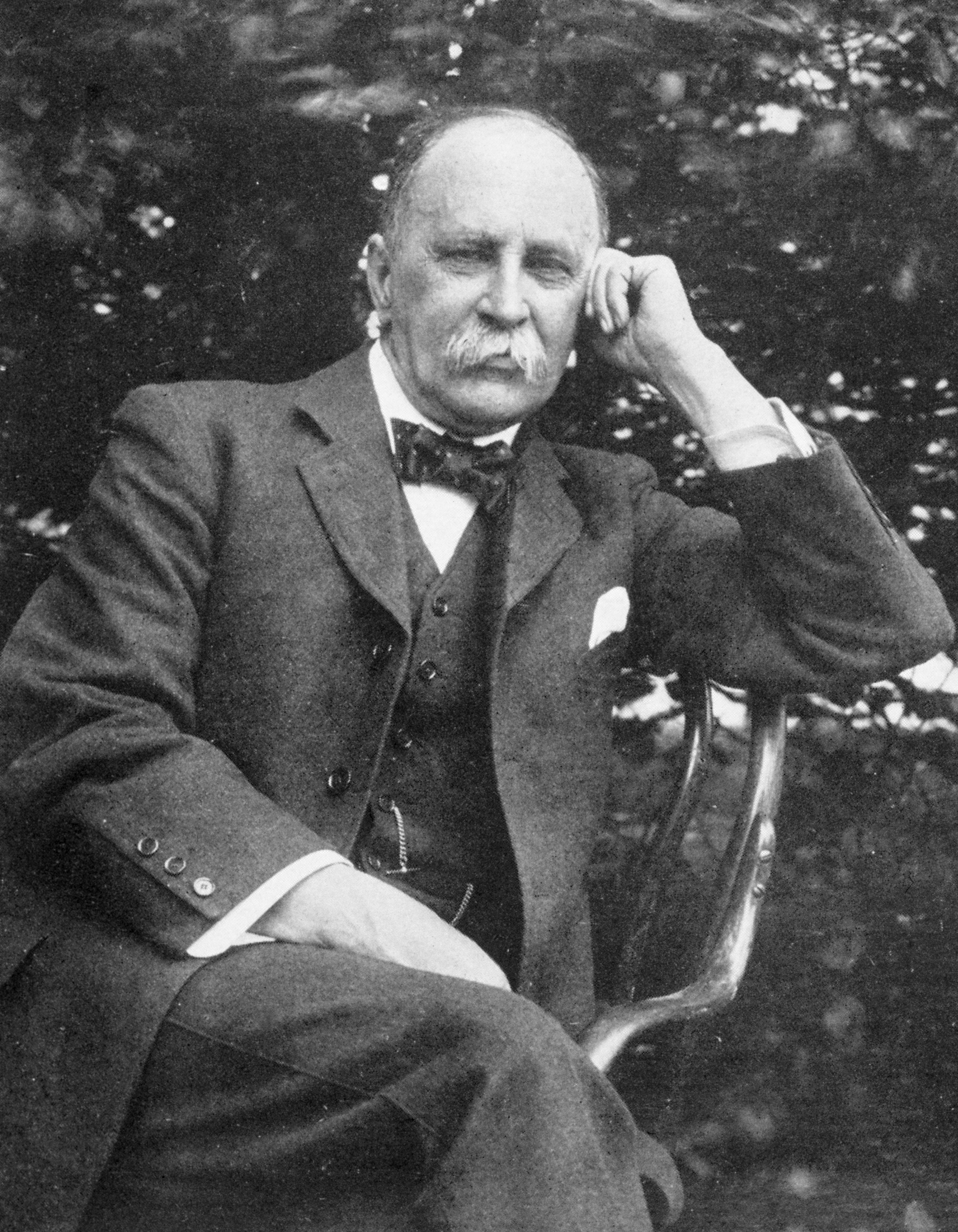
Vol. 1: The philosophical essays. Vol. 2: The educational essays. Vol. 3: The historical and biographical essays.
1967 CE
#13945
The complete amino acid sequence of the tryptophan synthesase a protein (α Subunit) and its colinear relationship with the genetic map of the gene.
Yanofsky showed that changes in DNA sequence can produce changes in protein sequence at corresponding positions. His work is considered the best evidence in favor of the one gene-one enzyme hypothesis. Order of author…
2014 CE
#7289
The complete genome sequence of a Neanderthal from the Altai Mountains.
First complete sequence of a Neanderthal genome. With more than 20 co-authors. In 2022 Pääbo was awarded the Nobel Prize in Physiology or Medicine "for his discoveries concerning the genomes of extinct homin…
2010 CE
#7290
The complete mitochondrial DNA genome of an unknown hominin from southern Siberia.
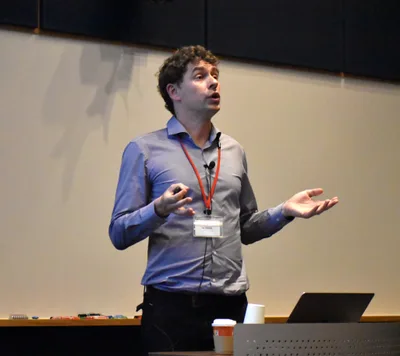
Svante Pääbo and collaborators reconstructed the genome of the Denisova hominins and announced that they were a new species, that they interbred with our species, and that the DNA results suggest that they h…
1984 CE
#9098
The complete works of Aristotle. The revised Oxford translation. Edited by Jonathan Barnes. 2 vols.
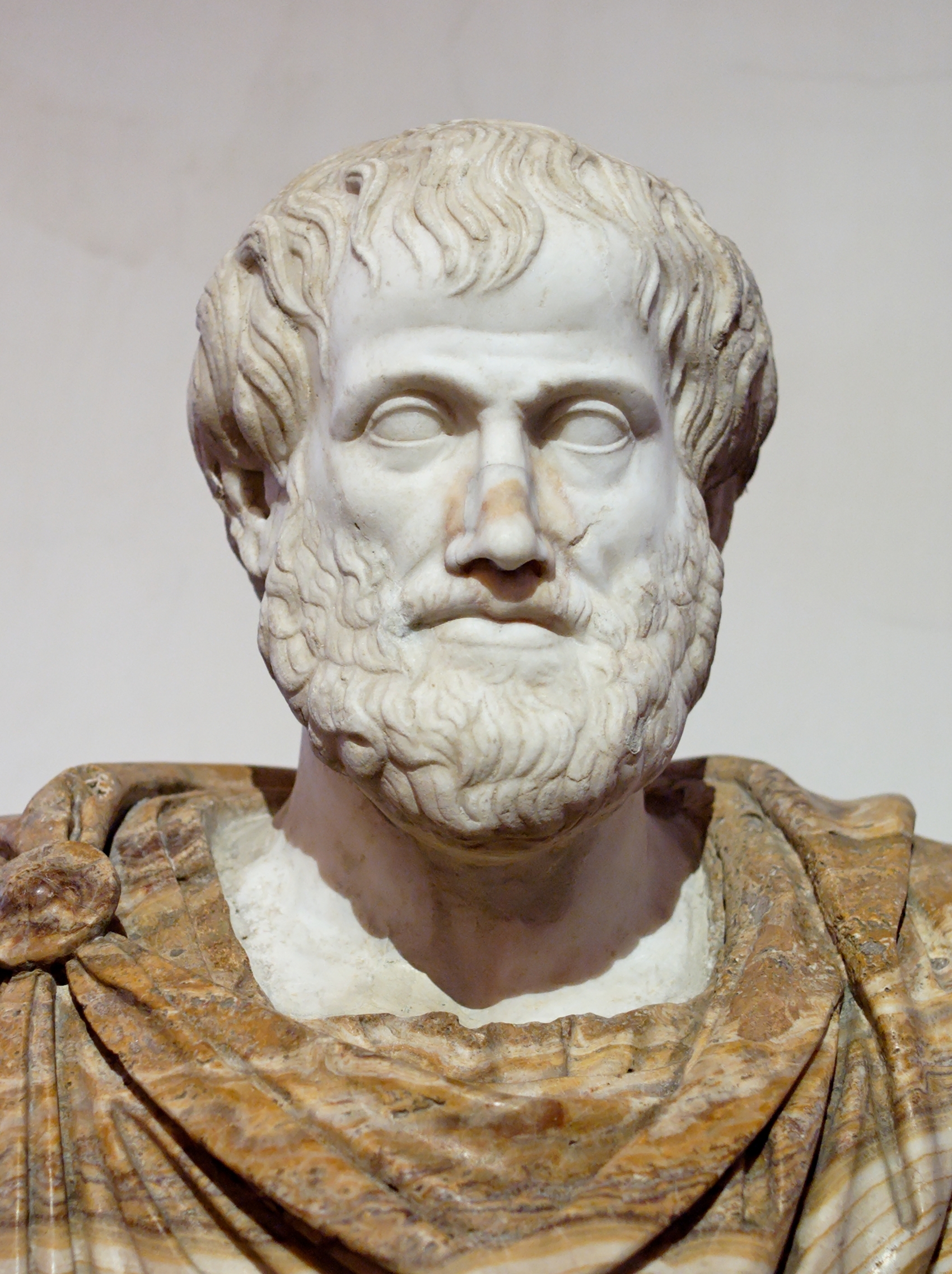
Reprinted with corrections, 1995. "The Oxford Translation of Aristotle was originally published in 12 volumes between 1912 and 1954. It is universally recognized as the standard English version of Aristotle. This revi…
1951 CE–1952 CE
#6910
The computation of Fourier syntheses with a digital electronic calculating machine.
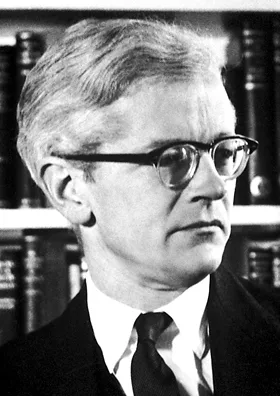
The first paper published in a scientific journal on the application of an electronic computer to computational biology. At the second English computer conference held in Manchester from July 9-12, 1951 computer scien…