
Facets
Browse across eight MeSH (opens in new tab) facets — era, geography, science, specialty, technology, history, culture, and reference. Select one tag per group; counts update across the others.
Clear filtersFacet filters
Geography
Specialties & Disease
- Anatomy & Pathology 765
- Cardiology & Blood 914
- Neurology & Psychiatry 1,256
- Obstetrics & Reproductive 550
- Infectious Disease (General) 147
- Surgery & Anesthesia 1,551
- Public Health 1,129
- Immunology & Dermatology 1,404
- General Clinical Medicine 480
- Military Medicine 436
- Psychology 202
- Alternative & Fringe Medicine 383
- Pediatrics 247
- Ophthalmology & Vision 412
- ENT & Hearing 293
- Urology & Nephrology 309
- Gastroenterology & Hepatology 316
- Pulmonary & Respiratory 233
- Rheumatology, Rehab & Pain 188
- Internal, Emergency & Geriatric 123
- Veterinary Medicine 165
- Epidemiology & Demography 397
- Physiology & Embryology 923
- Dentistry 259
- Plagues & Epidemics 1,279
- Microbiology & Virology 1,080
Social & Historical Studies
Institutions & Culture
Reference & Scholarly Works
1,080 entries match Microbiology & Virology [C01.748]
1840 CE
#2533
Von den Miasmen und Contagien. In his Pathologische Untersuchungen, pp. 1-82.
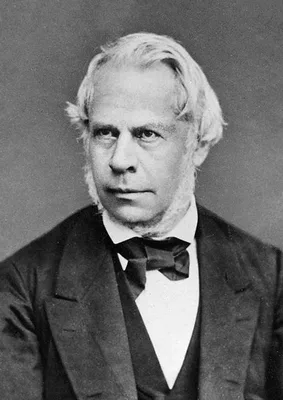
Bassi’s work on the muscardine disease of silkworms (see No. 2532), with its prophecy of the discovery of microbes as the causal agents of other diseases, inspired Henle to write this famous essay on miasms and …
1767 CE
#5090
Von der Ruhr unter dem Volke im Jahr 1765.
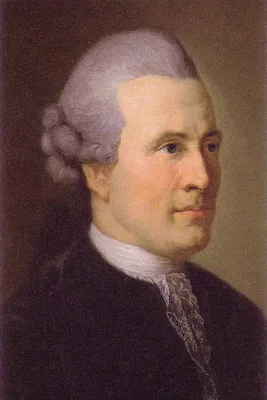
The first important monograph on bacillary dysentery. Translated into English by C. R. Hopson as A treatise on the dysentery, with a description of the epidemic dysentery that happened in Switzerland in the year 1765 …
1873 CE
#5314
Vorkommen feinster, eine Eigenbewegung zeigender Fäden im Blute von Recurrenskranken.
Discovery (in 1868) of Borrelia recurrentis, causative agent in relapsing fever.
1837 CE
#674
Vorlaüfige Mittheilung betreffend Versuche über die Weingährung und Fäulniss.
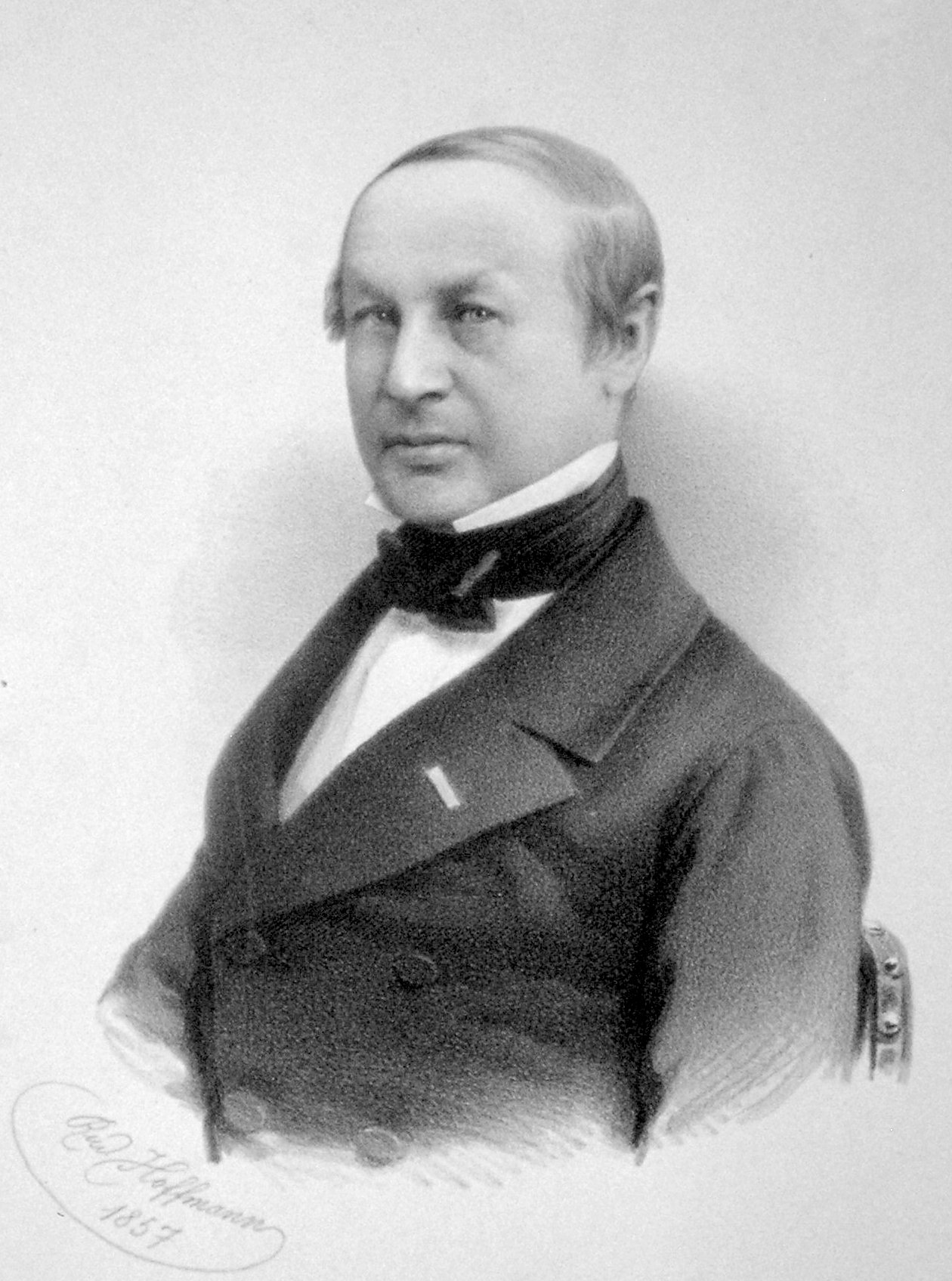
Proof that putrefaction is produced by living bodies. Independently of Cagniard-Latour, Schwann discovered the yeast cell. He is regarded as the founder of the germ theory of putrefaction and fermentation.
1892 CE
#5490
Vorläufige Mittheilungen über die Erregerder Influenza.
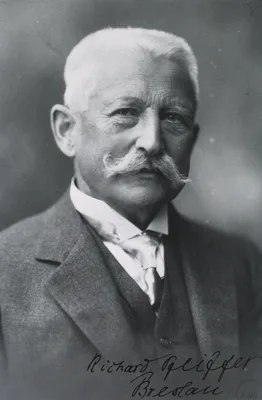
Pfeiffer discovered a bacillus, Haemophilus influenzae, “Pfeiffer’s bacillus”, which he believed to be the causal organism of influenza.
1885 CE
#2500
Vorlesungen über Bacterien.
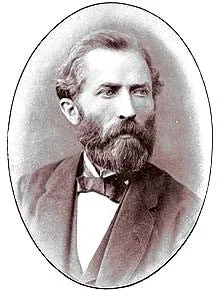
1887 CE
#2579
Vorlesungen über die geschichtliche Entwickelung der Lehre von den Bacterien. Teil l.[All published].
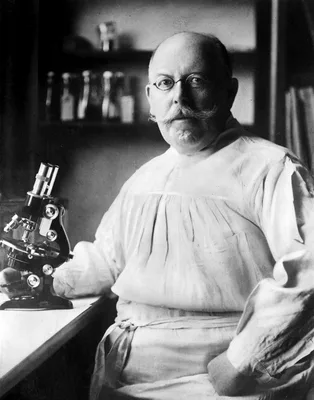
Loeffler, Professor of Hygiene at Greifswald, made many discoveries in bacteriology. His history of the subject was the first and only history of bacteriology prior to the publication of Bulloch's History of bacteriol…
1908 CE
#5041
Weitere Mitteilungen über Schweinepest mit besonderer Berücksichtigung der Bakteriologie der Hogcholeragruppe.
First description of Salmonella paratyphi C.
1890 CE
#2332
Weitere Mittheilungen über ein Heilmittel gegen Tuberkulose.
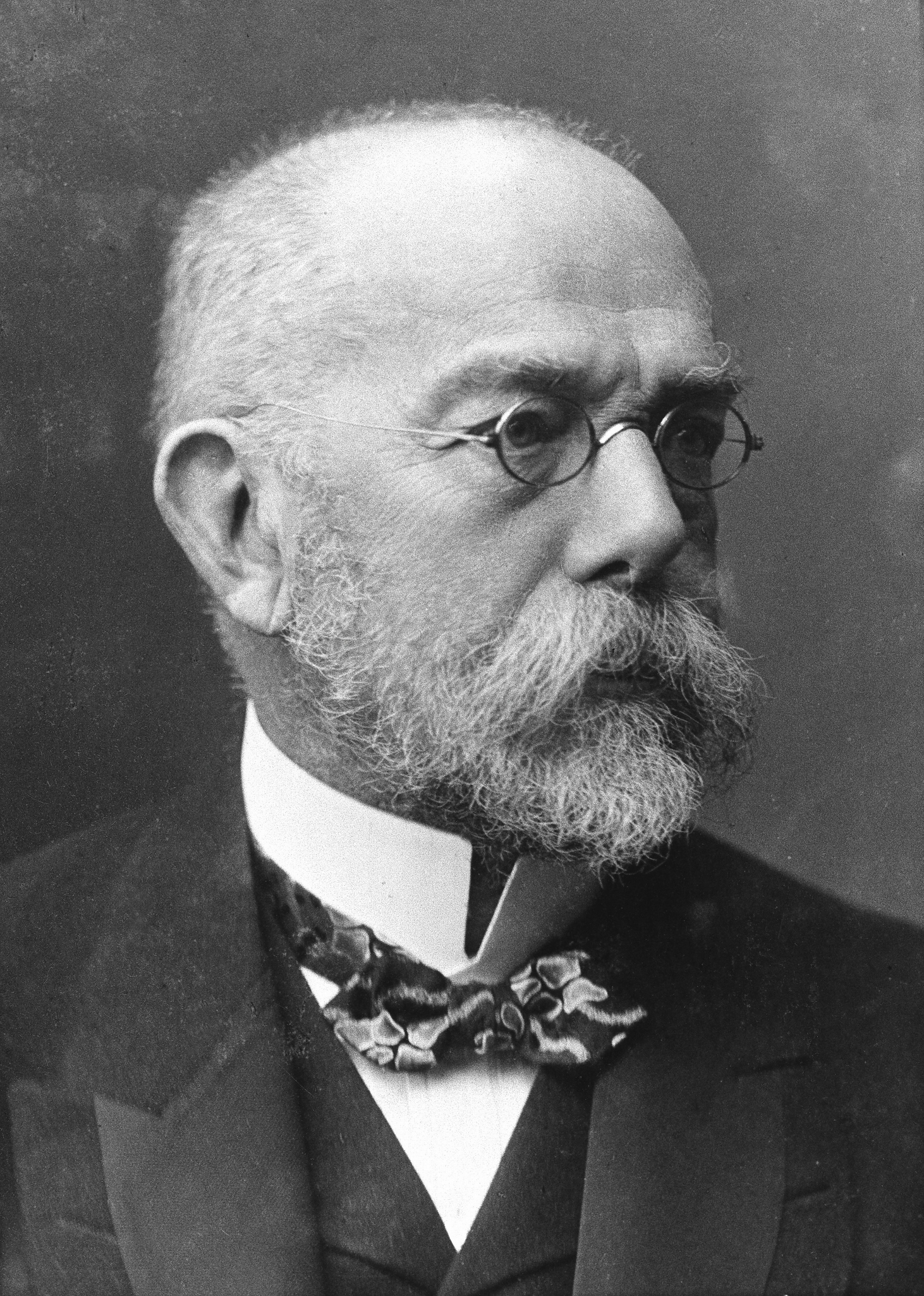
In 1890, Koch announced the discovery of tuberculin, a substance derived from tubercle bacilli, which he thought was capable of arresting bacterial development in-vitro and in animals. This news gave rise to tremendou…
1909 CE
#5478
Weitere Untersuchungen über das Pappatacifieber.
Doerr and Russ suggested that the virus of phlebotomus fever may be transmitted from one generation of infected Phlebotomus papatasii to another.
1885 CE
#5238
Weitere Untersuchungen über die Malariainfection.
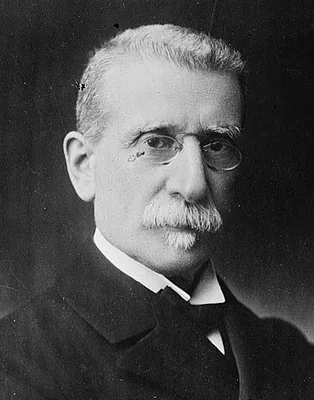
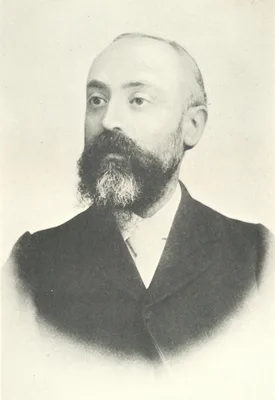
First accurate description of the malaria Plasmodium, discovered by Laveran in 1880. These writers were the first to adopt the name P. malariae.
1995 CE
#11343
Whole-genome random sequencing and assembly of Haemophilus influenzae Rd.


First sequence of the complete genome of a free-living non-viral organism—Haemophilus influenzae—the bacterium that causes lower respiratory tract infections and meningitis in infants and young children. T…
2016 CE
#10942
Wolbachia blocks currently circulating Zika virus isololates in Brazilian Aedes aegypti mosquitoes.
Order of authorship in the original paper: Dutra, Rocha, Moreira. The authors infected lab populations of mosquitos with Wolbachia pipientis, a common parasitic microbe that infects a high proportion of insects. They …
1938 CE
#5467.1
Yellow fever virus in jungle mosquitoes.
Haemagogus sp. shown to be vectors of yellow fever. With L. Whitman and M. Frania.
1911 CE
#9373
Yellow fever: A compilation of various publications. Results of the work of Maj. Walter Reed, Medical Corps, United States Army, and the Yellow Fever Commission. Presented by Mr. Owen.
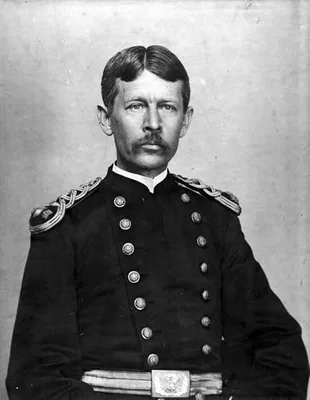
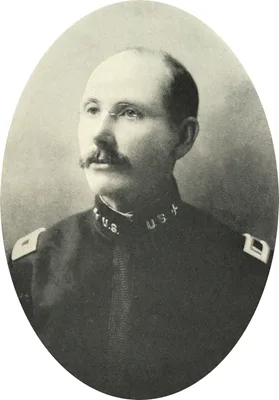
A convenient compilation of the work of Reed and his associates, including the work of James Carroll published after the death of Walter Reed. Digital facsimile from the Internet Archive at this link.
1952 CE
#7864
Zika virus (I). Isolations and serological specificity.

First description of Zika virus, an arbovirus native to Africa. The authors named the virus after the Zika forest in Uganda, where they were searching for Yellow Fever. Instead they isolated a new virus in samples tak…
2017 CE
#14201
Zika virus protection by a single low-dose nucleoside-modified mRNA vaccination.
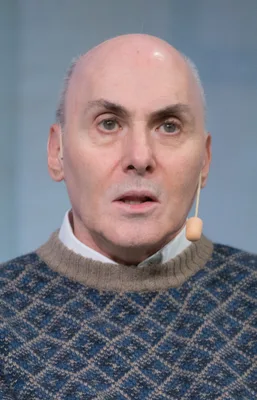
Prior to their development of the mRNA vaccine for Covid-19, Karikó and Weissman (Nobel Prize 2023) and colleagues used a novel mRNA vaccine, with base modifications created in their laboratory, to generate a p…
1952 CE
#10939
Zika virus. (II). Pathogenicity and physical properties.
Dick's second paper on the Zika virus, immediately following his first paper in the same volume of the same journal (see no. 7864). First statement that the Aedes aegypti mosquito is the vector of transmission of the …
1859 CE
#13815
Zoologie médicale exposé méthodique du régne animal basé sur l'anatomie, l'embryologie et la paléontologie comprenant la description des espèces employées en médicine de celles qui sont venimuses et de celles qui sont parasites de l'homme et des animaux. 2 vols.
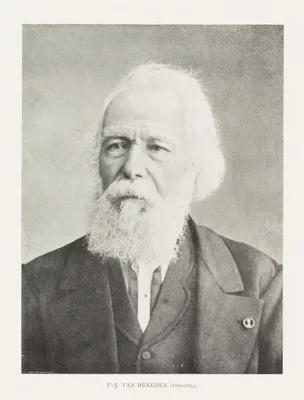
Digital facsimile from Biodiversity Heritage Library at this link.
1886 CE
#5186
Zur Aetiologie der Dysenterie in Aegypten.
Kartulis discovered amoebae in liver abscess. It was principally through the work of Kartulis that amoebae came to be considered the cause of dysentery in man.
1884 CE
#5032
Zur Aetiologie des Abdominaltyphus.
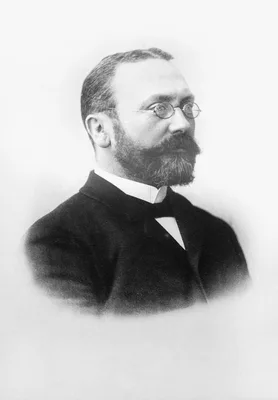
Gaffky was the first to grow pure cultures of Salmonella typhi; he showed it to be the true activator of the disease. English translation, New Sydenham Society, 1886. Digital facsimile of the 1884 printing from Google…
1916 CE
#5388
Zur Aetiologie des Fleckfiebers.
Rickettsia prowazeki, cause of epidemic typhus, was first isolated by the Brazilian microbiologist Henrique da Rocha-Lima, who named it after Ricketts and Prowazek, both of whom died of the disease.
1967 CE
#7865
Zur Ätiologie einer unbekannten, von Affen ausgegangenen menschlichen Infektionskrankheit.
Isolation, identification and structure of the Marburg virus. WITH H. L. Shu, W. Sienczka, D. Peters, and G. Müller.
1905 CE
#4140
Zur Kenntnis des Virus des Molluscum contagiosum des Menschen.
Juliusberg showed that the virus of molluscum contagiosum passed a Chamberland filter.
1885 CE
#5238.1
Zur Parasitologie des Blutes.
Discovery of malaria parasites in birds. See also Ann. Inst. Pasteur, 1890, 4, 427-31.
1839 CE
#4029
Zur Pathogenie der Impetigines.
The discovery of a fungus as the cause of favus (Achorion schönleinii). Schönlein communicated this important discovery in a letter of less than 200 words and one illustration. It represents the first conspi…
1881 CE
#2495.1
Zur Untersuchungen von pathogenen Organismen.
Koch’s description of his methods of growing bacterial cultures in gelatine solutions, making films of bacteria on cover slips and fixing them by gentle heat, and staining slides differentially by aniline. These…
1916 CE
#5389
Zur Ursache und Uebertragung des Wolhynischen Fiebers.
Isolation of Rickettsia quintana (now called Bartonella quintana) from lice found on patients suffering from trench fever.
1914 CE
#5325
Zurt Aetiologie und Klinik der Bisskrankheit.
Isolation of Streptothrix (Actinomyces) muris ratti from human patients bitten by rats.
1856 CE
#22
Тα ∑ωζομενα. The extant works of Aretaeus, the Cappadocian. Edited and translated by Francis Adams.
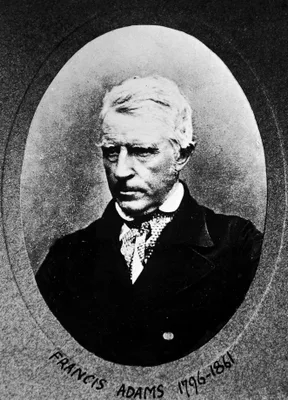
Aretaeus left many fine descriptions of disease; in fact Garrison ranks him second only to Hippocrates in this respect. In the printed editions of this bibliography, before the present online version, the Adams editio…