
Facets
Browse across eight MeSH (opens in new tab) facets — era, geography, science, specialty, technology, history, culture, and reference. Select one tag per group; counts update across the others.
Clear filtersFacet filters
Geography
Specialties & Disease
- Anatomy & Pathology 765
- Cardiology & Blood 914
- Neurology & Psychiatry 1,256
- Obstetrics & Reproductive 550
- Infectious Disease (General) 147
- Surgery & Anesthesia 1,551
- Public Health 1,129
- Immunology & Dermatology 1,404
- General Clinical Medicine 480
- Military Medicine 436
- Psychology 202
- Alternative & Fringe Medicine 383
- Pediatrics 247
- Ophthalmology & Vision 412
- ENT & Hearing 293
- Urology & Nephrology 309
- Gastroenterology & Hepatology 316
- Pulmonary & Respiratory 233
- Rheumatology, Rehab & Pain 188
- Internal, Emergency & Geriatric 123
- Veterinary Medicine 165
- Epidemiology & Demography 397
- Physiology & Embryology 923
- Dentistry 259
- Plagues & Epidemics 1,279
- Microbiology & Virology 1,080
Social & Historical Studies
Institutions & Culture
Reference & Scholarly Works
1,551 entries match Surgery & Anesthesia [E04 / G02.403.810]
1903 CE–1904 CE
#4372
Projektions-Röntgenbilder einer seltenen Knochenerkrankung.
First description of osteosclerosis fragilis, marble bones (“Albers-Schönberg disease”).
1949 CE
#5728
Proprietà farmacodinamiche di alcuni derivati della succinilcolina dotati di azione curarica. Esteri di trialchiletanolammonio di acidi bicarbossilici alifatici.
Introduction of succinylcholine chloride. With S. Guarino, V. G. Longo, and M. Marotta.
1946 CE
#5725
Propriétés curarisantes du di-iodoéthylate de bis-[quinoléyloxy-8’] 1.5-pentane.
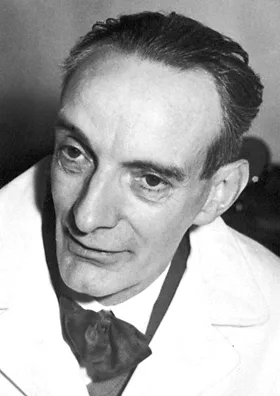
Introduction of gallamine triethiodide (“flaxedil”). With S. Courvoisier, R. Ducrot, And R. Horclois. See also the same journal, 1947, 225, 74.
1930 CE
#4398
Pseudofractures (hunger osteopathy, late rickets, osteomalacia): report of a case.
“Milkman’s syndrome”.
1948 CE
#3046
Pulmonary valvulotomy for the relief of congenital pulmonary stenosis. Report of three cases.
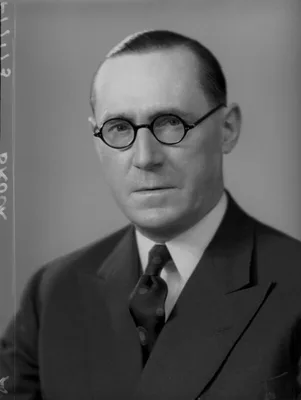
"Brock performed the first successful valvotomies for isolated pulmonary stenosis in 1948. He gained access to the blood-filled beating heart through a small incision in the right ventricle through which he passed a v…
1920 CE
#4890
Puncture of the cistema magna.
Introduction of cisternal puncture.
1893 CE
#4872
Pyogenic infective diseases of the brain and spinal cord.
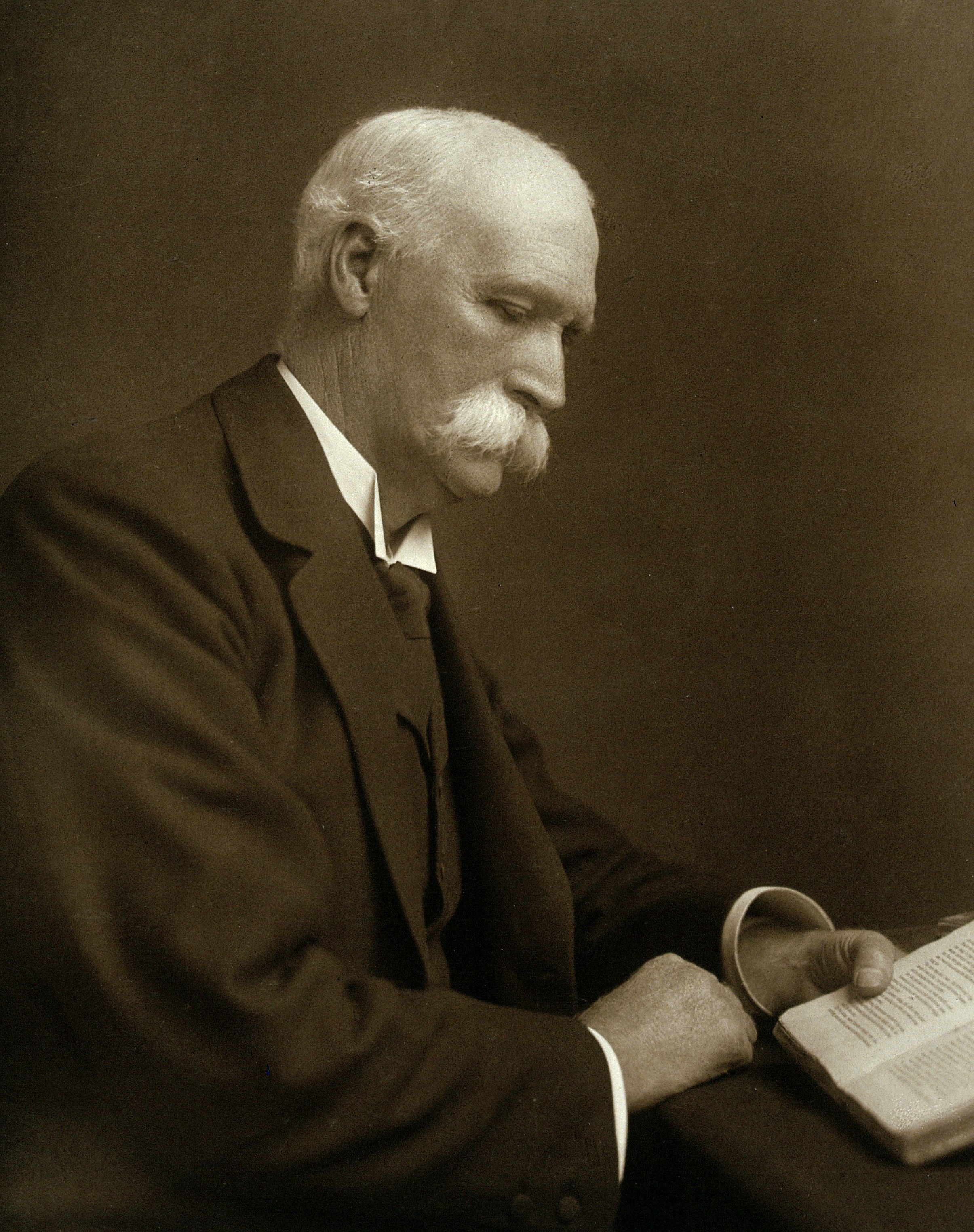
Macewen’s greatest work was in connection with the surgery of the brain. In the above book he included extensive case reports of 65 patients under his care, with details of operative procedures. A biography of M…
1959 CE
#13526
Quantitative studies of tissue transplantation immunity. IV. Induction of tolerance in newborn mice and studies on the phenomenon of Runt Disease.
First description of what became known as Graft-versus-host disease (GvDH). This the authors initially called "graft against host (GAH)." The authors cited three conditions, later known as the Billingham criteria, whi…
1954 CE
#2578.12
Quantitative studies on tissue transplantation immunity. I. The survival times of skin homografts exchanged between members of different inbred strains of mice. II. The origin, strength and duration of actively and adoptively acquired immunity.
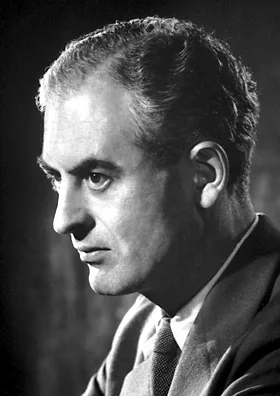
Experimental production of immunological tolerance by Billingham and colleagues.Paper II distinguished adoptive from passive immunization. E. M. Sparrow was a co-author of paper I.
1817 CE
#3585
Recherches anatomiques sur les hernies de l’abdomen.
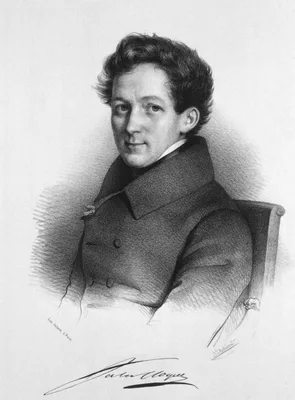
This is Cloquet’s medical thesis. It was followed by his thesis in competition for head of the anatomy section of the Paris Faculty: Recherches sur les causes et l’anatomie des hernies abdominales. Paris, …
1868 CE
#1868
Recherches chimiques et physiologiques sur l’erythroxylum coca du Pérou et la cocaïne.
The author, formerly a surgeon in the Peruvian army, issued the first study of the pharmacological action of cocaine, containing the earliest suggestion of its use as a local anesthetic. Leclerc issued the commercial …
1847 CE
#5656
Recherches pratiques et physiologiques sur l’éthérisation.
Pirogov, the great military surgeon, was with Syme the first in Europe to adopt ether anesthesia, and he left an interesting account of his experiences with it. Digital facsimile from the Hathi Trust at this link.
1831 CE
#1851
Recherches sur quelques combinaisons du chlore.
Soubeiran, like Liebig and Guthrie, discovered chloroform; it is difficult to determine who was first, as each may have allowed an interval of time to elapse between discovery and publication.
1950 CE
#1757
Reciprocal skin homografts in a medico-legal case of familial identification of exchanged identical twins.
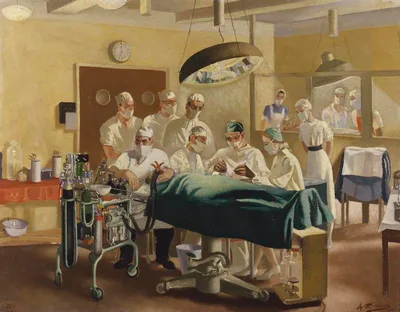
Skin grafting used to decide the relationship of identical twins who had been accidentally separated at birth.
2013 CE
#11366
Reconstructing faces: The art and wartime surgery of Gillies, Pickerill, McIndoe and Mowlem.
1943 CE
#5768.1
Reconstructive surgery of the eyelids.
Most of this work is a very carefully documented history of the subject. Bibliography of 451 references.
1888 CE
#9533
Rectal and anal surgery, with a description of the secret methods of the itinerants.
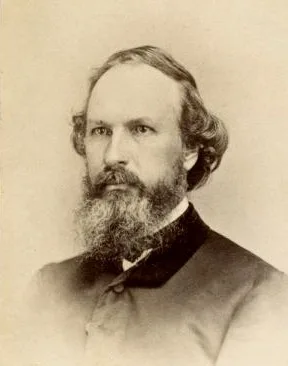
The authors were father and son. An unusual feature of this work was its critical analysis of the methods used by itinerant or untrained practitioners. Digital facsimile from the Hathi Trust at this link.
1888 CE
#3494
Rectal insufflation of hydrogen gas an infallible test in the diagnosis of visceral injury of the gastro-intestinal canal in penetrating wounds of the abdomen.
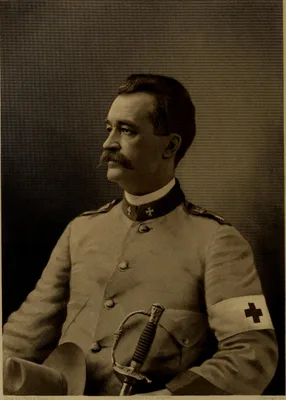
Senn’s method of detecting intestinal perforation by insufflation with hydrogen.
1963 CE
#14103
Recurrent Dupuytren's contracture.
Hueston described Dupuytren's diathesis, including early onset, bilateral involvement, postive family history, and presence of ectopic lesions. He noted that patents presenting Dupuytren's diathesis experience more se…
1923 CE
#4432
Recurrent or habitual dislocation of the shoulder-joint.
Blundell Bankart’s operation.
1890 CE
#7212
Referat über die durch das moderne chirurgische Experiment gewonnen positive Resultate, betreffend die Naht und den Ersatz von Defecten.
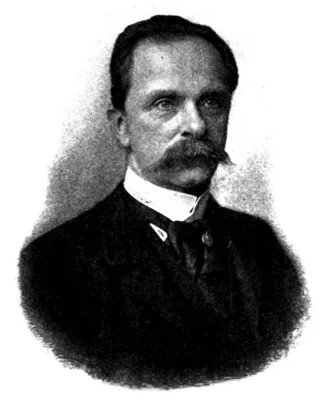
The first total joint replacements: Gluck replaced the tuberculous knee joint of a 17 year old woman with a hinged ivory prosthesis on May 20, 1890, followed by a total wrist replacement in another patient three weeks…
1818 CE
#2942
Reflections on securing in a ligature the arteria innominata, to which is added a case in which the artery was tied by a surgical operation.
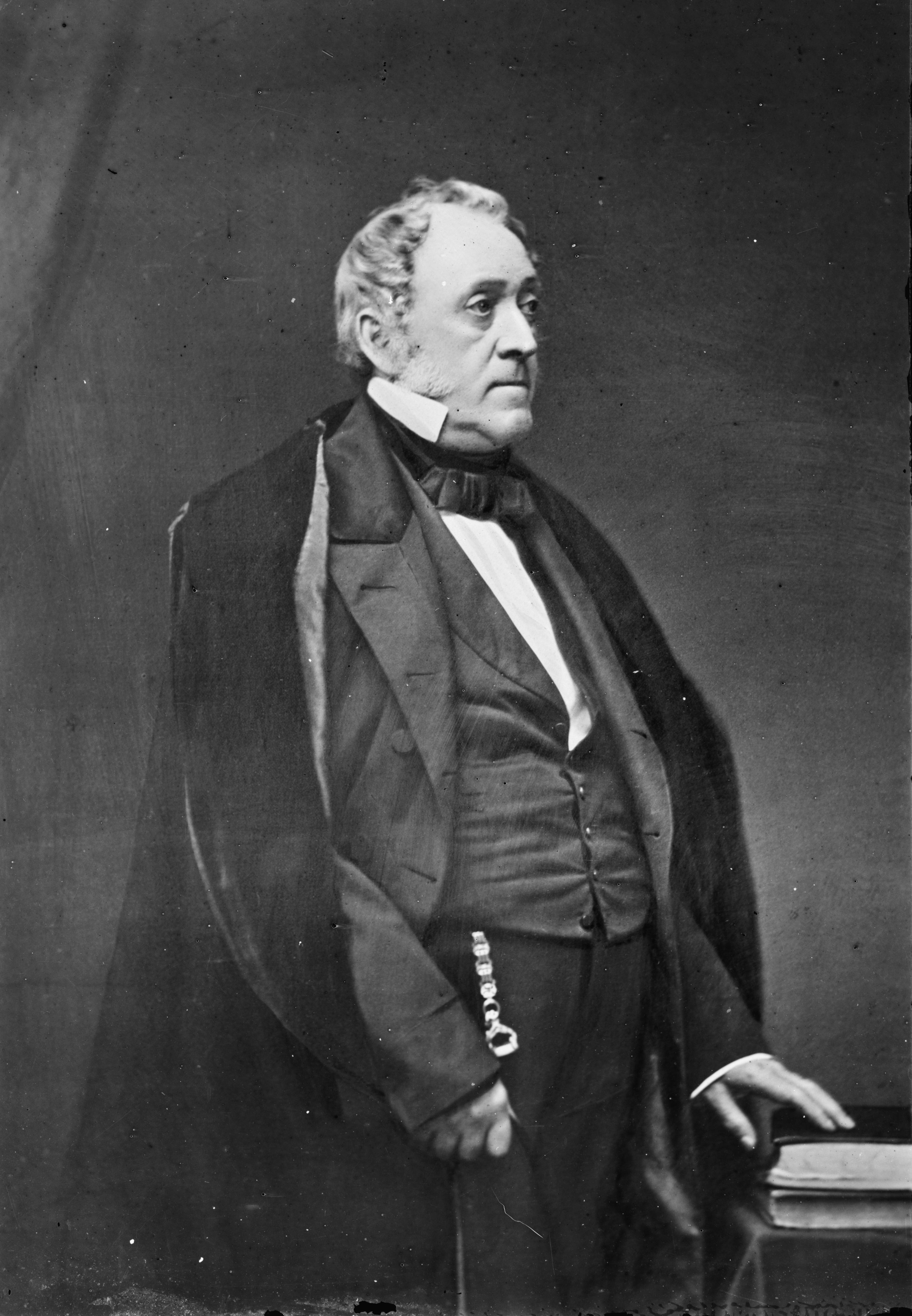
First ligation of the innominate artery, May 11, 1818. The artery was tied off half an inch below its bifurcation, and the patient suffered no respiratory or circulatory embarrassment. The ligature separated from the …
1922 CE
#12842
Regional anesthesia: Its technic and clinical application. With a foreward by William J. Mayo.
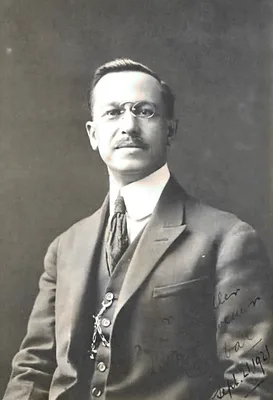
First work in English on regional anesthesia. Digital facsimile from Google Books at this link.
1821 CE
#4411.1
Remarks on certain injuries of the bones in children.
On bending fractures in children.
1879 CE
#5615
Remarks on forcipressure and the use of pressure-forceps in surgery.
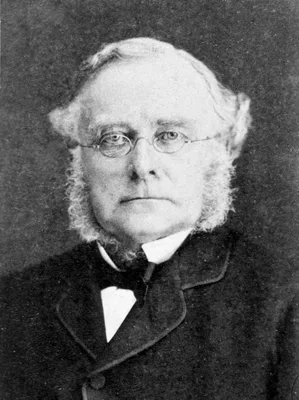
Spencer Wells forceps.
1779 CE
#4304
Remarks on that kind of palsy of the lower limbs, which is frequently found to accompany a curvature of the spine.
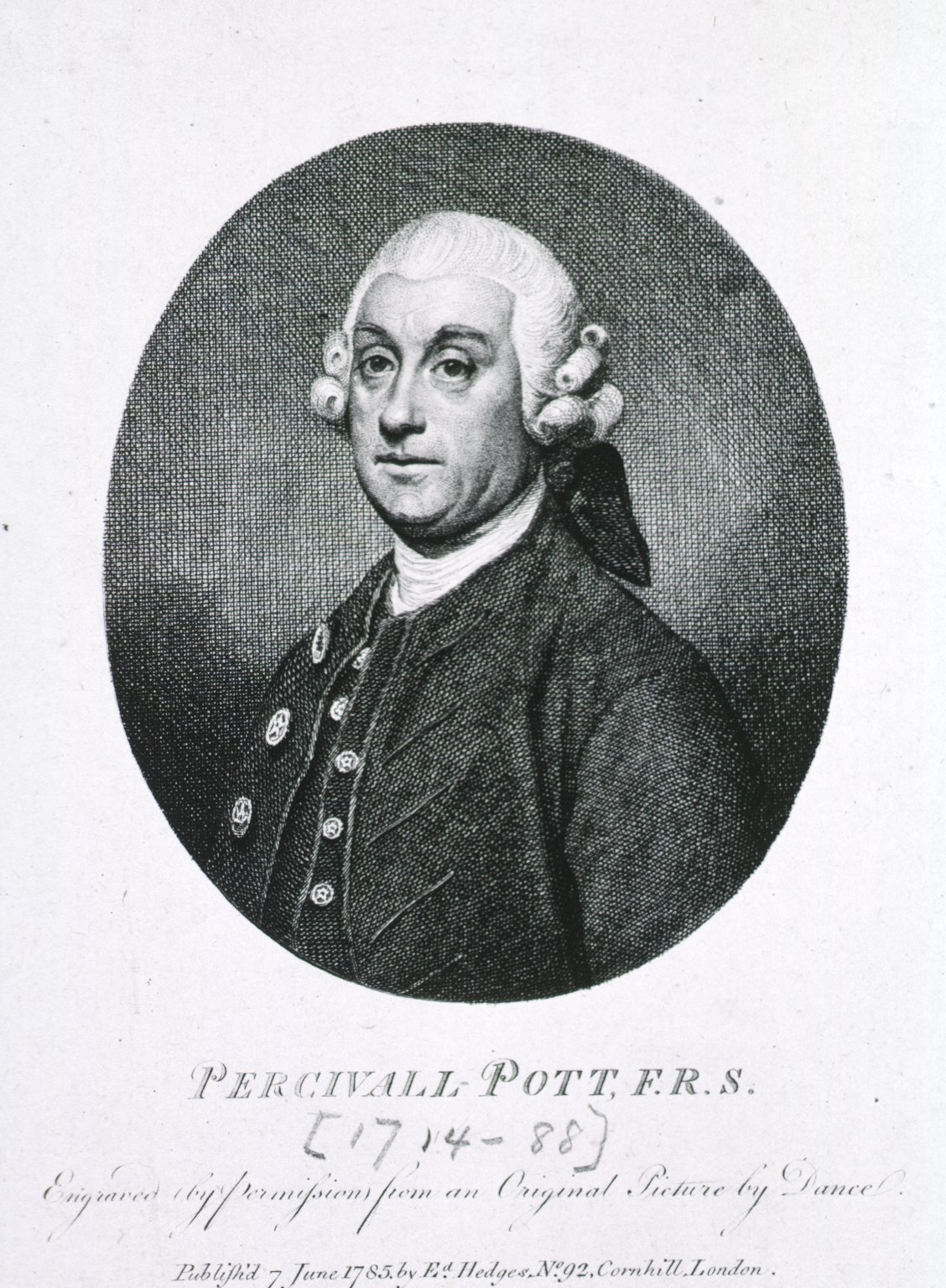
“Pott’s disease”. Percival Pott, surgeon to St. Bartholomew’s Hospital for more than 40 years, left a classic description of spinal curvature due to tuberculous caries and causing paralysis of …
1765 CE
#3424.2
Remarks on the disease commonly called a fistula in ano.
Probably the greatest English classic of colon-rectal surgery. Pott recommended the practice of simple division rather than the newer, more complicated methods proposed by Cheselden and Le Dran, and audaciously pointe…
1847 CE
#5653
Remarks on the proper mode of administering sulphuric ether by inhalation.
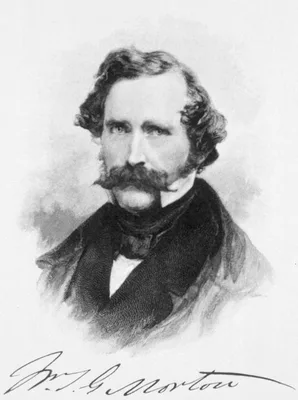
This 44-page pamphlet was the first American manual on the administration of anesthesia. In it Morton announced that his method of producing anesthesia was obtained by the inhalation of sulphuric ether. He subsequentl…
1891 CE
#4865
Remarks on the various surgical procedures devised for the relief or cure of trigeminal neuralgia (tic douloureux).
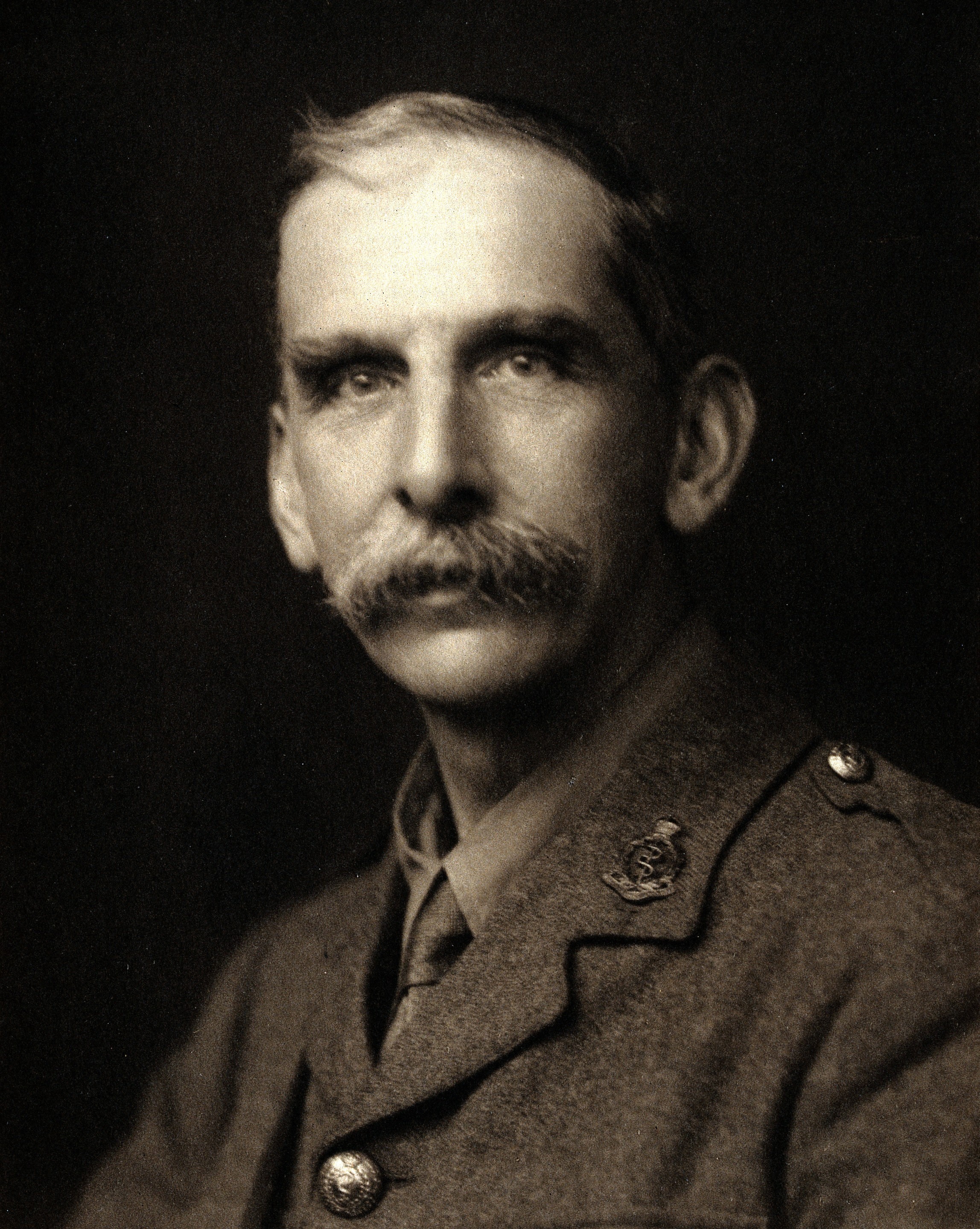
Horsley, with J. Taylor and W. S. Coleman, devised an operation for treatment of trigeminal neuralgia in which the Gasserian ganglion was removed by a temporal approach.
1867 CE
#3274
Removal of a fibrous polyp from the inferior anterior surface of the right vocal cord with the aid of the laryngoscope.
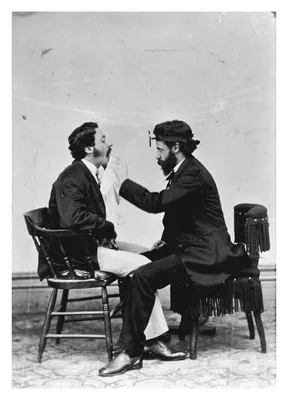
First successful operation for cancer of the larynx.
1873 CE
#11565
Removal of a needle from the heart. Recovery of the patient.
"The first occasion on which a surgeon deliberately operated on an injured heart was in October 1872. This followed a brawl in a public house in East London, after which a 31-year-old man could not find a needle he us…
1922 CE
#5630.1
Removal of intrathoracic tumours by the trans-sternal route.
Dunhill’s operation for the removal of intrathoracic tumors.
1829 CE–1830 CE
#4455
Removal of the arm, scapula and clavicle.
Records the first interscapulo-thoracic amputation, performed by Ralph Cuming (d. 1808), a naval surgeon, in 1808.
1890 CE
#4863
Removal of the gasserian ganglion for severe neuralgia.
Gasserian ganglionectomy for trigeminal neuralgia; the patient lived for at least two years.
1910 CE
#3534
Removal of the rectum for cancer: statistical report of 120 cases.
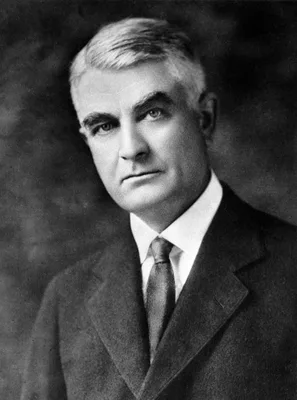
Mayo’s radical operation for carcinoma of the rectum.
2005 CE
#8512
Renal and rectal diseases texts. (Die Babylonisch-assyrische Medizin in Texten und Untersuchungen, Book 7).
Previous volumes of Franz Köcher’s series on Babylonian and Assyrian medical literature provided copies of cuneiform medical tablets with extensive indices listing all known parallel passages. This volume e…
1964 CE
#4405.3
Replantation of severed arms.
First successful reattachment of a completely amputated human limb.
1925 CE
#3017
Report of a successful case of embolectomy.
First successful embolectomy in Britain.
1857 CE
#12322
Report of an operation for removing a foreign body from beneath the heart. Published by the San Francisco County Medico Chirurgical Association as an additional paper to its Transactions for the year 1857.
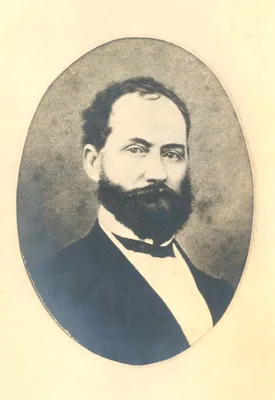
Perhaps the earliest separate publication on a surgical operation issued in California.
1825 CE
#11730
Report of the trial of an action: Charles Lowell against John Faxon and Micajah Hawks, doctors of medicine, defendants, for malpractice in the capacity of physicians and surgeons: At the Supreme Judicial Court of Maine, holden at Machias for the county of Washington, June term, 1824, before the Hon. Nathan Weston, Jun., justice of the court.
A detailed narrative on the trial based on the transcript. Digital facsimile from the U.S. National Library of Medicine at this link.
1876 CE
#4344
Report on Pott’s disease, or caries of the spine; treated by extension, and the plaster of Paris bandage.
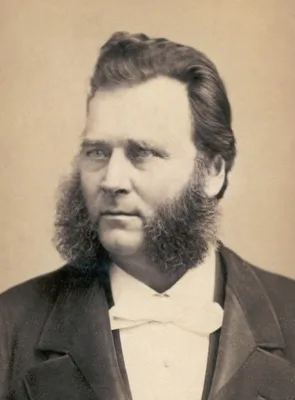
Sayre was the first to use plaster of Paris as a support for the spinal column in scoliosis and Pott’s disease. His name is eponymically linked with Sayre’s jacket, a plaster of Paris jacket applied while …
1881 CE
#2494
Report upon micro-organisms in surgical diseases.
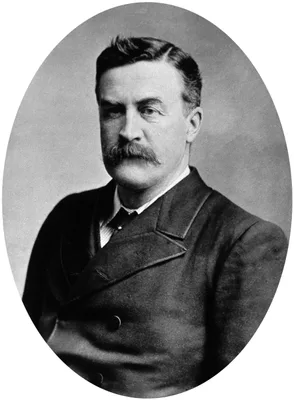
Ogston showed that micrococci are constantly present in acute and chronic abscesses. He discovered Staphylococcus aureus. Ogston named staphylococcus in his paper, "Micrococcus poisoning," J. Anat. Physiol., 1882, 16,…
1800 CE
#5646
Researches, chemical and philosophical, chiefly concerning nitrous oxide.
Davy discovered the anesthetic properties of nitrous oxide and suggested its use during surgical operations. This suggestion was applied until 1844 when the American dentist Horace Wells volunteered to have the effect…
1830 CE
#4456
Résection des os.
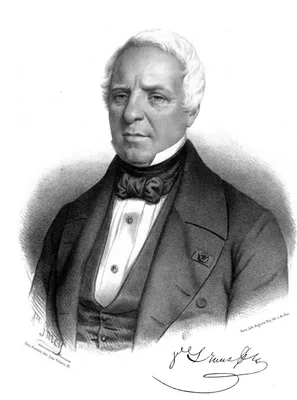
Among the French surgeons of the 19th century, Roux was second in importance only to Dupuytren. He performed staphylorrhaphy in 1819 and sutured the ruptured female peritoneum in 1832; he is also remembered on account…
1892 CE
#4871
Resection des Trigeminus innerhalb der Schädelhöhle.
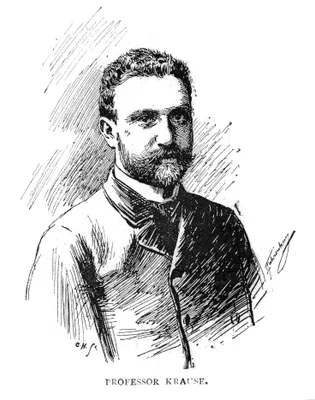
Hartley–Krause operation for relief of trigeminal neuralgia (see also No. 4870).
1897 CE
#2967
Resection of arteries and veins injured in continuity – end to end suture – experimental and clinical research.
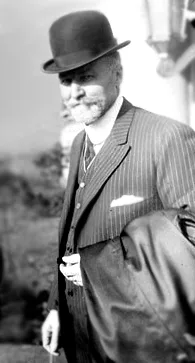
Successful suture of femoral artery, 1896. This was one of the earliest end-to-end anastomoses of arteries ever performed.
1937 CE
#3660
Resection of head of pancreas and duodenum for carcinoma – pancreatoduodenectomy.
See also the same journal, 1943, 77, 581-84.
1852 CE
#4461
Resection of the head of the femur.
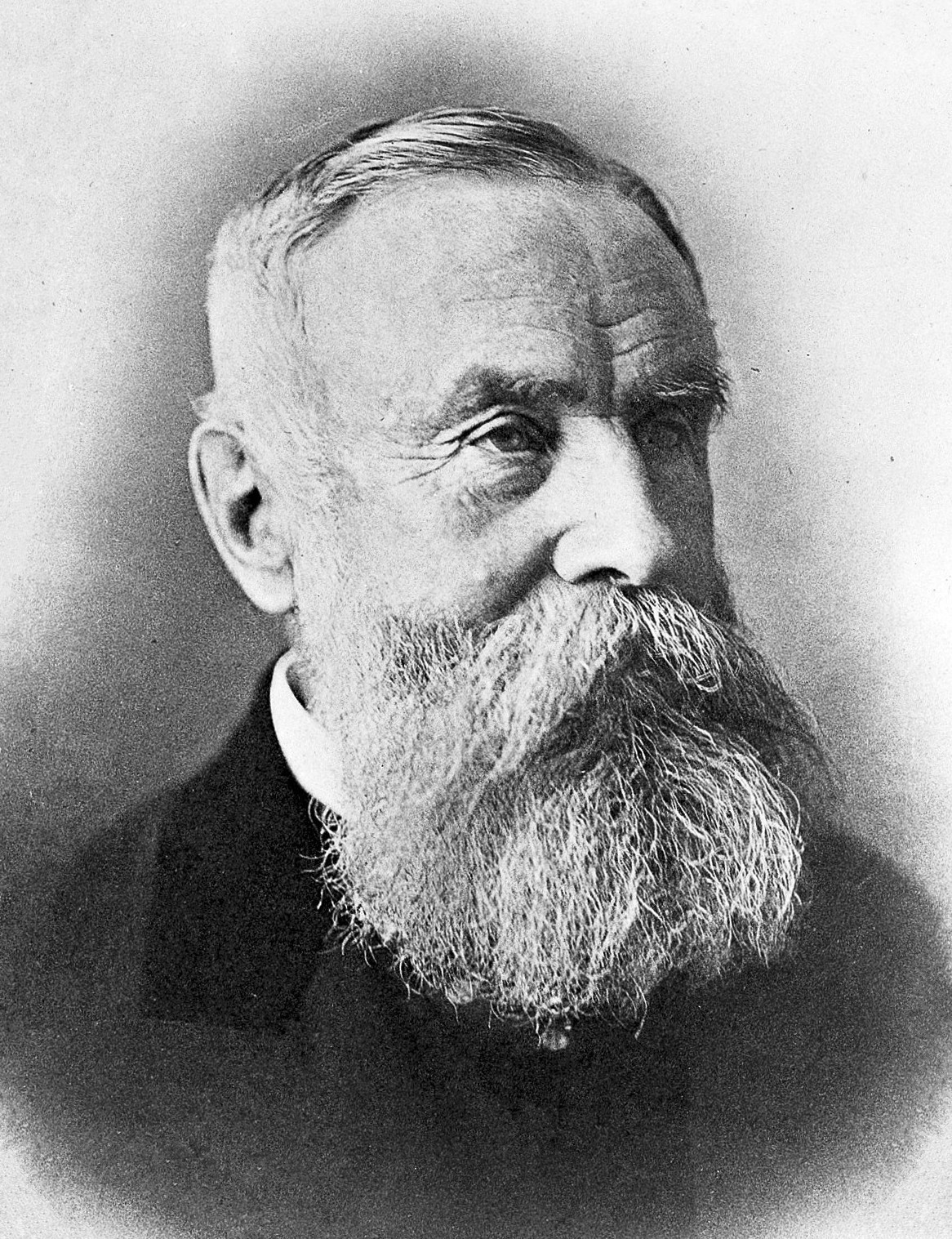
First excision of the hip-joint in America. Unfortunately the one-page article provides no details.
1893 CE
#3603
Resection of the intestine and immediate suture in gangrenous hernia.
Franks finally demonstrated the advantages of primary resection for gangrenous gut in strangulated hernia.
1908 CE
#3027
Results of the transplantation of blood vessels, organs and limbs.
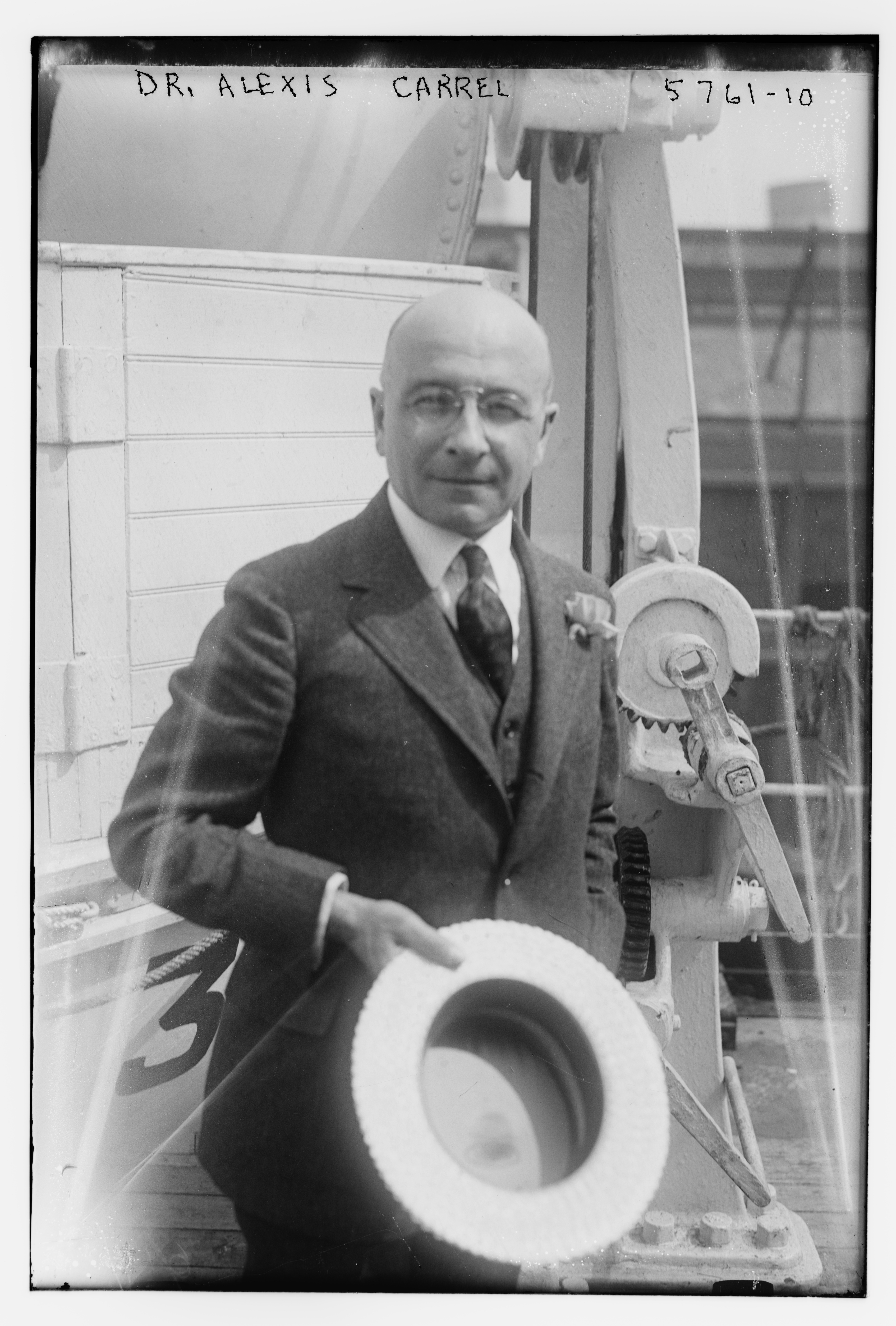
Carrel showed that arteries kept for days or weeks outside the body can be transplanted successfully.