
Facets
Browse across eight MeSH (opens in new tab) facets — era, geography, science, specialty, technology, history, culture, and reference. Select one tag per group; counts update across the others.
Clear filtersFacet filters
Geography
Specialties & Disease
- Anatomy & Pathology 765
- Cardiology & Blood 914
- Neurology & Psychiatry 1,256
- Obstetrics & Reproductive 550
- Infectious Disease (General) 147
- Surgery & Anesthesia 1,551
- Public Health 1,129
- Immunology & Dermatology 1,404
- General Clinical Medicine 480
- Military Medicine 436
- Psychology 202
- Alternative & Fringe Medicine 383
- Pediatrics 247
- Ophthalmology & Vision 412
- ENT & Hearing 293
- Urology & Nephrology 309
- Gastroenterology & Hepatology 316
- Pulmonary & Respiratory 233
- Rheumatology, Rehab & Pain 188
- Internal, Emergency & Geriatric 123
- Veterinary Medicine 165
- Epidemiology & Demography 397
- Physiology & Embryology 923
- Dentistry 259
- Plagues & Epidemics 1,279
- Microbiology & Virology 1,080
Social & Historical Studies
Institutions & Culture
Reference & Scholarly Works
1,256 entries match Neurology & Psychiatry [C10 / F04]
1916 CE–1917 CE
#5006
The institutional care of the insane in the United States and Canada. Edited by Henry M. Hurd. 4 vols.
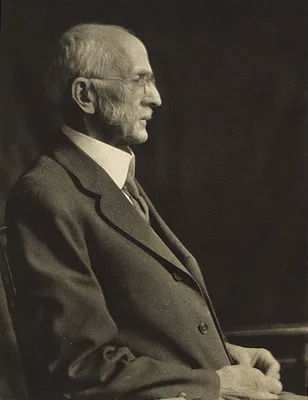
Hurd was Professor of Psychiatry at Johns Hopkins University. The work includes his history of American psychiatry. Digital facsimile from the Hathi Trust at this link.
1906 CE
#1432
The integrative action of the nervous system.
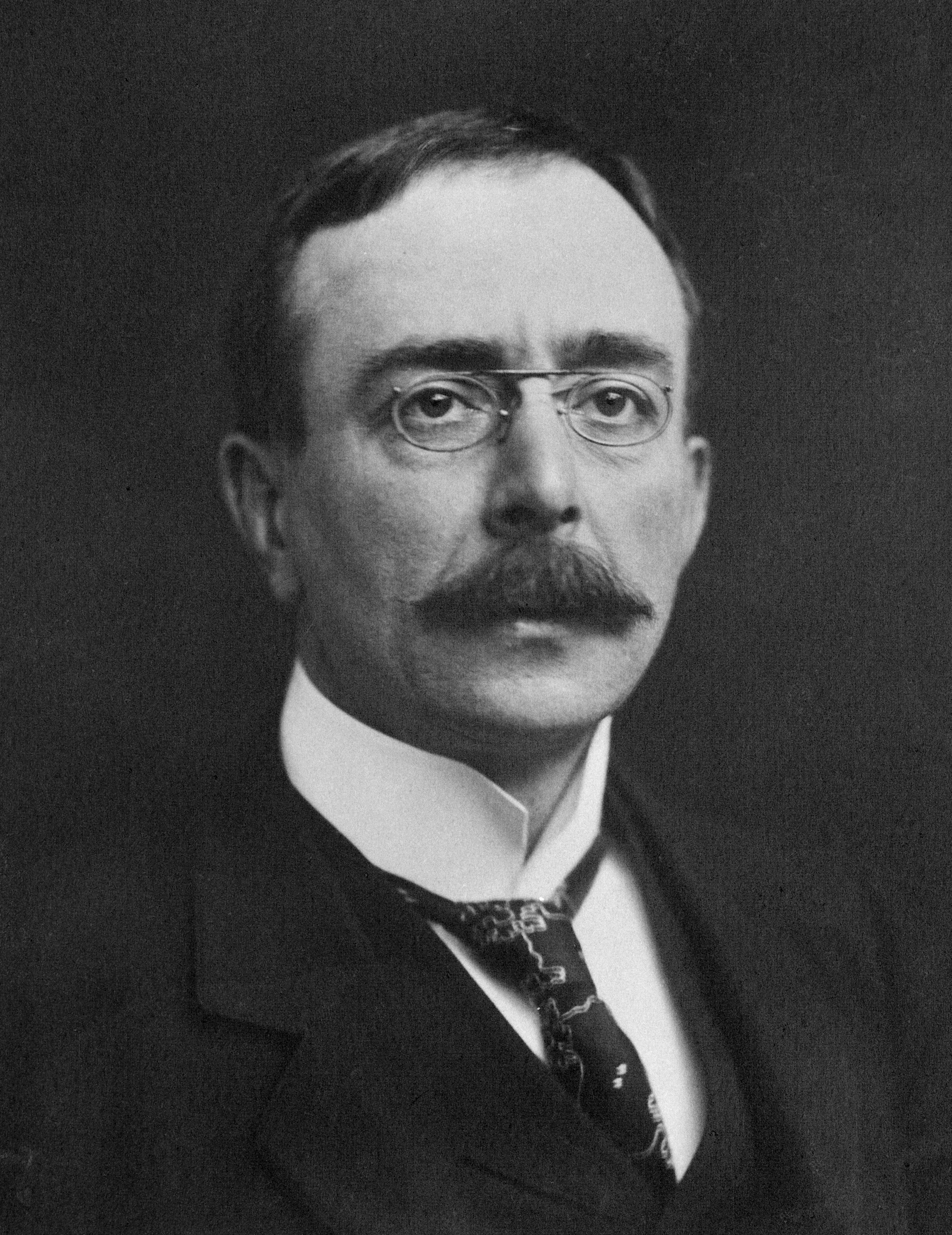
Sherrington insisted that the essential function of the nervous system was the co-ordination of activities of the various parts of the organism. His work on the nervous system, especially his experimental studies of r…
1934 CE
#1447
The interpretation of potential waves in the cortex.
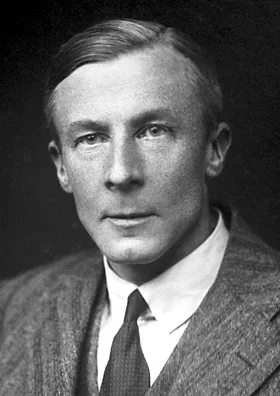
Confirmation of Berger’s findings (No. 1446). See also Brain, 1934, 57, 355-85.
1916 CE
#1331
The involuntary nervous system. Part 1.
This book sums up the life work of Gaskell, who laid the histological foundation of the modern study of the autonomic nervous system. No more published.
1963 CE
#1310.2
The ionic mechanism of postsynaptic inhibition. IN: Prix Nobel in 1963, pp. 261-83.
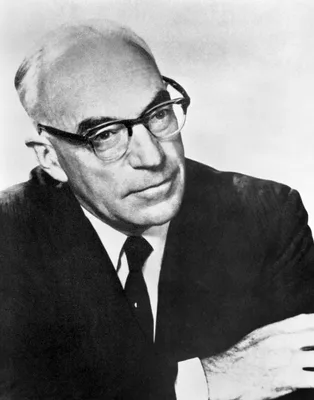
Eccles shared the Nobel Prize with A. L. Hodgkin and A. F. Huxley in 1963. See No. 1310.1.
1919 CE
#10741
The journal of a disappointed man. With an introduction by H. G. Wells.
Published under the pseudonym, Wilhelm Nero Pilate Barbellion. "Cummings' life changed forever when he was called to enlist in the British Army to fight in World War I in November 1915. He had consulted his doctor bef…
1912 CE
#11535
The Kallikak family: A study in the heredity of feeble-mindedness.
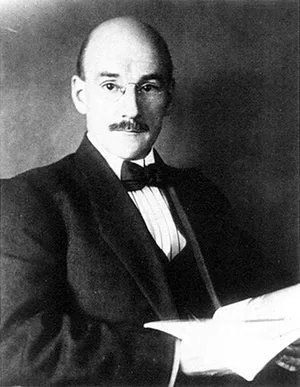
When this book was published Goddard was Director of the Research Laboratory of the Training School at Vineland, New Jersey, for Feeble-minded Girls and Boys. Though this work drew wide attention to the problems of pe…
1911 CE
#4383
The lumbo-sacral articulation. An explanation of many cases of “lumbago”, “sciatica” and paraplegia.
Goldthwait suggested that lumbago and sciatica might be due to intervertebral disc injury.
2018 CE
#11125
The madness of fear: A history of catatonia.
1985 CE
#9133
The man who mistook his wife of a hat and other clinical tales.
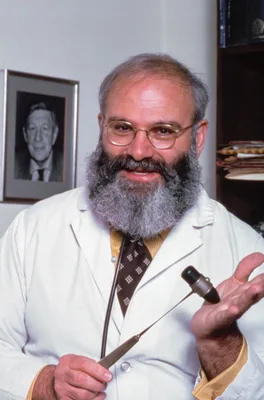
Describes the case histories of some of Sacks's patients. The title comes from the case study of a man with visual agnosia.[1] The book "became the basis of an opera of the same name by Michael Nyman, which premiered …
2008 CE
#7360
The mechanical mind in history. Edited by Philip Husbands, Owen Holland, and Michael Wheeler.
1949 CE
#5015.1
The mentally ill in America. A history of their care and treatment from colonial times. Second edition, revised and enlarged.
2013 CE
#11519
The miraculous conformist: Valentine Greatrakes, the body politic, and the politics of healing in restoration Britain.
1908 CE–1909 CE
#1339
The mode of action of specific substances with special reference to secretin.
These workers drew attention to the similarity between the effects of nerve stimulation and certain drugs, especially muscarine, on the heart.
1933 CE
#1349
The mode of action of vasodilator and vasoconstrictor nerves.
1826 CE
#2284.1
The morbid anatomy of the human brain.
Based on over 4000 autopsies performed over 30 years, and illustrated with fine hand-colored plates.
1936 CE
#1450
The motor cortex in man in the light of Hughlings Jackson’s doctrines.
In this Hughlings Jackson Lecture, Foerster published his famous cytoarchitectonic map of the human cerebral cortex.
1899 CE
#7336
The nervous system and its constituent neurones, Designed for the use of practitioners of medicine and of students of medicine and psychology.
Considered a masterpiece of compilation of the new scientific evidence for the neuron theory. "Also contains Gertrude Stein’s first publication, which consists of a quote and further description of her developme…
1898 CE
#4586.1
The nervous system and its diseases.
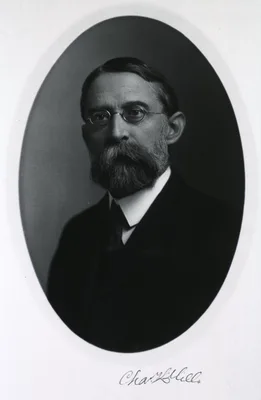
“The foremost American neurology book of the Nineteenth Century” (McHenry), and the only text of the period to contain a section on the chemistry of the nervous system.
1830 CE
#1258
The nervous system of the human body. [2nd ed.]
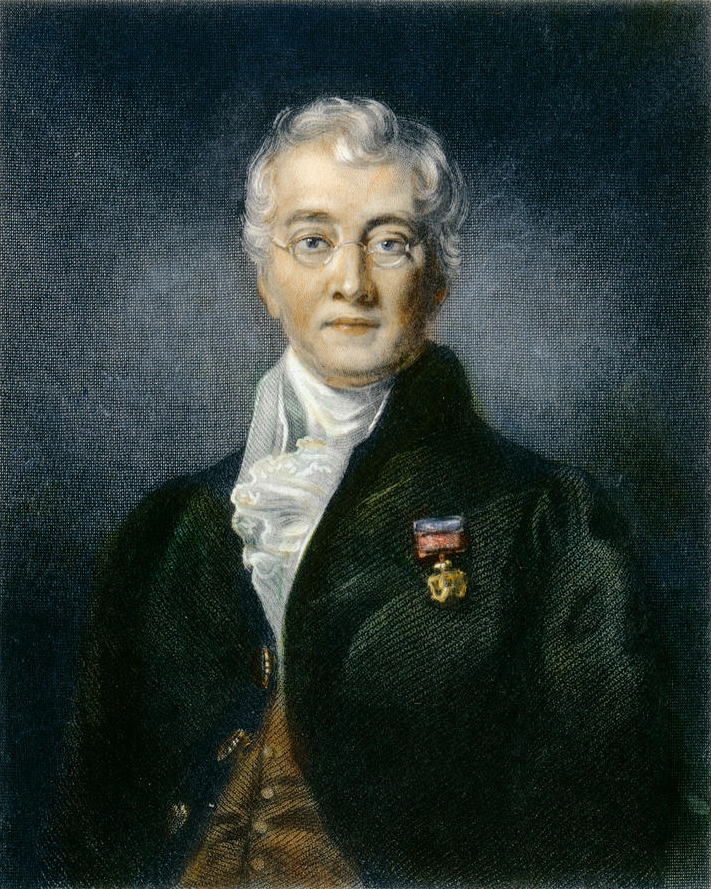
Records Bell’s demonstration that the fifth cranial nerve has a sensory-motor function, his discovery of “Bell’s nerve” and the motor nerve of the face, lesion of which causes facial paralysis …
2006 CE
#11650
The neurologic content of S. Weir Mitchell’s fiction.
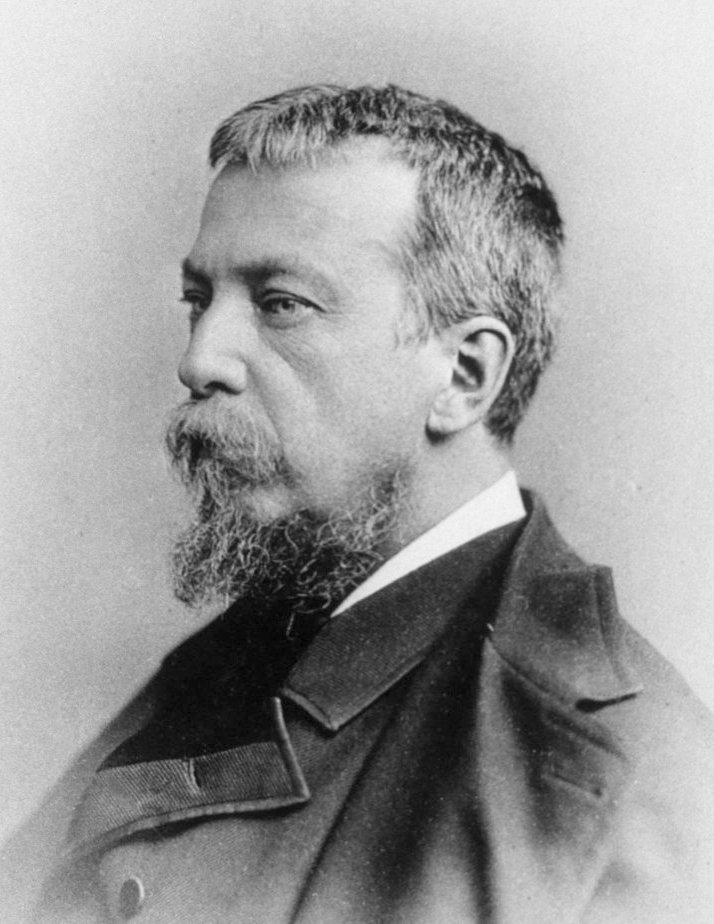
Digital facsimile from semanticscholar.org at this link.
2012 CE
#12643
The neurological patient in history. Edited by L. Stephen Jacyna and Stephen T. Casper.
2016 CE
#12644
The neurologists: A history of a medical specialty in modern Britain, c. 1789-2000.
1975 CE
#1588.15
The neurosciences: Paths to discovery.
Thirty-one contributions to a symposium in honour of F. O. Schmitt.
1910 CE
#9992
The Oedipus-complex as an explanation of Hamlet's mystery: A study in motive.
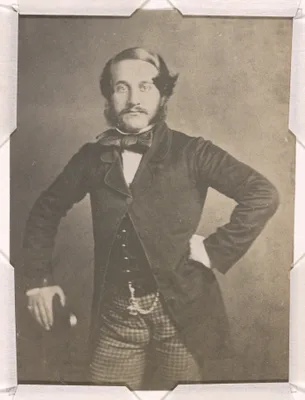
Jones developed this thesis based on Freud's comments on the play, as expressed to Wilhelm Fliess in 1897,[2] before Freud published the ideas in Chapter V of The Interpretation of Dreams (1900). Jones later developed…
1932 CE
#4899
The operative treatment of facial palsy by the introduction of nerve grafts into the Fallopian canal and by other intratemporal methods.
A classic paper which includes some history of the surgical treatment of facial palsy.
1949 CE
#12735
The organization of behavior: A neuropsychological theory.
Hebb connected the biological function of the brain as an organ together with the higher function of the mind. He studied how the function of neurons contributed to psychological processes such as learning. In this wo…
1953 CE
#4615.3
The parietal lobes.
Defines for the first time the various functions of the parietal lobes.
1900 CE
#4644
The pathology of herpes zoster and its bearing on sensory localisation.
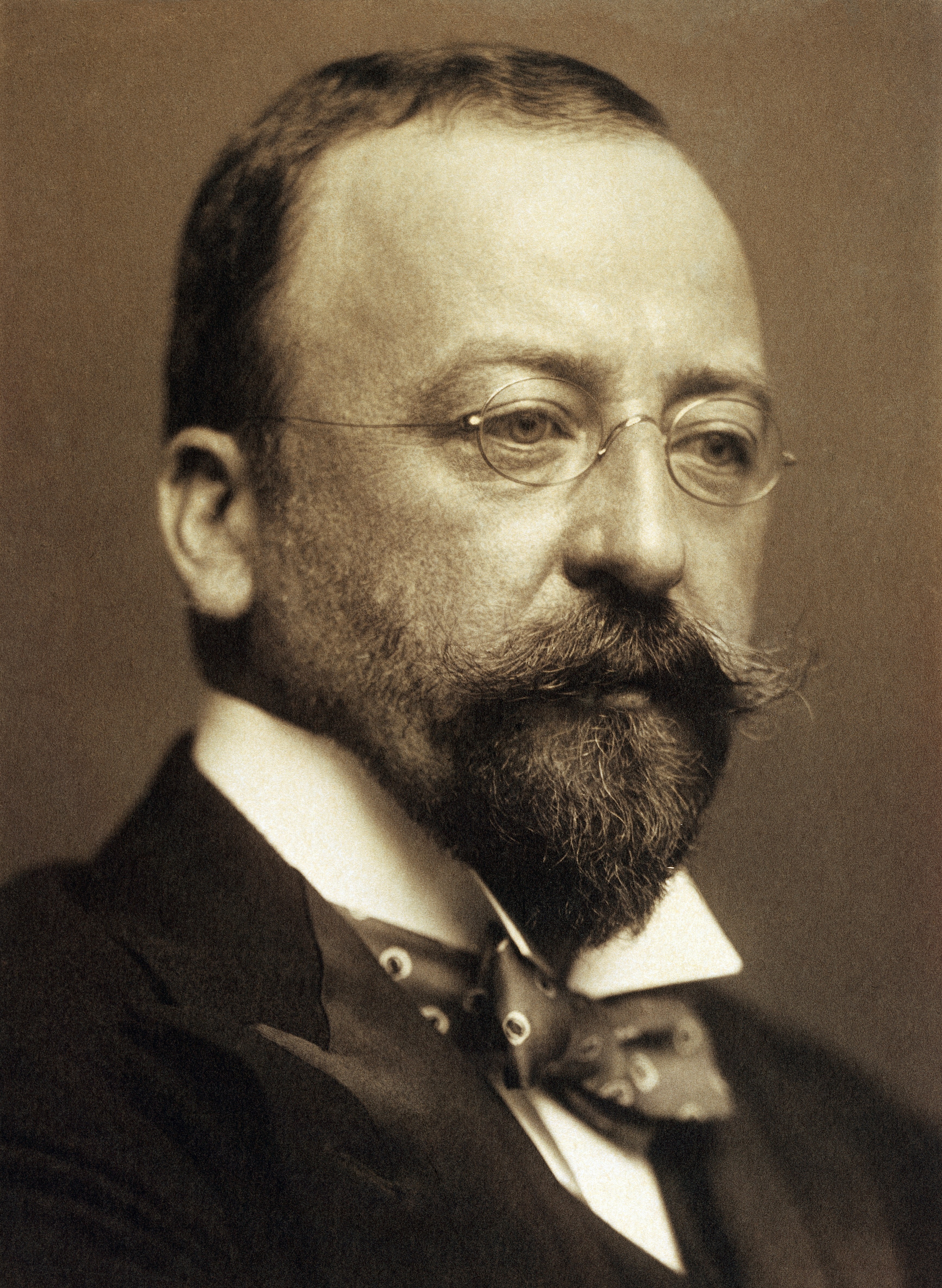
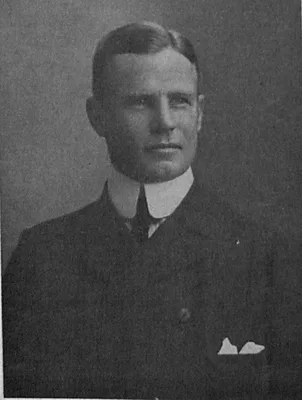
Head and Campbell showed herpes zoster to be a hemorrhagic inflammation of the posterior nerve roots and the homologous spinal ganglia.
1886 CE
#4750
The peroneal type of progressive muscular atrophy. Thesis for the degree of M.D. in the University of Cambridge.
Tooth described peroneal muscular atrophym a hereditary motor and sensory neuropathy of the peripheral nervous system, independently of, and in the same year as, Charcot and Marie. Known as Charcot-Marie-Tooth (CMT) d…
1933 CE
#1923
The pharmacological action of an alkaloid obtained from Rauwolfia serpentina Benth. A preliminary note.
R. N. Chopra, J. C. Gupta, and B. Mukherjee demonstrated the sedative and hypotensive effect of an alkaloid isolated from Rauwolfia serpentina (reserpine).
1954 CE
#4962.4
The pharmacological properties of 2-methyl-2-m-propyl-1, 3-propanediol dicarbamate (Miltown), a new interneuronal blocking agent.
Introduction of meprobamate, later used for the treatment of anxiety. Miltown was the first widely prescribed psychotropic drug.
1830 CE
#12445
The philosophy of sleep.
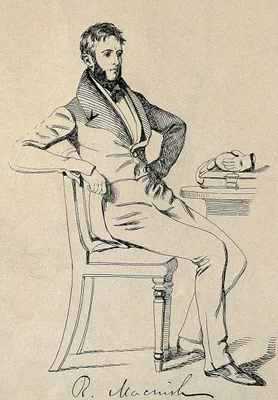
An early attempt at a comprehensive analysis of sleep from the medical point of view, including topics such as "Night-Mare", "Day-Mare", "Sleep-Walking," Sleep-Talking," Sleeplessness, Waking Dreams, Drowiness, Trance…
1896 CE
#4585
The physiology and pathology of the cerebral circulation.
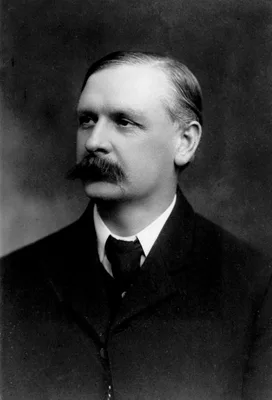
1843 CE
#13250
The plea of insanity in criminal cases.
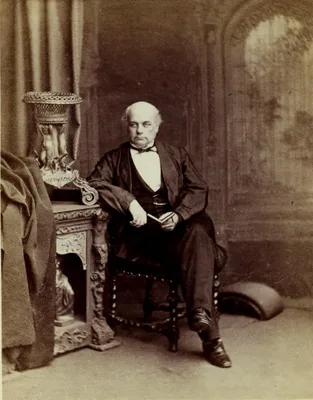
One of the first attempts to outline criteria through which to determine the legitimacy of an insanity plea. The was resolved later in 1843 with the establishment of the M'Naghten Rules, (McNaghten) which this work un…
1971 CE
#10858
The pre-Columbian mind: A study into the aberrant nature of sexual drives, drugs affecting behaviour and the attitude towards life and death, with a survey of psychotherapy in pre-Columbian America.
1929 CE
#1345
The presence of histamine and acetylcholine in the spleen of the ox and the horse.
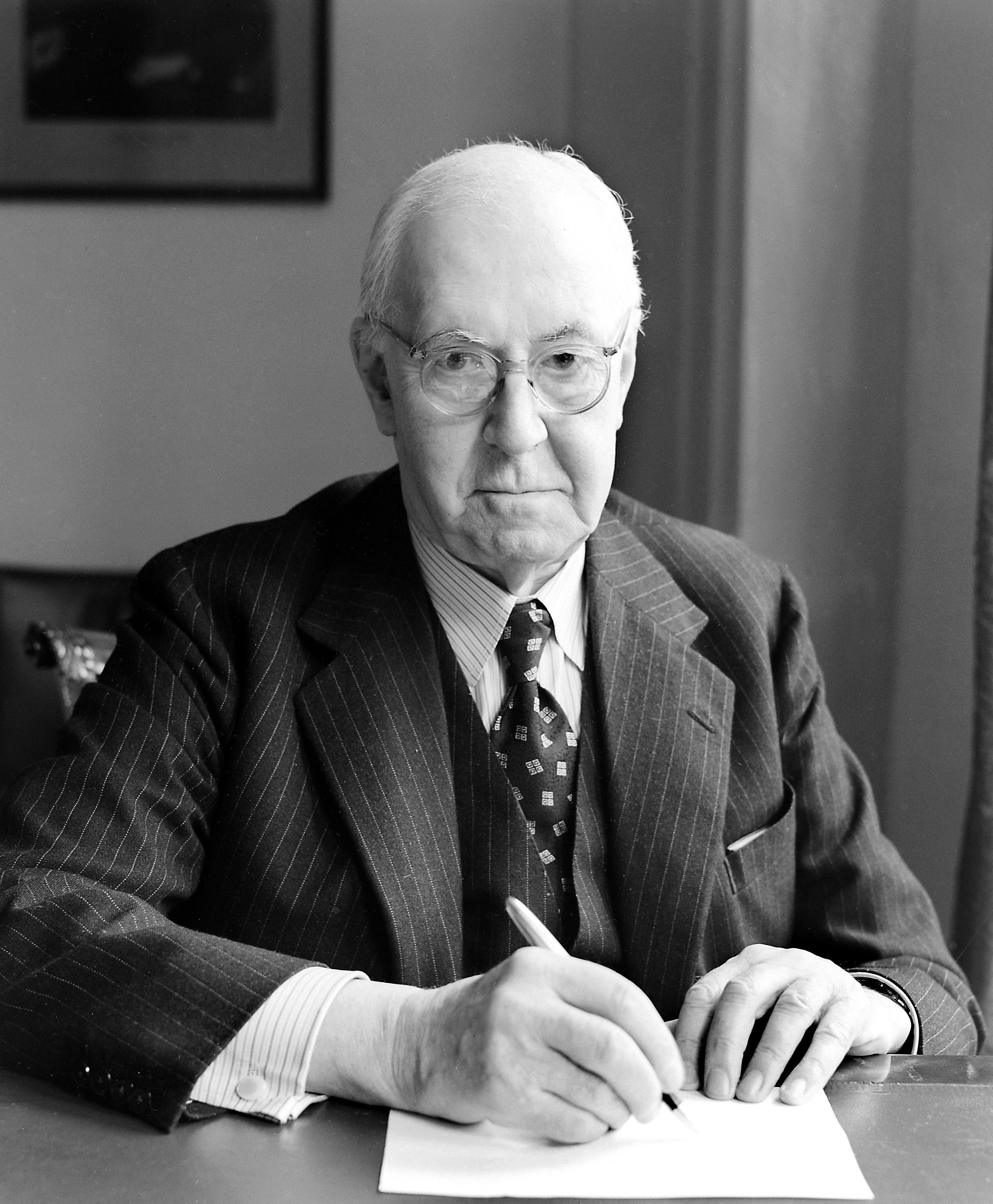
Isolation of acetylcholine from ox and horse spleen.
1938 CE
#1451
The primate thalamus.
1943 CE
#11259
The psychiatric novels of Oliver Wendell Holmes
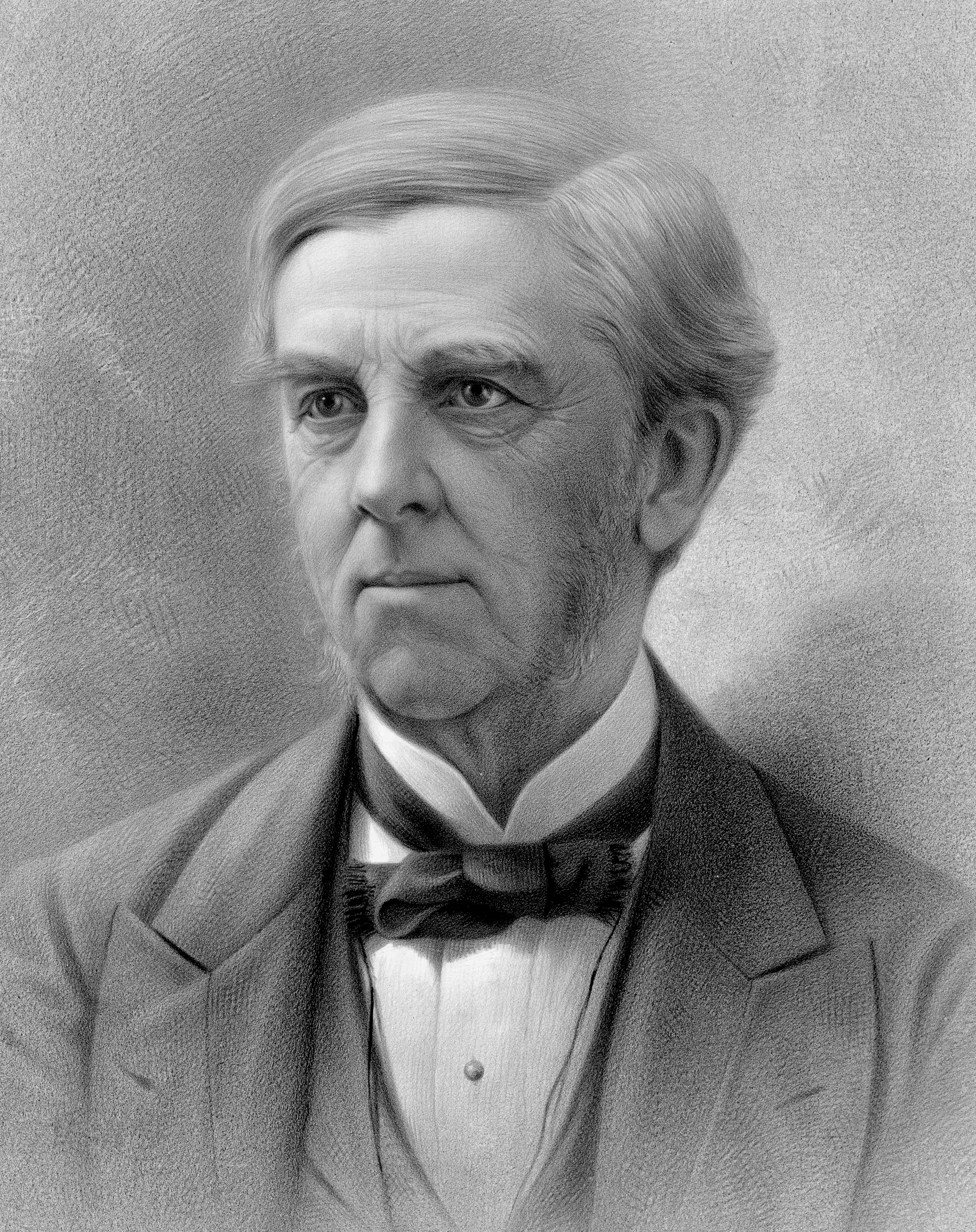
A classically trained Freudian psychoanalyst reviewed the psychiatric insights - advanced for his time - that Holmes expressed in his novels.
1960 CE
#1931.3
The psychosedative properties of methaminodiazepoxide.
Librium. With four co-authors.
1917 CE
#1377
The reflex functions of the completely divided spinal cord in man, compared with those associated with less severe lesions.
Riddoch described in detail the results of complete transection of the spinal cord in man. With Head (see No. 1376) he made one of the most painstaking investigations of this subject.
1877 CE
#4555
The relation of pain to weather, being a study of the natural history of a case of traumatic neuralgia.
First study of the subject.
1884 CE
#1415
The relation of the nervous system to the temperature of the body.
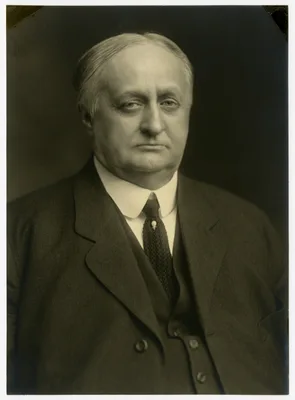
Ott studied the nervous regulation of body temperature. His papers on the heat-center in the brain and on the thermoinhibitory apparatus were published in the same journal, 1887, 14, 150-62, 428-38; 1888, 15, 85-104.
1938 CE
#4770
The response of the myasthenic state to guanidine hydrochloride.
Guanidine first used in treatment of myasthenia gravis. With K. Dodd and S. S. Riven.
1995 CE
#10766
The rise and crisis of psychoanalysis in America: Freud and the Americans, 1917-1985.
1978 CE
#10168
The road to Eleusis: Unveiling the secret of the mysteries.
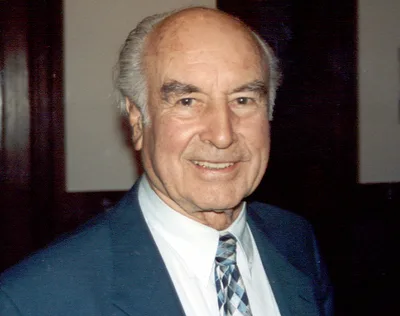
Argues that the psycho-active ingredient in the secret kykeion potion used in the Eleusinian mysteries was most likely the ergotism causing fungus Claviceps purpurea. Furthermore the book introduced the term "entheoge…
1914 CE
#12252
The role of the carotid arteries in the causation of vascular lesions of the brain, with remarks on certain special features of the symptomatology.
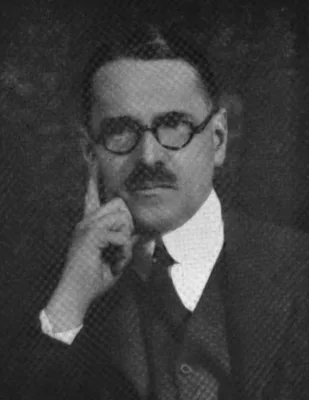
"In 1914, J. Ramsay Hunt, in an article considered to be another historical landmark in the recognition of the causes of cerebral ischemia, emphasized that strokes could be caused by extracranial occlusion of the cere…
1923 CE
#4807
The sacred disease. In [Works]…edited with an English translation by W.H.S. Jones. 2, 127-83
![HIPPOCRATES, [Ἱπποκράτης; Hippocrates of Kos] (-460 – -370)](/media/portraits/50)
This includes the first mention of epilepsy in children. Hippocrates grouped all convulsive attacks together as ερα νο̂σος, the sacred disease. He did not employ the w…
1982 CE
#12595
The spectrum of Creutzfeldt-Jakob disease and the virus-induced subacute spongiform encephalopathies. IN: Smith & Cavanagh, editors, Recent advances in neuropathology, Vol. 2., Chapter 6, pp. 129-163.
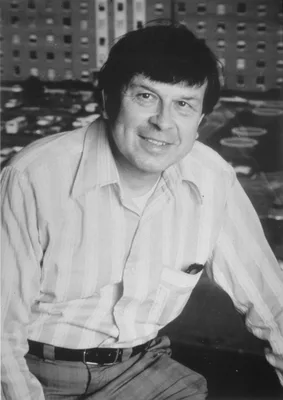
The authors reported a detailed and complete analysis of the original slides of the brain done by Afons Jakob, and provided a partial translation into English, with a detailed analysis of Jakob's clinical description,…
1903 CE
#1297
The spinal origin of the cervical sympathetic nerve.
Section of the white rami caused retrograde degeneration of the lateral column cells.