
Facets
Browse across eight MeSH (opens in new tab) facets — era, geography, science, specialty, technology, history, culture, and reference. Select one tag per group; counts update across the others.
Clear filtersFacet filters
Geography
Specialties & Disease
- Anatomy & Pathology 765
- Cardiology & Blood 914
- Neurology & Psychiatry 1,256
- Obstetrics & Reproductive 550
- Infectious Disease (General) 147
- Surgery & Anesthesia 1,551
- Public Health 1,129
- Immunology & Dermatology 1,404
- General Clinical Medicine 480
- Military Medicine 436
- Psychology 202
- Alternative & Fringe Medicine 383
- Pediatrics 247
- Ophthalmology & Vision 412
- ENT & Hearing 293
- Urology & Nephrology 309
- Gastroenterology & Hepatology 316
- Pulmonary & Respiratory 233
- Rheumatology, Rehab & Pain 188
- Internal, Emergency & Geriatric 123
- Veterinary Medicine 165
- Epidemiology & Demography 397
- Physiology & Embryology 923
- Dentistry 259
- Plagues & Epidemics 1,279
- Microbiology & Virology 1,080
Social & Historical Studies
Institutions & Culture
Reference & Scholarly Works
1,080 entries match Microbiology & Virology [C01.748]
1978 CE
#2268.1
Tropical medicine and parasitology: Classic investigations. 2 vols.
About 200 key papers, reproduced in whole or in part, in English translation where necessary. Includes useful biographical notes.
1925 CE
#5394
Tropical typhus in the Federated Malay States, with a compilation on epidemic typhus.
Bull. Inst. med. Res., F. M. S., No. 2. Drew attention to scrub typhus in Malaya.
1904 CE
#5278
Trypanosomes et trypanosomiases.
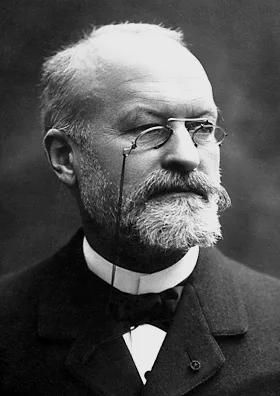
Laveran and Mesnil discovered that trypanosomes could be maintained indefinitely in rats and mice by serial passage.
1873 CE
#5029
Typhoid fever; its nature, mode of spreading, and prevention.
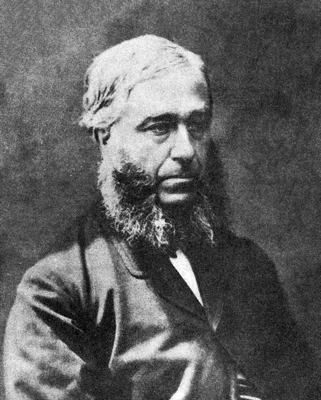
Budd insisted that typhoid fever was spread by contagion and established the fact that infection with typhoid came from the dejecta of the patients; he strengthened the theory of water-born infection. See also his ear…
1931 CE
#5396.2
Typhus fever. A virus of the typhus type derived from fleas collected from wild rats.
Murine typhus shown to be caused by an organism later named Rickettsia mooseri, transmitted by fleas from rats to man. With A. Rumreich and L. F. Badger.
1906 CE
#5111.1
Über Cholera- und choleraähnliche Vibrionen unter den aus Mekka zurückkehrenden Pilgern.
Isolation of El Tor vibrio, a particular strain of the bacterium Vibrio cholerae. Gotschlich first identified this strain in 1905 at a quarantine camp on the Sinai Peninsula in El Tor, Egypt . The vibrios were found i…
1908 CE
#5484.1
Über die Immunisierung gegen Wutkrankheit.
Fermi was the first to use chemical treatment of tissue suspensions of fixed rabies virus for the preparation of vaccine (Fermi vaccine). He introduced the use of carbolic acid for this purpose.
1901 CE
#12789
Über oligonitrophile Mikroben.
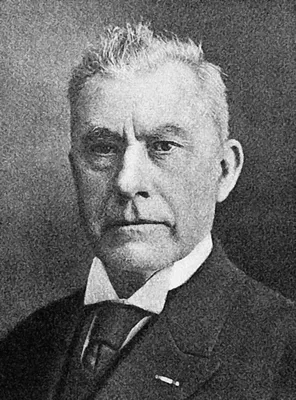
Discovery of nitrogen fixation, the process by which diatomic nitrogen gas is converted to ammonium ions and becomes available to plants. Bacteria perform nitrogen fixation, dwelling inside root nodules of certain pla…
1880 CE
#5512
Ueber Actinomykose.
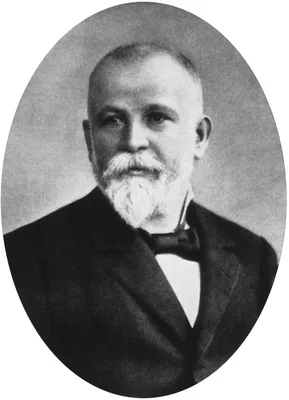
Ponfick recognized the causative role of Actinomyces in human actinomycosis; he established the identity of the human and animal forms of the disease. He published a book on the subject, Die Actinomykose des Menschen,…
1893 CE
#5188
Ueber Amöben-Enteritis.
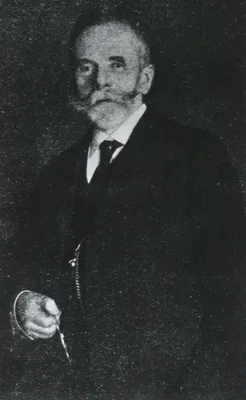
Entamoeba histolytica distinguished from Entamoeba coli. English translation in Kean (No. 2268.1).
1880 CE
#5209
Ueber Bacterien bei den venerischen Krankheiten.
Leistikow was first to report the cultivation of the gonococcus.
1871 CE
#2482
Ueber Bakterien in der Pockenhaut.
Weigert was the first to stain bacteria. He introduced many of the best staining methods in use today. Weigert discovered bacteria in hemorrhagic smallpox. In the same paper is described how carmine will color cocci.
1921 CE
#5192
Ueber Behandlungsversuche der chronischen Amoebenruhr mit Yatren.

Introduction of Yatren.
1853 CE
#2450
Ueber Cestoden im allgemeinen und die des Menschen insbesondere, hauptsächlich mit Berücksichtigung ihrer Entwickelungsgeschichte, geographischen Verbreitung, Prophylaxe und Abtreibung; für Freunde der Naturwissenschaften, Aerzte, Medicinalpolizei-Beamte, Staats- und Privat-Oekonomen.
Kuchenmeister conducted research on tapeworms, trichinosis, and other parasites and wrote about it several works. In 1852, his theory that bladder-worms are juvenile tapeworms gained the attention of the medical profe…
1901 CE
#5362
Ueber das Eindringen der Ankylostomalarven in die menschliche Haut.
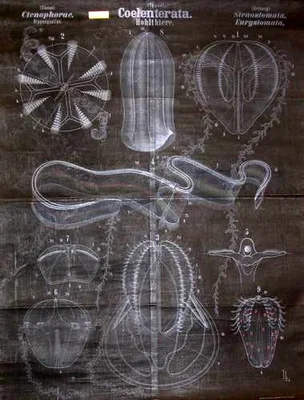
Looss discovered that hookworms can penetrate the skin; he himself became infected when hookworm culture accidentally spilled on his hands. English translation in Kean (No. 2268.1).
1881 CE
#2493
Ueber das Methylenblau und seine klinisch-bakterioskopische Verwerthung.
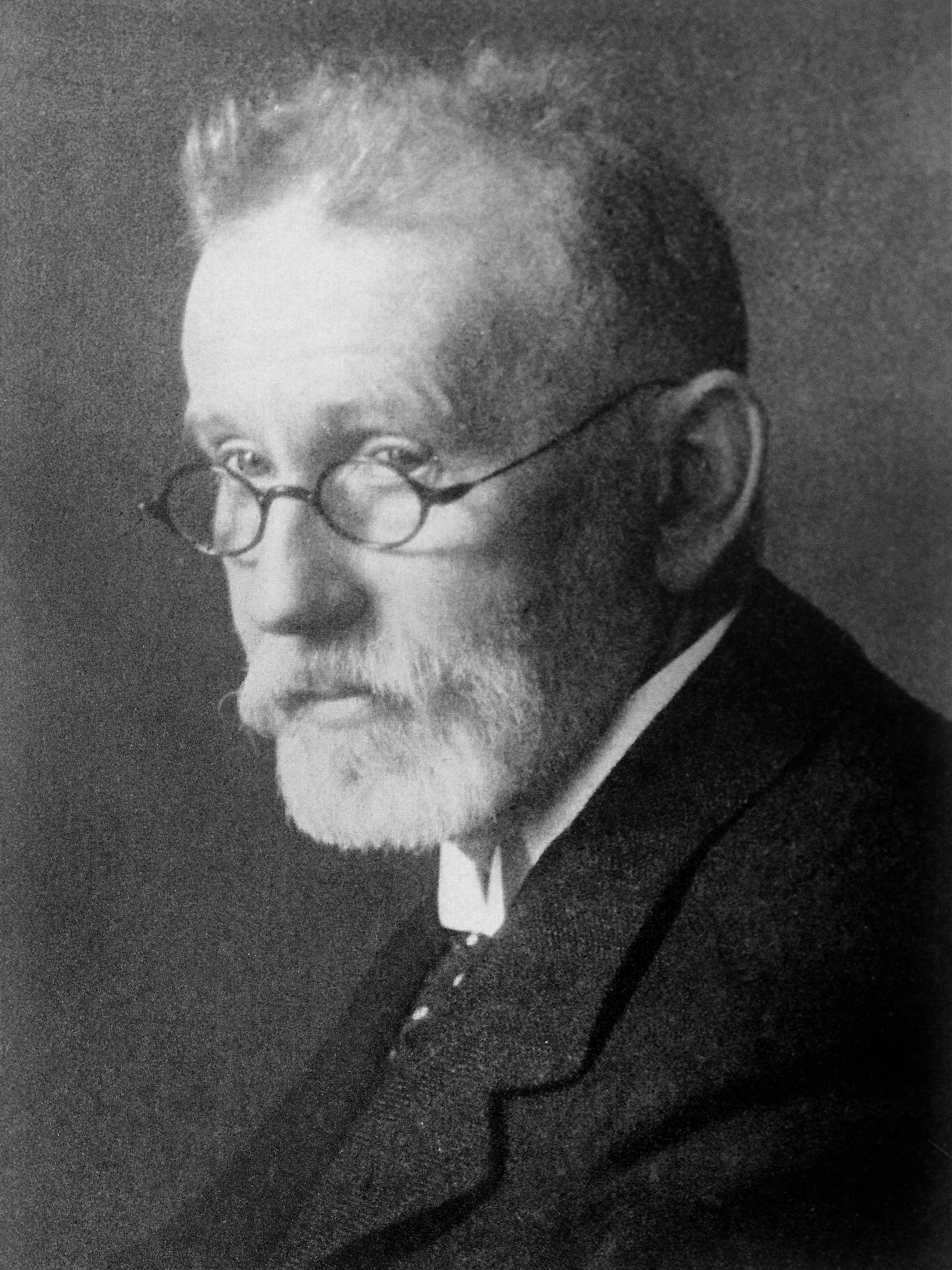
Introduction of methylene blue in bacteriological staining.
1898 CE
#5091
Ueber den Dysenteriebacillus (Bacillus dysenteriae).
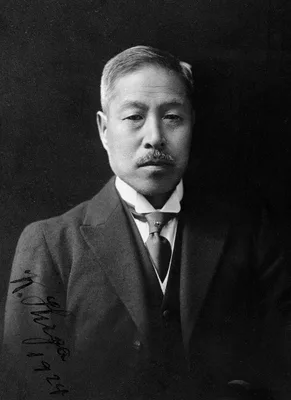
Discovery of the dysentery bacillus, Shigella. Preliminary paper in the same journal, 1898, 23, 599-600.
1889 CE
#5149
Ueber den Tetanusbacillus.
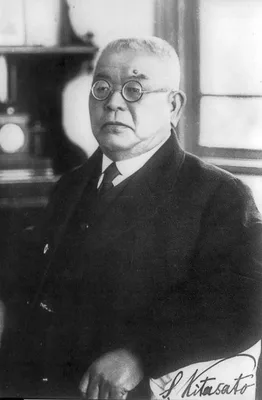
Kitasato obtained a pure culture of the tetanus bacillus, Cl. tetani.
1907 CE
#5350.1
Ueber den Wohnort von Schistosomum japonicum. [Japanese text.]
Fujinami and Nakamura identified the intermediate host of S. japonicum. Abstract in Arch. Schiffs-u. Tropenhyg., 1908, 12,471. Later (1909, 6, 224-52) they demonstrated that infection occurred by skin penetration. Eng…
1886 CE
#3176
Ueber die Aetiologie der acuten Lungen- und Rippenfellentzündungen.
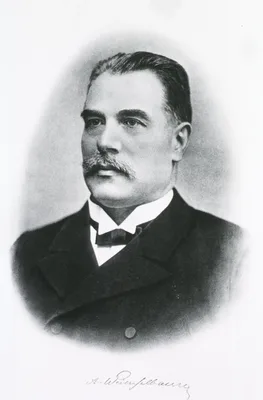
Weichselbaum definitely established that Friedländer’s bacillus was responsible for pneumonia in a small percentage of cases.
1887 CE
#4678
Ueber die Aetiologie der akuten Meningitis cerebro-spinalis.
Weichselbaum discovered the meningococcus, Neisseria meningitidis, causative agent of cerebrospinal meningitis.
1838 CE
#112.1
Ueber die Analogie in der Structur und dem Wachsthum der Thiere und Pflanzen.
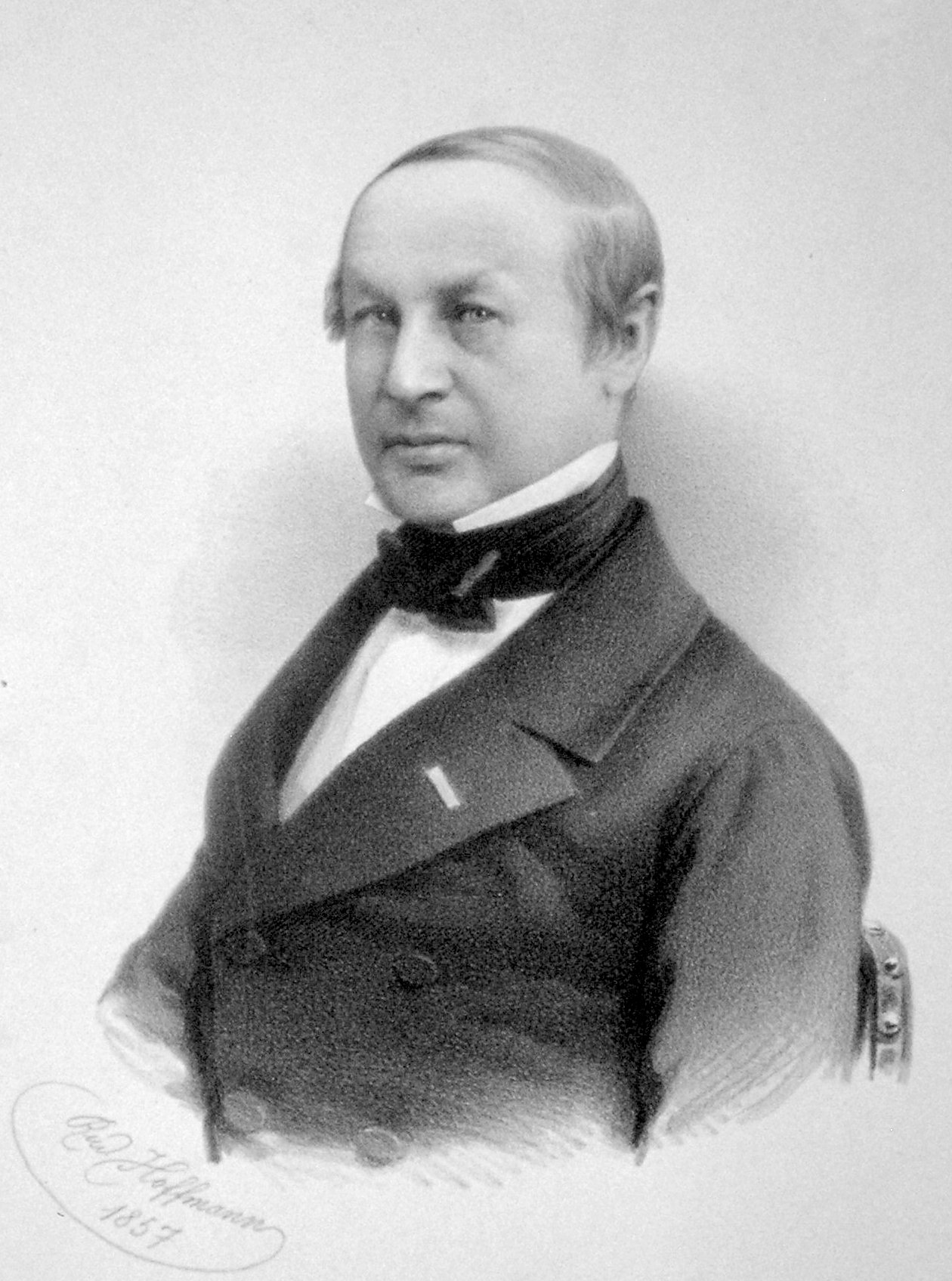
Schwann’s three-part preliminary application of Schleiden’s “watch-glass” cell theory to the genesis of animal cells. Schleiden communicated the theory to him verbally. This paper actually pre-…
1904 CE
#2560
Ueber die Antikörper des Streptokokken- und Pneumokokken-Immunserums.
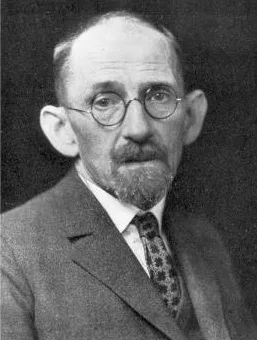
Bacteriotropins named and described.
1889 CE
#2543
Ueber die bakterientödtende Wirkung des zellenfreien Blutserums.
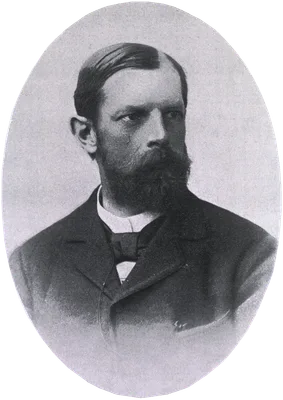
Following Nuttall’s work, Buchner discovered a substance in blood serum that was capable of destroying bacteria. He called the substance "alexin". He demonstrated that the bactericidal power of defibrinated bloo…
1915 CE
#5094
Ueber die Bakteriologie der giftarmen Dysenteriebacillen (Para-dysenteriebacillen).
Sonne’s bacillus (Shigella sonnei) was probably described earlier by others, but it was Sonne who first drew serious attention to it. First published as inaugural dissertation, 1914.
1854 CE
#5340
Ueber die Band-und Blasenwürmer.
![SIEBOLD, Carl Theodor Ernst von [Karl] (1804 – 1885)](/media/portraits/231)
Siebold succeeded in infecting dogs with Taenia echinococcus. Translation by T. H. Huxley Sydenham Society London, 1857.
1888 CE
#2506
Ueber die Fleischvergiftung in Frankenhausen. a.K. und den Erreger derselben.
Discovery of Salmonella enteritidis, a cause of food poisoning.
1884 CE
#2499
Ueber die isolirte Färbung der Schizomyceten in Schnitt- und Trocken-präparaten.
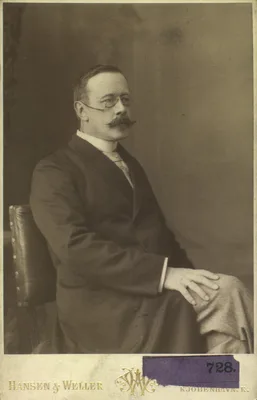
Gram’s method of staining bacteria (Gram stain). While not all bacteria may be definitively classified in this way, it is almost always the first step in the preliminary identification of a bacterial organism.
1892 CE
#2506.2
Ueber die Mosaikkrankheit der Tabakspflanze.
The Russian botanist Ivanovski demonstrated that the agent responsible for tobacco mosaic disease could pass through the finest filter then available. This was the starting point of research into the etiology of virus…
1886 CE
#2503.1
Ueber die Mosaikkrankheit des Tabaks.
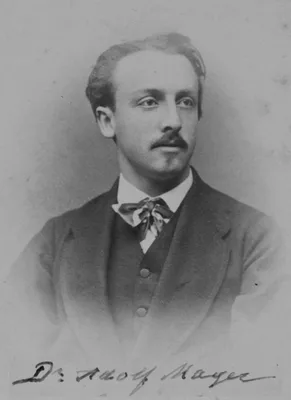
Mayer was first to describe and name tobacco mosaic disease and to demonstrate its infectious nature, that it could be transferred between plants, similar to bacterial infections. Translation in Phytopathological Clas…
1900 CE
#2515
Ueber die nach Gram färbbaren Bacillen des Säuglingsstuhles.
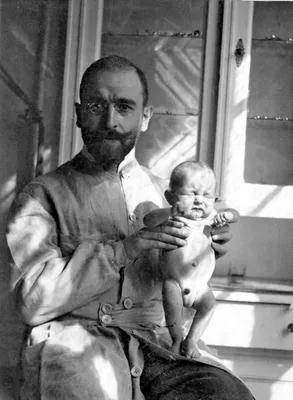
Isolation of Lactobacillus acidophilus.
1933 CE
#5335.1
Ueber die Prophylaxe der Spirochaetosis icterohaemorrhagica Inada (Weilschen Krankheit) durch Schutzimpfung.
Prophylactic vaccination against leptospirosis.
1900 CE
#5092
Ueber die Ruhr als Volkskrankheit und ihren Erreger.
Further work on dysentery by Kruse led to the coupling of his name with Shiga to designate both the “Shiga–Kruse bacillus” and “Shiga–Kruse disease”.
1882 CE
#3174
Ueber die Schizomyceten bei der acuten fibrösen Pneumonie.
Isolation of Klebsiella pneumoniae (“Friedländer bacillus”), which Friedländer regarded as the causal organism in all cases of lobar pneumonia.
1894 CE
#2546
Ueber die specifische Bedeutung der Choleraimmunität (Bakteriolyse).
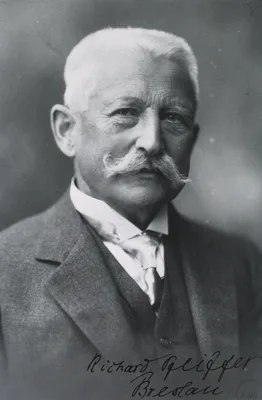
Pfeiffer and Isayev recorded the occurrence of bacteriolysis in cholera vibrios under certain conditions: immune bacteriolysis, “Pfeiffer’s phenomenon”. Abridged English translation of second part in…
1860 CE
#5342
Ueber die Trichinen-Krankheit des Menschen.
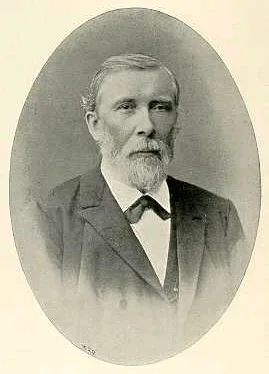
The intestinal and muscular forms of trichinosis were first noted by Zenker, who established their connection with the disease. English translation in Kean (No. 2268.1).
1891 CE
#5241.1
Ueber die Wirkung des Methylenblau bei Malaria.
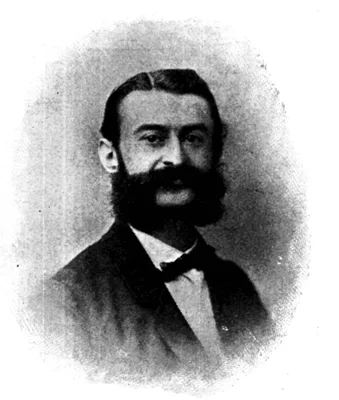
Guttmann and Ehrlich demonstrated methylene blue to be lethal in vitro for the malaria parasite – the beginning of Ehrlich’s work on chemotherapy.
1883 CE
#5055
Ueber Diphtherie.
First account of Corynebacterium diphtheriae (Klebs–Loeffler bacillus), causal organism in diphtheria, discovered by Klebs.
1921 CE
#4722
Ueber eigenartige Erkrankungen der Zentralnervensystems mit bemerkenswertem anatomischem Befunde. (Spastische Pseudosklerose — Encephalomyclopathie mit disseminirrten Degenerationsherden.)
“Creutzfeld-Jakob disease”, spastic pseudosclerosis. Traditionally considered to have been independently discovered by Creutzfeld, but in the 21st century recognized as a discovery by Jakob alone. See also…
1898 CE
#2512
Ueber ein Contagium vivum fluidum als Ursache der Fleckenkrankheit der Tabaksblätter.
Beijerinck confirmed the findings of Ivanovski. He showed that the tobacco mosaic virus would diffuse through agar. "Like Ivanovsky before him and Adolf Mayer, predecessor at Wageningen, Beijerinck could not culture t…
1841 CE
#5267.1
Ueber ein Entozoon im Blute von Salmo fario.
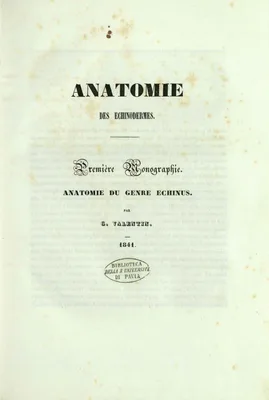
Valentin was the first to discover a trypanosome; this was in a salmon. English translation in Kean (No. 2268.1).
1908 CE
#5477
Ueber ein neues invisibles Virus.
Doerr showed the relation of phlebotomus fever to the sandfly, Phlebotomus.
1879 CE
#5208
Ueber eine der Gonorrhoe eigentümliche Micrococcusform.
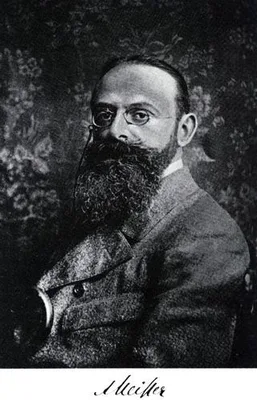
Discovery of the gonococcus – causal organism in gonorrhoea.
1895 CE
#5529.2
Ueber eine durch Coccidien hervorgerufene Krankheit des Menschen.
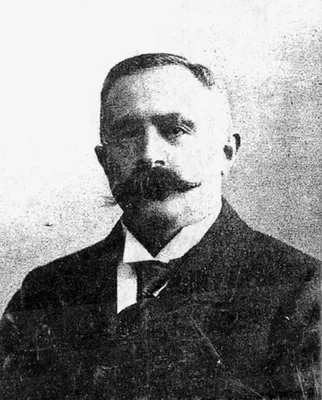
See No. 5529.1.
1920 CE
#4719.1
Ueber eine eigenartige herdförmige Erkrankung des Zentralnervensystems.
Creutzfeld-Jakob disease, spatic pseudoschlerosis, independently discovered by Jakob. (see No. 4722). English translation in No. 5019.14, pp. 97-112. Creutzfeld described a single case and later reported that "his cas…
1886 CE
#5332
Ueber eine eigenthümliche, mit Milztumor, Icterus und Nephritis einhergehende, acute Infectionskrankheit.
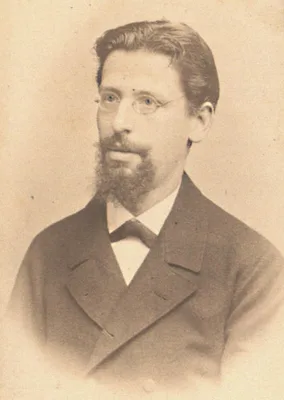
In his classic description of Leptospirosis icterohaemorrhagica Weil differentiated the disease from other types of acute jaundice. It is better known as “Weil’s disease”.
1876 CE
#2486
Ueber eine Mykose bei einem neugeborenen Kinde (Bakterienfärbung mit Anilinfarben).
In this paper Weigert showed that methyl violet will reveal cocci in tissues.
1916 CE
#5387
Ueber eine neue periodische Fiebererkrankung (Febris Wolhynica).
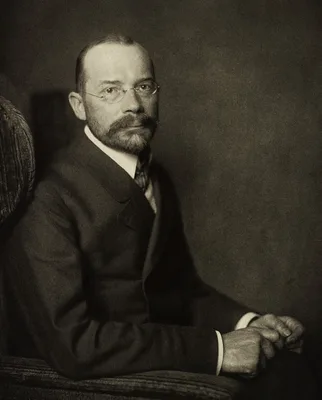
His encountered a form of “trench fever” in Volhynia, Russia, and named it after that district.
1877 CE
#5510
Ueber eine neue Pilzkrankheit beim Rinde.
First effective description of Actinomyces bovis.
1891 CE
#5513.1
Ueber eine neue, pathogene Cladothrix und eine durch sie hervorgerufene Pseudotuberculosis (cladothrichica).
Eppinger isolated Cladothrix (Nocardia) asteroides in a patient suffering from pseudotuberculosis with brain abscesses and meningitis.