
Facets
Browse across eight MeSH (opens in new tab) facets — era, geography, science, specialty, technology, history, culture, and reference. Select one tag per group; counts update across the others.
Clear filtersFacet filters
Geography
Specialties & Disease
- Anatomy & Pathology 765
- Cardiology & Blood 914
- Neurology & Psychiatry 1,256
- Obstetrics & Reproductive 550
- Infectious Disease (General) 147
- Surgery & Anesthesia 1,551
- Public Health 1,129
- Immunology & Dermatology 1,404
- General Clinical Medicine 480
- Military Medicine 436
- Psychology 202
- Alternative & Fringe Medicine 383
- Pediatrics 247
- Ophthalmology & Vision 412
- ENT & Hearing 293
- Urology & Nephrology 309
- Gastroenterology & Hepatology 316
- Pulmonary & Respiratory 233
- Rheumatology, Rehab & Pain 188
- Internal, Emergency & Geriatric 123
- Veterinary Medicine 165
- Epidemiology & Demography 397
- Physiology & Embryology 923
- Dentistry 259
- Plagues & Epidemics 1,279
- Microbiology & Virology 1,080
Social & Historical Studies
Institutions & Culture
Reference & Scholarly Works
914 entries match Cardiology & Blood [C14 / C15]
1974 CE
#12246
A sector scanner for real time two-dimensional echocardiography.

Abstract "During the past several years one-dimensional pulse-echo ultrasound techniques have proven extremely useful in cardiac diagnosis. A one-dimensional system, however, only visualizes structures lying along a s…
1942 CE
#3159
A short history of cardiology.
1897 CE
#2807
A simple and accurate form of sphygmomanometer or arterial pressure gauge contrived for clinical use.
Hill and Barnard made an important modification to the Riva-Rocci sphygmomanometer when they substituted a pressure gauge in place of the mercury manometer used for pressure readings.
1942 CE
#2875
A simple indifferent electrocardiographic electrode of zero potential and a technique of obtaining augmented, unipolar, extremity leads.
Augmented unipolar leads.
1932 CE
#2717
A standard stimulus for measuring vasomotor reactions: its application in the study of hypertension.
Cold-pressor test.
1935 CE
#3096
A standardized technique for the blood sedimentation test.
Wintrobe’s method for the determination of the erythrocyte sedimentation rate.
1912 CE
#2841
A study of the endocardial lesions of subacute bacterial endocarditis.
1940 CE
#3041
A technique for splanchnic resection for hypertension; preliminary report.
Smithwick operation for hypertension.
1885 CE
#1881
A text-book of pharmacology, therapeutics and materia medica.
Brunton was physician to St. Bartholomew’s Hospital and an eminent pharmacologist. He is notable for his introduction of amyl nitrite in the treatment of angina pectoris and for a vast amount of other work conce…
1960 CE
#3047.15
A transistorized, self-contained, implantable pacemaker for the long-term correction of complete heart block.
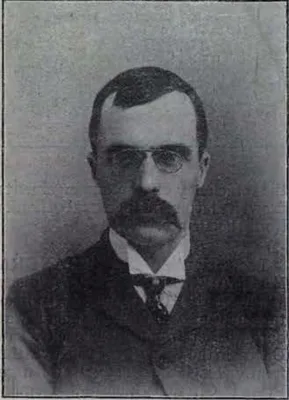
The first fully-implantable pacemaker.
1815 CE
#2741
A treatise on the diseases of arteries and veins. 1 vol. and atlas.
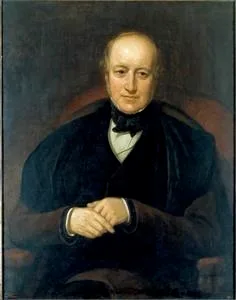
Includes the best illustrations of aneurysms and of aortic valvular endocarditis so far published, and the first description on non-sacculated dilatation of the aortic arch (“Hodgson’s disease”).
1784 CE
#2734.4
A treatise on the diseases of children.
Underwood laid the foundation of modern pediatrics. His work was superior to anything that had previously appeared and remained the most important book on the subject for sixty years, passing through many editions. Th…
1832 CE
#2747
A treatise on the diseases of the heart and great vessels.
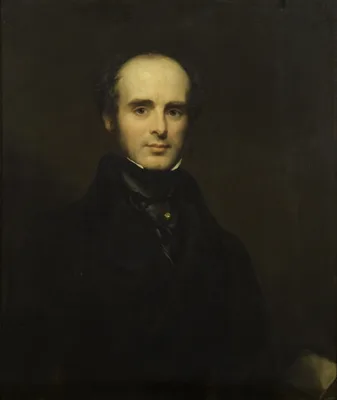
Hope did much to advance the knowledge of heart murmurs, valvular disease, and aneurysm; he described the second sound of the left side of the sternum in mitral stenosis as “altered” – losing its sho…
1948 CE
#3047
A venous shunt for marked mitral stenosis.
First pulmonary-azygos shunt operation for relief of mitral stenosis. Two further patients were operated upon later the same year; all three are reported in J. Amer. med. Ass.,1949, 140, 1259. A similar procedure was …
1843 CE
#2753
Account of observations… on patients whose urine was albuminous.
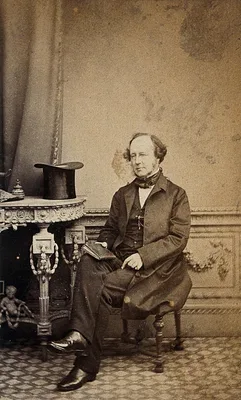
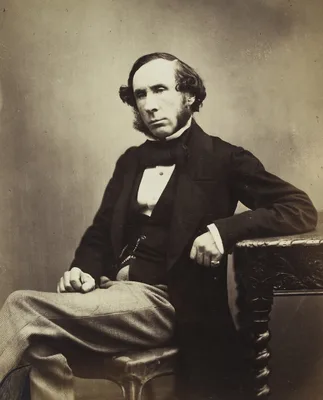
An early description of a case of subacute bacterial endocarditis is reported on pp. 227-32 (Case 8).
1935 CE
#3148
Achresthic anaemia.
Achrestic anemia described.
1947 CE
#3107
Action hypoprothrombinémiante (anti-K) de la phényl-indanedione étudiée expérimentalement chez le lapin. Son application chez l’homme.
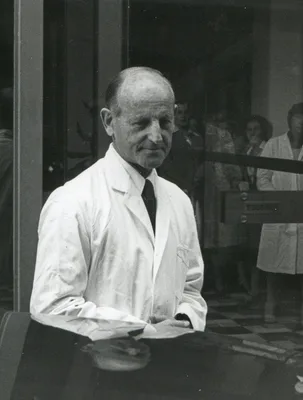
Introduction of phenylindanedione.
1948 CE
#3154
Activity of vitaminB12 in Addisonian pernicious anemia.
First demonstration of the effectiveness of vitamin B12 in pernicious anemia.
1923 CE
#12116
Acute lymphadenosis compared with acute lymphatic leukemia, Part II - Hematologic studies.
Downey characterized reactive lymphocytes, usually associated with viral illnesses, such as Epstein-Barr virus, but which can also be caused by drug reactions or other pathogens. He classified the cells into type 1, t…
1943 CE
#2027.1
Advantages of a disodium-citrate-glucose mixture as a blood preservative.
This work made possible the storage of whole blood for up to three weeks.
1582 CE
#7327
Aigentlich Beschreibung der Raiss, so er vor diser Zeit gegen Auffgang inn die Morgenländer, fürnemlich Syriam, Iudaeam, Arabiam, Mesopotamiam, Babyloniam, Assyriam, Armeniam etc....
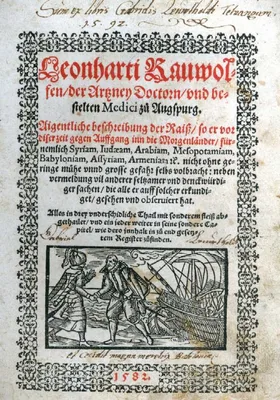
Rauwolf provided the first modern descriptions of the flora of the area east of the Levantine coast. He was also the first to describe the riparian flora of the Euphrates, and the first European to publish an account …
1837 CE
#2750
Akute idiopathische Herzentzündung. In his: Praktische Diagnostik, pp. 118-20
Sobernheim first used the term “myocarditis.”
1996 CE
#7856
American cardiology: The history of a specialty and its college.
1809 CE
#2739
An account of a peculiar disease of the heart.
Account of nine cases of rheumatic endocarditis.
1788 CE
#2280
An account of a remarkable transportation of the viscera.
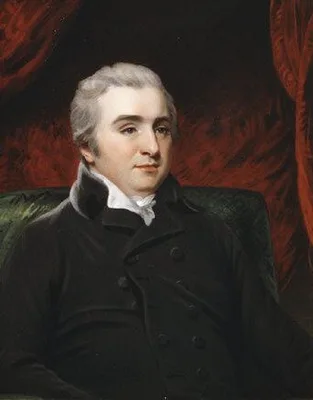
Baillie recorded a case of congenital dextrocardia with complete situs inversus viscerum. Reprinted in Willius & Keys, Cardiac classics, 1941, pp. 257-62.
1790 CE
#2925.1
An account of an aneurism in the thigh, perfectly cured by the operation.
The first femoral ligation reported in America, and the first paper on a surgical topic to be published in an American medical periodical.
1803 CE
#3054
An account of an haemorrhagic disposition existing in certain families.
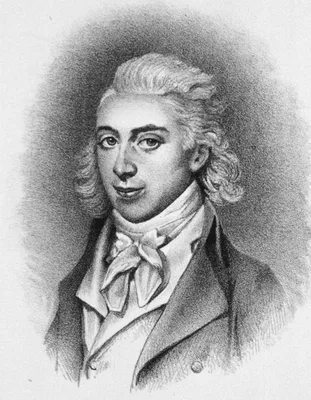
Otto recognized and adequately described hemophilia, noting that females are not affected but may transmit the disease. His paper is one of the first great contributions to medicine in North America. Reproduced in Maj…
1874 CE
#875
An account of certain organisms occurring in the liquor sanguinis.
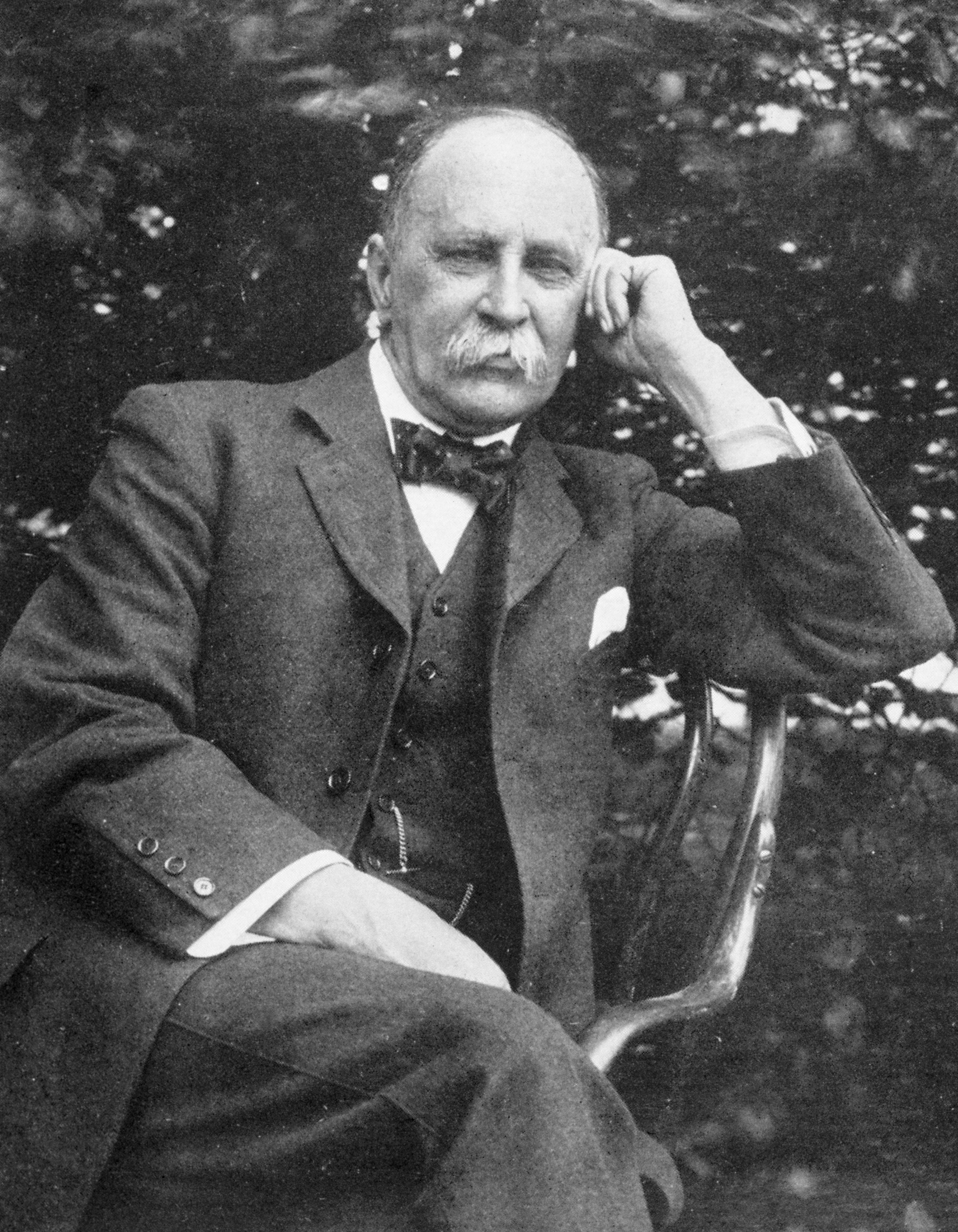
One of the best early descriptions of the blood platelets was given by Osler. He noticed that white thrombi were almost entirely composed of them.
1786 CE
#2925
An account of Mr. Hunter’s method of performing the operation for the popliteal aneurism.
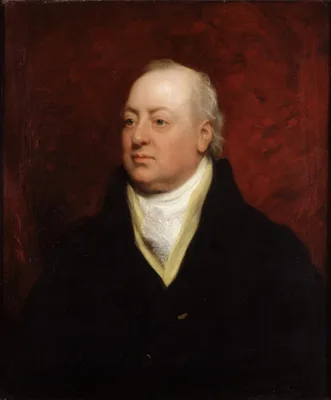
First description of John Hunter’s method of treating popliteal aneurysm. This consisted in a single ligature of the artery at a distance high in the healthy tissues. Recorded by his brother-in law. See also Tra…
1667 CE
#2014
An account of the experiment of transfusion, practised upon a man in London.
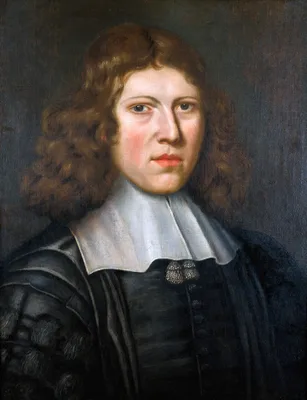
First transfusion of blood performed on a human in England, Nov. 23, 1667.
1985 CE
#9233
An account of the foxglove and its medical uses 1785-1985.
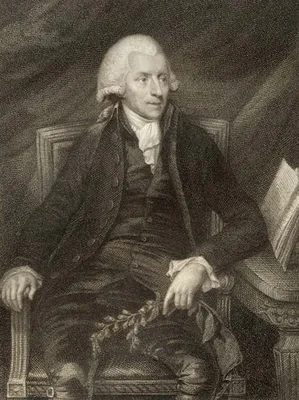
This work consists of a reproduction of Withering's classic text published in 1785, extensively annotated by Aronson, followed by Aronson's history of "the use of the digitalis glycosides and related compounds over th…
1785 CE
#1836
An account of the foxglove, and some of its medical uses.
Before publication of Withering's book digitalis was a widely used folk remedy, occasionally mentioned in the literature. Withering established the correct dosages, and the action of digitalis in edema and on the hear…
1940 CE
#912.2
An agglutinable factor in human blood recognized by immune sera for Rhesus blood.
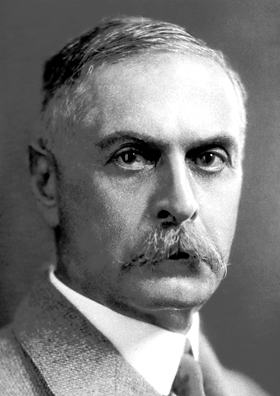
Recognition of the Rh antigen
1879 CE
#878
An apparatus for the clinical estimation of haemoglobin.
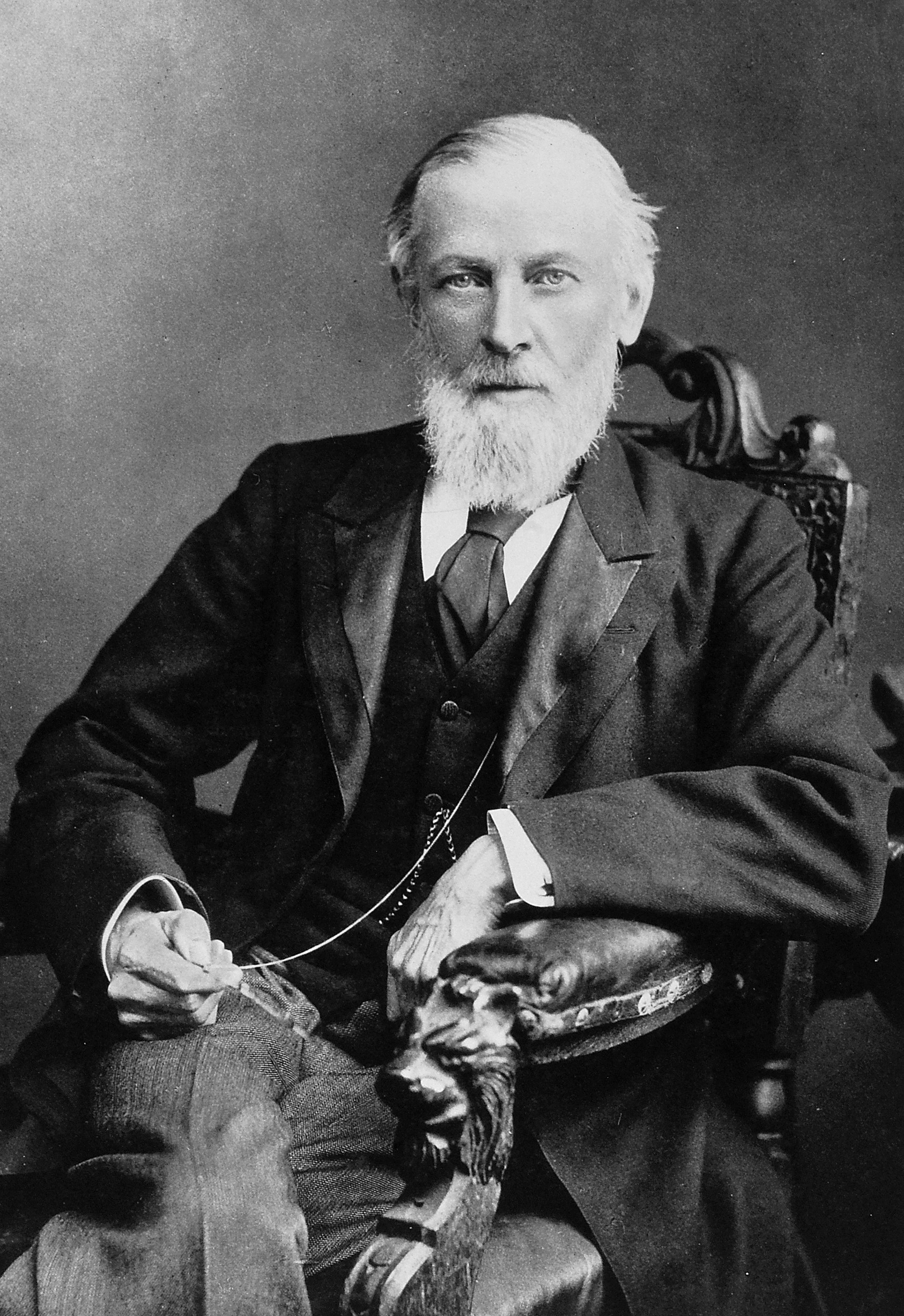
Gowers introduced the colorimetric method of estimating hemoglobin and devised a hemoglobinometer for the purpose. This was modified by Haldane (see No. 891). Previously Hoppe-Seyler had used a hematinometer.
1961 CE
#11586
An atlas of acquired diseases of the heart and great vessels. 3 vols.
1920 CE
#2852
An electrocardiographic sign of coronary artery obstruction.
First description of the typical changes in the electrocardiogram in coronary thrombosis.
1799 CE
#11592
An essay on the medical properties of the digitalis purpurea or foxglove.
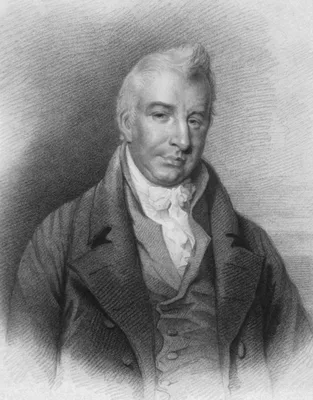
"John Ferriar...published the first monograph on digitalis after William Withering (1785). Ferriar was the first to suggest that digitalis was beneficial in dropsy (severe congestive heart failure), in part because it…
1901 CE
#5624
An experimental and clinical research into certain problems relating to surgical operations.
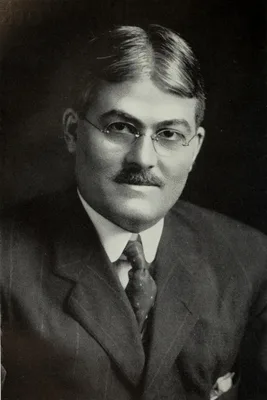
Crile made important contributions to knowledge regarding shock. He originated the theory that it is due to exhaustion of the vasomotor center. (See also No. 5629.) Chapter V: On the physiologic action of cocain and e…
1936 CE
#3037
An experimental method of providing a collateral circulation to the heart.
By attaching a pedicled omental graft to the surface of the heart (cardio-omentopexy), thus providing a collateral circulation to that organ, O’Shaughnessy made an important advance in the treatment of angina an…
1899 CE
#5622
An experimental research into surgical shock.
Crile saw and recorded elevations in systemic and portal venous pressures under experimental shock.
1724 CE
#12698
An impartial history of Michael Servetus, burnt alive at Geneva for heresie.
Authorship of this early English account of Servetus and his martyrdom for heresy has never been determined, according to Geoffrey Sill, "The authorship of An impartial history of Michael Servetus," Papers of the Bibl…
1960 CE
#11590
An implantable pacemaker in the heart. IN: Medical electronics: Proceedings of the Second International Conference on Medical Electronics, Paris 24-27 June 1959. Edited by C. N. Smyth.
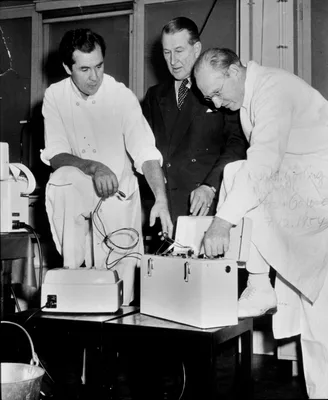
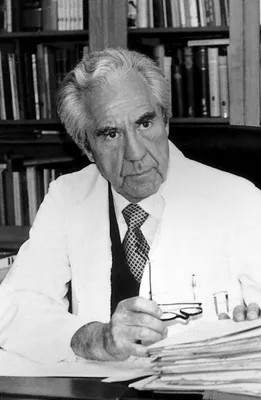
"This is the original report of the first fully implantable pacemaker that was designed by Elmqvist and surgically inserted under the skin of a patient in October 1958. It is an abstract of their presentation that sig…
1938 CE
#2027
An inexhaustible source of blood for transfusion, and its preservation. Preliminary report.
J. R. Goodall, F. O. Anderson, G. T. Altimas, and F. L. MacPhail pointed out the possibility of using placental blood for transfusion purposes.
1834 CE
#12395
An inquiry into the claims of Doctor William Harvey to the discovery of the circulation of the blood; with a more equitable retrospect of that event. To which is added an introductory lecture delivered on the third of November, 18929, in vindication of Hippocrates from sundry charges of ignorance preferred against him by the late professor Rush.

Perhaps the earliest American monograph on the history of circulation. Keynes characterized this volume as "an elaborate and very learned attempt to belittle Harvey's achievement" Keynes, Life of William Harvey, p. 42…
1799 CE
#2888
An inquiry into the symptoms and causes of the syncope anginosa commonly called angina pectoris.
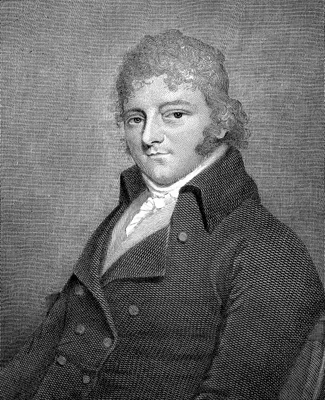
This was a paper read before the Gloucester Medical Society in 1788, but not published until 1799. Largely confirming the earlier work of Heberden on the condition, Parry stated his conclusion that disease of the coro…
1895 CE
#2800
An unpublished physical sign.
“Broadbent’s sign” – recession of the intercostal spaces as a sign of adherent pericardium.
1939 CE
#912.1
An unusual case of intra-group agglutination.
Discovery of the Rh antigen.
1849 CE
#3118
Anaemia; disease of the supra-renal capsules.
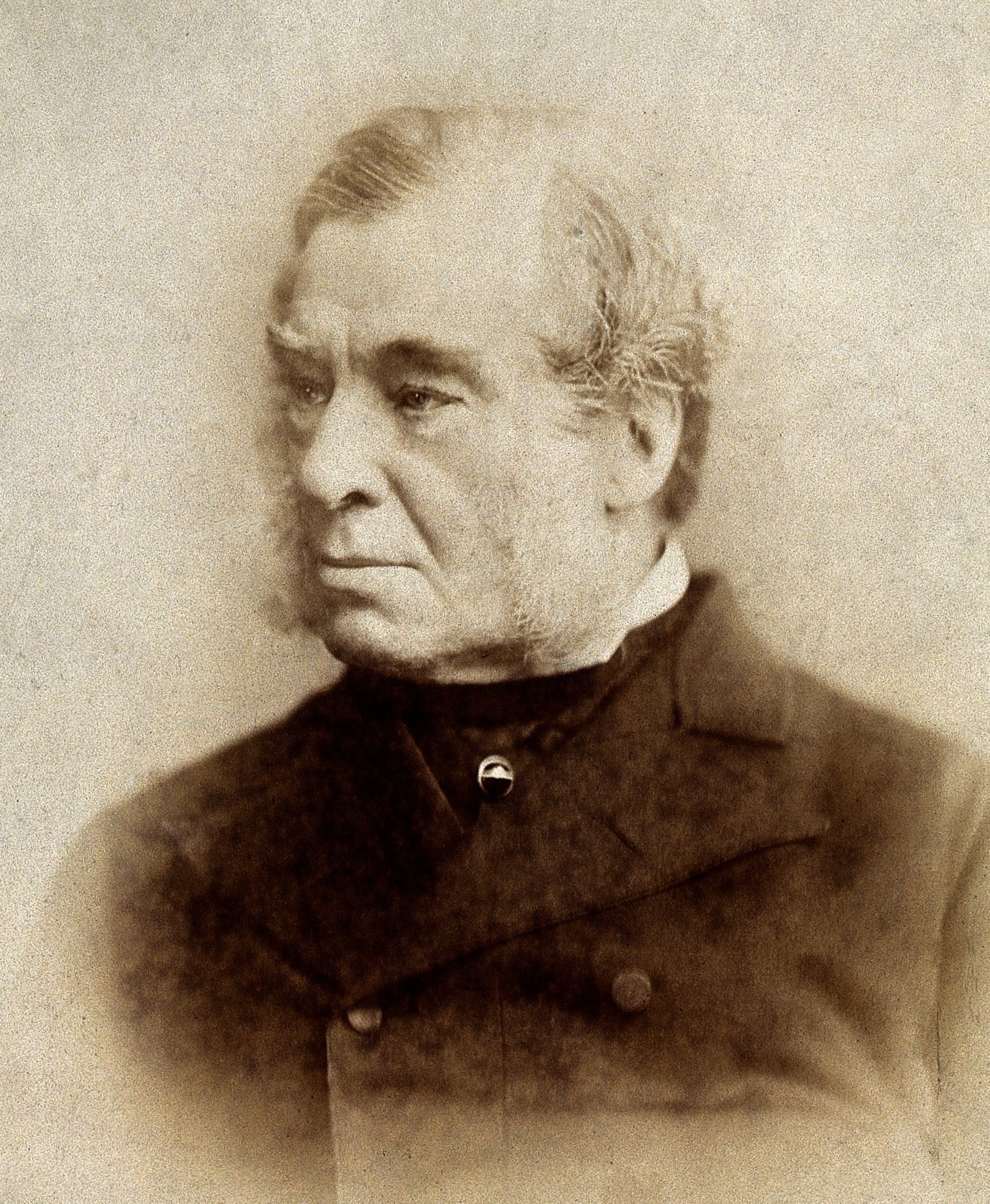
Addison included a classic description of pernicious (Addisonian) anemia in his papers on the condition later known as “Addison’s disease”. Although preceded by Combe, his account was more important …
1903 CE
#12247
Analyse des Pulsus irregularis perpetuus.
Later called auricular fibrillation.
1913 CE
#3134
Anämische Zustände bei der chronischen Achylia gastrica.
Simple achlorhydric (idiopathic microcytic) anemia described. Faber advanced the view that achylia gastrica was a cause both of pernicious anemia and of simple chlorotic anemia.