
Facets
Browse across eight MeSH (opens in new tab) facets — era, geography, science, specialty, technology, history, culture, and reference. Select one tag per group; counts update across the others.
Clear filtersFacet filters
Geography
Specialties & Disease
- Anatomy & Pathology 765
- Cardiology & Blood 914
- Neurology & Psychiatry 1,256
- Obstetrics & Reproductive 550
- Infectious Disease (General) 147
- Surgery & Anesthesia 1,551
- Public Health 1,129
- Immunology & Dermatology 1,404
- General Clinical Medicine 480
- Military Medicine 436
- Psychology 202
- Alternative & Fringe Medicine 383
- Pediatrics 247
- Ophthalmology & Vision 412
- ENT & Hearing 293
- Urology & Nephrology 309
- Gastroenterology & Hepatology 316
- Pulmonary & Respiratory 233
- Rheumatology, Rehab & Pain 188
- Internal, Emergency & Geriatric 123
- Veterinary Medicine 165
- Epidemiology & Demography 397
- Physiology & Embryology 923
- Dentistry 259
- Plagues & Epidemics 1,279
- Microbiology & Virology 1,080
Social & Historical Studies
Institutions & Culture
Reference & Scholarly Works
1,080 entries match Microbiology & Virology [C01.748]
1905 CE
#5318
The nature of tick fever in the eastern part of the Congo Free State.
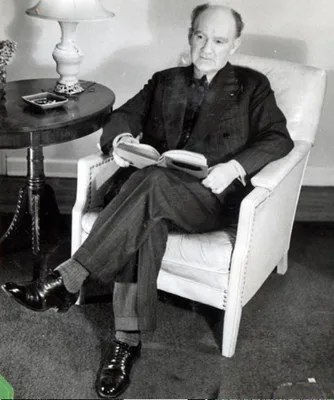
Independently of Ross and Milne, Dutton and Todd demonstrated relapsing fever in monkeys conveyed by infected ticks, Omithodorus moubata. The organism was named Sp. (now Borrelia) duttoni. Both Dutton and Todd contrac…
1876 CE
#1932
The optical deportment of the atmosphere in relation to the phenomena of putrefaction and infection.
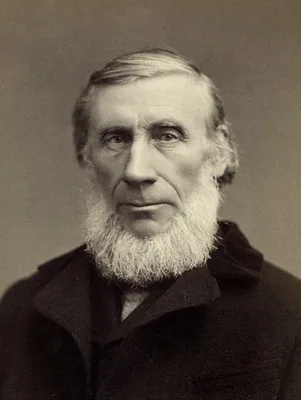
Tyndall observed the selective bacteria-inhibiting effect of Penicillium and the resistance of Ps. pyocyanea to it. See No. 2495.
1928 CE–1929 CE
#2523
The pathogenic streptococci. An historical survey of their role in human and animal disease.
Documents over 1,600 studies.
1900 CE
#4644
The pathology of herpes zoster and its bearing on sensory localisation.
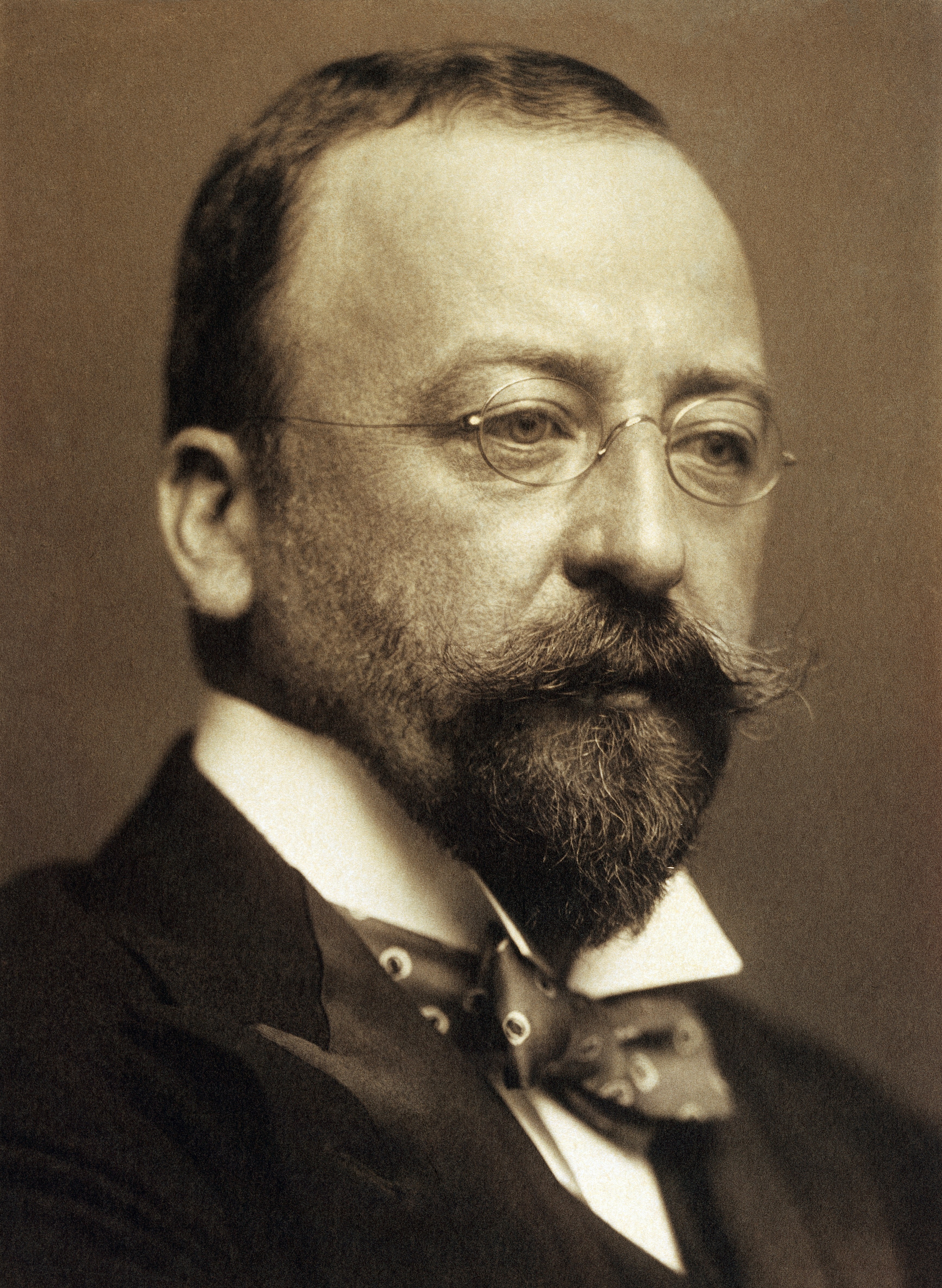
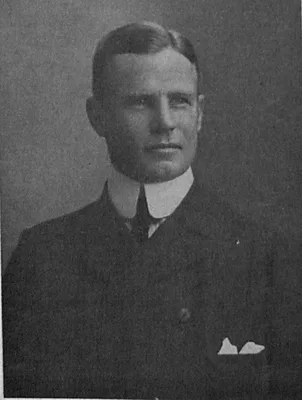
Head and Campbell showed herpes zoster to be a hemorrhagic inflammation of the posterior nerve roots and the homologous spinal ganglia.
1931 CE
#5087.1
The phases of Haemophilus pertussis.
Leslie and Gardner classified H. pertussis cultures into four types and established an experimental basis for the development of an effective vaccine.
1948 CE
#5262.1
The pre-erythrocytic stage of human malaria Plasmodium vivax.
With P. C. C. Garnham, G. Covell, and P. G. Shute.
1948 CE
#5262
The pre-erythrocytic stage of mammalian malaria.
Demonstration of the pre-erythrocytic stage of P. cynomolgi in the monkey. With P. C. C. Garnham and B. Malamos. Preliminary communication in Nature (Lond.), 1948, 161, 126.
1949 CE
#5262.2
The pre-erythrocytic stage of Plasmodium falciparum. A preliminary note.
With N. H. Fairley, G. Covell, P. G. Shute, and P. C. C. Garnham. See also Trans. roy. Soc. trop. Med. Hyg., 1951, 44, 405-19.
1938 CE
#5045.1
The preparation of anti-typhoid serum in the horse for therapeutic use in man.
Typhoid antiserum.
1932 CE
#5487
The presence of heterophile antibodies in infectious mononucleosis.
The Paul–Bunnell test for the diagnosis of infectious mononucleosis.
1995 CE
#11019
The private science of Louis Pasteur.
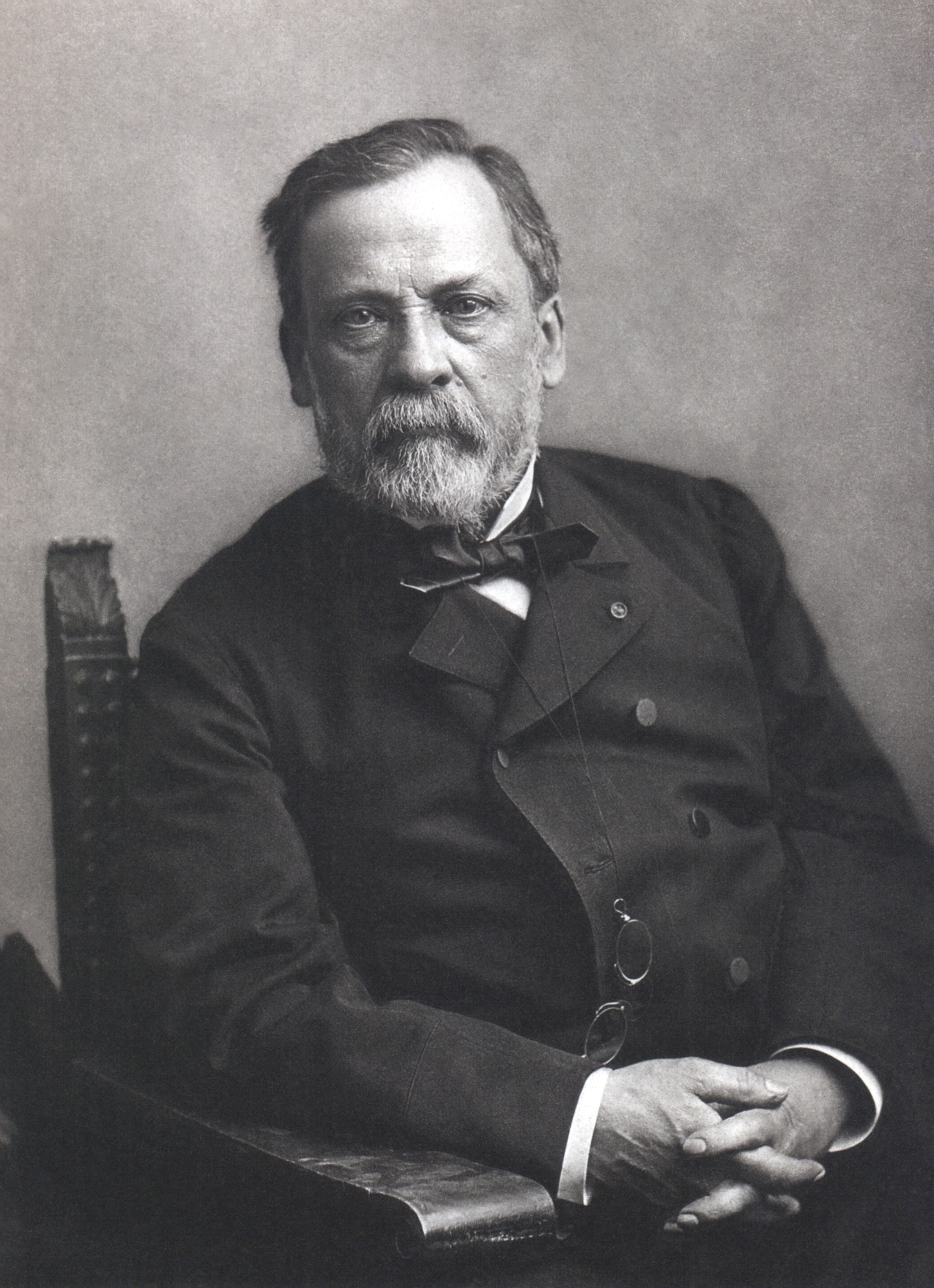
"His biography of Pasteur was viewed as an outstanding work of scholarship which penetrated the secrecy that had surrounded much of the legendary scientist's laboratory work. Geison used Pasteur's laboratory notebooks…
1912 CE
#5190
The rapid cure of amoebic dysentery and hepatitis by hypodermic injections of soluble salts of emetine.
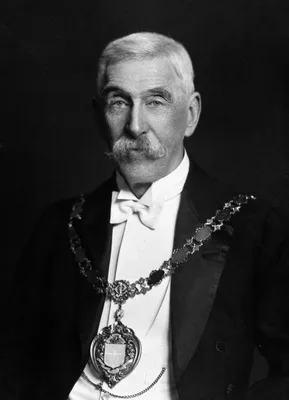
Following up the work of Vedder, Rogers showed that the soluble salts of emetine could be safely injected subcutaneously. The general use of emetine, introduced by Rogers, diminished the incidence of liver abscess &nd…
1917 CE
#5334.1
The rat as a carrier of Spirochaeta icterohaemorrhagiae, the causative agent in Weil’s disease (spirochaetosis icterohaemorrhagica)
Rats shown to be the carriers of Leptospira. With R. Hoki, H. Ito, and H. Wani.
1976 CE
#11888
The resistance factor to Plasmodium vivax in blacks.
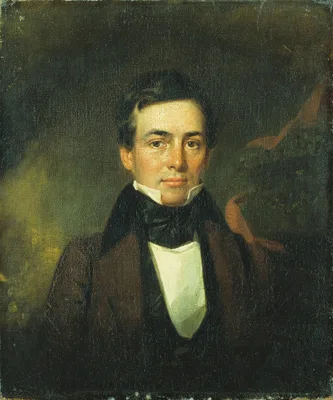
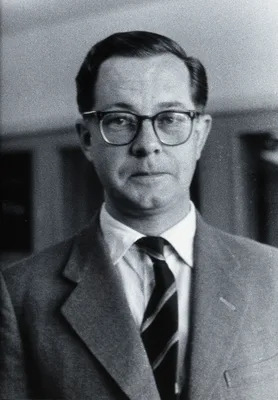
The authors showed that the Plasmodium vivax parasite requires the Fya/Fyb Duffy antigen/chemokine receptor on the surface of red blood cells for penetration of human red blood cells. Because most African and American…
1978 CE
#10168
The road to Eleusis: Unveiling the secret of the mysteries.
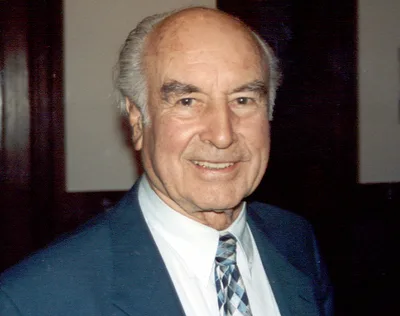
Argues that the psycho-active ingredient in the secret kykeion potion used in the Eleusinian mysteries was most likely the ergotism causing fungus Claviceps purpurea. Furthermore the book introduced the term "entheoge…
1898 CE
#5251
The rôle of the mosquito in the evolution of the malarial parasite.
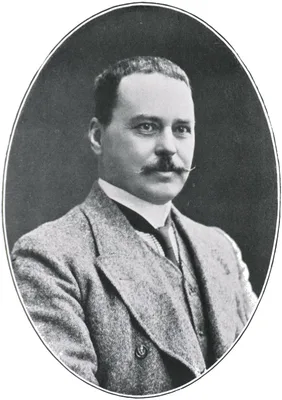
Ross provided the last link in the chain demonstrating the complete life-cycle of the parasite of bird malaria. He found that mosquitoes which had fed on malaria-infected birds, and which had allowed the parasites to …
1934 CE
#2524.3
The serological classification of Streptococcus pyogenes.
Griffith’s classification of streptococci. Digital facsimile from PubMedCentral at this link.
1928 CE
#251.2
The significance of pneumococcal types.
Griffith’s experiments on transforming type II pneumococci into type III were repeated by Avery who was able sixteen years later (No. 255.3) to demonstrate that DNA was the transforming material.
1902 CE
#12114
The significance of recent American cases of hookworm disease (Uncinariasis or Anchylostomiasis) in man.
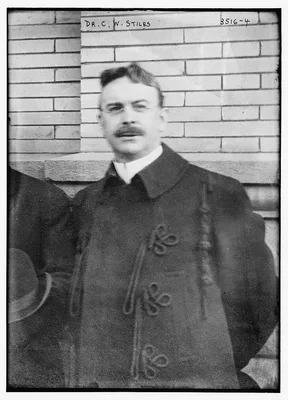
In this paper Stiles fully characterized and extensively illustrated the American hookworm parasite that he first described in No. 5363. This species and the Schistosoma are the pathogenic organisms that can penetrate…
1982 CE
#12595
The spectrum of Creutzfeldt-Jakob disease and the virus-induced subacute spongiform encephalopathies. IN: Smith & Cavanagh, editors, Recent advances in neuropathology, Vol. 2., Chapter 6, pp. 129-163.
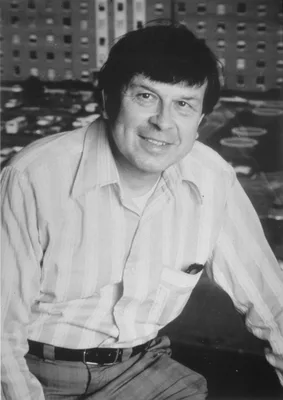
The authors reported a detailed and complete analysis of the original slides of the brain done by Afons Jakob, and provided a partial translation into English, with a detailed analysis of Jakob's clinical description,…
1918 CE
#5350.6
The successful use of antimony in bilharziosis.
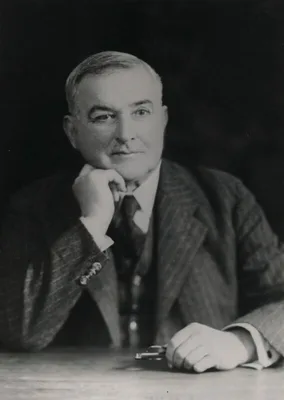
Introduction of tartar emetic (antimony) in the treatment of schistosomiasis.
1931 CE
#2524.1
The susceptibility of the chorio-allantoic membrane of chick embryos to infection with the fowl-pox virus.
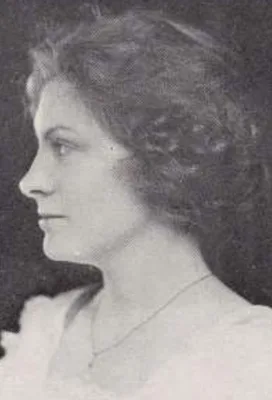
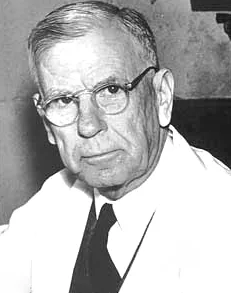
By their demonstration of the infection of the chorio-allantoic membrane with the virus of fowl pox, Woodruff and Goodpasture initiated wide-spread adoption of this host for the study of viruses.
1986 CE
#11042
The T4 glycoprotein is a cell-surface receptor for the AIDS virus.
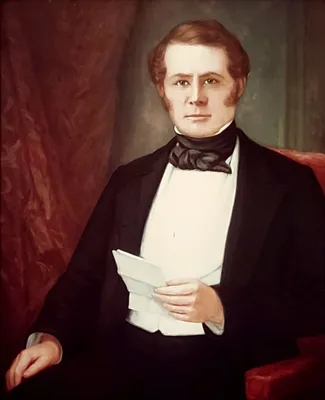


Order of authorship in the original paper: McDougal, Maddon, Dalgleish. The authors discovered that the T4 lymphocyte cell has an outer glycoprotein on its surface that specifically acts as the receptor for HIV. Witho…
1944 CE
#5398.3
The therapeutic effect of para-aminobenzic acid in louse-borne typhus fever.
With J. C. Snyder, E. S. Murray, C. J. D. Zarafonetis, and R. S. Ecke.
1906 CE
#5378
The transmission of Rocky Mountain spotted fever by the bite of the wood-tick (Dermacentor occidentalis).
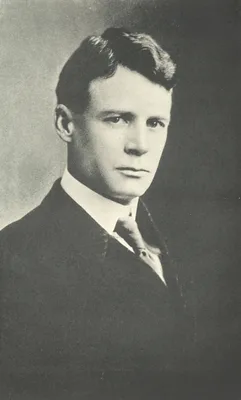
Ricketts (who himself died of typhus) demonstrated that the wood tick Dermacentor andersoni is a vector of Rocky Mountain spotted fever.
1939 CE
#5172.1
The use of anthrax vaccines prepared from avirulent (uncapsulatec) variants of Bacillus anthracis.
Nonencapsulated spore vaccine.
1919 CE
#12006
The use of blood agar for the study of streptococci.
In this monograph with numerous charts and 34 full-page plates Brown classified streptococci into α, β, A prime and γ based on the type and degree of hemolysis produced by the bacteria on a blood agar…
1921 CE
#5368
The use of carbon tetrachloride for the removal of hookworms.
Introduction of the carbon tetrachloride treatment of ankylostomiasis.
1937 CE
#5467
The use of yellow fever virus modified by in vitro cultivation for human immunization.
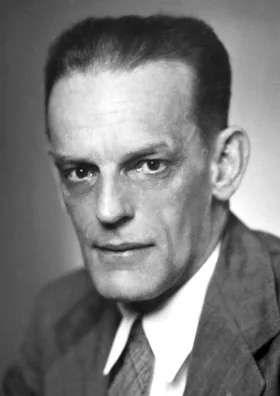
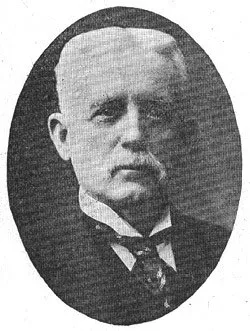
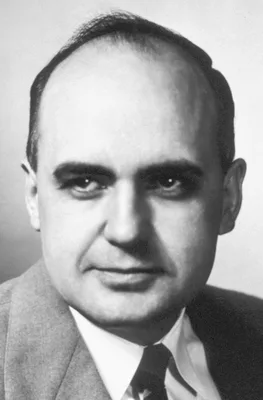
Immunization without the use of immune serum. In 1951 Theiler was awared the Nobel Prize in Physiology or Medicine "for his discovery of an effective vaccine against yellow fever." This was the first Nobel Prize award…
1960 CE
#2527.3
The vacuolating virus SV40.
Simian virus type 40, a polyomavirus found in both monkeys and humans.
1675 CE
#12998
Theatrum fungorum oft het tooneel der Campernoelien. Waer inne vertoont wort de gedaente, ken-teeckens, natuere, crachten, voetsel, deught ende ondeught; mitsgaders het voorsichtigh schoonmaken ende bereyden van alderhande Fungien....
The first separate general work on fungi, describing edible and poisonous varieties. Digital facsimile from the Hathi Trust at this link.
1969 CE
#7967
Thermus aquaticus gen. n. and sp. n., a nonsporulating extreme thermophile.
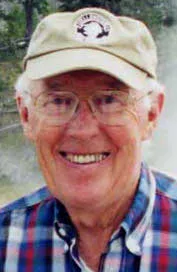
Discovery of Thermus aquaticus, a species of bacteria that can tolerate high temperatures. This is one of several thermophilic bacteria that belong to the Deinococcus–Thermus group, and the source of the heat-re…
1835 CE
#4027
Thèse inaugurale sur la découverte de l’insecte qui produit la contagion de la gale, du prurigo et du phlyzacia.
Demonstration of the human itch-mite, Sarcoptes scabiei. It was due to Renucci that the Sarcoptes was recognized as the one cause of scabies and its parasitic nature finally accepted.
1653 CE
#5160
Thesis de carbunculo.
1895 CE–1896 CE
#1020
Thierisches Leben ohne Bakterien im Verdauungskanal.
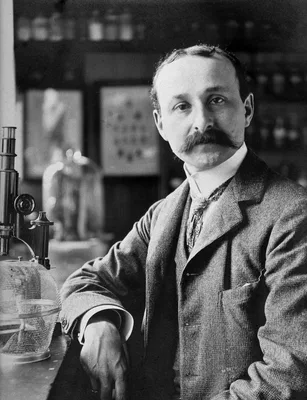
Proof that healthy life and perfect digestion are possible without the presence of bacteria in the digestive tract.
1965 CE
#2581.5
Three centuries of microbiology.
1999 CE
#11071
Tobacco mosaic virus: Pioneering research for a century. A theme issue edited by B. D. Harrison and T. M. A. Wilson.

1841 CE
#5518
Torsk i mikroskopiskt anatomiskt hänseende.
Discovery of Candida albicans in thrush.
1916 CE
#5537
Torula infection in man.
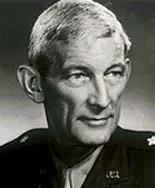
Description of Torula histolytica infection in man, later shown to be identical with Cryptococcus neoformans. Digital facsimile from Google Books at this link.
1990 CE
#12301
Towards a natural system of organisms: Proposal for the domains Archaea, Bacteria, and Eucarya.

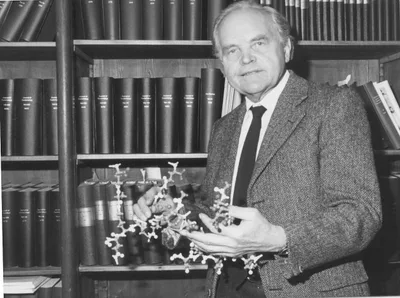
(Order of authorship in the original publication: Woese, Kandler, Wheelis.) Introduction of the three-domain biological classification system that divides cellular life into three forms or domains: Archaea, Bacteria, …
1886 CE–1890 CE
#2456
Traité de zoologie médicale. 2 vols.
Digital facsimile from the Internet Archive at this link.
1860 CE
#2451
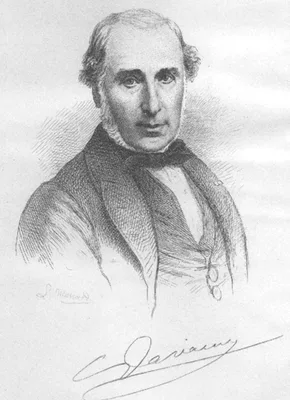
Traité des entozoaires et des maladies vermineuses.
1776 CE
#13364
Traité des pians.
One of the earliest medical publications printed in Haiti. Duvivier, Bibliographie générale et méthodique d'Haiti, 2, p. 197.
1898 CE
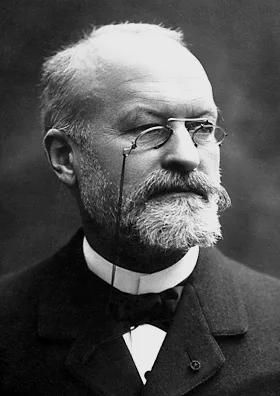
#5248
Traité du paludisme.
1978 CE
#13540
Transmissible agent in non-A, non-B hepatitis.


The first paper recording the discovery of what was, eleven years later in 1989, named the hepatitis C virus (see No. 12653). Harvey Alter and colleagues inoculated the serum/plasma of 4 patients with non-A/non-B hepa…
1997 CE
#13541
Transmission of hepatitis C by intrahepatic inoculation with transcribed RNA.

Rice and colleagues constructed a viral RNA genome with the 3’ region and a consensus region to exclude potential inactivating mutations, which was then injected into the liver of chimps. That RNA, specifically …
1971 CE
#4729.2
Transmission of two subacute spongiform encephalopathies of man (Kuru and Creutzfeldt–Jakob disease) to New World monkeys.
Following Hadlow's suggestion (1959), Gadjusek was able to transmit Kuru and Creutzfeldt–Jakob disease to primates through cerebral inoculations. Similarity in the clinical course of the diseases and in the cell…
1943 CE
#10952
Transmission of West Nile virus by infected Aedes albopictus.

The authors demonstrated that the Aedes albopictus mosquito is the vector of West Nile virus. (Thanks to Juan Weiss for this reference and its interpretation.)
1623 CE
#2262.1
Tratado de las siete enfermedades, de la inflammacion universal del higado, zirbo, pyloron, y riñones, y de la obstrucion, de la satiriasi, de la terciana y febre maligna, y passion hipocondriaca. Lleva otros tres tratados, del mal de Loanda, del guzano, y de las fuentes y sedales.
The first important work on tropical diseases. Only six copies of the original edition of this book are known. It includes full accounts of malaria, typhoid, and scurvy, and the first accurate descriptions of yellow f…
1983 CE
#12658
Trichinella and trichinosis. Edited by William C. Campbell.

The first chapter of this authoritative study is a very detailed historical introduction by William C. Campbell, with a comprehensive bibliography. Campbell also authored Chapter 10: Chemotherapy and Chapter 13: Epide…