
Facets
Browse across eight MeSH (opens in new tab) facets — era, geography, science, specialty, technology, history, culture, and reference. Select one tag per group; counts update across the others.
Clear filtersFacet filters
Geography
Specialties & Disease
- Anatomy & Pathology 765
- Cardiology & Blood 914
- Neurology & Psychiatry 1,256
- Obstetrics & Reproductive 550
- Infectious Disease (General) 147
- Surgery & Anesthesia 1,551
- Public Health 1,129
- Immunology & Dermatology 1,404
- General Clinical Medicine 480
- Military Medicine 436
- Psychology 202
- Alternative & Fringe Medicine 383
- Pediatrics 247
- Ophthalmology & Vision 412
- ENT & Hearing 293
- Urology & Nephrology 309
- Gastroenterology & Hepatology 316
- Pulmonary & Respiratory 233
- Rheumatology, Rehab & Pain 188
- Internal, Emergency & Geriatric 123
- Veterinary Medicine 165
- Epidemiology & Demography 397
- Physiology & Embryology 923
- Dentistry 259
- Plagues & Epidemics 1,279
- Microbiology & Virology 1,080
Social & Historical Studies
Institutions & Culture
Reference & Scholarly Works
1,279 entries match Plagues & Epidemics [C01.252]
1893 CE
#6361
Polyuria and tuberculosis.
“Hand–Schüller–Christian syndrome”, which Hand called polyuria and tuberculosis.
1855 CE
#9921
Portraits of diseases of the skin.
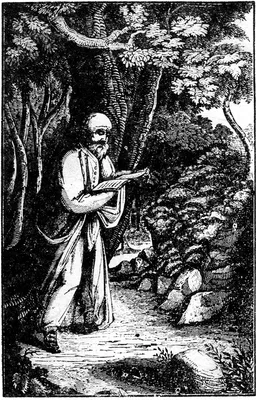
Wilson's atlas, with 48 plates drawn and engraved by the medical artist, William Bagg, was the first English large folio atlas of dermatology in the style of similar folios issued in France by Alibert and Cazenave. Th…
1909 CE
#5283.1
Positive Infektionsversuche mit Trypanosoma brucei durch Glossina palpalis.
Glossina was believed to transmit Trypanosoma mechanically to the new host until Kleine showed that the latter undergoes a developmental cycle in Glossina. English translation in Kean (No. 2268.1).
1910 CE
#2320
Pott’sche Krankheit an einer ägyptischen Mumie.
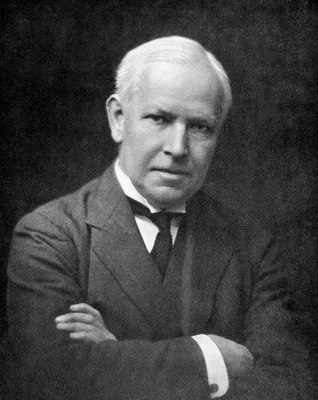
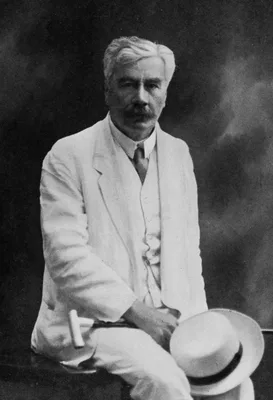
The fact that tuberculosis was present among the ancient Egyptians was proved when Elliot Smith and Ruffer described a genuine case of Pott’s disease in a mummy of 1000 B.C.E.
1962 CE
#10920
Powassan virus: Field investigations in Northern Ontario, 1959-1961.
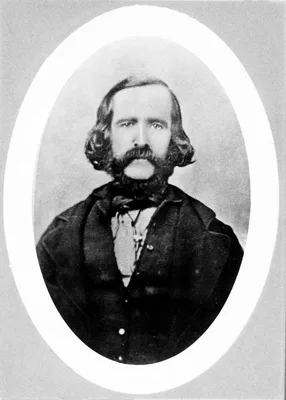
The authors isolated a virus from the brain of a child who died of encephalitis in Powassan, Ontario, and named it the Powassan virus. They posited a tick vector and possible rodent natural hosts. (Thanks to Juan Weis…
2002 CE
#13793
Pox Americana: The great smallpox epidemic of 1775-82.
1514 CE
#5559.1
Practica in arte chirurgica copiosa… continens novem libros.
The first complete system of surgery after that of Guy de Chauliac. In 1503 Vigo became the personal surgeon to Pope Julius II. His Practica in arte chirurgia copiosa was completed in 1514 and first published in Latin…
1480 CE
#8369
Practica, seu Lilium medicinae.
Includes descriptions of plague, tuberculosis, scabies, epilepsy, anthrax, and leprosy. ISTC No. ib00447000.
1837 CE
#2380
Practical observations on the venereal disease, and on the use of mercury.
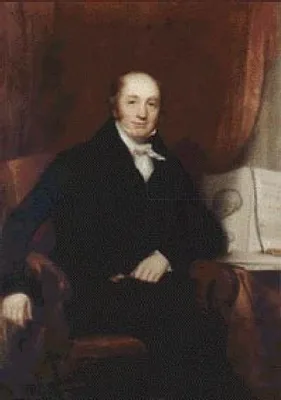
“Colles’s law” is stated on. p. 304. Colles introduced small doses of mercury in the treatment of syphilis. He was Professor of Surgery at Dublin.
1802 CE
#5425
Practical observations on vaccination: or inoculation for the cow pock.

Coxe did much to destroy ignorant prejudice against vaccination; he was the first in Philadelphia to practice it. Like Waterhouse, he inoculated his own child as his first case.
1846 CE–1847 CE
#5026
Practical remarks on the continued fevers of Great Britain, and on the generic distinctions between enteric fever and typhus.
Introduction of the term “enteric fever”, a term for typhoid. Ritchie carefully differentiated the symptoms of typhus and typhoid.
1791 CE
#5833.2
Praktische Beobachtungen über verschiedene, vorzüglich aber über jene Augenkrankheiten, welche aus allgemeinen Krankheiten des Körpers entspringen.
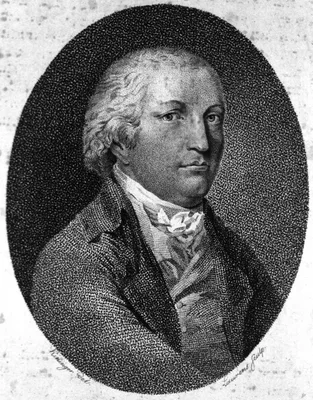
“This is the first monograph ever published dealing with ocular signs of systemic disease. It deals with lacrimal fistulas, trichiasis, adhesions of the lids, lid ulcers, ephiphora, and ocular inflammations. He …
1882 CE
#5204.1
Precis of operations performed in the wards of the first surgeon, Medical College Hospital, during the year 1881.
MacLeod was first to draw attention to granuloma inguinale.
1902 CE
#5275
Preliminary note upon a trypanosome occurring in the blood of man.
Dutton was the first to recognize human trypanosomiasis. He saw Forde’s patient (see No. 5274) and named the trypanosome T. gambiense. Sleeping sickness itself has been referred to as “Dutton’s disea…
1889 CE
#10885
Preliminary observations on the microorganism of Texas fever.
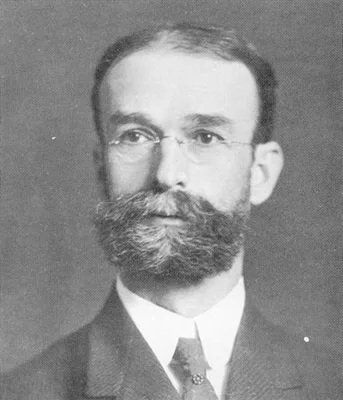
First report on the discovery of a Babesia, cause of Babesiosis. Smith first observed the microscopic organism in the summer of 1886, but mentioned Babes's work in this paper, perhaps resulting in Babes being credited…
1944 CE
#2442
Preliminary report on diasone in the treatment of leprosy.
Muir found diasone (a sulphone) valuable in the treatment of leprosy.
1980 CE
#11257
Preliminary report on the pathogenicity of Legionella pneumophila for freshwater and soil amoebae.
Discovery of the pathogenic relationship between amoebas and Legionella bacteria--a key step in understanding how this bacteria infects mankind. Legionella bacteria, along with amoeba, live in the organic contaminatio…
1895 CE
#5273
Preliminary report on the tsetse fly disease or nagana, in Zululand.
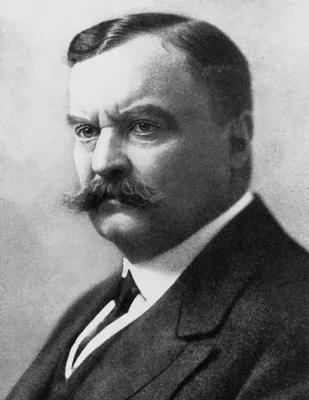
In 1895 Bruce found that nagana, the tsetse fly disease of Zululand, was due to a trypanosome (T. brucei). He described a hematozoon in the blood of the affected animals that had not been previously described. Digital…
2014 CE
#11341
Presence of extensive Wolbachia symbiont insertions discovered in the genome of its host Glossina morsitans morsitans.
Order of authorship in the original publication: Brelsfoard, Tsiamis, Falchetto....The authors suggested that infection by Wolbachia may give a reproductive advantage to the fly that carries the parasite causing Sleep…
2021 CE
#13401
Preventable: The inside story of how leadership failures, politics, and selfishness doomed the U.S. coronavirus response.
1969 CE
#5440.2
Prevention of varicella by zoster immune globulin.
With A. Ross, L. H. Miller, and B. Kuo.
1950 CE
#5262.3
Primaquine, S.N. 13,272, a new curative agent in vivax malaria: a preliminary report.
Introduction of primaquine.
1846 CE
#4637
Primi cenni sulla corea elettrica.
First description of electric chorea, “Dubini’s chorea”, the myoclonic form of epidemic encephalitis.
1983 CE
#5436.2
Princes and peasants: Smallpox in history.
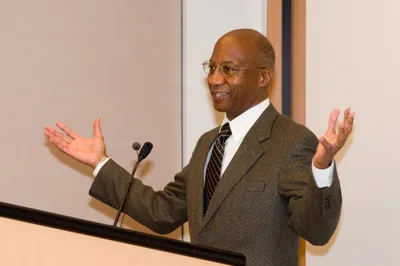
Reissued in 2002 with a new introduction as The greatest killer: Smallpox in history.
1945 CE
#5475.1
Production of immunity to dengue with virus modified by propagation in mice.
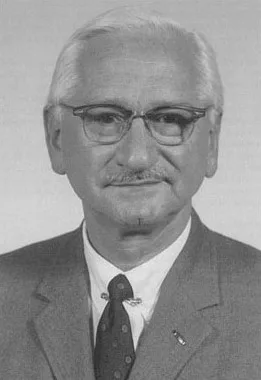
Successful propagation of dengue in mice and production of a vaccine.
1955 CE
#5546.3
Propagation and primary isolation of mumps virus in tissue culture.
1962 CE
#5509.1
Propagation in tissue culture of cytopathic agents from patients with rubella-like illness.
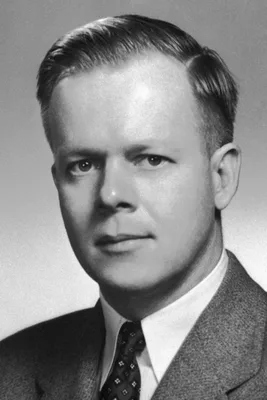
Isolation of rubella virus. It was simultaneously isolated by P. D. Parkman, et al. (No. 5509.2.)
1954 CE
#5449.2
Propagation in tissue cultures of cytopathogenic agents from patients with measles.
Isolation of measles virus.
1958 CE
#5449.3
Propagation of measles virus in cultures of chick embryo cells.
With M. V. Milovanovič.
1935 CE
#5496
Propagation of the virus of epidemic influenza on the developing egg.
Cultivation of the influenza virus.
2017 CE
#10906
Proposal to reclassify Ehrlichia muris as Ehrlichia muris subsp. muris subsp. nov. and description of Ehrlichia muris subsp. eauclairensis subsp. nov., a newly recognized tick borne pathogen of humans.
Order of authorship in the original publication: Pritt, Allderdice, Sloan. By extremely complex genotyping methods and fine electron microscopic analysis of the organism, the authors showed that the infectious agent i…
1954 CE
#11887
Protection afforded by sickle-cell trait against subtertian malarial infection.
Allison was the first to connect a hereditary disease (sickle cell disease) to an infectious disease (malaria). He proved that heterozygous and homozygous individuals to the sickle cell trait or disease respectively s…
1903 CE
#5297
Protozoa in a case of tropical ulcer (Delhi sore).
Wright found Leishmania tropica in Delhi sore. He was unaware of Borovskii’s paper (No. 5294).
1915 CE
#5430.1
Pure cultivation in vivo of vaccine virus free from bacteria.
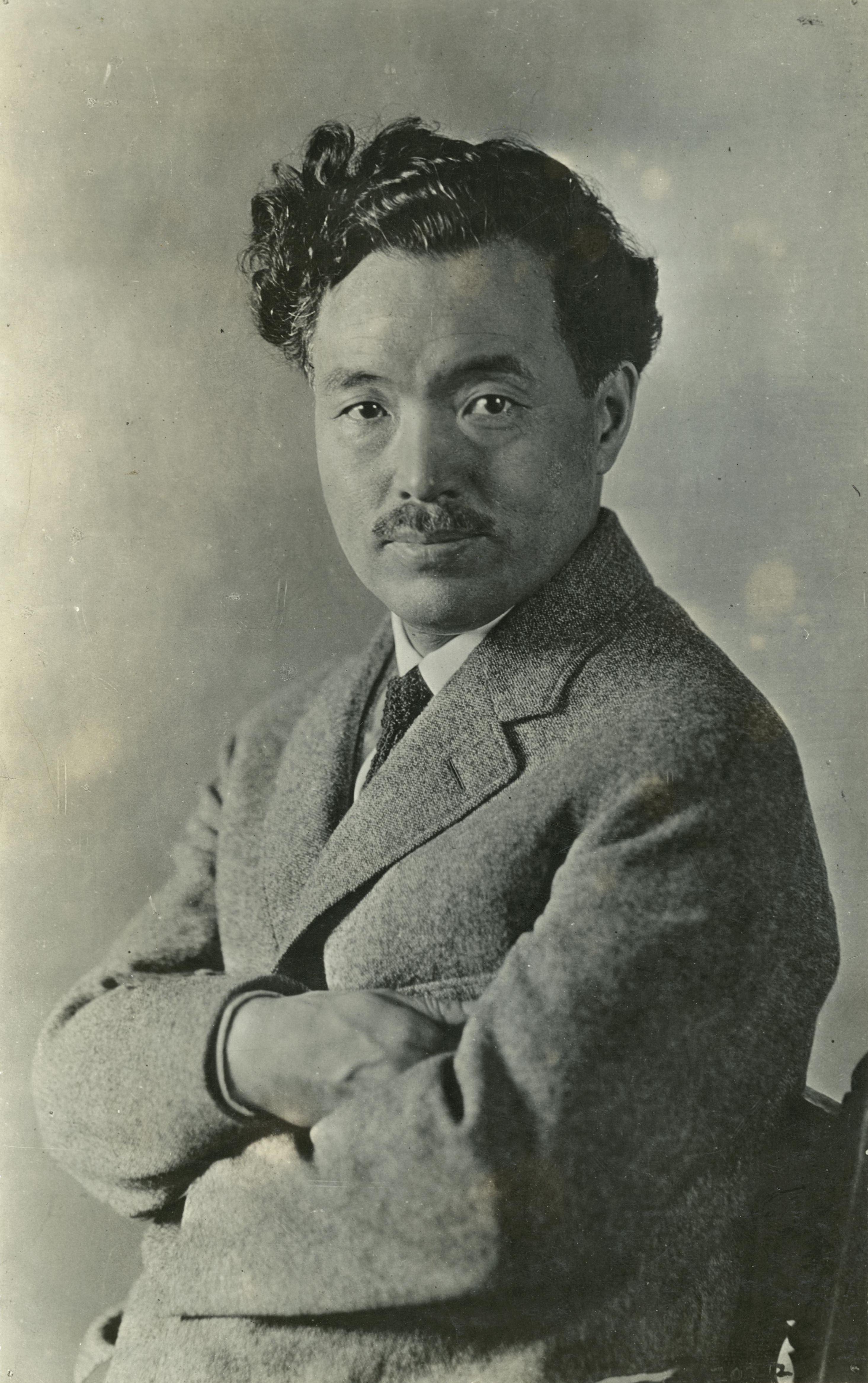
Noguchi obtained a pure culture of vaccinia virus.
1995 CE
#11997
Purification and characterization of a low-molecular-mass T-cell antigen secreted by Mycobacterium tuberculosis.
Andersen and colleagues found that a protein fraction obtained from M. tuberculosis was immunologically active in mice, suggesting that it was one of the proteins recognized by T cells. In this paper the authors ident…
1917 CE
#4649
Quarante cas d’encéphalo-myélite subaiguë.
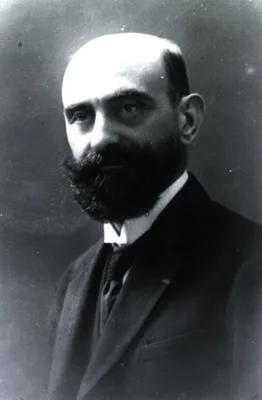
Cruchet’s account of epidemic encephalitis was given on 27 April 1917, preceding that of Economo by 13 days. With F. Moutier
1999 CE
#7838
Race, place, and medicine: The idea of the tropics in nineteenth-century Brazilian medicine.
1694 CE
#10455
Raguaglio historico del contaggio occorso nella provincia di Bari negli anni 1690, 1691 e 1692.
Arrieta published two very early disease maps in this work showing locations of plague in the province of Bari, Italy, and his employment of troops to isolate those areas. Digital facsimile from the Internet Archive a…
1834 CE
#7480
Rapport sur la marche et les effets du choléra-morbus dans Paris et les communes rurales du département de la Seine par la commission nommée, avec l'approbation de M. le ministre du commerce et des travaux publics, par MM. les préfets de la Seine et de police; année 1832.
This work contained one of the earliest applications of spatial analysis in epidemiology—an early thematic map by geographer and cartographer Charles Picquet, in which the 48 districts of Paris were represented …
1921 CE
#4723
Rapport sur les syndromes parkinsoniens.
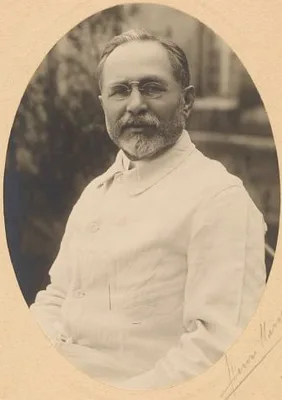
Souques recognized the importance of encephalitis lethargica as a cause of Parkinsonism; more than any other neurologist he was responsible for unifying its diverse manifestations.
1902 CE
#11860
Recent researches concerning the etiology, propagation, and prevention of yellow fever, by the United States Army Commission.
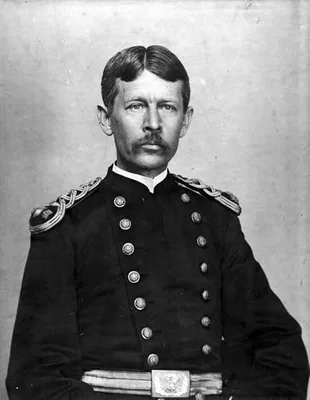
By 1902 Reed knew that the infectious agent of yellow fever was smaller than bacteria, though he did not specifically call it a virus. "In 1898, the passage of an animal pathogen through a Chamberland filter was repor…
1825 CE
#3221
Recherches anatomico-pathologiques sur la phthisis.
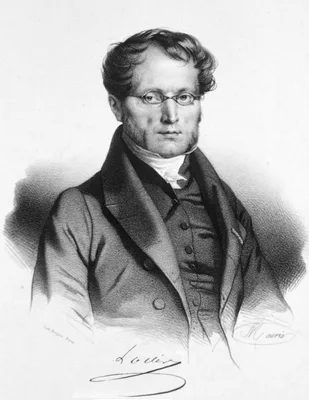
Louis’ researches were based on 358 dissections and 1,960 clinical cases, and included a numerical study of extra-pulmonary lesions. First edition in English, London, 1835. English translation, Boston, 1836. A t…
1820 CE
#5233
Recherches chimique sur les quinquinas.
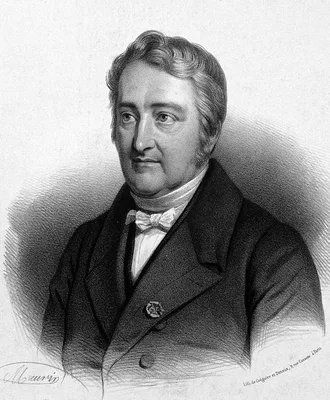
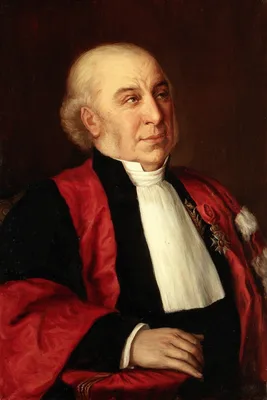
Isolation of quinine.
1843 CE
#5268
Recherches et observations sur une nouvelle espèce d’hématozoaire, Trypanosoma sanguinis.
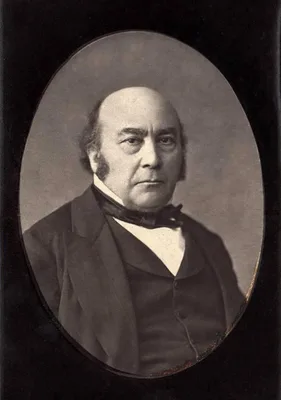
Gruby discovered trypanosomes in the frog. He first suggested the name “trypanosome” to describe the parasite.
1898 CE
#5445
Recherches expérimentales sur la transmissibilité de la rougeole animaux.
Measles transmitted to animals.
1910 CE–1911 CE
#5384
Recherches experimentales sur le typhus exanthématique.
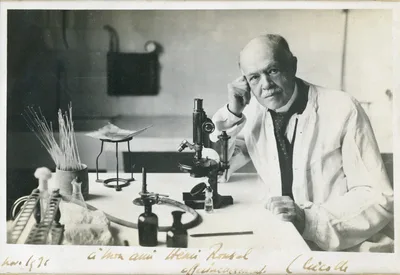
Nicolle demonstrated the transmission of typhus by the body louse Pediculus corporis. He also produced the disease in monkeys and guinea-pigs by the injection of infected blood. Preliminary communication in C. R. Acad…
1873 CE
#2328
Recherches sur l’anatomie pathologique de la tuberculose. Thèse No. 45.
Digital facsimile from the Internet Archive at this link.
1865 CE
#5166
Recherches sur la nature et la constitution anatomique de la pustule maligne.
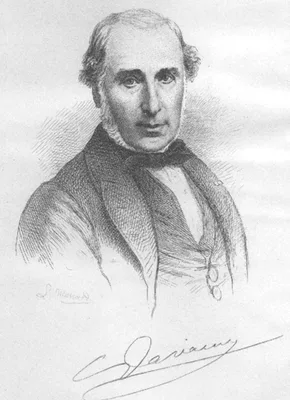
Davaine was the first conclusively to prove that a definite disease (anthrax) was due to a definite micro-organism (B. anthracis), and was thus one of the first to prove the germ theory of disease. He showed that the …
1810 CE
#2322
Recherches sur la phthisie pulmonaire.
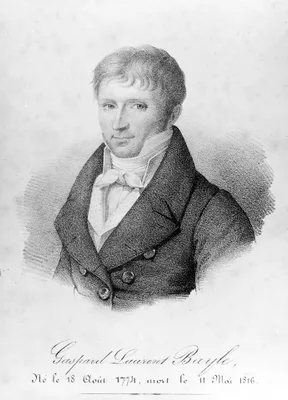
The beginning of the modern clinical conception of tuberculosis. Bayle gave the best description to date of the varieties of tuberculosis. He was first to use the term “miliary” to describe small tubercles…
1835 CE
#1698
Recherches sur les effets de la saignée dans quelques maladies inflammatoires, et sur l’action de l’émétique et des vésicatoires dans la pneumonie.
Louis refuted Broussais’s system of medicine, his “médicine physiologique.” Louis was instrumental in establishing medicine as an exact science by the introduction of the numerical or statisti…