
Facets
Browse across eight MeSH (opens in new tab) facets — era, geography, science, specialty, technology, history, culture, and reference. Select one tag per group; counts update across the others.
Clear filtersFacet filters
Geography
Specialties & Disease
- Anatomy & Pathology 765
- Cardiology & Blood 914
- Neurology & Psychiatry 1,256
- Obstetrics & Reproductive 550
- Infectious Disease (General) 147
- Surgery & Anesthesia 1,551
- Public Health 1,129
- Immunology & Dermatology 1,404
- General Clinical Medicine 480
- Military Medicine 436
- Psychology 202
- Alternative & Fringe Medicine 383
- Pediatrics 247
- Ophthalmology & Vision 412
- ENT & Hearing 293
- Urology & Nephrology 309
- Gastroenterology & Hepatology 316
- Pulmonary & Respiratory 233
- Rheumatology, Rehab & Pain 188
- Internal, Emergency & Geriatric 123
- Veterinary Medicine 165
- Epidemiology & Demography 397
- Physiology & Embryology 923
- Dentistry 259
- Plagues & Epidemics 1,279
- Microbiology & Virology 1,080
Social & Historical Studies
Institutions & Culture
Reference & Scholarly Works
1,080 entries match Microbiology & Virology [C01.748]
1765 CE
#100
Saggio di osservazioni microscopiche concernenti il sistema della generazione dei Signori de Needham e Buffon. IN: Dissertazione due… pp. [2]-87.
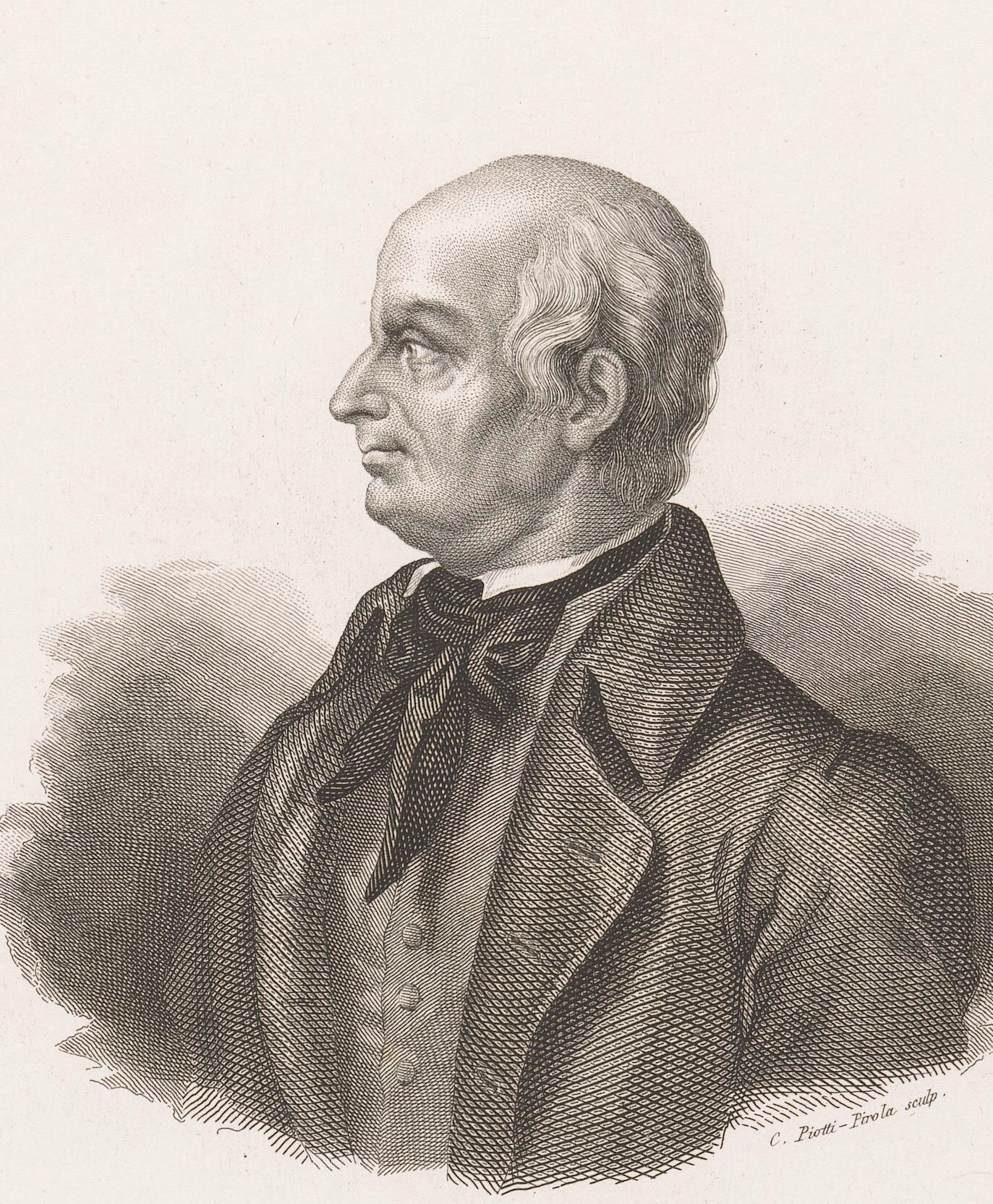
Spallanzani, a believer in preformation theory, found that he could prevent contamination by microorganisms in strongly heated infusions protected from aerial contamination, but he observed that as soon as air was all…
2015 CE
#11442
Salmonella infections, networks of knowledge, and public health in Britain, 1880-1975.
1912 CE
#5324
Salvarsantherapie der Rattenbisskrankheit in Japan.
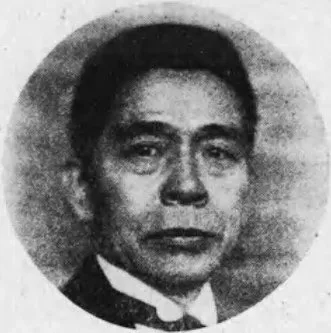
Salvarsan first used in the treatment of rat-bite fever.
2015 CE
#9705
Sanitation, latrines and intestinal parasites in past populations. Edited by Piers D. Mitchell.
1973 CE
#5352.6
Schistosomiasis: the evolution of a medical literature. Selected abstracts and citations, 1852-1952.
Includes 384 core references and bibliography (without abstracts) covering 1963-72.
1967 CE
#5352.5
Schistosomiasis. A bibliography of the world’s literature from 1852 to 1962. 2 vols.
1959 CE
#10840
Scrapie and Kuru.

In 1959 Hadlow, a veterinarian, visited a medical exposition in England where Carlton Gajdusek posted pathological slides of autopsied Kuru brains and a clinical description of the illness. He realized that Gajdusek's…
1658 CE
#2528.1
Scrutinium physico-medicum contagiosae luis, quae pestis dicitur.

Kircher, a Jesuit scholar and polymath, not specifically trained in medicine, was probably the first to employ the microscope in investigating the cause of disease. He mentioned that the blood of plague patients was f…
1884 CE
#5108
Sechster Bericht der deutschen wissenschaftlichen Commission zur Ehrforschung der Cholera.
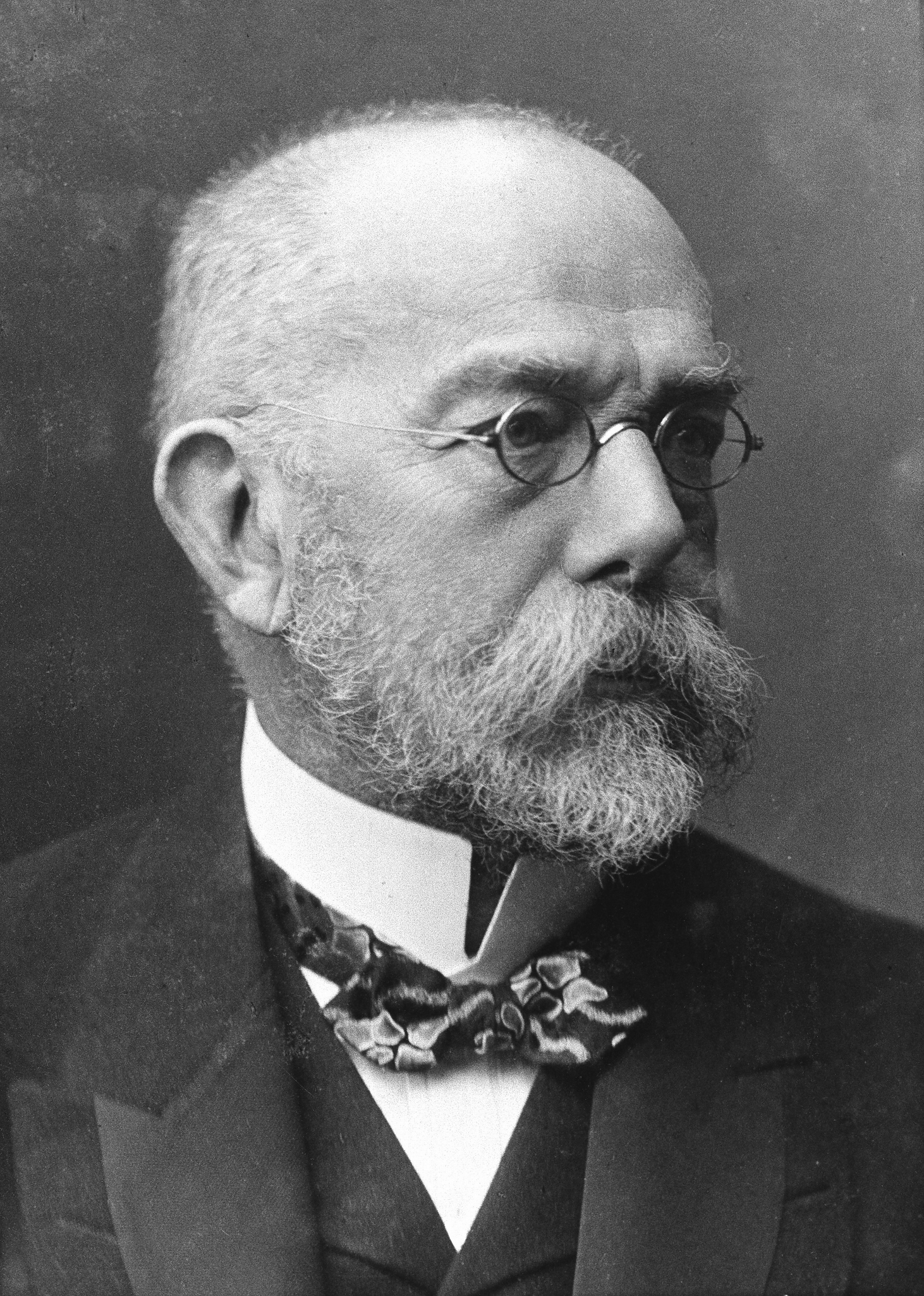
In this paper, dated 2 February 1884, written while Koch and his team were in Calcutta, Koch first published his discovery of the cholera bacillus and the main route of its transmission. He based his discovery on the …
1968 CE
#2581.7
Selected papers on the pathogenic rickettsiae. Edited by Nicholas Hahon.
"The selected papers ... range from the sixteenth century to the modern era. A number of the papers are classics in the field and several of the selections appear in English translation for the first time. The editor …
1964 CE
#2581.4
Selected papers on virology.
1967 CE
#12833
Self replication and scrapie.
Griffith discussed complex physical chemistry mechanisms by which the scrapie agent could arise from information encoded in protein structure which could then be transferred to other protein molecules. He also conside…
1718 CE
#9494
Send-Brieven, zoo aan de Hoog-edele Heeren van de Koninklyke Societeit te Londen, als aan andere Aansienelyke en Geleerde Lieden....

In his letter of 2 March 1717 (letter XXXII) addressed to Abraham van Bleyswyk and first published in this edition, Leewenhoek provided the first morphologic description of nerve fibers accompanied by illustrations. &…
1879 CE
#6278
Septicémie puerpérale.
Description of the streptococcus of puerperal sepsis.
1953 CE
#5440.1
Serial propagation in vitro of agents producing inclusion bodies derived from varicella and herpes zoster.
Isolation of the varicella-herpes virus.
1985 CE
#10965
Serologic identification and characterization of a macaque T-lymphotropic retrovirus closely related to HTLV-III.
Order of authorship in the original paper: Kanki, McLane... Essex. This paper was followed in the issue of Science by: Daniel, M., Letvi, N. L., King, N.W., "Isolation of T-cell tropic HTLV-3 - like retrovirus from ma…
1985 CE
#10789
Serological evidence for virus related to Simian T-Lymphotropic retrovirus III in residents of West Africa.
First report of the discovery of what became known as HIV-2 by the U.S. research group led by Kanki. This group published before the French group, but the French group had reported their data one day prior to the U.S.…
1949 CE
#5402.1
Serological evidence of Q fever in Great Britain.
Relationship of primary atypical pneumonia and Q fever.
2012 CE
#10876
Severe respiratory illness associated with a novel coronavirus - Saudi Arabia and Qatar, 2012.
Reports on the first two patients affected by a "new" coronavirus. The first patient, hospitalized in June 2012, died, and the other was in both pulmonary and renal failure. In this paper the CDC referenced a website …
1988 CE
#7549
Smallpox and its eradication.
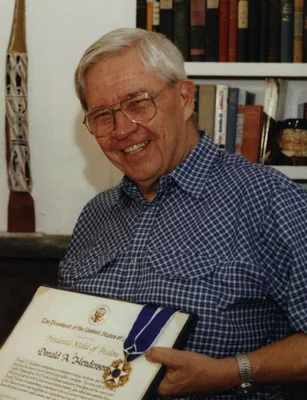
The definitive archival history in 1460 pages. In 2016 a PDF of this entire book could be downloaded from the W.H.O. at this link.
2009 CE
#7548
Smallpox--the death of a disease: The inside story of eradicating a worldwide killer.
1902 CE
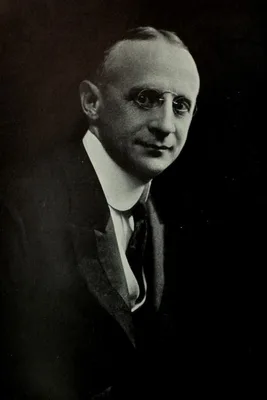
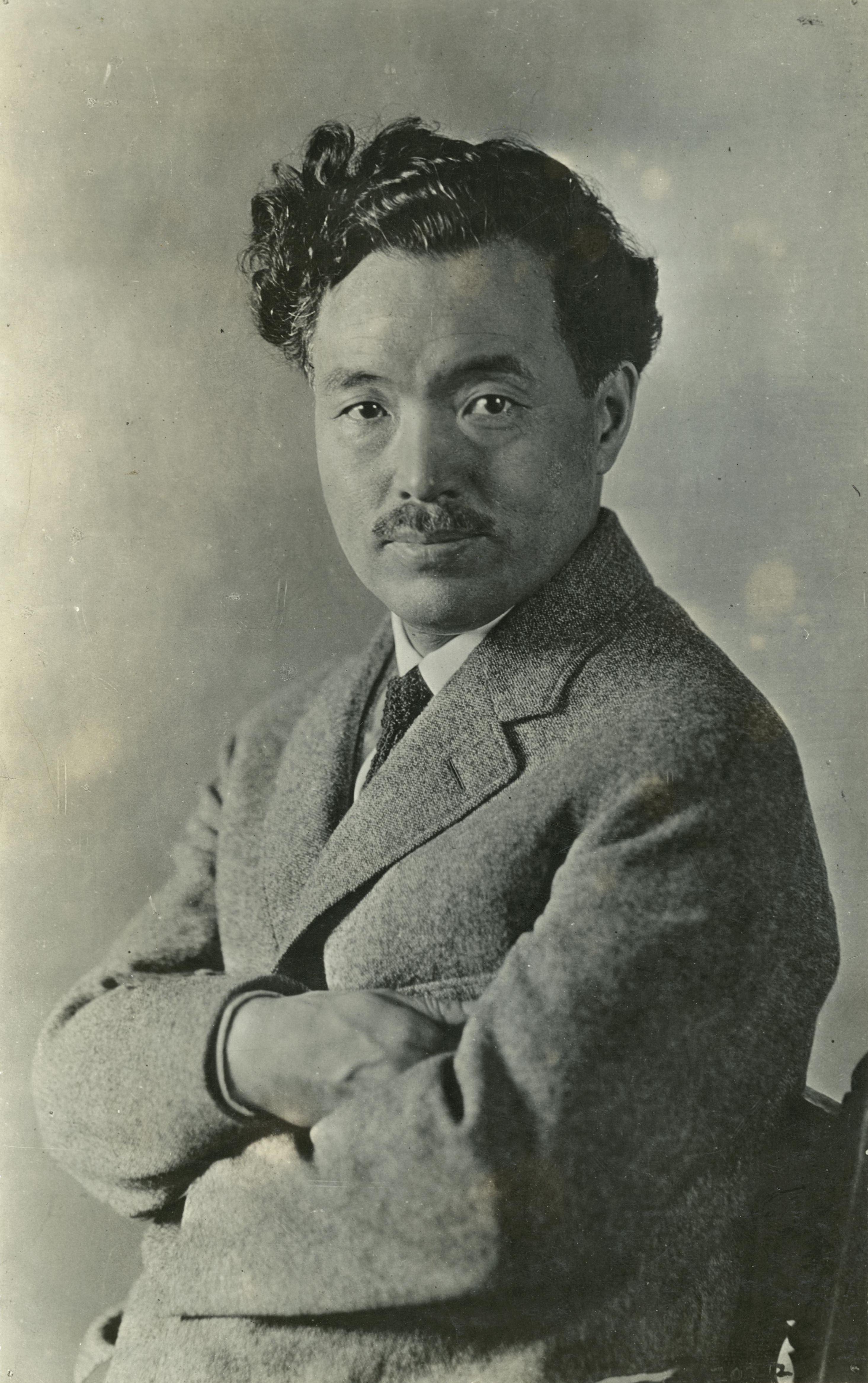
#2110
Snake venom in relation to haemolysis, bacteriolysis, and toxicity.
1886 CE
#5356
Sobre a molestia vulgarmente denominada oppilaçao ou cançaço.
Wucherer confirmed Griesinger’s conclusion that the cause of tropical anemia was hookworm infestation. See also the same journal, 1869, 3, 170-72, 183-84, 198-200. English translation in Kean (No. 2268.1).
1968 CE
#9848
Soma: Divine mushroom of immortality.
Ethnomycologist and banker Wasson provided evidence for the important role that hallucinogenic mushrooms - in particular the ubiquitous mushroom Amanita muscaria (fly agaric) - play in various ancient and modern cultu…
1902 CE
#5274
Some clinical notes on a European patient in whose blood a trypanosoma was observed.
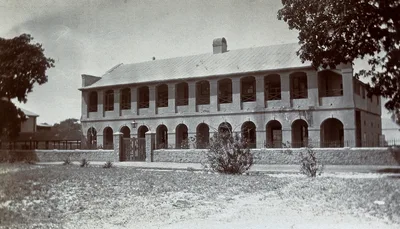
In 1901 Forde saw (but did not at first recognize as such) trypanosomes in the blood of a patient in Gambia. (See No. 5275.)
1840 CE
#5025
Some considerations on the nature and pathology of typhus and typhoid fever, applied to the solution of the question of the identity or non-identity of the two diseases.
Typhoid and typhus were often confused. Stewart made a careful analysis of a number of cases of both fevers and clearly demonstrated that there were in Britain two distinct fevers – typhoid and typhus.
1899 CE
#5377
Some observations on the so-called spotted fever of Idaho.
Rocky Mountain spotted fever first described.
1843 CE
#484.1
Spermatozoa observed within the mammiferous ovum.
Barry was the first to observe the spermatozoon within the ovum.
1918 CE
#5334.2
Spirochaeta hebdomadis, the causative agent of seven-day fever (nanukayami)
Discovery of Leptospira hebdomadis, carried by a mouse. With H. Ito and H. Wani.
1977 CE
#11044
Spliced segments at the 5' terminus of adenovirus 2 late mRNA.

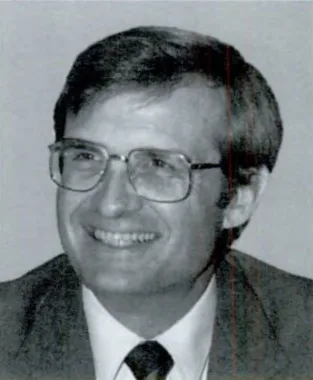
Discovery of introns simultaneously with Roberts, Chow, Broker (No. 11043). Sharp's electron microscopist, Berget, visualized the introns in the electron microscope. James D. Watson took note of the profound significa…
1958 CE
#4661.2
St. Louis encephalitis in 1933; observations on epidemiological features.
In a report to the Surgeon General in 1933, Lumsden concluded that the Culex mosquito was the vector of the St. Louis encephalitis virus. His report was not published until 1958.
1945 CE
#2350
Streptomycin in treatment of clinical tuberculosis: a preliminary report.
1985 CE
#11060
Structure of the protein subunit in the photosynthetic reaction centre of Rhodopseudomonas viridis at 3 Å resolution.



Discovery of the three-dimensional structure of a protein complex found in certain photosynthetic bacteria, called the photosynthetic reaction center. This was the first elucidation of the 3D crystal structure of any …
1955 CE
#14001
Structure of tobacco mosaic virus.
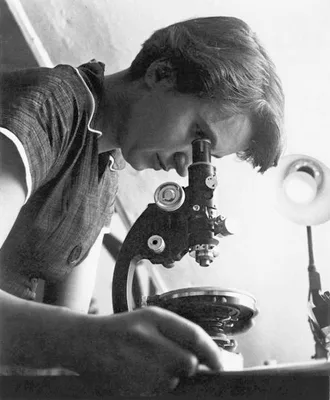
The first discovery of the geometry of a protein structure. Franklin, whose X-ray photographs of DNA were crucial to Watson and Crick's discovery of the molecule's double helix structure in 1953, began researching the…
1900 CE
#5252.1
Studi di uno zoologo sulla malaria.
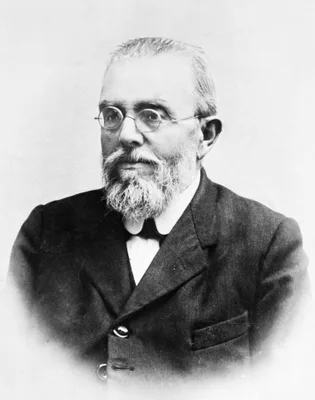
Includes the best illustrations of the various stages of the malaria parasite published up to that time.
1903 CE
#5254
Studien über krankheitserregende Protozoen. II. Plasmodium vivax (Grassi & Feletti), der Erreger des Tertianfiebers beim Menschen.
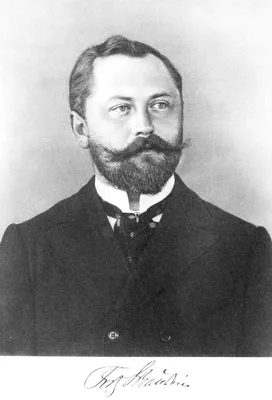
Confirmation of the work of Ross and of Grassi.
1894 CE
#3308.1
Studien zur bacteriellen Diagnostik der Diphtherie und der Anginen.
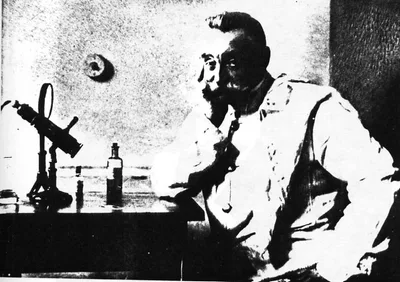
“Plaut’s angina” (necrotizing ulcerative gingivostomatitis). He noted the association of fusiform bacilli in ulcerating lesions of the tonsils. Vincent (see No. 3309) gave the first comprehensive des…
1953 CE
#4672.2
Studies in human subjects on active immunization against poliomyelitis. 1. A preliminary report of experiments in progress.
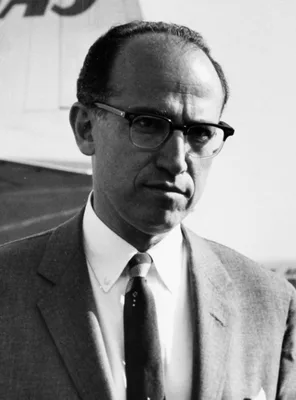
Killed-virus vaccine. With four co-authors.
1906 CE
#5320
Studies in Spirillum obermeieri and related organisms.
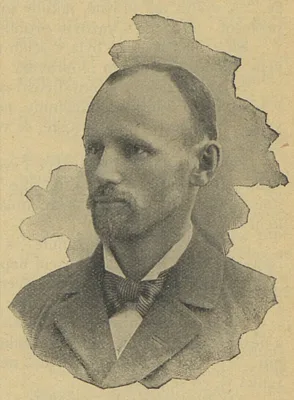
Novy and Knapp made important observations on the spirochaete isolated by Norris et al. from a case of (American) relapsing fever, proving it to be different from Borrelia obermeieri, sometimes referred to as “N…
1922 CE
#12656
Studies in the specific study of the bacteriology of dental cavities.
Rodríguez discovered that three types of the Lactobacillus species of bacteria, during the process of fermentation, are the causes of cavities. Digital facsimile from Google Books at this link.
1940 CE
#4661.1
Studies of a murine strain of poliomyelitis virus in cotton rats and white mice.
Isolation of encephalomyocarditis virus.
1925 CE
#5432
Studies of the viruses of vaccinia and variola.
Medical Research Council Special Report No. 98; a summary of the more important additions to the knowledge of the subject.
1928 CE
#2576
Studies on Bacillus typhosus toxic substances. I. Phenomenon of local skin reactivity to B. typhosus culture filtrate.
“Shwartzman phenomenon.”
1925 CE
#5103
Studies on Brucella (Alkaligenes) melitensis.
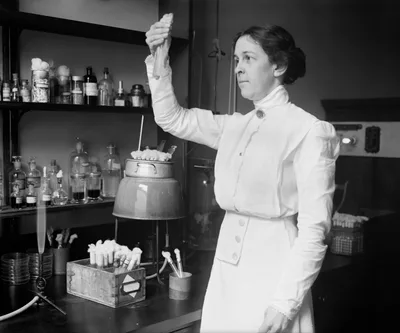
Forms Bulletin No. 143 of the U.S. Public Health Service Hygienic Laboratory. Alice Evans showed that the causal organism of Malta fever was closely related to Brucella abortus, responsible for contagious abortion in …
1924 CE
#10943
Studies on Rickettsia-like micro-organisms in insects.
Hertig and Wolbach first described the parasitic microbe Wolbachia in the common house mosquito in 1924. In 1936 Hertig formally described the species as Wolbachia pipientis. Since then the genus Wolbachia has become …
1949 CE
#5500
Studies on survival of influenza-virus between epidemics and antigenic variants of the virus.
Recovery of influenza C virus.
1930 CE
#5463
Studies on the action of yellow fever virus in mice.
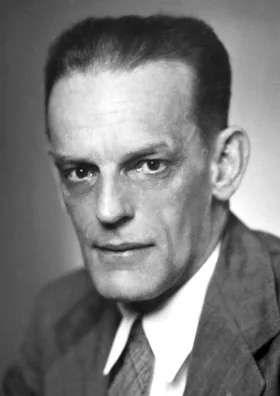
The intracerebral protection test in mice, a test for the diagnosis of yellow fever and for the determination of its past existence in a community, was made possible by Theiler’s discovery that white mice are su…
1952 CE
#11103
Studies on the cultivation of poliomyelitis viruses in tissue culture.
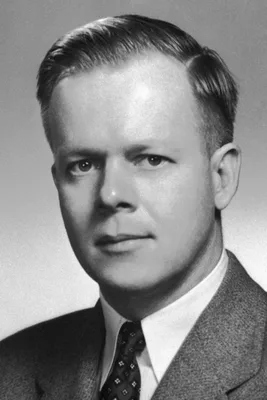
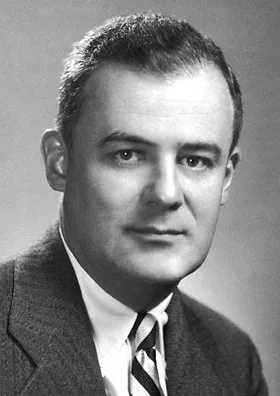
Order of authorship in the original publication: Weller, Enders, Robbins. In this paper the authors describe their improved method for culturing poliomyelitis viruses in "normal kidney tissue." Followed by Robbins, We…
1957 CE
#5991.1
Studies on the etiology of trachoma with special reference to isolation of the virus in chick embryo.
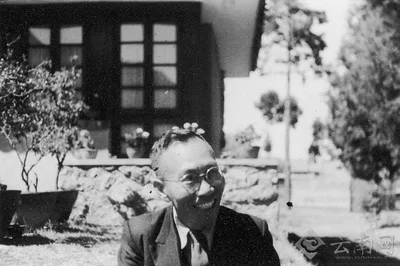
Isolation of trachoma agent, Chlamydia trachomatis. With H. L. Chang, Y. T. Huang, and K. C. Wang.
1898 CE
#5348
Studies on trichinosis, with especial reference to the increase of the eosinophilic cells in the blood and muscle, the origin of these cells and their diagnostic importance.
Brown pointed out the occurrence of eosinophilia in trichinosis. A preliminary communication upon the subject, by W. S. Thayer, was published in C. R. XII Congr. int. Med., Moscou, 1897, 126-31.