
Facets
Browse across eight MeSH (opens in new tab) facets — era, geography, science, specialty, technology, history, culture, and reference. Select one tag per group; counts update across the others.
Clear filtersFacet filters
Geography
Specialties & Disease
- Anatomy & Pathology 765
- Cardiology & Blood 914
- Neurology & Psychiatry 1,256
- Obstetrics & Reproductive 550
- Infectious Disease (General) 147
- Surgery & Anesthesia 1,551
- Public Health 1,129
- Immunology & Dermatology 1,404
- General Clinical Medicine 480
- Military Medicine 436
- Psychology 202
- Alternative & Fringe Medicine 383
- Pediatrics 247
- Ophthalmology & Vision 412
- ENT & Hearing 293
- Urology & Nephrology 309
- Gastroenterology & Hepatology 316
- Pulmonary & Respiratory 233
- Rheumatology, Rehab & Pain 188
- Internal, Emergency & Geriatric 123
- Veterinary Medicine 165
- Epidemiology & Demography 397
- Physiology & Embryology 923
- Dentistry 259
- Plagues & Epidemics 1,279
- Microbiology & Virology 1,080
Social & Historical Studies
Institutions & Culture
Reference & Scholarly Works
1,279 entries match Plagues & Epidemics [C01.252]
1915 CE
#5350.5
Observations on the spread of Asiatic schistosomiasis.
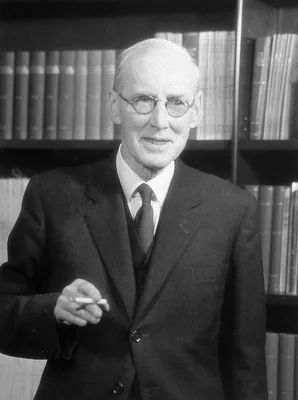
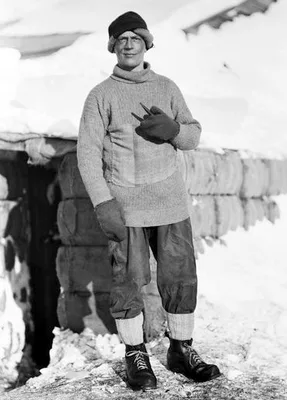
First paper in English giving a detailed account of the development of S. japonicum in the snail and its subsequent development in man. Atkinson, a surgeon in the Royal Navy, was a member of Scott’s Antarctic ex…
1820 CE
#8948
Observations sur la fièvre jaune, faites à Cadix, en 1819 par MM. Pariset et Mazet, docteurs en médecine de la Faculté de Paris, et rédigées par M. Pariset.
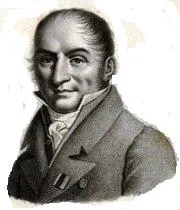
Pariset and Mazet distinguished themselves combating an outbreak of yellow fever in Spain. Pariset's colleague was apparently not involved with publication of the book, and died in a yellow fever outbreak in Barcelona…
1801 CE
#12053
Observations sur la maladies appelée peste, le flux dissentérique, l'ophtalmie d'Égypte, et les moyens de s'en préserver. Avec des notions sur la fièvre jaune de Cadix, et les projet et plan d'un hôpital, pour le traitement maladies épidémiques et contagieuses.
At the time of publication Assalini, a military surgeon with Napoleon, characterized himself on the title page as "Docteur en Médecine et Chirugien de 1re classe de la Garde des Consuls..." Digital facsimile fr…
1788 CE
#8216
Observations sur le tétanos; Ses différences, ses causes, ses symptômes, avec le traitement de cette maladie & les moyens de la prévenir. Précédées d'un discours sur les moyens de perfectionner la médecine-pratique sous la zone torride. Suivies d'observations sur la santé des femmes enceintes dans ces régions; leurs maladies aux différentes époques de la grossesse; l'accouchement & les suites; la conservation des nouveau-nés jusqu'à l'adolescence. Terminées par le rapprochement des vices & des abus des hôpitaux d'entre les tropiques, & les moyens d'y remédier. Par M. Dazille. Pour servir de développement & de suite à ce que cet auteur a écrit du tétanos dans ses ouvrages sur les maladies des nègrse [sic], & sur les maladies des climats chauds.
Primarily concerning the diseases of black slaves. Digital facsimile from the Internet Archive at this link.
1911 CE
#7762
Observations upon the natural history of epidemic diarrhoea.

Diarrhoea was one of the chief causes of child mortality in Great Britain at the turn of the century. Peters begins with a statistical study of age incidence, prevalence, and fatality of the condition and then in succ…
1685 CE
#5373
Observationum medicarum Castrensium Hungaricarum.
Pp. 49-51: Cober, a German physician, reported the relationship between typhus and pediculosis.
2010 CE
#11076
Odorant reception in the malaria mosquito Anopheles gambiae.

Order of authorship in the original publication: Carey, Wang, ... Carlson. The authors showed that besides CO2, the odorant receptors in the malaria mosquistoes Anopheles gambiae are sensitive to other "mostly sweat" …
1807 CE
#12875
Of the cause of the yellow fever; and the means of preventing it in places not yet infected with it: Addressed to the Board of Health in America.
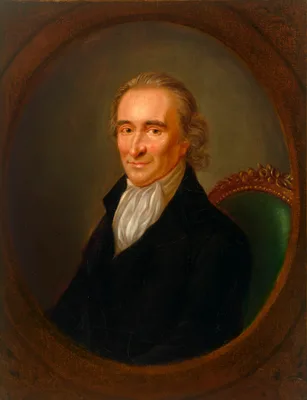
This 13-page pamphlet was probably the only medical publication by the English-born American political activist, philosopher, political theorist, and revolutionary, Thomas Paine. Paine's essay was first published in n…
1847 CE
#2434
Om spedalskhed. Udgivet efter Foranstaltning af den Kongelige Norske Regjerings Department for det Indre. 1 vol. and atlas.
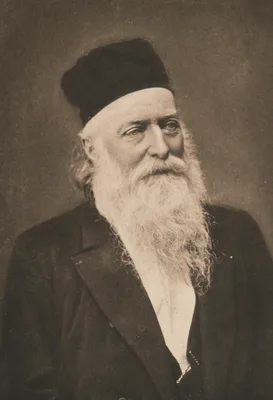
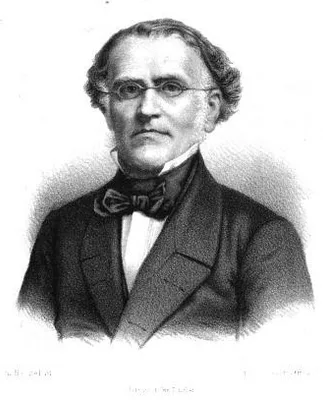
First modern description of leprosy (“Danielssen-Boeck disease’’). Danielssen, physician to the leprosy hospital at Bergen, was the founder of scientific leprology. The extremely rare Atlas consists …
1924 CE
#5301.1
On a Herpetomonas found in the gut of the sandfly, Phlebotomus argentipes, fed on kala-azar patients.
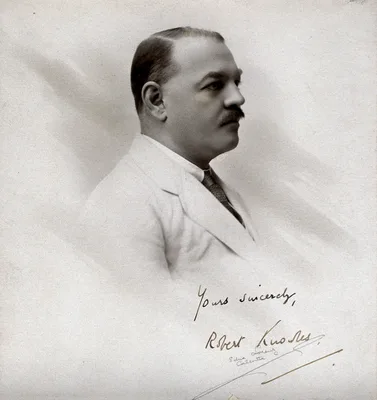
Demonstration that L. donovani is capable of reproduction in Phlebotomus. With R. O. Smith.
1881 CE
#5271
On a horse disease in India known as “surra”, probably due to a haematozoon.
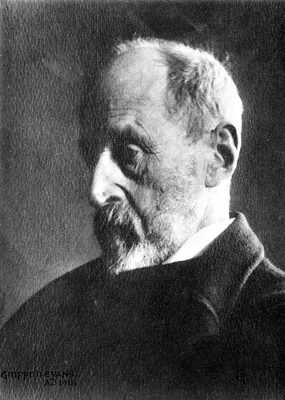
While serving in India as a veterinary surgeon, Evans discovered parasites in the blood of horses suffering from surra; this was the first pathogenic trypanosome to be described.
1861 CE
#4047
On a new and striking form of fungus disease, principally affecting the foot, and prevailing endemically in many parts of India.
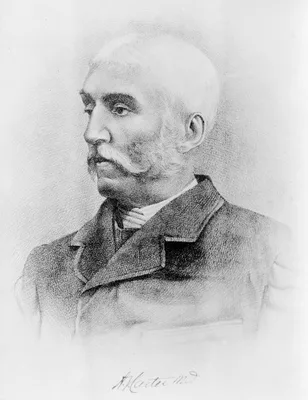
First modern description of mycetoma of the foot – “Madura foot”, “Carter’s mycetoma”. It was mentioned by E. Kaempfer in his Amoenitates exoticae, Lemgo, 1712, p. 561. Colebrook at…
1898 CE
#2513
On an epidemic of gastro-enteritis associated with the presence of a variety of the Bacillus enteritidis (Gaertner), and with positive sero-diagnostic evidence (in vivo and in vitro).
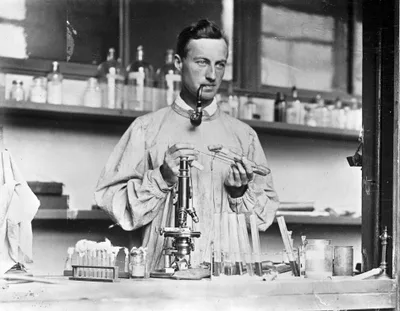
Discovery of Salm. Aertrycke in patients suffering from food poisoning.
1876 CE
#2983
On aortic aneurism in the army and the conditions associated with it.
Welch, an Army surgeon, supported the theory of a causal connexion between syphilis and aneurysm.
1839 CE
#5471
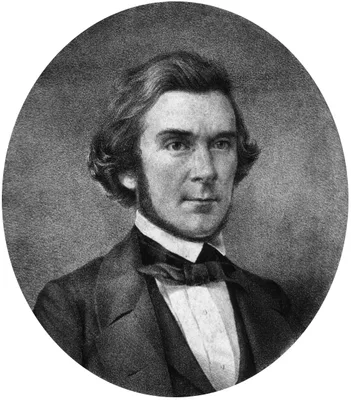
On dengue; its history, pathology, and treatment.
1904 CE
#5429.1
On experimental variola in the monkey.
Inoculation of smallpox into the monkey. An earlier report of successful inoculation by W. Zuelzer (Zbl. med. Wiss., 1874, 12, 82) is not generally accepted.
1882 CE
#5439
On gangrenous eruptions in connection with vaccination and chickenpox.
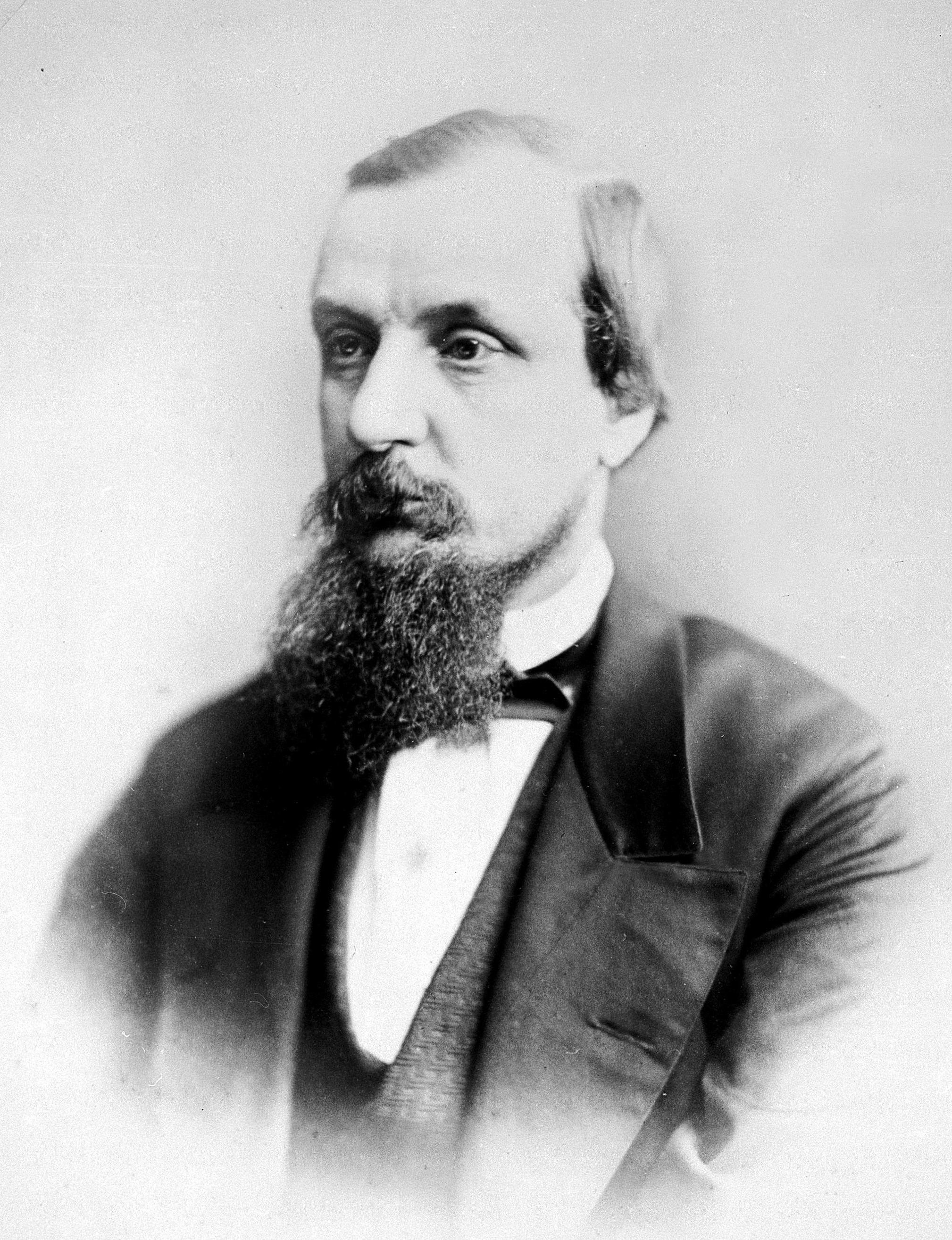
Original description of varicella gangrenosa.
1909 CE
#5381
On heterologous agglutinins more particularly those present in the blood serum of cerebro-spinal fever and typhus fever cases.
The reaction described by Wilson was later developed by Weil and Felix and named after them (see No. 5390). See also the paper by Wilson in J. Hyg., 1920, 19, 115-30.
1898 CE
#5038
On infection with a para-colon bacillus in a case with all the clinical features of typhoid fever.
Isolation of Salmonella paratyphi A.
1876 CE–1877 CE
#2391
On irregular and defective tooth development.
“Moon’s molars”, the first molars in congenital syphilitics.
1874 CE
#4066
On mycetoma, or the fungus disease of India.
See No. 4047.
1898 CE
#5294
On sart sore.
First description of the protozoon later named Leishmania tropica. The paper is in Russian; for a translation, see C. A. Hoare, in Trans. roy. Soc. trop. Med. Hyg., 1938, 32, 78-90.
1844 CE
#5311.1
On some of the characters which distinguish the fever at present epidemic from typhus fever.
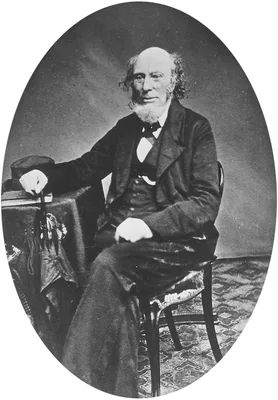
Henderson, professor of pathology at Edinburgh, gave a good account of relapsing fever seen during the epidemic in 1843. He was one of the first to differentiate it from typhus.
1897 CE
#5247
On some peculiar pigmented cells found in two mosquitoes fed on malarial blood.
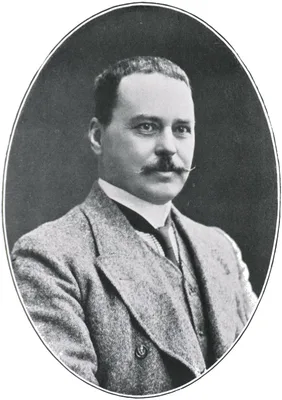
Ross proved that the mosquito was responsible for the transmission of malaria. On 20 August 1897, he found Laveran’s Plasmodium in the stomach of the Anopheles mosquito after it had fed on the blood of malaria p…
1926 CE
#1915
On the chemotherapy of neurosyphilis and trypanosomiasis.
Study of the effect of twelve different substances in neurosyphilis and trypanosomiasis.
1768 CE
#5438
On the chickenpox.
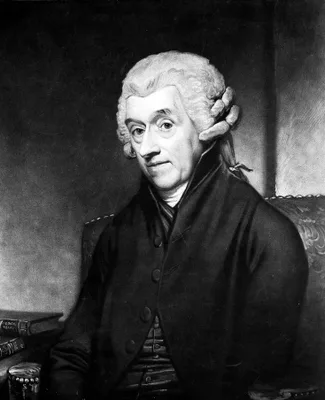
In a paper read before the (Royal) College of Physicians on 11 August 1767, Heberden first definitely differentiated chickenpox from smallpox.
1900 CE
#5505
On the confusion of two different diseases under the name of rubella (rose-rash).
Dukes described a condition similar to that noted earlier by Filatov (No. 5503). Dukes called it the “fourth disease”, distinguishing it from scarlet fever, measles, and rubella on the ground that an attac…
1849 CE
#5234
On the cryptogamous origin of malarious and epidemic fevers.
Although Hensinger in 1844 had suggested a parasite as the cause of malaria, Mitchell was the first to approach this theory in a scientific spirit. He was Professor of Medicine at Jefferson College, and the father of …
1903 CE
#5276
On the discovery of a species of trypanosoma in the cerebrospinal fluid of cases of sleeping sickness.
While in Uganda, Castellani discovered T. gambiense in human cerebrospinal fluid. A paper in Notes Rec. roy. Soc., 1973, 23, 93-110, discounts Castellani’s claim that although he first discovered trypanosomes in…
1864 CE
#5344.5
On the endemic haematuria of the Cape of Good Hope.
Like Cobbold, Harley expressed the view that a mollusc was the intermediate host in bilharziasis.
1906 CE
#5472
On the etiology of dengue fever.
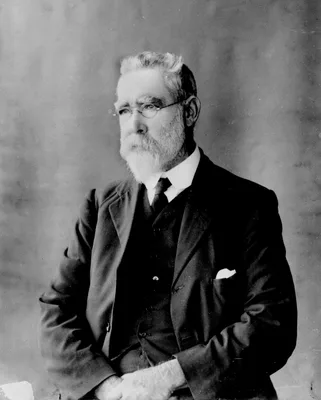
Bancroft was the first to produce evidence that Aëdes aegypti is a vector of dengue.
1931 CE
#5072
On the existence of two forms of diphtheria bacillus B. diphtheria gravis and B. diphtheriae mitis.
J. S. Anderson, F. C. Happold, J. W. McLeod, and J. G. Thomson were the first to distinguish the gravis, mitis, and intermediate types of C. diphtheriae.
1897 CE
#5246
On the flagellated form of the malarial parasite.
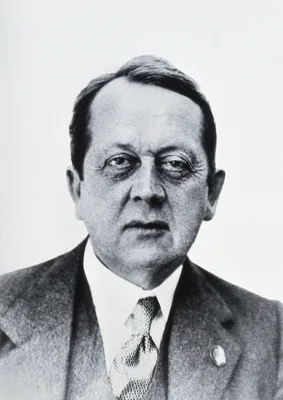
MacCallum reported at a meeting of the British Association his observation of the mode of fertilization of the malarial parasite of birds; two months later he announced that he had found the same to hold good for the …
1898 CE
#5249
On the haemocytozoa of birds.
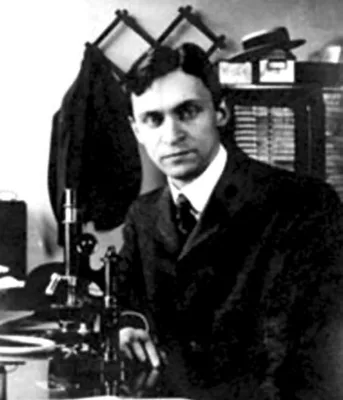
Demonstration of sexual conjugation in the malaria parasite. See also No. 5250.
1849 CE
#9981
On the mode of communication of cholera.
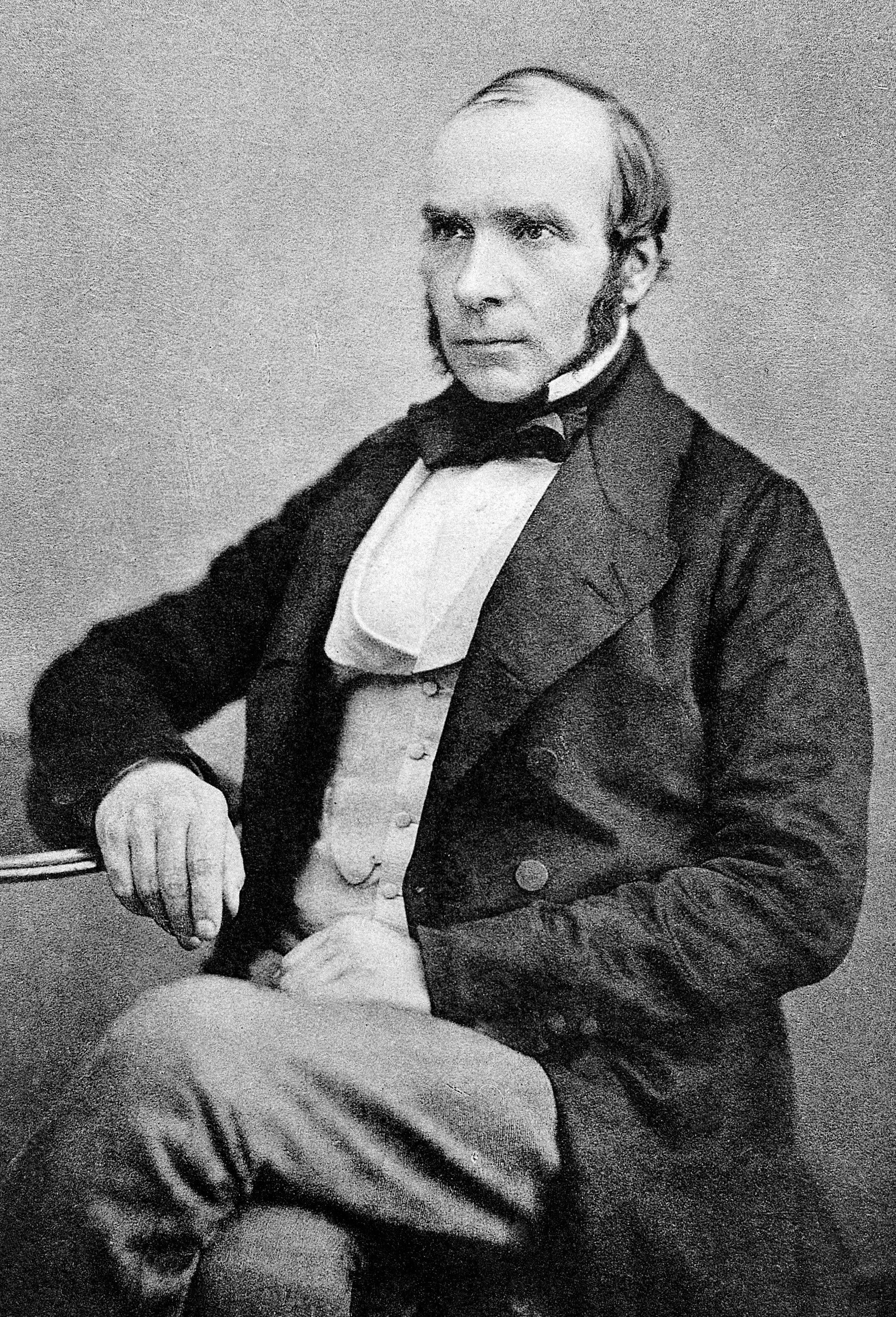
Publication of Snow's 31-page pamphlet on cholera preceded his paper in the London Medical Gazette by about one month.
1855 CE
#9982
On the mode of communication of the cholera. Second edition, much enlarged.
The second edition of Snow's book on cholera, with 162pp. compared to 31pp. in the first edition, incorporated the results of five more years of research, and contained so much additional material that it was essentia…
1894 CE
#5245
On the nature and significance of the crescentic and flagellated bodies in malarial blood.
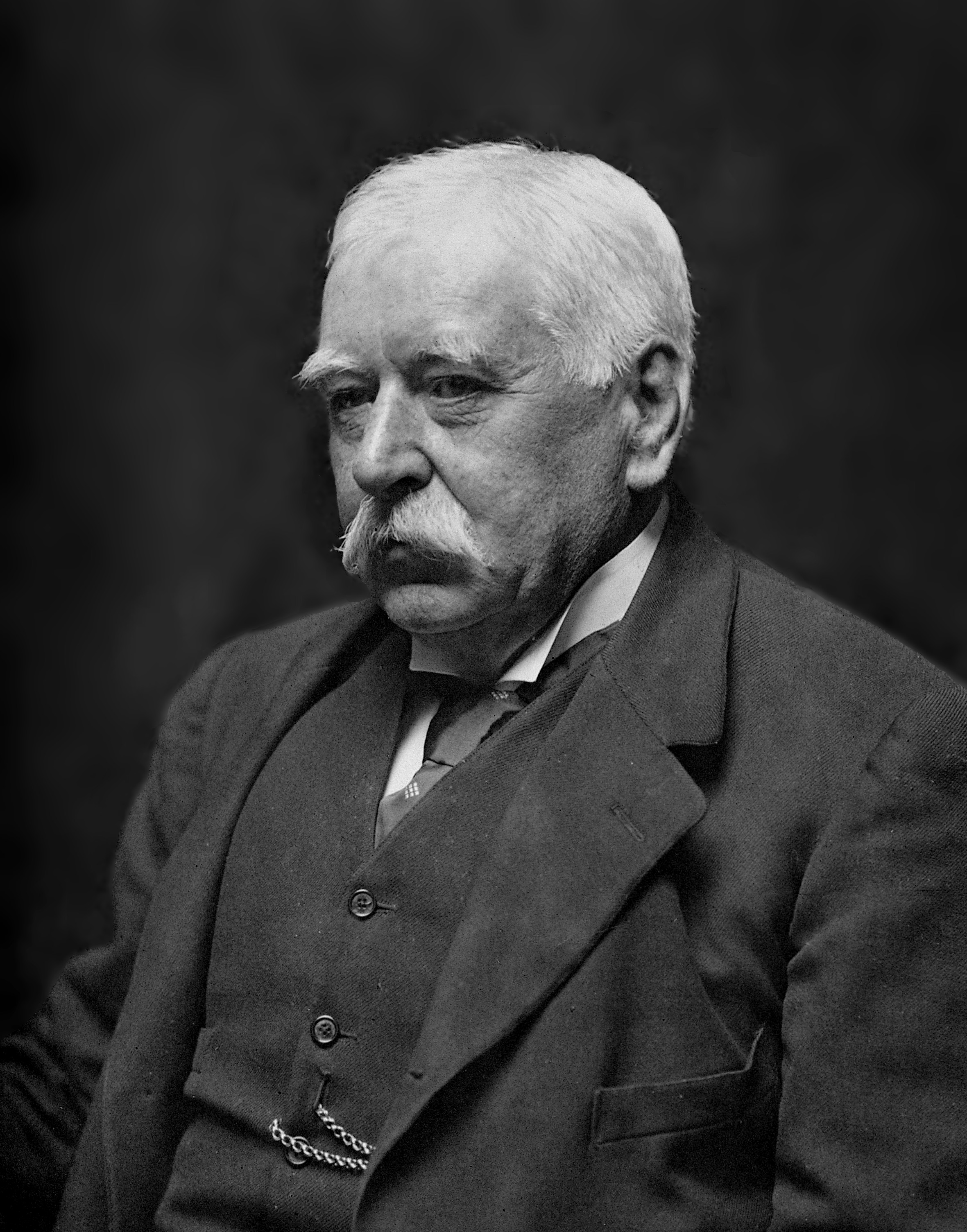
Manson’s mosquito–malaria hypothesis. See also his Gulstonian Lectures in Lancet, 1896, 1, 695-98, 751-55, 831-33.
1963 CE
#5308.2
On the origin of the human treponematoses (pinta, yaws, endemic syphilis and venereal syphilis).
“Perhaps the most scholarly investigation of the origin of syphilis” (Wesley Spink).
1902 CE
#3780
On the pathological changes in Hodgkin’s disease, with especial reference to its relation to tuberculosis.
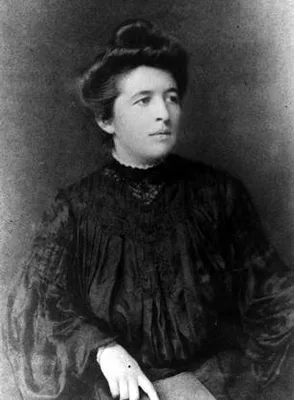
Dorothy Reed’s classic work on Hodgkin’s disease included a study of the histological picture. She described the proliferation of the endothelial and reticular cells, and the formation of lymphadenoma cell…
1849 CE
#5106
On the pathology and mode of communication of the cholera.
Snow first became interested in cholera at Newcastle-on-Tyne during the epidemic of 1831-1832, and recurrent outbreaks of the disease gave him the opportunity to investigate it in detail. His paper on cholera, publish…
1910 CE
#5285
On the peculiar morphology of a trypanosome from a case of sleeping sickness and the possibility of its being a new species.
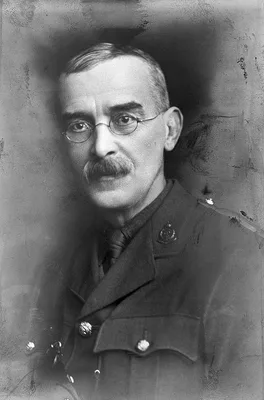
T. rhodesiense discovered.
1903 CE
#5295
On the possibility of the occurrence of trypanosomiasis in India.
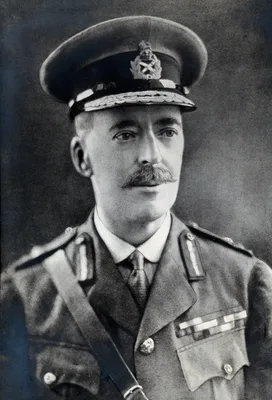
An organism found by Leishman in 1900 was later described by him as possibly a trypanosome. C. Donovan found the same organism in blood in July 1903. The name Leishmania donovani (Leishman-Donovan bodies) was later at…
1903 CE
#5296
On the possibility of the occurrence of typanosomiasis in India.
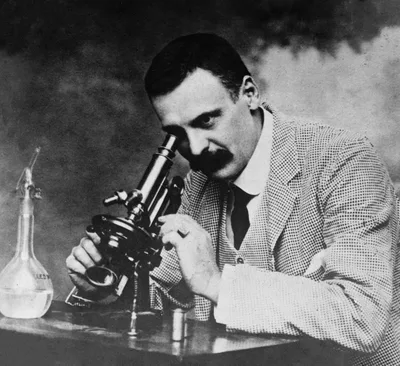
Leishimania donovani, independently discovered by two British medical officers William Boog Leishman in Netley, England, and Donovan in Madras, India, in 1903. However, the correct taxonomy was provided by Ronald Ross…
1875 CE
#5344.10
On the presence of a Filaria in “craw-craw”.
In 1874, while examining skin snips from craw-craw patients in Ghana, during his service on the H. M. S. Decoy, the Irish surgeon O’Neill discovered the subcutaneous microfilaria. This was the earliest known vis…
1885 CE
#5293
On the presence of peculiar parasitic organisms in the tissue of a specimen of Delhi boil.
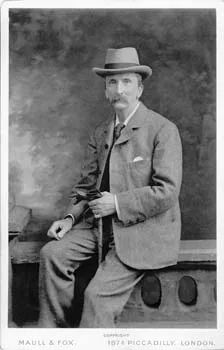
Cunningham saw and described bodies in Delhi boil; these were almost certainly Leishman–Donovan bodies.
1863 CE
#2389
On the syphilitic affections of internal organs.
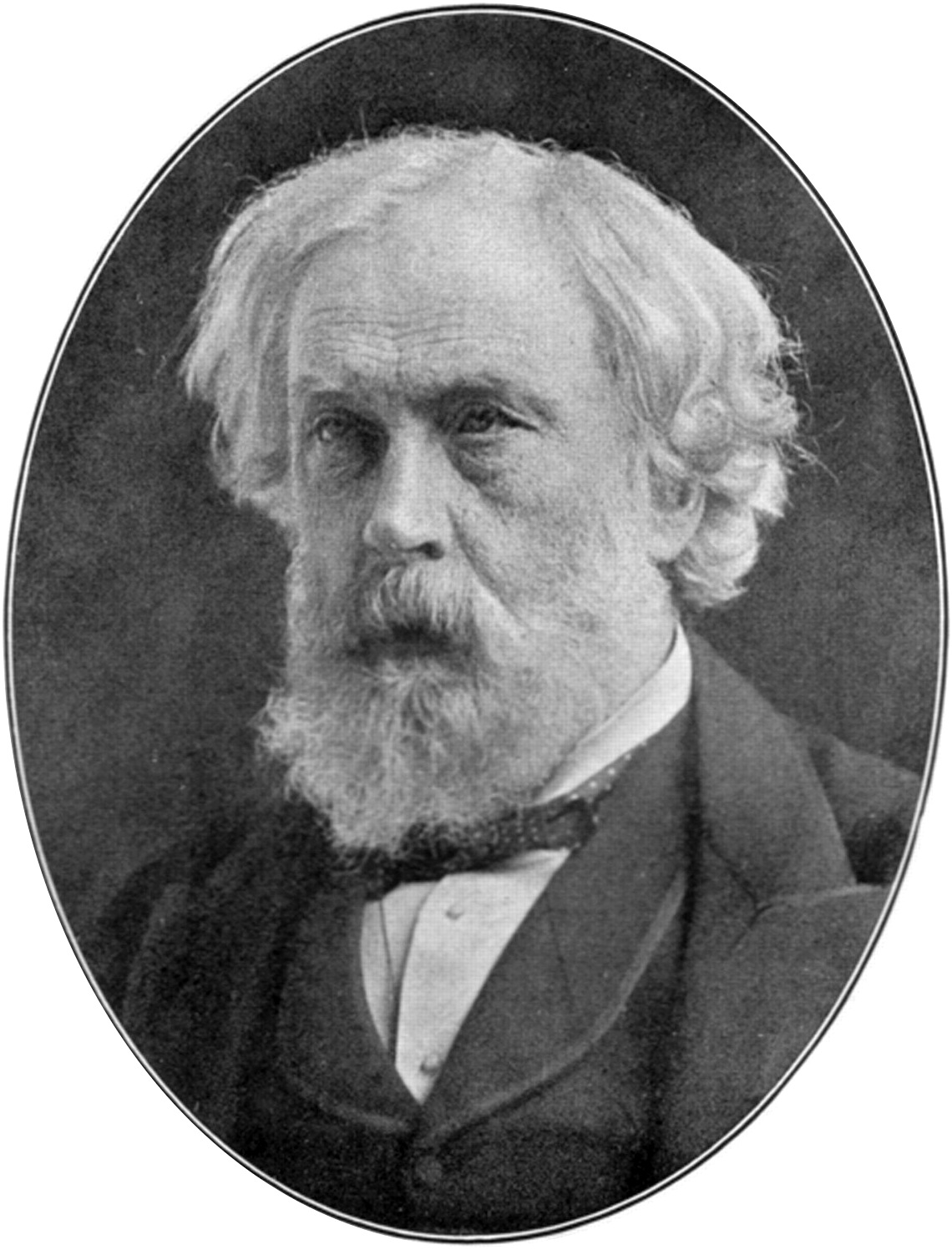
Wilks’s outstanding work was on visceral syphilis, a subject which he was one of the first to study.
1916 CE
#5474
On the transmission of Australian dengue by the mosquito Stegomyia fasciata.
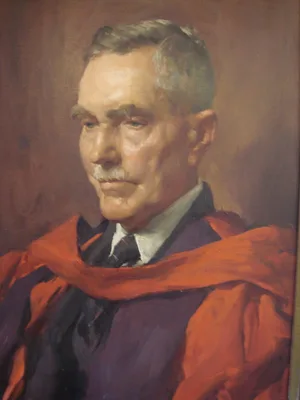
These workers proved that Aëdes aegypti (Stegomyia fasciata) is capable of transmitting dengue fever. See also J. Hyg. (Camb.), 1918, 16, 317-418. With C. H. Bradley and W. McDonald.
1912 CE
#5285.2
On the transmission of human trypanosomes by Glossina morsitans, Westw.; and on the occurrence of human trypanosomes in game.
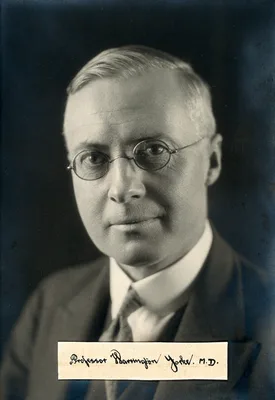
Glossina morsitans shown to be the transmitting fly of T. rhodesiense.
1837 CE
#5024
On the typhus fever which occurred at Philadelphia in the spring and summer of 1836; illustrated by clinical observations at the Philadelphia Hospital; showing the distinction between this form of disease and dothinenteritis, the typhoid fever with alteration of the follicles of the small intestine.
Gerhard, a pupil of Louis, correctly differentiated between typhus and typhoid. Part of his paper is reproduced in R. H. Major, Classic descriptions of disease, 3rd ed., 1945, p. 174.
1919 CE
#2440
On the value of a skin reaction to a suspension of leprous nodules.
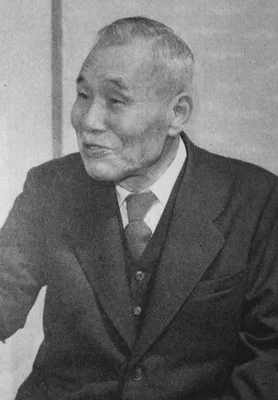
Mitsuda (lepromin) reaction. English translation by the author in Int. J. Leprosy, 1953, 21, 347-58.