
Facets
Browse across eight MeSH (opens in new tab) facets — era, geography, science, specialty, technology, history, culture, and reference. Select one tag per group; counts update across the others.
Clear filtersFacet filters
Geography
Specialties & Disease
- Anatomy & Pathology 765
- Cardiology & Blood 914
- Neurology & Psychiatry 1,256
- Obstetrics & Reproductive 550
- Infectious Disease (General) 147
- Surgery & Anesthesia 1,551
- Public Health 1,129
- Immunology & Dermatology 1,404
- General Clinical Medicine 480
- Military Medicine 436
- Psychology 202
- Alternative & Fringe Medicine 383
- Pediatrics 247
- Ophthalmology & Vision 412
- ENT & Hearing 293
- Urology & Nephrology 309
- Gastroenterology & Hepatology 316
- Pulmonary & Respiratory 233
- Rheumatology, Rehab & Pain 188
- Internal, Emergency & Geriatric 123
- Veterinary Medicine 165
- Epidemiology & Demography 397
- Physiology & Embryology 923
- Dentistry 259
- Plagues & Epidemics 1,279
- Microbiology & Virology 1,080
Social & Historical Studies
Institutions & Culture
Reference & Scholarly Works
923 entries match Physiology & Embryology [G07 / G02.149]
1892 CE
#510
The cell-lineage of Nereis.
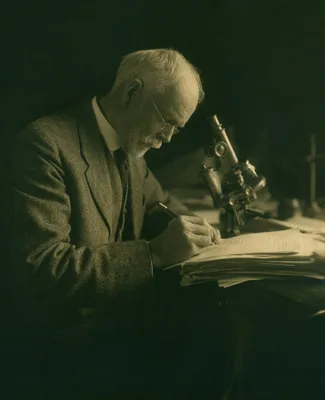
Wilson traced the development of Nereis in minute detail from fertilized egg to the free-swimming larval stage, a pioneer study of cell-lineage.
1907 CE
#1476
The central course of the nervus octavus and its influence on motility.
Winkler was Professor of Neurology and Psychiatry at Amsterdam and Utrecht. He published more than 200 papers, among the most important being that on the central pathways of the eighth nerve.
1933 CE
#2718
The circulation time in various clinical conditions determined by the use of sodium dehydrocholate.
Use of decholin sodium for estimation of circulation time. With B. S. Oppenheimer and R. V. Sagar.
1959 CE
#2578.31
The clonal selection theory of acquired immunity. The Abraham Flexner Lectures of Vanderbilt University 1958.
Burnet's clonal selection theory extended the idea that each antibody-producing cell makes antibodies of only one specificity, predicting these cells proliferate in response to the detection of antigens, cloning and t…
2014 CE
#7289
The complete genome sequence of a Neanderthal from the Altai Mountains.
First complete sequence of a Neanderthal genome. With more than 20 co-authors. In 2022 Pääbo was awarded the Nobel Prize in Physiology or Medicine "for his discoveries concerning the genomes of extinct homin…
1924 CE
#1305
The compound nature of the action current of nerve as disclosed by the cathode ray oscillograph.
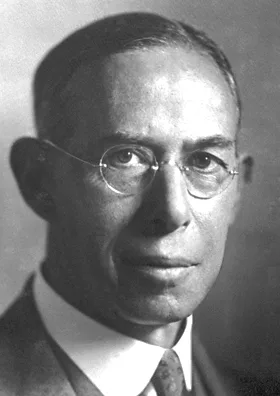
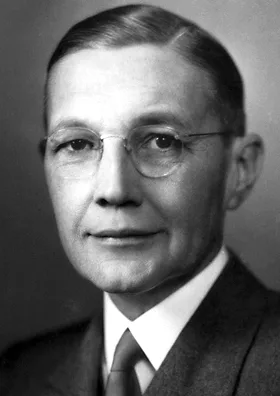
In 1944 Erlanger and Gasser shared the Nobel Prize in Physiology or Medicine "for their discoveries regarding the highly differentiated functions of single nerve fibers."
1969 CE
#2578.39
The covalent structure of an entire ÁG immunoglobulin molecule.
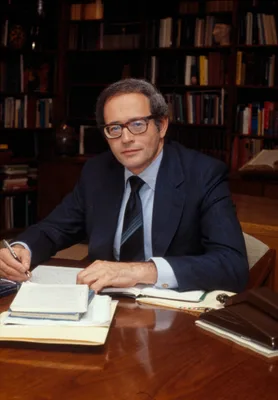
Complete sequence of an immunoglobulin molecule. With five coauthors. In 1972 Edelman shared the Nobel Prize in Physiology or Medicine with R. R. Porter “for their discoveries concerning the chemical structure o…
1835 CE–1859 CE
#603
The cyclopaedia of anatomy and physiology. Edited by Robert Bentley Todd. 5 vols.
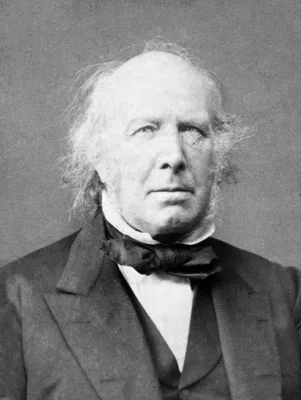
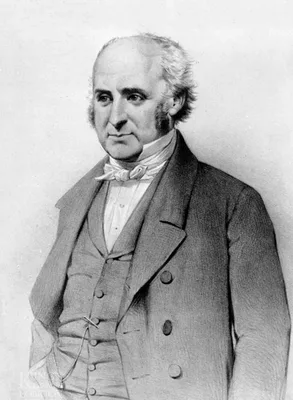
Contributors included Richard Owen and Thomas Huxley, and physicians James Paget, James Young Simpson, and William Bowman.The discoveries of Purkynĕ and Valentin, together with additional observations by William Sharp…
1929 CE
#857
The determination of the cardiac output of man by the use of acetylene.
Grollman introduced the acetylene method of determination of cardiac output.
1987 CE
#7857
The development of American physiology: Scientific medicine in the nineteenth century.
1897 CE
#514
The development of the frog's egg; an introduction to experimental embryology.
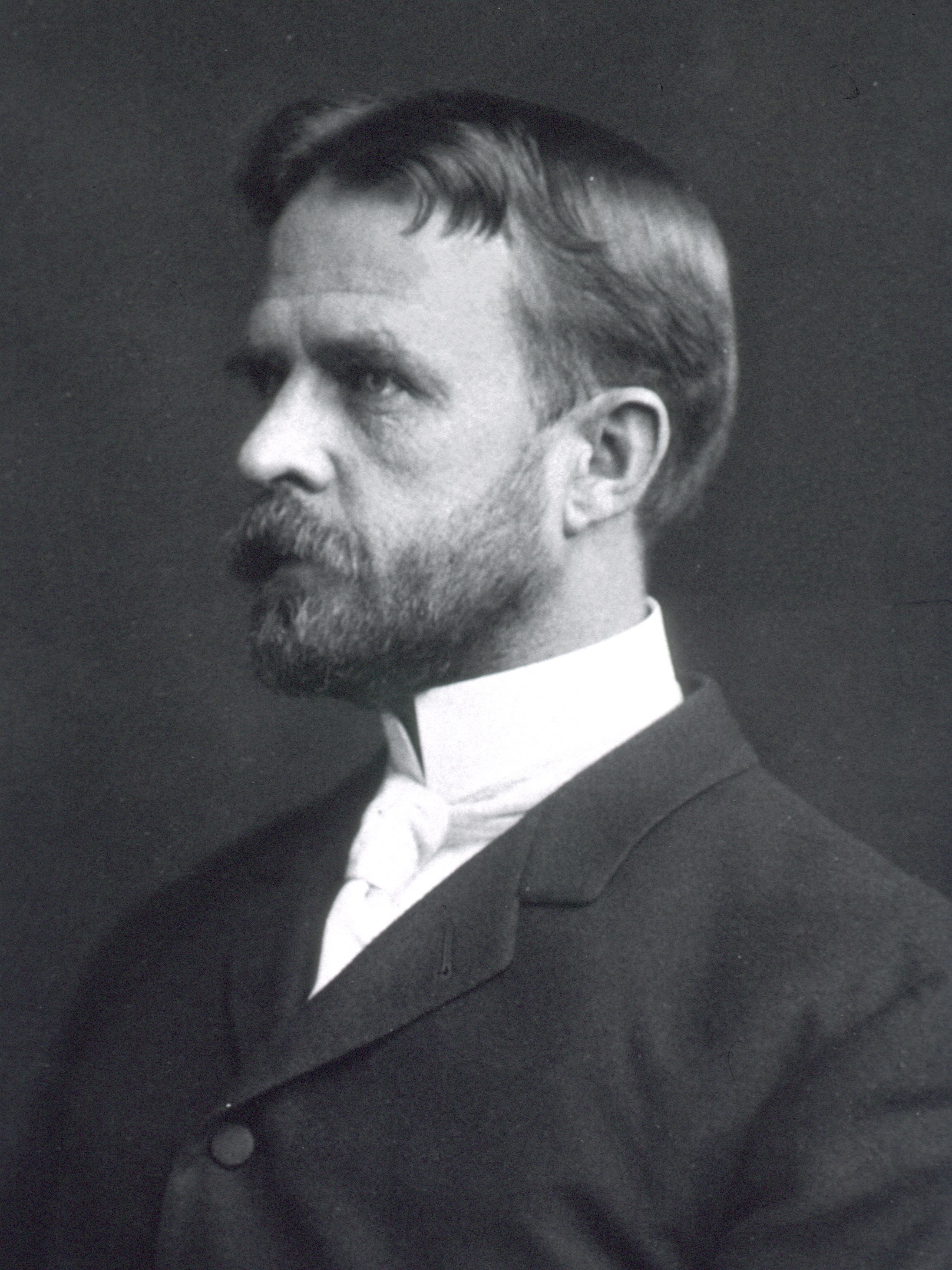
First work in English on experimental embryology.
1928 CE
#7392
The development of the human eye.
The first monograph on the subject, illustrated with drawings by the author.
1912 CE
#11181
The development of the nervous system. Keibel & Mall (eds.) Manual of human embryology, vol. 2, pp. 1-156.
1883 CE
#832
The direct influence of gradual variations of temperature upon the rate of beat of the dog’s heart.
Martin was among the first to study the effect of temperature changes upon the isolated heart.
1960 CE
#1587
The discovery of the reflexes.
1906 CE
#654
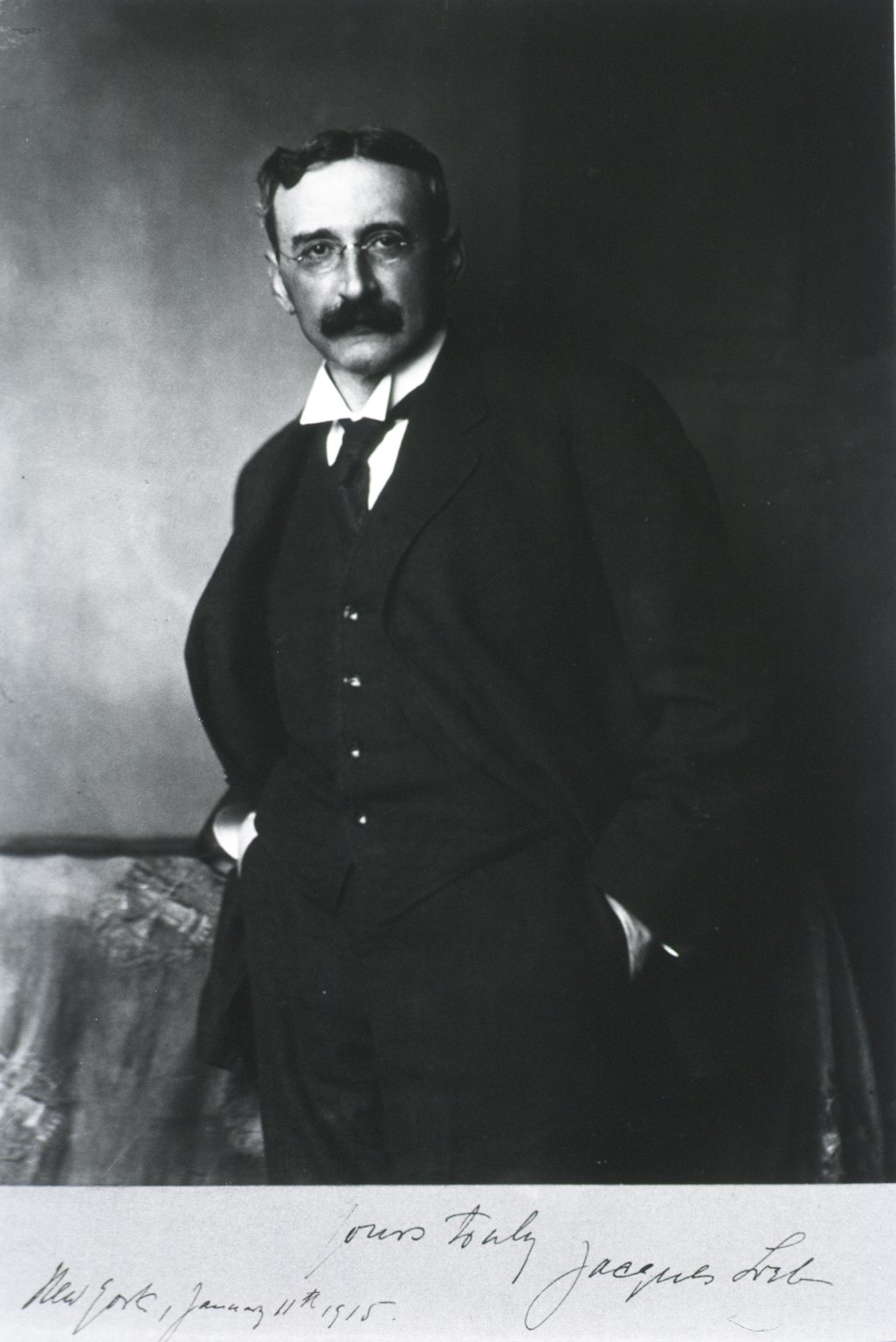
The dynamics of living matter.
1949 CE
#4508
The effects of a hormone of the adrenal cortex (17-hydroxy-11-dehydrocorticosterone: compound E) and of pituitary adrenocorticotropic hormone on rheumatoid arthritis.
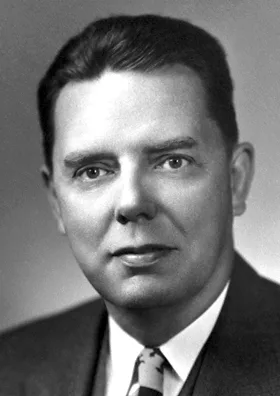
Introduction of cortisone and A.C.T.H. in treatment of rheumatoid arthritis. With C. H. Slocumb, and H. F. Polley. In 1950 Hench and Kendall shared the Nobel Prize in Physiology or Medicine with Tadeusz Reichstein (No…
1873 CE
#10482
The effects of high atmospheric pressure, including the caisson disease.
Classic study of caisson disease. Smith was "Late Surgeon to the New York Bridge Co. (Caisson Work)", treating workmen who built the Brooklyn Bridge. The Eads Bridge (St. Louis) and the Brooklyn Bridge (New York City)…
1899 CE
#4478.105
The effects of training. A study of the Harvard University Crews.
Pioneering study of the physiological effects of training.
1937 CE
#4402
The effects on bone of the presence of metals; based upon electrolysis. An experimental study.
Introduction of vitallium. With W. Stuck and A. Beach.
1875 CE
#1408.1
The electric currents of the brain.
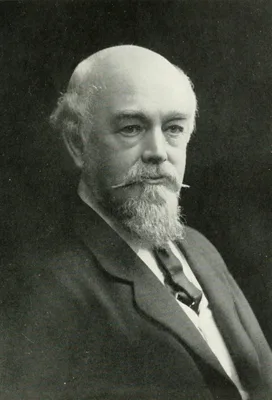
Caton succeeded in leading off action potentials from the brains of animals, a first step towards the development of the electroencephalograph. See also Brit. med. J., 1877, 1, Suppl. 62-75.
1919 CE
#528
The elementary nervous system.
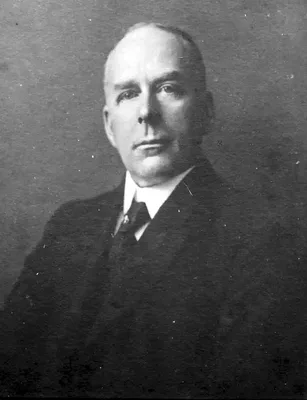
Important studies on the survival of primitive types of neuromuscular mechanism in some of the higher vertebrates.
2005 CE
#12556
The embryo: Scientific discovery and medical ethics. Edited by Shraga Blazer and Etan Z. Zimmer.
Addresses 1: The beginning of life, 2: Embryonic stem cells, 3: Societal, ethical and religious views on genetic intervention in humans, 4: Genetics-From in vitro to in vivo, 5: Fetal surgical and pharmacological inte…
1878 CE
#499
The embryology of Clepsine.
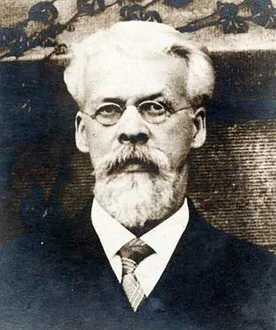
The study of cell-lineage was initiated by Whitman’s paper on Clepsine.
1895 CE
#512
The embryology of the Unionidae. A study in cell-lineage.
1994 CE
#11177
The embryonic human brain: An atlas of developmental stages.
"The first work devoted to the staged, embryonic human brain."
2018 CE
#10946
The emergence of Zika virus and its new clinical syndromes.
Order of authorship in the original publication: Pierson, Diamond. Analyzes, and documents with 147 references, the variety of new clinical syndromes, including fetal / in utero effects, caused by the Zika virus. Also…
2012 CE
#12143
The evolution of the human placenta.
Chapter one is "The history of placental investigations."
1914 CE
#12258
The excitatory process in the dog's heart. Part 1. The auricles.
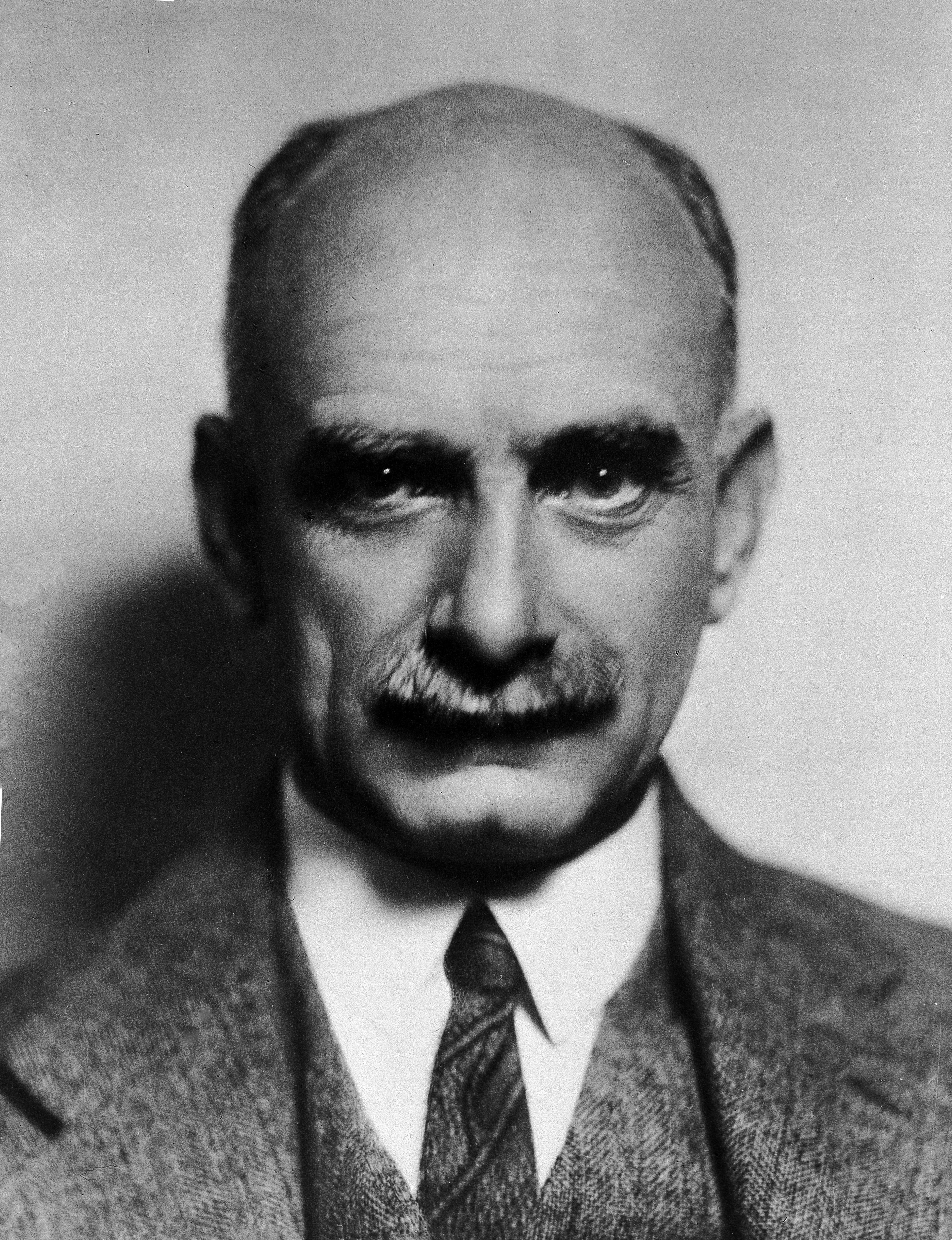
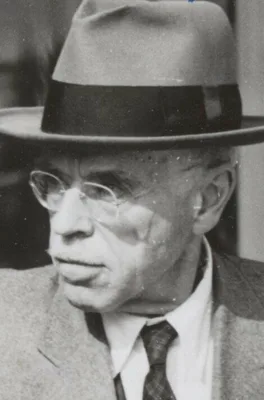
Experiments designed to identify the "origin of the contraction wave in the mammalian heart." Three photographic plates depict numerous electrocardiographic recordings. "From 1910 to 1916, Lewis and his associates per…
1882 CE
#1571
The experimental method in medical science.
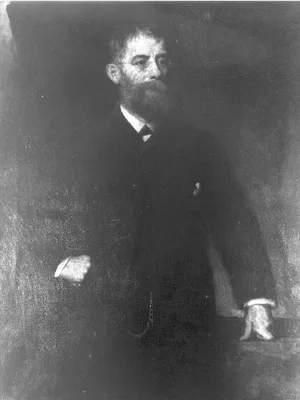
Dalton, Professor of Physiology at the universities of Buffalo and Vermont, and the College of Physicians and Surgeons, New York, was the first American to devote his time exclusively to that subject. He was present a…
1907 CE–1908 CE
#847
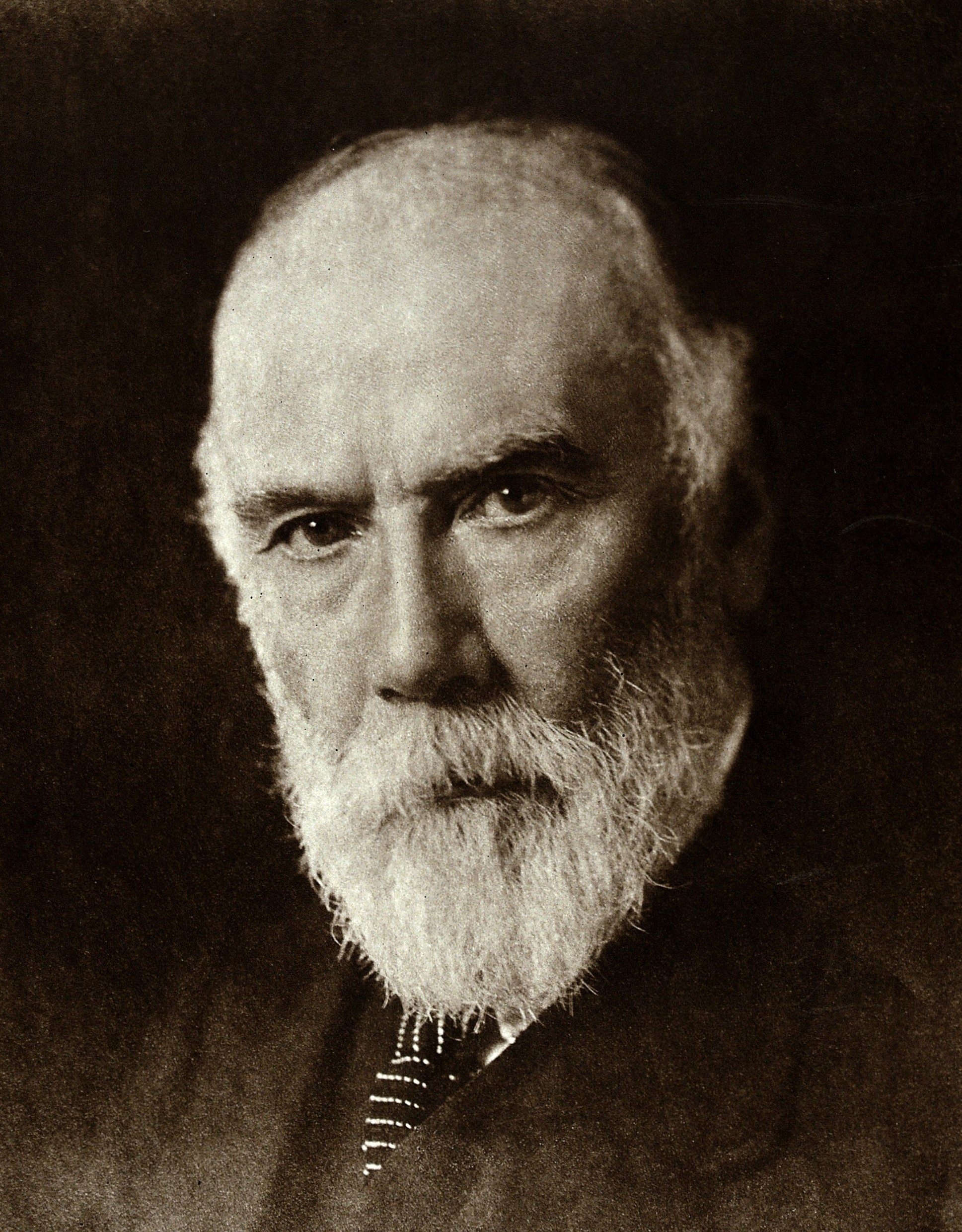
The extra-systole. A contribution to the functional pathology of the primitive cardiac tissue.
1944 CE
#11548
The foetal circulation and cardiovascular system, and the changes that they undergo at birth.
The authors describe the first direct recording of the blood flow in an intact fetus, a fetal lamb. The authors performed this experiment cooperation with Sir Joseph Bancroft and Dr. D. H. Barron.
1906 CE–1907 CE
#844
The form and nature of the muscular connections between the primary divisions of the vertebrate heart.
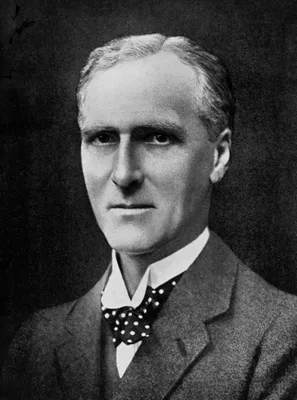
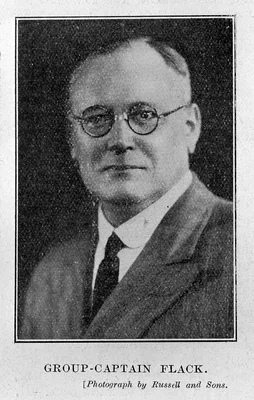
Discovery of the sinoatrial node, the “pacemaker of the heart”. Reprinted in Willius & Keys, Cardiac classics, 1941, pp. 747-62.
1920 CE
#659
The four phases of heat-production of muscle.
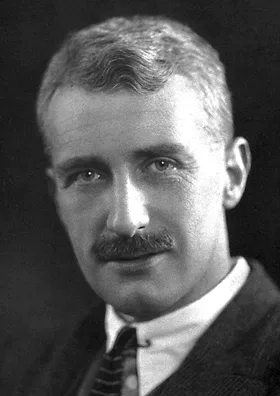
Hill and Hartree made valuable contributions to the knowledge of the thermodynamics of muscle. See also Physiol. Rev., 1922, 2, 310-41, and Hill, A. V., Trails and trials in physiology: a bibliography 1909-1964, 1965.…
1917 CE
#7116
The fundus oculi of birds especially as viewed by the ophthalmoscope. A study in comparative anatomy and physiology. Illustrated by 143 drawings... also by sixty-one colored paintings prepared for this work by Arthur W. Head.
Digital facsimile from the Biodiversity Heritage Library, Internet Archive, at this link.
1974 CE
#9941
The genetics of CAENORHABDITIS ELEGANS.
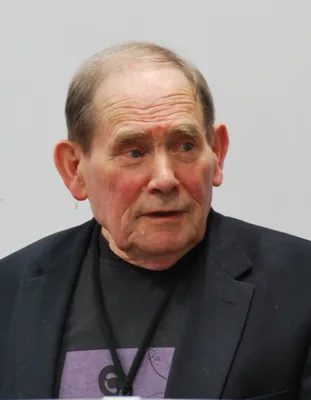
In 2002 Brenner shared the Nobel Prize in Physiology or Medicine in Physiology or Medicine with H. Robert Horvitz and John Sulston "for their discoveries concerning genetic regulation of organ development and programm…
2006 CE
#8780
The great starvation experiment: Ancel Keys and the men who starved for science.
1920 CE
#7000
The growth and shedding of the antlers of the deer. The histological phenomena and their relation to the growth of bone.
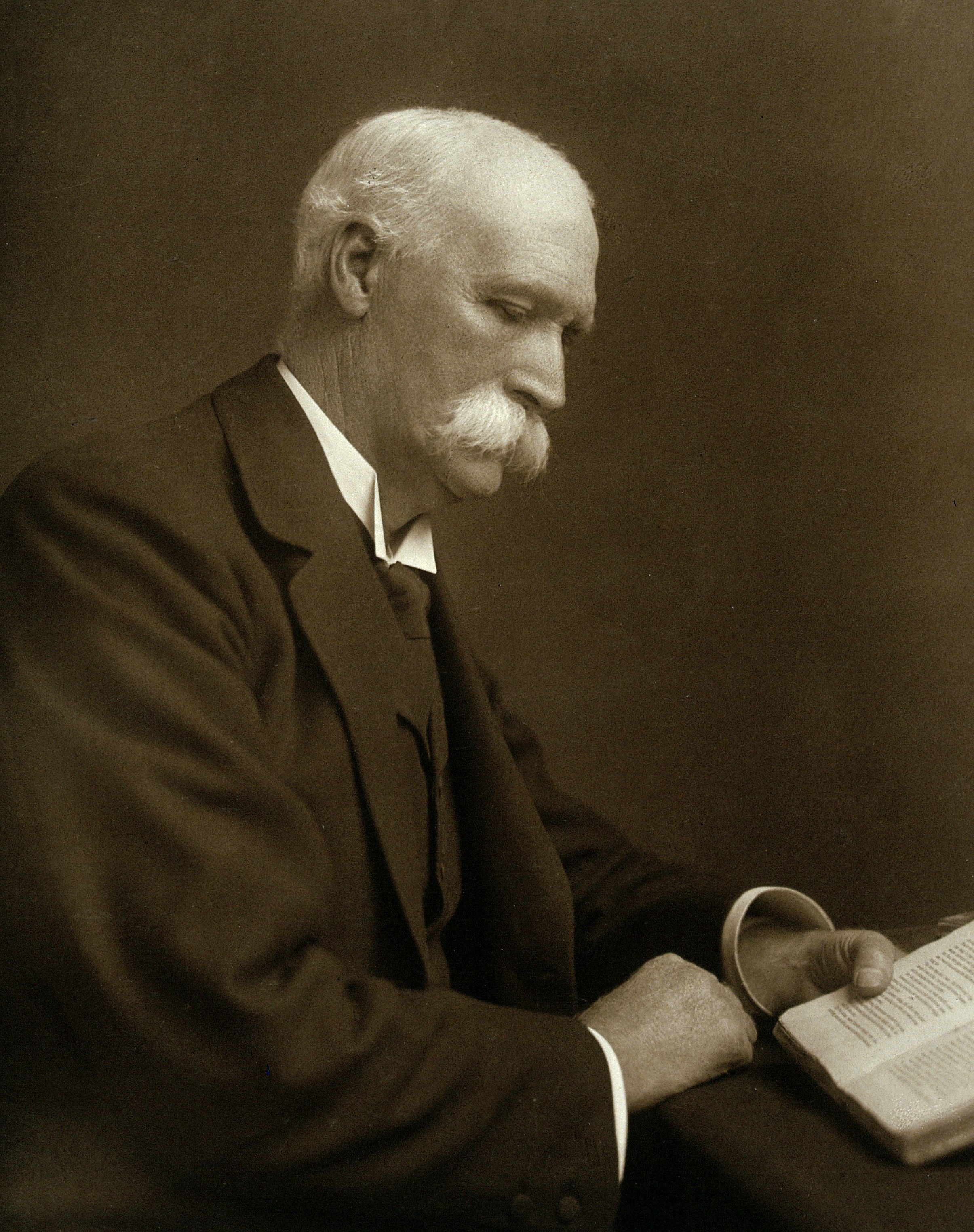
The first study of the unusual and dramatic physiology of the annual growth and shedding of the antlers of deer. "The amount of bony matter annually secreted to form antlers of the larger deer is enormous, antlers of …
1912 CE
#656.1
The growth of bone.
Throughout his life Macewen devoted much time to the study of bone growth. His researches revolutionized ideas concerning osteogenesis.
1960 CE
#11708
The growth of scientific physiology: Physiological method and the mechanist-vitalist controversy, illustrated by the problems of respiration and animal heat.
1895 CE
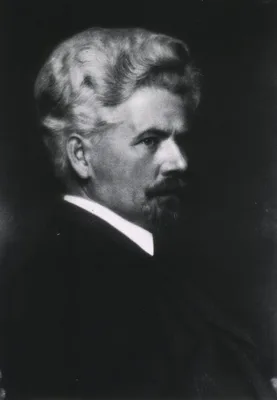
#1425
The growth of the brain.
1929 CE
#566.1
The growth, development and phosphatase activity of embryonic avian femora in limb-buds cultivated in vitro.
First modern organ cultures.
1833 CE
#411.1
The hand: Its mechanism and vital endowments as evincing design.
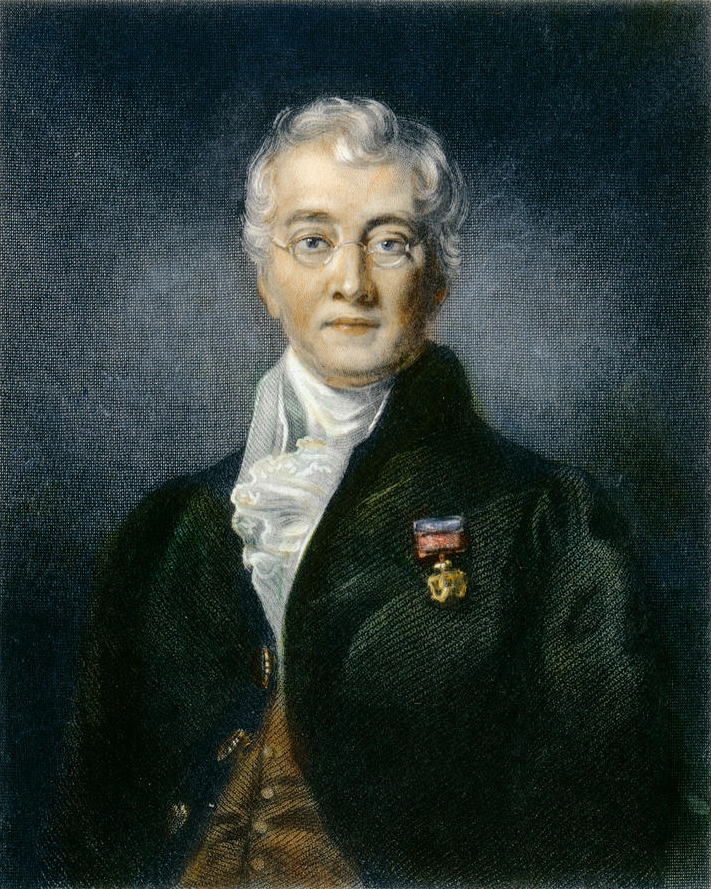
Classic work on the anatomy, physiology, bio-mechanics, comparative anatomy, and adaptive importance of the hand. Issued as a volume in a series entitled the "Bridgewater Treatises." The first edition has 288pp. An en…
1973 CE
#1588.13
The heart and the vascular system in ancient Greek medicine from Alcmaeon to Galen.
1971 CE
#14258
The hippocampus as a spatial map. Preliminary evidence from unit activity in the freely-moving rat.
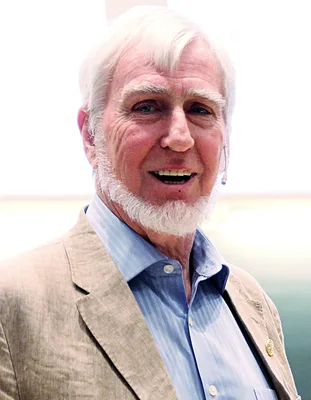
See also: O'Keefe, "Place units in the hippocampus of the freely moving rat," Experimental Neurology, 51 (1976) 78–109. O’Keefe and his student Jonathan Dostrovsky discovered place cells in the hippocampus…
1959 CE
#1586.1
The historical development of physiological thought.
1958 CE
#1586
The history and philosophy of knowledge of the brain and its functions: an Anglo-American symposium.
1986 CE
#1588.22
The history of blood gases, acids and bases.
The authors were prominent investigators in the field.
1966 CE
#1588.3
The history of cell respiration and cytochrome
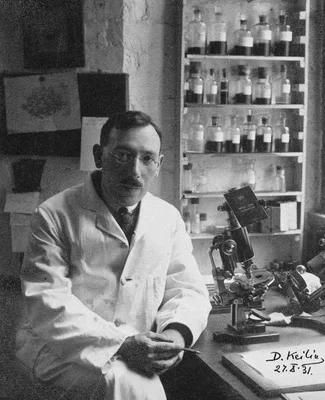
See No. 968.
1651 CE
#467.1
The history of generation…
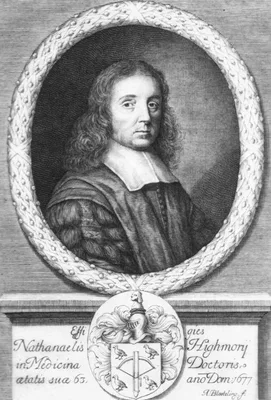
Highmore’s account of the development of the chick is the first embryological study based on microscopical examination, predating Malpighi (No. 468) by more than twenty years. This is also the first book in Engl…