
Facets
Browse across eight MeSH (opens in new tab) facets — era, geography, science, specialty, technology, history, culture, and reference. Select one tag per group; counts update across the others.
Clear filtersFacet filters
Geography
Specialties & Disease
- Anatomy & Pathology 765
- Cardiology & Blood 914
- Neurology & Psychiatry 1,256
- Obstetrics & Reproductive 550
- Infectious Disease (General) 147
- Surgery & Anesthesia 1,551
- Public Health 1,129
- Immunology & Dermatology 1,404
- General Clinical Medicine 480
- Military Medicine 436
- Psychology 202
- Alternative & Fringe Medicine 383
- Pediatrics 247
- Ophthalmology & Vision 412
- ENT & Hearing 293
- Urology & Nephrology 309
- Gastroenterology & Hepatology 316
- Pulmonary & Respiratory 233
- Rheumatology, Rehab & Pain 188
- Internal, Emergency & Geriatric 123
- Veterinary Medicine 165
- Epidemiology & Demography 397
- Physiology & Embryology 923
- Dentistry 259
- Plagues & Epidemics 1,279
- Microbiology & Virology 1,080
Social & Historical Studies
Institutions & Culture
Reference & Scholarly Works
1,279 entries match Plagues & Epidemics [C01.252]
1857 CE
#5269
Missionary travels and researches in South Africa.
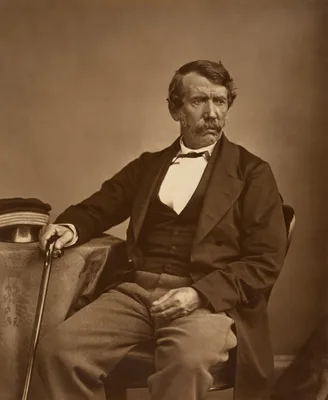
Livingstone gave an accurate account of the tsetse fly Glossina morsitans and of the disease in cattle following its bite (see pp. 80-83; picture of the tsetse fly on p. 571). In his time the bite of the fly was thoug…
1848 CE
#12083
Mittheilungen über die in Oberschlesien herrschende Typhus-Epidemie.
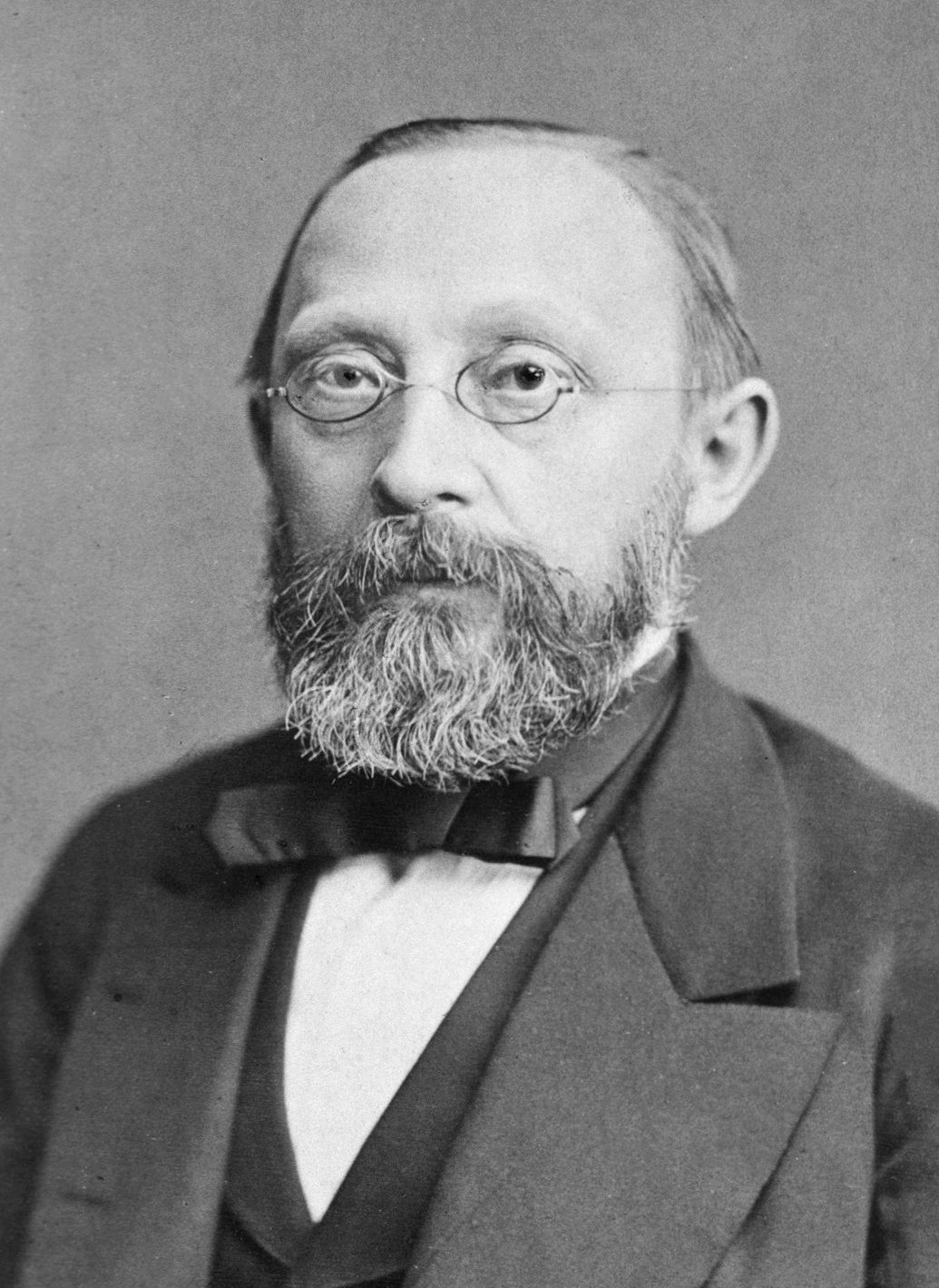
Virchow was one of the first to identify medicine as a social science. He developed a theory of epidemics that emphasized the social circumstances permitting spread of illness. This approach has been called sociologic…
1996 CE
#11995
Molecular analysis of genetic differences between Mycobacterium bovis BCG and virulent M. bovis.
Order of authorship in the original publication: Mahairas, Sabo, Hickey.... From the Abstract: "The live attenuated bacillus Calmette-Guérin (BCG) vaccine for the prevention of disease associated with Mycobacte…
1533 CE
#2366
Morbi gallici novum ac utilissimum opusculum quo vera et omnimoda ejus cura percipi potest.
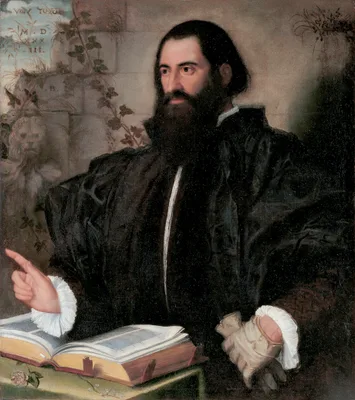
Mattioli considered mercury a specific in the treatment of syphilis. He was probably the first to work extensively on syphilis of the newborn. He is better known for his commentary on Dioscorides.
1774 CE
#2376
Morborum antiquitates.
Pp. 85-100: “Lists 191 semeiological varieties of syphilis described in the period” (Garrison).
1902 CE
#9260
Mosquito brigades and how to organise them.
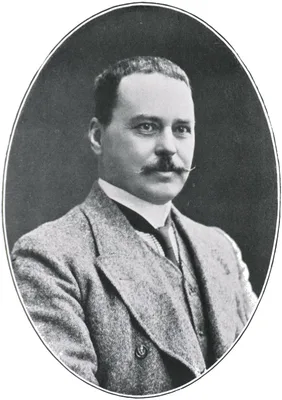
Digital facsimile from the Internet Archive at this link.
2010 CE
#9389
Mosquito empires: Ecology and war in the Greater Caribbean, 1620-1914.
"explores the links among ecology, disease, and international politics in the context of the Greater Caribbean - the landscapes lying between Surinam and the Chesapeake - in the seventeenth through early twentieth cen…
2003 CE
#14155
Mountains beyond mountains: The quest of Dr. Paul Farmer, a man who would cure the world

Traces the life of physician and anthropologist Paul Farmer with particular focus on his work fighting tuberculosis, especially in Haiti, Peru, and Russia.
1722 CE
#5414.1
Mr. Maitland’s account of inoculating the small pox.
Maitland inoculated the children of Lady Mary Wortley Montagu in 1721, and also inoculated six condemned prisoners as part of the so-called “Royal Experiment”. Success with these trials lead to his inocula…
2005 CE
#10080
Must we all die? Alaska's enduring struggle with tuberculosis.
1974 CE
#12718
Myocardial infarction due to coronary thromboarteritis following acute febrile mucocutaneous lymph node syndrome (MLNS) in an infant.
The authors reported the case of a 6 month old baby who died from a myocardiac infarction after "recovering" from Kawasaki disease. Autopsy showed that the baby died from classical coronary artery thrombosis accompani…
1756 CE
#5290
Natural history of Aleppo and parts adjacent.
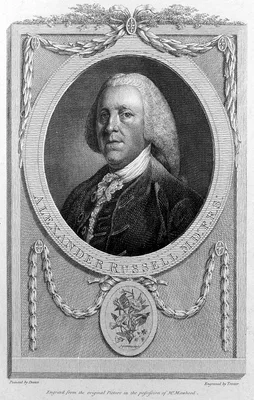
Includes (Chap, iv) a good account of “Aleppo boil”, which Russell found to be endemic in Aleppo. Digital facsimile from the Internet Archive at this link.
1843 CE
#5310
Natural history, pathology and treatment of the epidemic fever at present prevailing in Edinburgh and other towns.
The epidemic of relapsing fever in Edinburgh in 1843 was well described by Cormack. He was first editor of the Association Medical Journal which later became the British Medical Journal.
1868 CE
#5425.1
Nature des virus vaccin. Détermination expérimentale des éléments qui constituent le principe virulent dans le pus varioleux et le pus morveux.
Chauveau first used the term “elementary bodies” to describe the minute bodies inside the inclusions and which were the infective particles.
1952 CE
#10940
Neutralizing antibodies against certain recently isolated viruses in the sera of human beings residing in East Africa.
First report of human illness caused by Zika virus, detected in Uganda and Tanzania. 38 patients had neutralizing antibodies to Zika virus in their blood serum, proving that they had been infected by the virus. (Thank…
1987 CE
#12487
No magic bullet: A social history of venereal disease in the United States since 1880.
1944 CE
#2432
Notable contributors to the knowledge of syphilis.
1904 CE
#5349.2
Note on a new form of liver cirrhosis due to the presence of the ova of Bilharzia haematobia.
“Symmers’s fibrosis”, pipe stem fibrosis of the liver, occurring in cases of certain forms of schistosomiasis.
1901 CE
#5253
Note on a simple and rapid method of producing Romanowsky staining in malarial and other blood films.
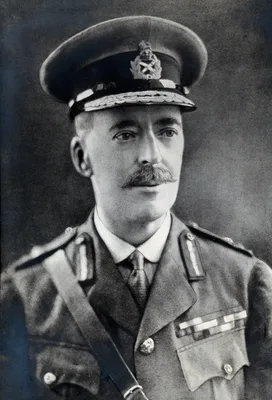
“Leishman’s stain”, a modification of that introduced by Romanovsky in 1891.
1907 CE
#5333
Note on an organism found in yellow-fever tissue.
Stimson discovered a spirochete in the organs of persons dying of (?) yellow fever. He called it Sp. interrogans, but it was almost certainly Leptospira icterohaemorrhagiae.
1904 CE
#5298
Note on the nature of the parasitic bodies found in tropical splenomegaly.
1904 CE
#5299
Note on the occurrence of Leishman–Donovan bodies in “cachexial fevers” including kala-azar.
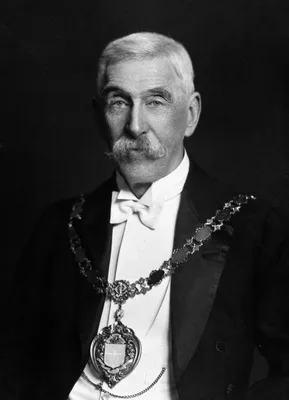
Rogers demonstrated the Leishman–Donovan bodies in kala-azar. See also the same journal, 1904, 2, 645-50. At about the same time Bentley reported similar findings in India.
1863 CE
#5344.3
Note sur une tumeur des bourses contenant un liquide laiteux (galactocèle de Vidal) et renfermant de petits êtres vermiformes que l’on peut considérer comme les helminthes hèmatoïdes à l’étatd’embryon.
Description of the embryonic stage of Wuchereria bancrofti in hydrocele fluid.
1854 CE
#2435
Notes on native remedies. No. 1. The chaulmoogra.
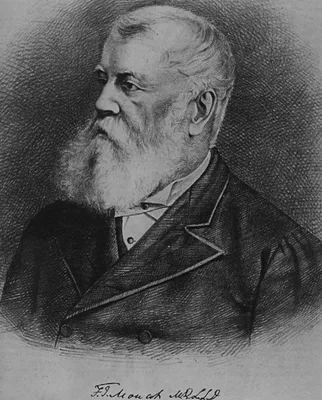
Chaulmoogra oil was first introduced into Western medicine by Mouat, having been used for many centuries previously by the Chinese
1837 CE
#8803
Notes on the medical topography of Calcutta.
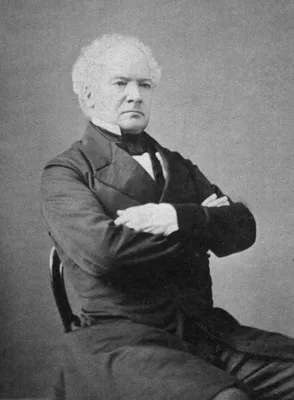
Digital facsimile from the Internet Archive at this link.
1898 CE
#5250
Notes on the pathological changes in the organs of birds infected with haemocytozoa.
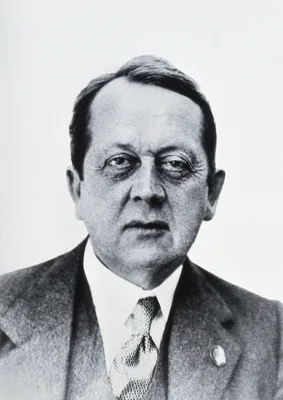
MacCallum and Opie discovered the sexual phase of malaria parasites.
1903 CE
#13923
Notes on the treatment of yellow fever at Las Animas Hospital, the hospital of the Sanitary Department, during the epidemic of 1900 at Havana, Cuba.
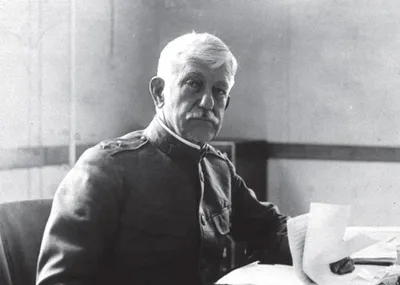
In 1901 Gorgas was sent to Havana to undertake a special campaign against the yellow fever mosquito Aëdes aegypti. His methods of sanitation were so successful that in three months yellow fever was practically er…
1843 CE
#5311
Notice of a febrile disorder which has prevailed at Edinburgh during the summer of 1843.
Relapsing fever was given its name by Craigie, in his description of the Edinburgh epidemic.
1868 CE
#5344.6
Noticiar preliminar sobre vermes de uma especie ainda nao descripta, encontrados na urina de doentes de hematuria intertropical no Brazil.
In 1866 Wucherer saw the embryo form of the filaria worm. Later the name Wuchereria bancrofti was applied to it. English translation in Kean (No. 2268.1).
1707 CE
#8938
Noticias do que he o achaque do bicho, diffiniçam do seu crestame[n]to, subimento corrupçaõ, sinaes, & cura atè, o quinto grao, ou intensaõ delle, suas differenças, & co[m]plicaços, com que se ajunta.
This book has been "considered by some authors to be the first reference to the chagasic megaesophagus and megacolon that appeared in history. In descriptions considered to refer megaesophagus, although dysphagia, the…
1714 CE–1716 CE
#5410
Nova & tuta variolas excitandi per transplantationem methodus, nuper inventa & in usum tracta.
This reprint of No. 5409.1 appeared in the same volume as Timoni’s paper. Both were republished in Latin: Tractatus bini de nova variolas per transplantationem excitandi methodo, Leyden, 1721. Digital facsimile …
1715 CE
#5409.1
Nova et tuta variolas excitandi per transplantationem methodus; nuper inventa & in usum tracta: Qua rite peracta, immunia in posterum praeservantur ab huiusmodi contagio corpora.
Inoculation was practiced in ancient times. In 1701 Pilarino inoculated three children at Constantinople with smallpox virus. He is credited with the “medical” discovery of variolation, and is thus the fir…
1909 CE
#5283
Nova tripanozomiaze humana. Estudos sobre a morfolojia e o ciclo evolutivo do Schizotrypanum cruzi n.gen., n.sp., ajente etiolojico de nova entidade morbida do homen.
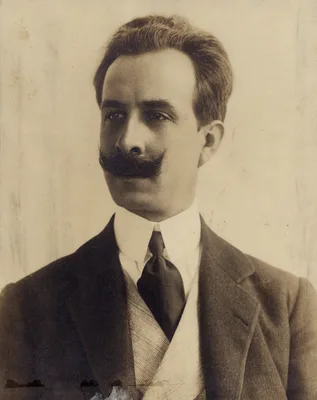
Chagas discovered T. cruzi, causal organism in American trypanosomiasis (“Chagas’s disease”). Partial English translation in Kean (No. 2268.1).
2020 CE
#13485
Novel 2019 coronavirus genome.

https://virological.org/t/novel-2019-coronavirus-genome/319 "Novel 2019 coronavirus genome "10th January 2020 "This posting is communicated by Edward C. Holmes, University of Sydney on behalf of the consortium led by …
2015 CE
#10917
Novel thogotovirus associated with febrile illness and death, United States, 2014.
Order of authorship in the original paper: Kosoy, Lambert, Hawkinson, Staples. Discovery of a new tick-borne Thogotovirus named by the authors "Bourbon virus" after Bourbon County, Kansas. (Thanks to Juan Weiss for th…
1965 CE–1971 CE
#9423
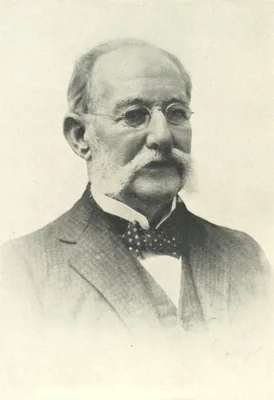
Obras completa. Compiladas por César Rodriguez Expósito. 5 vols.
1685 CE
#5407
Observationes medicae circa morborum acutorum historiam et curationem. Ed. quarta.
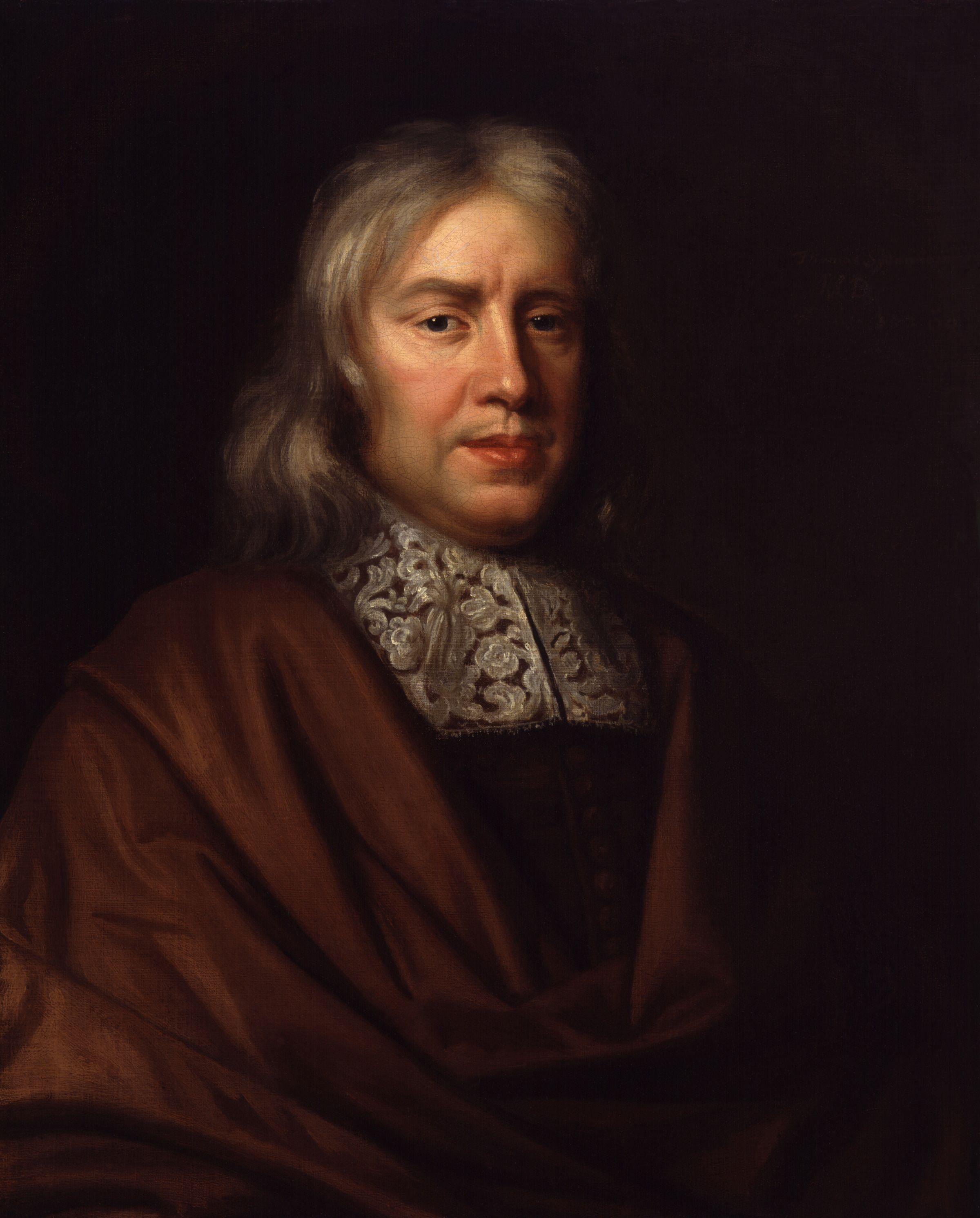
Contains (Book 3, Cap. 2; Book 5, Cap. 4) an important account of smallpox, particularly the epidemics of 1667-69 and 1674-75. Sydenham attributed smallpox to a specific inflammation of the blood; he clearly distingui…
1676 CE
#2198
Observationes medicae circa morborum acutorum historiamet curationem.
Sydenham recorded significant observations on dysentery, scarlet fever (p. 387), scarlatina, measles and other conditions. He stressed the clinical study of medicine and kept careful case records. Includes (pp. 272-80…
1836 CE
#5023.1
Observations on continued fever, as it occurs in the city of Glasgow hospitals.
Perry correctly described many of the distinctions between typhus and typhoid.
1780 CE
#2205
Observations on fevers, especially those of the continued type, and on the scarlet fever attended with ulcerated sore-throat, as it appeared at Newcastle upon Tyne in the year 1778: Together with a comparative view of that epidemic with the scarlet fever as described by authors, and the angina maligna.
Digital facsimile from the Intenet Archive at this link.
1870 CE
#5313
Observations on relapsing fever, as it occurred in Philadelphia in the winter of 1869 and 1870.
Parry called attention to infection from articles of clothing worn by victims of the epidemic of relapsing fever in Philadelphia in 1869.
1840 CE
#5267
Observations on the disease lethargus: with cases and pathology.

Clarke left a detailed account of African trypanosomiasis; he saw cases of the disease while serving as a colonial surgeon at Sierra Leone, and named it “narcoleptic dropsy”.
1773 CE
#8813
Observations on the diseases in long voyages to hot countries, and particularly on those which prevail in the East Indies.
Digital facsimile of the third edition, "revised and enlarged" (1793) from the Internet Archive at this link.
1780 CE
#9466
Observations on the diseases which appeared in the army on St. Lucia....To which are prefixed remarks calculated to assist in ascertaining the causes, and in explaining the treatment of those diseases.
Digital facsimile from Google Books at this link. Revised and expanded edition, 1781; digital facsimile of the 1781 edition from Google Books at this link.
1768 CE
#4634
Observations on the dropsy in the brain.
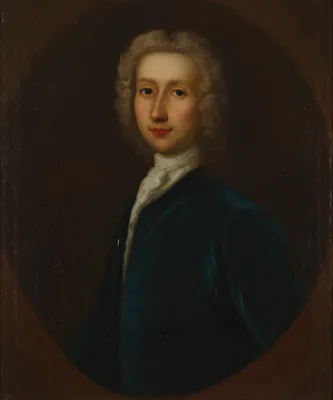
The first account of the clinical course of tuberculous meningitis in children. This work is notable for its fullness of detail and its accuracy. Whytt divided the disease into three stages, according to the character…
1832 CE
#10812
Observations on the epidemic now prevailing in the city of New-York; called the Asiatic or spasmodic cholera; with advice to the planters of the South, for the medical treatment of their slaves.
Digital facsimile from the Internet Archive at this link.
1801 CE
#8372
Observations on the increase and decrease of different disease, and particularly of the plague.
Heberden observed that the number of deaths from dysentery sharply decreased over the 18th century, but that deaths attributed to apoplexy increased. Digital facsimile from the Internet Archive at this link.
1808 CE
#3168
Observations on the inflammatory affections of the mucous membrane of the bronchiae.
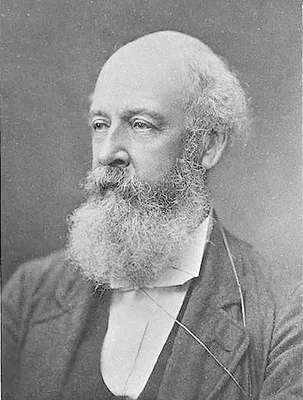
Badham distinguished acute and chronic bronchitis from pneumonia and pleurisy, with which it had previously been confused. He gave the disease its present name. Digital facsimile from Google Books at this link.
1914 CE
#5129.1
Observations on the mechanism of the transmission of plague by fleas.
Bacot and Martin demonstrated the method by which the rat flea (primarily Xenopsylla cheopis) transmits the plague bacillus from rat to man.
1750 CE
#5374
Observations on the nature and cure of hospital and jayl-fevers.
Pringle was a strong advocate of better ventilation in prisons and hospitals as a means of preventing typhus, which he showed to be identical with “hospital fever”.